
This California River Gets Packed With Salmon, And Bears Know Where To Find Them
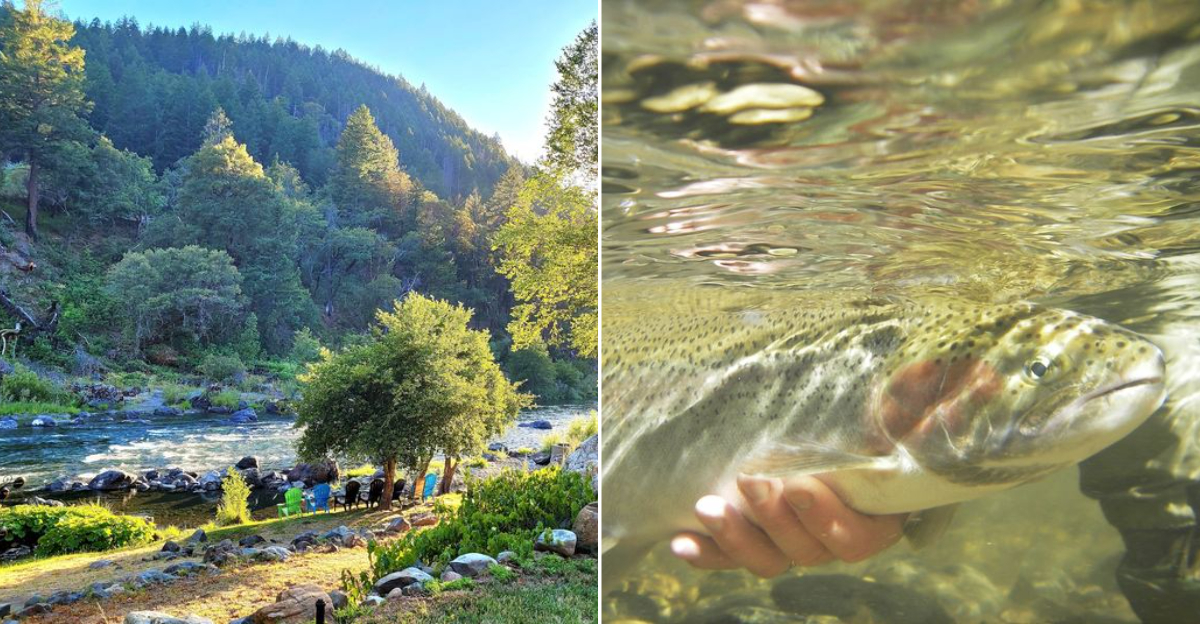
Every October, the same thing happens in California. Chinook salmon pour out of the Pacific, push through the Klamath, and turn hard into a 165-mile stretch of cold, fast water fed by granite snowpack.
Black bears already know. They come down from the trees, wade into the shallows, and wait.
Bald eagles circle above. Ospreys fall from branches like dropped stones.
River otters thread between boulders without slowing down. This is the Trinity River, and what plays out here every fall has been running on the same schedule for thousands of years.
You can fish it, raft it, swim in it, or pull over at a highway turnout and just watch the current. Campgrounds sit right on the bank.
Trails push up into wilderness where wildflowers go wild in July. Cell service vanishes for miles at a stretch, and everyone agrees that is the best part.
Pack a camera, bring binoculars, and give yourself more days than you think you need. You will use them.
Salmon Runs Fill The Canyon
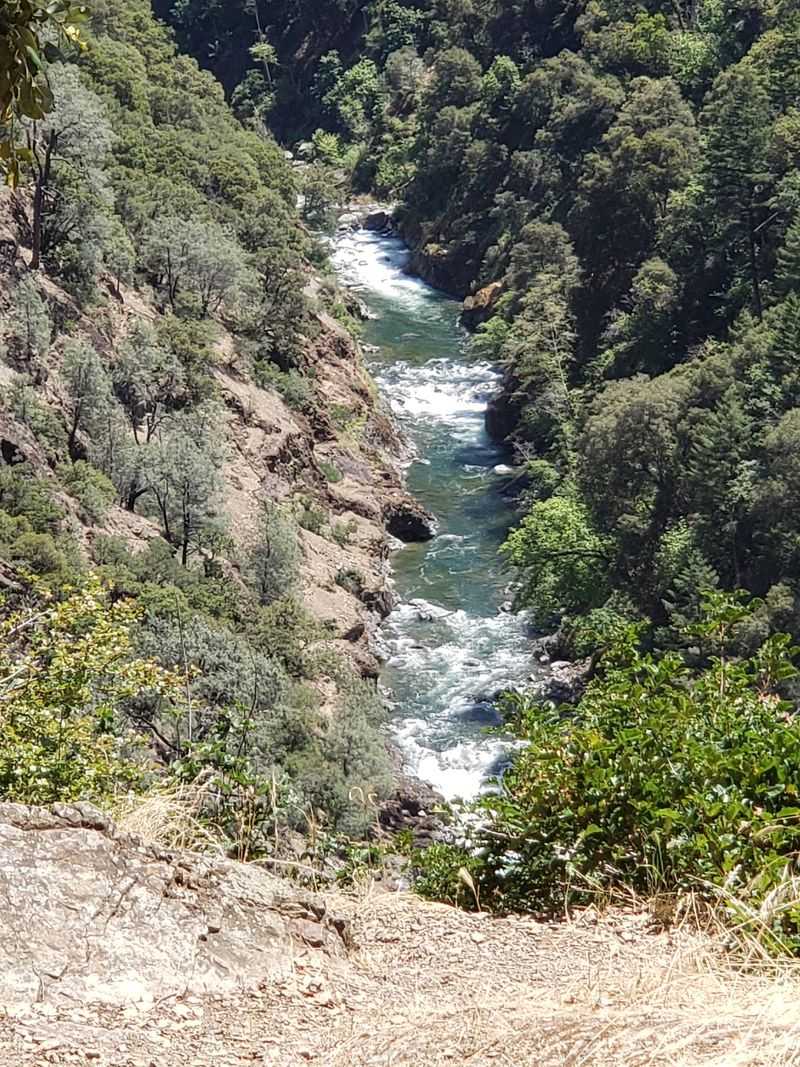
Late summer signals the start of one of California’s greatest animal journeys. Fall-run Chinook salmon leave the Pacific, push into the Klamath, then turn up the Trinity by early October.
Spawning peaks in November and keeps going through December. Spring-run Chinook arrive earlier, holding in cold pools from May through July before spawning in mid-September.
Coho show up around mid-October, though fishing for them is off-limits since they are protected.
Numbers here matter. Fall Chinook are the most common salmon in the river, and early 2025 counts recorded the highest spring Chinook return since 2013.
That is real progress after decades of decline.
Watching them is easier than you might think. Shallow riffles and gravel bars let you spot dark shapes wriggling against the current.
Bring polarized sunglasses and the whole underwater world snaps into focus.
Stand quietly on a bank at dawn and you will hear splashing before you see anything. Then a fish rockets over a shallow lip and keeps going.
Some travel over a hundred miles to reach their birthplace.
Have you ever watched a fish fight upstream against water moving faster than it can swim?
Time your trip for October or November if salmon are your main goal. That is when the canyon feels most alive, and when the bears start paying very close attention.
Black Bears Come For Dinner
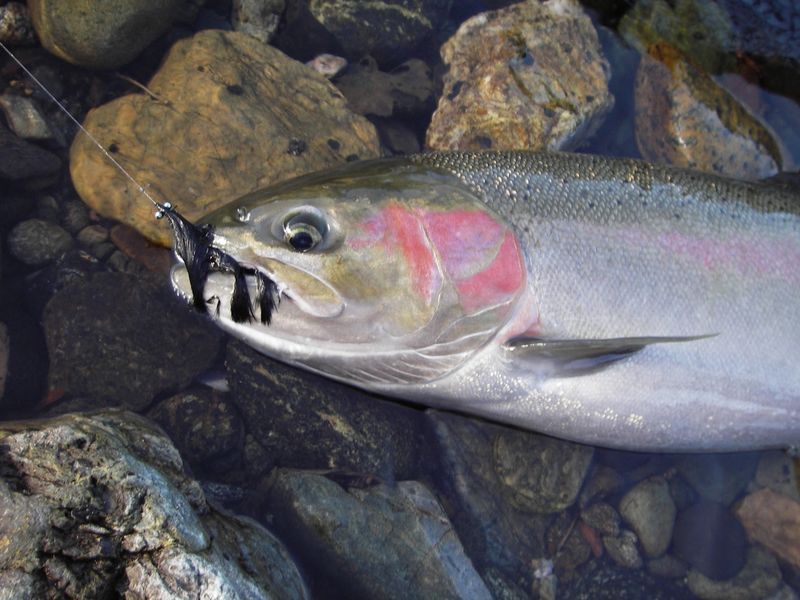
Northern California holds an estimated 25,000 to 30,000 black bears, and plenty of them call this watershed home. California black bears are smart, curious, and extremely good at remembering where food shows up.
Spring Chinook are a favorite target in the Trinity watershed. Researchers note that most of a bear’s diet is actually seeds and fruit, so salmon works like a seasonal protein bonus that packs on weight fast.
Sightings happen along quiet stretches of shoreline, near shady side channels, and around gravel bars where fish bunch up. Hikers in the Trinity Alps run into them regularly.
Keep your distance. Two hundred feet or more is smart, and a zoom lens beats a close approach every single time.
Bears here rarely act aggressive, but they will absolutely raid a cooler.
Store food in bear boxes at campgrounds, or lock it in your vehicle out of sight. Never leave scraps at a picnic spot.
Would you rather spot a bear from a canoe drifting downstream or from a trail high above the water?
Early morning and the hour before sunset give you the best odds. Move slowly, talk softly, and scan the far bank.
That dark shape by the willows might just lift its head and stare right back at you.
Highway 299 Scenic Drive
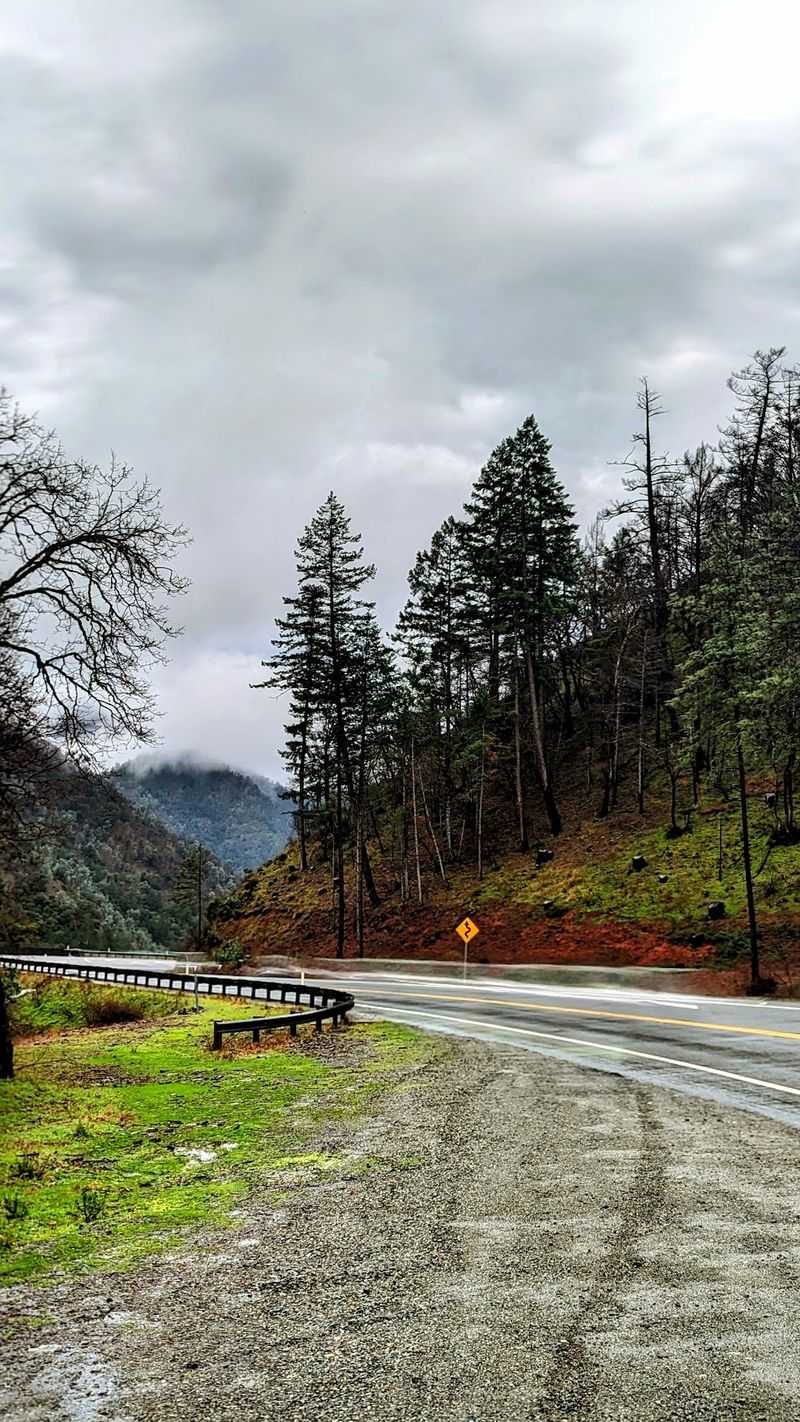
Drive slow, and let the hurried folks pass you. Scenic Highway 299 traces the river through the Klamath Mountains, and it might be the most relaxing road in this corner of California.
Turnouts appear every few miles. Some sit right above emerald pools.
Others open onto long canyon views with ridges stacking into the distance like waves.
The route connects Redding to the coast, but treating it as a quick shortcut wastes the whole point. Give yourself half a day at minimum, longer if you plan to stop and wander.
Watch for wildlife along the shoulders. Blacktail deer graze near the road at dusk.
Ospreys perch on snags. Bald eagles sometimes glide right over your windshield.
Photographers love the morning light here, when mist rises off the water and the canyon walls glow gold. Afternoon works too, especially in fall when big-leaf maples turn yellow.
What roadside view would you stop at first, a rushing rapid or a still green pool?
Fill your gas tank before you start. Services get thin between towns, and cell coverage vanishes for long stretches.
Pack snacks, load a playlist offline, and enjoy the disconnect. Honestly, that silence becomes part of the memory.
Steelhead Fishing Draws Anglers Worldwide
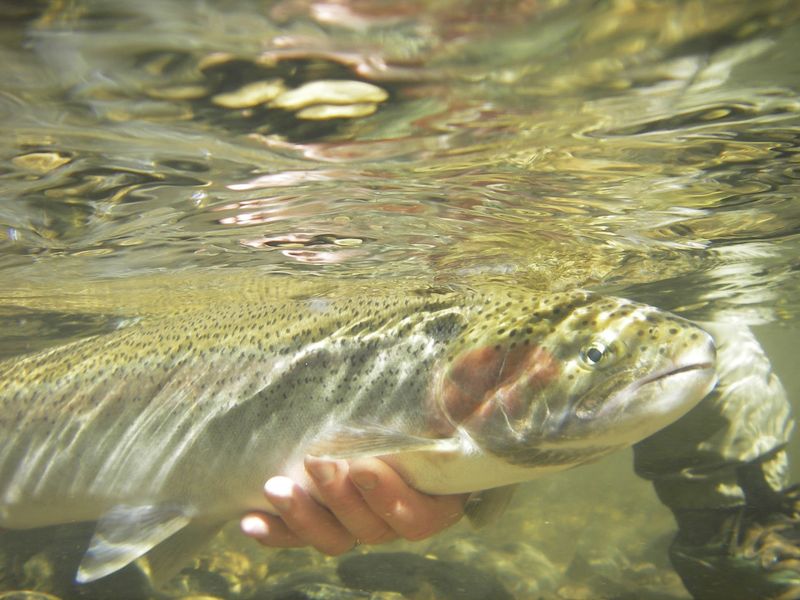
Ask a serious angler about steelhead in the western United States and this river comes up fast. It ranks among the finest steelhead streams anywhere, with a season running roughly September through June.
Winter-run fish arrive from November into April. Summer-run adults enter between May and October, then hold in cool water for months before spawning.
Peak action lands in fall and winter.
A fly-fishing-only section sits downstream of Lewiston Dam, and it is a favorite among purists chasing that perfect drift. Farther down, gear anglers find plenty of open water.
Chinook draw crowds too, especially in October and November. Trinity Lake upstream holds bass if you want a change of pace.
Licenses are required, and regulations shift by season and river section, so check current California rules before you cast. Coho are strictly catch-and-release-free, meaning no targeting at all.
Local guides know the runs, the holding water, and the timing. Booking one for a first visit saves hours of guesswork.
Which would give you a bigger thrill, hooking a chrome steelhead or watching one roll right beside your boat?
Dress in layers. Mornings on the water get sharply cold even when afternoons feel warm.
Waders, wool socks, and a thermos make the difference between misery and a great day.
Rafting Rapids For Every Level
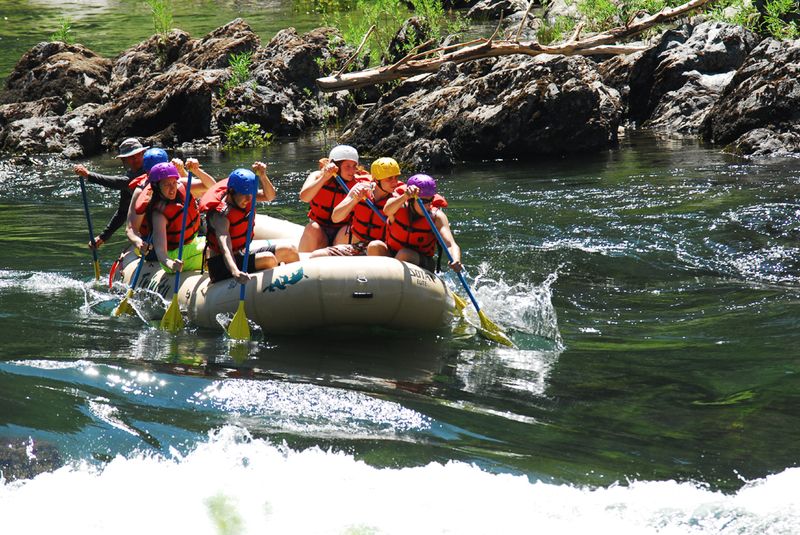
Over 100 miles of paddleable water means almost anyone can find their comfort zone here. Ratings span Class I through Class III+, with a few pushier drops for the bold.
Families usually start on the upper river, from Lewiston Dam down to the North Fork at Helena. Gentle current, clear water, easy swims.
Kids love it.
Ready for more? The Pigeon Point Run serves up Class II to Class IV excitement with real technical moves and big splashy waves.
Canoes and kayaks work beautifully on the mellow stretches. Outfitters in the area rent gear and run guided trips if you would rather not haul your own boat across California.
The water stays cold because it comes off snowpack in the Trinity Alps. Even in August, that first plunge takes your breath away.
Rock jumping is a local tradition. Reviewers mention rope swings and cliffs, though you should always check depth before leaping.
Would you pick a lazy float with a picnic stop or a full day of splashing through rapids?
Sunscreen matters more than you expect. Sunlight bounces off the surface and burns skin fast in the canyon.
Bring a hat, waterproof sunblock, and a dry bag for your phone and snacks.
Fish Hatchery Near Lewiston
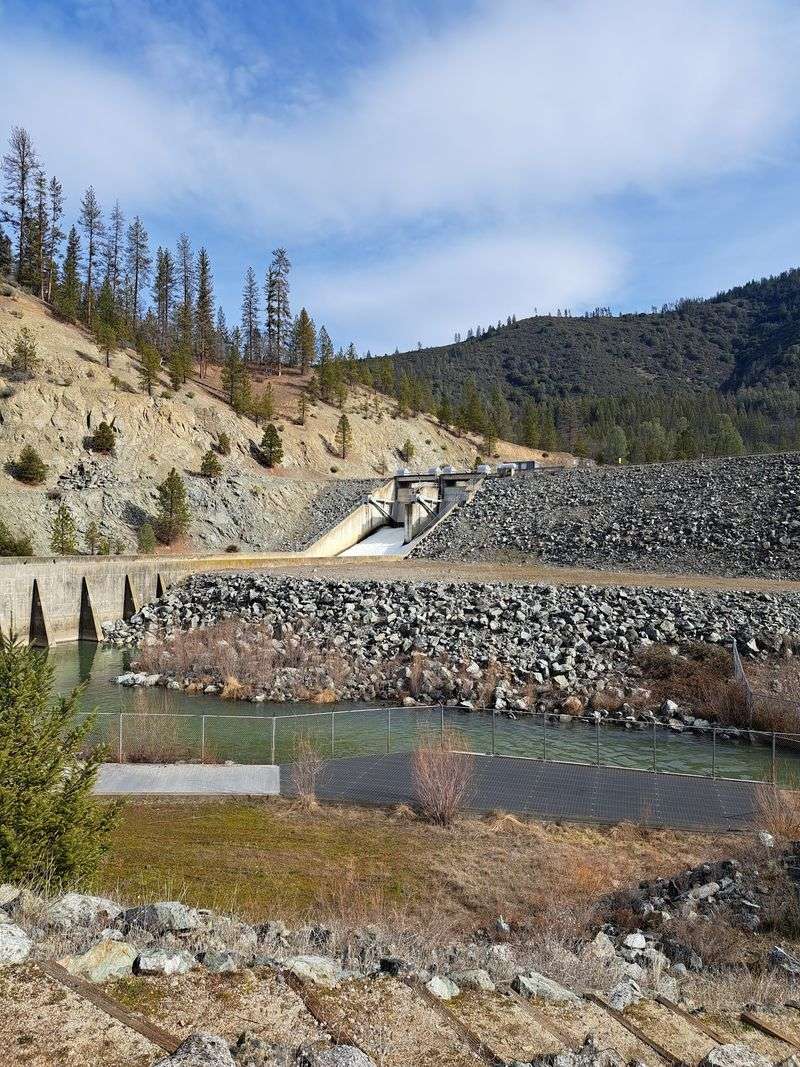
Not everyone wants to hike a canyon or wade cold water to see salmon. Good news: the Trinity River Fish Hatchery near Lewiston brings the fish right to you.
Viewing seasons run in clear windows.
The facility helps sustain spring and fall Chinook plus steelhead populations, a job that grew important after dam construction changed the river in the 1960s. Interpretive signs explain the whole life cycle.
Families do well here. Parking is easy, walking is flat, and kids can press right up to the viewing areas without any scrambling over rocks.
Nearby Lewiston Lake sits calm and glassy, a nice contrast to the rushing water downstream. Trinity Lake, California’s third-largest artificial lake, is just upstream.
How many salmon do you think pass through in a single busy October week?
Combine a hatchery visit with a drive along the upper river. You will see wild fish in the shallows after watching hundreds at the facility, and the comparison makes both stops more meaningful.
Camping Under Brilliant Night Skies
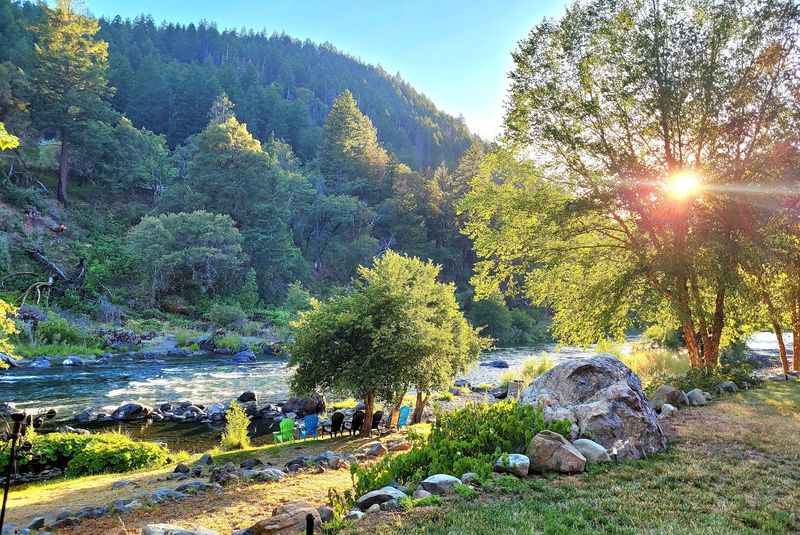
Visitors keep saying the same thing about nights out here: the stars are brighter than almost anywhere else they have been. No city glow, no traffic hum, just the river talking in the dark.
National Forest campgrounds line the corridor, and private sites fill in the gaps. Junction City Campground sits right beside the water.
Others hide down short gravel spurs.
Some spots offer no restrooms and no fees, which suits self-sufficient campers just fine. Others provide tables, fire rings, and vault toilets.
Bear boxes deserve your respect. Lock food, trash, toothpaste, and anything scented away every single night.
A raided camp ruins your trip and teaches bears bad habits.
Mornings are the payoff. Fog drifts along the surface, birds start calling, and the air smells like pine and cold stone.
Coffee tastes better outdoors, always.
Reservations help during summer weekends and fall salmon season. Weekdays stay quieter, sometimes almost empty.
Pack out everything. Locals feel strongly about litter here, and the river stays beautiful because people care for it.
What would you rather fall asleep to, rushing rapids or wind moving through tall pines?
Bring warm layers even in July. Canyon nights in this part of California drop fast once the sun slides behind the ridges.
Trinity Alps Trails And Wildflowers
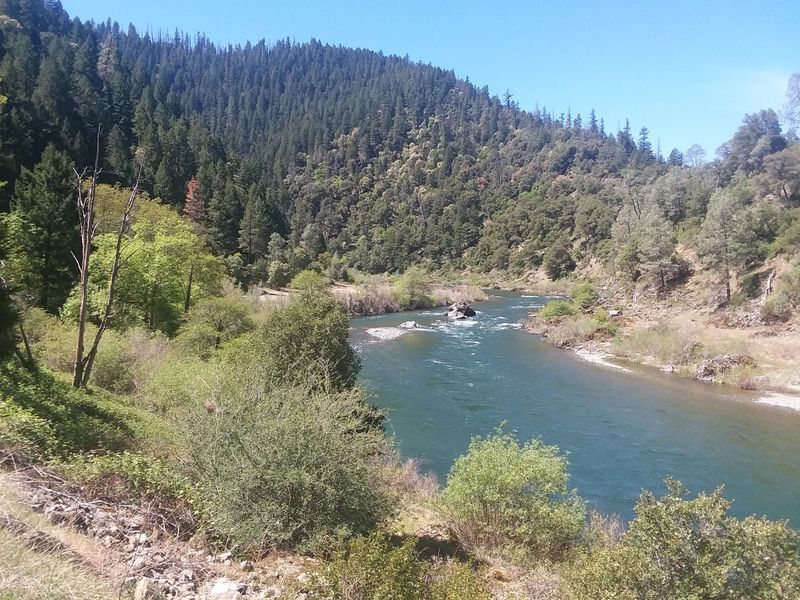
Granite spires, alpine lakes, and meadows stuffed with color. The Trinity Alps rise above the river and deliver some of the most striking backcountry scenery in California.
July and August bring wildflower displays that stop hikers mid-stride. Purple lupine, orange paintbrush, and yellow monkeyflower spread across open slopes.
Trails crisscross the surrounding national forests. The South Fork National Recreation Trail follows one of the largest completely undammed river in the state, which is a fact worth bragging about.
Day hikers find plenty of options, from easy riverside paths to steep climbs with big views. Backpackers can disappear for a week and hardly see another person.
Bears live throughout this wilderness, so carry a canister or hang your food properly. Encounters happen often enough that rangers expect them.
Snow lingers at higher elevations into early summer. Check conditions before committing to a high pass, and always carry a map since navigation apps fail without signal.
Water is everywhere, but filter it anyway. Streams look pure and often are, though caution costs nothing.
Would you hike to an alpine lake for a swim or chase a ridgeline view instead?
Start early. Afternoon heat builds in the canyons, and morning light makes the peaks glow in a way photos never quite capture.