
This Cash-Only Pennsylvania Quilt Shop Is Packed With Fabric And Keeps Drawing Long Lines
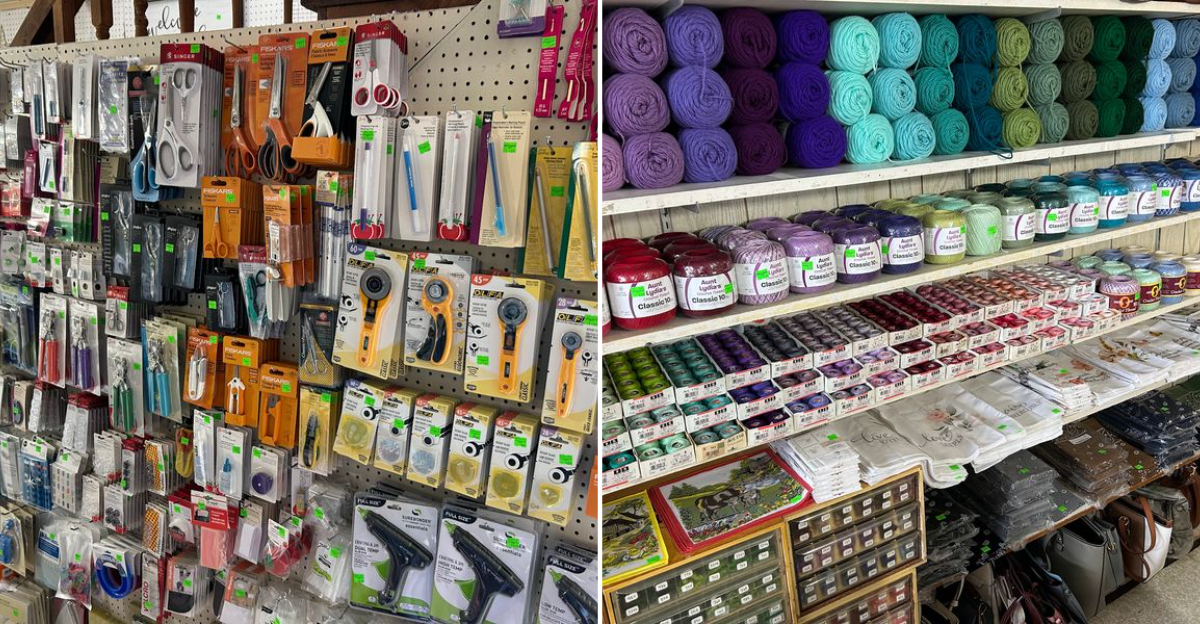
In a time when almost everything gets paid with a card, this Pennsylvania shop has kept the old tradition alive, and it hasn’t affected the number of customers at all. Fabric here fills the space in numbers most local shops could never dream of matching.
Quilters travel from well beyond the immediate area, drawn by variety rarely found under one roof. Regulars bring cash specifically for this shop, planning knowing cards won’t work here.
Fabric lines rotate regularly, keeping repeat visits worthwhile instead of repetitive. Lines form early some days, especially once word spreads about new fabric arrivals.
Nothing about the cash-only policy feels outdated once shoppers see how smoothly things run anyway. This shop proved that some traditions are worth keeping, even the inconvenient ones.
Variety Of Fabric Textures And Patterns
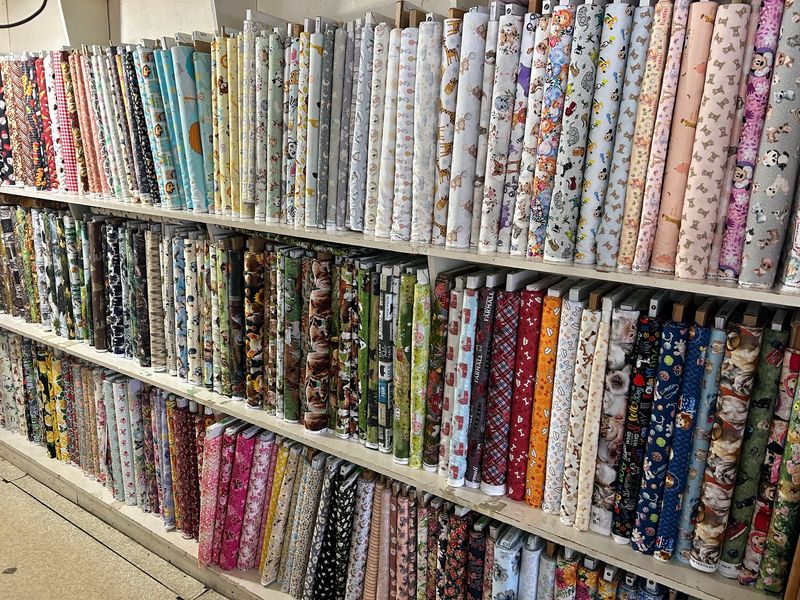
Entering the fabric aisles here feels like flipping through a giant paint swatch book, except everything is soft. Bolts stand shoulder to shoulder, stacked high enough that reaching the top row is a two-person job.
Quilter’s cotton forms the core of the selection, with solids, prints, plaids, florals, and bold modern patterns. Novelty prints hide in there too, waiting for the person making a quilt for a tractor-obsessed six-year-old.
Texture hunters are not left out. Smooth cottons sit near flannel that begs to become a winter throw, plus linen and tweed for projects that need a little heft and grain.
Low-volume fabrics deserve a mention because they are easy to overlook. Pale backgrounds with faint, low-contrast designs act like breathing room between louder blocks, and experienced piecers hoard them.
Amish quilting tradition runs deep in this corner of Lancaster County, so solid colors in deep jewel tones share space with the busy prints. Geometric patterns like Diamond in the Square and Sunshine and Shadow have roots right here.
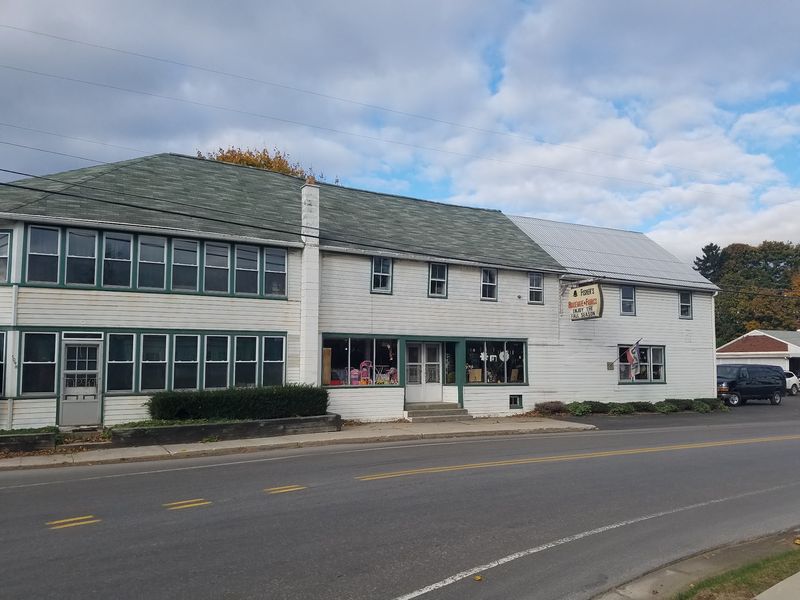
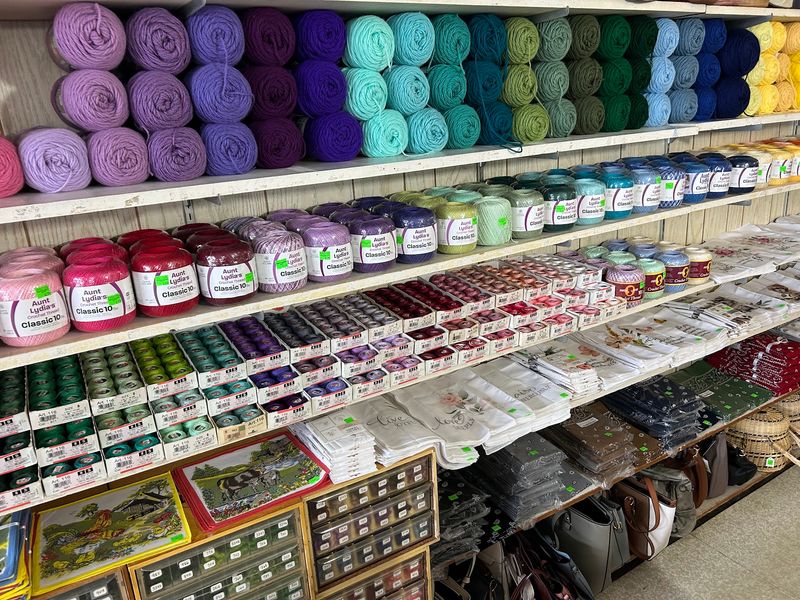
Thread, needles, scissors, and notions fill out the same room, meaning a project can be planned start to finish in one stop. Fisher’s Houseware & Fabrics sits at 1098 Georgetown Rd, Paradise, PA 17562, and the fabric room alone justifies the drive.
Techniques For Creating Custom Quilt Designs
Every quilt starts as a decision: piece it, appliqué it, or do both and lose a weekend. Pieced quilts join fabric shapes edge to edge, while appliqué layers cut shapes on top of a background for curves that piecing cannot easily handle.
Paper piecing and English paper piecing keep points sharp by stitching around paper templates. Fussy work, yes, but hexagon flowers do not build themselves.
Hand quilting is the slow, meditative route, and it produces those tiny dimpled stitches seen on heirloom Amish quilts. Machine quilting speeds things up considerably and opens the door to decorative stitch options.
Free-motion quilting drops the feed dogs and lets the quilter steer, creating loops, waves, and swirls that look effortless after roughly four hundred practice attempts. Stipple quilting is a cousin of that method, with wandering lines that never cross.
Longarm machines load all three layers onto a frame and can be guided by hand or run by computer. Many quilters piece at home, then send the top out to be finished this way.
Trapunto adds a raised, sculpted look by stuffing certain shapes with extra batting. Straight line, diamond grid, and stencil-traced designs cover the more structured end of the spectrum.
Whatever the plan, the fabric and notions needed to pull it off are usually sitting on these shelves.
Importance Of High Quality Cotton Materials
Cheap fabric is the fastest way to ruin a hundred hours of work. That is why serious quilters get picky about cotton long before they pick colors.
Good quilting cotton holds its shape through years of washing, dragging across couches, and being fought over by grandchildren. The colors stay put because better dyes were used in the first place.
Thread count matters more than most beginners expect. Look for at least sixty threads per inch and a weave tight enough that light does not stream through when the fabric is held up.
A stable weave means cleaner cutting and straighter seams. Blocks line up, points stay sharp, and corners meet where they are supposed to meet.
Loose, thin fabric frays at the edges, stretches while being handled, and shrinks unevenly in the wash. Nothing sours a project faster than a border that ripples like a wave.
Cotton also behaves under an iron. It will not melt, pucker, or slide around while seams are being matched, which synthetics love to do at the worst possible moment.
Comfort counts too. Being one hundred percent natural, cotton breathes well, softens over time, and feels good against skin during a January cold snap.
The selection in this store leans toward the practical, well-made end, which is exactly why quilters keep coming back with lists.
Seasonal Fabric Trends For Quilters
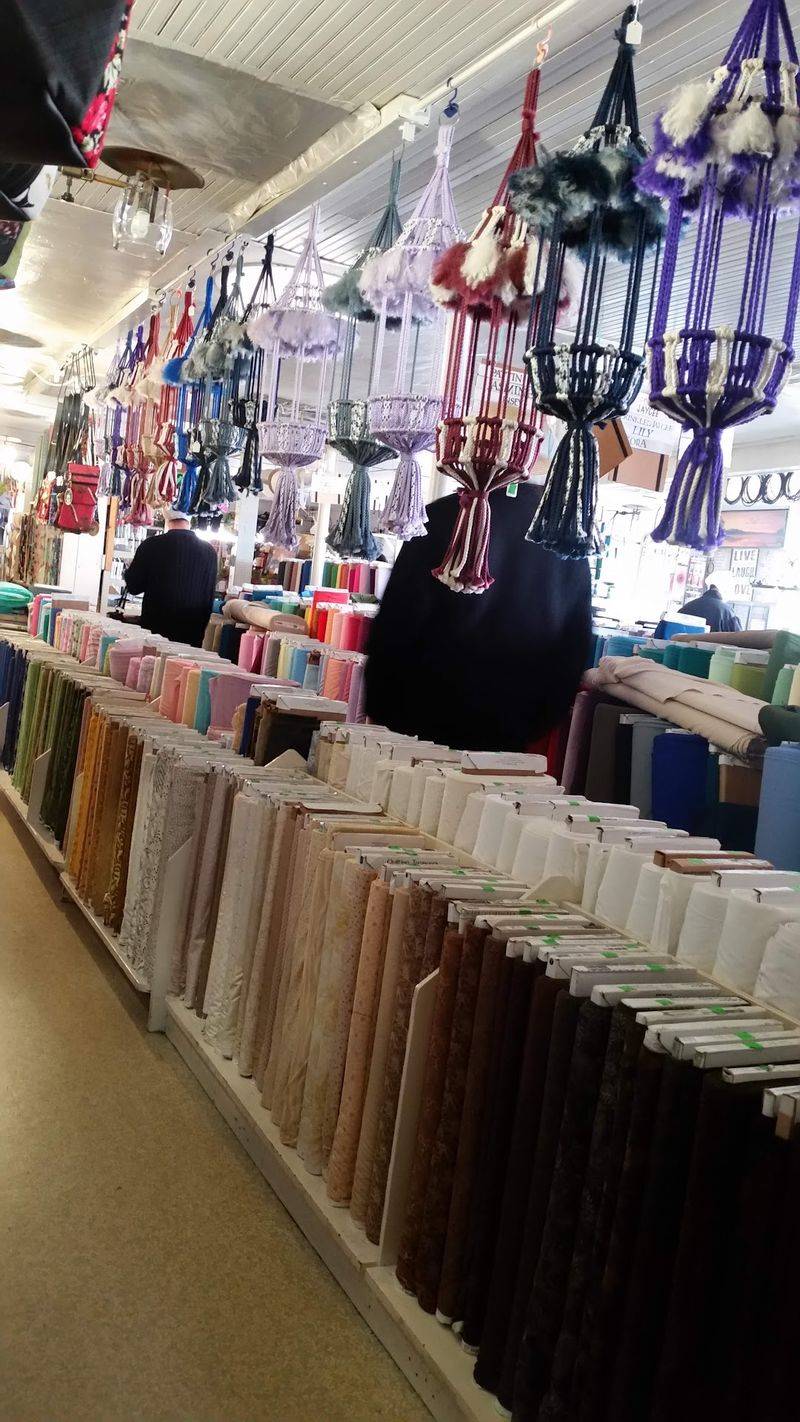
Quilting has trends, believe it or not, and they shift with the calendar just like fashion does. Right now the popular palettes lean toward soft pastels, earthy browns, and deep jewel tones.
Shades like mocha, burnt umber, olive green, and sandy beige are showing up everywhere. Bright accents cut through the calm, with teal, electric fuchsia, lime, raspberry, and golden yellow doing the heavy lifting.
Geometric prints have circled back around, though the current versions feel looser. Hand-drawn lines, slightly imperfect shapes, and retro wave motifs give them a relaxed personality.
Spring projects gravitate toward pastels and floral motifs on lightweight cotton or linen blends. Easter table runners and baby quilts eat up a lot of that yardage.
Summer brings nautical stripes, patriotic reds and blues, and airy fabrics like chambray or seersucker. Lap quilts and picnic blankets get made in June and used by July.
Autumn is flannel season, and flannel sells fast in Lancaster County once the mornings turn crisp. Rust, gold, and darker backgrounds set the mood.
Winter goes rich and festive with forest green, deep red, icy blue, and crisp white, sometimes with a little metallic thread thrown in.
Shopping ahead of each season is smart here, since the best pieces of any collection tend to disappear early.
Tips For Maintaining Sewing Equipment
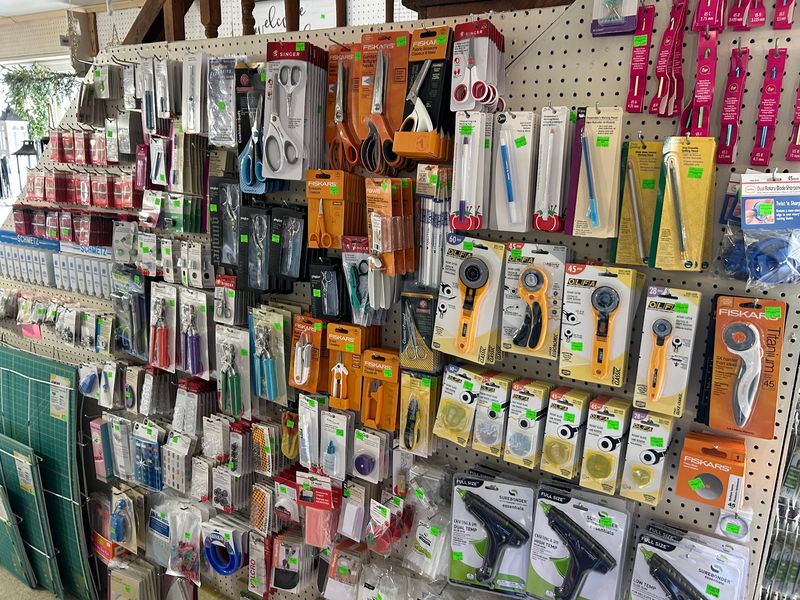
A sewing machine will forgive almost anything except neglect. Lint builds up in the bobbin case like dust under a bed, and eventually the stitches start acting strange.
Brushing out the bobbin area and feed dogs after each session takes about two minutes. Skip it long enough, and a repair shop visit becomes the alternative.
Use a small brush or a vacuum attachment made for sewing machines. Canned air is tempting, but it blasts debris deeper inside where nobody can reach it.
Oiling keeps moving parts from grinding themselves down. Check the manual first, because every machine has its own spots and schedule, and only the manufacturer-recommended oil belongs in there.
High-friction areas like the hook race and needle bar usually need attention most often. A single drop is plenty; drowning the machine helps nobody.
Needles wear out faster than people think. Swapping them roughly every eight hours of sewing, or at the start of each new project, prevents skipped stitches and snagged fabric.
A dull or slightly bent needle can also chew up the throat plate, which turns a cheap fix into an expensive one.
Keep the workspace steady and dust-free, cover the machine when it is idle, and always unplug before cleaning. Replacement needles and basic supplies are easy to grab during a fabric run.
Organizing Quilting Supplies Efficiently
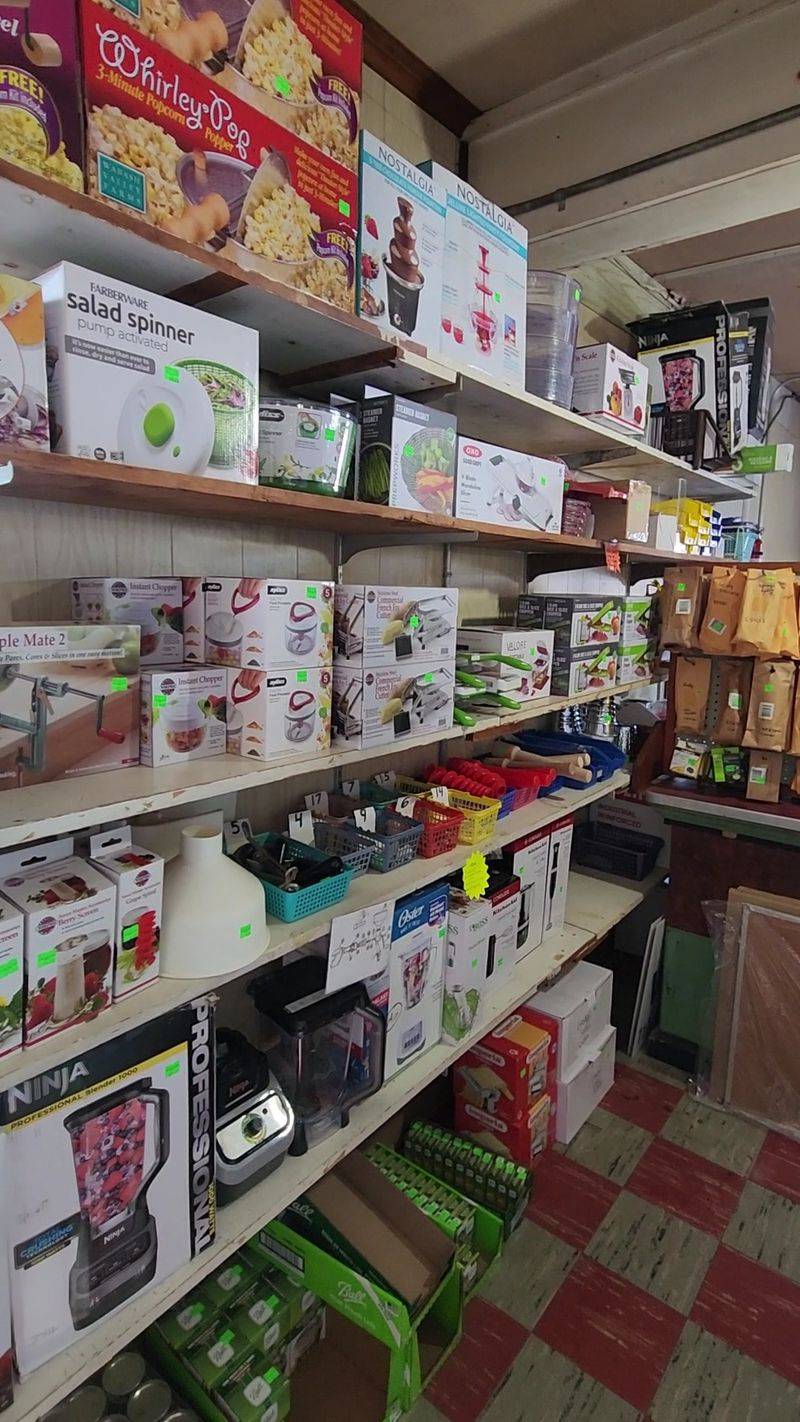
Twenty minutes hunting for a rotary blade is twenty minutes not spent sewing. Organization is less about tidiness and more about protecting creative momentum.
Sorting by type is the simplest starting point. Cottons in one place, flannels in another, notions grouped so nothing hides behind a bolt of batting.
Clear bins beat cardboard boxes every time, because contents are visible without opening a single lid. Shelving and vertical racks free up the cutting table, which always ends up as a dumping ground otherwise.
Drawer organizers tame the small stuff. Threads, buttons, snaps, and marking pens stop migrating into the abyss.
Labels feel unnecessary until six months pass and memory fails. Writing what is inside takes seconds and keeps the whole system honest.
Frequently used tools belong within arm’s reach of the machine. Seasonal or specialty items can live on high shelves where they stay out of the way.
Fabric hidden in a closet tends to stay unused, so visible storage encourages actually cutting into the stash. Folding around comic book boards creates neat, browsable mini-bolts.
Thread should stay out of direct sunlight, since light and dust weaken it over time.
Bobbin clamps, spool holders, quilt hangers, and pincushions handle the odd items. Plenty of those small helpers turn up on the shelves during a browse.
Essential Tools For Quilt Assembly

Ask ten quilters which tool they could not live without and watch the argument start. Most lists, however, share the same handful of basics.
A working sewing machine anchors everything, followed closely by a rotary cutter with sharp blades. Dull blades skip layers and cause more frustration than any other single thing.
Acrylic rulers make accurate cuts possible and help square up blocks that drifted slightly off. A self-healing mat protects the table and keeps the blade happy.
Flat-head pins hold pieces steady and lie flat under a ruler. Sharp fabric scissors stay reserved for fabric only, and anyone who cuts paper with them should be prepared for consequences.
Then there is the seam ripper, quietly the most honest tool in the room. Every quilter owns one, and every quilter uses it more than admitted.
Marking tools guide stitching lines, and a quarter-inch piecing foot keeps seam allowances consistent block after block.
Binding clips make that final wrap-around step far less maddening than pins. Quilting gloves improve grip when steering a bulky quilt.
Hand stitchers want quality thread, a thimble, and a little thread gloss for smooth passes.
Finally, a steam iron and pressing mat turn wrinkled seams into crisp, flat ones. Scissors, needles, and notions fill entire sections of this store.
Benefits Of Joining Local Quilting Communities
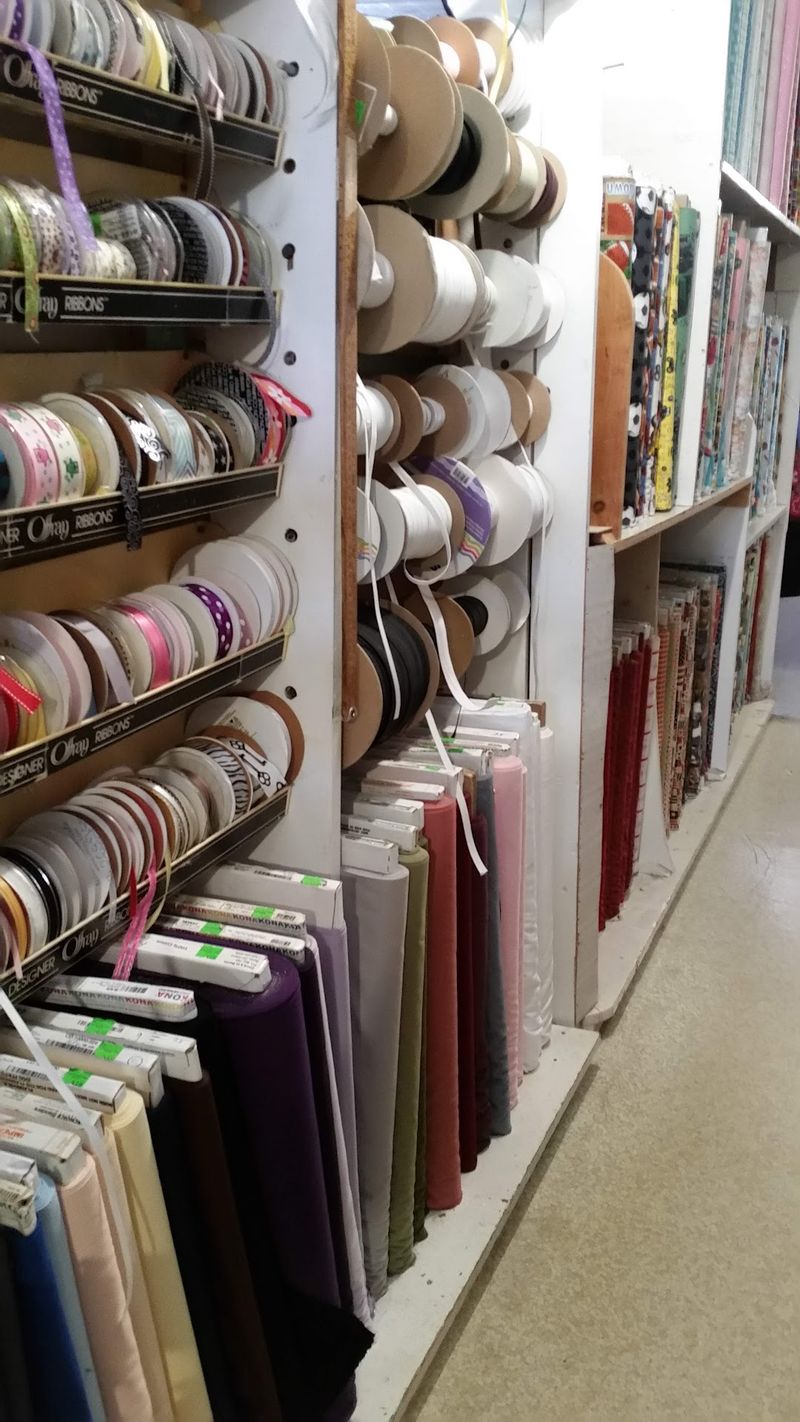
Long before craft blogs existed, Lancaster County had quilting bees. Neighbors gathered around one frame, stitched all afternoon, and solved half the community’s problems while they worked.
That tradition runs through Amish and Mennonite families here, with patterns and techniques handed down like recipes. The craft never really left; it just gained more members.
Modern guilds and clubs carry the same spirit. New quilters pick up good habits fast when someone experienced is sitting right there to correct a wobbly seam.
Guest speakers and demonstrations show up on most guild calendars. Free lessons from someone with forty years of practice beat any video tutorial.
Sharing ideas matters just as much as learning technique. A stalled project often gets unstuck when three other people weigh in on fabric choices.
Quilts mark time in a way few crafts do. Weddings, births, graduations, and farewells all get stitched into cloth and kept for decades.
Many finished quilts become family heirlooms, passed along with the story of who made them and why. That history is part of why quilting endures around here.
Locally, the craft also supports a real cottage industry, with makers selling work that draws visitors from far outside Pennsylvania.
Stores like this one function as informal meeting spots where quilters swap tips while comparing bolts.