
This California Coastal Town Is Winning Over Travelers Who Hate Crowds
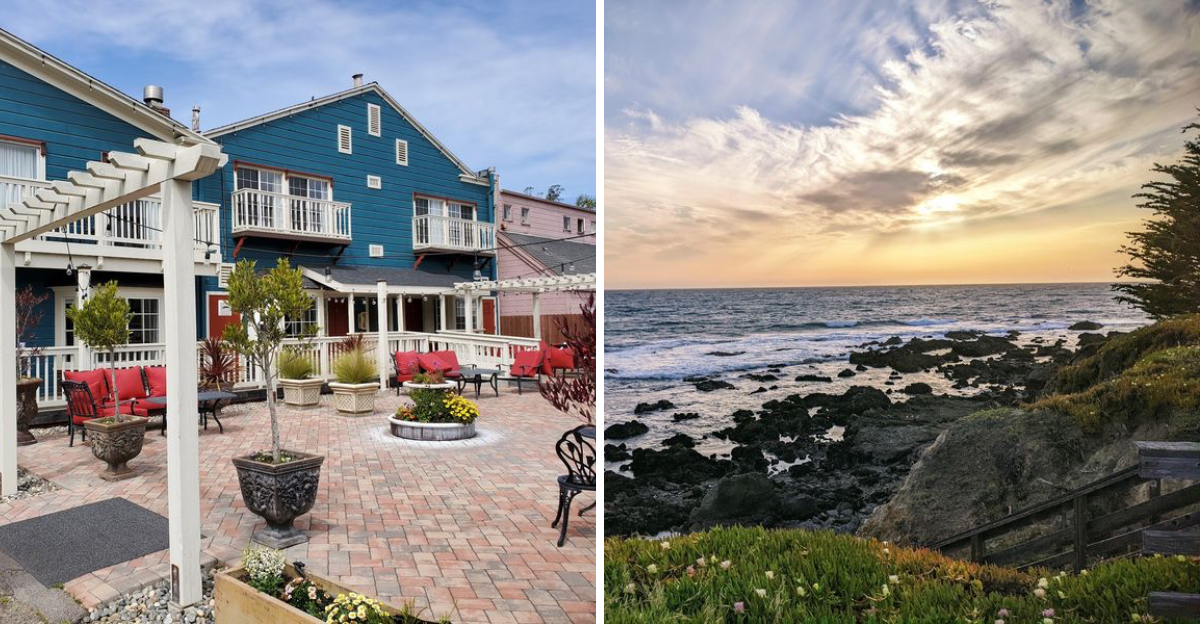
Crowds skip this stretch of coastline, and that is exactly the draw.
Pebbles glow along the shoreline, polished smooth by decades of restless tide. A quiet boardwalk traces the bluff above, and benches invite you to slow down and just look.
Beyond the shore, small galleries and creative studios fill narrow streets with color and quiet conversation. History hides in plain sight too, from mining-era buildings to stories rarely told outside California guidebooks.
Wildlife shows up without much effort. Seals rest nearby, whales pass close, and pine forest wraps the whole scene in salt air and shade.
Curious what keeps people coming back to this corner of California? Start planning a slower kind of trip and see for yourself.
Moonstone Beach And Its Glowing Pebbles
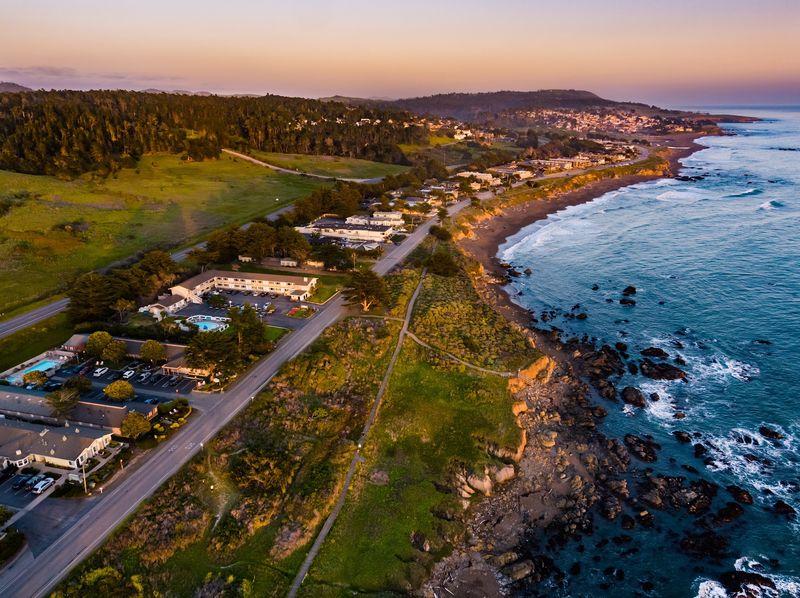
Pebbles that shimmer. That is the calling card of Moonstone Beach, the most beloved stretch of shoreline in Cambria.
A boardwalk runs roughly a mile above the sand, hugging the bluff the whole way. Benches appear at nice intervals, which makes the walk feel unhurried rather than athletic.
Beachcombers come hunting the smooth, milky stones that give the beach its name. Ocean tumbling polishes them, and they catch the light in a soft, glassy way.
Low tide opens a second attraction. Tide pools fill with anemones, limpets and clinging sea stars, small worlds worth crouching over.
Sunset turns the water into rippled copper. Crowds stay thin even then, which is exactly why crowd-averse travelers keep returning.
Moonstone Beach Drive lines up oceanfront lodging and places to eat with a view. Some tables sit outside, close enough to hear the surf between bites.
Wind can pick up in the afternoon, so a jacket earns its keep year-round. Fog sometimes drifts in and softens the whole scene.
Cambria sits in San Luis Obispo County, California, along State Route 1, with the village centered near Main Street.
Slabtown Roots And Victorian Streets
Once upon a time, this town answered to a rougher name. Before settling on Cambria around 1869, locals used several nicknames, including Slabtown.
The Chumash people lived along this coast long before that, relying on rich marine resources. Their presence shaped the earliest chapters of the area.
Cinnabar discovered in 1862 sparked a mining rush. Prospectors poured in, and the settlement grew fast and busy.
A Chinese fishing community also took root here in the late 1800s. Members built a temple on Bridge Street, part of a story often overlooked.
The name itself has a quiet twist. Cambria is the Latin name for Wales, chosen deliberately in 1869.
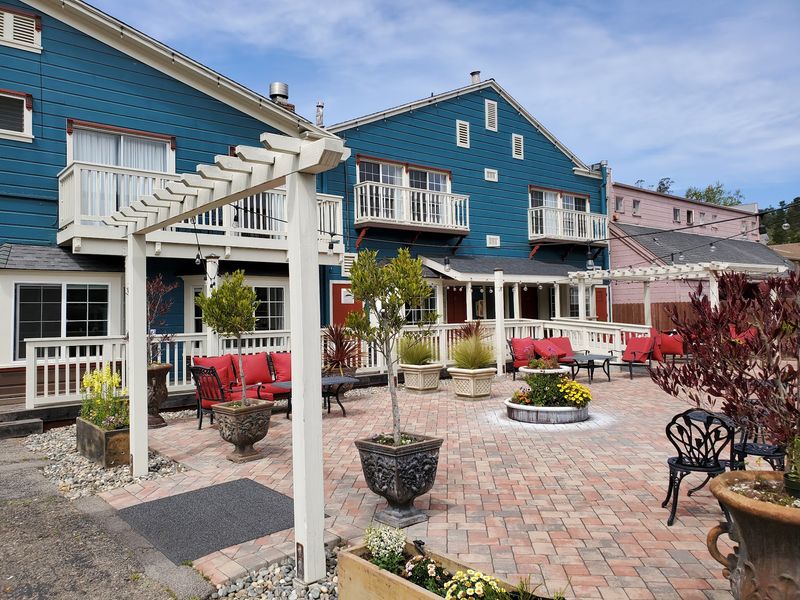
Today the older streets still show their age in the best way. Victorian cottages and weathered wooden storefronts stand between the pines.
The Cambria Historical Museum gathers photographs, tools and records from those decades. Hours can vary, so checking ahead is smart.
Walking these blocks feels less like a museum tour and more like flipping through an old family album. History sits close to the sidewalk here, waiting to be noticed.
Galleries, Studios And A Village Of Makers
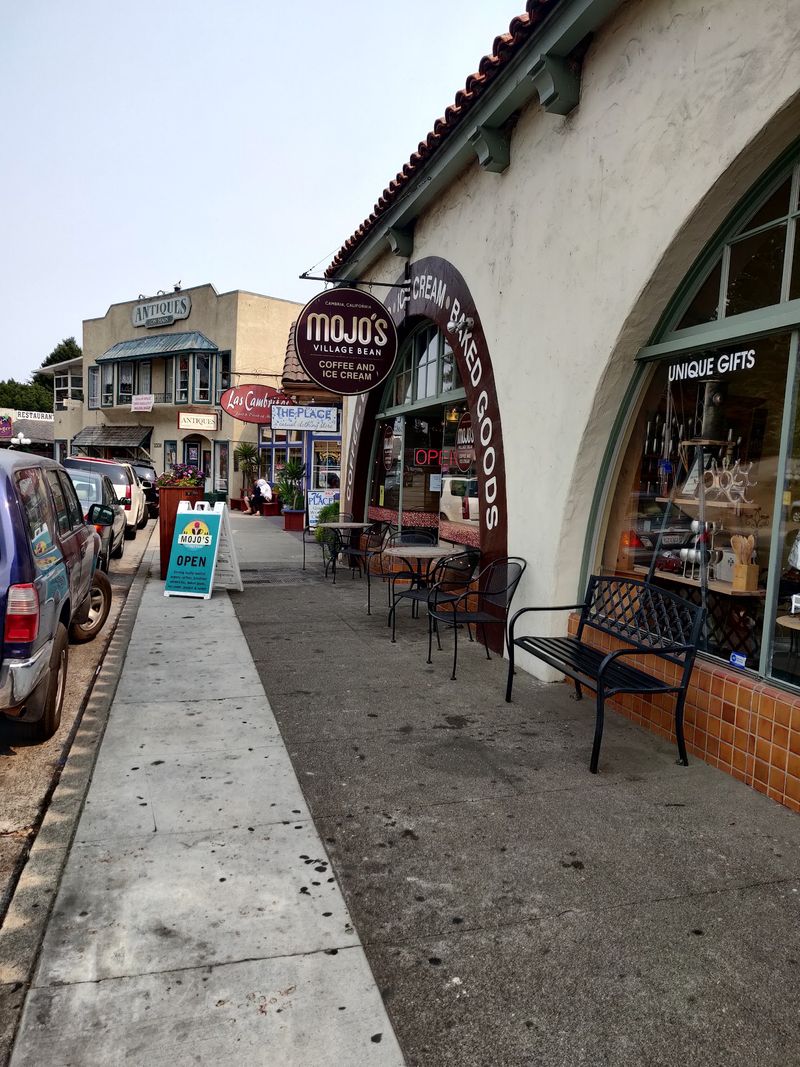
Paint, clay, glass and fiber. Creative work fills more storefronts in Cambria than most towns of its size can manage.
The Cambria Center for the Arts anchors the scene, with roots reaching back to 1947. Its gallery rotates through paintings, ceramics, sculpture and textile work.
Performances happen there too. Plays, musicals and film screenings appear on the schedule through the year.
West Village carries the rest of the load. Independent galleries and boutiques sit shoulder to shoulder along narrow sidewalks.
Shoppers find handmade jewelry, woodwork, prints and pottery from regional makers. Nothing feels mass-produced, and prices vary widely.
Artists sometimes work in view of the window. A quiet conversation about technique often comes free with the browsing.
Chain stores are almost absent, which keeps the character intact. That single detail explains much of the town’s charm.
Because the shops cluster so tightly, one afternoon covers plenty of ground. Parking usually stays manageable, even on weekends.
Creative energy in Cambria never announces itself loudly. It simply shows up in doorways, one small studio at a time, and rewards anyone willing to wander slowly.
Fiscalini Ranch Preserve On The Bluffs
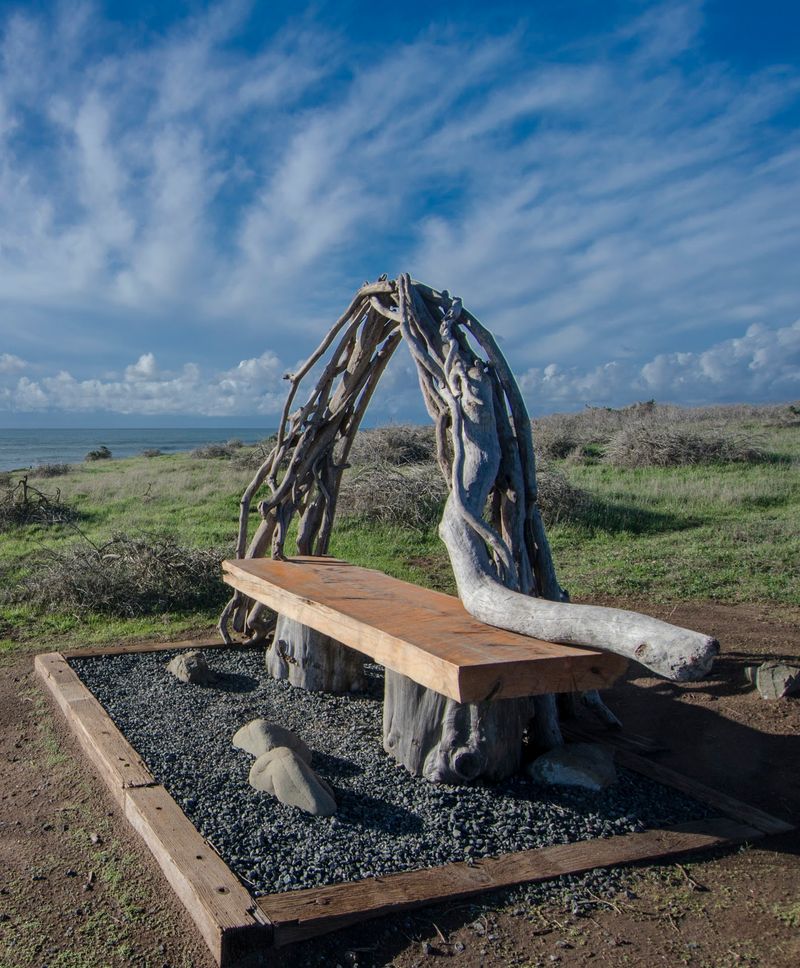
Over a mile of open ocean bluff, protected and free to walk. Fiscalini Ranch Preserve gives Cambria its wildest edge.
Trails thread through grassy meadows, pine forest and coastal scrub. The Bluff Trail stays mostly level, which suits nearly every fitness level.
Wildlife shows up without much effort. Deer graze the meadows, hawks ride the updrafts, and songbirds work the brush.
The preserve also shelters sensitive species, including the California red-legged frog. Signs ask visitors to stay on marked paths for good reason.
Spring brings wildflowers across the slopes. Purple, gold and white patches spread through the grass for a few short weeks.
Whales sometimes pass close enough to spot from the bluff. Binoculars turn a nice walk into a small event.
Benches face the water at several points. Sitting still for ten minutes usually produces something worth watching.
Dogs are welcome on certain trails under leash rules, so checking posted signage helps. Fog can roll in quickly, cutting visibility.
Few places in California hand over this much coastline without a gate or a fee. Fiscalini rewards quiet feet and patient eyes.
Elephant Seals And Whales Just Up The Road
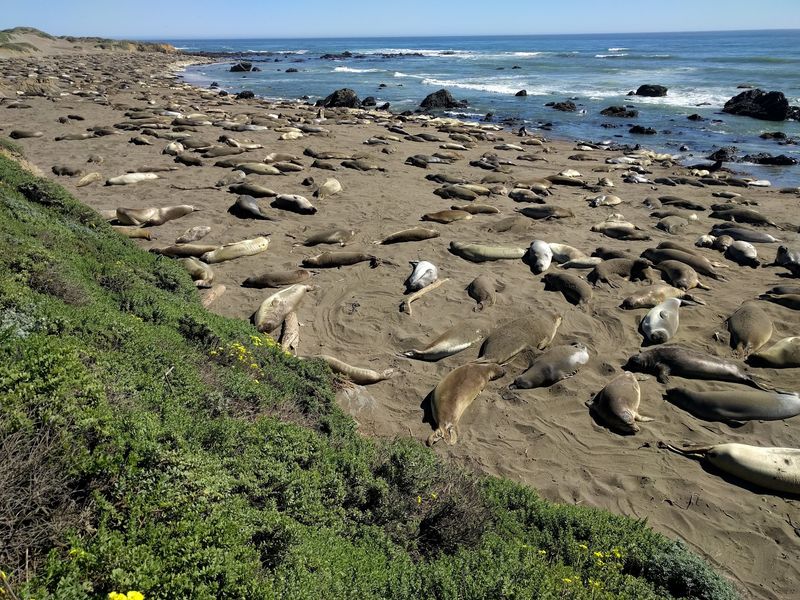
Thousands of enormous seals, snoozing in plain sight. The Piedras Blancas Elephant Seal Rookery sits a short drive north of Cambria.
Northern elephant seals haul out here to rest, molt, breed and raise pups. Boardwalk viewing areas keep visitors at a respectful distance.
Peak season runs from roughly February into early spring. Pups arrive in large numbers, and the noise is honestly unforgettable.
Even in quieter months, some seals usually lounge on the sand. Year-round sightings make timing less stressful.
Cambria also sits along the Whale Trail. Gray whales migrate past between December and April, spouting within view of the bluffs.
Humpbacks visit these waters too, often in warmer months. Sightings depend on conditions and never come guaranteed.
Sea otters float in the kelp closer to shore, sometimes cracking shells on their chests. Dolphins occasionally cut through in fast, tidy lines.
Layers help, since wind off the water bites even on sunny days. A zoom lens or binoculars makes a real difference.
Wildlife watching along this piece of California coast asks for patience and returns it generously.
Hearst Castle A Short Drive North
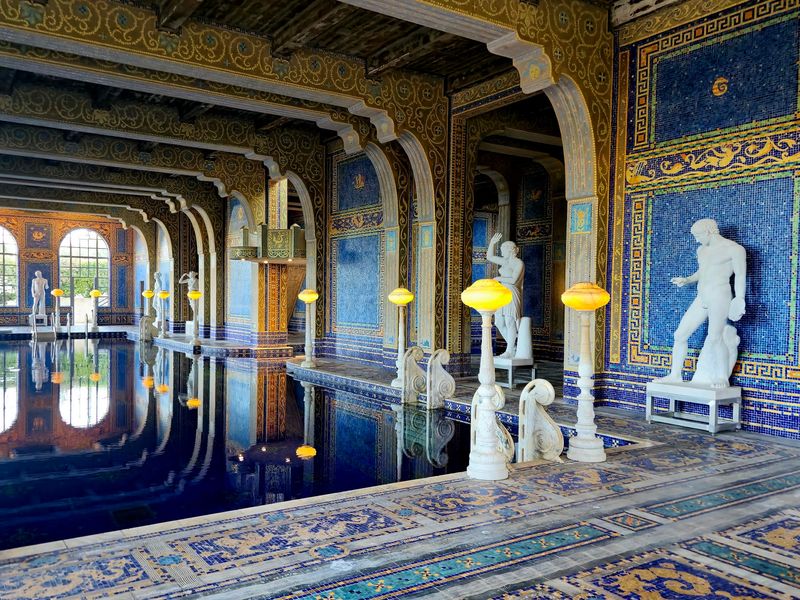
Marble statues, mosaic pools and 165 rooms. Hearst Castle rises on a hilltop above San Simeon, roughly fifteen minutes north of Cambria.
Newspaper publisher William Randolph Hearst commissioned the estate. Architect Julia Morgan designed it across decades of work.
Grounds cover about 127 acres of gardens and terraces. Ancient Egyptian and Roman pieces sit tucked among the plantings.
Tours cover different areas of the property. The Grand Rooms option gives newcomers a solid first look.
Reservations are strongly recommended, since tours fill during busy periods. Availability shifts with season and weather.
A shuttle carries visitors up the hill from the visitor center. Views of the coastline unfold on the way.
The pools tend to steal attention. Their scale and detail surprise even people who arrived expecting grandeur.
Comfortable shoes matter, because tours involve stairs and plenty of standing. Bags and food are limited on the tour route.
Staying in Cambria makes the whole trip easier. The village offers a calm base, and the drive back along Highway 1 in California ends the day on a high note.
Picking The Right Season To Visit
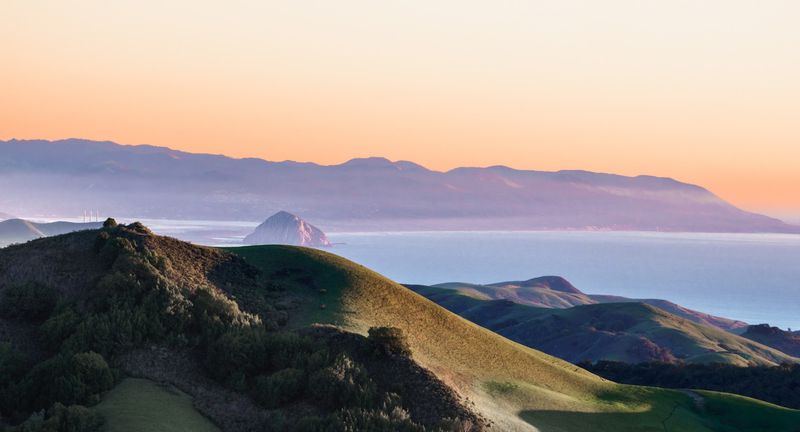
Late summer often surprises people. August and September usually bring the warmest, clearest weather to Cambria, along with fewer visitors than midsummer.
Spring runs green and bright. March through May covers the hillsides in fresh grass and wildflowers.
June and July can arrive under a gray lid. Locals call it June Gloom, and morning fog frequently burns off by afternoon.
Winter stays mild by most standards. Rain comes and goes, and the village strings up holiday lights.
The Cambria Christmas Market draws seasonal crowds during those weeks. Dates and details change yearly, so confirming ahead avoids disappointment.
Whale watching peaks in the cooler months. Gray whales pass close, giving winter travelers a real reason to bundle up.
Weekdays almost always feel quieter than weekends. Anyone allergic to crowds should aim midweek.
Packing layers matters more than packing for one forecast. Temperatures swing between foggy mornings and sunny afternoons.
No single month owns this town. Each stretch of the calendar hands over a different version of the same peaceful California coastline, which keeps repeat visits interesting.
Pine Forests, Otters And Nearby Detours
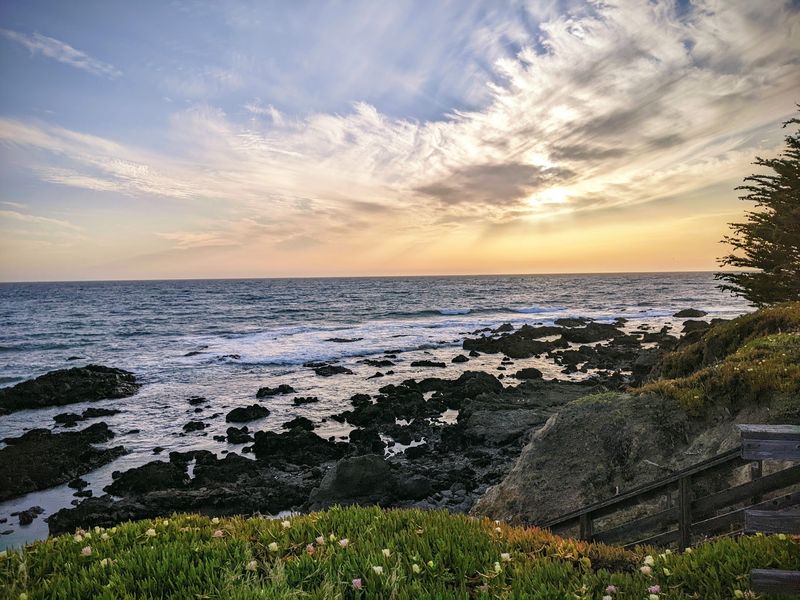
Pine scent and salt air, mixed together. Cambria grows inside one of only three native Monterey pine forests on earth.
That rare woodland gives the town a different feel from other coastal stops. Trees crowd the streets and soften the light.
Offshore, kelp forests sway in the swell. Southern sea otters feed there on crabs and clams, floating on their backs.
The bluffs front the Monterey Bay National Marine Sanctuary. Rocky coves and sandy patches trade places along the shore.
Short detours widen the trip nicely. Harmony Headlands State Park, a few miles south, offers a flat round-trip hike of roughly 4.2 miles through coastal prairie.
Nitt Witt Ridge sits in town, a folk-art house built from salvaged materials. Access is limited, so arranging a visit in advance is necessary.
Drivers can head north on Highway 1 toward Big Sur for dramatic overlooks. Road closures happen, so checking conditions first saves headaches.
Santa Rosa Creek Road runs east through narrow curves and rolling ranch country. Cambria keeps its best surprises just past the last stoplight.