
This Mississippi Farm Is A Must-Visit For Anyone Who Loves Picking Fresh Muscadines By The Bucket
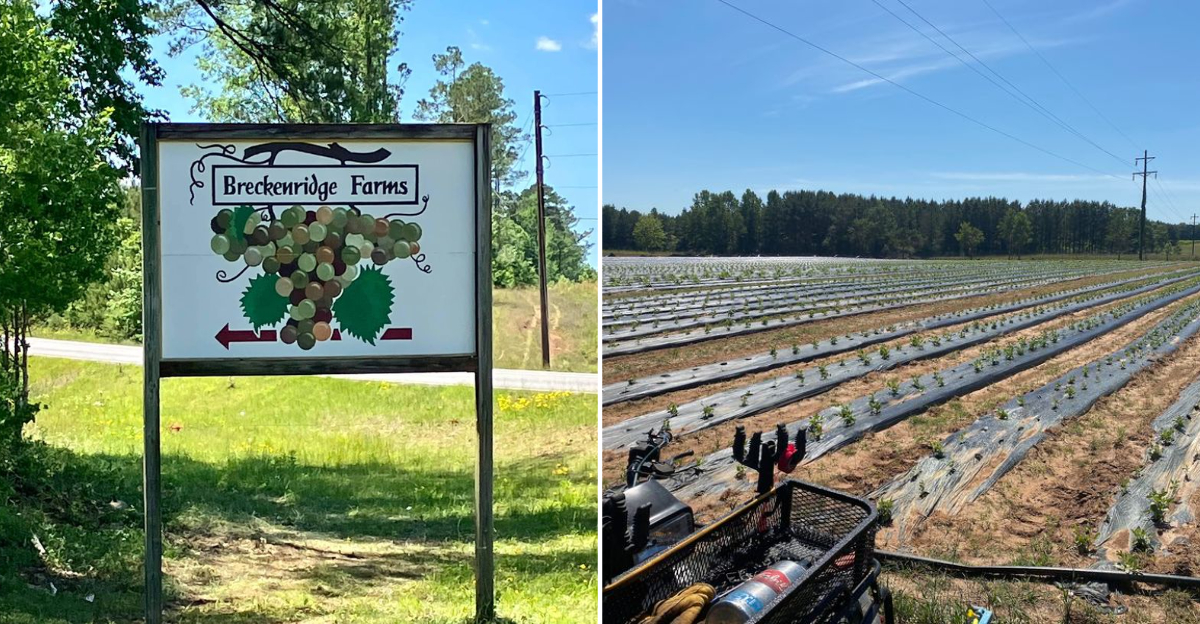
Muscadine grapes carry that specific sweet and tangy flavor that rarely leaves anyone indifferent. This Mississippi farm gives visitors the chance to pick them fresh, straight off the vine by the bucket.
Rows stretch out further than most visitors expect, heavy with fruit ready for picking during peak season. Families spend hours wandering between vines, filling buckets at their own relaxed pace.
Nothing about the visit feels commercialized despite how popular the farm has become. A small stand near the entrance sells muscadine jams and preserves made from the same fruit growing just a few feet away.
Regulars know the best weeks to visit, timing trips around when the fruit ripens fully. This farm proved that sometimes the simplest fruit makes for the most rewarding afternoon.
Seasonal Timing For Muscadine Harvesting
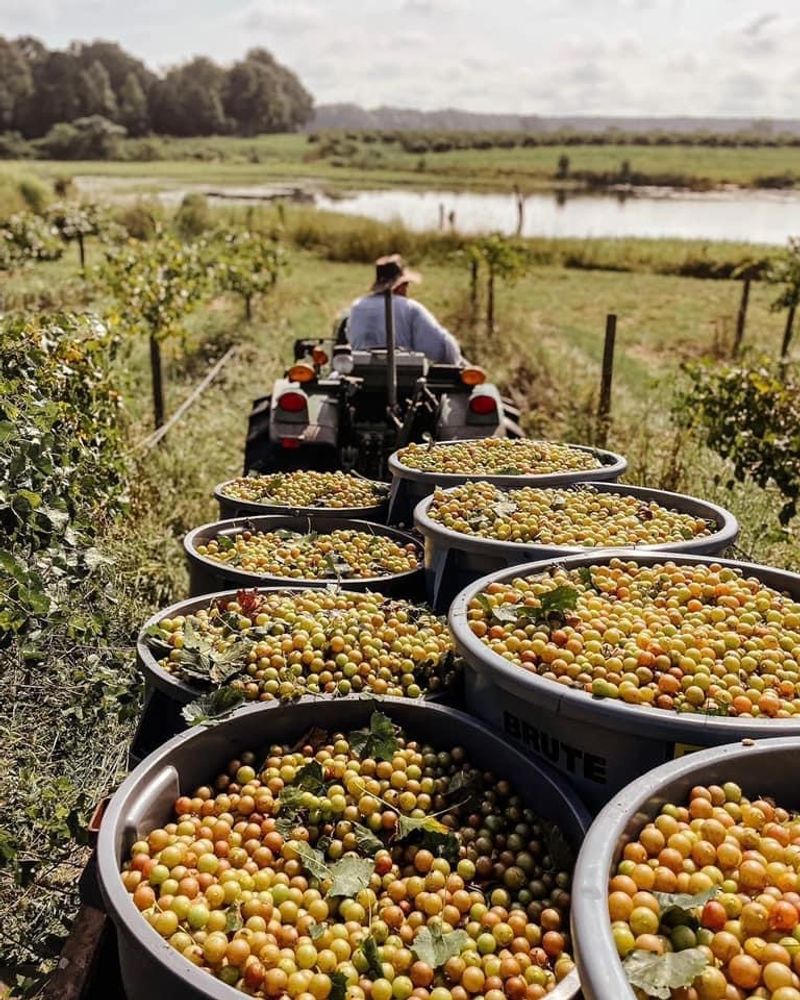
Show up in June, and you will find green marbles. Muscadine season runs on its own clock, and in Mississippi that clock usually starts ticking around mid-August.
From there, the harvest rolls through September and sometimes stretches into October if the weather cooperates. Wild vines out in the woods occasionally ripen as early as late July, but cultivated plants take their sweet time.
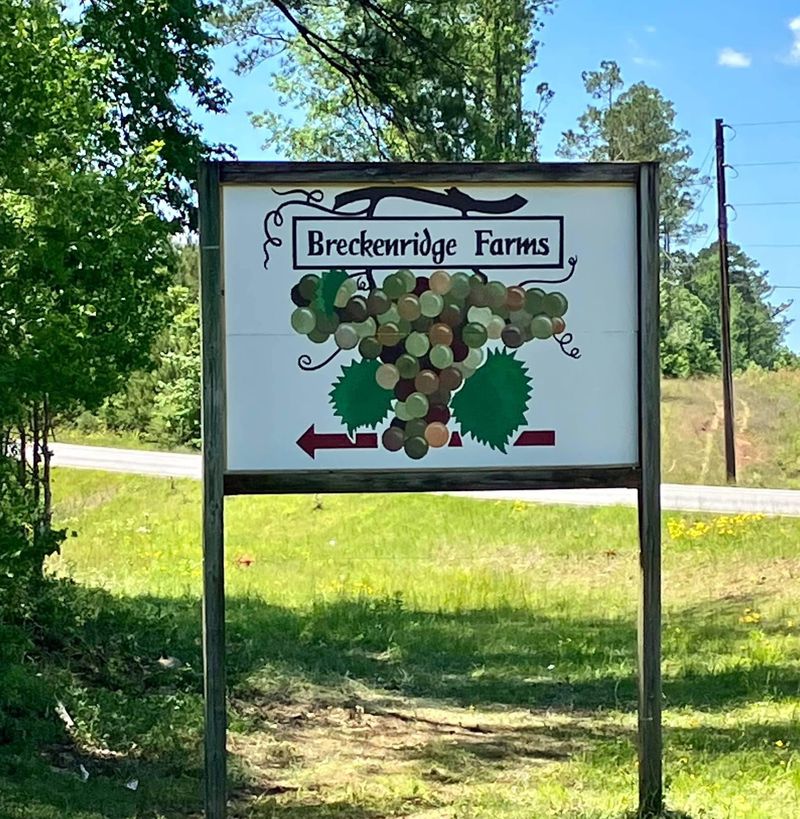
Breckenridge Farms lines up with that mid-August through September window, which is when the vines are loaded, and the picking is easiest.
Weather plays referee every year, so the exact start date shifts a little depending on rain, heat, and which varieties are ripening first.
A quick phone call before driving out saves a lot of guesswork. Hours run from 9 in the morning to 5 in the evening Monday through Saturday, with Sunday off.
Mornings tend to be the smart choice for anyone who does not enjoy sweating through a shirt by the third row. Cooler air also keeps the fruit firmer while you gather it.
Late-season visits can still be worthwhile since different varieties ripen at different times across the property. Waiting until the very end of September, though, means gambling on what is left.
You can find the farm at 181 Brodhead Ln, Shubuta, MS 39360, United States.
Health Benefits Of Eating Muscadines
Here is a fun twist: the fruit that tastes like candy happens to be one of the more impressive things you can eat. Muscadines are loaded with antioxidants, including polyphenols, resveratrol, and ellagic acid.
Those compounds have been studied for their role in supporting heart health, brain function, and even skin. Researchers have also looked at how they may help reduce oxidative stress and inflammation in the body.
Some studies suggest a possible link between these compounds and a lower risk of certain cancers. Nothing magical, but a strong reason to eat the whole grape instead of just sipping juice.
Fiber is another win here, along with Vitamin C, potassium, and manganese. Muscadines also carry less sugar than many other grape varieties, which surprises people the first time they hear it.
The thick skins and the seeds hold much of the good stuff, so chewing them rather than spitting them out gets you more benefit. Plenty of longtime muscadine eaters do exactly that without thinking twice.
Picking your own also means the fruit goes from vine to mouth in seconds, with nothing added along the way. That freshness matters for flavor and for nutrients that fade over long shipping trips.
Filling a bucket at a working farm turns a health decision into an afternoon outdoors, which beats swallowing a supplement.
Best Techniques For Picking Fresh Muscadines
Forget everything you know about clipping bunches of grapes. Muscadines get picked one berry at a time, and that single detail throws off almost every first-timer.
Ripeness comes down to three signals: even color, a sweet smell, and a slight give when you squeeze gently. A ready muscadine also pops off the stem without a fight.
Dark varieties should be uniformly purple or nearly black with no green patches hiding underneath. Bronze types shift from solid green to a deeper bronze and can look faintly see-through when they hit their peak.
Grapes on the same cluster rarely ripen together, which is exactly why the berry-by-berry method works so well. Grabbing a whole cluster usually means hauling home a handful of sour duds.
Another trick involves spreading a tarp beneath the vine and giving the arms a soft bump so ripe fruit drops on its own. Whatever falls was ready anyway.
Grape shears exist, though careful hands do the job just as well and avoid snipping unripe berries by accident. Bruising is the main thing to guard against, so a shallow bucket beats a deep one.
One last piece of advice that really matters. Muscadines never sweeten after they leave the vine, so patience on the front end pays off in flavor.
Varieties Of Muscadines Found In Mississippi
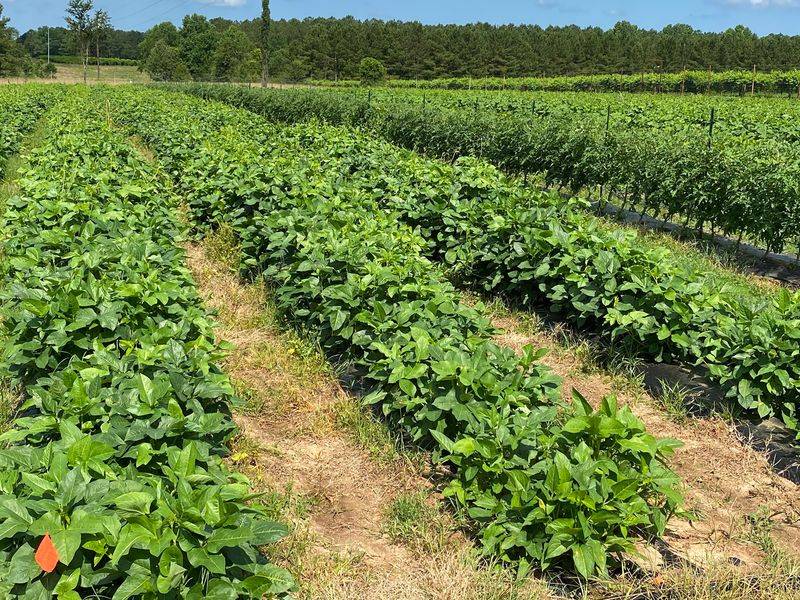
Nine. That is roughly how many muscadine varieties grow across Breckenridge Farms, which explains why no two buckets taste quite the same.
Some names on that list lean toward juice making. Carlos, Noble, Sterling, and Doreen all have reputations for producing excellent juice and jelly.
Others are grown mainly for eating fresh, and those tend to be the crowd favorites. Summit, Black Beauty, Darlene, Fry, Sweet Jenny, Supreme, and Sugargate fall squarely in that group.
No muscadine conversation gets very far without scuppernongs coming up. They are a bronze-fruited type of muscadine, and plenty of Southerners will argue passionately about which is better.
Muscadines are native to the southeastern United States, so Mississippi soil suits them naturally. Still, not every cultivar handles the occasional cold snap equally well.
Higgins, Fry, and Granny Val run on the sensitive side when temperatures drop. Magnolia, Carlos, and Sterling hold up better through chilly stretches, which is why growers often mix them in.
Walking multiple rows and sampling as you go turns the visit into something closer to a tasting session. One variety might taste bright and tangy while the next one hits like honey.
Mixing varieties in the same bucket also gives homemade jelly a more layered flavor than any single type could manage alone.
Nutritional Value Of Fresh Muscadine Grapes

Sixteen grapes. That is about half a cup, and it lands somewhere near 55 calories, which makes muscadines a pretty forgiving snack.
Inside that same serving, you get roughly 0.78 grams of protein, a tiny 0.45 grams of fat, and 13.37 grams of carbohydrates. Of those carbs, about 3.37 grams come from fiber.
Water makes up close to 84 percent of the fruit, which explains why muscadines feel so refreshing on a hot afternoon. They are also naturally free of fat, cholesterol, and sodium.
Manganese shows up in impressive amounts here, enough that muscadines count as an excellent source. Fiber and Vitamin C both land in the good source category too.
Potassium and riboflavin, also called vitamin B2, round out the list. None of it sounds dramatic on paper, but it adds up nicely for a fruit most people eat by the handful.
The real nutritional treasure sits in the skins and seeds. Those parts carry concentrated polyphenolic compounds like resveratrol and ellagic acid, plus most of the fiber.
Chewing the whole grape takes a little getting used to if you grew up on seedless varieties. Anyone who does it, though, gets considerably more out of each bite than the juice alone provides.
Tips For Storing Muscadines After Harvest
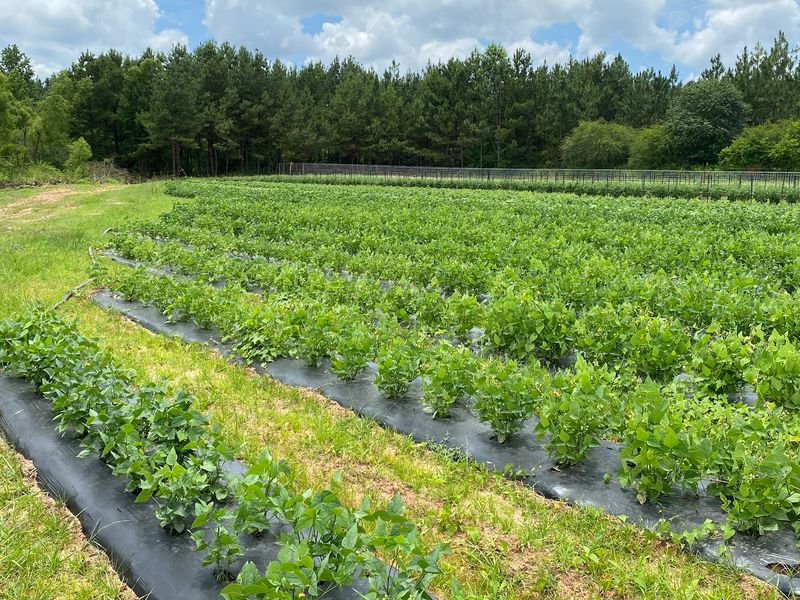
So the buckets are full, and the car smells amazing. Now comes the part where good fruit either lasts or turns to mush on the counter.
A shallow container in the refrigerator works best, since piling grapes deep crushes the ones on the bottom. Stored that way, muscadines hold up for about a week.
Flavor peaks much sooner than that, so eating them within a couple of days is the smarter move. Checking the container regularly and pulling out any soft or spoiling grapes keeps the rest in good shape.
Field heat is the enemy right after picking. Warm fruit loses moisture quickly, so cooling the muscadines soon after leaving the farm makes a real difference.
Hold off on washing until you are ready to eat or cook with them. Moisture sitting on the skins speeds up decay more than most people realize.
Picked way more than you can handle? Muscadines freeze beautifully, which is honestly half the fun of a big haul.
One method involves hulling them and pressing out the air before sealing. Another calls for boiling the pulp to remove seeds, then freezing pulp and skins separately.
Frozen properly, they keep for up to six months. February cobbler made from August grapes is a genuine treat.
Preparation Ideas Using Fresh Muscadines
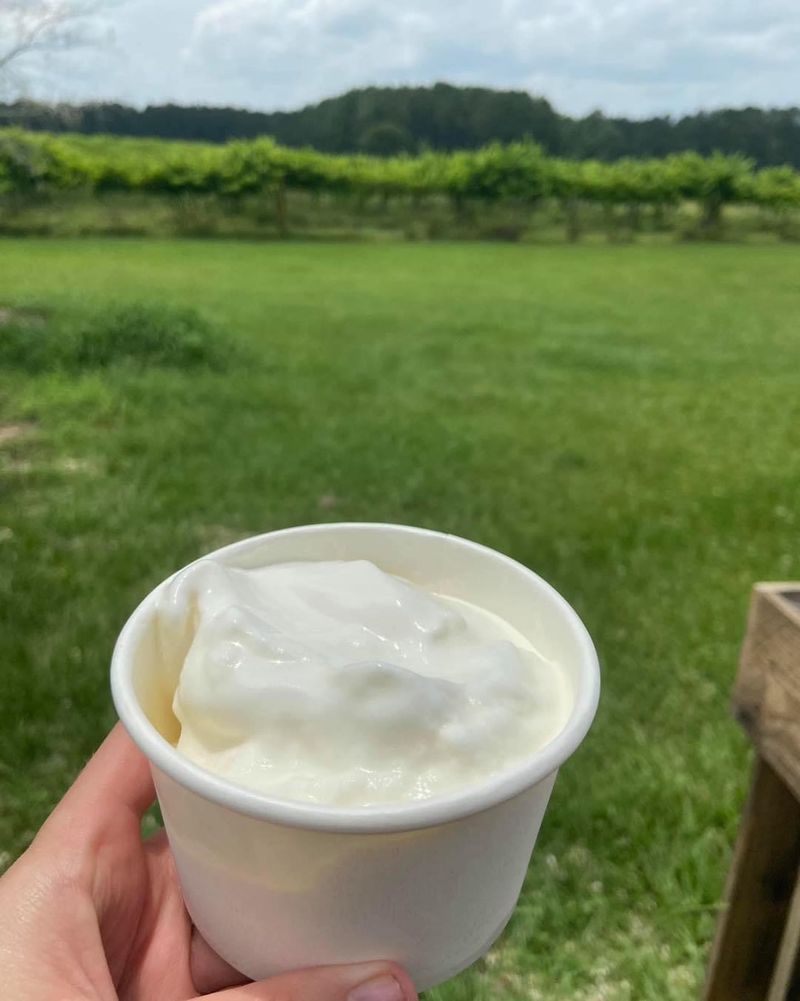
Eating them straight from the bucket is undefeated. But a big haul practically demands a kitchen project or two.
Juice, jam, jelly, and pie make up the classic lineup, and for good reason. Muscadine jelly on a hot biscuit has been converting skeptics for generations.
Spiced muscadine butter spread across toast is another route worth trying. Sorbet cools things down on a brutal afternoon, and a homemade syrup poured over pancakes or waffles turns breakfast into an event.
Savory cooking is where muscadines really surprise people. Reduced into a glaze, they work beautifully on chicken or pork.
Seared scallops with muscadines alongside sounds fancy, yet it comes together easily. The fruit brings sweetness and acid at the same time, which is exactly what rich proteins need.
Frozen hulls from an earlier batch deserve a mention too. Tossed into crisps or cobblers, they deliver summer flavor in the middle of winter.
Plenty of recipes call for straining out seeds and skins, which is fine. Just remember both are edible and carry a good share of the fruit’s nutrition.
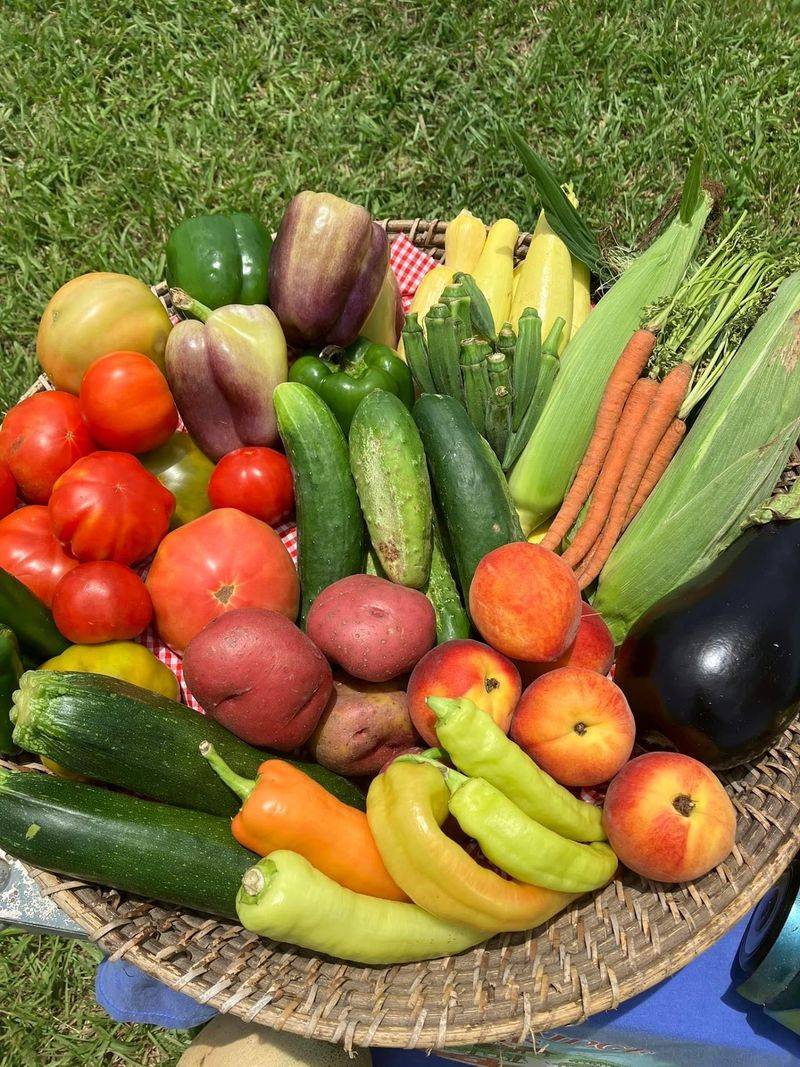
Fresh vegetables and other produce are available at the farm as well, so the shopping trip does not have to stop at grapes. A cobbler and a pot of field peas make a solid Sunday plan.
Environmental Factors Affecting Muscadine Growth
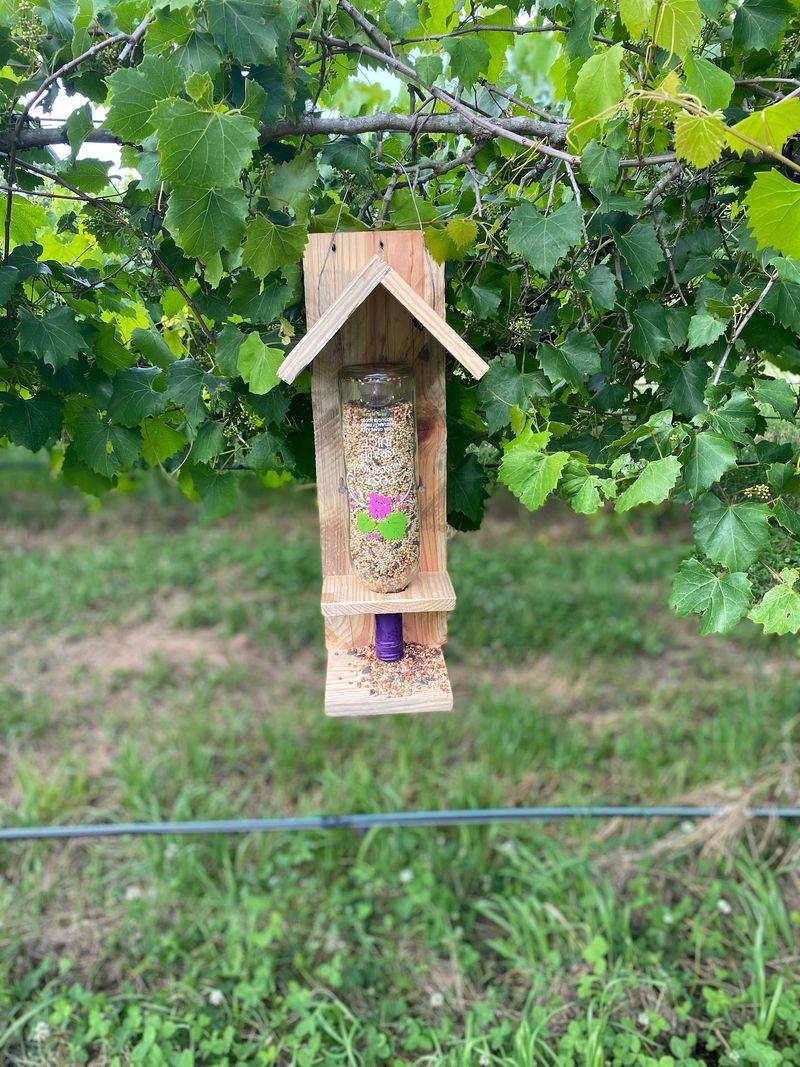
There is a reason muscadines belong to the South and nowhere else. Warm, humid conditions are exactly what these native vines were built for.
Sunlight tops the list of requirements. Six to eight hours of direct sun daily keeps fruit set strong, while shade cuts production noticeably.
Soil matters just as much. Fertile, well-drained sandy loam with a slightly acidic pH between 6.0 and 6.5 gives the vines what they want.
Drainage is not optional. Muscadines will not tolerate standing water or soil that stays soggy, and ground with a hardpan underneath simply will not work.
Winters need to stay mild too. These grapes lack real cold hardiness and can suffer damage when temperatures drop below 10 degrees Fahrenheit, or even near zero depending on the cultivar.
Here is the good news for growers. Muscadines shrug off many of the pests and diseases that torment other grape species, which cuts down on spraying.
Water still needs attention during dry stretches, since fruit size and sweetness both depend on steady moisture. A long drought in July can shrink the whole crop.
All those pieces coming together in Clarke County explain why the vines here produce so reliably. Good sun, good drainage, and a climate the plants already call home make for heavy buckets in August.