
This Old-School Mississippi Fabric Shop Is So Loved, Regulars Walk In For One Thing And Leave Signed Up For Three Classes
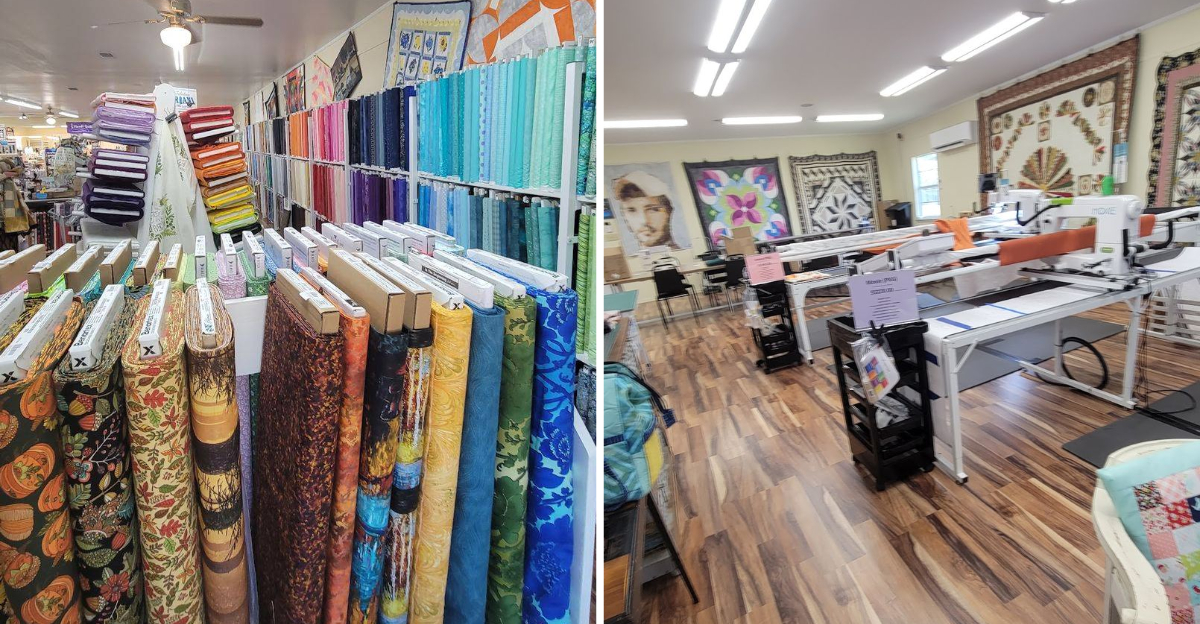
Buying thread should be a quick errand. Somehow, it can end with your name on a class sheet and a new project already taking shape in your head. Mississippi has a fabric shop where that happens often.
The appeal goes beyond shelves of cloth. People come in curious, ask a question, and soon find themselves learning something they never expected to try.
That is where the place gets interesting. Classes turn beginners into regulars, and regulars start recognizing each other across the room. Advice gets passed around freely, mistakes become part of the lesson, and nobody seems embarrassed to start small.
A simple shopping trip can grow into a weekly habit before you notice. For anyone who likes making things by hand, that is a pretty easy trap to fall into.
A Wall Of Color That Stops Shoppers Cold
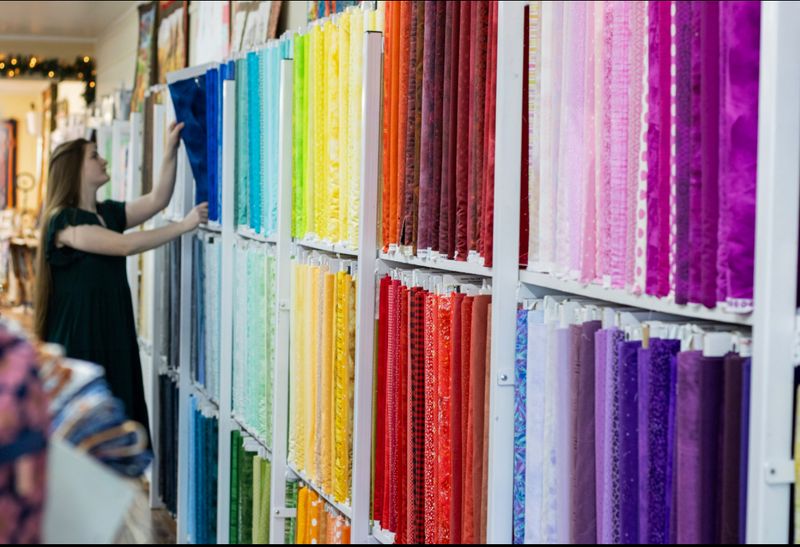
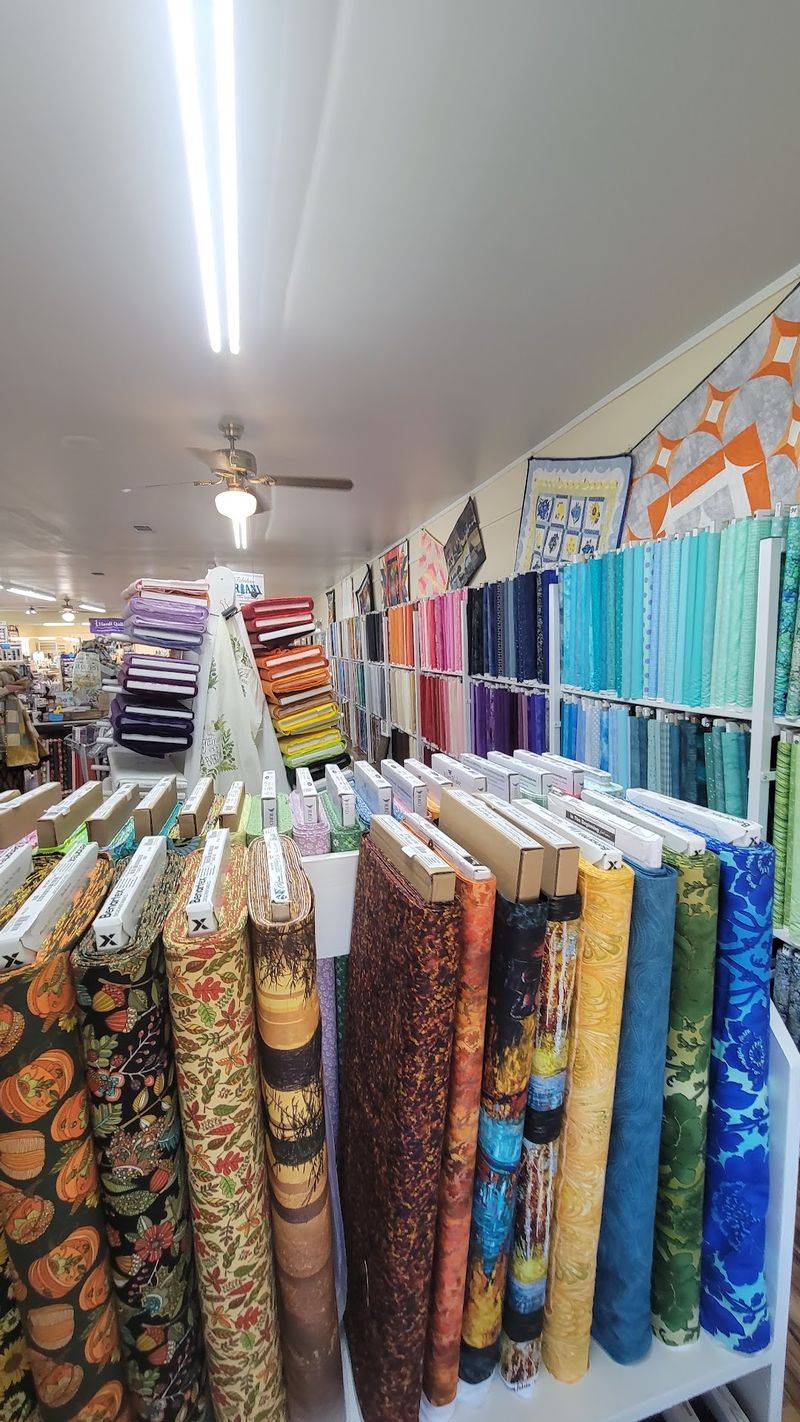
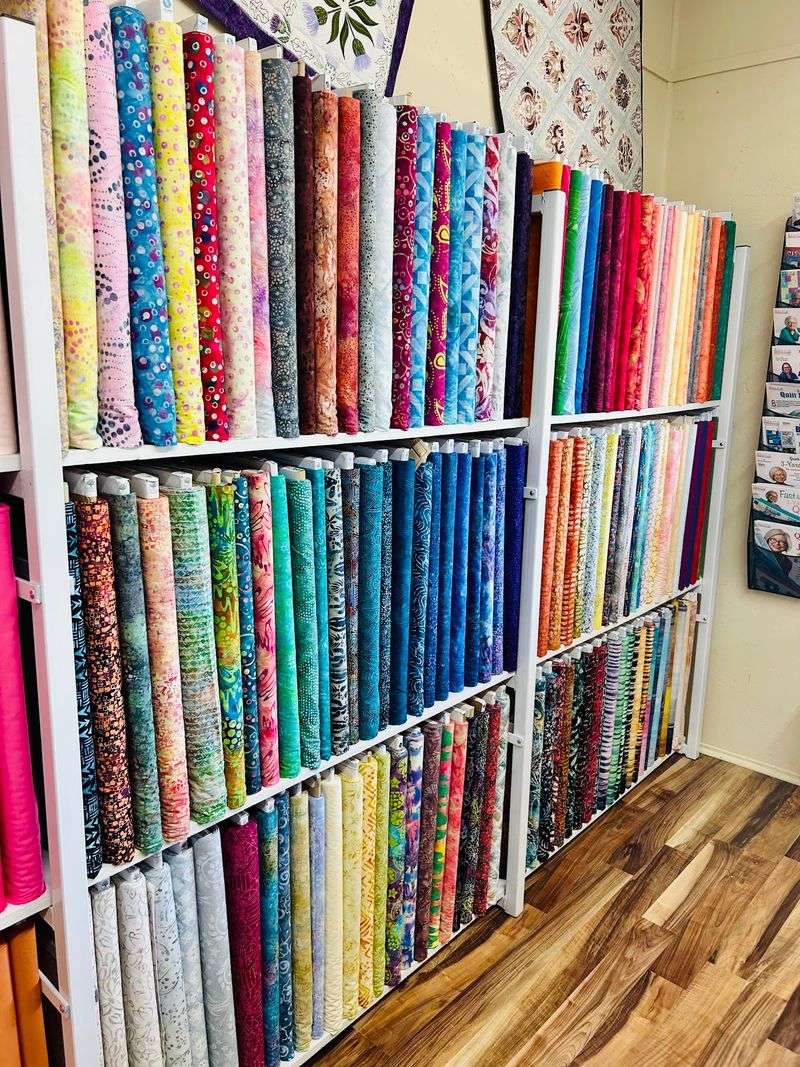
Color hits first. Bolts of cotton stand shoulder to shoulder in long rows, sorted by shade so your eye travels the rainbow without stumbling. Bright lighting overhead makes every print read true, which matters more than most shoppers realize.
Fabric selection is the single thing people mention most about this shop, and the reason is simple. The prints come from current collections, not dusty leftovers from a decade ago.
You will find batiks, novelty prints, solids, and the sort of quirky patterns that make a quilt feel like a signature.
Bag makers get their own corner of glory here too. Hardware, interfacing, zippers, and the odd little findings that usually require three separate orders online all live under one roof.
Browsing takes longer than planned. That is not an accident. The layout invites wandering, and a slow lap around the room usually ends with an armful of yardage you did not know you needed.
Bring a project photo on your phone. Matching a backing or binding becomes far easier when someone can see the top you are working from, and the staff genuinely enjoys that puzzle.
Meet Ms. Sew N’ Sew’s, The Wiggins Landmark For Stitchers
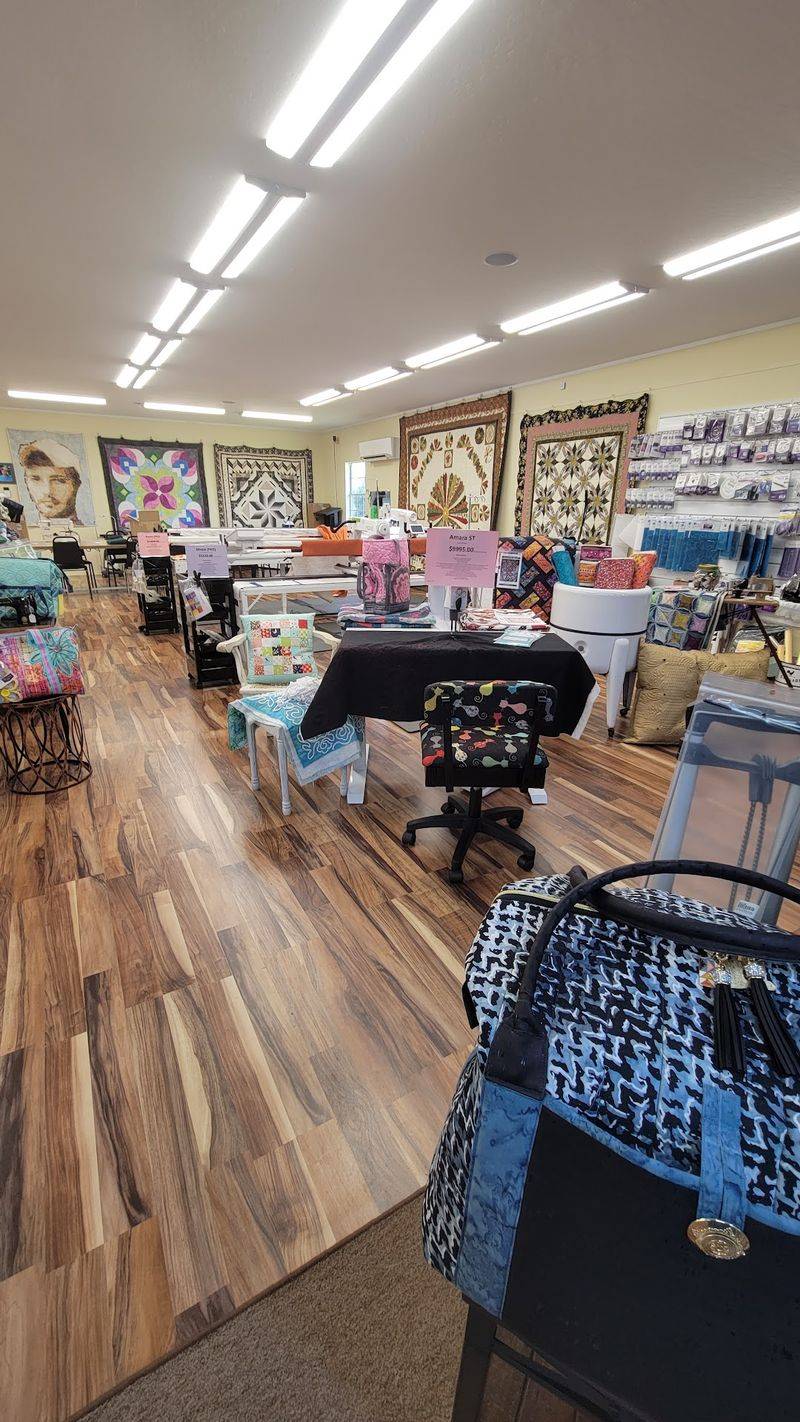
Naming names is only fair. Ms. Sew N’ Sew’s Quilt Shop keeps its doors open at 2118 S Azalea Dr in Wiggins, Mississippi, sitting beside Tractor Supply just off Highway 49 South. Feed store on one side, fat quarters on the other.
Only in the South.
The shop opened on June 29, 2020, which was not exactly a gentle year to launch a small business. It has run continuously ever since, built by a quilting enthusiast and her husband who still work the floor.
Highway 49 carries plenty of traffic between the coast and points north, and word travels. Quilters passing through plan detours around this stop, sometimes making it an annual tradition.
Parking is easy. No parallel parking gymnastics, no meters, no circling the block three times hoping for mercy.
Doors open Tuesday through Friday from nine in the morning until five in the afternoon, with Saturday hours running nine to two. Sunday and Monday are quiet days, so plan accordingly. Showing up on a closed Monday is a rookie mistake worth avoiding.
Longarm Machines You Can Actually Rent
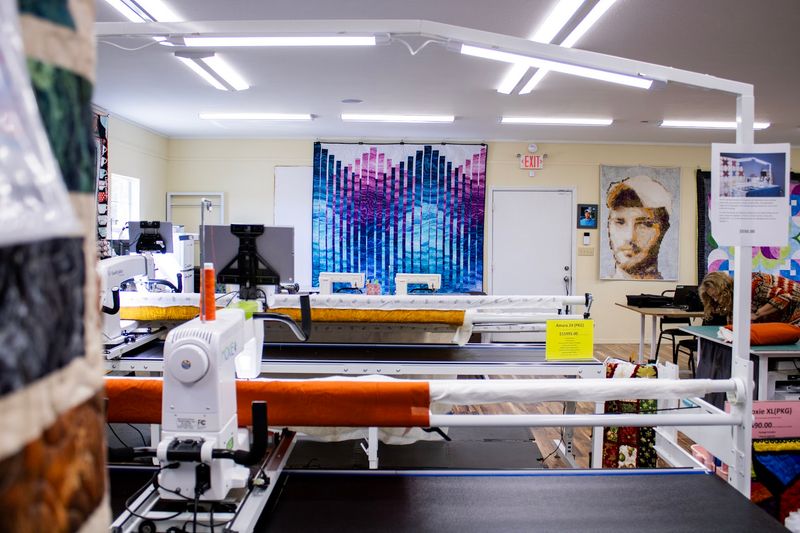
Owning a longarm requires two things most folks lack: several thousand dollars and a spare room. Renting solves both problems in an afternoon.
The shop keeps longarm machines available for rent, which means you can finish a full size quilt properly instead of wrestling it through a domestic machine. Anyone who has tried the wrestling method knows the shoulder ache that follows.
Rental time turns a stalled project into a finished one. Quilt tops that have waited in a closet for years suddenly have somewhere to go.
Frames hold the layers taut so stitching stays even. That even tension is the secret behind quilting that looks polished rather than puckered.
Booking ahead makes sense since machines and floor space are both finite. Call the shop during business hours to arrange a slot, and bring your top, batting, and backing pressed and ready.
First timers should not feel sheepish about asking questions. Learning to guide a longarm takes practice, and having experienced help nearby beats watching videos alone at midnight. A little coaching goes a long way toward confidence.
Certification Training For Serious Quilters
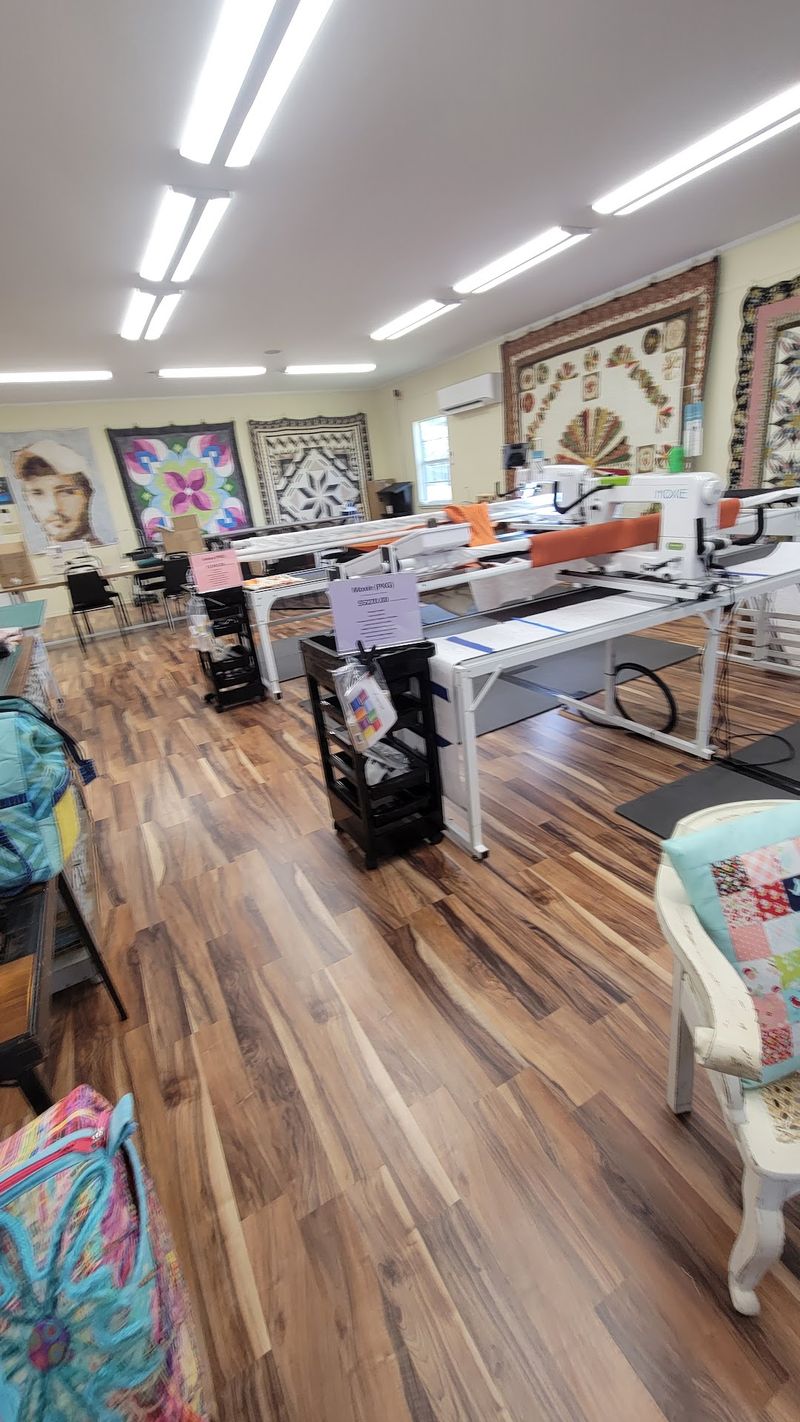
Certification sounds formal, and in the longarm world it genuinely matters. Training here covers long arm machine certification, giving students real credentials and real competence.
Some quilters take the training because they plan to quilt for hire. A finished quilt top from a client deserves confident hands on the machine, not guesswork.
Others sign up simply because they bought a longarm and want to use every feature instead of the three buttons they figured out alone. Both reasons are perfectly good ones.
Training walks through setup, tension, maintenance, and movement patterns. Knowing how to troubleshoot your own machine saves money and prevents a lot of frustration down the line.
Skills stack. A quilter who understands tension will produce better results on any machine, borrowed or bought.
Scheduling works best with advance planning since certification takes more time than a single evening workshop. Ask about upcoming dates when you visit, and be honest about your current skill level so the instruction lands where you actually are. Nobody benefits from pretending to know more than they do.
The Machine Showroom Deserves Its Own Trip
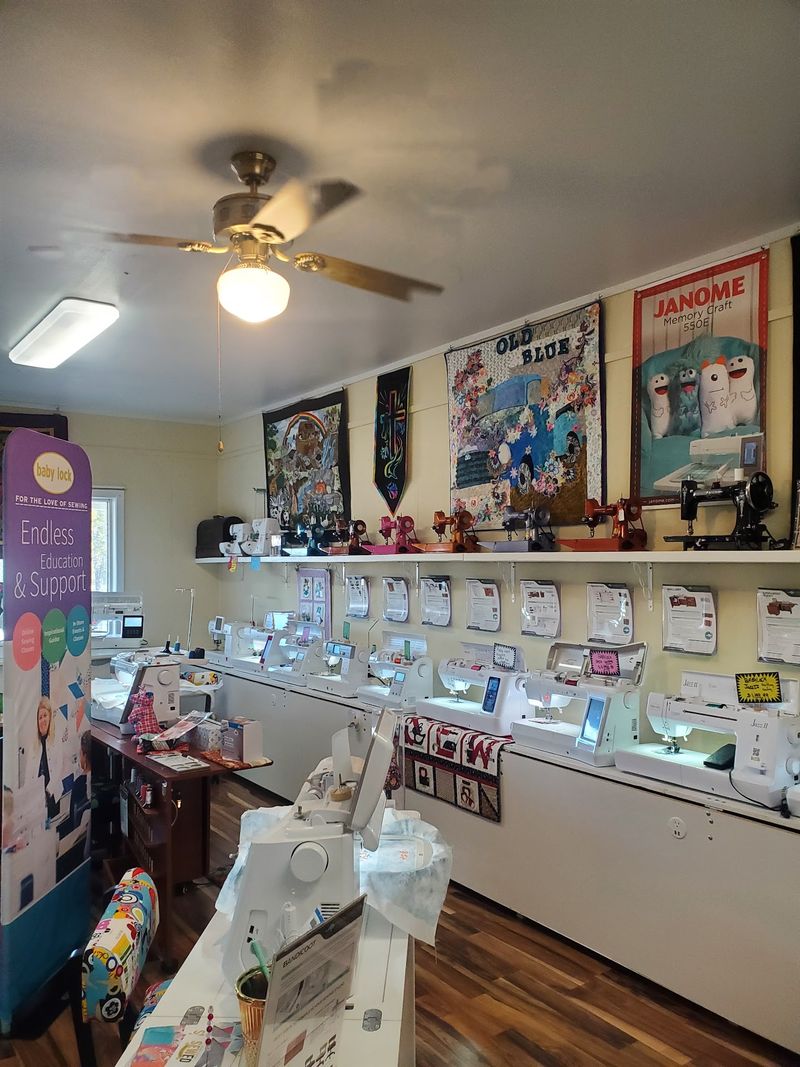
Shopping for a sewing machine online is a gamble. Screens cannot show you how a machine sounds, how the foot pedal responds, or whether the throat space fits your projects.
The showroom here solves that. Several brands and models sit out where you can test them, stitch samples, and compare feel before committing real money.
Embroidery machines get attention too, which pleases anyone whose hobby has crept beyond quilting into monograms and appliqued gifts for every relative.
Longarms occupy the upper end of the lineup. Seeing one set up in person makes the decision far less abstract than a catalog photo ever could.
Test drives matter more than specs. A machine that suits one quilter’s hands may feel wrong in another’s, and thirty minutes of stitching reveals that quickly.
Ask about setup support and after purchase help. Buying local means someone knows your machine when questions come up later, which is worth a great deal more than a slightly lower price from a faceless website.
Support is part of what you are actually purchasing.
Repairs That Bring Tired Machines Back To Life
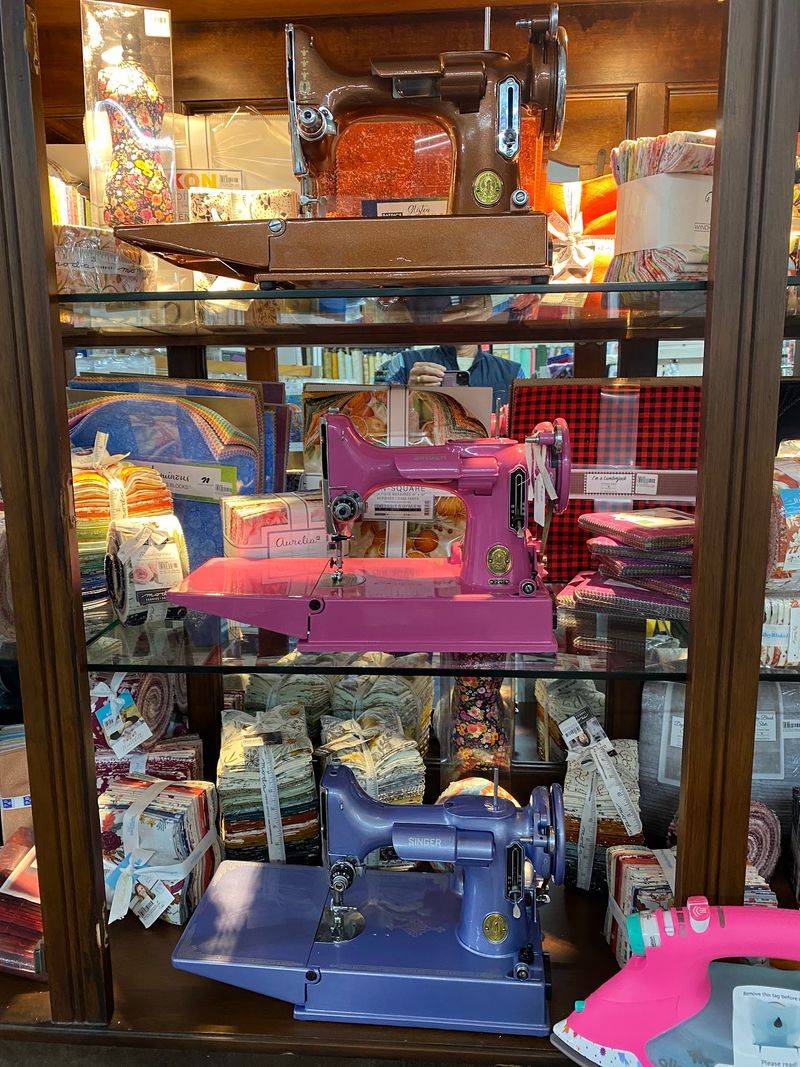
A machine skipping stitches will ruin an otherwise pleasant afternoon. Repair service here covers quilting machines, which means your equipment gets attention from people who use the same tools daily.
Machines need service the way cars need oil changes. Lint builds up, timing drifts, and tension goes strange for reasons that seem personal.
Vintage machines get respect too. Older models often have decades of good work left once someone cleans and adjusts them properly.
Dropping off a machine takes a few minutes. Bring the foot pedal, power cord, and any accessories that seem related to the problem.
Describing the issue clearly speeds everything up. Note when the trouble started, what fabric you were sewing, and any sounds the machine makes that it did not make before.
Regular maintenance beats emergency repair every time. Scheduling a tune up during a slow season keeps you from losing your machine right before a deadline quilt is due.
Ask about a service interval that suits how much you actually sew, since a daily quilter needs attention sooner than an occasional one.
Notions, Thread, And The Little Things
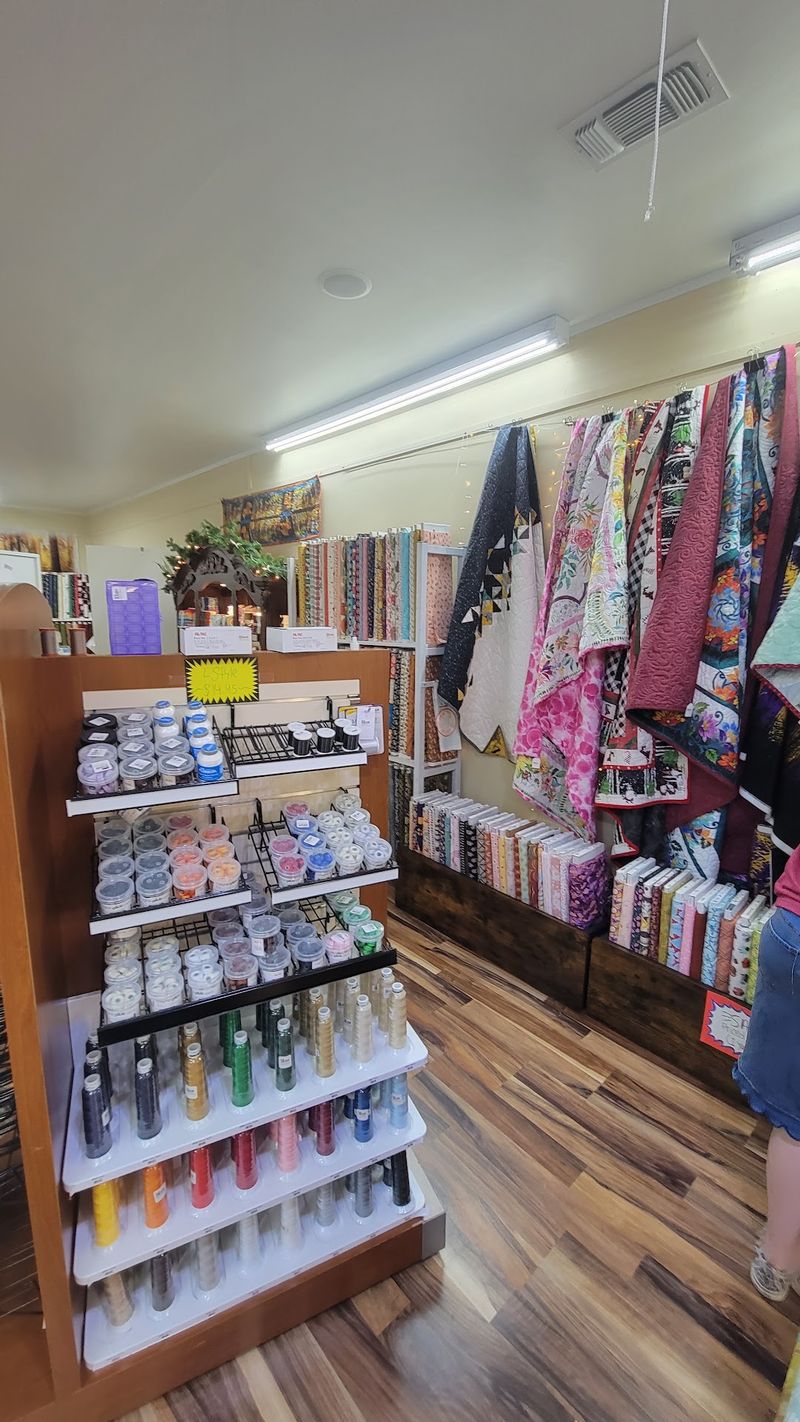
Nobody plans a shopping trip around bobbins. Yet running out of them mid project is the sort of small disaster that ends a productive evening.
Notions fill the shelves here in satisfying variety. Thread in nearly any color, bobbins, patterns, rulers, and the assorted gadgets quilters swear by all wait in stock.
Kits deserve a mention of their own. A prepped kit takes the guesswork out of fabric matching, which appeals to beginners and to anyone short on planning time.
Patterns range from simple to ambitious. Flipping through them in person beats scrolling, because you can see the finished photo and the fabric requirements side by side.
Thread choice affects results more than most people expect. Matching weight and fiber to your project prevents breakage and keeps stitches sitting neatly.
Ask before you guess. Staff here answer quilting questions with real expertise, and a thirty second conversation can spare you a seam ripper session later. Stock up on staples while you are in the building, since a second trip down Highway 49 costs gas and good daylight.
Why Highway 49 Travelers Keep Detouring
Road trips need good reasons to stop. Quilters heading along Highway 49 have found one, and some build their travel plans around it.
Visitors come from Michigan, Alabama, and every corner of Mississippi. Repeat trips are common enough that annual visits have become tradition for certain travelers.
Location helps. The shop sits within easy reach of the Gulf Coast, Hattiesburg, and the pine belt, making it a natural break point on a longer haul.
Stone County itself moves at a slower pace. Pine forests, small town streets, and open sky make the surrounding drive genuinely pleasant.
Shopping local supports a family run business that has held on through some difficult years. That matters in a craft where big box stores keep shrinking their fabric departments.
Plan a full stop rather than a quick dash. Between browsing, machine testing, and conversation, an hour disappears fast.
Keep a cooler in the car if you are traveling in a Mississippi summer. Fabric does fine in heat, but you will not, and the humidity here does not negotiate.
Leaving With More Than You Came For
Errands rarely stay simple here. Thread becomes yardage. Yardage becomes a kit.
A kit becomes a class, and then two more.
Momentum explains it. Being surrounded by color and capable people makes ambitious projects feel entirely reasonable.
The pattern repeats often enough that regulars joke about it. Nobody seems to mind, since the projects they finish are the ones they are proudest of.
Skills compound over time. One beginner class leads to curiosity about longarm work, which leads to certification, which leads to quilting for friends.
Community comes bundled in. Classes create familiar faces, and familiar faces create the kind of encouragement that keeps a hobby alive through busy seasons.
Budget accordingly, with a grin. Set a number before you walk in, then accept that fabric shops have their own gravitational pull.
Give yourself permission to learn something new. Quilting rewards patience, and a shop that teaches as much as it sells makes that patience considerably easier to find. A single visit can genuinely reroute how you spend your evenings.