
This Massachusetts Store Is Full Of Remarkable Architectural Antiques
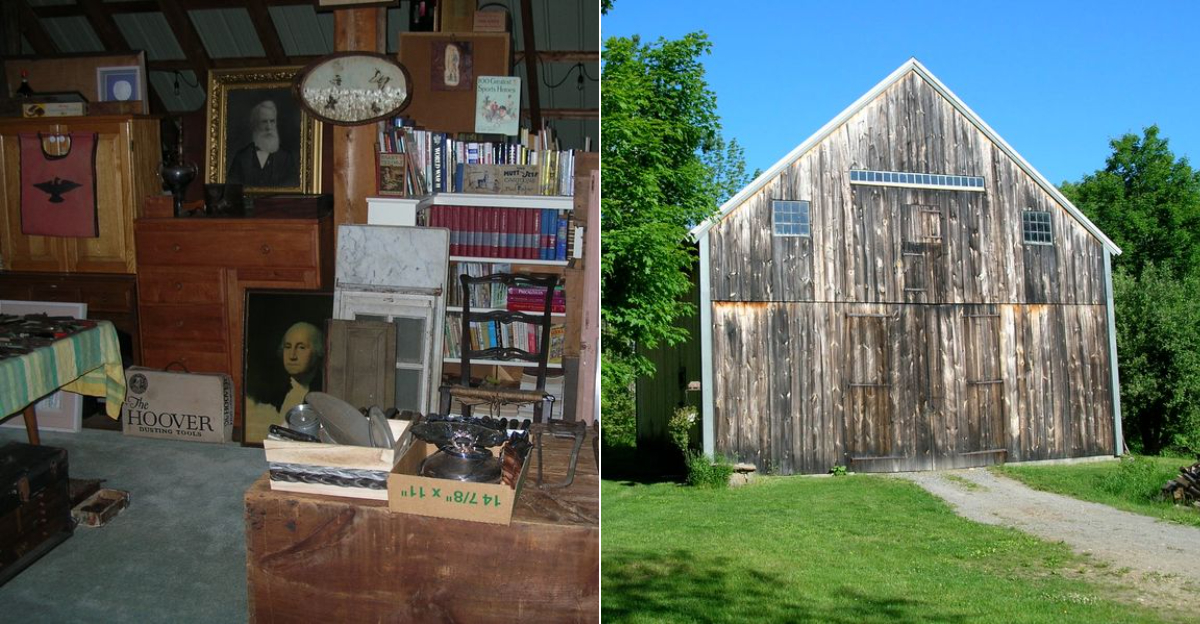
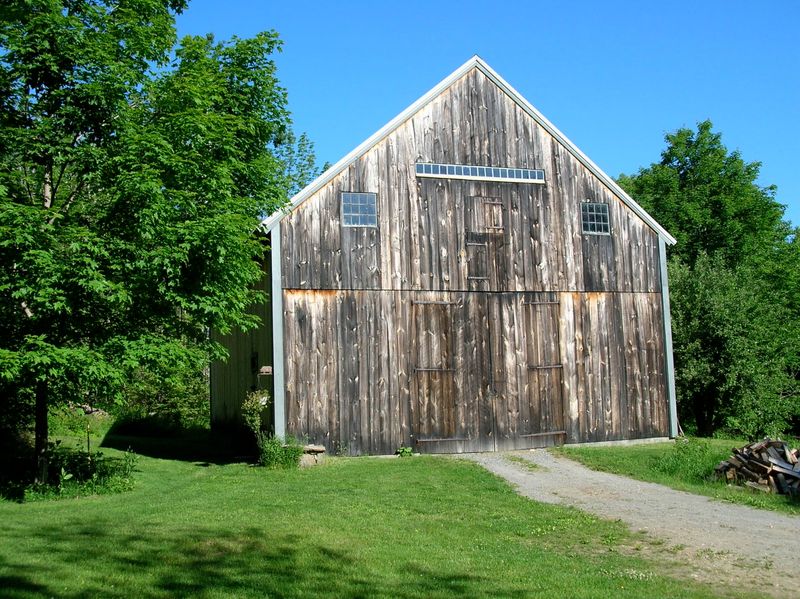
Massachusetts still has a few places where architectural history is something you can actually pick up and take home. In a weathered barn, old doors lean against the walls, iron keys hang from hooks, and wavy glass catches the light.
Rows of vintage drawer pulls, hinges, hardware, and other salvaged pieces fill the space, many rescued from historic homes and buildings. Instead of admiring these details behind museum glass, visitors can inspect them up close and imagine where they might fit in their own homes or projects.
The shop attracts an eclectic mix of collectors, builders, artists, and curious road-trippers. The owner knows the stories behind many of the pieces and is happy to share where they came from.
Plan to spend an hour or two browsing, though it’s easy to stay longer once you start digging through the shelves. And if you’re serious about buying, bring a tape measure.
You never know when the perfect antique door, window, or piece of hardware will turn up.
A Barn Full Of Salvaged History
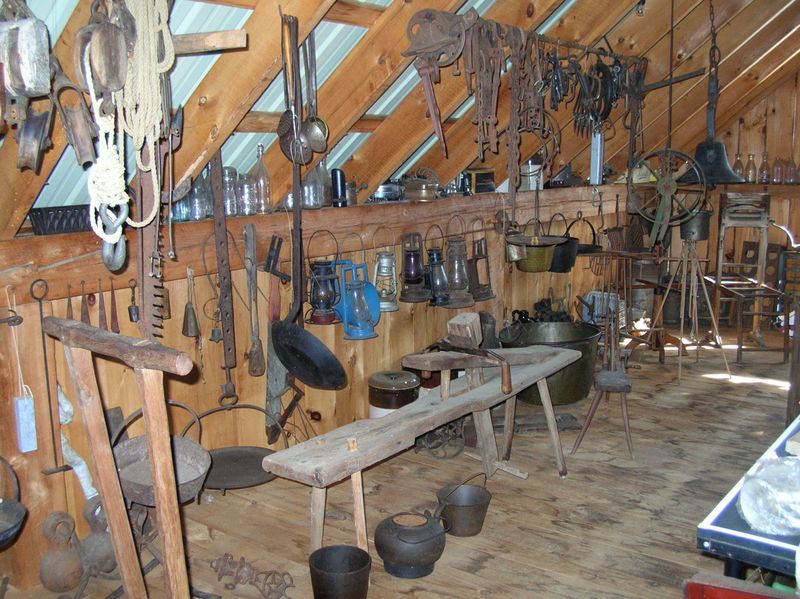
Olde House Proprietary is a single-vendor shop, which means one person picked every single item inside.
That matters more than you might think. Big group markets can feel scattered.
Here, the collection has one clear point of view: early American building materials, architectural salvage, antique hardware, reclaimed doors, and vintage windows.
The shop sits in a barn-style space, and the layout rewards slow walking. Prices land in a moderate range, so you do not need a designer budget to walk out happy.
Most visitors spend one to two hours poking around, though plenty stay longer once the conversation starts.
Hours are limited, so plan ahead. Wednesday runs 10 AM to 2 PM, and Thursday through Saturday run 10 AM to 2:30 PM.
Calling ahead is smart. Travelers have said an appointment made their trip smoother, and the owner is happy to chat.
One tourist called the whole space a museum, which is not far off.
What would you look for first: a door, a window, or a mystery piece of iron?
Doors With Real Stories
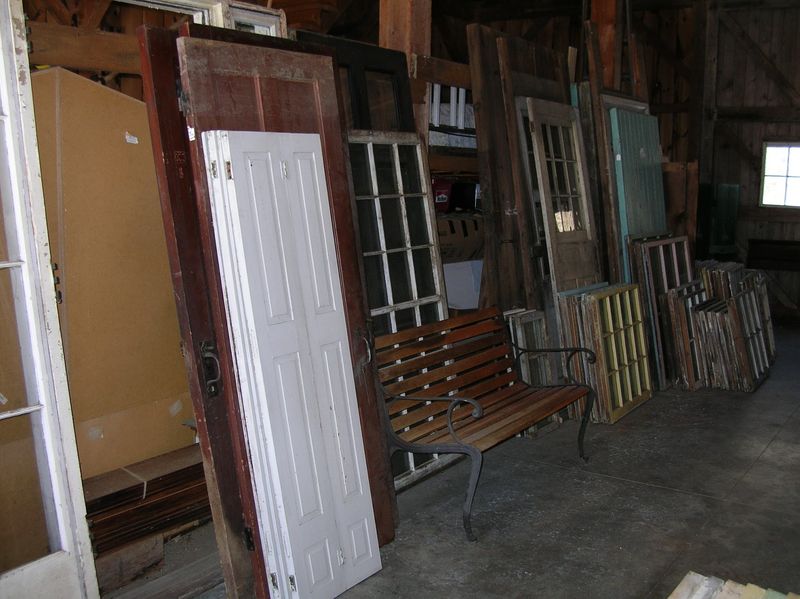
Doors get the most attention here, and for good reason. Rows of them lean together, painted, stripped, plain, and paneled, each one pulled from a building that no longer stands.
Salvaged doors bring something new lumber cannot fake. The wood has age.
The paint has layers. Restoration projects instantly look honest when an original door goes back into the frame.
Door styles also work like a calendar. The number of panels, the shape of the molding, and the hardware placement can point you toward a specific period.
Once someone shows you the clues, you start spotting them on every old house in Massachusetts.
Keep an eye out for Dutch doors. Split into a top and bottom half, they came from the Netherlands in the 17th century and became common in the old Dutch colonial areas of New York and New Jersey before the Revolutionary War.
Farmers loved them for a practical reason. Close the bottom half and the pigs stay outside.
Open the top half and fresh air pours into the kitchen.
One visiting couple left with an old door and later thanked the owner for the tour that came with it. That combination of history plus purchase is the real draw.
Measure your opening before you drive over. Antique doors rarely match modern sizes, and a tape measure saves heartache.
Glass That Bends Light
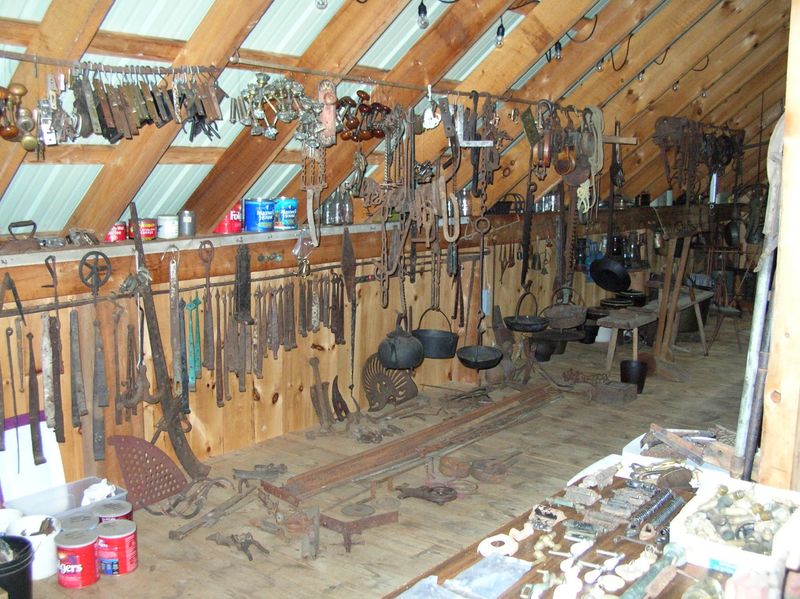
Hold an old window up to the sun and the world outside goes slightly wobbly. That ripple is part of the charm, and the shop keeps a strong selection of vintage windows waiting for new walls.
Leaded glass shows up here too. Sometimes called leadlights, these windows use many small panes of clear or frosted glass joined by soldered lead, copper, or brass.
The result throws patterns across a floor on a bright afternoon. People buy them for stair landings, bathroom walls, and cabinet fronts, though plenty simply hang them in a sunny spot and enjoy the show.
Transom windows are another favorite. They sit above the horizontal beam of a door, pushing daylight into hallways and letting warm air move between rooms.
Europeans have used transoms since the 14th century, long before anyone plugged in a fan. Old buildings solved ventilation with clever design instead of electricity, which is worth remembering.
One tourist picked up several pairs of old window sash here and called the price a great deal. Sash pairs are popular for greenhouse walls, picture frames, and garden projects.
Handle everything gently, because antique glass is thinner than it looks. Ask about safe transport before you load anything into the car.
Where in your house could an old window steal the spotlight?
Hardware From Another Century
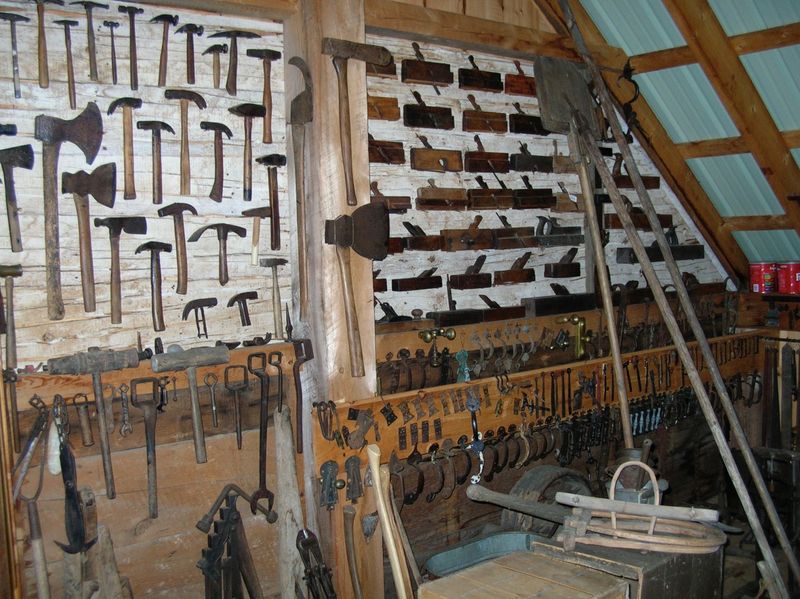
Small things steal the show in this corner. Door knobs, hinges, drawer pulls, locks, and keys fill boxes and shelves, and digging through them is oddly relaxing.
Window hardware hides here too. Sash lifts and sash locks look minor, but swap out modern versions for originals and a historic room suddenly feels correct again.
Style tells you the era. Georgian and Federal pieces from the 1700s through the 1830s usually appear in brass or cast iron with clean, plain lines and very little decoration.
Victorian hardware from the 1840s to 1900 goes the opposite direction. Expect decorative iron or bronze covered in scrollwork, engraving, and flourishes that show off what factories could do.
A visiting tourist described the antique hardware and tool collection here as one of the best they had seen outside the internet. Coming from a serious collector, that is high praise.
The owner knows where pieces came from and enjoys explaining each one. Ask a question about a hinge and you may get five minutes of Massachusetts history for free.
Practical tip: bring a photo of the door or drawer you are matching. Screw spacing and spindle sizes vary wildly on old hardware.
Would you rather own a plain Federal latch or an ornate Victorian knob covered in swirls?
Early American Building Materials
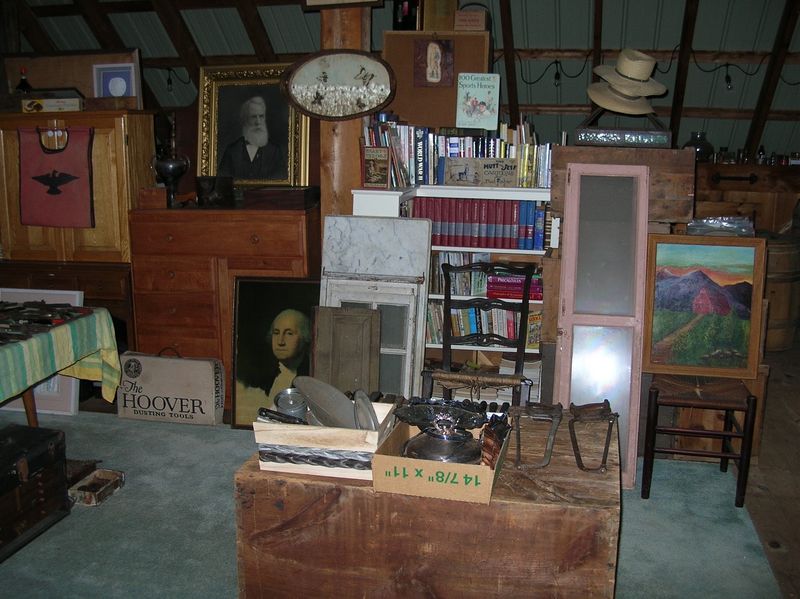
Beyond knobs and doors sits the heavier stuff. Early American building materials fill the space, the kind of components that once framed, trimmed, and finished real houses.
Architectural pieces like these rarely survive. Buildings come down, dumpsters roll in, and centuries of handwork vanish in an afternoon.
Salvage stops that from happening.
Buying reclaimed also means your project carries a genuine link to a historically significant structure. That is a very different feeling from ordering a reproduction online.
The owner takes the preservation part seriously. In one message to a customer, he thanked them for helping keep American heritage available for future generations, which sums up the whole operation.
Builders and contractors working on old Massachusetts homes come here specifically for pieces that match original construction. When a repair uses the right material, the fix disappears into the house.
Even if you are not renovating anything, walking through this section teaches you how buildings used to go together. Hand-cut joinery and square nails tell you a lot about the people who made them.
Bring a truck or a friend with one if you are shopping seriously. Some of these components are large, heavy, and not exactly backseat friendly.
Ask about the origin of anything that catches your eye, because the backstory usually beats the object.
Collections Curated With Care
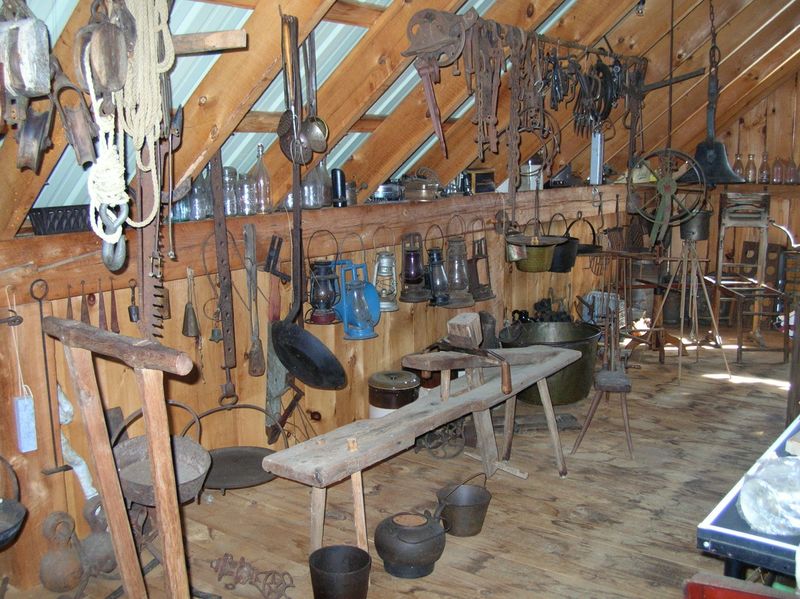
Nothing here landed by accident. The selection of antiques, vintage goods, and collectibles has been chosen piece by piece, and that care shows the moment you look around.
Homeowners come for character. Builders come for accuracy.
Designers, architects, and artists come because the raw material sparks ideas they cannot get from a catalog.
Inventory shifts often. New finds arrive regularly, which means the shop you visit in spring will not look the same in the fall.
Repeat visitors love that unpredictability. Miss something once and it may be gone, but something equally interesting usually takes its place.
A visiting tourist said she wished she had discovered the shop years earlier, praising how well the owner knows his inventory and its origins. That knowledge turns browsing into a guided tour.
Antique tools show up in the mix as well, and they photograph beautifully on a wall. Plenty of people buy them purely as decoration.
Take photos of pieces you like, along with measurements. It helps when you get home and start planning where everything goes.
Massachusetts has plenty of antique stops, but few with this focused personality.
A Genuine Treasure Hunt
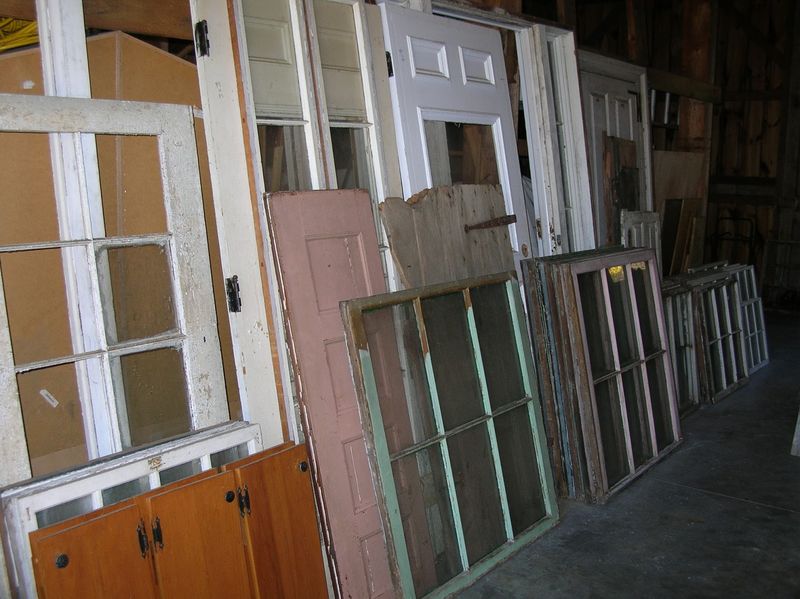
Forget neat department store aisles. Shopping here works more like exploring an attic that belonged to a very organized collector with excellent taste.
Vintage treasures hide in corners, on shelves, under tables, and behind larger pieces. Half the fun is spotting something everyone else walked past.
Each object at 420 County Rd, Ashby, MA 01431,comes with a past. An iron latch, a carved bracket, an old lock with its key still attached, all of them served somebody once.
The focus stays on unique, historically important salvage rather than random secondhand clutter. That filter is why serious collectors keep making the drive.
One visitor summed up the appeal simply: a large collection of antique doors, windows, and locks, plus a free history lesson thrown in.
Give yourself real time. Rushing through in twenty minutes means missing the best material, and the shop closes early in the afternoon.
Wear comfortable shoes and clothes you do not mind getting dusty. Old barns and pristine outfits do not mix well.
Cash, a notebook, and a tape measure make a good travel kit. So does an open mind, since the best purchase is often something you never planned to buy.
Massachusetts road trips reward curiosity, and this stop pays out generously for anyone willing to look closely.
Carry History Back Home
The best souvenirs do not sit on a shelf gathering dust. They get installed, used, and admired daily.
Architectural antiques let you add historic style to a brand new house or an old one that needs its personality back. A single reclaimed door can change an entire hallway.
Mixing old and new is where the magic happens. Clean modern walls plus one weathered antique piece creates depth that matching furniture sets never manage.
Homes built from collected finds also tell a personal story. Guests ask questions, and you get to answer with an actual tale instead of a store name.
Artists and designers use these pieces in ways nobody expects. Old shutters become headboards.
Salvaged brackets turn into shelf supports. Window sash becomes wall art.
Start small if you are unsure. A set of antique drawer pulls costs little and instantly upgrades a plain dresser.
Snap a picture of your room before visiting, and note the colors and finishes already in place. Matching gets much easier with a reference.
Massachusetts is full of places to see, but few send you home with a piece of the past you can actually live with.
Which room in your home needs a little history?