
The Brooklyn, Salvage Shop In New York Where Treasure Hunters Say Hours Disappear Fast
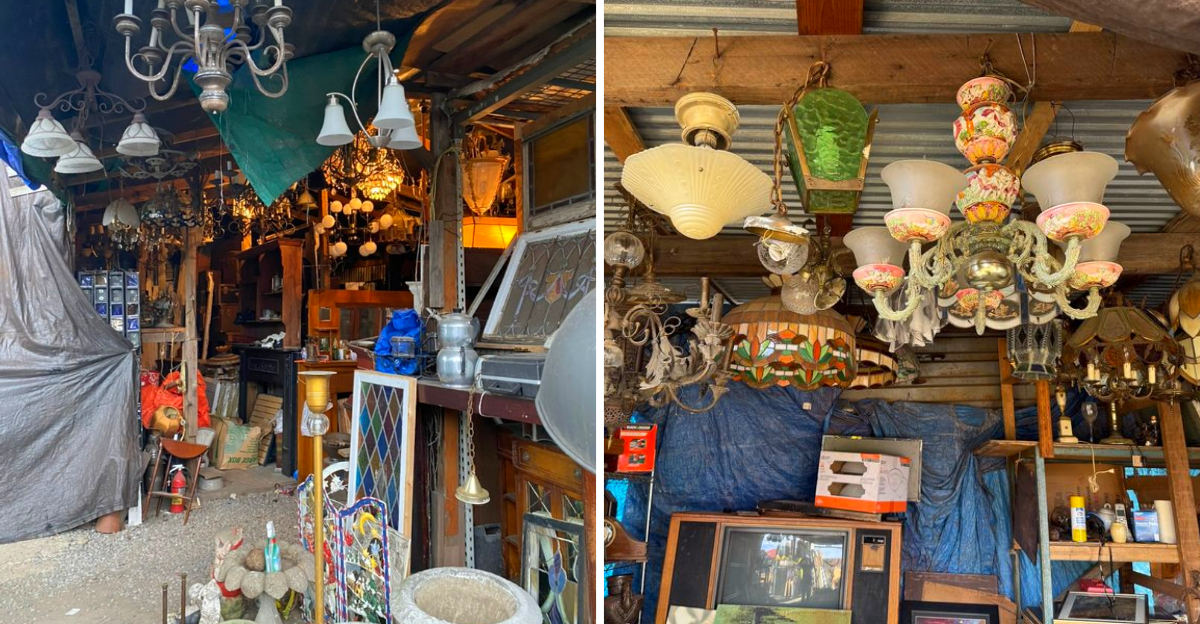
Nobody walks into this place for three hours. They walk in for one hinge. Then the light shifts, the afternoon is gone, and somehow a marble sink is going home with them. That is how the yard works on people.
Old doors lean in rows. Iron gates, radiators, bathtubs that spent decades inside New York brownstones before somebody hauled them out. All of it waiting for a second life.
Trains rumble overhead on an elevated line, close enough to feel in your teeth. It gives the whole place a soundtrack.
Glossy postcards never mention corners like this one, which is exactly why it stays good. My weakness is doorknobs, personally. Something about holding a piece of hardware that a hundred hands turned before mine.
Anyone who loves old things with real history behind them should clear the calendar first. This spot will keep you far longer than you planned on staying.
A Yard Built From Brooklyn’s Leftovers
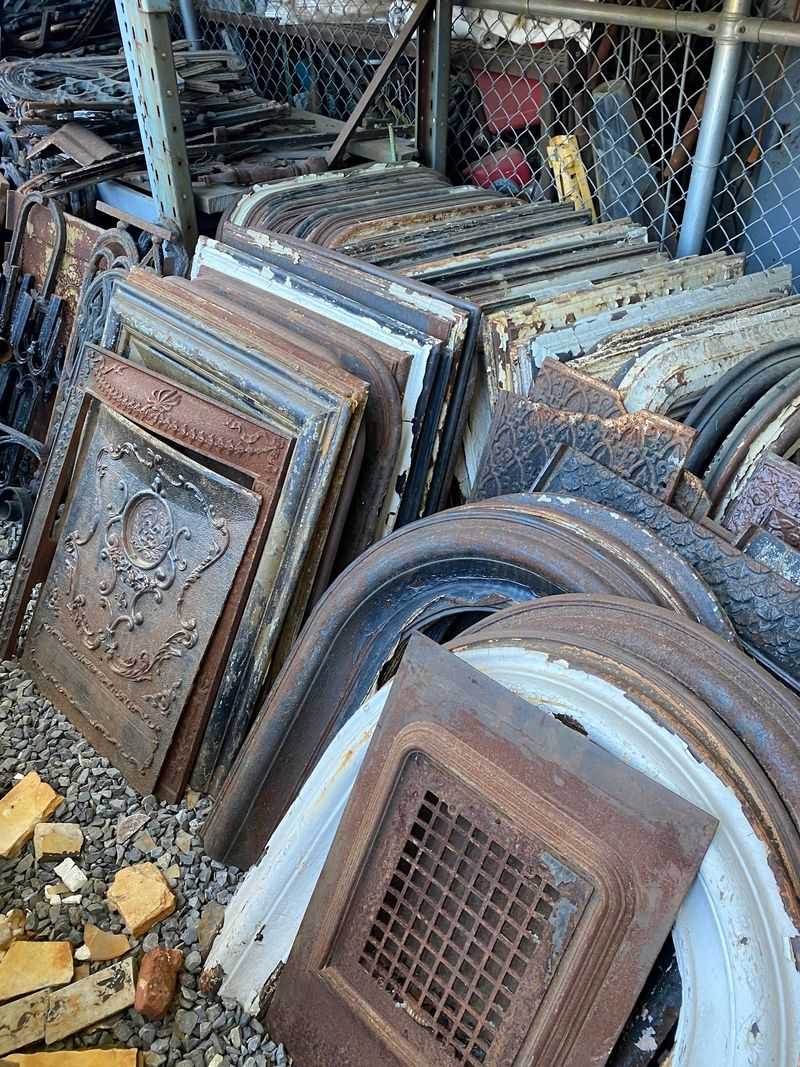
Old buildings do not vanish without leaving something behind. Doors, mantels, newel posts, and iron railings get pulled out during renovations, and many of them end up here rather than in a landfill.
The result is a working yard where the inventory shifts week by week. One visit might turn up a marble basin. The next could bring in a fireplace insert with hand cast detail.
What makes the experience so absorbing is the layering. Items sit stacked, leaned, and grouped by rough category, so finding the good stuff means using your hands and your patience.
Prices tend to stay friendly compared with polished antique showrooms, which is part of the appeal for homeowners repairing brownstones on a budget.
Most of the goods sit outdoors, so weather matters. Bring gloves in winter and a hat in summer, and wear shoes you do not mind scuffing.
Treasure hunting here rewards curiosity over speed. Slide one door aside and another five appear behind it, each with different glass, different molding, different age.
Nobody leaves after ten minutes. That is simply not how the place works. Photographers turn up often, since the stacked rows make a genuinely good backdrop.
Old Iron On Ninth Street In Gowanus
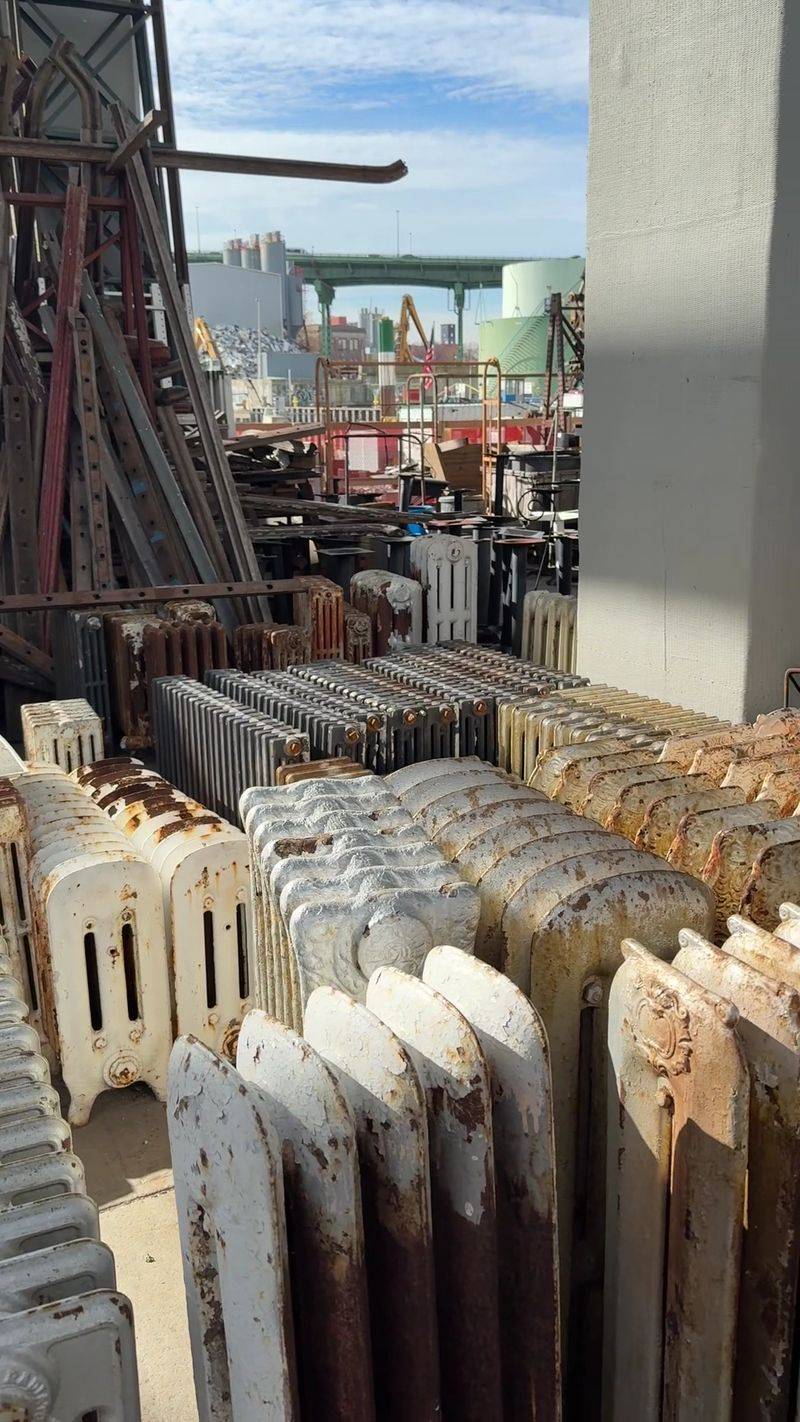
The name on the sign is Old Iron, Architectural Salvage, and the address is 70 9th St, Brooklyn, NY 11215. The Gowanus setting fits it perfectly, with industry, canal water, and warehouses all sharing the same blocks.
Operations began in October 2008, and the business has run without interruption since then. That is a long stretch for any independent shop in New York.
The proprietor comes from a family with roughly a century of history in the scrap iron trade, which explains the eye for metal and the depth of the stock.
Overhead, the F train rolls along elevated tracks, adding a steady soundtrack of steel meeting steel. Lowe’s sits next door, so you can grab hardware after you find your treasure.
Hours run Tuesday through Friday from 8:00 AM to 3:30 PM, with Saturday shortened to 8:00 AM until 1:00 PM. Sunday and Monday are closed.
Arrive early if you want real browsing time. Saturday shoppers often discover the afternoon cutoff sooner than they hoped.
Directions are simple. Walk toward the canal and follow the iron. Street parking around Ninth runs manageable on weekday mornings, less so by Saturday.
Doors, Doors, And Even More Doors
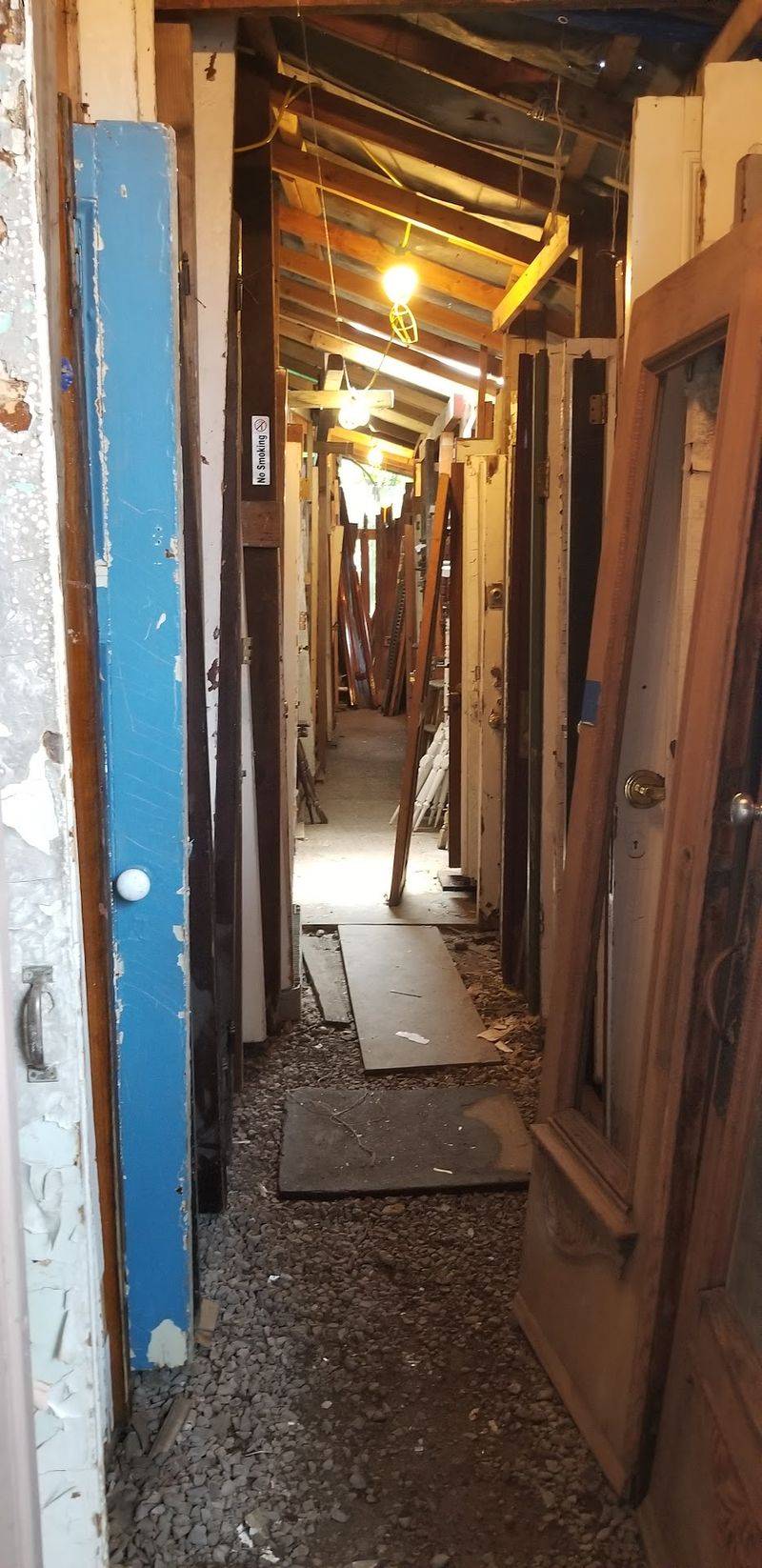
Count the doors and you will lose track somewhere in the dozens. Brownstone entry doors, interior panel doors, and metal doors lean in long rows, each waiting for a second life.
Some carry etched glass. Others show carved molding, original hardware, or paint layers that hint at a century of redecorating.
Hunting through the stacks is genuinely fun. Doors get shifted one at a time, and the interesting finds usually hide four or five deep.
Bring measurements before you come. Old openings rarely match modern standards, and a door that looks right by eye can miss by two inches.
Newel posts also show up regularly, which matters for anyone repairing a staircase in an older Brooklyn home. Matching a spindle profile is nearly impossible at a big box store.
Staff members here help move heavy pieces, and that assistance changes everything when a door weighs more than a bicycle.
Transport takes planning too. A van beats a sedan, and a friend with strong arms beats both.
Fair warning about the door section. Enter with one project in mind and you may leave with three. Hardware sometimes comes attached, so check the hinges and knobs before deciding on a door.
Iron Work That Refuses To Quit
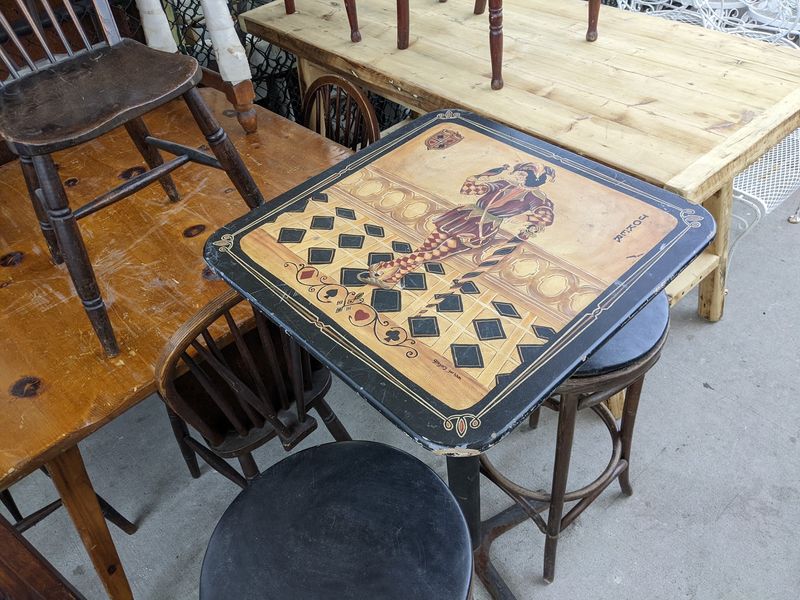
Metal is where this place earns its name. Wrought iron fences, gates, posts, and railings fill sections of the yard, some with scrollwork that no factory bothers making anymore.
Iron from older buildings was built thick. Pieces here have survived decades of rain, salt, and city grit, and they still feel solid under your palm.
Gardeners and homeowners use these finds for fencing, trellises, and window guards. Designers grab them for backdrops and accent walls.
Surface rust looks worse than it is. A wire brush and a coat of paint restore most pieces to handsome condition.
Fireplace inserts appear in the mix as well, along with radiator covers and cast iron radiators that once heated Park Slope parlors.
Because the family behind the business spent roughly a hundred years in scrap iron, the selection leans deep rather than decorative only. There is real knowledge in how the material gets sorted.
Weight becomes the main challenge. Cast iron does not care about your back or your car suspension.
Plan your load, then plan it again. Iron always weighs more than it looks.
Tubs, Basins, And Bathroom Time Travel
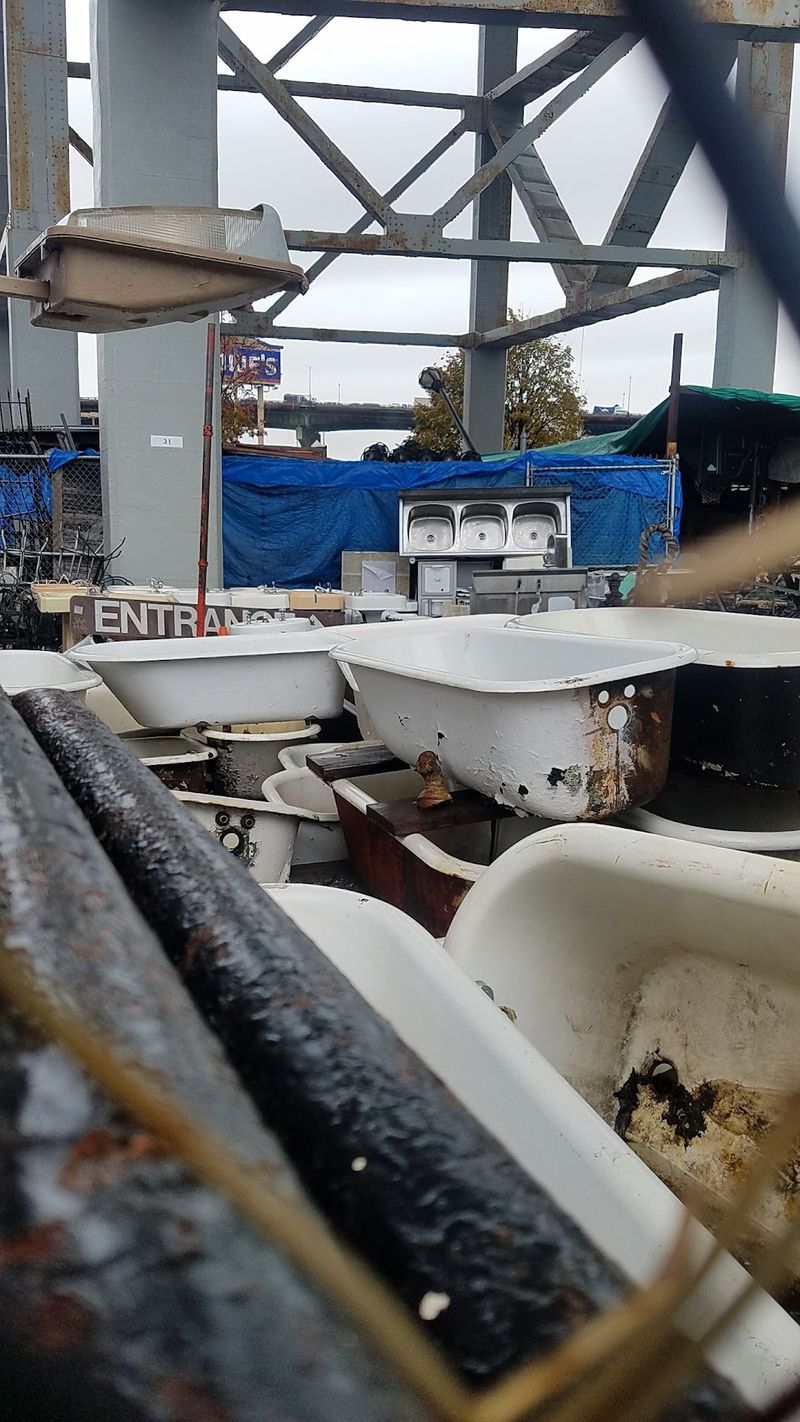
Bathroom fixtures from the past had a certain presence. Deep tubs, heavy porcelain basins, and pedestal sinks show up here in numbers that surprise first time visitors.
Renovators love them for a simple reason. Old porcelain over cast iron holds heat and holds up, and reproductions rarely match the feel.
Sinks come in many shapes, including wall mounted styles with original brackets. Some still carry maker marks stamped into the underside.
Check drain positions and overflow holes before buying. Plumbing standards have changed, and a good plumber will thank you for the details.
Refinishing is an option for tubs with worn interiors, and many buyers treat that cost as part of the project. The character usually justifies the effort.
Marble slabs and vanity tops sometimes surface too, which pairs nicely with a salvaged mirror from another corner of the yard.
Photograph what you like and measure your bathroom door frame. Getting a clawfoot tub upstairs takes strategy, not enthusiasm.
Bathroom shopping here beats scrolling online. You can actually knock on the porcelain and hear how thick it is.
Light Fixtures With A Past
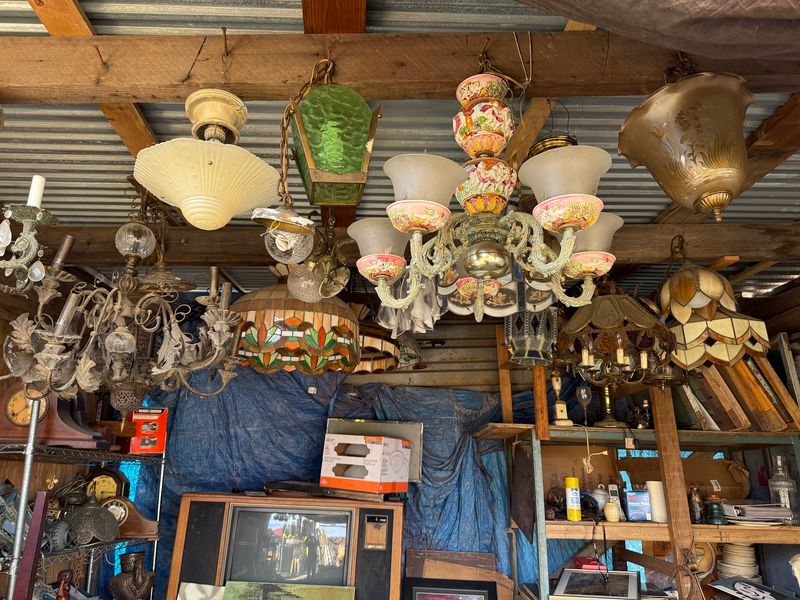
Overhead lighting from older New York homes had personality. Brass sconces, glass shades, and hanging fixtures gather here in clusters, some tarnished and some surprisingly bright.
Many pieces need rewiring, and that job is routine for an electrician. The original body of the fixture is the part you cannot buy new.
Antique mirrors sit nearby, often with wood frames or beveled glass edges. Even the foxed and cloudy ones look wonderful on a hallway wall.
Reclaimed wood also fills a good chunk of the inventory. Beams, planks, and mantels get bought for shelving, tables, and accent walls.
Woodworkers appreciate the density of old growth lumber. Boards from a hundred year old building behave differently than fresh stock from a lumberyard.
Decorative antiques round out the offering, including trunks, cabinets, and odd furniture rescued from renovations across the boroughs.
Some unsold or damaged pieces get rebuilt into new furniture right on site, which adds another layer to browse.
Look up while you walk. Fixtures hang in unexpected spots, and the best one is usually above eye level.
How To Shop Like A Regular
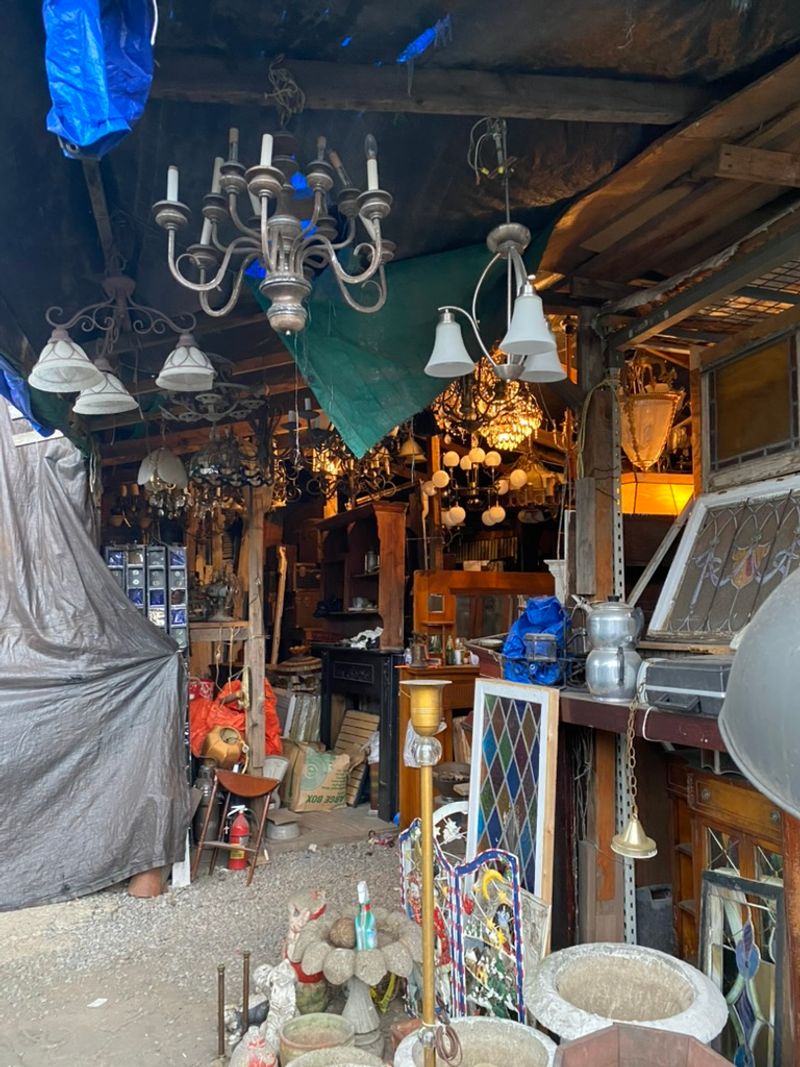
Preparation separates a great trip from a frustrating one. Gloves, a tape measure, and a notebook of dimensions will serve you better than any app.
Since almost everything sits outdoors, dress for the actual weather. Winter mornings by the canal get cold, and there is no heated showroom to duck into.
Arrive near opening time. The yard runs on early hours, and Saturday wraps up at one in the afternoon.
Ask questions freely. The team knows the stock and can point you toward whatever arrived that week.
Bring a way to carry your finds. Doors, radiators, and tubs do not fit in a subway car, and delivery planning saves headaches.
Keep an open mind about condition. Chips and patina are part of the deal, and most flaws vanish once a piece is installed.
Return visits pay off because inventory turns over constantly. Something new lands almost every week.
Budget more time than seems reasonable. Everyone plans a quick look and then discovers the afternoon slipped away.
That is the charm of it. Old Iron rewards the patient hunter every single time.