
This Mississippi Thrift Store Is Filled With Dirt-Cheap Vintage Furniture And Unexpected Finds
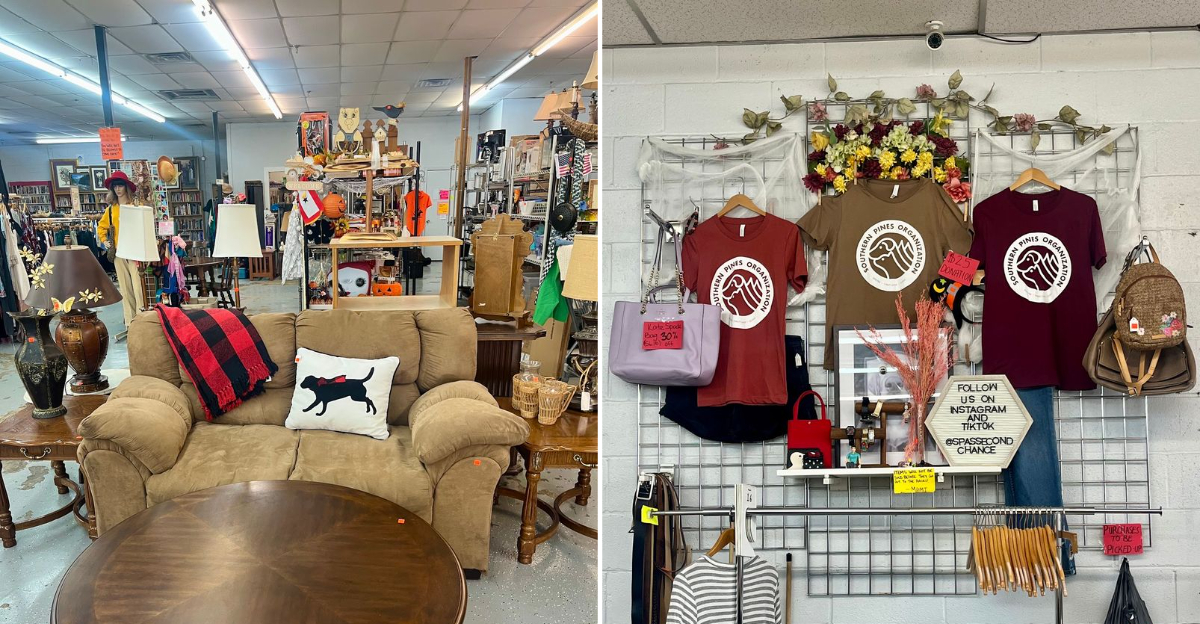
Vintage items keep becoming more valuable, and this Mississippi thrift store proves it through the crowds it keeps drawing. Furniture here sells for a fraction of what similar pieces cost at dedicated antique shops.
Racks and shelves fill with donated items nobody bothered sorting into neat categories. Regulars know inventory turns over constantly, meaning no two visits ever look quite the same.
Unexpected finds show up mixed in with ordinary items, unsorted and unadvertised until someone actually finds them. Nothing here gets marked up just because of a recognizable brand name or era.
Patience matters more than luck, rewarding those willing to dig through everything slowly. This store proved that real treasure hunting still exists, even on a tight budget.
Unique Styles In Vintage Furniture
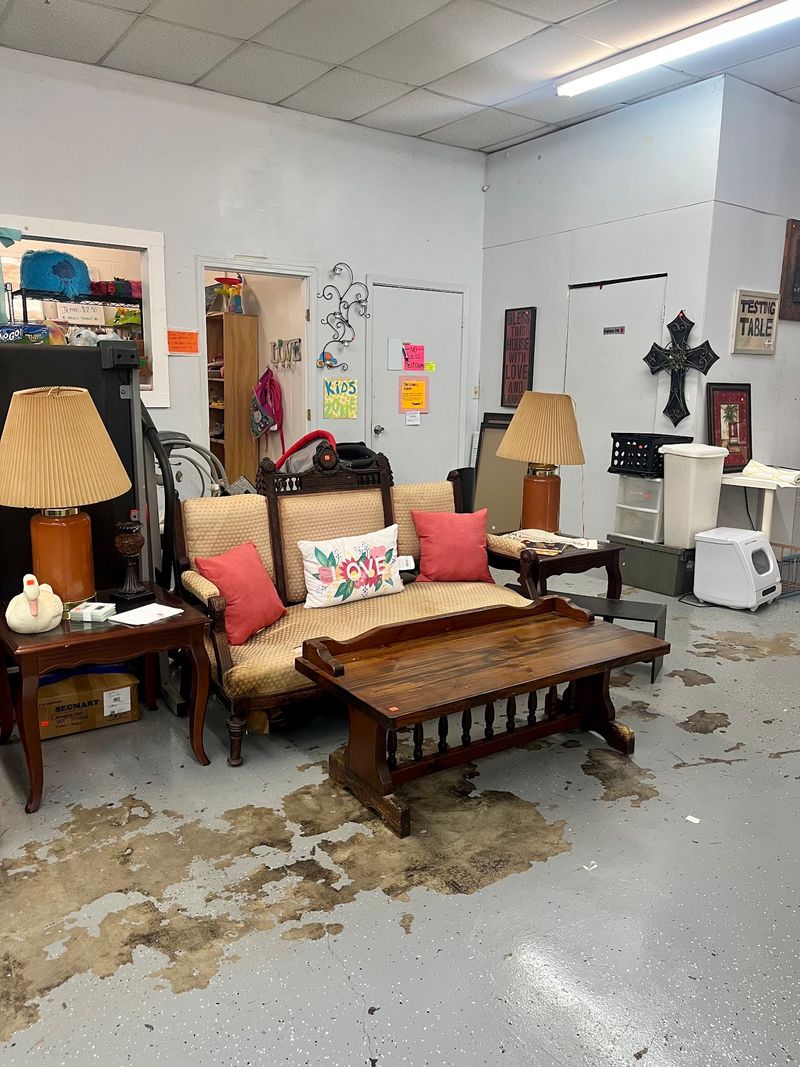
Furniture at this Hattiesburg shop in Mississippi rotates fast, which is exactly why people keep circling back.
One week the floor might hold a solid wood dresser with slightly stiff drawers; the next week a pair of accent chairs with fabric that screams 1978 in the best possible way.
Older pieces tend to be built heavier than modern flat-pack stuff. Real wood, actual joints, hardware that was meant to outlive its owner.
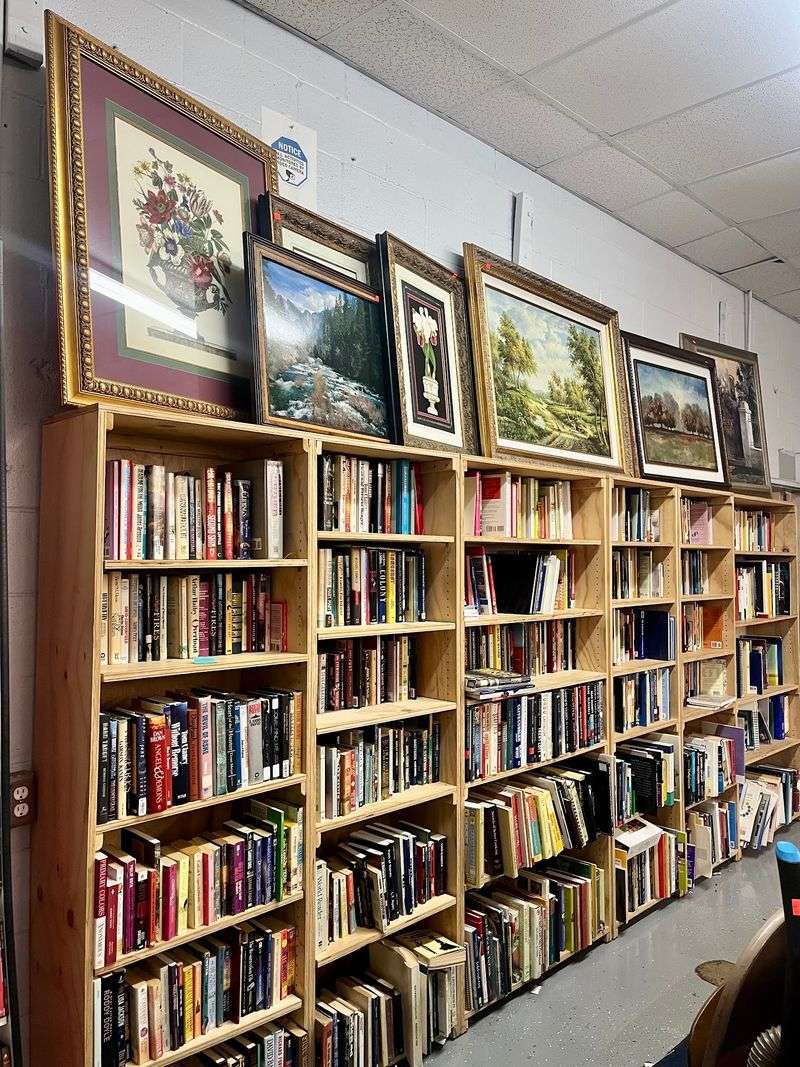
Mirrors with decorative frames show up often, and they do a lot of work in a small room. Side tables, bookshelves, and the occasional odd little cabinet round out the mix.
Because donations drive the inventory, no two visits look alike. That unpredictability is the whole appeal.
Somebody cleaned out a grandparent’s house, and now that walnut end table is waiting for a new living room.
Shoppers also find worn wood finishes, brass details, and textiles with a nicely faded look that no factory can fake. These are the pieces that make a home feel layered instead of ordered from a catalog.
The furniture section is not enormous, so scanning it takes only a few minutes. Frequent visits beat long ones here.
You will find Second Chance Thrift Shop at 718 Bartur St, Hattiesburg, MS 39401.
Tips For Spotting Quality Secondhand Goods
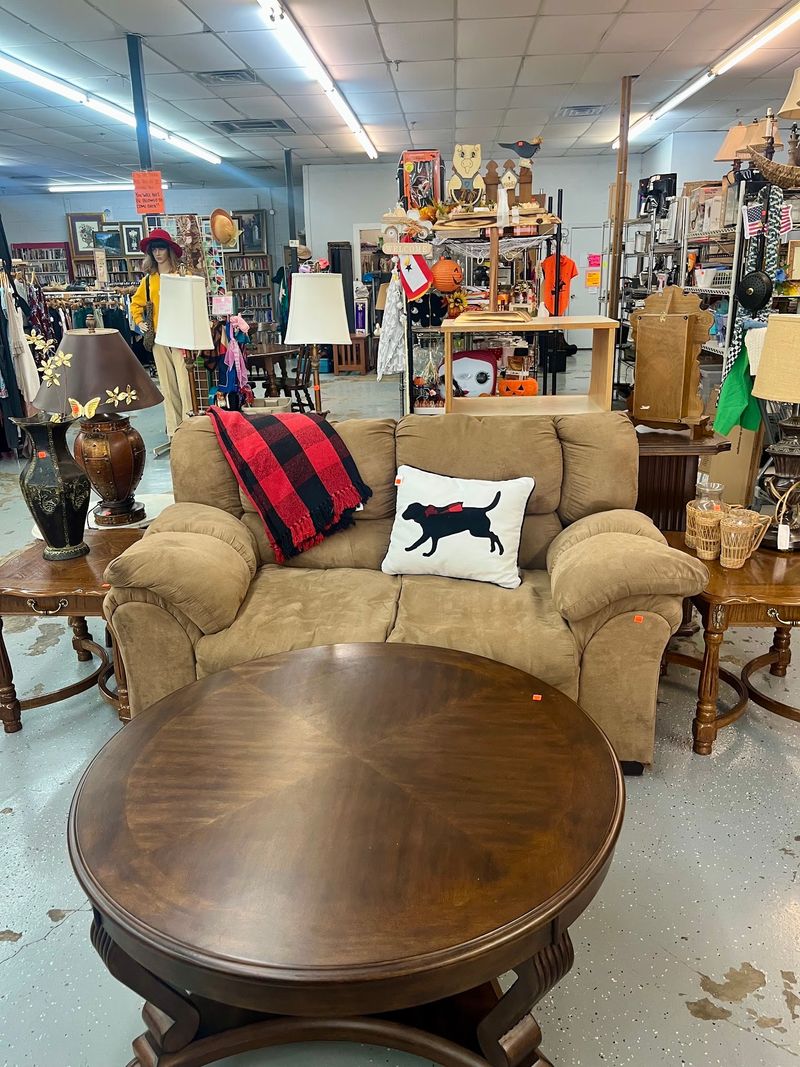
Thrifting well is basically detective work with better lighting. The trick is knowing what to touch, tilt, and sniff before committing.
Start with weight. Solid oak, walnut, teak, and maple feel substantial, while particleboard and MDF feel suspiciously light for their size.
Give any table or chair a small wobble. A well-made piece stays put without groaning, and loose joints usually mean a repair project you did not sign up for.
Pull the drawers all the way out. Dovetail joints, those interlocking wedge shapes at the corners, are a strong sign someone built the thing properly.
Flip smaller items over and look for maker’s marks, stamps, or old brand tags. Those tiny details sometimes turn a random shelf find into something genuinely valuable.
Check underneath and behind for cracks, water rings, broken supports, or signs of pests. A sharp, musty odor is worth taking seriously, since smells hide deep in upholstery and unfinished wood.
Minor chips and surface scratches, though, are rarely deal-breakers. A little sandpaper and wax fix more than people expect.
One caution worth remembering: age alone does not equal quality. Plenty of old furniture was cheaply made in its own era.
Since this shop keeps things clean and organized, inspecting items is refreshingly easy compared to digging through chaotic piles elsewhere.
Creative Ways To Decorate With Vintage Pieces
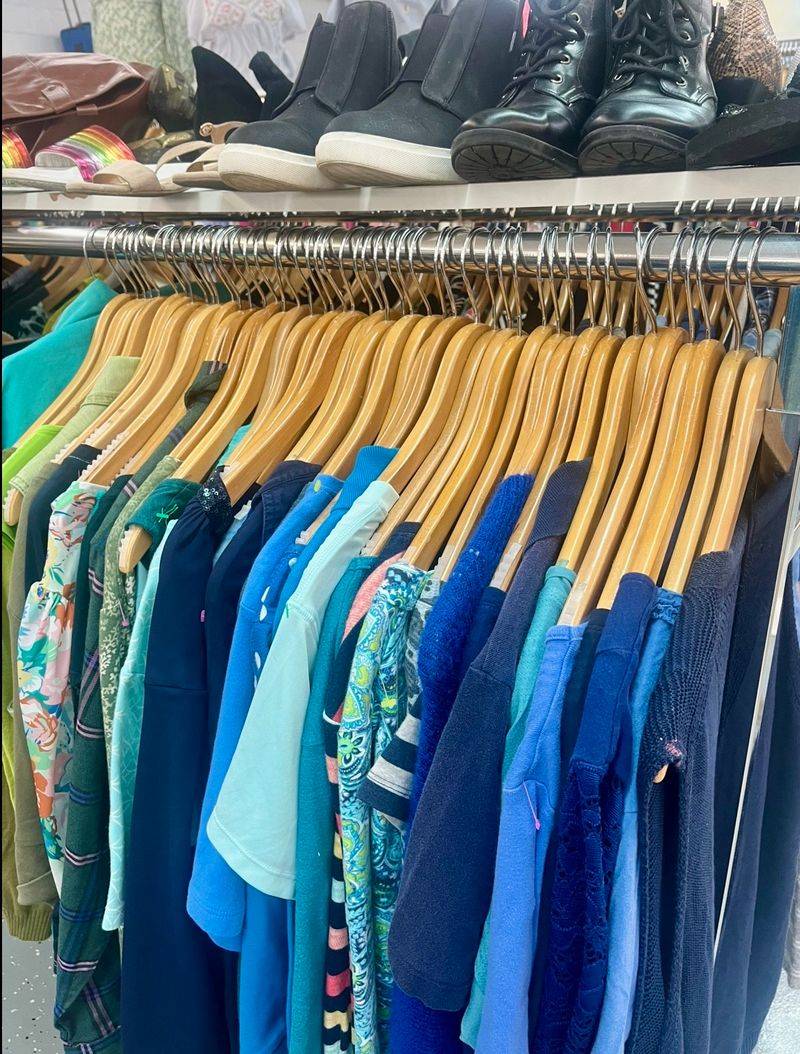
Mixing old and new is where the fun actually starts. A thrifted armchair sitting beside a clean modern sofa creates the sort of contrast interior designers charge real money to arrange.
Picking a steady color palette helps enormously. Soft neutrals on walls and larger pieces let a bold vintage find grab attention without the room turning into a garage sale.
Texture matters just as much as color. Rough wood, cool brass, and smooth glass together give a space depth that matching furniture sets never manage.
Nervous about going all-in? Start small.
A quirky vase, a ceramic lamp base, or one odd little stool eases vintage into your home without commitment.
Repurposing opens up even more options. An old dresser becomes a TV console, a wooden crate becomes shelving, and a sturdy trunk doubles as storage and a coffee table.
Rugs deserve special mention. A single vintage rug can pull mismatched furniture into one cohesive look almost instantly.
For all the smaller treasures that follow you home, try grouping them on one shelf. Cluster three or five objects with different heights and let them tell a story together.
Given how often the inventory here changes, decorating slowly and thoughtfully works better than trying to furnish a whole room in a single trip.
How To Negotiate The Best Store Prices
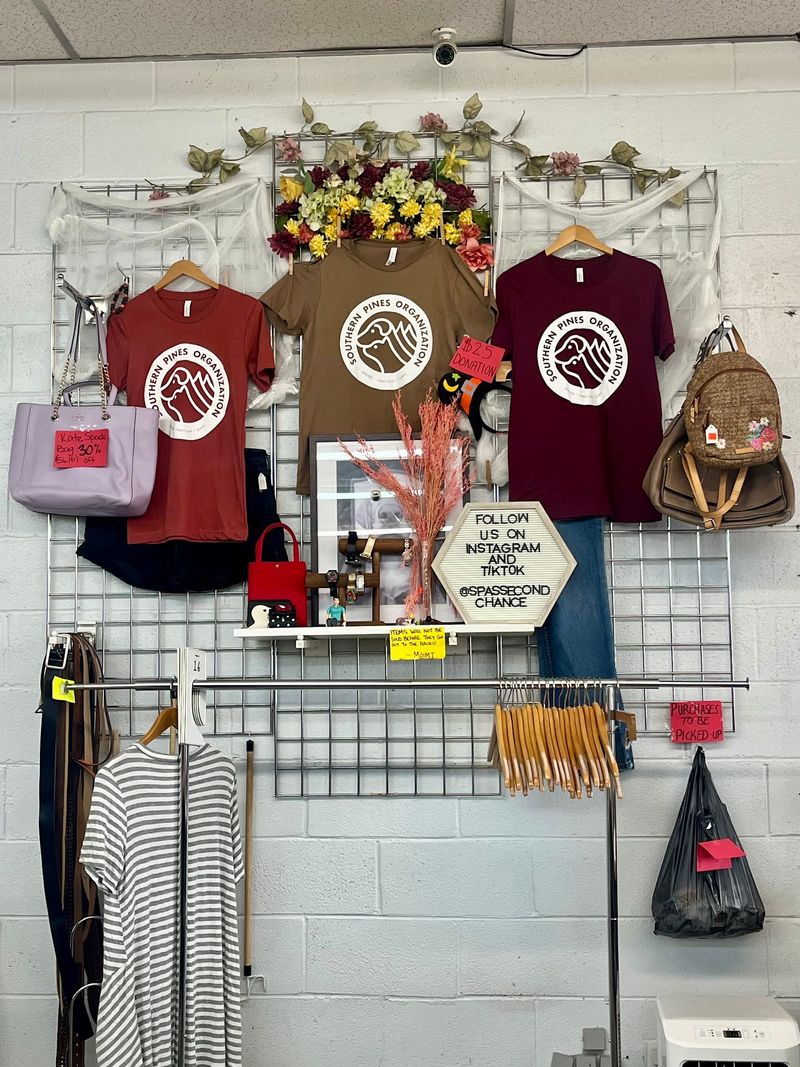
Here is the truth about haggling at thrift stores: politeness gets you further than persistence. Small independent shops sometimes have flexibility, but only when the conversation feels friendly.
Timing helps. Weekday mornings tend to be calmer, and staff have more room to talk when there is not a line forming behind you.
Late in the day can work too, especially with bulky furniture that nobody wants to move again tomorrow.
If a piece has a real flaw, mention it kindly. Pointing out a wobbly leg or a chipped veneer gives the staff a legitimate reason to adjust.
Keep any offer reasonable. Starting well above half the marked amount shows respect for a shop that is raising money for animal welfare, not running a swap meet.
Buying several things at once opens another door. Asking whether multiple items can go together is far more effective than nickel-and-diming a single find.
Cash sometimes smooths the process, and it certainly speeds up checkout.
Worth knowing: this store runs different sale days throughout the week, so patience can beat negotiation entirely. Something full price on Tuesday might be marked down by Friday.
And if the answer is no, smile and move on. Walking away is always allowed, and the inventory changes constantly anyway.
Care And Restoration Of Antique Furniture
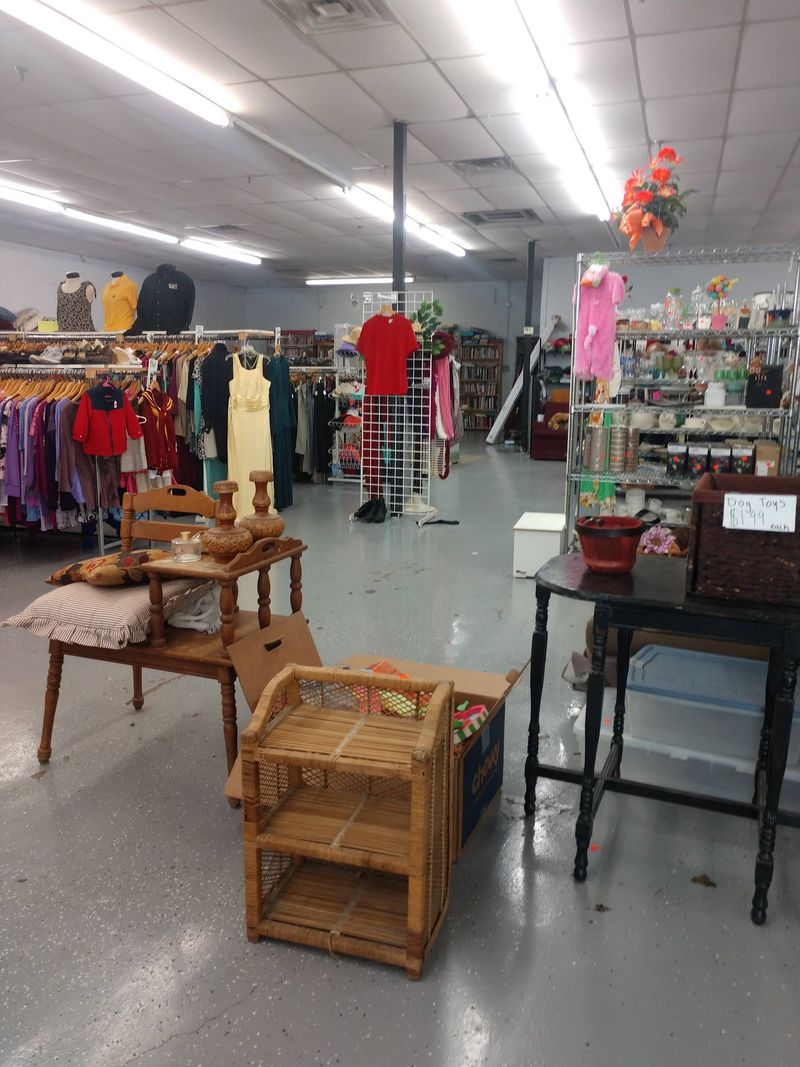
Bringing home an older piece usually means giving it a spa day before it earns a spot in the living room. Dust first, always.
A soft, dry cloth handles flat surfaces, and a clean paintbrush reaches into carved details.
For built-up grime or old wax, odorless mineral spirits work surprisingly well. Apply a small amount on a cloth, clean one section at a time, then wipe it dry quickly.
A milder route is a drop of dish soap in distilled water. Wring the cloth until it is nearly dry, work in small areas, and follow immediately with a towel.
Skip the harsh stuff. Vinegar, lemon cleaners, and standing water can strip or cloud original finishes permanently.
Test any solution on a hidden spot first, like the back of a leg or the underside of a tabletop. Two minutes of caution saves a lot of regret.
Musty smells respond well to sunlight, fresh air, and an open box of baking soda inside drawers for a few days.
Loose joints, deep water damage, and cracked veneer are worth handing to a professional. Some repairs need clamps, glue, and experience.
Once cleaned, a coat of paste wax brings back the glow, and the piece looks like it cost far more than it did.
Seasonal Trends In Secondhand Home Decor
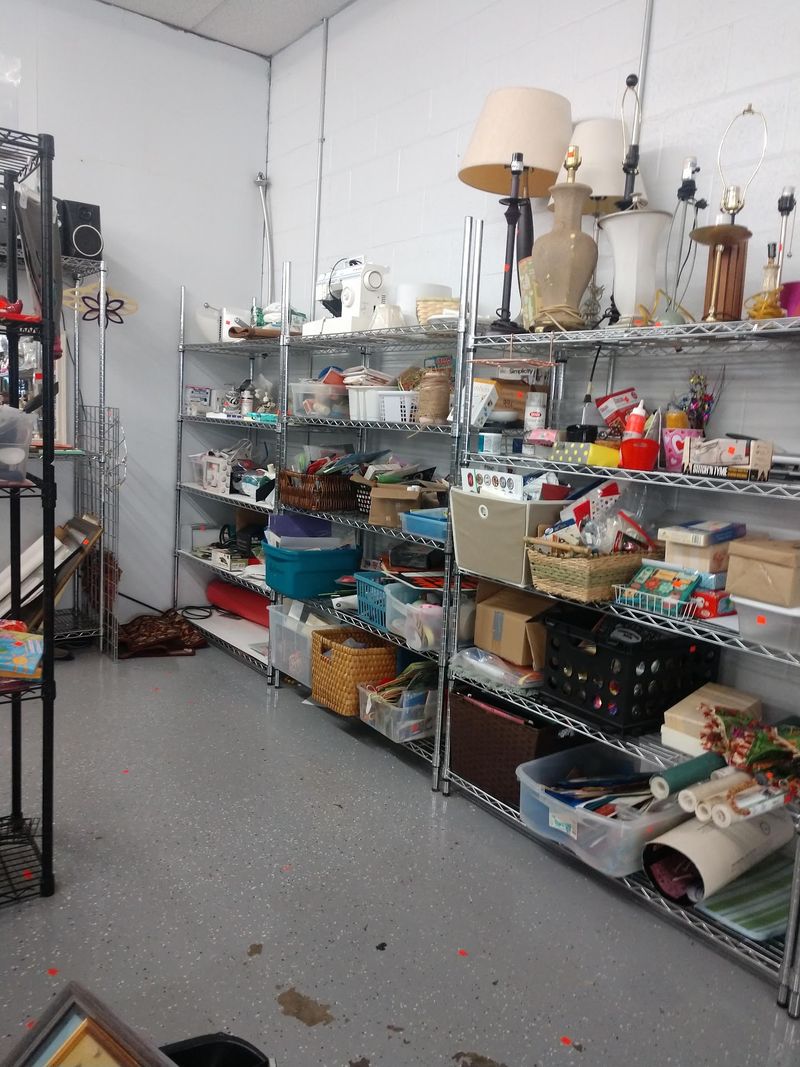
Swapping decor with the seasons gets expensive fast if you buy everything new. Secondhand shopping fixes that problem in a hurry.
Vintage pieces already carry a lived-in warmth, which makes them a solid base for seasonal styling. Change a few small objects and the whole room reads differently.
A styled shelf is the easiest place to experiment. Rotate glass bottles, figurines, or dried stems while the larger pieces stay exactly where they are.
Holiday ornaments do not have to hibernate eleven months a year. A handful of vintage glass baubles in a bowl looks charming in February too.
Metal buckets and tins pull double duty as storage and seasonal accents. Tie on a ribbon and suddenly a plain bin looks intentional.
For tables, antique candlesticks and weathered wooden trays make a reliable foundation. Add dried flowers in autumn tones or fresh greenery when spring rolls around.
Beaded garlands and tinsel deserve more credit than they get. Draped across a mantel or doorway, they add sparkle without any holiday obligation.
Textiles shift the mood fastest of all. A heavier vintage rug or a stack of quilts warms a room the moment temperatures drop.
Since donations arrive constantly at this Hattiesburg shop, seasonal decor tends to appear right when people start thinking about it.
Benefits Of Shopping At Local Stores
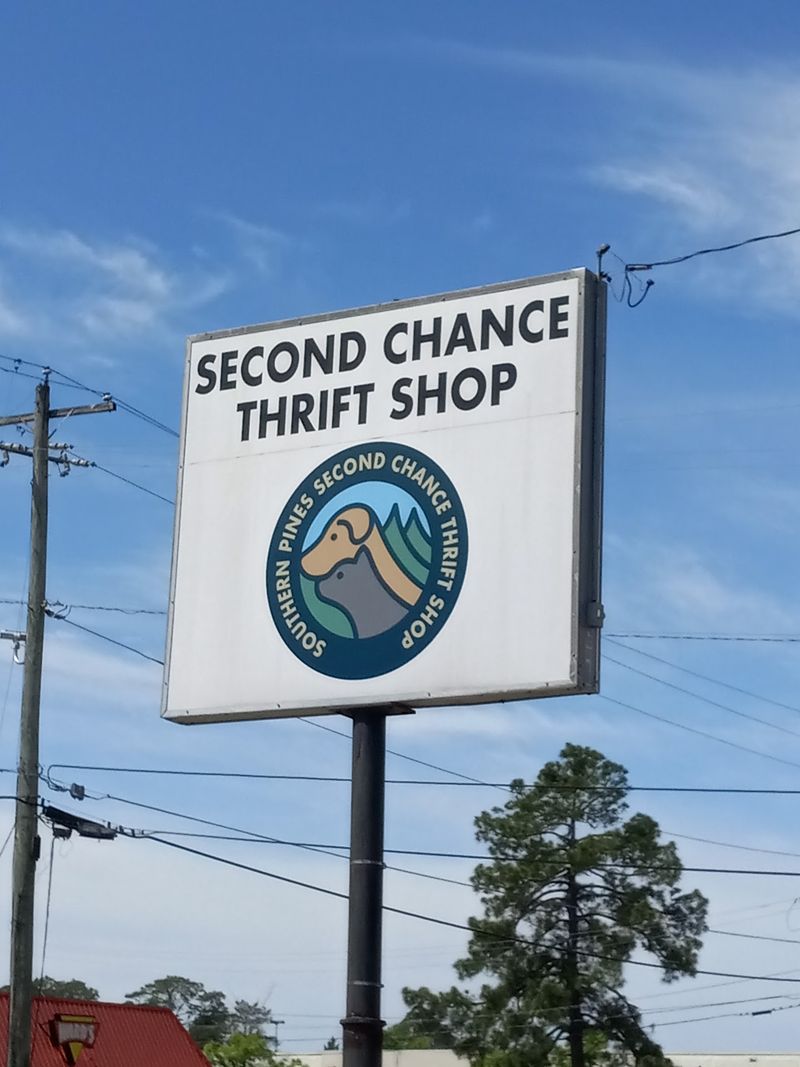
Money spent locally behaves differently than money spent online. It circles back into the same community instead of disappearing into a corporate account three states away.
At this particular shop, proceeds support Southern Pines Animal Shelter. Every purchase quietly funds food, care, and shelter for animals in the Hattiesburg area.
That connection changes the mood of a shopping trip. Buying a lamp feels a little different when it helps a dog find a home.
Affordability matters here too. Families on tight budgets can outfit kids, stock a kitchen, or replace worn clothing without stress.
Staff members greet people at the door and know the inventory well. Ask about something specific, and you will usually get a real answer rather than a shrug.
Organization is another quiet advantage. Clothing is sorted, shelves stay neat, and the store is kept clean, which makes browsing far less exhausting than digging through unsorted bins.
Local shops also serve as drop-off points for donations, keeping usable goods circulating within the community instead of heading to a landfill.
Small stores like this one build actual relationships. Regulars recognize the staff, the staff recognizes them, and the whole thing feels closer to a neighborhood gathering spot than a retail transaction.
Sale days rotate through the week, giving people plenty of reasons to stop back in.
Sustainable Living Through Vintage Shopping
Roughly twelve million tons of furniture head to American landfills each year. Buying used chips away at that number one dresser at a time.
Choosing a secondhand table also means one less new table needs to be built. That saves timber, water, metal, and all the energy it takes to turn raw materials into finished goods.
Shipping counts too. New furniture often travels across oceans before it reaches a showroom, hauling a considerable carbon footprint along with it.
Here is a benefit most people never consider. Older furniture has already released most of its volatile organic compounds, the chemicals that give new pieces that sharp factory smell.
Less off-gassing means cleaner indoor air, which matters more than you might think in a house with kids or pets.
Reuse keeps materials moving through what people call a circular economy. Items get repaired, repurposed, and passed along instead of tossed.
Donating works the same way in reverse. Dropping off things you no longer use gives them another shot at being useful.
Books, clothing, kitchen items, and furniture all cycle through this Hattiesburg store regularly, finding new owners rather than new landfill space.
Sustainable living rarely requires dramatic gestures. Sometimes it just looks like buying a perfectly good bookshelf that someone else no longer needed.