
This Forgotten Delta Building In Mississippi Sat Empty For Years And Now People Drive Hours To Eat There
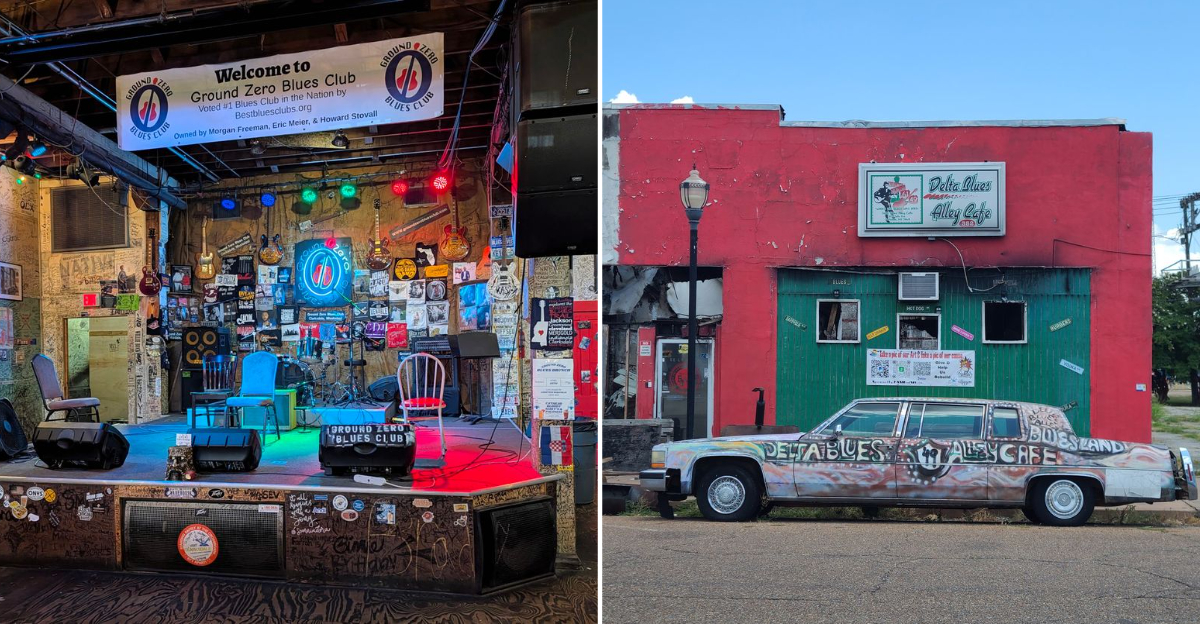
Sometimes it just takes real effort to turn absolutely anything into something worth talking about, and this Mississippi Delta building proves exactly that. It sat empty for years before someone decided to bring it back to life as a restaurant.
People now drive hours specifically to eat here, treating the trip as part of the whole experience. The original architecture stayed largely intact, blending old character with a completely modern dining concept inside.
Nothing about the space feels disconnected from its history despite the new purpose it now serves. Locals treat the opening as a genuine milestone, giving new life to a building many assumed would stay empty forever.
Regulars book ahead now, something rarely necessary here before the restaurant arrived. This restaurant proved that sometimes the best revivals honor exactly what came before them.
Architectural Styles And Their Historical Significance
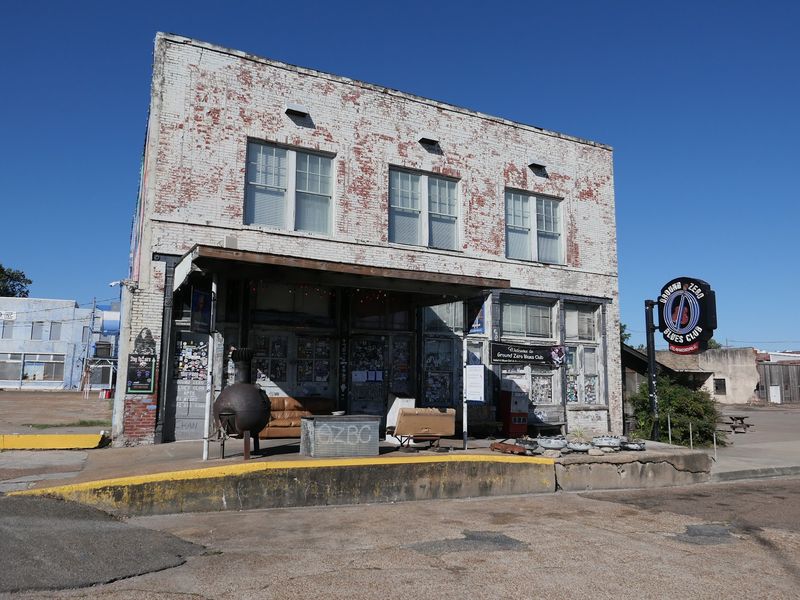
Built in 1905, the building started life as a cotton grading warehouse for the Delta Grocery and Cotton Co. That ramp out front was not designed for guests.
It was a loading dock for trains hauling cotton bales.
After the cotton business faded, the structure sat vacant for roughly thirty years. No heat, no purpose, just a big hollow box slowly aging in the Mississippi humidity.
What makes the place unusual today is what was not done to it. The owners called it repurposed and un-remodeled, and they meant it.
Beams, brick, and industrial bones were left exposed instead of being covered up with fresh drywall.
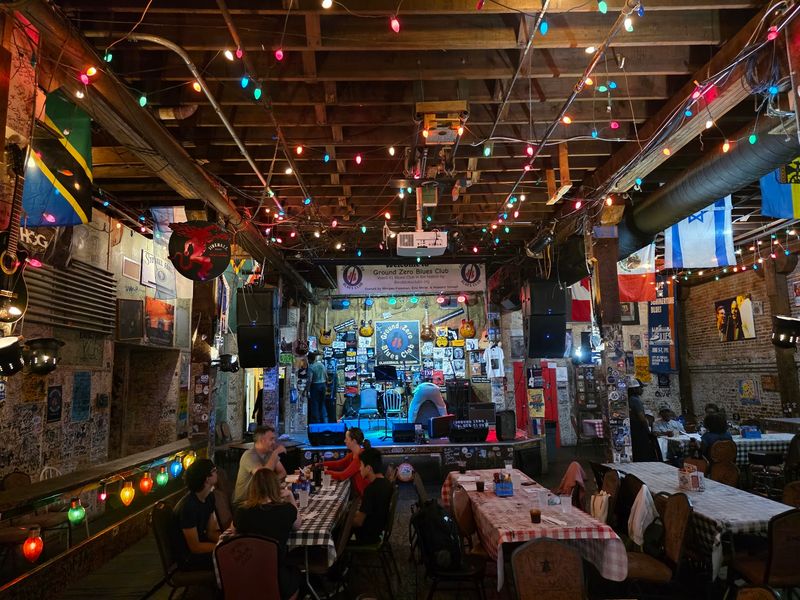
Inside, the furniture does not match on purpose. Christmas-style string lights hang year-round, and nearly every flat surface carries scribbled names and drawings.
It reads as a real juke joint rather than a themed copy of one.
Even the upstairs apartments play along with the history. They carry cotton grading names like Good Middling and Strict Good Ordinary, which is a fun detail most guests never catch.
The Delta Blues Museum sits right next door, so the block itself feels like a history lesson. You can walk from exhibits to a live stage in under a minute.
Find it at 387 Delta Ave, Clarksdale, MS 38614.
Cultural Impact Of The Delta Building Revival
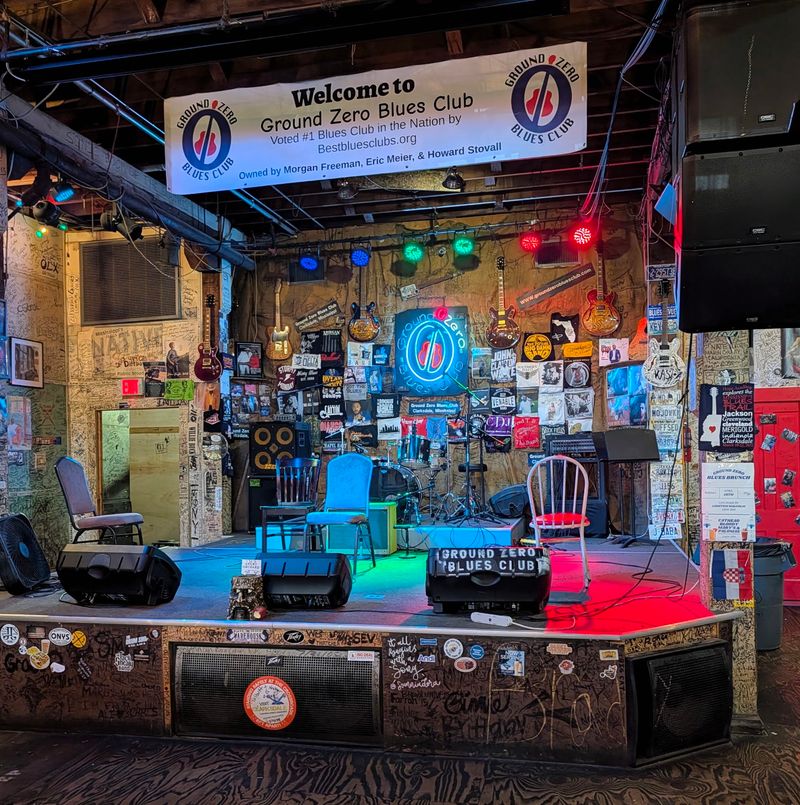
May 2001 changed everything for that empty warehouse. Actor Morgan Freeman teamed up with Bill Luckett and Howard Stovall to open Ground Zero Blues Club, and a dead building suddenly had a heartbeat again.
The name is not marketing fluff. Clarksdale has long been called ground zero for the blues, and the club leaned straight into that title.
Its purpose has stayed simple since day one. Give Delta blues a permanent stage, and give the musicians who play it a steady place to work.
That mission worked better than anyone probably expected. Visitors now arrive from across the country and across oceans, sometimes routing entire vacations through a small Mississippi town of a few thousand people.
National television crews and magazine writers have shown up too, which brought attention to Clarksdale as a whole, not just one address.
Local businesses felt the ripple. A music venue that draws travelers also fills nearby hotels, museums, and shops, and the town leaned into its blues identity harder because of it.
There is also lodging right upstairs, so guests can catch a show and never touch a car afterward. That combination of music, food, and a bed under the same roof is rare anywhere, let alone in a former cotton warehouse.
A forgotten building turned into a landmark. Not bad for thirty years of sitting empty.
Unique Dining Experiences Inspired By Local Heritage
Fried catfish, pulled pork, and hot tamales walk into a cotton warehouse. That is basically the menu here, and it works.
Southern cooking anchors the whole thing. Crispy catfish, slow-smoked pork barbecue, and thick hamburgers show up over and over on tables across the room.
There is a meat-and-three setup with rotating daily entrees like baked chicken or pork chops. Sides include mashed potatoes, mac and cheese, and greens that taste like somebody’s grandmother had input.
Fried green tomatoes deserve their own mention. They turn up as a sandwich star, stacked on Texas toast with a house sauce that gets talked about more than the tomatoes themselves.
Delta hot tamales are the sleeper hit. They are a genuine Mississippi tradition, spicy and rolled tight, and completely different from what most people picture when they hear the word tamale.
Menu development came from Trish Berry, a Delta native who tracked down local vendors instead of ordering from a catalog. She tasted her way through the region to get the tamales right.
Then there is the smoker story. Morgan Freeman reportedly had a custom smoker built for the barbecue on site, which is a sentence that still sounds made up.
Dessert leans indulgent, with deep-fried pecan pie showing up on plenty of tables. Sweet potato fries with a light sugary dusting round things out.
Community Events That Celebrate Regional Traditions
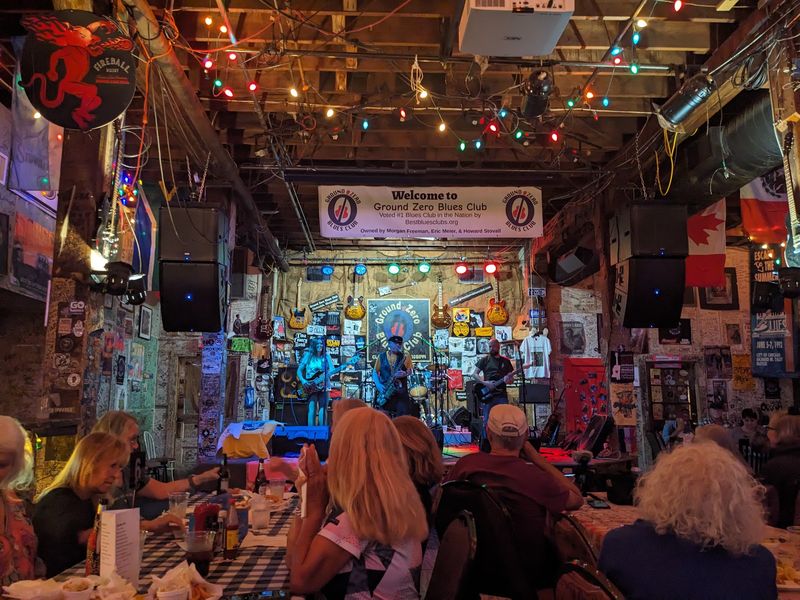
Thursday night is when the stage stops belonging to professionals. Jam Night opens the microphone to anybody who shows up with an instrument or a decent set of lungs.
Teenagers, retirees, touring musicians passing through town, all of them get a turn. It is unpredictable in the best possible way.
Live music runs Wednesday through Saturday, with bands typically kicking off around eight in the evening. The room starts filling well before that.
April brings the Juke Joint Festival, and the club becomes one of the busiest rooms in Clarksdale. Seats disappear fast, and the whole town seems to be humming at once.
May means the anniversary bash, which is the big one. Whole hogs get roasted right on the front porch, and the smell drifts down Delta Avenue for hours.
New Year’s Eve gets the same treatment, loud and packed and running late. Blues on the last night of the year is a pretty good tradition to pick up.
Pool tables sit off to the side for anyone waiting between sets. There is a dance floor too, and nobody needs an invitation to use it.
Screened outdoor seating and porch chairs give the crowd somewhere to spill out. Conversations between strangers happen constantly out there, usually about which band played best that night.
Preservation Efforts And Challenges In The Delta
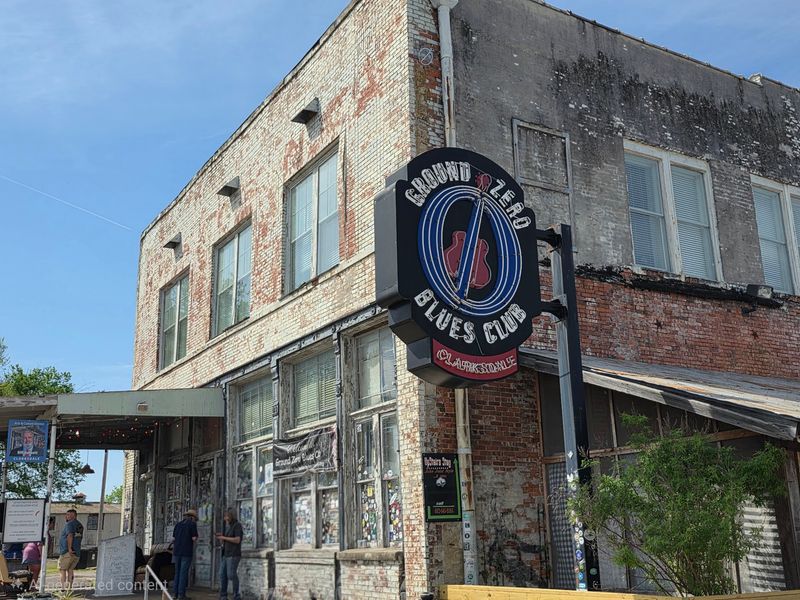
Most restoration projects try to erase wear. Here, the wear is the point.
The 1905 warehouse frame stayed largely intact through the conversion. Rather than smoothing over the industrial past, the owners let old brick, timber, and rough surfaces stay in plain view.
Decor grew on its own. Layer after layer of visitor graffiti built up over two decades, and nobody planned a single line of it.
That approach comes with real tradeoffs. A building this old always needs work, and keeping an authentic space functional for nightly crowds is a constant balancing act.
Some guests expect polish and do not find it. The floors are worn, the walls are messy, and that is exactly what the owners set out to protect.
Preservation here goes beyond lumber and nails. Keeping a working blues stage alive in the Delta means keeping the music itself from fading into museum displays only.
Plenty of historic juke joints across Mississippi have closed for good. Each one that disappears takes a piece of the tradition with it.
Staying open, night after night, is the actual preservation strategy. Musicians get paid, audiences show up, and the songs keep moving forward.
Sitting next door to the Delta Blues Museum makes the contrast clear. One building displays history behind glass while the other plays it out loud.
Influence Of The Mississippi Delta On American Music
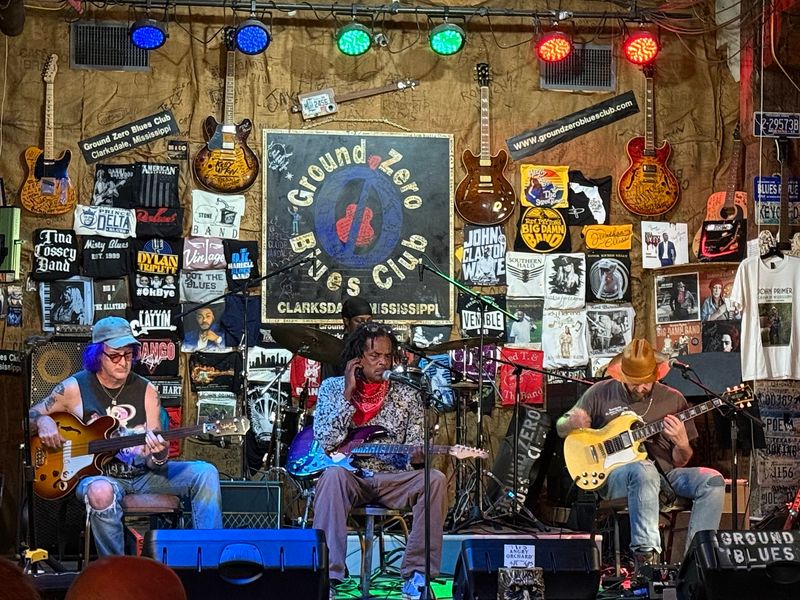
Willie Dixon summed up the whole region in one line. Blues are the roots, and the other musics are the fruits.
Hard to argue with him. Rock, soul, country, and hip hop all trace their lines back through the Delta in one way or another.
The genre grew out of field songs sung by enslaved people working Mississippi cotton land. Those melodies carried grief, humor, and survival all at once.
Clarksdale sits at the center of that story. The crossroads of Highways 61 and 49 fueled the legend of Robert Johnson, and travelers still stop for photos there.
Names connected to this area read like a hall of fame roster. Muddy Waters, Howlin’ Wolf, John Lee Hooker, Son House, and Ike Turner all came out of the region.
Newer talent keeps arriving too. Christone Kingfish Ingram grew up in Clarksdale and now tours internationally, proving the pipeline never dried up.
Bands playing the club stage carry those influences forward every week. Some play traditional Delta styles, others push electric and modern sounds.
Morgan Freeman has spoken about wanting to protect this musical history rather than watch it drift away. Backing a permanent venue was his practical answer.
Every show on that stage adds one more link to a chain that started in the cotton fields over a century ago.
Local Ingredients And Their Role In The Cuisine
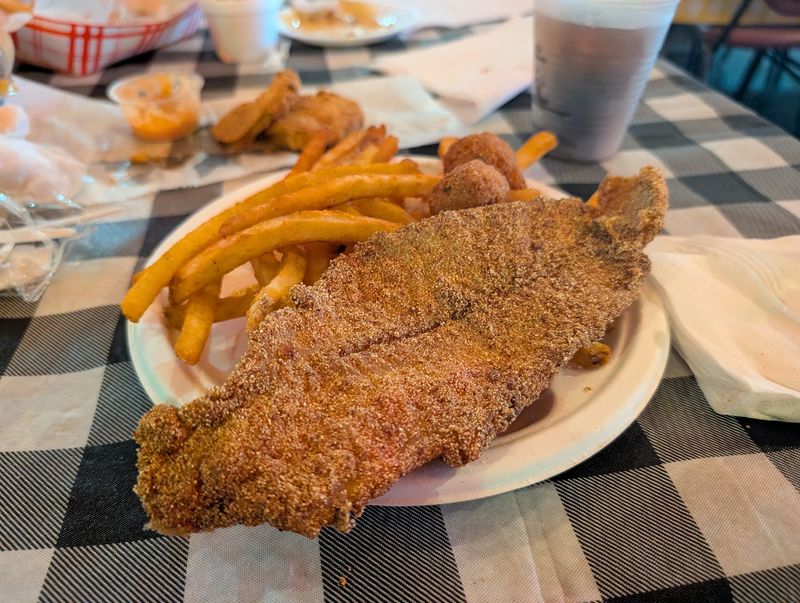
Catfish did not end up on this menu by accident. The Delta is full of ponds and rivers, and farm-raised catfish has been a Mississippi staple for generations.
Fried and seasoned properly, it needs no sauce at all. That is the standard here.
Hot tamales tell an even better story. They arrived in the Delta through migrant farm workers and became a regional obsession, sold from carts and corner stands for decades.
Rather than guessing at the recipe, the menu team tasted their way through local vendors until they found the right one. That kind of legwork is the difference between authentic and approximate.
Pork barbecue reflects the broader Southern habit of cooking meat low and slow until it falls apart. Smoke does most of the work.
Fried green tomatoes come from an old farm practice of using unripe fruit before frost hits. Nothing goes to waste on a working farm.
Turnip greens carry the same logic. Cooked long with seasoning, they turn a humble garden crop into something people talk about for years.
The meat-and-three format ties it all together. Pick a protein, pick three sides, and you get a plate that mirrors how Southern families have eaten at home forever.
Cornbread on the side finishes it. Slightly sweet, perfect for soaking up greens.
Visitor Stories And Why They Keep Returning
A manager once told the story of a Japanese traveler who came in on Jam Night. He barely spoke English, but he had crossed the Pacific to play blues on that stage.
He got his turn. He walked off glowing.
Stories like that are common here because the barrier to participation is basically zero. Bring an instrument, sign up, play.
The graffiti explains the rest. Names, dates, hometowns, and drawings cover walls, chairs, tables, and the bar itself in overlapping layers.
People leave a mark and then come back years later to find it. Some search for twenty minutes before spotting their own handwriting.
Travelers routinely pair a visit with a stay at nearby lodging, sometimes at the apartments upstairs, sometimes at other Delta spots down the road.
Others treat the trip as part of a larger blues pilgrimage, hitting the crossroads, the museum next door, and half a dozen historic markers along Highway 61.
Staff members have worked here since opening night in 2001, which gives the place a familiar feel even for first-timers.
Doors open at five on Wednesday and Thursday, and at eleven in the morning on Friday and Saturday. Sunday through Tuesday, the building rests.
Show up early if a big weekend is happening. Seats vanish, and the porch fills fast.