
This Beloved Minnesota Steakhouse Is Known For Prime Rib That Attracts Crowds From Across The Midwest
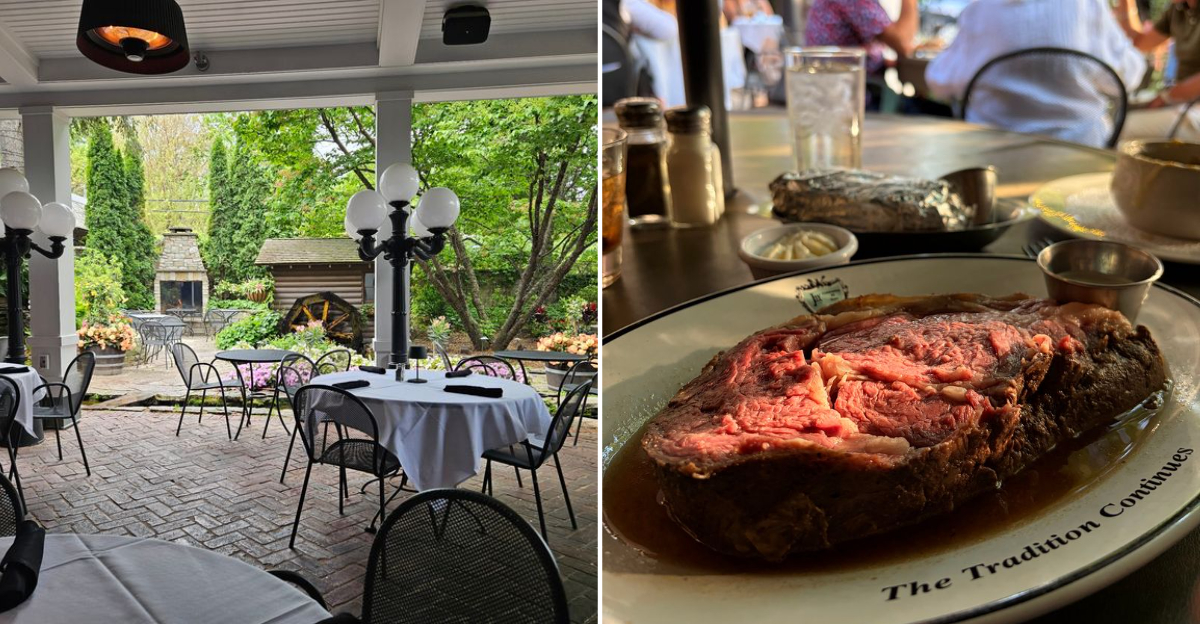
There’s something about a properly prepared prime rib that draws people in from everywhere, even those who don’t usually care for beef. This Minnesota steakhouse attracts crowds from across the entire Midwest because of it.
The meat gets slow roasted the classic way, carved to order rather than pre-sliced ahead of time. Regulars order the same cut consistently, trusting the preparation to stay exactly the same every visit.
Nothing about the process gets rushed just to keep up with a busy dinner rush. Portions stay generous without needing to announce it on the menu.
That kind of reliability took years to build and shows no sign of fading. This steakhouse earned its reputation the honest way, one properly cooked prime rib at a time.
Prime Rib Cuts And Cooking Techniques
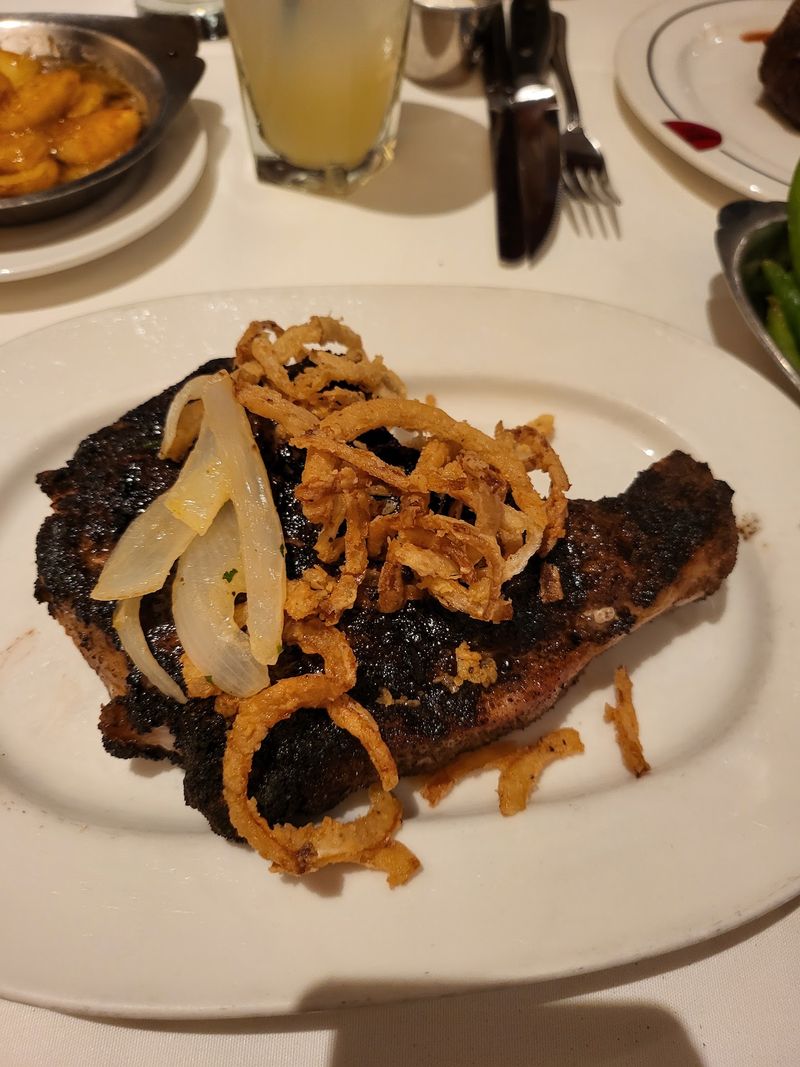
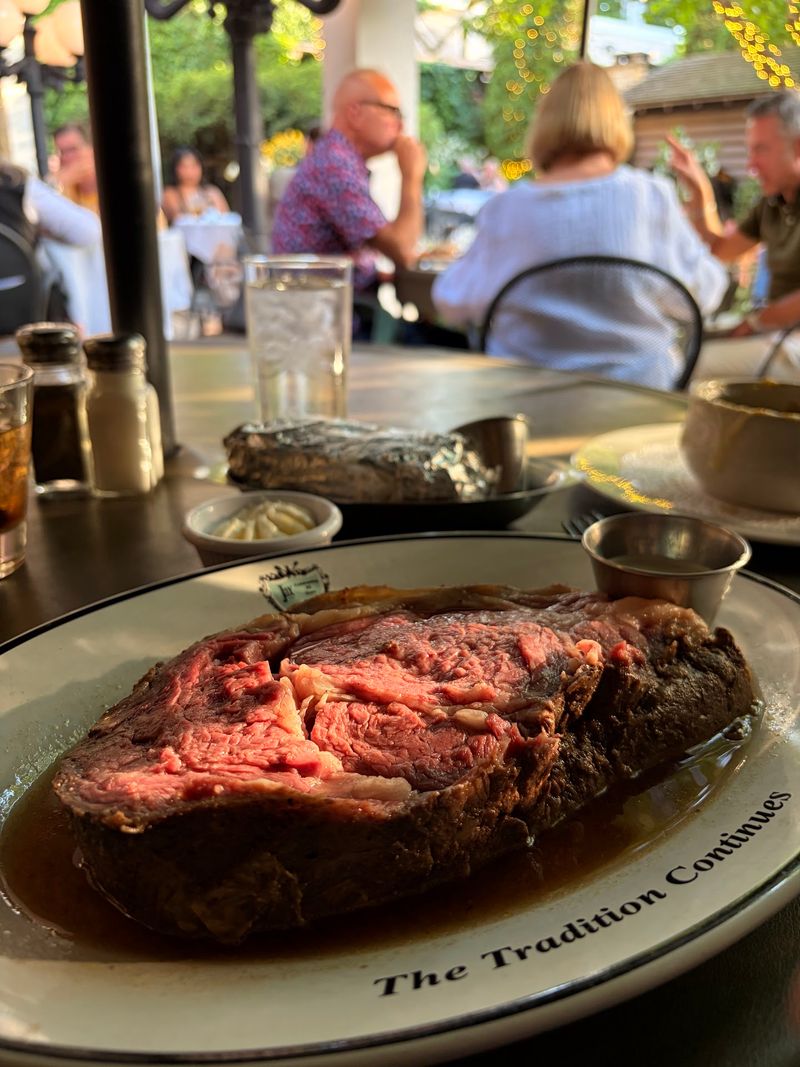
Beef is the whole reason most people make the drive, and the King Cut Prime Rib is the headliner. It arrives thick, rosy in the middle, and heavy enough to make the plate look small.
Slow roasting is the trick here. Instead of blasting the meat with high heat, the kitchen lets it cook low and gradually so the fat melts through the muscle and keeps everything juicy from edge to edge.
Precision matters when you are working with premium cuts. A prime rib that sits too long turns gray and sad, and one pulled too early is chewy, so the timing has to be watched closely.
Ordering medium rare is the classic move, and it shows off the pink center that prime rib fans chase. Those who prefer more color can ask for medium without losing much tenderness.
Smaller appetites have options too, since the King Cut is not the only size on the board. Cutting back on ounces does not change the cooking method one bit.
Beyond prime rib, the ribeye gets attention for its char and marbling, and the smothered version is a favorite. Steak lovers who want variety can bounce between the two on separate visits.
Find it all at 1928 University Ave NE, Minneapolis, MN 55418.
Signature Seasonings And Flavors
Every old steakhouse guards a secret, and here the secret sits in a shaker. Jax Seasoning is a blend of premium herbs and spices used across the menu, and it gives the beef a savory crust that tastes deeper than plain salt and pepper ever could.
What makes the blend work is balance. Nothing overpowers the meat, so the beefy flavor still leads while the herbs fill in the background.
Prime rib benefits the most from it. A well-seasoned crust on slow-roasted beef creates two different textures in one bite: crisp outside and soft inside.
The pork chop takes the idea further with a molasses dry rub layered over the same seasoning. Sweet molasses caramelizes against the heat and builds a sticky, dark edge that plays off the savory spices.
Seasoning also shows up in unexpected corners of the menu. Even the house salad leans on a dressing recipe passed down from the original Grandma Kozlak, which is a nice reminder that this kitchen keeps its old notebooks.
For anyone curious about flavor, ordering two proteins across a table is smart. Comparing beef and pork side by side shows how one seasoning blend can behave completely differently depending on what it lands on.
Perfect Side Dishes To Complement Steak
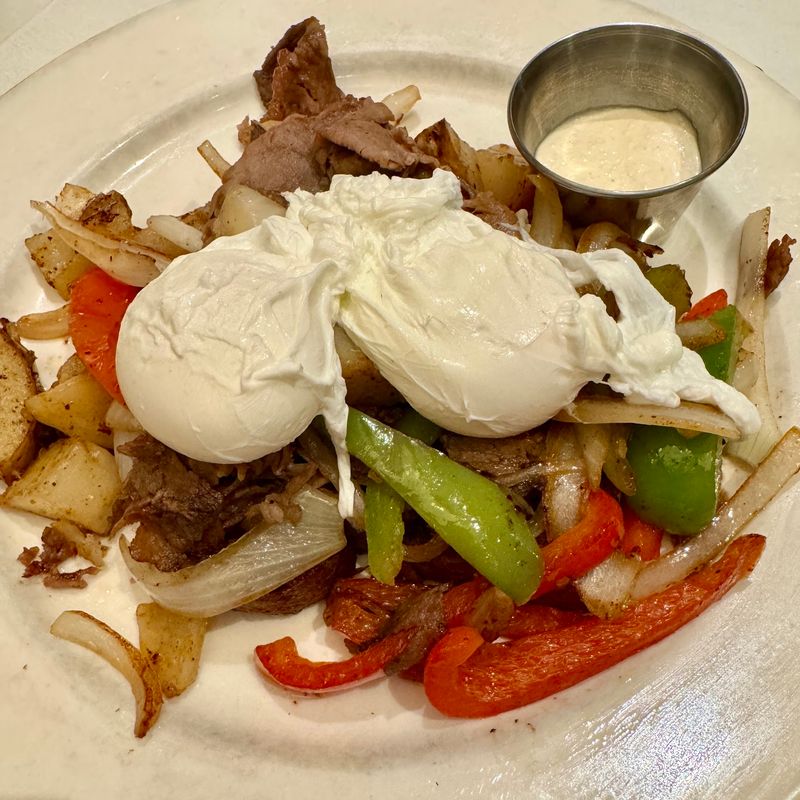
Steak gets the glory, but the sides do serious work. Crispy hash browns show up as a house favorite, golden and shatteringly crunchy on the outside with soft potato underneath.
Au gratin potatoes are the richer choice. Layers of potato baked with cheese and cream turn into something closer to comfort food than a side dish, and they hold up well next to a big cut of beef.
A loaded baked potato is the practical pick for hungry diners. It fills the plate, soaks up beef juices, and requires zero decision-making.
Asparagus with bearnaise adds a green counterpoint. The sauce is buttery and tangy, which cuts through the fat of prime rib and keeps the meal from feeling heavy halfway through.
Potato salad has its own moment when paired with Uncle Joe’s Prime Rib Sandwich. Cool, creamy, and a little sharp, it works better with a sandwich than a knife-and-fork entree.
A house salad rounds things out for anyone who wants something crisp before the main event. Sharing sides is the smartest strategy at a table of four.
Order two potato styles and one vegetable, then pass everything around. Nobody leaves wondering what they missed, and the leftovers make excellent next-day lunches.
Ambiance And Dining Experience
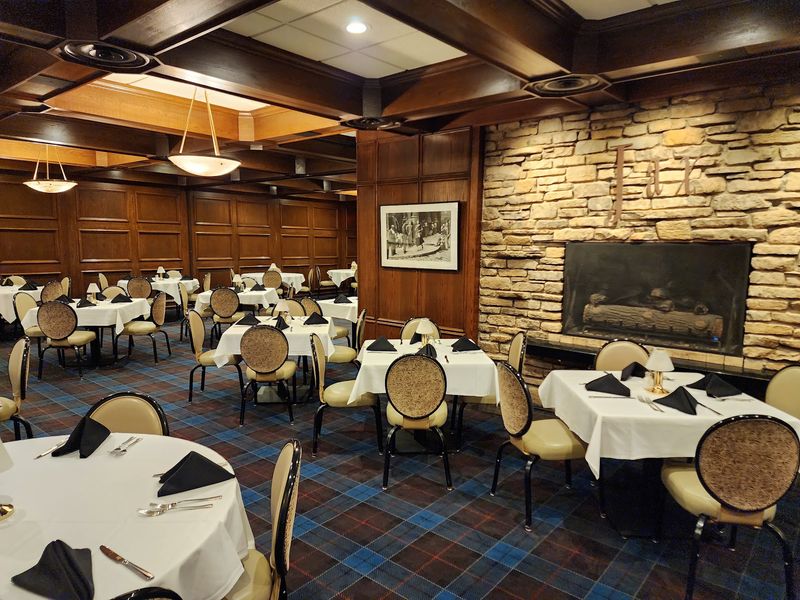
Entering a room with plaid carpeting and dark wood paneling feels like time travel, and that is exactly the point. White tablecloths, a fireplace, and servers in black and white keep the 1930s supper club look fully intact.
Live piano music floats through the dining room. Lois Sweeney has played there for decades, which means the soundtrack has been part of the building longer than most restaurants have existed.
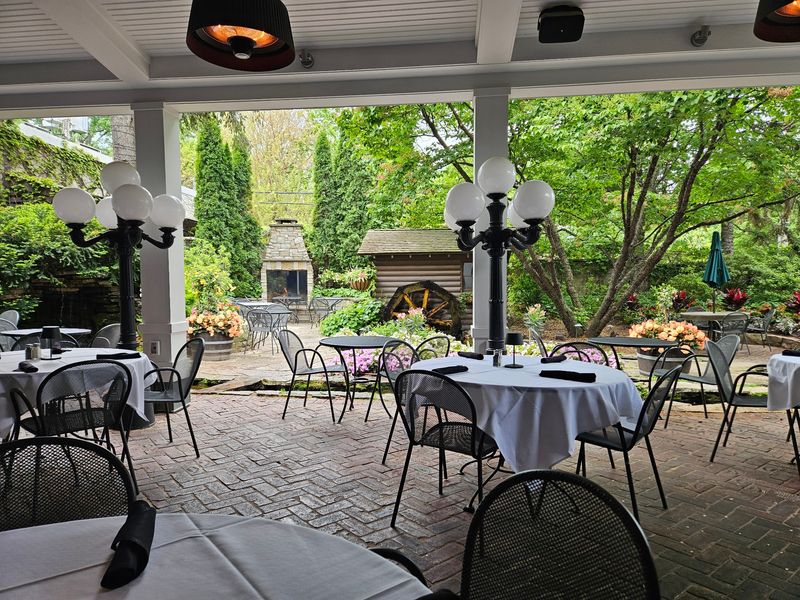
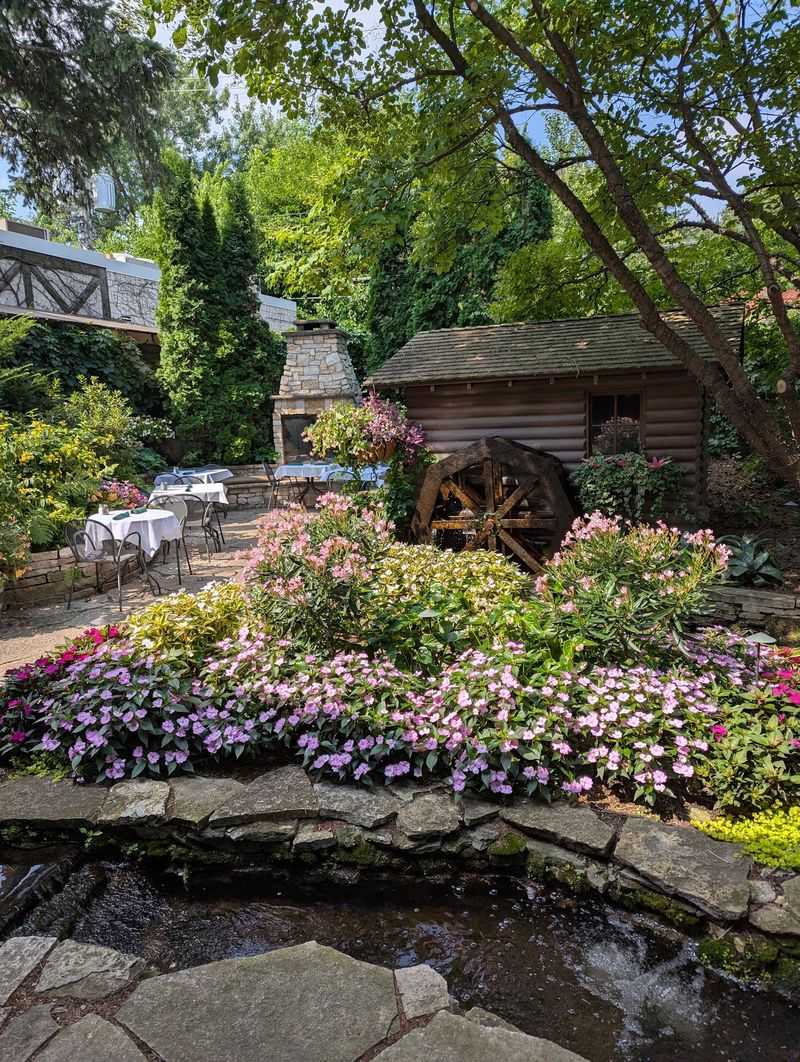
The garden patio is the wildcard. A stocked trout stream runs through it, complete with a water wheel, and fish can be caught right there and prepared for dinner.
Seasonal flowers change the patio’s mood throughout the year. Spring blooms and fall pumpkins turn the same space into two completely different settings.
Personalized matchbooks are handed out as a small souvenir, printed with names for birthdays and anniversaries. It is a tiny detail that people hang onto for years.
An old-fashioned elevator carries diners upstairs to event spaces, and vintage photographs line the walls throughout. Weddings and parties happen here regularly.
Parking is easy thanks to an adjoining lot, which is nothing in Minneapolis. Between the fish, the piano, and the matchbooks, dinner turns into an actual event rather than just a meal.
Historical Roots Of Prime Rib Popularity
Nineteen thirty-three was a wild year to open a restaurant. Prohibition had just ended, the country was deep in the Depression, and this Northeast Minneapolis spot opened its doors anyway.
Ninety-plus years later, it holds the title of oldest family-owned restaurant in Minnesota. The Kozlak family has run it across multiple generations without handing it off to a corporation.
Prime rib became the anchor early on. Classic American steakhouse fare was what people wanted after Prohibition, and a big roast of beef fit that mood perfectly.
Consistency built the reputation. Doing the same dish well for decades creates something rare, a meal that grandparents, parents, and kids all remember ordering in the same dining room.
Families now book tables here for milestone birthdays and anniversaries out of habit passed down through generations. Fiftieth birthdays and tenth wedding anniversaries are common occasions.
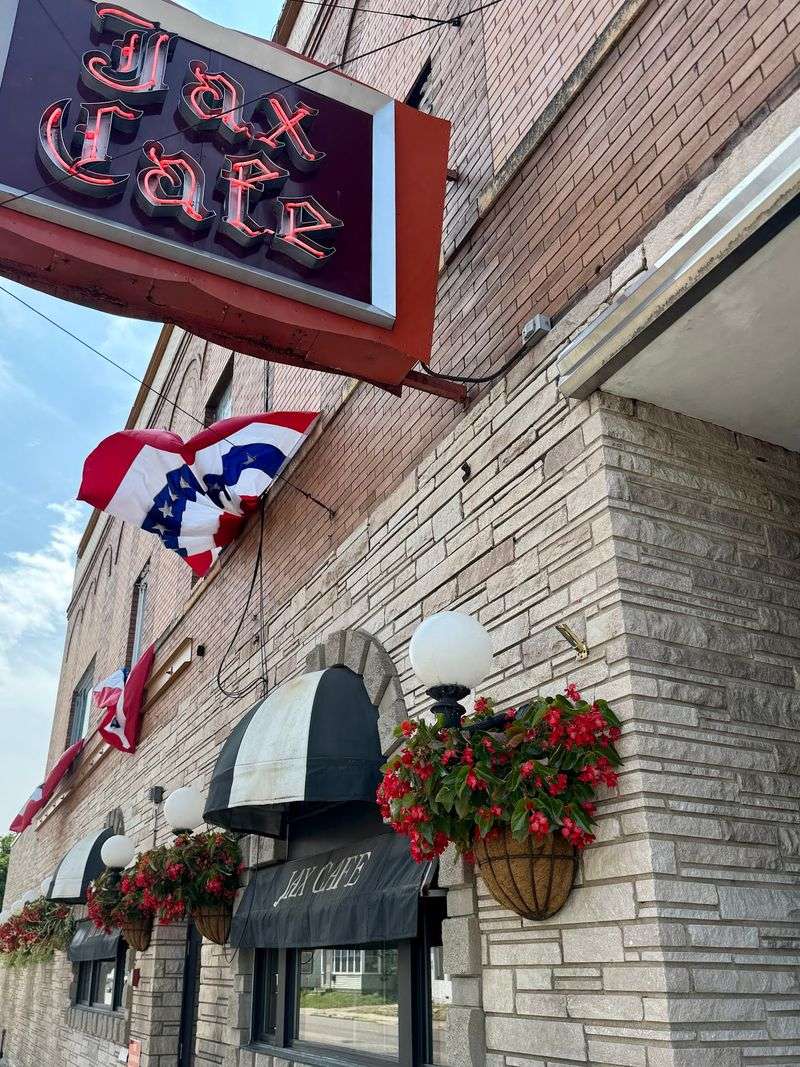
The building itself has become a landmark in the neighborhood. Its neon sign is one of those Minneapolis fixtures people use for directions.
History alone does not keep a kitchen busy for nine decades. Sticking with slow-roasted beef, house seasoning, and a supper club atmosphere while trends came and went is what did it.
Not many Midwest restaurants can claim that kind of run.
Customer Favorites And Menu Highlights
Prime rib may wear the crown, but the rest of the menu is not just filler. The ribeye earns attention for its char and tenderness, and the smothered version is a standout order.
Pork chop fans have a real reason to skip beef. The molasses dry rub plus Jax seasoning creates a sweet-savory crust that beef simply cannot copy.
Seafood has a surprising presence for a landlocked state. Crab cakes, jumbo shrimp, oysters, and lobster all appear, and the restaurant once introduced Minneapolis to its first lobster tank.
Uncle Joe’s Prime Rib Sandwich is the lighter route. Same beef, less commitment, and it pairs beautifully with potato salad.
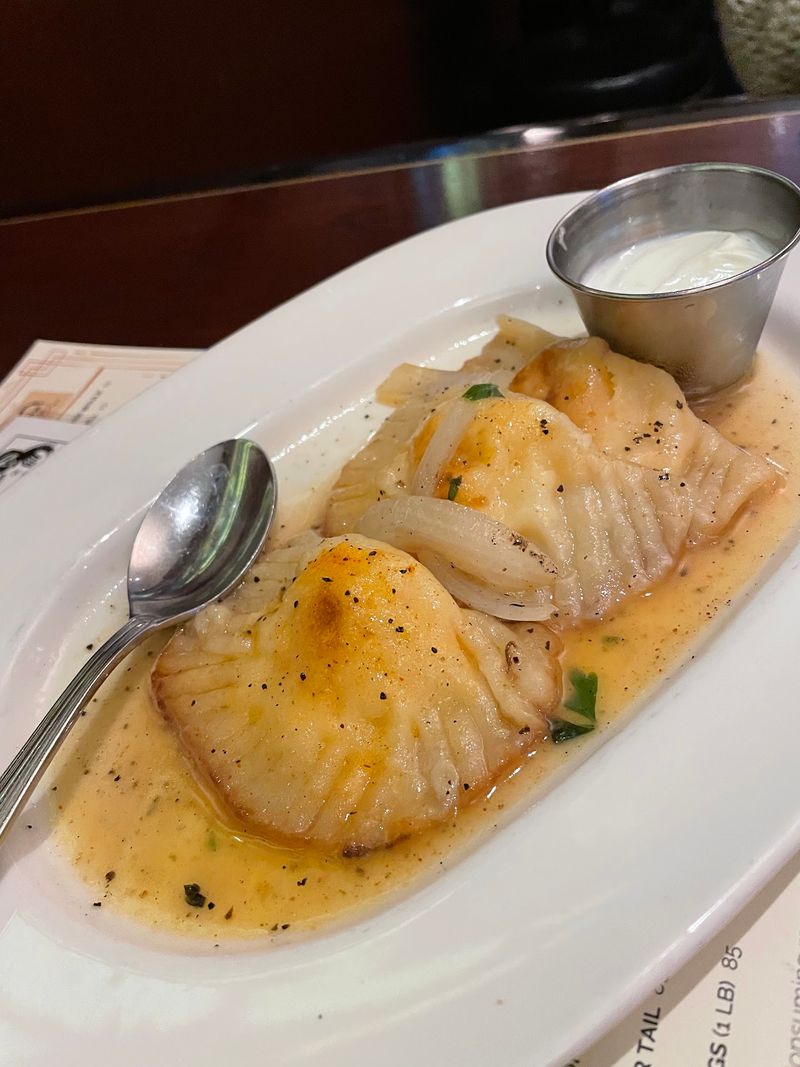
Pierogis have become a happy hour staple. Soft dumplings with a browned edge are exactly the kind of thing you order intending to share and then quietly do not.
Brunch brings its own oddball star, a Breakfast Pot Pie that turns morning food into something warm and layered. Popovers also show up and disappear fast.
Desserts like cheesecake close things out. Between the lobster tank, the pierogis, and a ninety-year-old salad dressing recipe, the menu covers more ground than the steakhouse label suggests.
Tips For Securing A Reservation
Showing up hungry and hoping for a table is a gamble here. An online reservation system handles bookings, and using it saves a lot of standing around.
Weekend brunch and lunch fill up fastest. Saturday and Sunday mornings draw big groups, so booking ahead matters most on those days.
Hours are worth checking before making plans. The kitchen is closed Mondays and Tuesdays, opens in the afternoon midweek, and runs a shorter Friday lunch window.
Bill Kozlak Jr., the owner, points guests toward the website for bookings. Going straight to the source avoids confusion about timing and party size.
Special occasions deserve a heads-up. Mentioning a birthday or anniversary when booking opens the door to those personalized matchbooks that people love collecting.
Larger parties should call rather than guess. The phone line reaches staff who can sort out seating for groups and events upstairs.
Patio seating is popular once the weather turns pleasant, so requesting it early increases the odds. The trout stream and flower displays make it the most requested area in warm months.
Arriving a few minutes early is smart. Parking is available in the adjoining lot, and a short wait gives you time to look around before dinner starts.
Sourcing Locally Raised Steaks
Good beef starts long before it hits the broiler. Sourcing here leans on fresh, high-quality ingredients, with premium cuts of meat forming the backbone of the menu.
Local suppliers play a real role. Minnesota and the surrounding states raise plenty of cattle, and pulling from nearby producers keeps the supply chain short.
Seafood is a different story. Lobster, oysters, and crab get flown in from various parts of the world, since none of that swims in the Mississippi.
A lobster tank on site was a first for Minneapolis when it arrived. That commitment to freshness has stuck around as part of the restaurant’s identity.
Walleye shows up as the local fish choice, which feels appropriate for Minnesota. Trout from the patio stream can be caught and cooked, which is about as short a journey from water to plate as food can take.
Quality sourcing explains why a slow-roasted roast can taste so simple and still stand out. Fewer ingredients means the beef itself has nowhere to hide.
For diners, the takeaway is straightforward. Ordering the prime rib or ribeye lets the sourcing do the talking without any fancy sauce getting in the way.