
This Northern Wisconsin Lake Town Is Known As The Island City Of The Northwoods
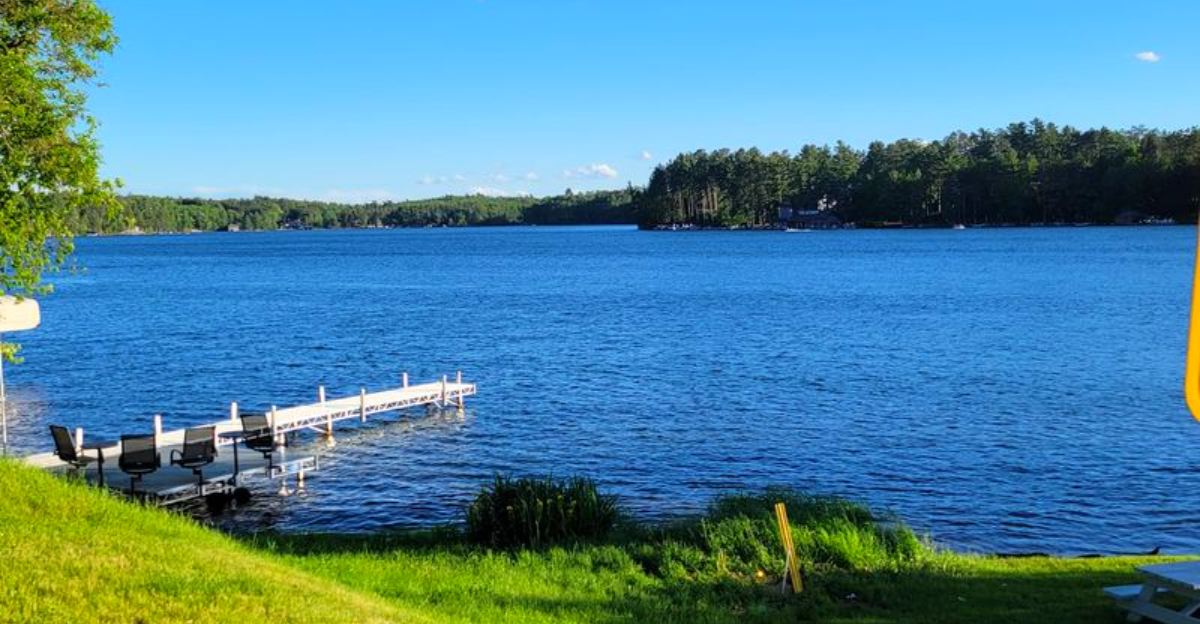
Water shapes everything here. Streets seem to lead straight toward the shoreline, boats drift past on warm afternoons, and tall pines give the whole scene an easygoing, almost storybook feel.
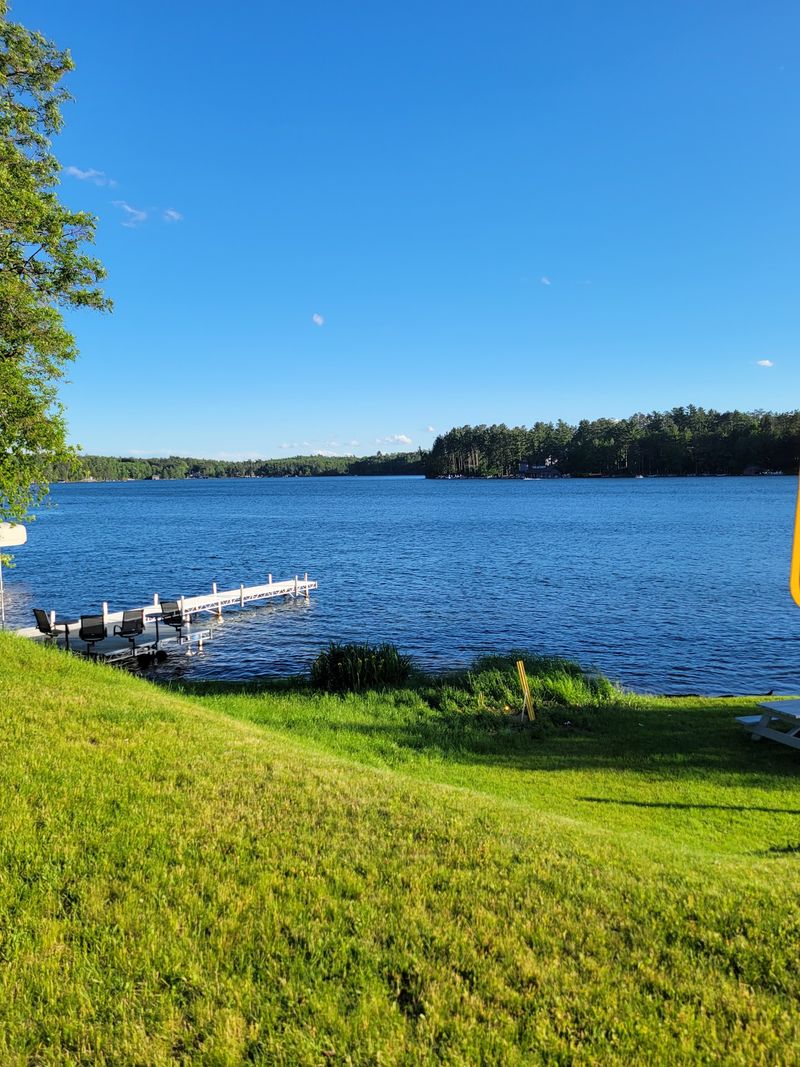
This small Wisconsin town has earned a nickname that makes perfect sense once you see the landscape. Lakes surround the downtown, creating views that change with every turn.
Summer brings boating and long days near the water. Fall covers the trails in bright color. Winter brings its own energy, with cold-weather traditions that keep the calendar lively.
There is plenty to do, but nothing feels rushed. Longtime restaurants serve familiar favorites, outdoor adventures are never far away, and each season gives travelers another reason to return.
Spend a day exploring and the appeal becomes obvious. Stay a little longer, and this quiet waterfront escape starts feeling like the kind of place you will want to visit again.
The Story Behind The Island City Nickname
Long before highways crossed the Northwoods, this community sat on a piece of land almost completely ringed by water. Early on, the settlement really was an island, connected to the mainland only by a rail crossing and later by causeways and bridges.
That geography gave Minocqua its lasting nickname, the Island City. Today the land is technically a peninsula reaching into Lake Minocqua, but the feeling of being surrounded by water has not changed one bit.
You notice it the moment you drive in on U.S. Route 51. Water appears on your left, then your right, and the main street sits in the middle of it all.
The name Minocqua is believed to come from an Ojibwe word connected to noon day or a resting place, which suits a town built for slowing down. Logging brought the first big wave of workers in the 1880s, and tourism followed once travelers realized how clear the lakes were.
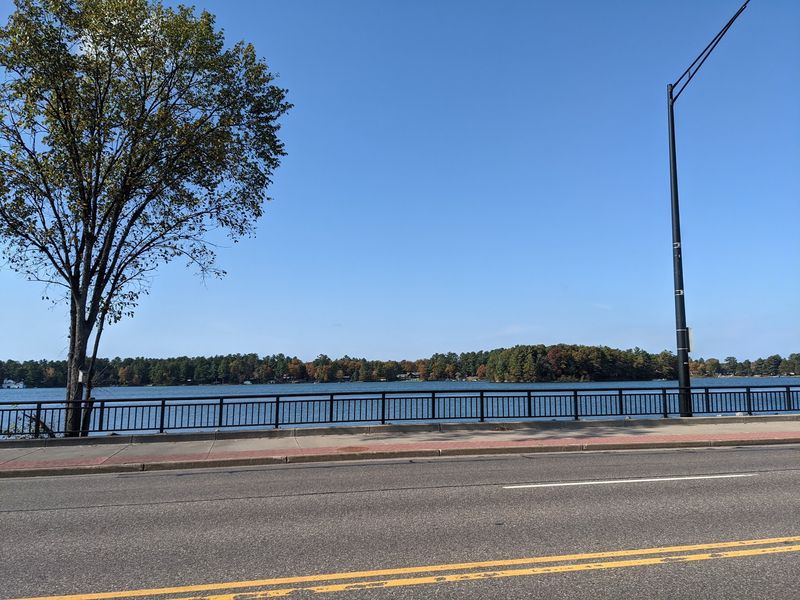
If you want the best sense of that island character, park downtown and walk toward the bridge. Looking out across the open water from the middle of town explains the nickname better than any sign ever could.
Downtown Streets Worth Slowing Down For
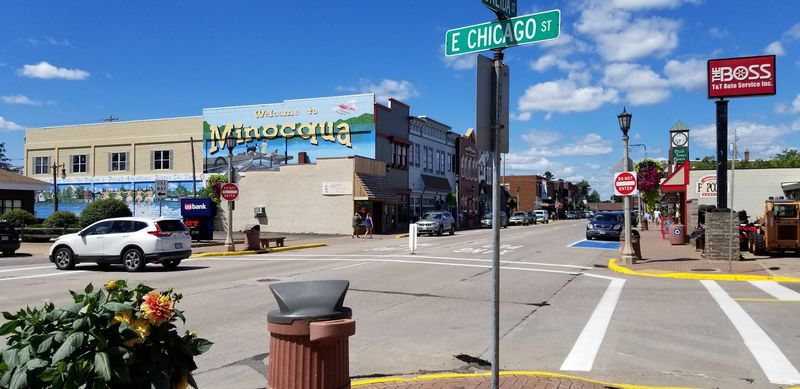
Shopping here does not feel like a chore. The main stretch of Oneida Street runs right through the heart of Minocqua, lined with storefronts selling handmade goods, fudge, outdoor gear, books, and plenty of items stamped with pine trees or black bears.
You can cover the whole downtown on foot in an easy afternoon, which is part of the appeal. Sidewalks stay busy in July and August, but the pace never feels frantic.
Look for shops selling locally made maple syrup and wild rice, two products that show up all over northern Wisconsin. They travel well and make better souvenirs than another keychain.
Ice cream is practically a requirement. Several counters serve generous scoops, and you will spot people eating them while leaning on the railing above the water.
Street parking fills up quickly during peak weekends, so aim for mid morning or later in the evening if you want an easier time. There are also public lots a block or two off the main road.
A tip worth remembering: many stores keep shorter hours in spring and late fall, so call ahead if you visit outside of summer.
Lake Minocqua And The Famous Chain Of Lakes
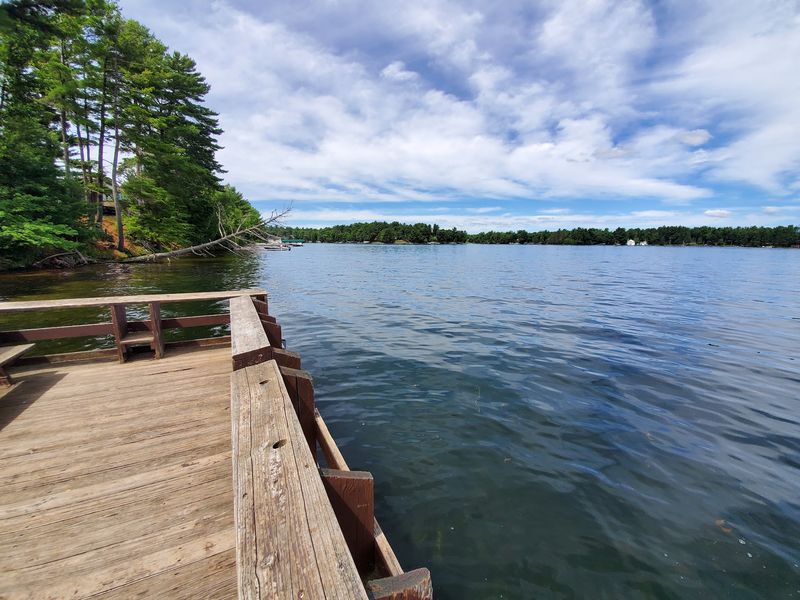
Here is a number that surprises people: the Minocqua area contains about 2,300 bodies of water, while the Minocqua Chain itself links six lakes covering nearly 6,000 acres. That means you can launch a boat and travel for hours without trailering it again.
Lake Minocqua itself covers roughly 1,300 acres and reaches depths of about 60 feet. Fishing here is serious business, with walleye, muskie, smallmouth bass, and panfish all in play.
Muskie fishing especially draws anglers to this part of Wisconsin, since the species is the state fish and the Northwoods is prime territory.
Not into fishing? You can rent a pontoon, paddleboard, kayak, or canoe from several marinas along the shoreline. Calm early mornings are ideal for paddling when the water sits flat as glass.
Public boat landings give day visitors access without a resort stay. Bring a life jacket for everyone aboard and check local regulations on slow no wake zones near shore.
Sunset on the water is the moment most people remember. Loons call across the bays, and the whole lake takes on a soft orange color.
Wildlife Encounters At The Wildwood Wildlife Park
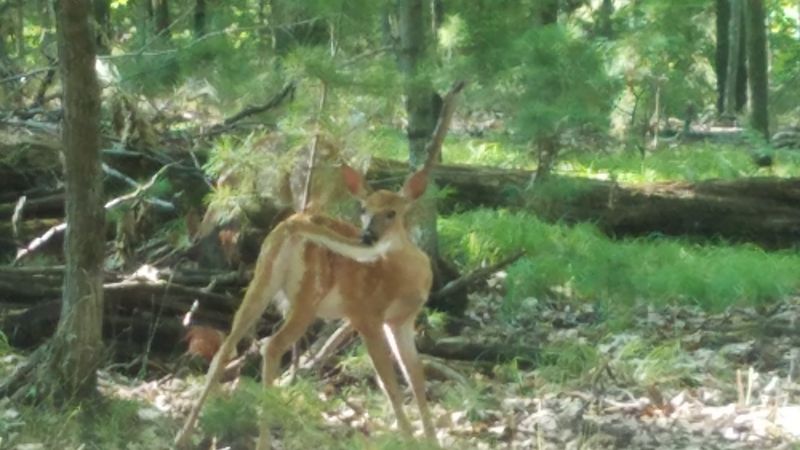
Kids tend to lose their minds a little at this one, and honestly, adults do too. Wildwood Wildlife Park and Nature Center sits just west of downtown at 10094 State Highway 70 West, Minocqua, WI 54548, and it has been a family stop in the Northwoods for decades.
You walk shaded paths past bears, wolves, big cats, monkeys, and dozens of other animals. Hands on moments make the difference, including feeding giraffes and holding food out for deer in a walk through area.
Plan on two to three hours if you want to see everything without rushing. Strollers roll fine on the main paths, and there are picnic spots along the way.
The park usually opens for the season in May and closes in early fall, so check dates before making the drive. Mornings are cooler and animals tend to be more active then.
Wear comfortable shoes and bring sunscreen, since parts of the grounds sit in open sunlight. A hat helps on hot July days. Combine this with a lakeside lunch afterward and you have filled a very satisfying day in Wisconsin.
Trails, Bike Paths, And Bearskin Adventures
The Bearskin State Trail is the one you hear about first. Built on an old railroad grade, it stretches about 21.5 miles south from Minocqua on a mostly level, compacted-granite surface that suits families and casual riders.
Because the grade barely changes, you can ride longer than you expect without wearing out. Trestle bridges cross quiet water, and the forest closes in overhead for long stretches.
A state trail pass is required for cyclists age 16 and older, and you can pick one up at local shops or self pay stations.
Hikers have options too. The nearby Northern Highland American Legion State Forest covers hundreds of thousands of acres of Wisconsin woodland, with marked loops through pine stands and along small lakes.
Fall turns these trails into something special. Maples flare red in late September and early October, and the crowds thin out considerably.
Come winter, the Bearskin remains open to skiing and snowshoeing, although it is not groomed and is shared with snowmobiles. Snow depth in this region regularly supports weeks of good conditions.
Bring bug spray in June, water in July, and layers any time of year. Weather in the Northwoods shifts fast.
Winter Turns The Whole Town Into A Playground
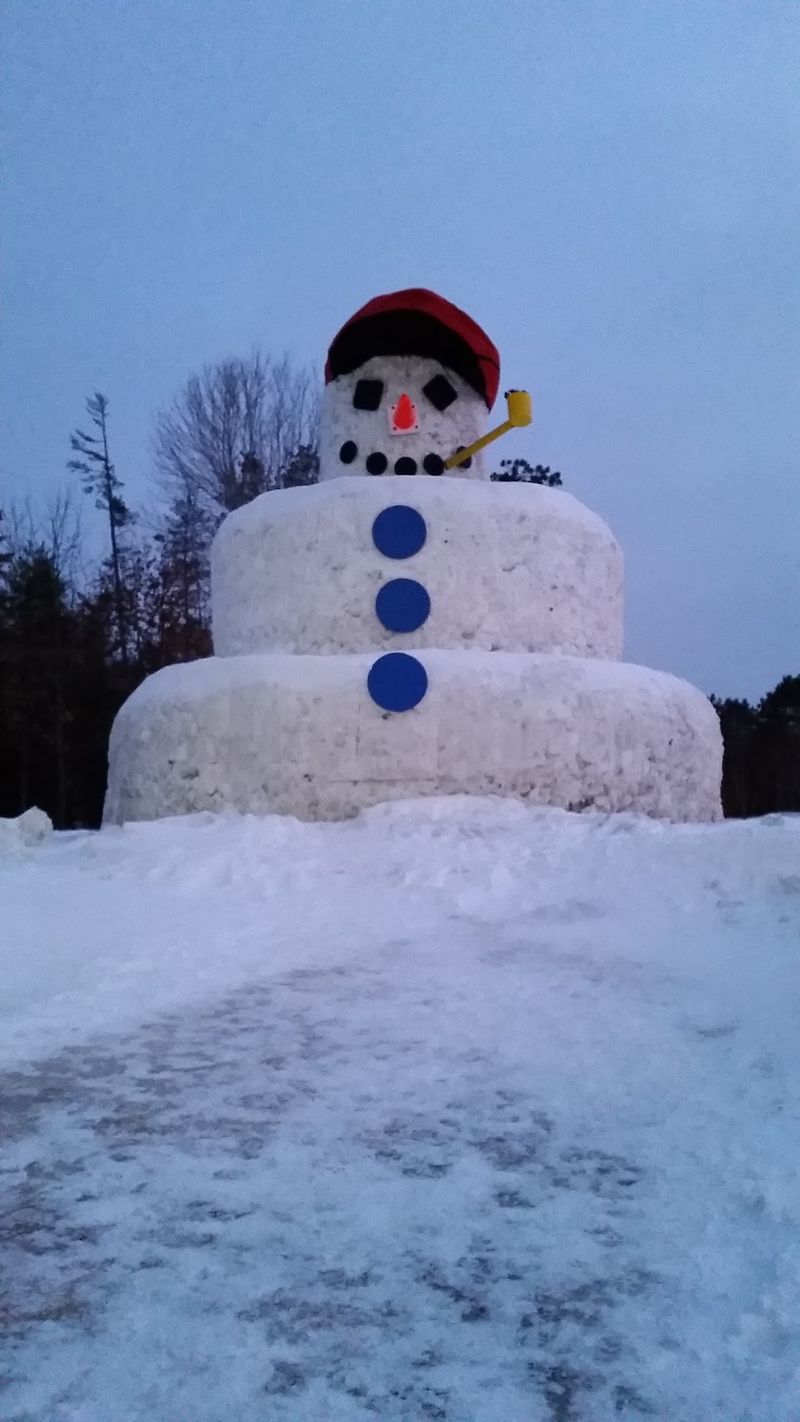
Plenty of lake towns close up when the leaves drop. Minocqua does the opposite and leans hard into the cold season, which is one of my favorite things about the place.
Snowmobiling drives much of that energy. Hundreds of miles of groomed trails connect Oneida and Vilas counties, and riders travel between towns without touching a highway.
Ice fishing shacks dot the frozen lakes by January. Anglers drill through thick ice for walleye and panfish, and you will see clusters of shelters spread across the bays.
Cross country skiers head to groomed trail systems in the surrounding state forest, where evergreens hold snow like a postcard. Fat tire biking has grown quickly here as well. Downhill options exist nearby too, giving families a shorter alternative to driving south for slopes.
Dress properly and winter here is genuinely fun. Insulated boots, wool socks, and a windproof outer layer make a huge difference when temperatures drop below zero.
Check ice conditions locally before walking or driving on any lake. Conditions vary, and local knowledge matters more than a calendar date.
Northwoods Cooking And Lakeside Tables
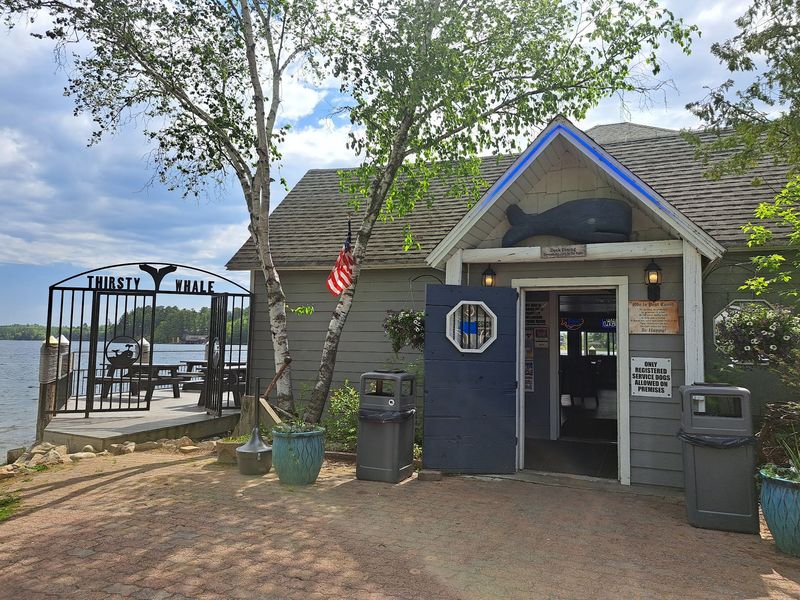
Food in the Northwoods follows some happy traditions. Friday fish fry shows up on nearly every menu in this part of Wisconsin, usually with perch, walleye, or cod alongside potato pancakes or fries.
Cheese curds deserve their own mention. Fried until golden and served with ranch or marinara, they are practically a regional handshake.
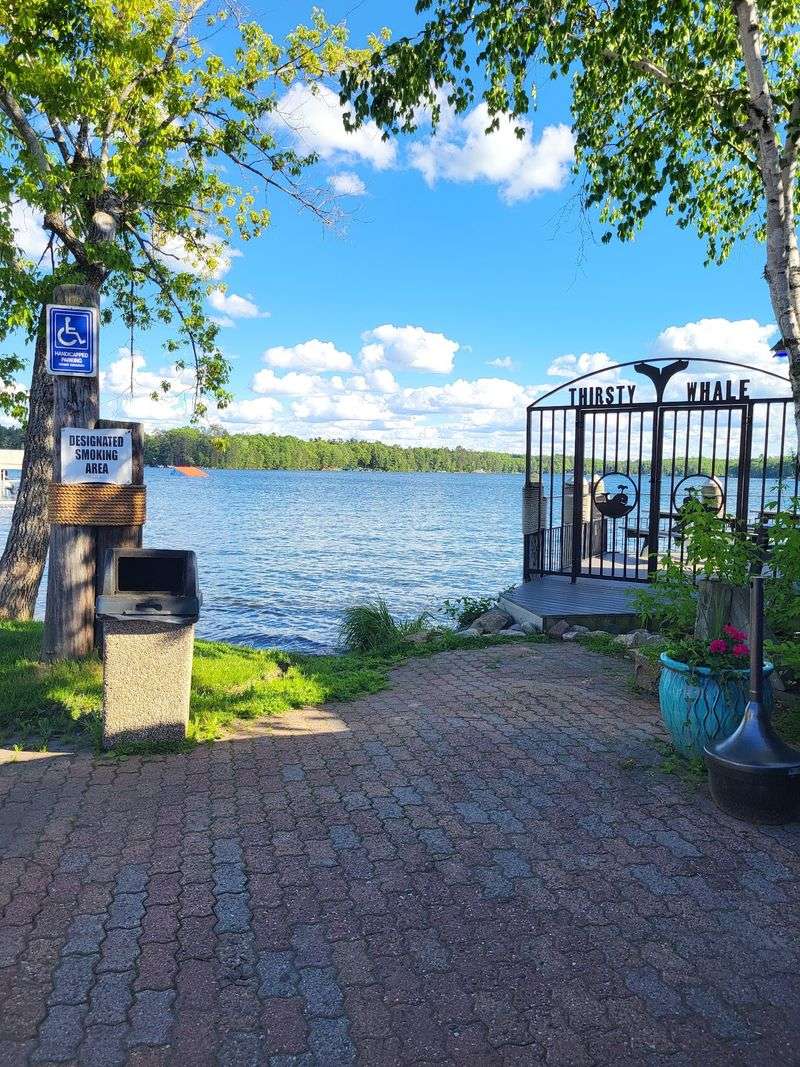
Minocqua has a good mix of casual spots and sit down restaurants, several with decks facing open water. Eating outside while boats drift past is worth planning around. Breakfast places fill early on weekends, especially in July and August. Arriving before nine saves you a wait.
Look for bakeries selling fresh doughnuts and pasties, a nod to the mining and logging workers who once filled northern Wisconsin towns. Supper club style dining still thrives up here. Expect hearty portions, relish trays, and a relaxed pace that encourages conversation.
Reservations help during peak weeks and holiday weekends. Off season visitors should double check hours, since some kitchens shorten their schedules between seasons. Save room for pie. Berry pies made with local fruit turn up on menus through late summer.
Planning A Visit That Feels Effortless
Timing shapes your whole trip. July and August bring warm water, full restaurant hours, and busy sidewalks, while September and early October deliver color, cool air, and easier parking.
Lodging ranges from lakeside cabins and family resorts to hotels close to downtown Minocqua. Summer weeks book up months ahead, so plan early if you want water access.
Driving is the practical way to get here. The town sits along U.S. Route 51, roughly three and a half hours north of Madison and about four and a half from Chicago.
The nearest commercial airport is in Rhinelander, about 21 miles southeast, which makes flying in and renting a car reasonable. Pack layers no matter the month. Northern Wisconsin nights cool off quickly, even in midsummer.
Cell service can dip once you head into the surrounding forest, so download maps before longer drives or hikes.
Give yourself at least three days. One for the lakes, one for trails and wildlife, and one for wandering downtown without a schedule. That balance is what keeps visitors returning to the Island City season after season.