
The Four Mississippi Museums Teaming Up For A September Event You Can See All In One Day
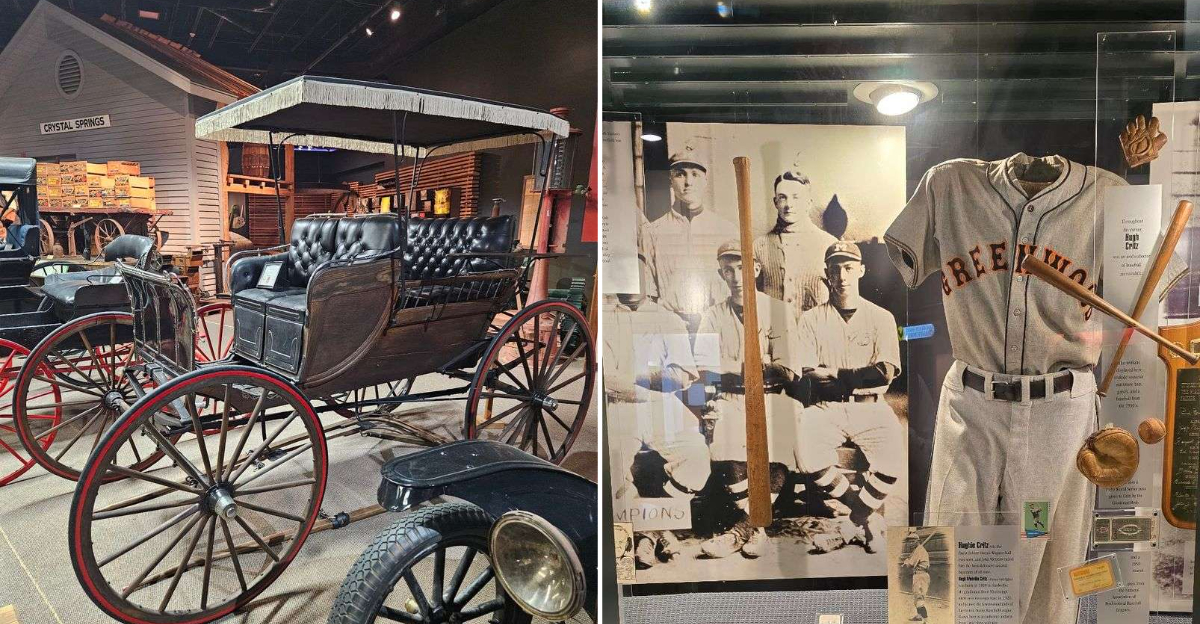
Many hands make light work, and that’s exactly what these four Mississippi museums are proving this September. Each museum offers something different, letting visitors move between exhibits without feeling like they’re repeating the same experience.
Nothing about the event feels rushed, giving each stop enough time to actually explore properly. Regulars plan their route, mapping out which museum to visit first based on location.
Tickets often cover multiple locations, making the day more affordable than visiting each one separately. Families especially benefit from the variety, keeping kids engaged across different types of exhibits.
Visitors unfamiliar with the event often underestimate how much ground four museums can actually cover. This event proved that sometimes collaboration creates an experience bigger than any single museum alone.
Historical Exhibits Showcasing Regional Heritage
Four museums, four totally different versions of Mississippi history. The Agriculture and Forestry Museum starts with the Choctaw people and walks all the way forward to modern catfish farming, with real artifacts along the way.
The Fortenberry-Parkman Farm is a circa 1860 restoration, and the Bisland Cotton Gin sits nearby, showing how backbreaking early farm work really was.
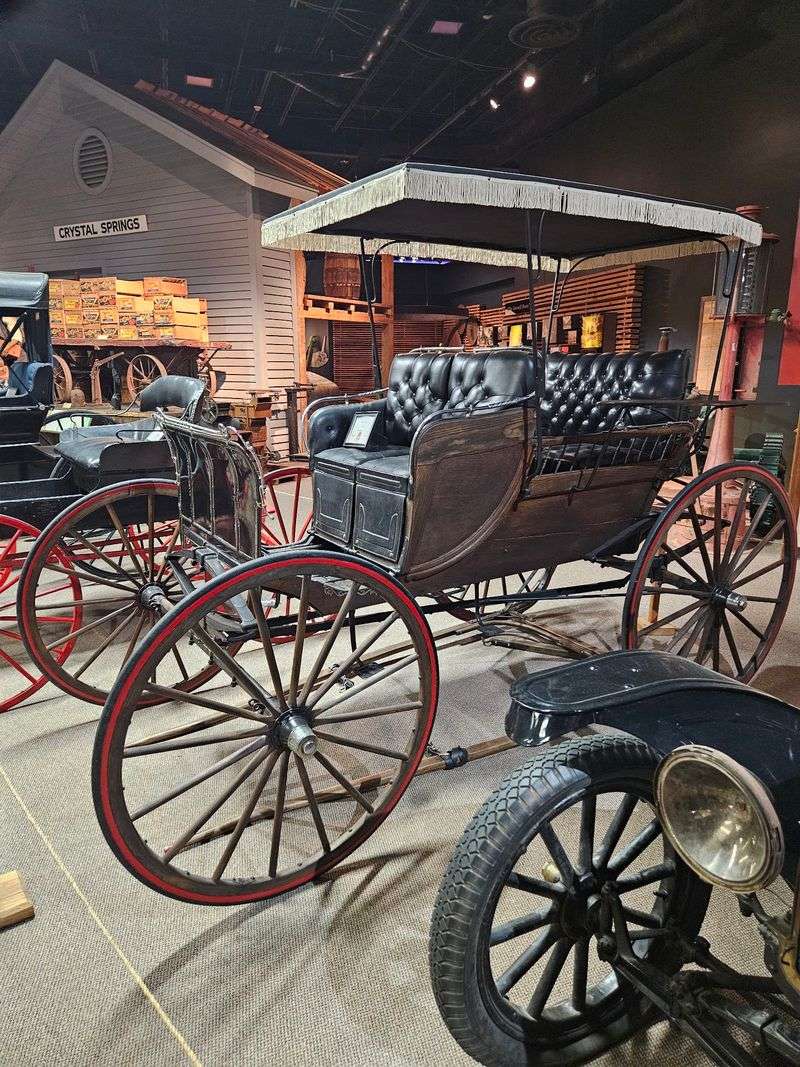
Small Town, Mississippi recreates a 1920s community using authentic buildings moved in from across the state.
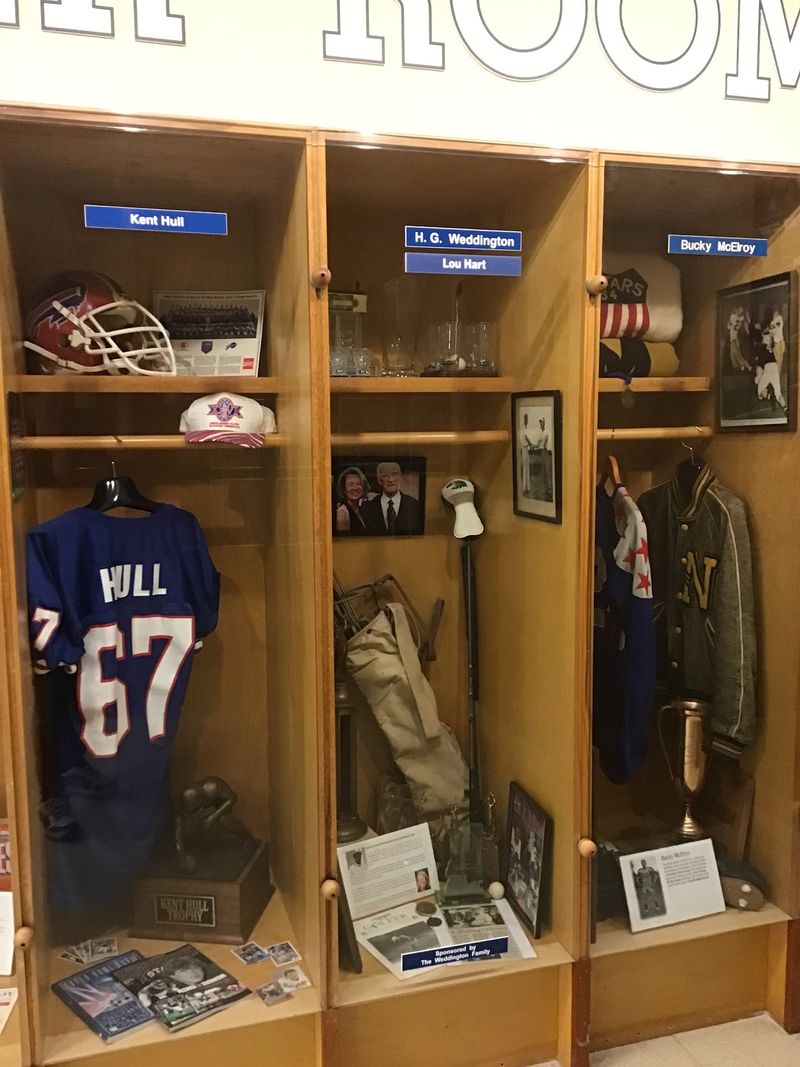
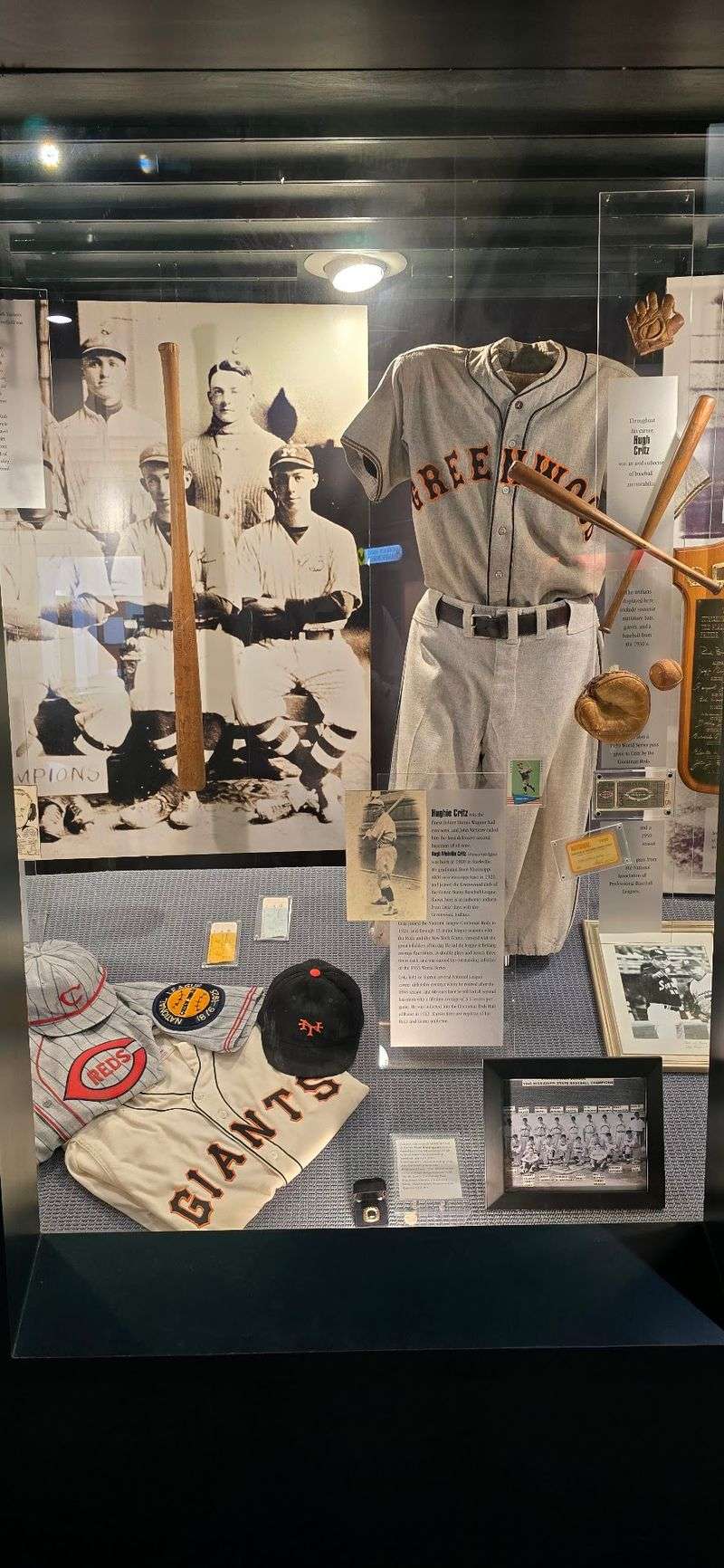
Over at the Sports Hall of Fame, heritage means more than 300 honored athletes, coaches, and teams. Dizzy Dean gets his own display.
So do Mississippi Olympians and high school standouts in the Wendy’s High School Gallery.
The Children’s Museum takes a different route with its Exploring Mississippi gallery, where a climbing map lets kids scramble across landmarks from Mount Woodall to the Natchez Trace. Geography becomes a jungle gym.
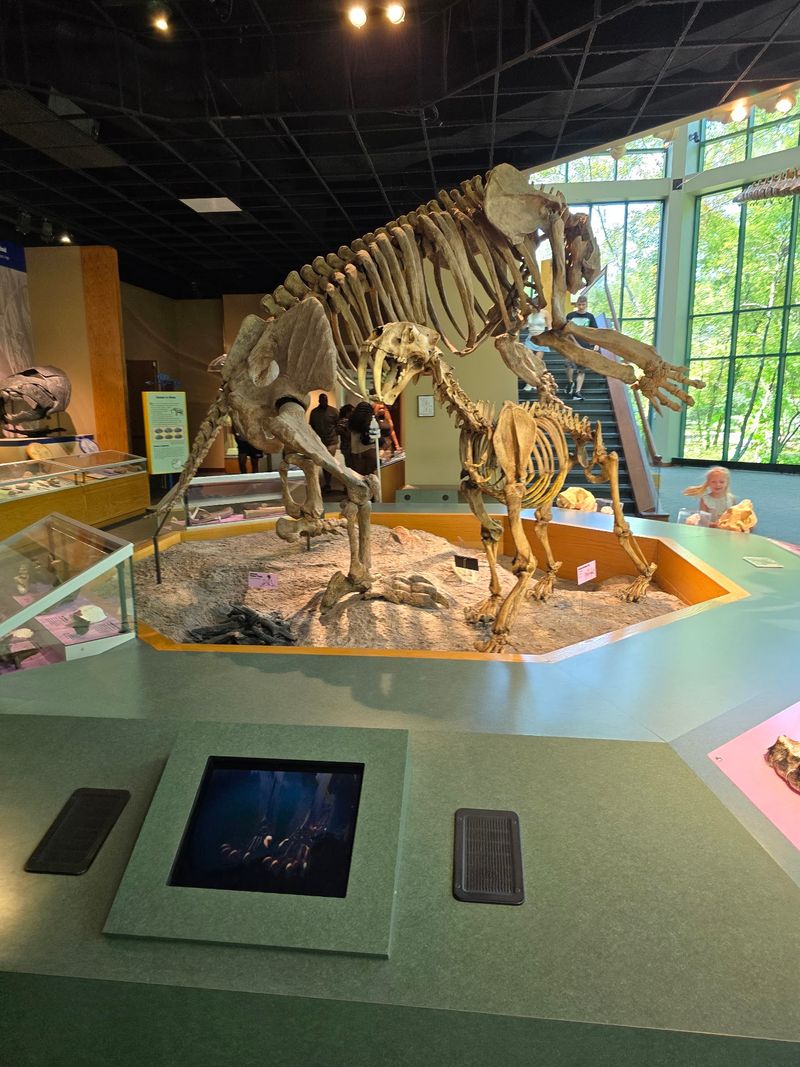
Then the Museum of Natural Science goes way, way back. Fossils of Zygorhiza, Mosasaurus, and a towering sloth remind you that Mississippi once had residents far stranger than any of us.
Fun bit of backstory: that museum traces its roots to biologist Fannye A. Cook, who pushed conservation efforts in the 1930s when almost nobody was listening.
The festival hub sits at 1152 Lakeland Dr, Jackson, MS 39216.
Art Collections Reflecting Cultural Diversity
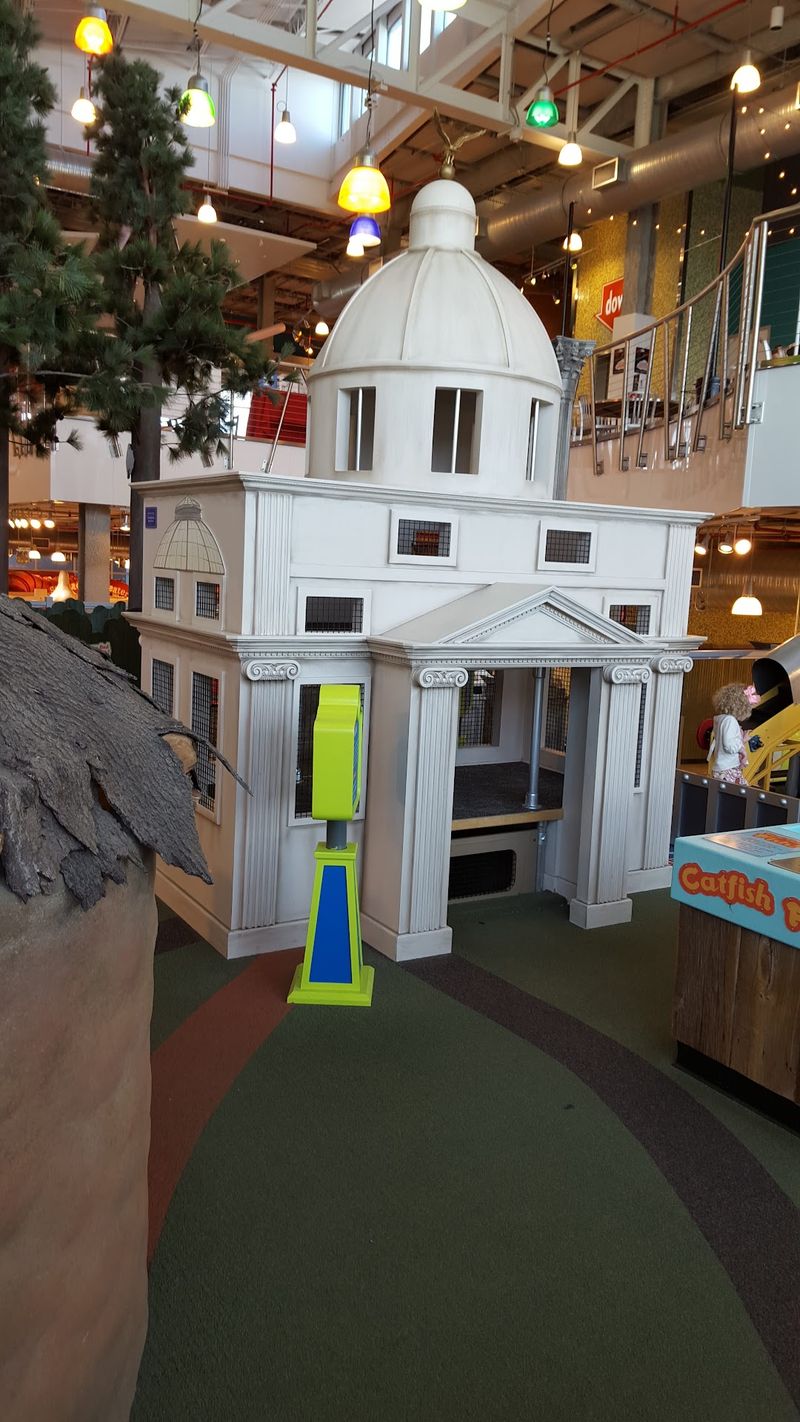
Art shows up in the least expected places here, and that is half the fun. The Children’s Museum leans hardest into it with the Express Yourself gallery, where kids build instruments, record songs, and get their hands messy.
A newer Design Studio, backed by the Mississippi Arts Commission, pushes creative problem-solving instead of coloring inside the lines. Cecelia Moseley’s Ideas in the Sky installation hangs overhead and changes the whole mood of the room.
Outside, the Enchanted Land of Story fills a garden with literary sculptures and experiential artwork. Books turn into things you can climb on and walk around.
The Museum of Natural Science blends art with biology in a way that feels surprisingly natural. Sculptures, paintings, and batiks scattered through the galleries interpret Mississippi wildlife and habitats.
Their workshops sometimes pair local artists with naturalists, so participants learn the science behind the swamp before painting it. That combination sticks with people longer than a lecture would.
The Agriculture Museum and Sports Hall of Fame do not focus on art collections, and honestly that is fine. One deals in plows and railroad models, the other in jerseys and archival footage.
During the September festival, the creative stations tend to fill up fast. Artistic kids and engineering kids end up at the same table, which is exactly the point.
Hands On Workshops For Community Engagement
Nikki the Cobot is a collaborative robot, and she works in the Children’s Museum World at Work gallery. Kids also get a Test Track Challenge where they build vehicles and then find out whether those vehicles survive.
The WonderBox gallery is the real workshop engine: 3-D printers and pens, robotics, circuitry, and building activities open to all ages. Adults tend to linger there longer than they planned.
Down the road, the Agriculture Museum runs Farm Facts with Farmer Brad, plus First Saturday domestic arts sessions covering older household skills. It is low-tech and weirdly satisfying.
The Sports Hall of Fame invites everyone to get into the game with simulations for basketball, football, and baseball. There is a MotionMagix play floor and a Broadcast Booth where visitors try sportscasting, usually with mixed results.
The Museum of Natural Science stacks its calendar with workshops and lecture series year-round. Fun Fridays bring interactive stations loaded with crafts, games, and demonstrations.
Teachers get their own track through Project WILD and Project WET, hands-on conservation and environmental training. Girl Scout workshops connect younger explorers to actual fieldwork ideas.
On festival Saturday, all four buildings turn into workshop floors at once. STEAM organizations from around the state set up stations, so the activity you skip at one museum probably has a cousin at the next stop.
Educational Programs Designed For All Ages
Storytime with Uncle Story is a real program name, and it is aimed at K3 through K5 kids learning early literacy through farm and environmental themes.
The Agriculture Museum also runs an America 250 Lunch Lecture Series for adults who want a deeper look at agricultural history.
Field trips are on the menu there too, which explains the yellow buses in the lot on weekdays.
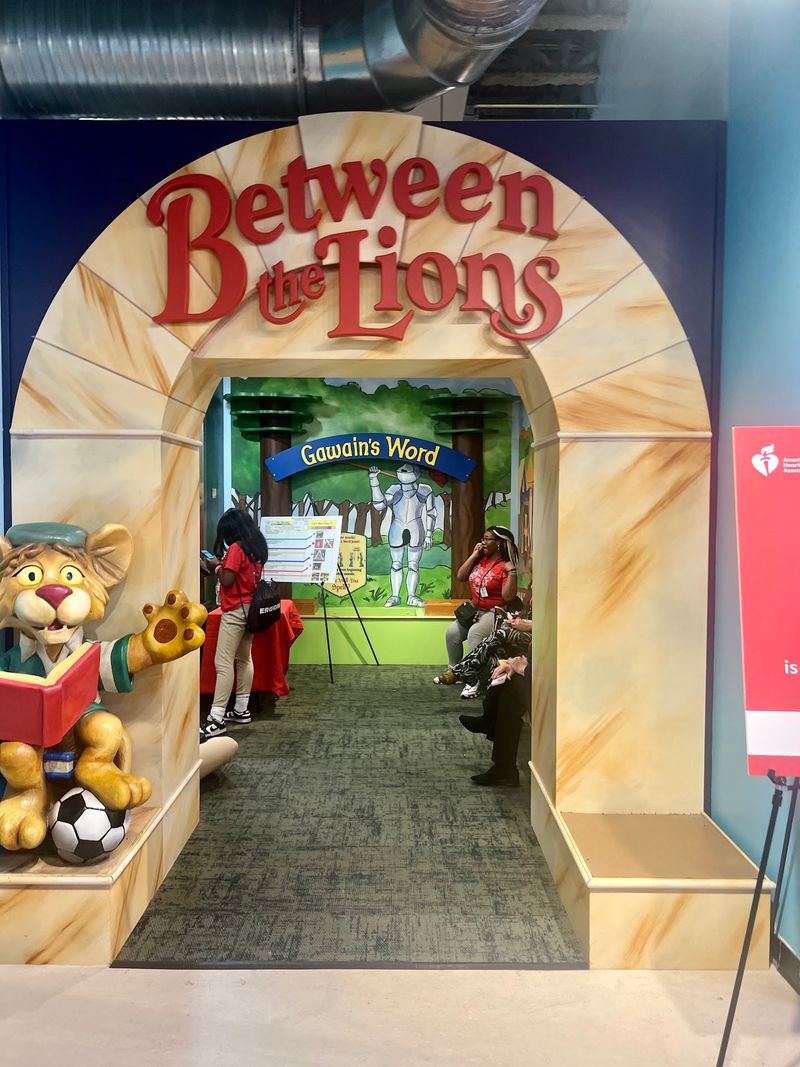
The Children’s Museum builds its whole mission around lifelong learning, covering literacy, STEAM, health and nutrition, cultural arts, and state heritage.
ABC Come Play With Me preps infants and toddlers with their caregivers, while Wonder Wednesday hands out STEAM activities.
Launch into Learning supports PreK4 through 5th graders after school, and the Read to Succeed summer camp targets reading skills. Teachers can get professional development through The LIFT program.
The Sports Hall of Fame runs a self-guided experience aimed at ages five and up, with kiosks holding archival footage, statistics, biographies, and over 500 athlete interviews. Group tours need reservations.
Natural Science covers the youngest crowd in its Preschool Discovery Room with camps and story times, plus Growing Up WILD and Free workshops for early childhood educators.
Their education team also travels statewide through outreach programs. Summer brings science lectures for anyone curious enough to show up.
Live Wildlife And Nature Trails Beyond The Exhibit Halls
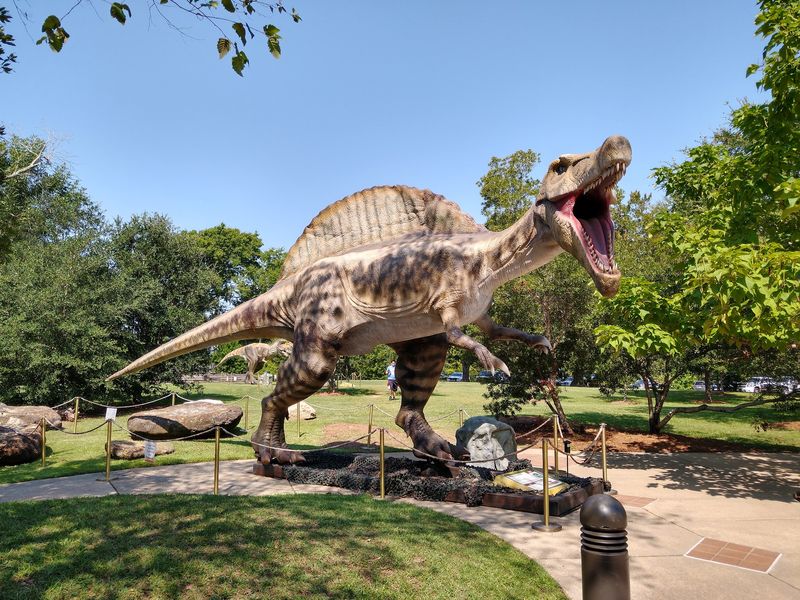
The Museum of Natural Science does not stop at fossils. Live alligators, turtles, and native fish fill tanks throughout the building.
An indoor nature trail winds past habitat displays built to mirror actual Mississippi terrain. Visitors walk through swamp, forest, and prairie without leaving the lobby.
Outside, the fun keeps going. Spotter’s Adventure Trail lets kids meet Spotter the Otter and friends scattered across a walking path.
A newer playground anchors the outdoor space, built for 21st-century climbing and imagination. It sits right at the edge of LeFleur’s Bluff State Park.
That park technically wraps the whole district, adding nearly 500 acres of green space to explore. Trails, water views, and picnic spots stretch well beyond the museum walls.
Back inside, the aquarium wing holds some of the museum’s biggest crowd-pleasers. Turtles and gar swim past viewing windows built for close-up looks.
None of the other three museums keep live animals on site. That makes this stop the obvious pick for anyone traveling with animal-obsessed kids.
Staff naturalists lead occasional feeding demonstrations, though times shift by season. Checking the daily schedule before arrival saves a wasted trip.
For families short on time, this wing alone can eat up an hour. Budget accordingly if wildlife is the main draw.
The September Science Fest That Brings All Four Museums Together
Every fall, the four museums stop operating as separate stops. Mississippi Science Fest turns the whole district into one connected event.
C Spire sponsors the festival, now well into its second decade of drawing crowds. A single ticket covers admission to all four museums for the day.
Shuttle buses run guests between the Lakeland Drive and Museum Boulevard clusters. Nobody has to walk the full campus or hunt for parking twice.
The festival’s main Saturday typically runs from nine in the morning until four. That gives visitors a genuinely full day to move at their own pace.
STEM organizations from across Mississippi set up booths throughout the grounds. Robotics teams, universities, and tech companies staff hands-on stations all day long.
Earlier in the week, satellite events often stretch the festival beyond just the district. Past years have included teen tech days, coding challenges, and school field trips.
Some satellite activity even reaches outside Jackson. Museums and community spaces in other Mississippi towns have hosted related programming the same week.
Exact September dates shift slightly year to year, so checking the official festival site before planning is worth the extra step. That ten-dollar ticket remains the festival’s signature draw.
For a district that usually charges per museum, one admission covering four buildings is rare. It is the single easiest way to see everything in a day.
Getting Around The District In A Single Day
The four museums are split across two nearby streets. Two sit on Lakeland Drive, and two sit on Museum Boulevard.
That layout sounds inconvenient until the shuttle system kicks in. During festival days, buses loop continuously between both clusters.
Outside festival season, walking between buildings is still manageable. The full campus covers close to 500 acres, but the entrances themselves sit a short drive apart.
Parking is free and plentiful at each location. Arriving early avoids the crunch that builds up by midmorning on weekends.
Tickets for regular visits must be purchased online in advance. Guests present them on arrival rather than buying at the door.
Group tours need reservations, especially at the Sports Hall of Fame and Agriculture Museum. Both regularly host school field trips on weekday mornings.
For a single day covering all four stops, starting early matters most. Each museum easily fills ninety minutes to two hours on its own.
A practical order helps too. Many visitors start with Natural Science or the Children’s Museum, since both draw the biggest weekend crowds.
Saving the Agriculture Museum’s outdoor grounds and the Sports Hall of Fame for the afternoon works well. Both offer quieter, more self-paced experiences later in the day.
Comfortable shoes make a real difference here. Between shuttle stops and gallery walking, the mileage adds up fast.
Shops And Places To Rest Along The Way
A full day across four museums eventually calls for a break. The district has a few built-in spots for exactly that.
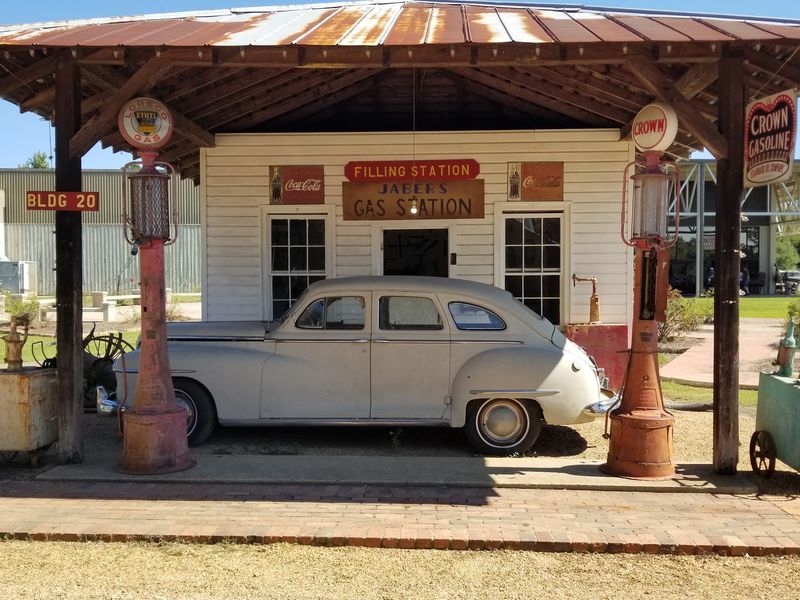
The Agriculture Museum’s General Store sells snacks, drinks, and souvenirs in a building styled after an old-fashioned market. Its Filling Station nearby serves a similar purpose with a vintage gas-stop theme.
Both fit the museum’s small-town Mississippi setting rather than feeling like a bolted-on cafeteria. Grabbing a snack there doubles as part of the exhibit.
The Children’s Museum and Sports Hall of Fame each run their own gift shops. Expect the usual mix of books, toys, and themed souvenirs near the exits.
Outdoor seating near the playground gives families a spot to regroup between stops. It works well for a packed lunch or just a breather.
Neither the Natural Science Museum nor most festival areas offer sit-down dining. Bringing water and snacks for the walk between buildings is worth the extra bag.
During the September festival specifically, food vendors sometimes join the mix. Availability changes year to year, so it is not guaranteed at every stop.
For anyone planning the full four-museum day, treating meals as mobile rather than sit-down makes the schedule easier. A cooler in the car covers the gaps nicely.