
The Historic Small Town In Massachusetts You’ve Probably Never Heard Of
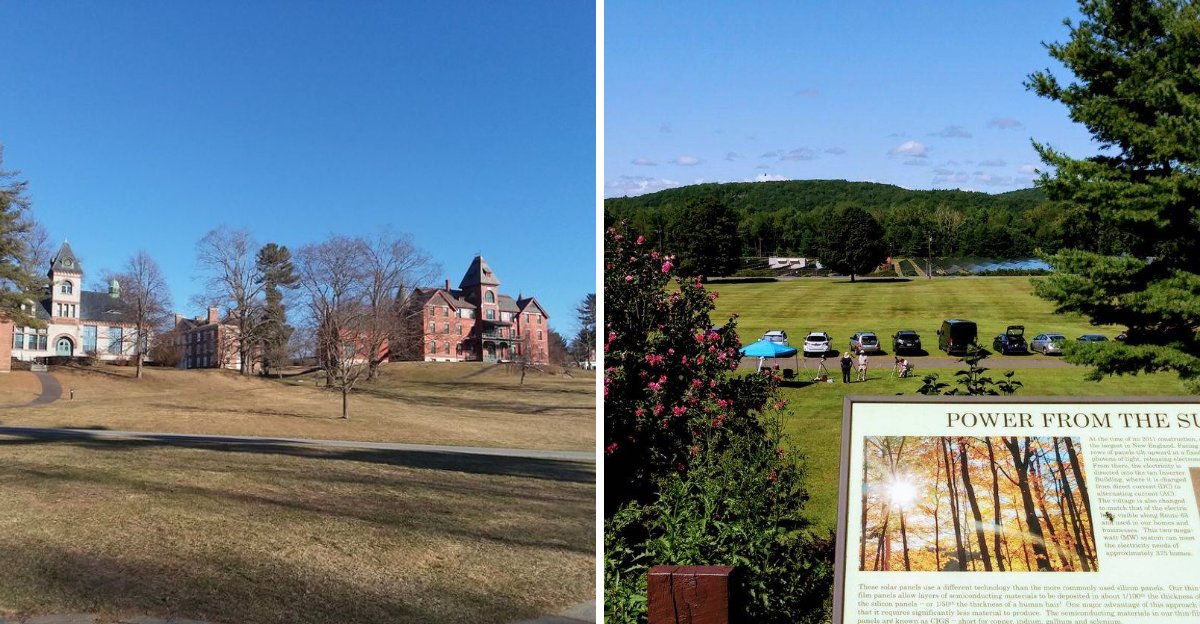
The best small towns are often the ones nobody keeps telling you to visit.
This Massachusetts community has history without the crowds that usually come with it. Its streets are lined with old houses, churches, and public buildings that give the town a strong sense of place without making it feel staged.
There is plenty to notice if you slow down. Architectural details, long established properties, and a traditional town layout all hint at how much history has survived here.
The town feels calm, but not empty. It still has the character of a lived in community, which makes wandering around feel more natural than touring a place built around visitors.
That balance is what makes it memorable. You get the feeling of finding somewhere overlooked, yet there is enough history and scenery to make the detour worthwhile.
Massachusetts has better known historic towns, but this one proves famous is not always more interesting.
Main Street Historic District, A Living Timeline
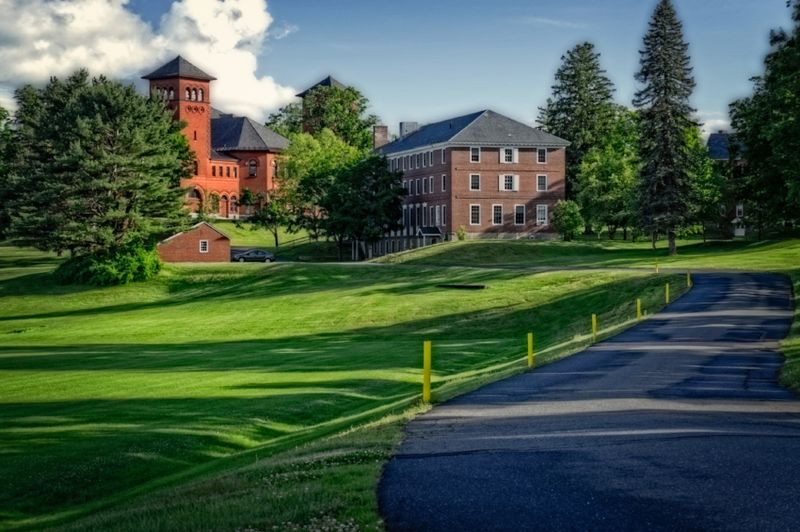
Few streets in New England stretch quite like this one. Northfield’s Main Street runs broad and straight, lined with homes built in the 1700s and 1800s.
The road itself follows the original layout drawn up during the town’s first settlement in the 17th century.
Architecture fans get a genuine treat here. Early Republic, Greek Revival, and Late Victorian styles stand shoulder to shoulder, many shaped by the hands of local craftsmen. The variety works because it grew slowly, decade by decade, instead of all at once.
The district traces Main Street from Millers Brook down to Pauchaug Brook. In 1982, the Northfield Main Street Historic District earned a spot on the National Register of Historic Places.
That listing recognizes what residents already understood about their address.
Walking is the smartest way to take it in. Sidewalks run along much of the stretch, and the wide setbacks give each house room to breathe.
Bring a camera, because the light in late afternoon does something lovely to old white clapboard.
Plan for an hour at minimum. Reading the dates on the houses turns into a small game, and the game gets addictive fast. Wear comfortable shoes, since the street is longer than it looks from a car window.
The Only Massachusetts Town Split By The Connecticut River
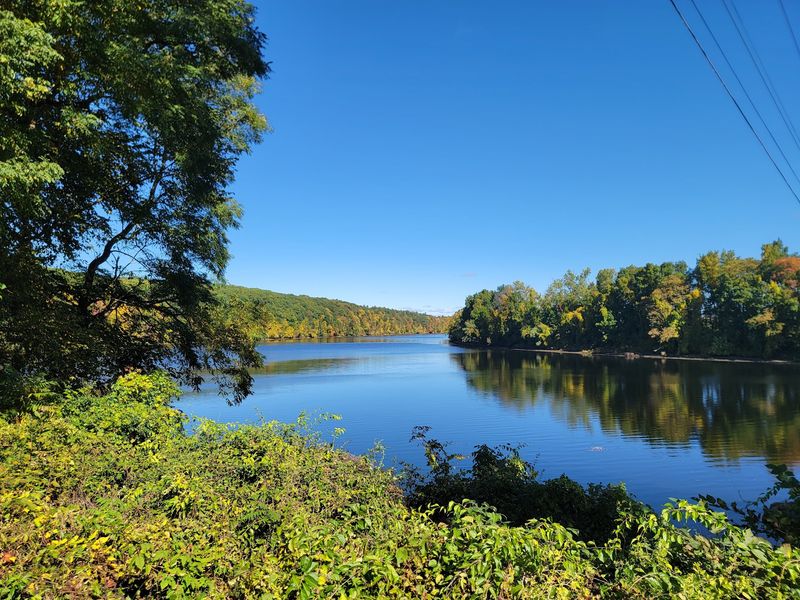
Here is a fact worth keeping in your back pocket. Northfield is the only town in Massachusetts divided by the Connecticut River. The water cuts straight through the community, leaving land on both banks.
That geography shaped everything. Fertile plains spread out near the water, which is why farms took root here so early. Forested hills rise behind them, and wetlands fill the low spots between.
Boaters can reach the river from the Pauchaug Brook boat ramp and wildlife management area along Route 10. Canoes and kayaks work beautifully on this stretch.
Riverboat cruises also run in the region, giving you the view from water level.
Campers have an option too. Munn’s Ferry campground, part of Northfield Mountain’s recreation area, sits along the river in a genuinely scenic spot. Reaching it feels like a small accomplishment.
Wildlife watching pays off near the banks. Herons, turtles, and hawks all use the corridor, and early mornings tend to be the most rewarding window. Bring binoculars if you own a pair.
The river once served as the region’s highway for goods and travel. Standing on the bank, that history feels close rather than distant. Water still does most of the talking in this part of Massachusetts.
Dwight Lyman Moody And The Town He Transformed
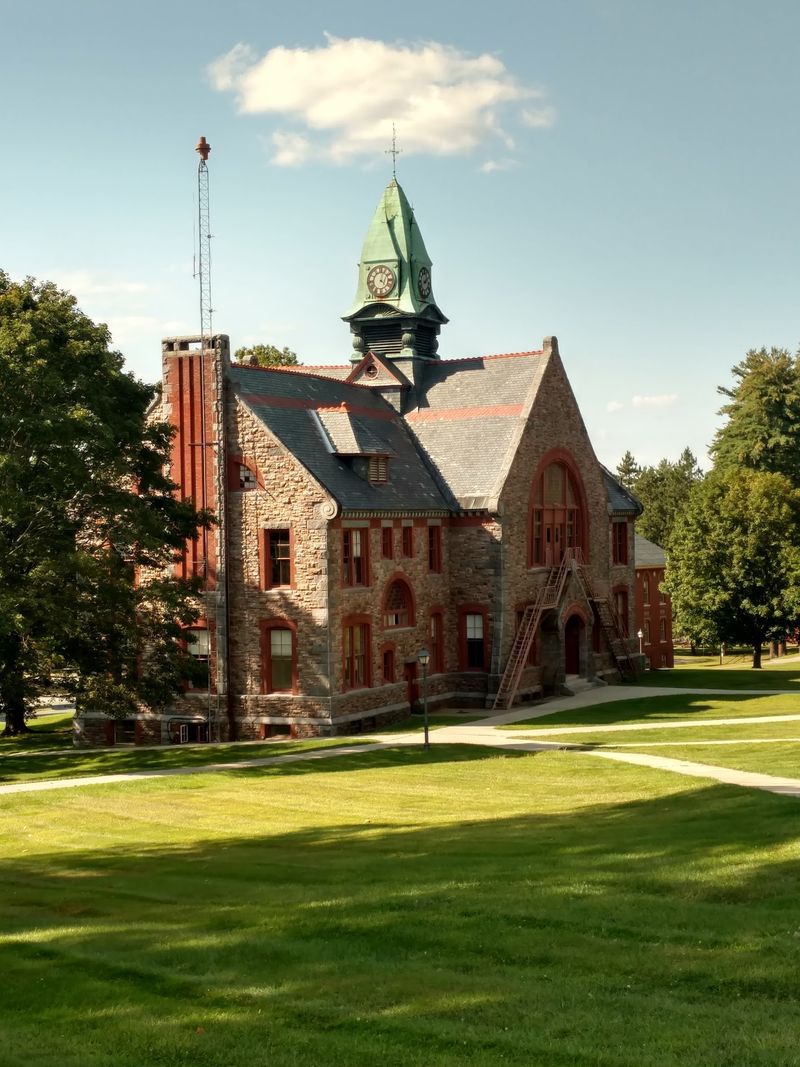
Born in 1837, Dwight Lyman Moody grew up here and became one of the most recognized evangelists and publishers of his era. Fame took him far, but he kept coming back to his hometown.
What he built here changed the place permanently.
In 1879 he founded the Northfield Seminary for Girls. That school later merged with the Mount Hermon School for Boys, creating the Northfield Mount Hermon School.
Education became a defining thread in the town’s identity.
His summer religious conferences drew thousands of people each year. A small farming community suddenly needed lodging, meals, and transportation for crowds.
The Northfield Hotel opened in 1887 to handle the demand.
That surge turned the town into a genuine resort destination for a stretch of decades. Grand buildings went up, and the streets filled every summer.
Echoes of that boom still show in the architecture.
The D.L. Moody Center, at the corner of Moody Street and Highland Avenue, tells his story today. Stopping in gives useful context for everything else you will see around town.
Understanding Moody makes the rest of Northfield click into place. The schools, the hotels, the visitors, all of it traces back to one determined local figure.
Northfield Center Cemetery, Carved Stories In Slate
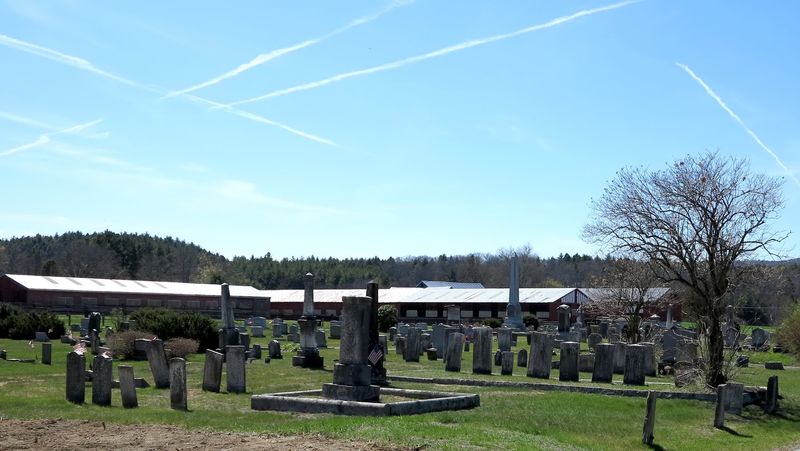
Established in 1686, the Northfield Center Cemetery predates the United States by nearly a century. It served as the town’s first burying ground. The site is listed on the National Register of Historic Places.
Slate carving is the real attraction for history lovers. Early markers here show expressive designs cut by hand, with lettering and imagery that reflect the styles of their time.
Each generation of carvers left a slightly different signature.
An ornate marble marker honoring the Allen family stands out among the older slate. The contrast between materials shows how tastes shifted across centuries.
Photographers should aim for overcast days. Flat light makes shallow carvings far easier to read than harsh midday sun.
Rubbings are discouraged at fragile historic sites, so use your camera instead.
Reading the dates gives you a compressed lesson in the town’s timeline. Names repeat across stones, revealing families who stayed put for generations.
Quiet respect goes a long way here. Stay on the paths, keep voices low, and avoid leaning on any stone. Many markers are more delicate than they look.
Give yourself thirty minutes. It is a peaceful, contemplative stop that adds real depth to a day spent exploring Northfield.
Northfield Mountain Recreation And Environmental Center
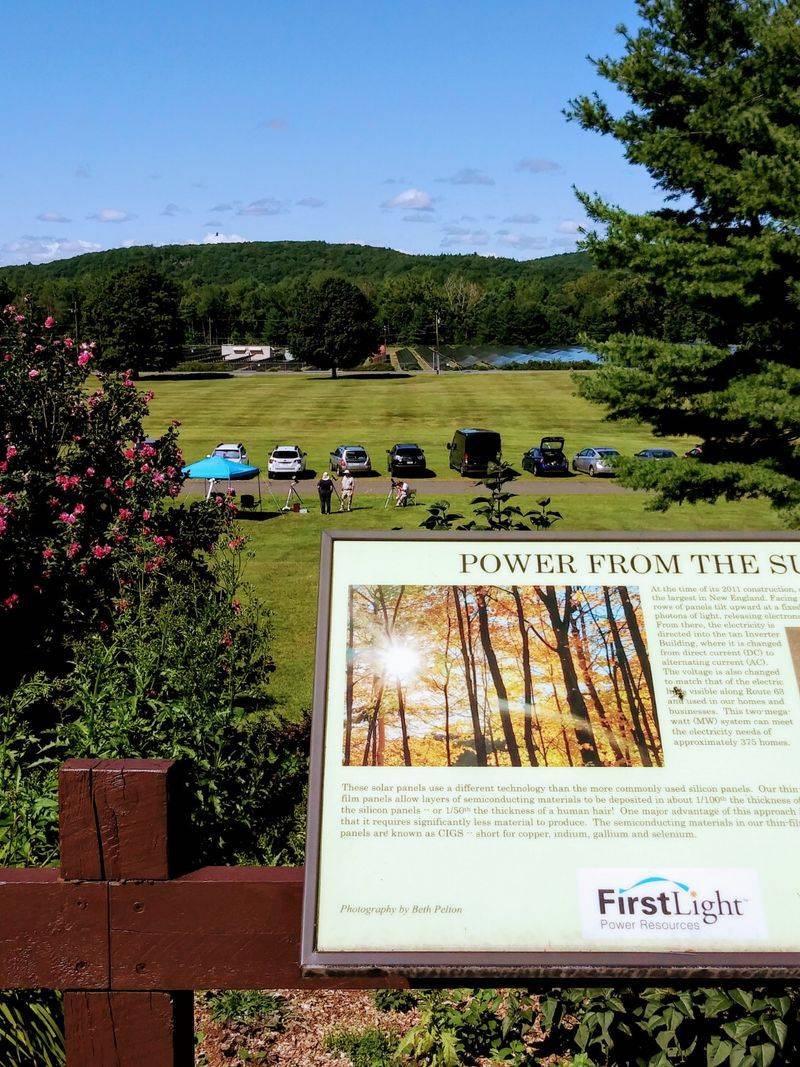
Twenty-six miles of trails wait on Northfield Mountain, and they work in every season. Warm months bring hikers and mountain bikers to the wide, well-marked routes.
When snow arrives, the same paths turn into cross-country ski terrain.
The Recreation and Environmental Center anchors the whole operation. It functions as a year-round base for anyone heading into the woods.
Trail difficulty varies quite a bit. Some routes roll gently, while others climb hard enough to earn you a break at the top. Check a trail map before you set out so the effort matches your energy.
Nearby, Northfield State Forest holds Stratton Mountain. Climbers there are rewarded with sweeping views to the east and west, including sightlines toward Mt. Monadnock and Mt. Grace.
Clear autumn days are the payoff days.
The New England National Scenic Trail also passes through this area. Long-distance hikers use it, but short segments make perfect afternoon outings.
Practical tips help. Carry water, wear layers, and remember that mountain weather shifts faster than valley weather. Cell service can be spotty in the woods.
Few small towns in Massachusetts offer this much trail mileage. Northfield packs a serious outdoor menu into a modest footprint.
King Philip’s Hill And The Land Before Settlement
Long before English settlers arrived, this land was a Native American village known as Skakeat or Squakheag. The Nashaway Nipmuc and Sokoki Abenaki peoples lived here.
That history sits underneath everything else the town has become.
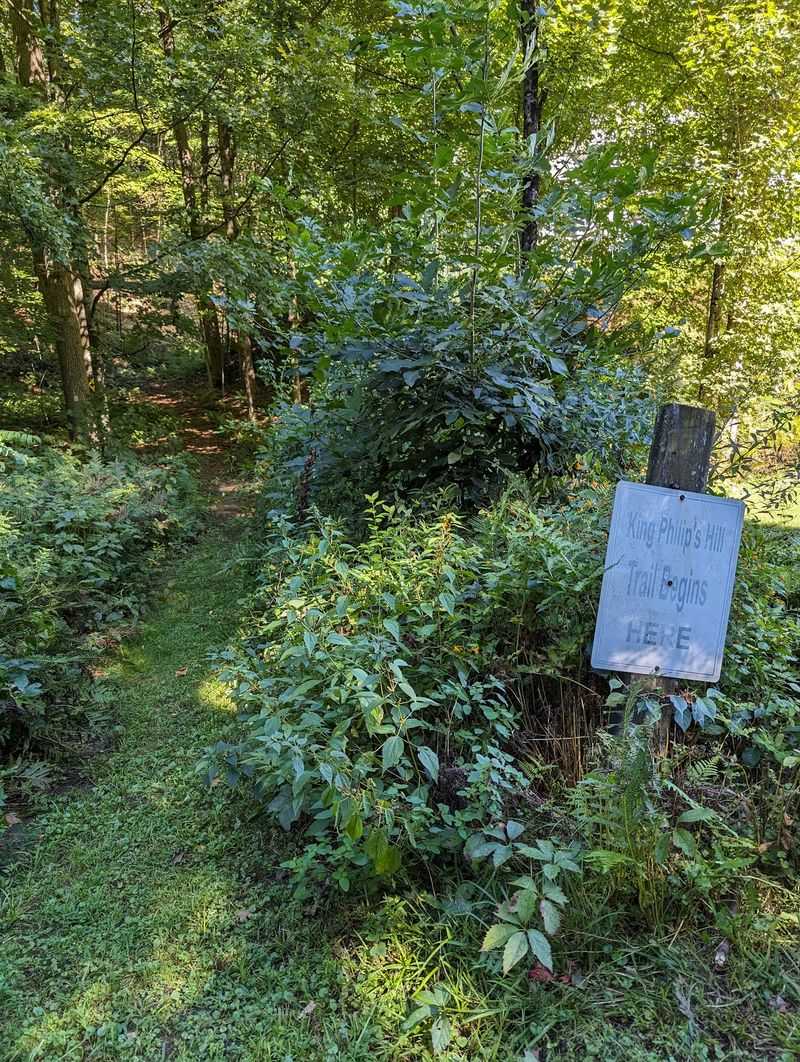
King Philip’s Hill preserves part of that story. The Wampanoag leader Metacom, known to the English as King Philip, held counsel at this site. A looped trail now runs across the hill.
Interpretive signs along the route explain what happened here and why the location mattered. Remnants of colonial-era fortifications remain visible on the ground.
The loop is manageable for most walkers and works well as a shorter outing. Reading every sign roughly doubles the time, which is exactly the point.
European settlers first arrived in 1673, and the town was incorporated in 1723. Between those dates came repeated periods of abandonment during regional conflicts. A permanent settlement finally held from 1714 onward.
Knowing that timeline changes how the hill feels. The ground beneath your boots was contested, farmed, fortified, and left behind more than once.
Bring curiosity rather than expectations. History here is layered rather than tidy, and the trail does a fair job of showing both sides of it.
Dickinson Memorial Library And The Historical Society
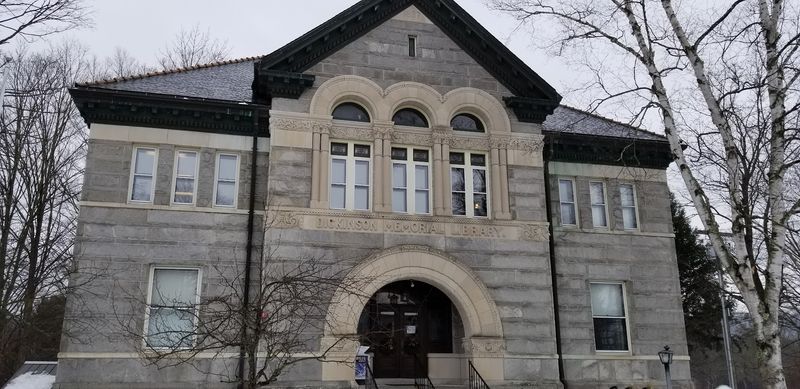
Fourteen stained-glass windows brighten a two-story brick building on Main Street. The Dickinson Memorial Library keeps its original tiled floor, which alone makes the entrance worth a pause.
Modern amenities sit comfortably alongside all that character.
Reading rooms here feel genuinely cozy rather than institutional. The light through colored glass shifts throughout the day, which regular patrons clearly appreciate.
A few streets over on Pine Street, the Northfield Historical Society handles the deeper archives. Centuries of artifacts from local families are curated and displayed there.
The combination is useful for anyone researching the area. Documents, photographs, and everyday objects fill in gaps that buildings alone cannot explain.
Check hours before making a special trip, since small-town institutions often run limited schedules. A quick phone call saves disappointment.
Both places double as community anchors. They host gatherings, answer questions, and keep the town’s memory organized and accessible.
Genealogy hunters tend to strike gold here. Family names that appear on Main Street houses and cemetery markers often show up again in the collections.
Northfield treats its own history as something worth maintaining rather than storing away. That attitude comes through clearly in both buildings, and it makes the town far more rewarding to explore slowly.
Planning Your Trip To This Franklin County Town
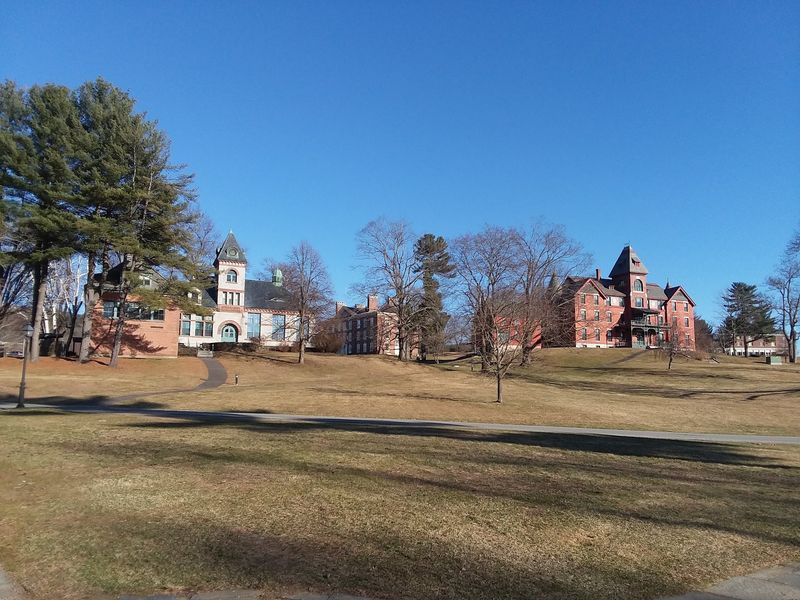
Roughly 35.4 square miles of farmland, forested hillsides, and wildlife habitat make up this Franklin County community. The 2020 census counted 2,866 residents. Space is generous, crowds are not a problem.
The town hall stands at 69 Main Street, Northfield, Massachusetts 01360, and serves as a practical reference point for orienting yourself. Most of the historic district unfolds along that same road.
Autumn is the showstopper season, with foliage across the hills and clear views from the summits. Spring brings green farmland and active birdlife.
Winter has its own case to make. Snow turns Northfield Mountain into cross-country ski country, and the quiet is remarkable.
Structures like the Schell Memorial Bridge add another layer. Built in 1903, the steel truss span once crossed the Connecticut River and has been closed since 1985, though it remains a recognized local landmark.
The Simeon Alexander Jr. House, built around 1774, is another point of interest. It survives as a well-preserved Federal-period farmhouse with original interior finishes.
Give yourself a full day, or better yet a weekend. Northfield rewards unhurried travelers, and Massachusetts has few towns that mix history and open country quite this comfortably.