
The Remote Adirondack Town So Underrated Even Most New York Locals Have Never Heard Of It
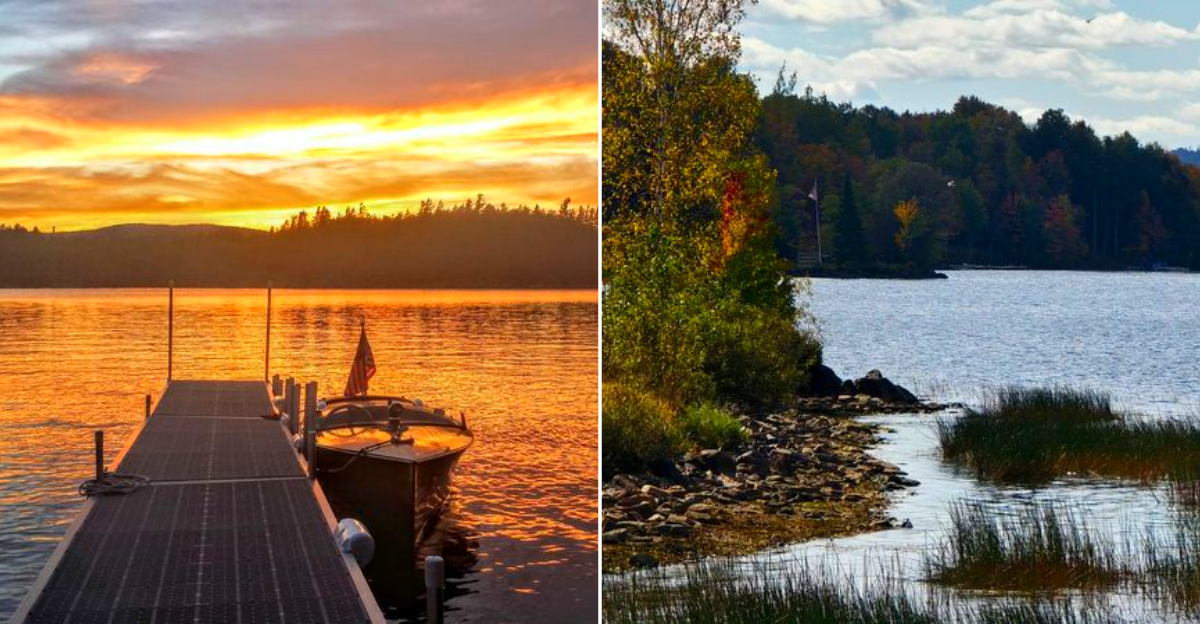
Nine miles of glacial lake, and the parking lot at the trailhead has room. That combination stopped being possible in most of this part of New York about twenty years ago.
The reason is a bottleneck. Everybody planning a trip up here types in one famous name, books it, and stops planning. A short drive west, the traffic thins to almost nothing and stays that way through August.
A natural history center sits out there pulling visitors from well beyond the park boundary, which tells you the place has genuine draw and simply lacks the reputation to match.
Then there is the sky. Dark enough at night to rank with the best in the Northeast, which in practice means you can see things overhead that people two hours south have never seen in their lives.
Seven reasons follow. The crowds picked somewhere else. That was their mistake.
A Mountain Village Where The Crowds Never Found The Map
Nobody hands out wristbands or charges for parking at the trailheads here. The Adirondack Park covers six million acres, and this particular village sits in a pocket that most travelers blow right past on their way to flashier names.
Locals call it the Crossroads of the Adirondacks. Rivers, rail trails, and highways all meet in one spot, which means the High Peaks are close without the shoulder to shoulder foot traffic.
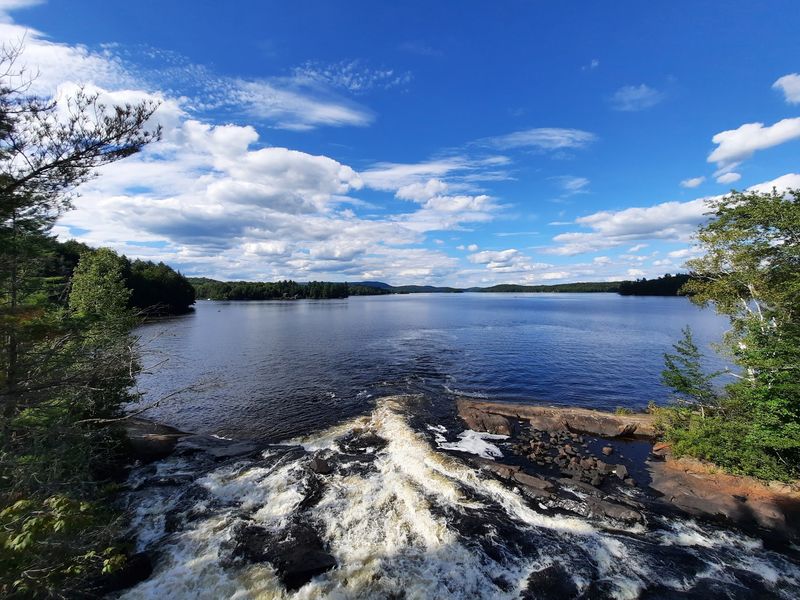
The lake itself stretches roughly nine miles, carved out by glaciers long before anyone thought to build a boat launch. Paddlers get long stretches of shoreline with nothing but pine, granite, and the occasional loon calling across the water.
Winter changes everything. Snowmobile trails thread through the woods, ice fishing shanties dot the frozen surface, and the quiet gets so complete you can hear snow settling on branches.
What really sets the place apart is the sky. Light pollution is almost nonexistent, so the Milky Way shows up like someone spilled sugar across black velvet.
Fewer crowds, bigger views, and a community that actually shows up for its own events. That combination is rarer than it should be. Spring brings mud season, when trails soften and locals quietly enjoy the emptiest weeks of the year.
Meet Tupper Lake, Franklin County’s Best Kept Secret
Franklin County holds the southwest corner where this village sits, with a mailing address of Tupper Lake, NY 12986, west of Lake Placid inside the Adirondack Park boundary.
Population hovered around 3,282 at the 2020 census. That number tells you plenty. Everyone knows the plow driver, the postal carrier, and which back road washes out after heavy rain.
Along with Saranac Lake and Lake Placid, it forms the Tri Lakes region. The other two get the magazine covers. This one gets the elbow room.
The village grew up around timber and rail, and traces of that working past still show in the architecture and the layout of the streets. Nothing feels staged for tourists.
Community spirit runs strong. Local groups organize festivals, cleanups, and seasonal celebrations, and turnout is genuinely impressive for a place this size.
Driving in, the mountains rise gradually rather than dramatically, and the lake appears through gaps in the trees like a reward for paying attention.
Bring layers no matter the month. Adirondack weather has opinions and changes them often, sometimes twice before lunch. Lodging runs limited compared with Lake Placid, so summer weekends fill up further ahead than visitors expect.
The Wild Center Turns Nature Into An Adventure
Opened to the public on July 4, 2006, this natural history center changed how people experience the Adirondacks. The idea started back in August 1998, and the organization received provisional charter approval in February 1999.
You will find it at 45 Museum Drive in the village. The campus sprawls across 115 acres, with 54,000 square feet of indoor exhibition space alone.
Inside, exhibits focus on the living Adirondack ecosystem rather than dusty display cases. Otters swim, fish glide past glass, and the whole place hums with movement.
Outside, woodland trails wander through the property. The Fen Trail includes the Raquette River Roll, and guided canoe trips launch onto the Raquette River that flows alongside the grounds.
Operating as a nonprofit, the center has run continuously since it first opened its doors. It is currently open daily, generally from 10 am to 5 pm.
July and August bring extended hours until 7 pm. From October 18th through March 30th, the schedule shifts to Fridays, Saturdays, and Sundays, with extra hours around certain holidays.
Plan on half a day minimum. You will want more.
Wild Walk Lifts You Into The Treetops
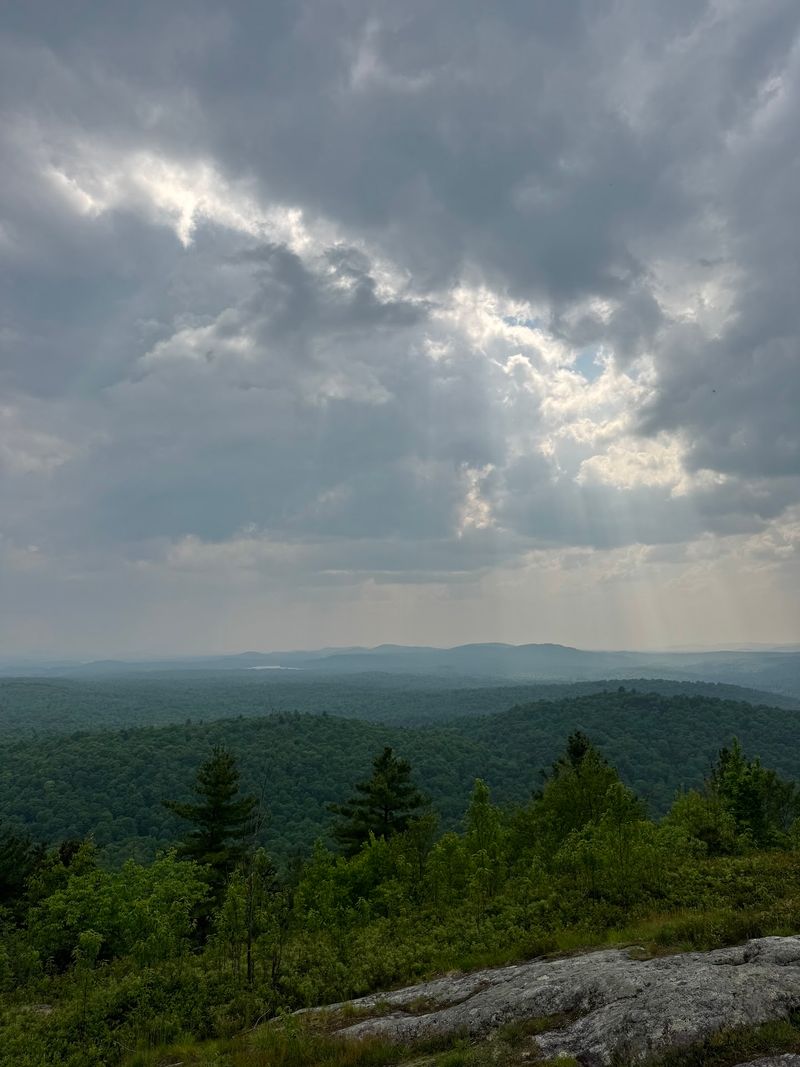
Ever wondered what a squirrel sees all day? Wild Walk answers that question with over 1,000 feet of elevated pathway that climbs into and above the Adirondack forest canopy.
Opened in 2015, the structure connects bridges and platforms at increasing heights. Each stop reveals a different layer of the woods, from trunk to crown.
A four story twig tree house anchors the route. Kids scramble up while adults pretend they are only supervising, then climb anyway.
Swinging bridges add a little wobble to the walk. Nothing dangerous, just enough sway to remind your legs they are working.
The human sized spider web might be the most photographed spot on the whole campus. Lie back in the netting and watch branches move overhead.
An oversized bald eagle nest sits near the top. Standing inside it gives you a genuine sense of scale that no photograph ever manages.
Autumn transforms the entire experience. Maples turn scarlet and gold beneath your feet, and the view stretches farther once leaves start dropping.
Wear sneakers with grip. The surfaces are solid, though rain makes wood slick anywhere.
Dark Skies That Put Planetariums To Shame
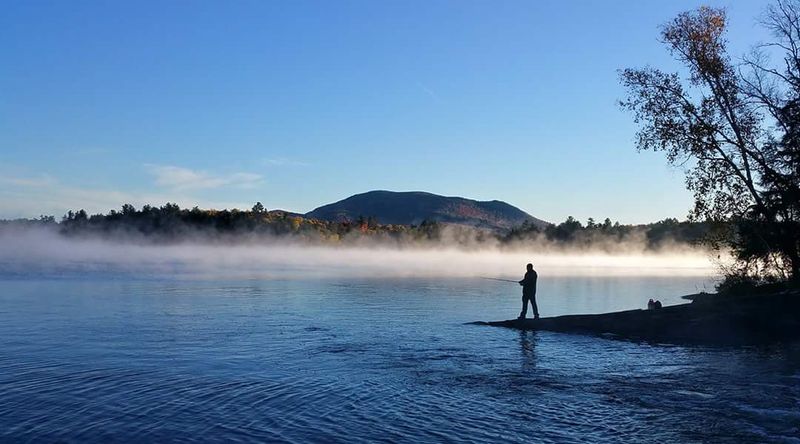
Some of the darkest night skies in the entire Northeast hang over this corner of New York. No highway glow, no stadium lights, no distant city smudging the horizon.
The Adirondack Sky Center and Observatory takes full advantage of that darkness. Telescopes here pull in detail that suburban stargazers only read about.
Saturn’s rings, the craters along the lunar terminator, distant star clusters that look like scattered salt. All of it becomes visible on a clear evening.
Even without equipment, the naked eye view stuns people. The Milky Way arcs overhead as a genuine band of light rather than a faint suggestion.
Summer offers warmer viewing sessions and longer stretches of comfortable weather. Winter delivers sharper, steadier air and crisper images, though you will want serious layers.
Check the moon phase before you go. A full moon washes out faint objects, so aim for the new moon window.
Bring a red flashlight if you have one. White light ruins night vision for everyone standing nearby, and astronomy folks appreciate the courtesy.
Look up long enough and the sky starts feeling close.
Little Wolf Beach Beats Half The Lakeshores In America
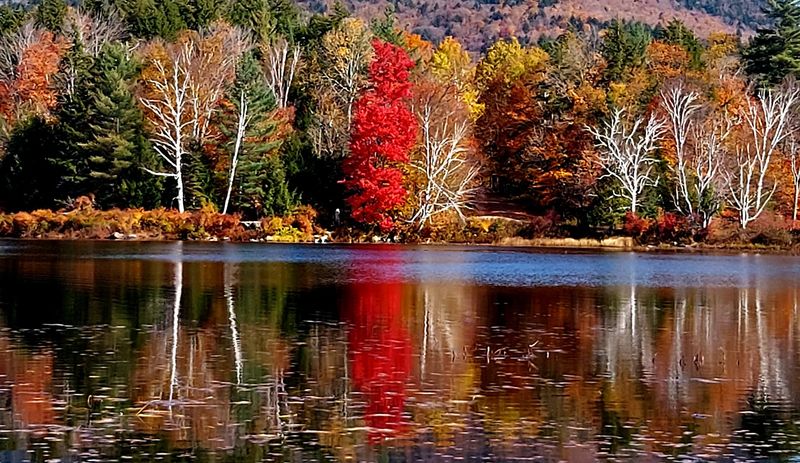
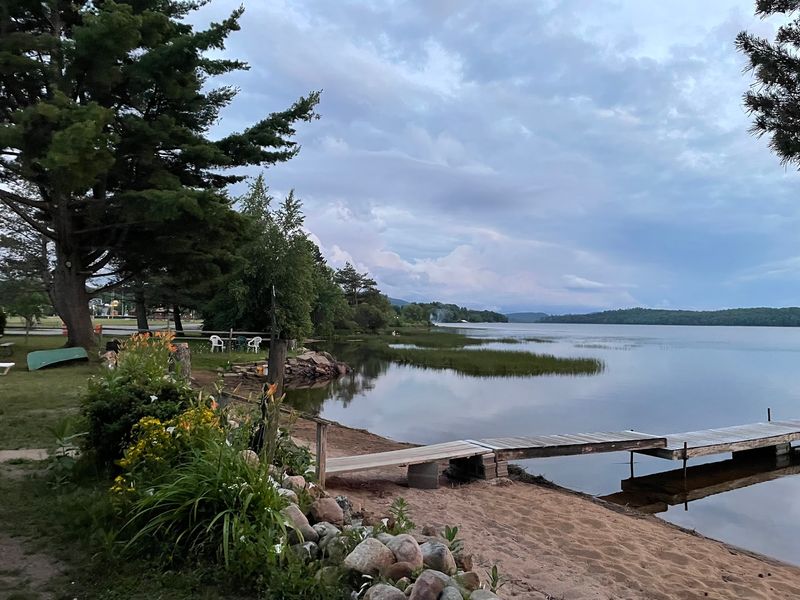
Sand this good has no business being in the mountains. Little Wolf Beach ranks among the largest and sandiest public beaches anywhere in the Adirondacks, and plenty of locals call it the town’s hidden gem.
The water warms up nicely through July and August. Shallow entry makes it friendly for younger swimmers who are still working on their doggy paddle.
Picnic areas sit back from the shoreline under shade. Pack a cooler, claim a table, and settle in for the afternoon.
Paddlers launch here too. Kayaks and canoes slip out onto calm water, and the surrounding forest keeps wind manageable most mornings.
Mornings tend to be quietest. Arrive early and you might have a long stretch of sand mostly to yourself, with mist still lifting off the surface.
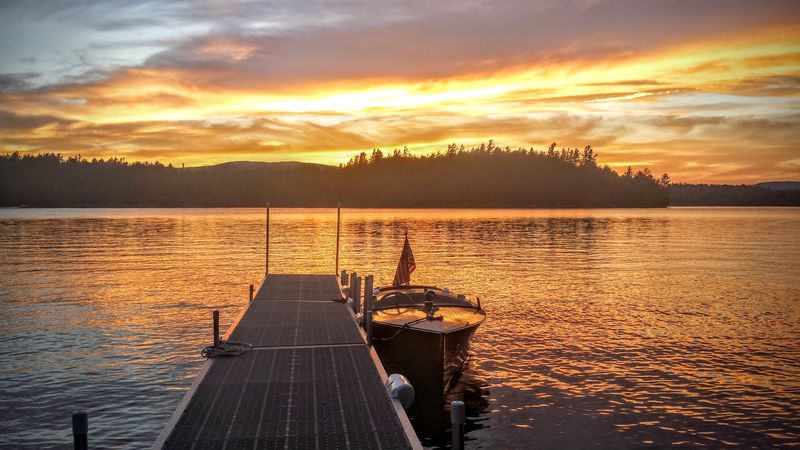
Sunsets earn their reputation. Light hits the far shore, the water turns copper, and nobody rushes to leave.
Bring bug spray for evening hours. Adirondack insects consider visitors a personal invitation, especially in June.
Compared to crowded shorelines elsewhere in New York, the space here feels almost unreasonably generous.
Coney Mountain And The Buck Mountain Fire Tower
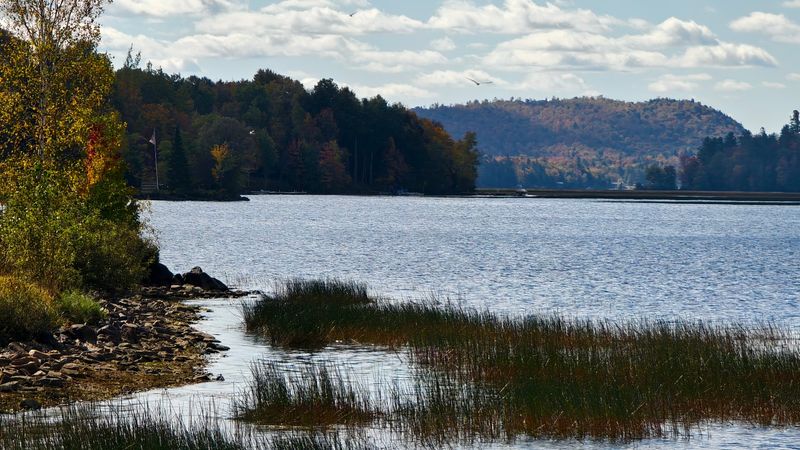
Short hikes with big payoffs are surprisingly rare. Coney Mountain delivers exactly that, a manageable climb that opens onto a bare summit with sweeping views across the Adirondacks.
The trail suits families and casual hikers. Kids handle it fine, and the reward at the top makes the effort feel like a bargain.
From the open rock, forest rolls out in every direction. Lakes glint between ridgelines, and on clear days the High Peaks stack up along the horizon.
Buck Mountain Fire Tower offers a different flavor. Climbing the tower stairs adds height above the treeline and a full circle panorama.
Fire towers once served as lookout posts for spotting smoke across the vast forest. Standing in one connects you to that history in a direct way.
Fall is the standout season. Hardwoods light up in orange and rust, and cooler air makes the climb easier on your lungs.
Carry water, snacks, and a rain layer. Mountain weather here shifts fast, and summits get breezy even in August.
Start early to beat afternoon heat and claim quiet space at the top.