
The Massive Mississippi Amish Store Where You Can Buy Handmade Furniture, Quilts, And Bulk Goods Under One Roof
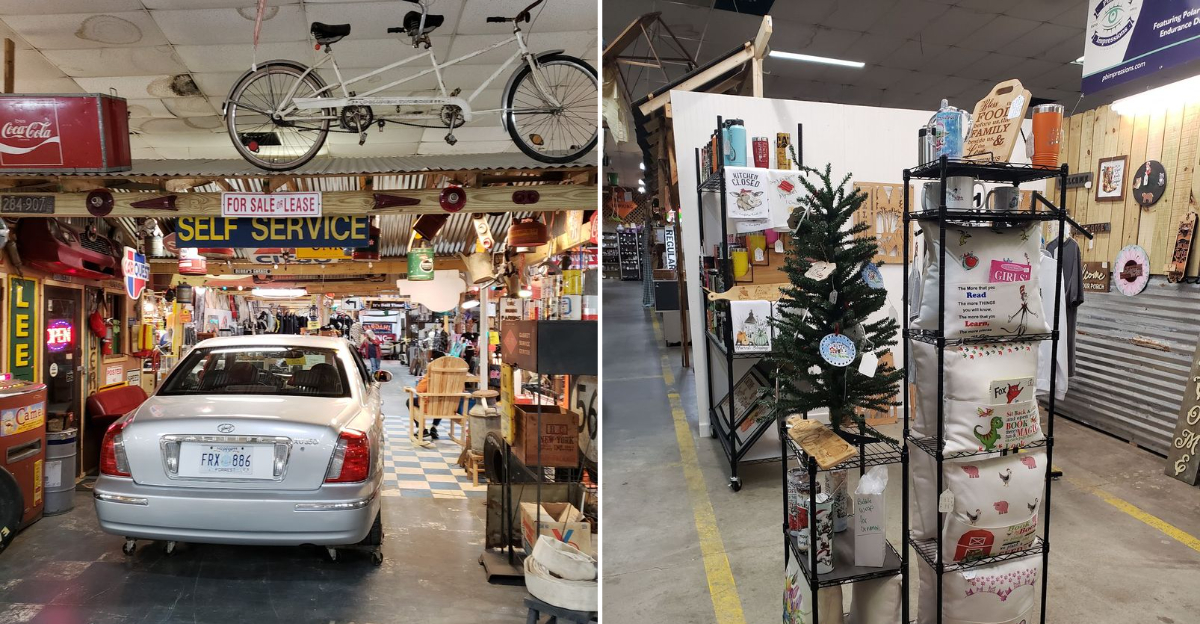
One place where you can buy nearly everything, that’s the entire idea behind this massive Mississippi Amish store. Handmade furniture fills entire sections, built the traditional way without shortcuts or mass production.
Quilts hang alongside the furniture, each one crafted by hand rather than machine. Bulk goods round out the store, offering staples most modern grocery chains stopped carrying long ago.
Nothing here gets shipped in from somewhere far away, keeping everything locally made and genuinely authentic. Regulars plan visits around specific restocking days, knowing certain items sell out fast.
Prices stay reasonable despite the craftsmanship behind every item on the shelves. This store proved that sometimes one roof really can cover everything you need.
Handcrafted Furniture Styles And Techniques
Furniture built the old way has a certain weight to it, both literally and in how it feels when you run a hand across the top. The Amish store inside this market carries handmade pieces that skip the shortcuts most mass-produced furniture relies on.
Solid wood construction is the standard here, not a marketing line. Drawer sides and bottoms are wood too, which is exactly where cheaper furniture usually gives itself away.
The joinery deserves attention. Dovetail joints lock drawers together without depending on glue and staples, while mortise-and-tenon joints hold chair legs and table frames steady for decades of use.
Hand-applied finishes give surfaces a smooth, even look that machine spraying rarely matches. Hardware tends to be high-grade, so drawers glide and hinges keep working long after the newness wears off.
Styles lean traditional and practical rather than trendy. Think clean lines, sturdy proportions, and shapes that will not look dated in fifteen years.
Every piece ends up slightly different because human hands made it. Grain patterns vary, and that variation is part of the appeal rather than a flaw to hide.
Shoppers browsing furniture here often compare it to big-box options and notice the difference immediately. Once you have seen a real dovetail, particleboard loses its charm.
Find it all at 19 Dewitt Carter Rd, Hattiesburg, MS 39401.
Varieties Of Quilts And Craftsmanship
A hand-stitched quilt carries hundreds of hours of work in it, and Amish quilters have been refining that work for generations. The handmade merchandise at this store regularly includes fabric goods, quilts among them.
Traditional patterns lean bold and geometric. Names like Sunshine and Shadow, Bars, Lone Star, and Diamond in the Square describe designs built from simple shapes arranged into striking layouts.
Wool and cotton show up most often in classic Amish quilting. Both hold color well and soften nicely with age instead of falling apart.
The stitching is where craftsmanship really shows. Quilting is typically done by hand, with tight, even rows that hold the layers together and add texture across the whole surface.
Some seams get machine-sewn for strength, which is a practical choice rather than a compromise. The decorative quilting, though, stays handwork.
Durability matters as much as looks. These quilts were made to be used on real beds through real winters, not folded in a closet forever.
Flipping a quilt over tells you plenty. Neat backing, consistent stitch spacing, and clean binding all point to careful hands.
Shoppers often buy one as a wedding gift or a family heirloom starter. A quilt like that outlasts almost everything else in the house, which makes it a strangely practical splurge.
Bulk Goods Selection And Benefits
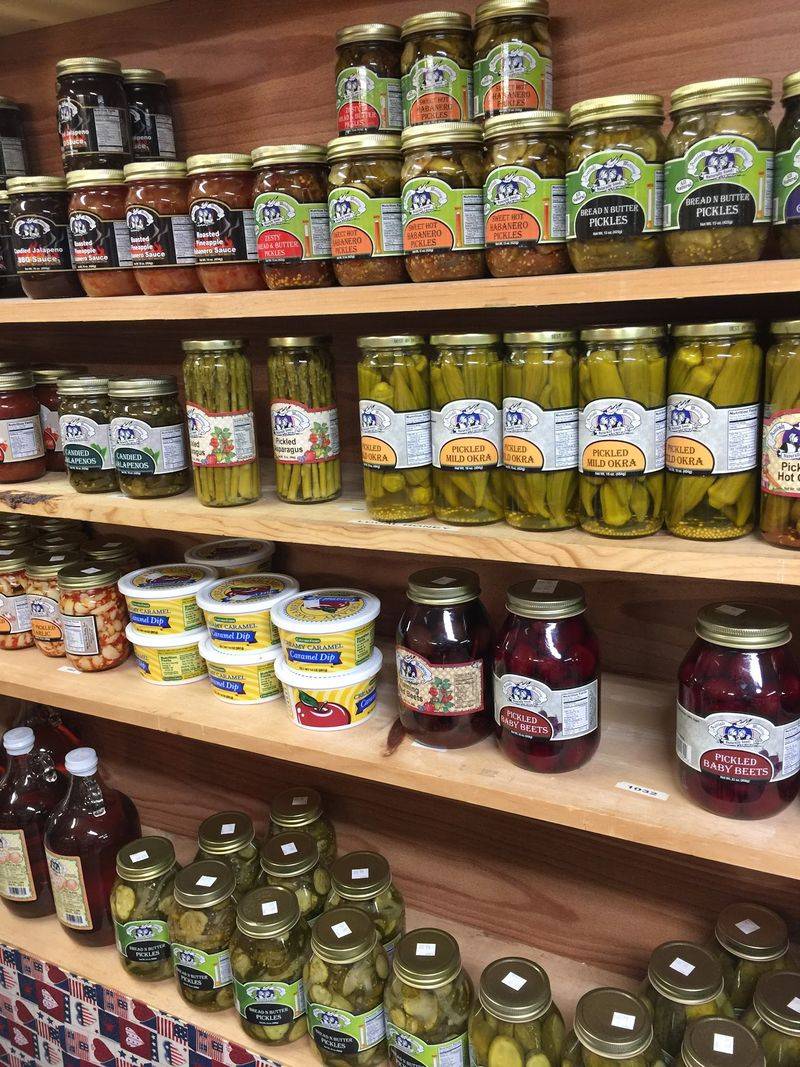
Ask anyone what they walked out with, and food usually tops the list. The Amish store keeps its shelves stocked with bulk goods and homemade items that make grocery store versions look sad by comparison.
Jarred items fill a good chunk of the space. Jams, jellies, pickles, and pickled eggs sit lined up in rows, and the labels are refreshingly short on ingredients you cannot pronounce.
The refrigerated side brings Amish butter, bacon, cheese, and sausages. Butter alone converts people, since the flavor difference is not subtle.
Baked goods rotate through as well. Bread, cookies, and pastries made in small batches tend to sell fast, which is its own kind of endorsement.
Pasta is another draw, including gluten-free options for folks who normally have to hunt. Buying dry goods in larger quantities saves trips and cuts down on packaging.
Many of these foods come from local Amish communities, so the flavor stays consistent and traditional. Recipes get passed along rather than reformulated by a lab.
Practical tip for shoppers: bring a cooler if you plan to grab dairy or meat and then keep browsing the other booths. Two hours in an indoor market is easy to lose track of.
Stocking a pantry here feels less like errands and more like a treasure hunt with snacks.
Materials And Sustainability Practices
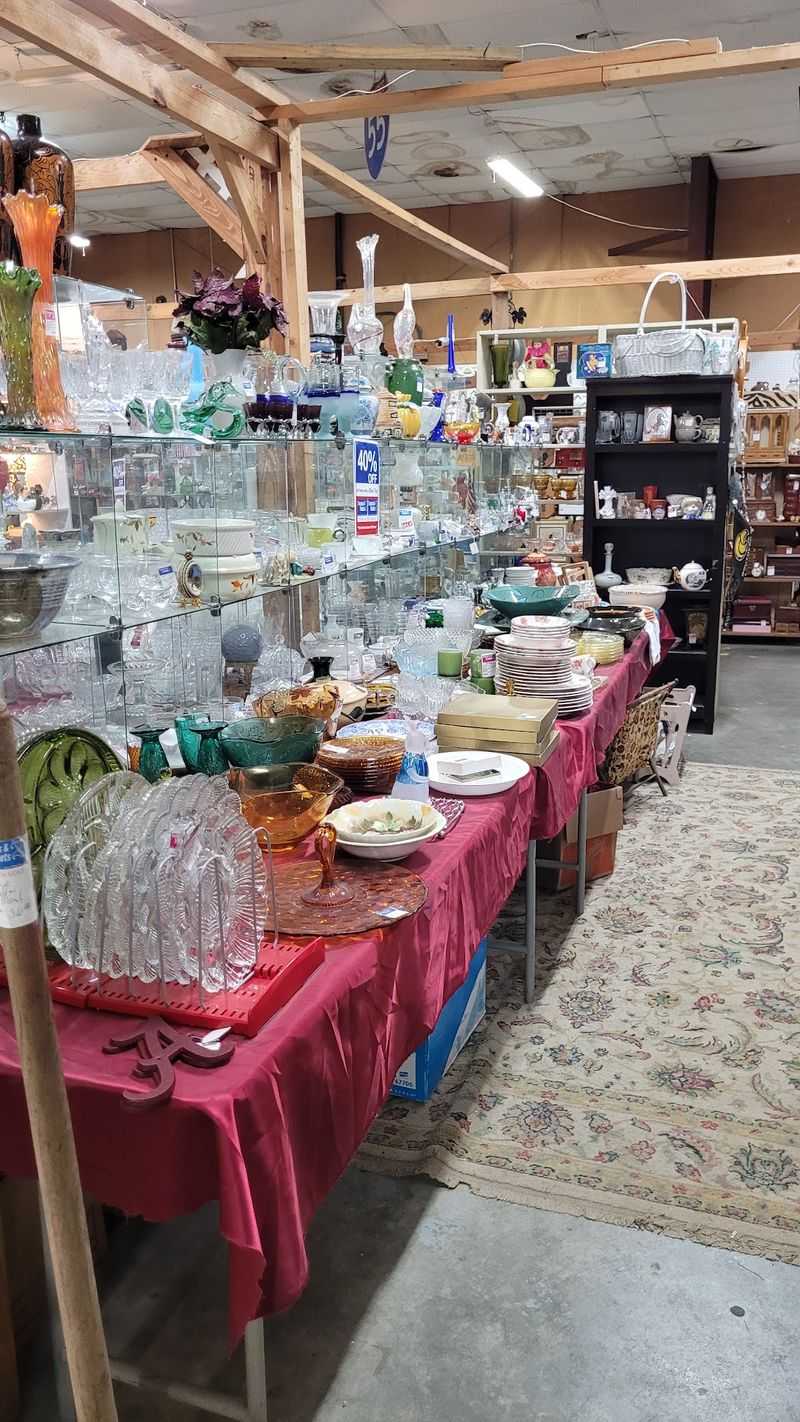
Buy something built to last thirty years and you have quietly kept thirty years of replacements out of a landfill. That logic sits at the center of how Amish goods are made.
Hardwoods do the heavy lifting on the furniture side. Oak, cherry, maple, and hickory show up regularly, chosen because they resist dents and hold finishes well.
Solid wood throughout means no hidden particleboard panels waiting to swell after one spill. Repairs are also possible, since real wood can be sanded, refinished, and rejoined.
Longevity is the actual sustainability story. A table passed down to grandchildren does more good than any label on a box.
Food products follow a similar thinking. Many are made using all natural Amish recipes, leaning on simple, wholesome ingredients rather than long chemical lists.
Small-batch production keeps waste down too. Making what will actually sell beats mass producing and discarding leftovers.
Jars and reusable containers fit naturally into this approach. Plenty of shoppers hold onto them long after the jam is gone.
There is no flashy eco campaign attached to any of it. Careful material choices and durable construction just happen to be better for the planet as a side effect.
For anyone tired of replacing wobbly furniture every few years, that quiet practicality is the real selling point.
Cultural Heritage Behind Amish Creations
Here is a fact that surprises most people: Mississippi has exactly one Amish settlement, located in Pontotoc County, and it is the only one in the entire Deep South. That makes Amish goods in this part of the country genuinely uncommon.
Families there run home businesses of many kinds. Produce and food sales, handicrafts, and woodworking all fall under that umbrella.
Simplicity, quality, and usefulness shape the whole tradition. Decoration exists, but it never gets in the way of function.
Small scale is intentional rather than a limitation. When a family makes something, their name is attached to it, and that changes how carefully the work gets done.
Skills move from parent to child instead of from a manual. A quilting technique or joinery method can be a century old and still in daily use.
That continuity explains why the products feel consistent. Nobody is chasing a trend or cutting corners for a quarterly target.
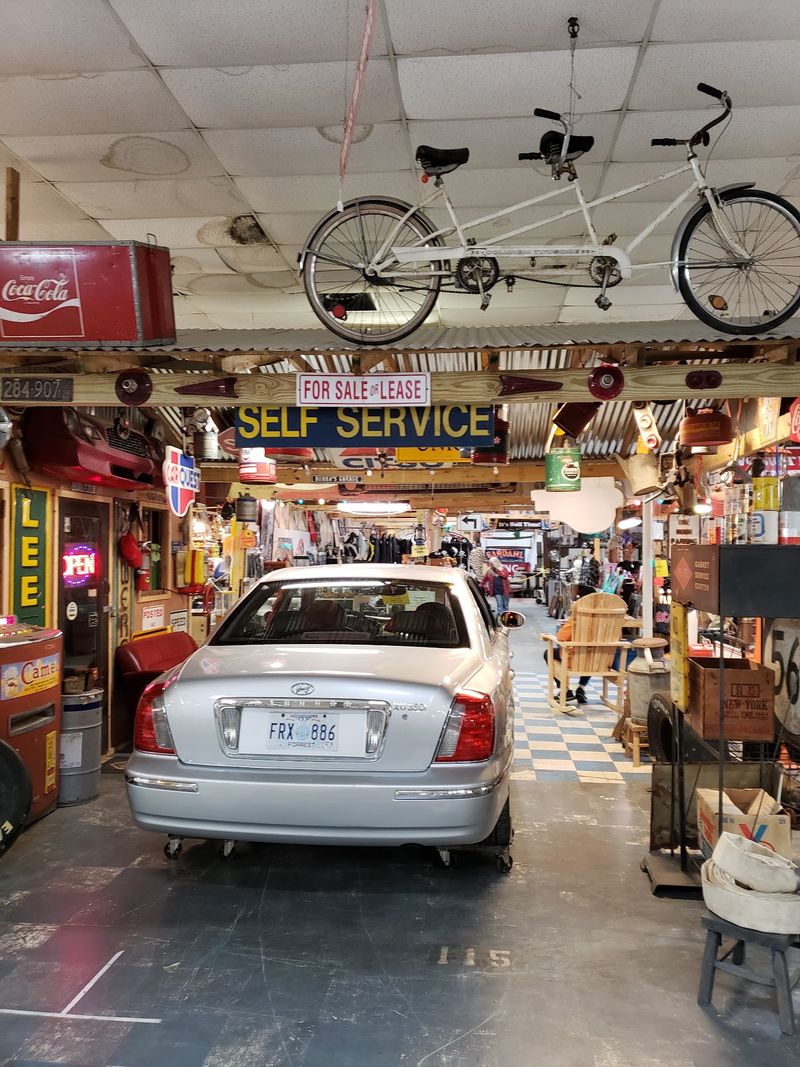
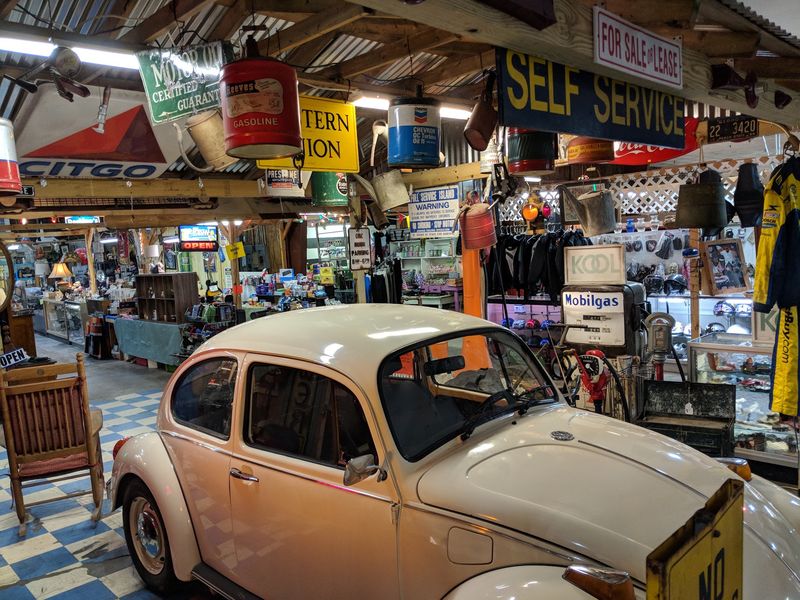
Bringing these goods into a busy Hattiesburg market creates an interesting mix. Old craft traditions sit a few steps from comic book booths and vintage gas pumps.
Shoppers get more than an object out of it. Buying a quilt or a table here connects you to a working tradition that has survived a long time without changing much.
Shopping Tips For Authentic Amish Products
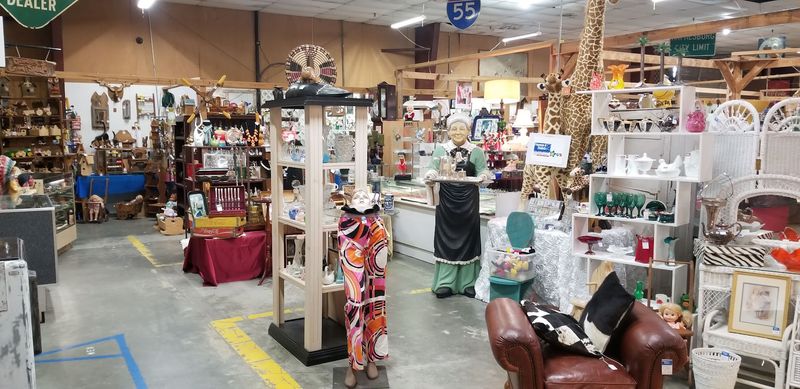
Knowing two or three questions turns you from a browser into a smart buyer. Authenticity is easy to check once you know where to look.
Start with furniture and pull out a drawer. Solid wood sides and interlocking dovetail joints signal real handwork, while stapled particleboard signals the opposite.
Check for veneers on tabletops and cabinet sides. Genuine Amish pieces use hardwood all the way through rather than thin sheets over cheap cores.
Look at chair and table joints next. Mortise-and-tenon construction holds up under years of leaning, wobbling kids, and holiday crowds.
Asking vendors directly works well. Questions about wood species, finishing methods, and who built the piece usually get straightforward answers.
For food and fabric goods, origin matters most. Many items come from small family operations with direct ties to Amish communities, so ask where things were made.
Plan your timing wisely. The market runs Friday through Sunday from 9 AM to 5 PM, and arriving early gives you room to inspect items without navigating a crowd.
Bring cash and a tape measure if furniture is on your list. Measuring your doorway beforehand saves an embarrassing conversation later.
Take your time walking the booths. The building runs much deeper than the front suggests, and rushing means missing the good stuff.
Seasonal And Limited Edition Offerings
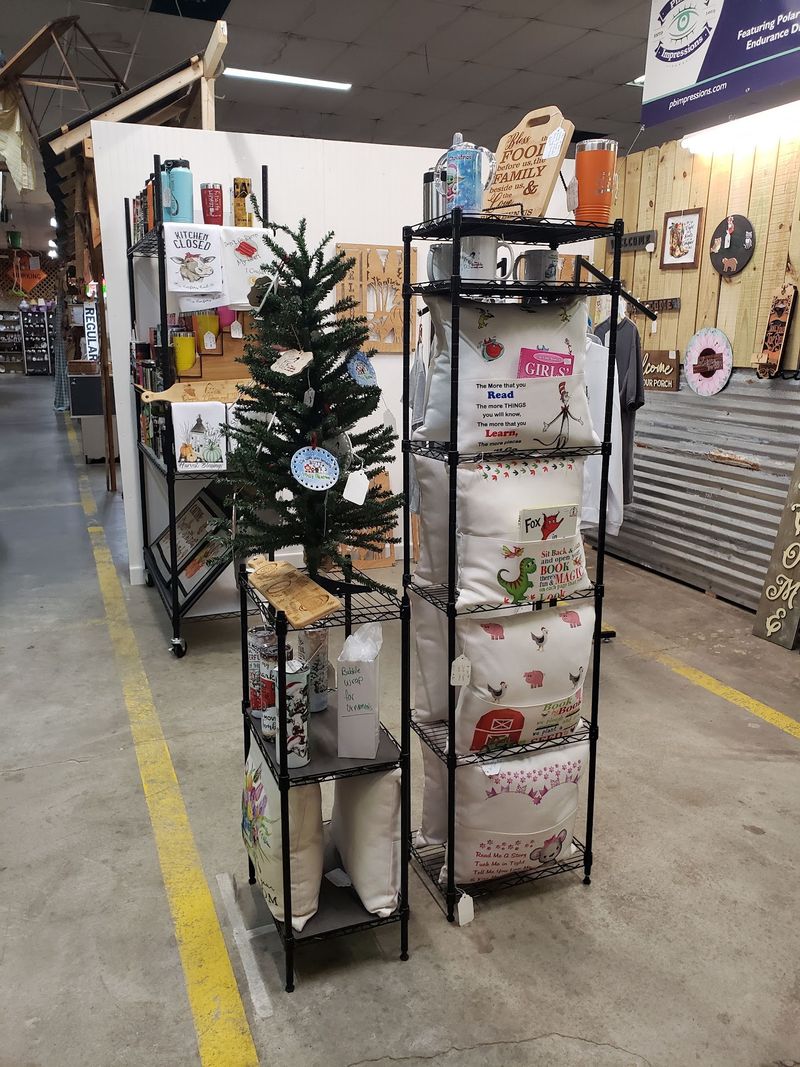
Show up in June, and the shelves look different from what they do in October. Fresh and homemade goods follow the calendar, which keeps repeat visits interesting.
Seasonal produce is common at Amish markets in Mississippi. Fruits and vegetables shift with what is actually growing, so summer and fall bring very different baskets.
Canning follows harvests naturally. Certain jams and preserves appear when their fruit is ripe and then quietly disappear until next year.
Baked goods change with the seasons too. Cooler months tend to bring heartier breads and holiday-style treats.
Nothing here is stockpiled for twelve months straight. Small-batch production means availability depends on ingredients rather than warehouse space.
That creates a friendly urgency. Spotting something unusual and deciding to grab it next weekend sometimes means missing it entirely.
Regular shoppers learn to buy doubles of favorites. Extra jars in the pantry beat waiting out a whole growing season.
Holiday weekends bring bigger crowds through the market as a whole, so the good stuff moves faster. Arriving near opening at 9 AM helps.
The rest of the market plays along with its own rotation. Vendors bring in new antiques and collectibles constantly, so no two trips look quite the same.
That unpredictability is exactly why people keep coming back with empty bags.
Community Impact And Local Craft Support
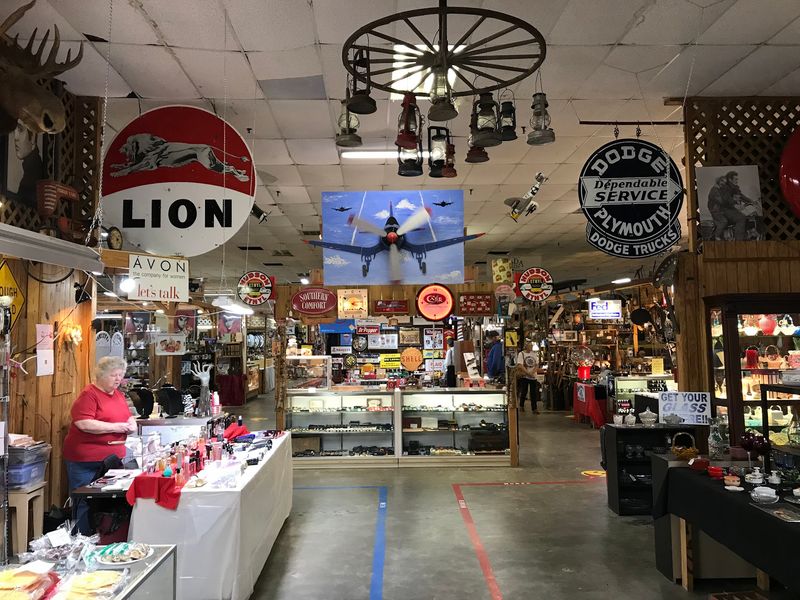
Roughly 200 vendors under one roof add up to a lot of livelihoods. The market functions as a real trade hub for South Mississippi, not just a weekend distraction.
Many of the food items in the Amish store come from local Amish communities. Every jar sold sends money straight back to the families who made it.
The building itself was clearly designed with care. Vintage signage, old gas pumps, and classic cars give the interior the feel of an old country town rather than a warehouse.
Small makers benefit enormously from a setup like this. Renting a booth costs far less than opening a storefront, and the foot traffic arrives ready to shop.
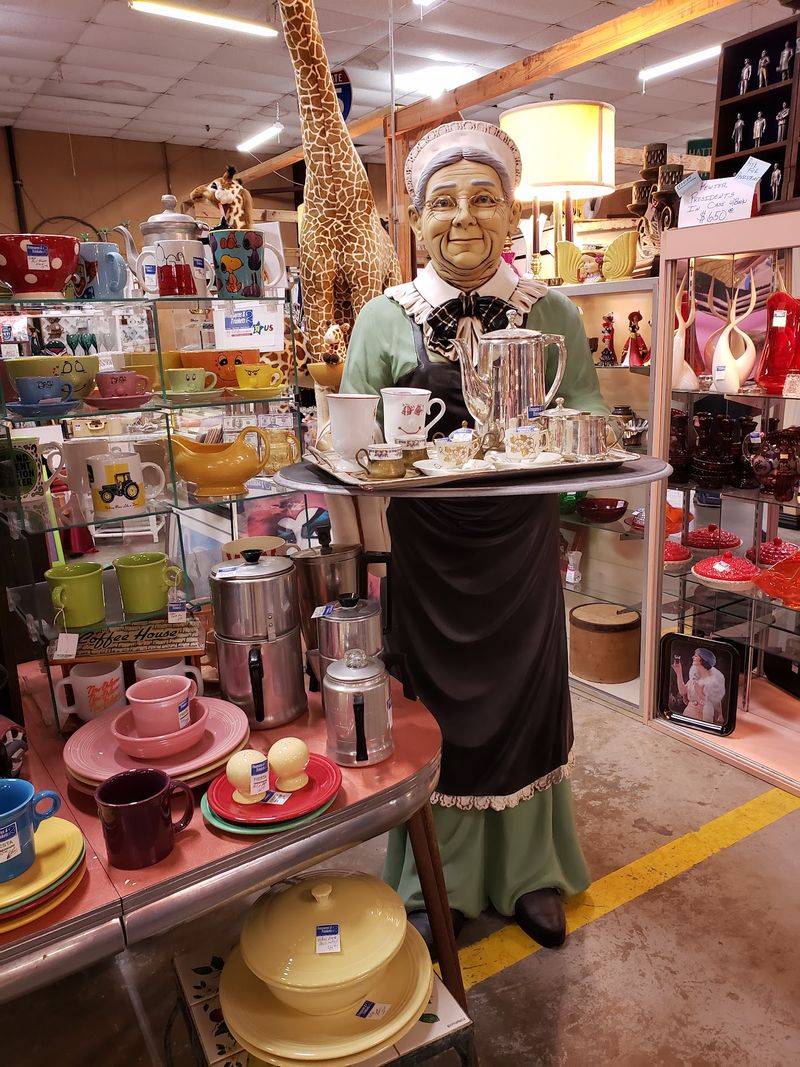
Variety keeps the crowds coming. Antiques, collectibles, comics, crafts, tools, glassware, and household goods all share the same aisles.
Food options inside and outside make it a genuine outing. A deli, a snack bar, and food trucks mean nobody has to leave hungry.
Location helps too, sitting across from the Paul B. Johnson State Park entrance just off Highway 49.
Travelers heading toward the coast stop in constantly.
Supporting handmade work here is refreshingly simple. You browse, you buy something built by an actual person, and the money stays close to home.