
This Remote Wisconsin Forest Offers A Rare Chance To Spot A Moose In The Wild
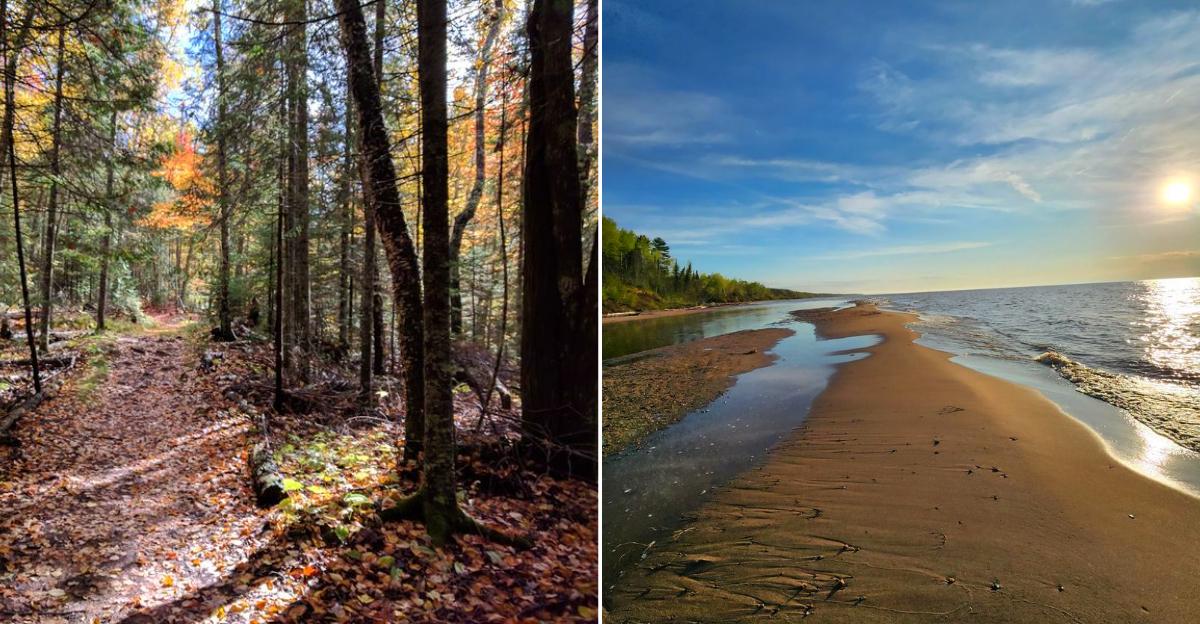
The farther north you go, the wilder the scenery gets. In Wisconsin, dark rivers curl through thick forest, balsam fills the air, and quiet stretches of water make every stop feel far removed from the usual tourist rush.
This is the kind of landscape that rewards patience. Trout break the surface, sandy river mouths open toward bigger water, and towering pines frame campsites that feel wonderfully remote.
Wildlife adds another layer of excitement. Moose sightings are never guaranteed, but the possibility alone keeps binoculars close and eyes on the tree line.
Days here can be simple in the best way. Fish, explore the shoreline, follow forest roads, or settle near the water and listen to the current move past. When darkness arrives, the trees open just enough for stars to fill the gaps overhead.
Slow down, stay alert, and enjoy a corner of the north woods that still feels genuinely wild.
Why Moose Sightings Happen Here At All
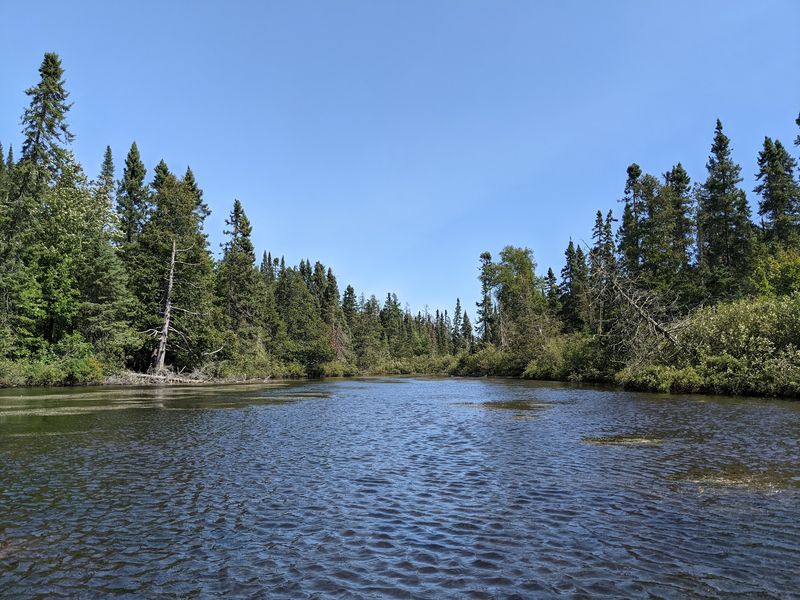
Wisconsin does not have a breeding moose herd, and that is what makes any sighting here so memorable. Moose are rare in Wisconsin, but they are occasionally documented in the state’s northern forest regions, including the Bois Brule watershed.
Douglas County sits right in the path of that movement, and Brule River State Forest happens to offer exactly the habitat a traveling moose looks for. Think cool cedar swamps, willow and alder thickets, spring-fed bogs, and long stretches of water where nobody bothers them.
Your best chance comes at dawn or dusk, when moose feed near open water and marshy edges. Drive the forest roads slowly, stop often, and scan the brush lines rather than the open road.
Keep in mind that black bears, timber wolves, otters, bald eagles, and white-tailed deer all live here too. Even on a moose-free trip, you will likely see something worth remembering.
A River That Never Feels Quite The Same
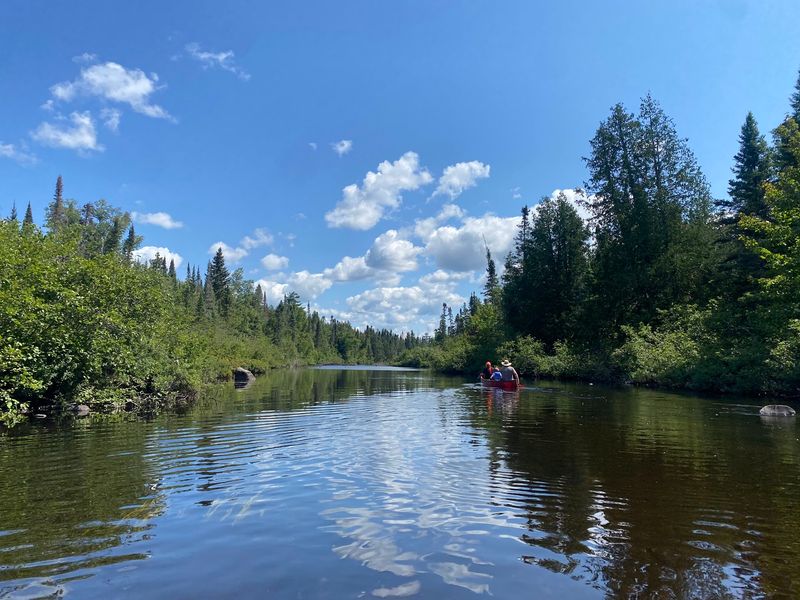
Few rivers change personality as dramatically as the Bois Brule. All 44 miles of it run inside Brule River State Forest, and the upper and lower halves barely feel like the same water.
Up in the southern section, the river slips quietly through coniferous bog country, fed by cold springs that keep it running clear and cool even in August. Paddling there feels like gliding through a green tunnel.
Then the river crosses the Copper Range and everything changes. It drops 328 feet over the final nineteen miles, tumbling across rocky ledges and cascades between steep bluffs covered in aspen and balsam fir.
That transition zone is prime wildlife territory. Moose favor the boggy upper stretches, while eagles and osprey work the faster lower water.
You can experience both halves in a single weekend if you plan your launches carefully. The upper river suits beginners and families, while the lower river demands real whitewater skill and a helmet.
Either way, the sound of moving water follows you almost everywhere in this Wisconsin forest, which is part of why it feels so restorative.
Paddling Season Is The Main Event
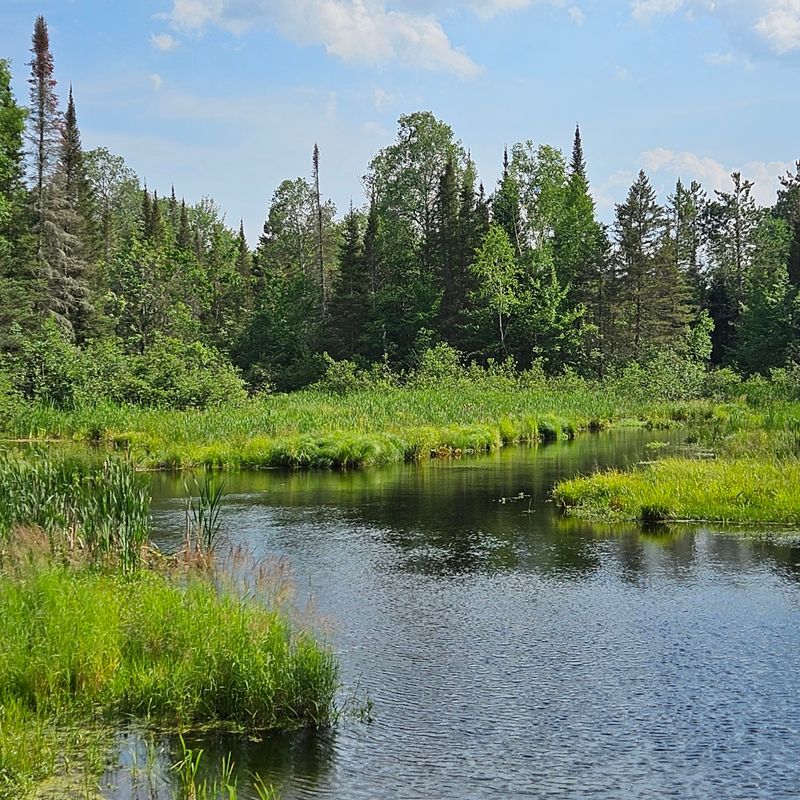
Canoes and kayaks rule here, and the numbers back it up. Paddling is easily the most talked-about activity in Brule River State Forest, and the landings are well built and simple to use.
Several access points sit along the river’s length, so you can pick a float that matches your skill and your schedule. A calm two-hour paddle upstream of the Copper Range is a great introduction.
Canoe rentals are available in the area, which saves you from strapping a boat to your roof for a long drive north. Ask about shuttle service when you book, since a one-way float beats paddling back upstream.
Early morning trips give you the quietest water and the highest odds of spotting wildlife along the banks. Moose have been seen wading in shallow bends, so keep your camera dry and reachable.
Wear shoes you can get wet, pack drinking water, and use a dry bag for anything electronic. The river is cold year-round because of those spring inflows, so layers help even in July. Check current conditions before you launch, especially during high spring flow.
Legendary Trout And Salmon Water
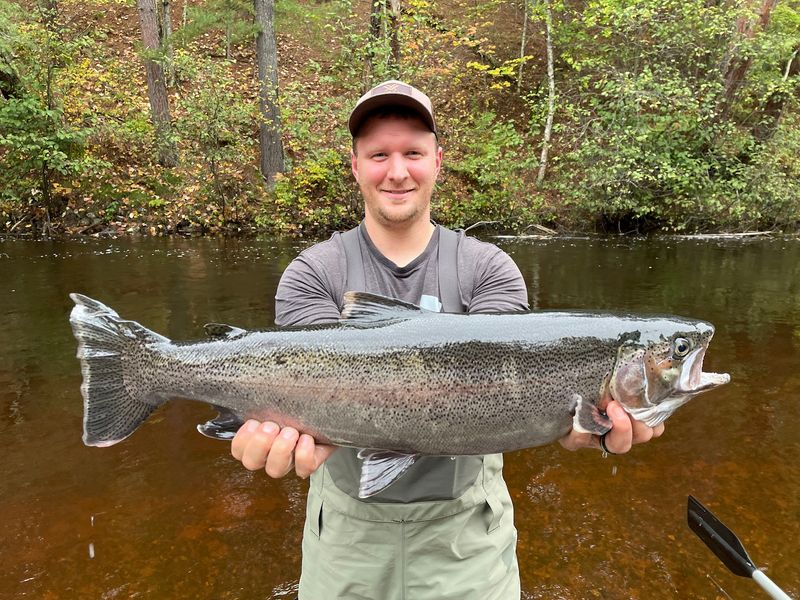
For more than a century, anglers have made pilgrimages to this river, and the reputation is earned. Resident brook, brown, and rainbow trout live here year-round in the cold spring water.
Then come the migrations. Lake-run brown trout, steelhead, coho, and chinook salmon push up from Lake Superior on their annual runs, turning quiet pools into serious fishing destinations.
Spring and fall bring the biggest excitement, with steelhead season drawing dedicated fly anglers to Brule River State Forest. Summer nights during the hex hatch are a whole different game, fished by headlamp with more patience than precision.
You will want a Wisconsin fishing license plus the required trout stamp, and you should read the current regulations closely since rules vary by river section. Wading demands caution because the bottom is rocky and the current can surprise you.
Felt-free wading boots with good grip and a staff make a real difference. So does arriving early enough to scout your water in daylight. Even if the fish do not cooperate, standing knee-deep in that dark water surrounded by red and white pines is worth the trip.
Camping Under The Pines At Bois Brule And Copper Range
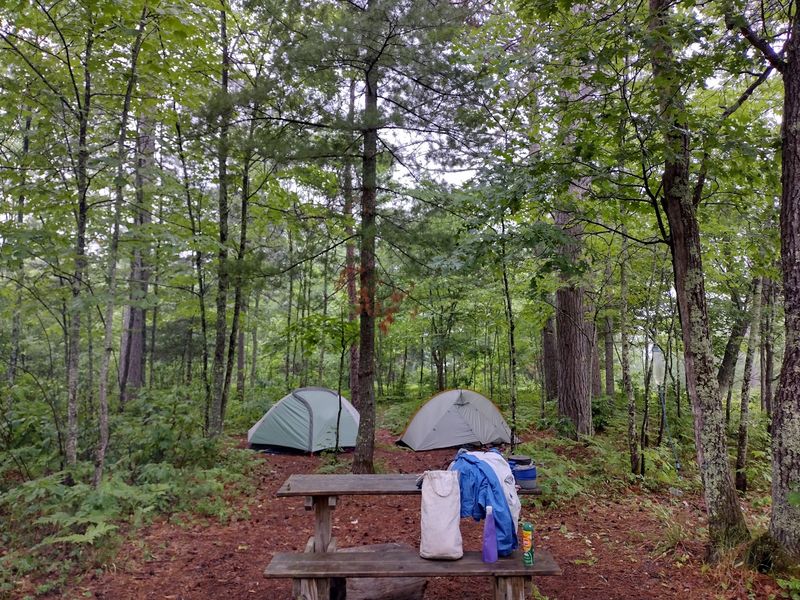
Two rustic campgrounds anchor overnight stays, and both keep things refreshingly simple. Bois Brule and Copper Range offer wooded sites with fire rings, grill tops, picnic tables, and enough space between neighbors that evenings stay peaceful.
Plan ahead on the amenities. These are rustic campgrounds with vault toilets and no showers, but each campground has a centrally located hand pump for drinking water.
Sites tend to be rocky and graveled, which matters if you are staking a tent. A small camping mallet can make pitching a tent easier.
Copper Range has canoe access down a short path, and walk-in sites at Bois Brule sit closest to the water. Reservations are strongly recommended, especially during fall color weekends.
Firewood is sold in town rather than at the campground, and the village of Brule sits under two miles away, close enough for a supply run by bike.
Nights here get genuinely dark, and the star viewing between the pine tops is excellent. That same darkness and quiet is what makes early morning wildlife watching in Brule River State Forest so productive.
Stony Hill Nature Trail And Other Walks Worth Your Boots
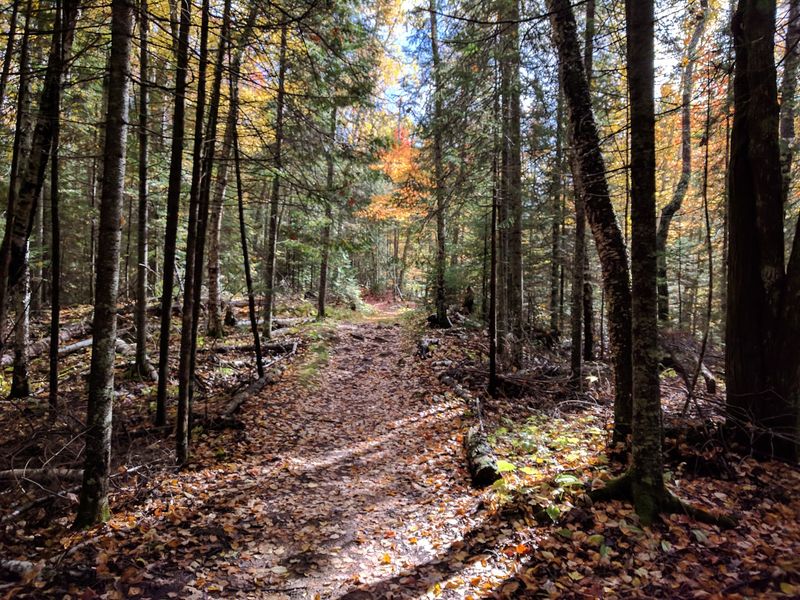
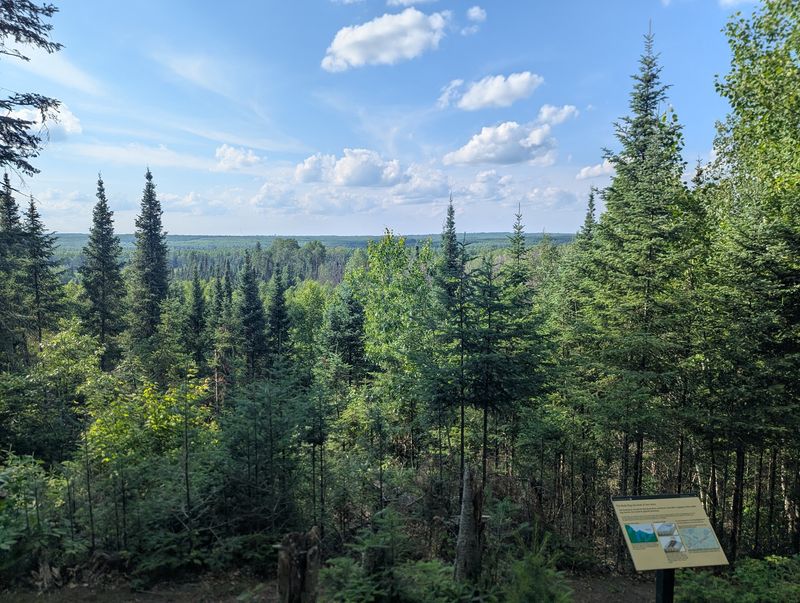
Short and sweet describes the Stony Hill Nature Trail, a 1.7-mile loop that climbs to an overlook through mixed northern forest. Tree growth has filled in much of the view over the years, but the walk itself is pleasant and easy.
The trail begins at the Bois Brule Campground, across Ranger Road from the campground area.
You will find the main forest headquarters at 6250 S Ranger Rd, Brule, WI 54820, which makes a smart first stop for maps and current trail conditions. A picnic area with tables, grills, shade trees, and a canoe launch sits nearby in a small loop with limited parking.
Several other short trails and segments of the North Country National Scenic Trail cross Brule River State Forest, though some routes get overgrown in midsummer. Bring insect repellent, wear long sleeves, and check in before committing to a longer route.
Winter turns these same paths into quiet snowshoe country.
Where The River Meets Lake Superior
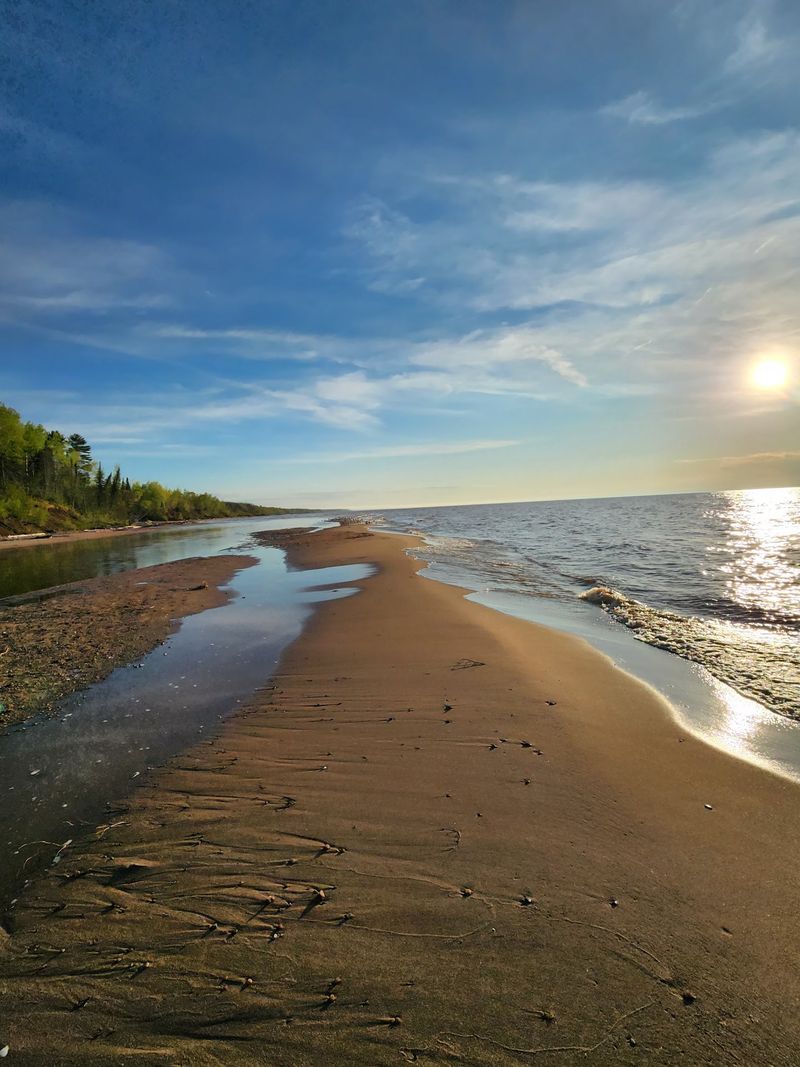
The meeting point of the Bois Brule and Lake Superior is one of the most striking scenes in the whole state. Stained brown river water spreads out into cold blue lake water, and a sandbar separates the two like a natural walkway.
Walking that sandbar out toward the small delta is a simple pleasure you will remember. Bring a windbreaker, because the lake generates its own weather and it can be twenty degrees cooler at the shoreline.
Brule River State Forest includes lakefront acreage along Superior, so the shoreline access here is protected rather than developed. A short drive from Copper Range gets you to beach-like areas where you can stretch out and watch the horizon.
Shorebirds, gulls, and eagles work this area constantly, and it is a good spot for spotting mergansers and other waterfowl. Lake Superior stays frigid year-round, so treat swimming with respect and keep an eye on children near the current at the river mouth.
Sunset here, with the sandbar glowing and waves rolling in, is a fitting end to any day spent exploring northern Wisconsin.
Planning Your Visit For The Best Odds And The Best Views
Timing shapes everything about a trip up here. Gates are open daily from 6 AM to 11 PM, which conveniently covers both the dawn and dusk windows when wildlife moves most.
Late spring brings powerful river flow and excellent birding, while summer means warm paddling days and wild raspberries growing along the campground edges. Autumn delivers the color show, with aspen gold layered against dark conifers.
Winter has its own appeal, especially the Stony Hill loop under fresh snow. Fewer people, more tracks in the snow, and a stillness that is hard to find anywhere else in Wisconsin.
Practical notes worth remembering: a state park vehicle admission sticker is required, pets are welcome but must stay leashed, and cell service is spotty. Download maps before you arrive.
The nearby Brule State Fish Hatchery is part of the area’s fisheries story, but check its status before planning a visit.
Brule River State Forest asks a little more self-sufficiency than a typical park, and that trade-off is exactly what preserves its wild character. Come prepared, move slowly, watch the brush line, and let this stretch of northern woods surprise you.