
The Mississippi Town Where Black Bears Have Been Spotted And Most People Have No Idea
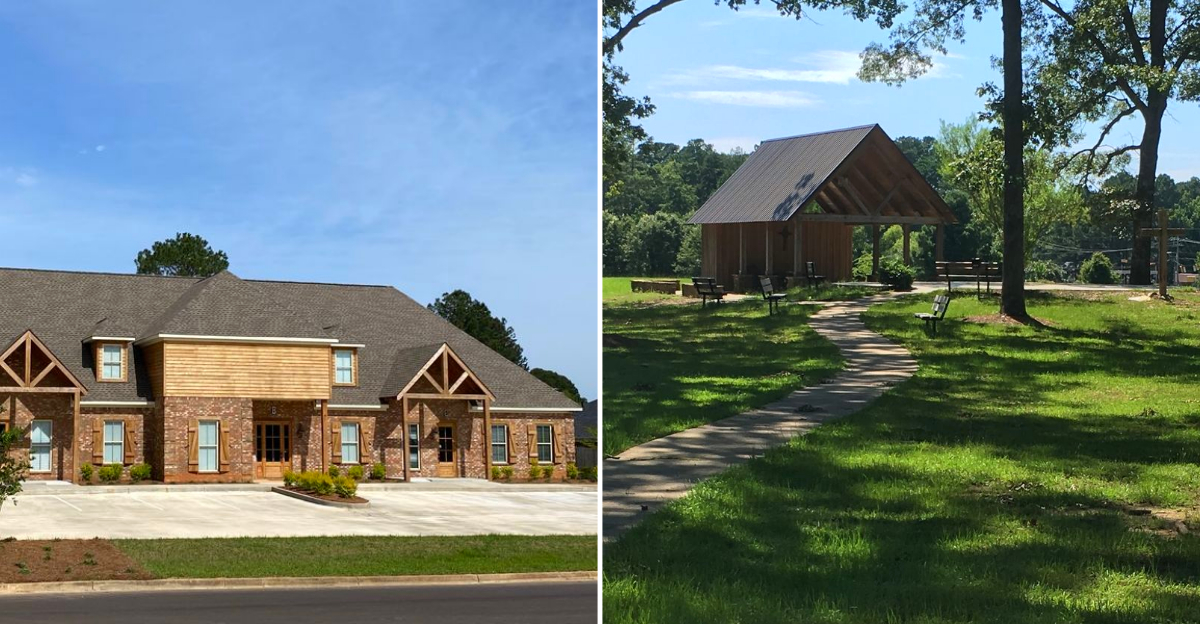
Bears turn up on residential streets here, caught on home security footage and called in to police during recent summers.
That is not a rumor passed around at a gas station. It is a documented pattern in a Mississippi suburb where the wildlife occasionally outranks the traffic in terms of what people talk about.
Drivers pass through without a clue. Behind the ball fields there is a tree line, and something shaggy has been standing in it more than once.
The species nearly disappeared from this state, which makes every sighting a small piece of a comeback story rather than a scare.
What follows covers what has actually happened, why it matters, and what to do if one of these neighbors wanders into your yard some evening.
A Quiet Suburb With A Wild Secret
Neighborhood streets in central Mississippi rarely come with a wildlife plot twist. Yet one town east of Jackson has quietly joined the short list of places where a black bear might amble past the mailbox. Word travels fast, though plenty of locals still have no clue.
Sightings have picked up in recent summers, and they are not tall tales. Home security cameras have caught the proof. Police have responded to calls about a bear strolling through a residential block before dawn.
What makes it fascinating is how ordinary the setting looks. Brick homes, trimmed lawns, ball fields, a busy grocery run. Add one shaggy visitor and the whole picture shifts.
Wildlife officials are not alarmed, and neither should you be. Black bears here are shy, cautious, and far more interested in leftovers than in people. They tend to move through, sniff around, and vanish into the tree line.
Curiosity, not fear, is the right response here. Bring binoculars and a healthy respect for distance.
The real story is bigger than a single animal. A species that nearly vanished from the state is finding its footing again. Watching that happen from a front porch is a rare kind of privilege.
Meet Brandon, Seat Of Rankin County
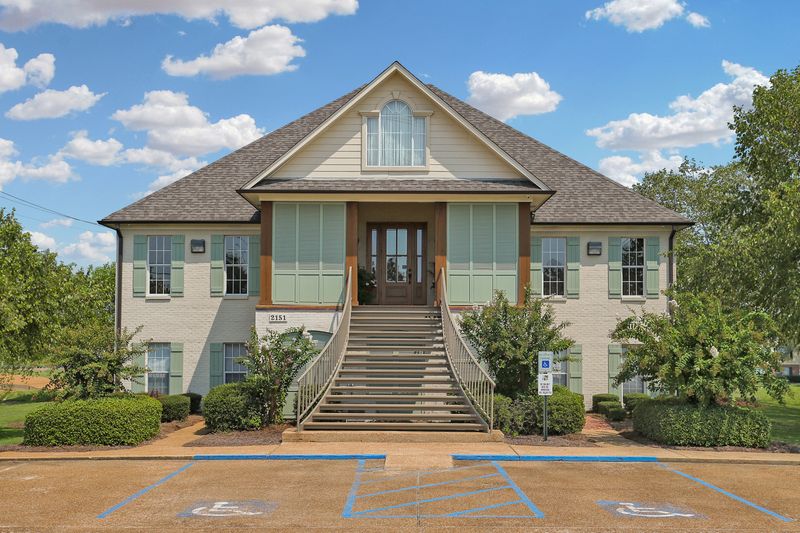
Brandon anchors Rankin County as its county seat, sitting east of Jackson along Interstate 20. The city was incorporated on December 19, 1831, which makes it older than most of its neighbors. Around 25,138 people called it home at the 2020 census.
Downtown keeps a courthouse square feel, with the Rankin County Courthouse at 211 East Government Street holding the center of gravity. Shops, offices, and a slow pace ring the block. It feels like a place where folks still wave from trucks.
Growth has been steady, and the city has leaned into it. The Brandon Amphitheater draws big touring acts to Shiloh Park. Ball fields, walking trails, and quiet subdivisions fill in the rest.
Woods and water sit close by on every side. The Pearl River bottomlands and the Ross Barnett Reservoir are short drives away. Green corridors run right up against backyards.
Visitors usually come for music, youth sports tournaments, or a quick stop off the interstate. Few arrive expecting a wildlife story. Rankin County keeps a few surprises in its pocket.
That mix explains the bear headlines better than anything else. A growing suburb pressed against thick timber will eventually meet its neighbors. Brandon simply got to meet one of the shaggiest.
Camera Footage On Northshore Parkway
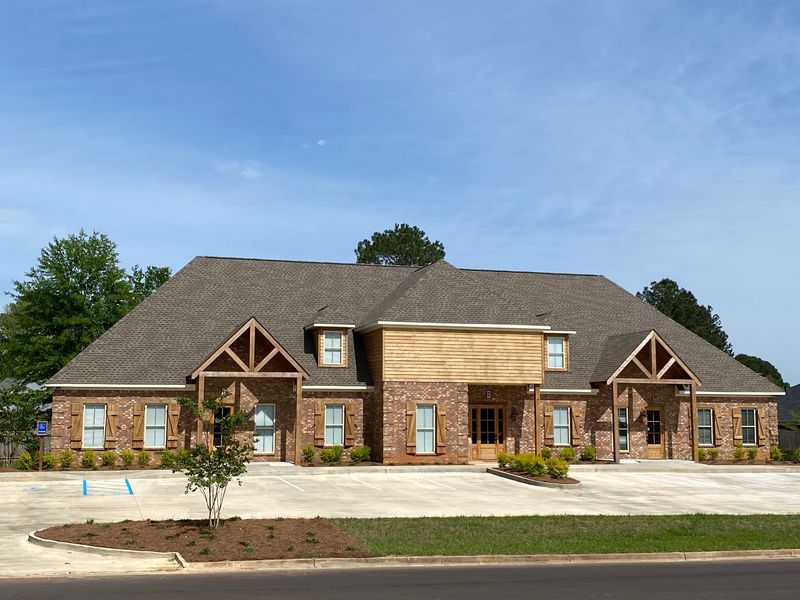
Security systems were built for package thieves, not bears. One camera on Northshore Parkway recorded a black bear crossing through in the middle of a summer night. The clip spread through local feeds within hours.
Footage like that does something a rumor never can. It removes doubt. Neighbors who shrugged off earlier reports suddenly started checking their own recordings.
The bear in the video moved the way most do. Head low, nose working, pace unhurried. No charging, no fuss, no interest in the house behind the lens.
Doorbell cameras have quietly become useful wildlife tools across Mississippi. Biologists get timestamps, direction of travel, and a rough size estimate. All of that helps track how bears move through developed land.
If you own a camera in a wooded subdivision, keep the clips. Save the file before it cycles out of storage. A thirty second video can be worth more to researchers than a dozen phone calls.
Also, resist the urge to go outside and film in person. Cameras are patient. People with phones tend to get too close.
Curiosity is fine. Distance is better. The best bear footage is the kind nobody had to run from.
Let the technology do the watching.
A Bear Walks 2nd Street N
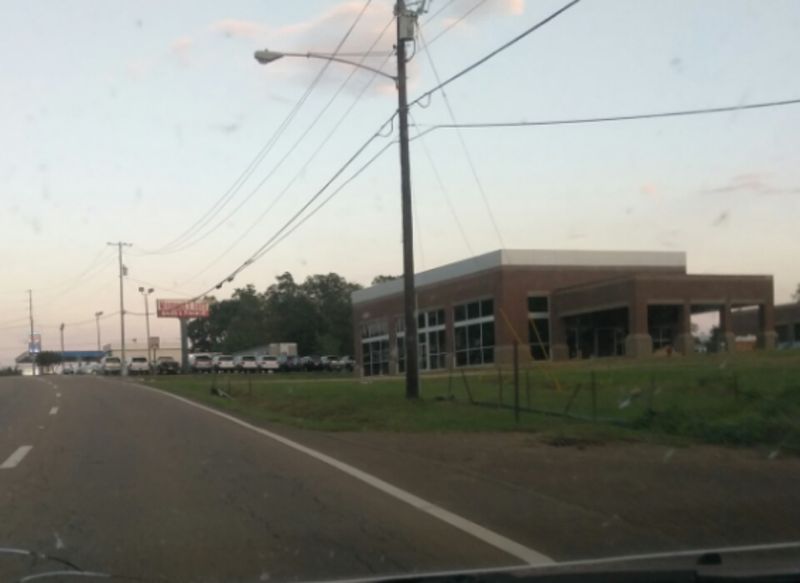
Police calls in a suburb usually involve traffic or lost dogs. One summer morning brought something rarer to 2nd Street N, where a black bear was reported moving along the roadway. Officers responded, kept watch, and gave the animal room.
Response like that is exactly right. Bears in town want an exit, not a confrontation. Crowds and noise only make the situation harder for everyone.
Residents were asked to stay indoors while the bear worked its way back toward cover. No one was harmed. The visitor moved on, as bears almost always do.
Word of the sighting spread quickly, though many residents heard nothing at all. Bear news travels unevenly in a growing city.
Street sightings tell biologists something useful. Bears use roads, creek beds, and greenways as travel lanes. A bear walking pavement is usually passing through, not settling in.
For anyone living nearby, the takeaway is simple. Keep pets inside during early morning hours if a bear has been reported. Give the animal a clear path and it will take it.
Rankin County handled the moment with more calm than drama. That says something good about the place. A town that respects its wildlife tends to keep it around.
Young Males And Their Summer Walkabout
Teenage bears have wanderlust, and biologists have known it for years. Young males leave their mother’s range in late spring and summer, hunting for territory of their own. That search can carry them dozens of miles into unfamiliar country.
Most central Mississippi sightings involve exactly that kind of traveler. He is lean, curious, and a little lost. He is also the most likely bear to end up on a parkway camera.
Habitat loss pushes the pattern along. Timber gets cleared, subdivisions expand, and travel corridors narrow. Bears follow the green they can find, even when it runs behind a fence line.
Flooding plays a role too. High water in river bottoms sends bears looking for dry ground. Pearl River swells have moved plenty of wildlife toward higher and busier places.
Understanding the why takes the fear out of the story. A young bear on a residential street is not hunting anyone. He is looking for food, space, and a route out of the neighborhood.
Females stay closer to home, which is why they show up in town far less often.
Give him a week and he will likely be miles away. Bears on walkabout rarely linger. The wandering is the whole point.
From Nearly Gone To Slowly Growing
Mississippi once held black bears in nearly every county. Heavy logging and unregulated hunting changed that by the early twentieth century. By the 1930s the population had collapsed to a handful of animals.
Recovery took decades of patient work. Habitat restoration, legal protection, and reforestation gave bears room to return. Animals also drifted back in from Louisiana and Arkansas.
Current estimates put the statewide population between 150 and 300 bears. That number is small, but it is climbing. Each confirmed sighting adds a data point to the picture.
Rankin County sits in the middle of that expansion. Central Mississippi has logged more reports in recent years than it did for most of the last century. Growth like that is a conservation win, even when it startles a homeowner.
Fun fact for the trivia lovers. Two subspecies roam the state, the American black bear and the Louisiana black bear. Both look nearly identical to the untrained eye.
Conservation moves slowly, then all at once. Patience paid off here.
Seeing one in a suburb is a strange kind of milestone. A century ago the odds were close to zero. Today a security camera in a subdivision might catch history walking by.
Calm Beats Panic In A Close Encounter
Meeting a bear on foot is unlikely, though it pays to know the playbook. Stop where you are and give the animal space. Running triggers a chase instinct in almost every wild species.
Back away slowly while facing the bear. Speak in a steady voice so it knows you are human. Most bears will leave the moment they understand what you are.
Making yourself look larger helps. Raise your arms, stand tall, and stay together if you are in a group. Bears read body language better than words.
Never approach for a photograph, no matter how tempting the shot. Zoom lenses exist for a reason. Fifty yards of distance keeps everyone comfortable.
If a bear stands on its back legs, it is usually gathering information. Standing is curiosity, not aggression. Let it look, then let it go.
Keep dogs leashed on trails around the reservoir and the river bottoms. An off leash dog can bring a bear back toward its owner. A short leash prevents a long problem.
Black bears in Mississippi have no record of unprovoked attacks on people. Odds stay in your favor.
Report the encounter once you are safely away. Details help wildlife staff far more than guesswork does.