
This Is One Of Kentucky’s Most Remote Towns Where Many Locals Rarely Travel Beyond The County
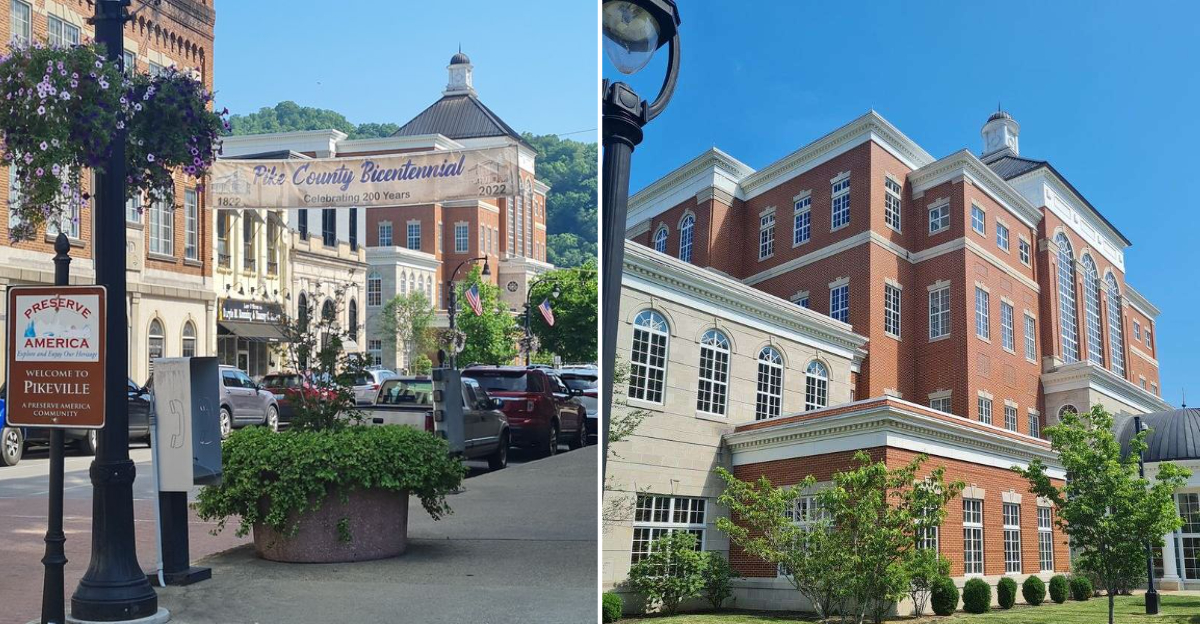
Some places are so isolated that it’s almost surprising they’ve managed to survive to this day. This Kentucky town fits that description, where many locals rarely travel beyond their own county lines.
Roads leading in wind through terrain that discourages casual visitors from ever stumbling upon it by accident. Cell service drops out well before reaching the town center, a detail longtime residents barely notice anymore.
Nearest grocery stores and hospitals sit far enough away that planning ahead becomes second nature here. Population numbers stay small, sometimes barely reaching a few hundred people across the entire area.
Locals seem to prefer it that way, valuing quiet over convenience most other places take for granted. This town remains one of the most isolated corners of the state, and that isolation is exactly the point.
Geographical Features Defining Remoteness
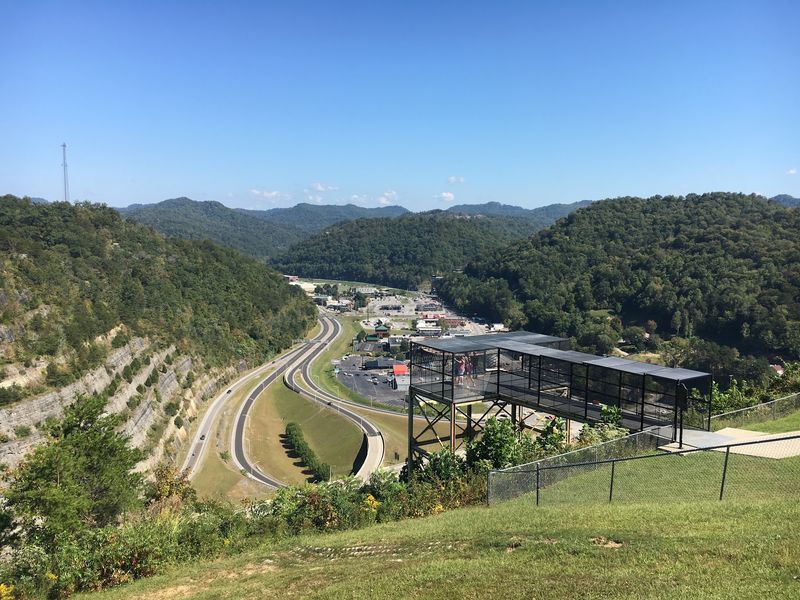
Picture a city wedged into a valley so tight that engineers decided the mountain had to go. That is not an exaggeration.
Pikeville sits along the Levisa Fork of the Big Sandy River, deep in the Appalachian Mountains, where steep ridges rise on nearly every side.
The famous Pikeville Cut-Through changed everything. Crews sliced through Peach Orchard Mountain, rerouted the river, and moved U.S.
Route 23 to a new path. Work wrapped up in 1987 after years of digging.
It ranks among the largest earth-moving projects in the Western Hemisphere, right up there with the Panama Canal in terms of sheer dirt relocated. The goal was practical rather than showy.
Floods kept swamping downtown, and the city had nowhere left to grow.
Now the cut serves double duty as a landmark and an overlook. Visitors can stand above it and watch trains, trucks, and river water all moving through the same gap in the rock.
Steep terrain still shapes daily life here. Neighborhoods climb hillsides, driveways tilt at alarming angles, and flat ground remains a prized commodity.
That geography explains a lot about why people stay close to home. When mountains wall you in, the county starts feeling like a complete world.
Community Traditions And Daily Life
Every April, downtown turns into something between a parade, a carnival, and a family reunion with thousands of extra cousins. Hillbilly Days has been running since 1977, and it started as a fundraiser for Shriners Children’s Hospital.
That charitable purpose never went away.
Music spills from multiple stages. Carnival rides light up the streets, food vendors line the sidewalks, and the parade features some of the most creatively decorated vehicles in Kentucky.
Then comes the Hatfields and McCoys Festival, which leans hard into the region’s most famous feud. Reenactments, live bands, and regional cooking bring a piece of history back to the streets where it actually unfolded.
Daily life moves at a calmer pace between festivals. From May through November, the Pikeville Farmers Market runs weekly, offering produce, baked goods, and crafts from growers who live just up the road.
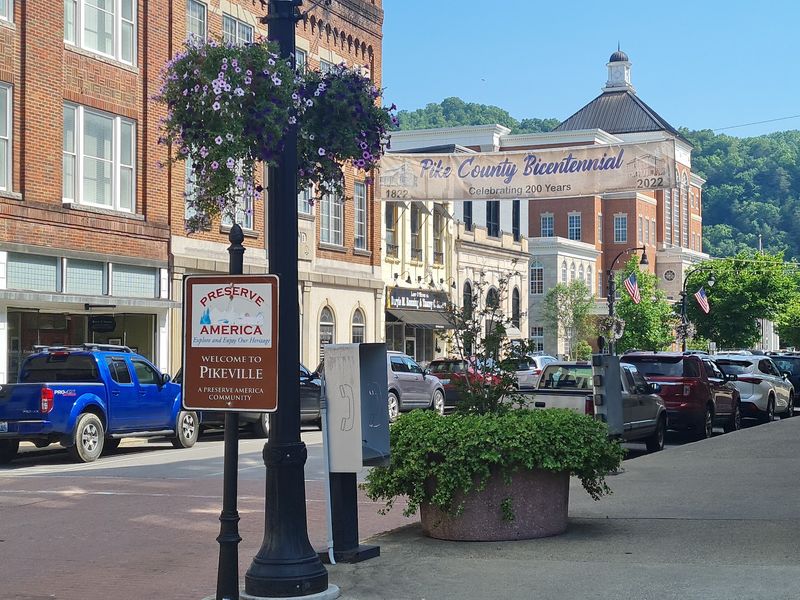
In 2024, the city marked its Bicentennial, celebrating two hundred years since it became the county seat. Two centuries is a long stretch for a mountain town, and residents treated the milestone seriously.
What makes the rhythm here distinct is how routine and celebration blend. Neighbors see the same faces at the market, at church, and later at the festival gates.
That familiarity is exactly what keeps people rooted.
Transportation Challenges And Solutions
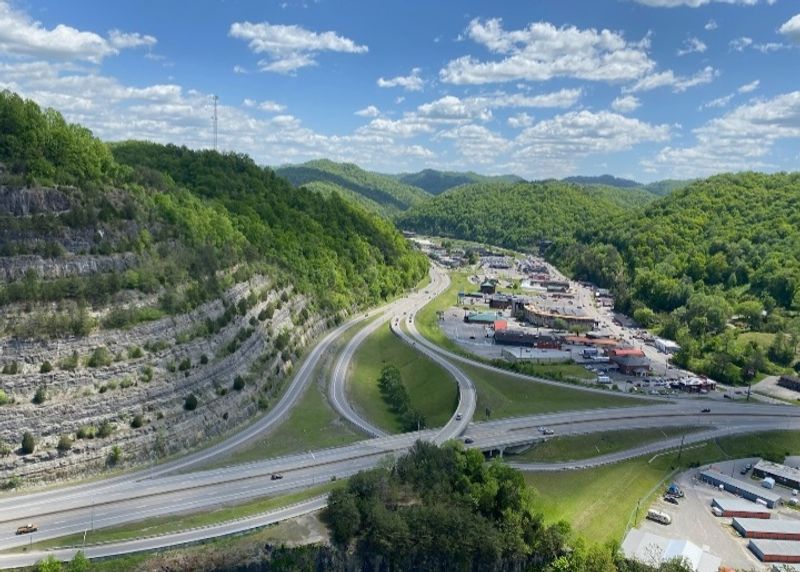
Before the 1980s, getting through town meant dealing with a river, a rail line, and a highway all competing for the same sliver of valley floor. Traffic snarled constantly.
The Levisa Fork wandered right through the middle of everything, making bottlenecks a daily headache.
The Cut-Through Project fixed the worst of it by relocating the railroad and the highway into a new corridor carved from the mountain. Congestion eased dramatically, and downtown finally had breathing room.
Rural stretches of Pike County still deal with rough roads and aging infrastructure. Some hollows connect to the outside world by one narrow route, and weather can complicate that quickly.
Public transit remains limited. On-call services like ride-sharing and taxis are scarce, and the mayor has pointed out how hard it is to fund a bus line when the population spreads across so many ridges and valleys.
Improvements are in motion, though. The Kentucky Transportation Cabinet has mapped out road, bridge, and safety projects throughout the county.
The city is also building a Vision Zero Safety Action Plan, aiming to eliminate traffic deaths and serious injuries by 2050. That is an ambitious target for mountain roads.
Anyone driving here should plan extra time and keep an eye on curves.
Economic Activities Supporting Residents
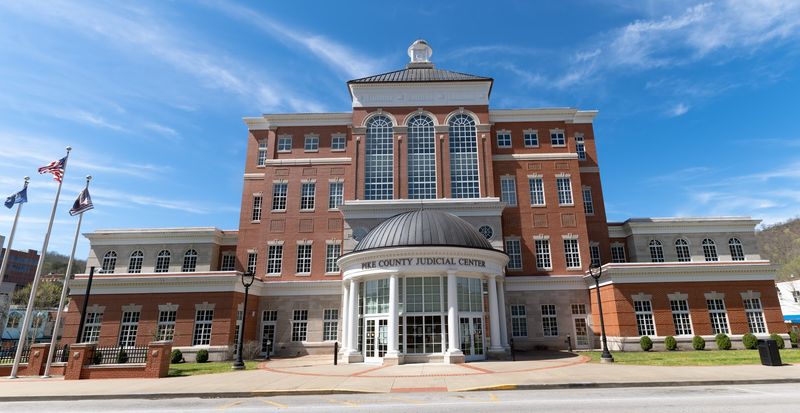
Small population, big pull. Roughly a quarter-million people across eastern Kentucky, southwest Virginia, and southern West Virginia treat this city as their shopping and services destination.
Retail centers like Pikeville Commons carry nationally recognized brands, which matters enormously when the next comparable option might be two hours away over mountain roads.
Pikeville Medical Center anchors the economy as a major employer. Healthcare, education, entertainment, legal work, and financial services have all clustered here, turning a mountain town into a genuine regional hub.
Downtown gets attention too. The Main Street Program works to preserve historic buildings while encouraging local entrepreneurs to open shops and restaurants in the central business district.
Economic incentive programs help new businesses get off the ground there. Filling storefronts keeps the walkable core alive rather than letting everything drift toward highway strip development.
Tourism has grown into a meaningful piece of the puzzle. Visitor spending keeps climbing, fueled by festivals, outdoor recreation, and curiosity about the Cut-Through and the feud history.
All of this means residents rarely need to leave the county for work, shopping, or specialized services. Job opportunities, stores, and professional offices sit within a short drive.
That self-sufficiency is a big part of why so many locals stay put.
Social Connections Within Limited Travel Areas
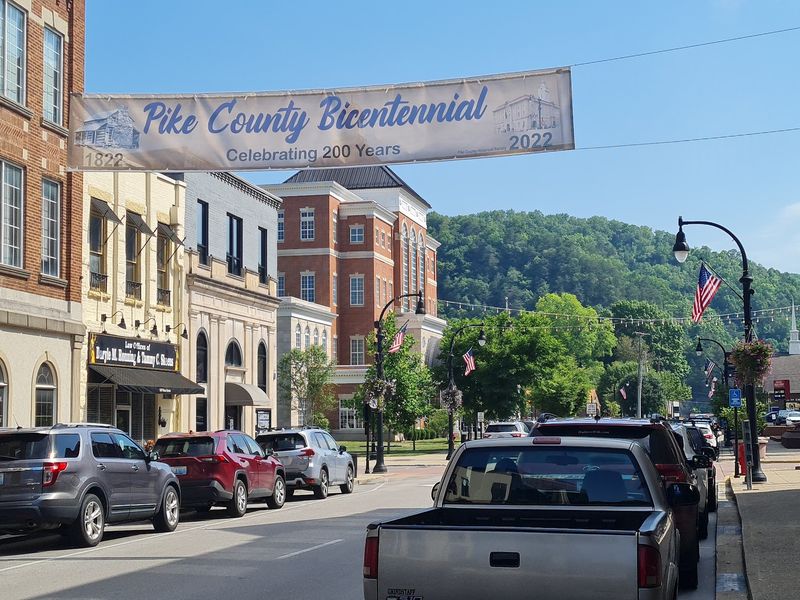
Hospitality here is not a marketing slogan. It shows up in driveways, church basements, and around backyard bonfires where conversations run long into the night.
Because travel outside the county can be a genuine chore, social life turns inward in the best possible way. People invest heavily in the relationships within reach.
Festivals do a lot of heavy lifting. Hillbilly Days and the Hatfields and McCoys Festival pull the whole community into shared streets, giving everyone a reason to catch up at least twice a year.
Community organizations keep civic life humming between those big weekends. During the bicentennial planning, groups gathered to reflect on the city’s past and argue happily about its future.
Churches and ministries organize outreach work and home repair projects, sending volunteers up hollows to fix roofs and porches for neighbors who need help.
Those efforts build bonds that outlast any single event. Someone who helped patch your steps in the spring will get a wave at the grocery store all year.
Newcomers often mention how fast they get folded into the mix. Show up twice at the same event, and you stop being a stranger.
Small-town connection like that is increasingly rare.
Educational Institutions Serving Remote Populations
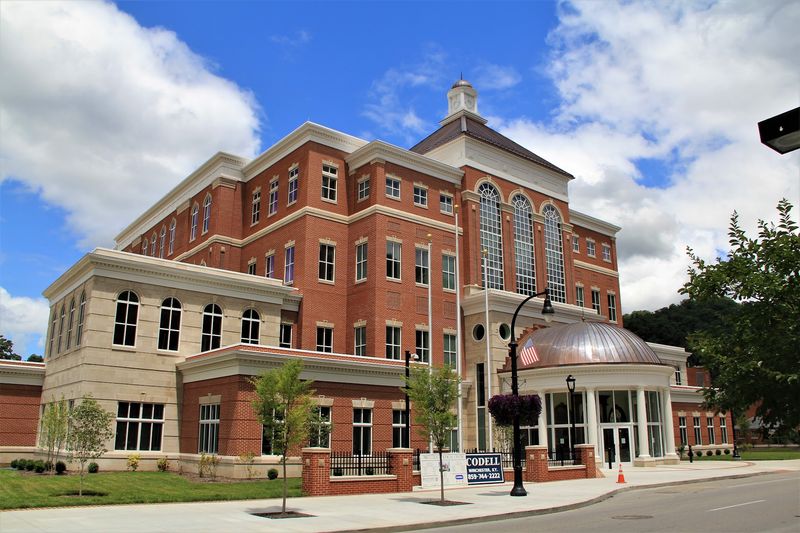
A town this size having a medical school seems unlikely, yet here we are. The University of Pikeville operates the Kentucky College of Osteopathic Medicine, which earns strong marks nationally.
It also runs the only college of optometry in Kentucky. Students come from across the country to train in a valley surrounded by mountains.
That matters for the region beyond bragging rights. Schools like these tend to produce graduates who stay and practice nearby, which helps address doctor shortages across rural Appalachia.
Big Sandy Community and Technical College keeps a campus downtown, offering two-year degrees and workforce training close to home. For students who cannot relocate, that access changes everything.
The Pikeville Independent Schools district covers pre-kindergarten through twelfth grade across two schools. It consistently ranks among the top districts in Kentucky.
Math and reading proficiency scores here generally sit above the statewide average for public schools. Small class sizes and community involvement play a role in that.
Families relocating to the area often cite the schools as a deciding factor. Strong education in a remote setting is not something people take for granted.
Between the university, the community college, and the district, a kid here can go from preschool to a medical degree without ever leaving town.
Healthcare Access In Isolated Settings
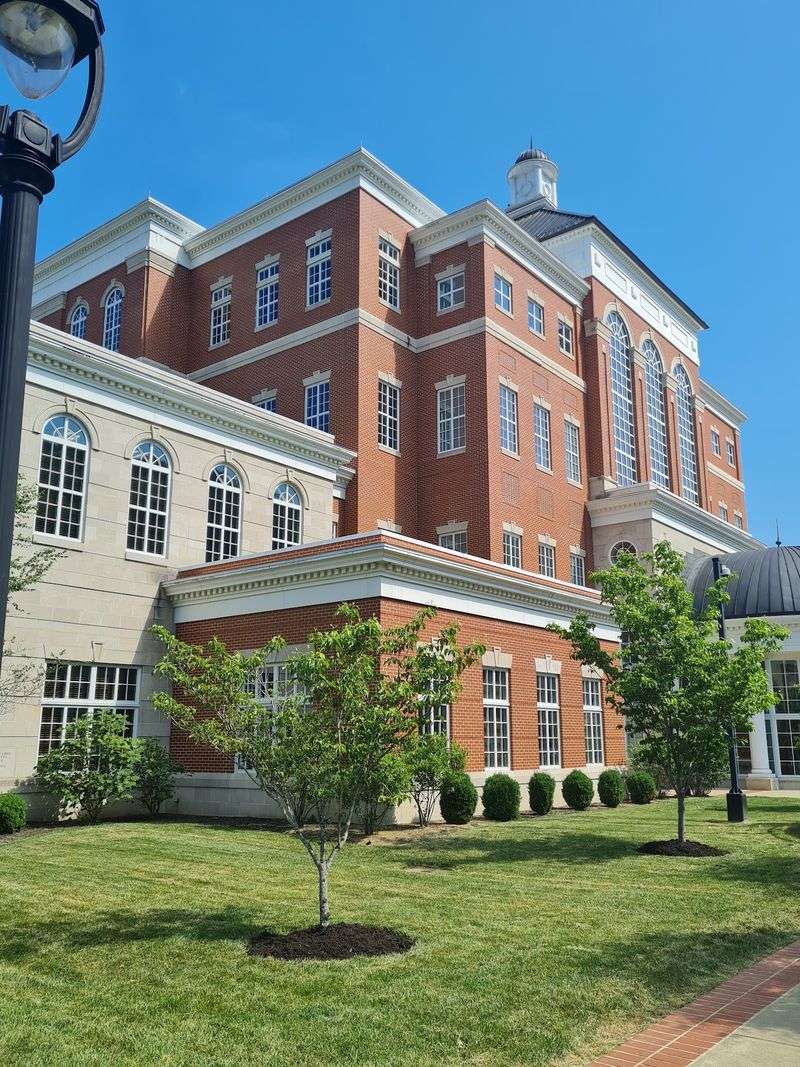
When you live an hour from the nearest four-lane highway, a good hospital stops being a convenience and becomes a lifeline. Pikeville Medical Center fills that role for a huge swath of eastern Kentucky.
For many families in surrounding rural communities, PMC is the only realistic healthcare option. That responsibility shaped how the facility grew.
It holds Level II trauma center certification, a designation only a handful of Kentucky hospitals carry. In mountain country where car accidents and mining injuries happen, that capability saves lives.
Specialized services run deep here. The campus includes a cancer center, a heart health center, and Kentucky’s only children’s hospital.
Expansions have added acute care and intensive care beds to keep up with regional demand. Growth has been steady rather than flashy.
Funding support for rural hospitals often goes toward medical equipment, telemedicine programs, and services that reduce how far patients must travel for care.
Telemedicine especially helps folks in distant hollows who might otherwise skip appointments entirely. A video visit beats a two-hour drive on winding roads.
Having advanced care this close is one more reason residents feel little pressure to leave the county. The specialists they need already work down the street.
Cultural Events Celebrating Local Heritage
Appalachian culture gets celebrated loudly around here, and April is when the volume peaks. Hillbilly Days brings live music, carnival attractions, and a parade to downtown streets, all while raising money for Shriners Children’s Hospital, as it has since 1977.
Around Memorial Day weekend, attention shifts to the Hatfields and McCoys Festival. Reenactors bring the legendary feud to life with staged scenes, backed by bands and plenty of regional cooking.
The Appalachian Center for the Arts gives the region a proper venue for professional theater, concerts, and educational programs. It aims to serve as a cultural anchor for the whole mountain area.
Summer brings the Main Street Live series at the Appalachian Wireless Arena Plaza, where free concerts fill the evenings. Bring a chair and enjoy the show.
The 2024 Bicentennial added another layer, with celebrations highlighting two hundred years of community history and achievement.
What ties all of it together is a refusal to let mountain heritage fade into a museum exhibit. Music, storytelling, and shared history stay active parts of everyday life.
Visitors planning a trip should aim for April or late May to catch the biggest gatherings. Book lodging early, because rooms disappear fast during festival weekends.