
Inside A Massachusetts Fabric Warehouse Where The Rolls Seem To Never End
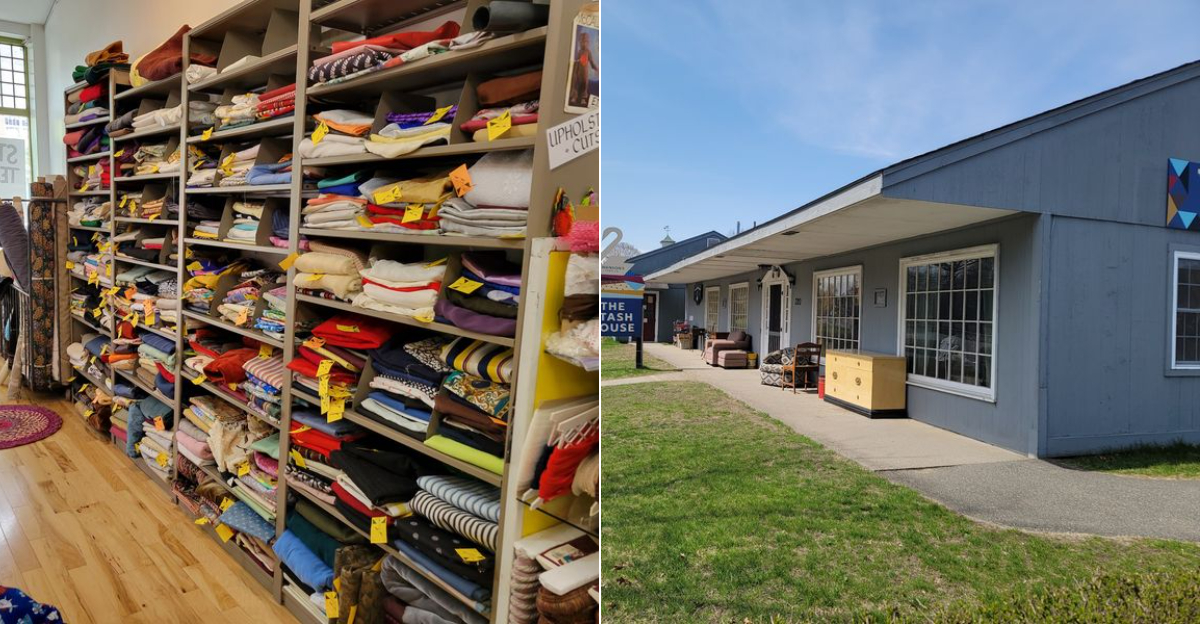
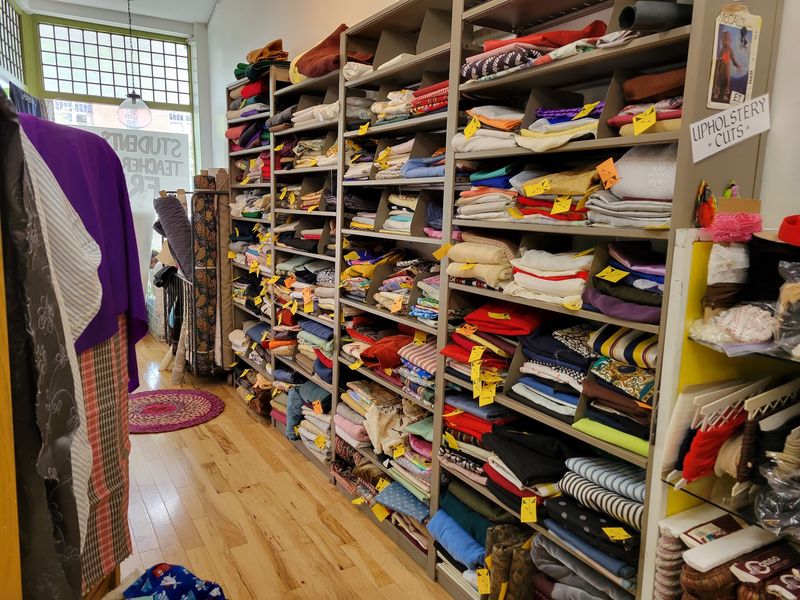
Towering fabric rolls fill this Massachusetts shop from floor to ceiling. Shelves hold velvet, cotton, upholstery cloth, and colorful yarn that make every aisle worth exploring.
What kind of fabric would you grab first? Crafters come searching for a specific pattern, while curious visitors often leave with something they never planned to buy.
Vintage prints share space with bold modern colors. One turn leads to another pile of textiles, so give yourself plenty of time to browse.
The shop also gives unwanted fabric a second chance instead of sending it to a landfill. That makes every find feel a little more special, even for visitors who have never sewn a stitch.
Wear comfortable shoes and come ready to hunt. The best treasures may be hiding beneath a stack, behind a roll, or in a corner you almost skipped.
A Warehouse Bursting With Color
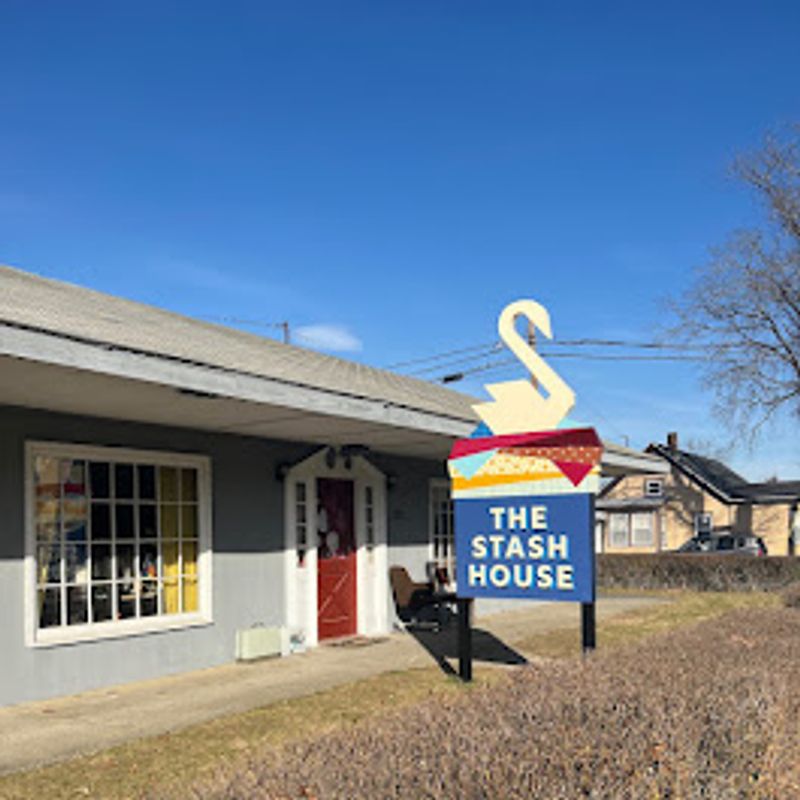
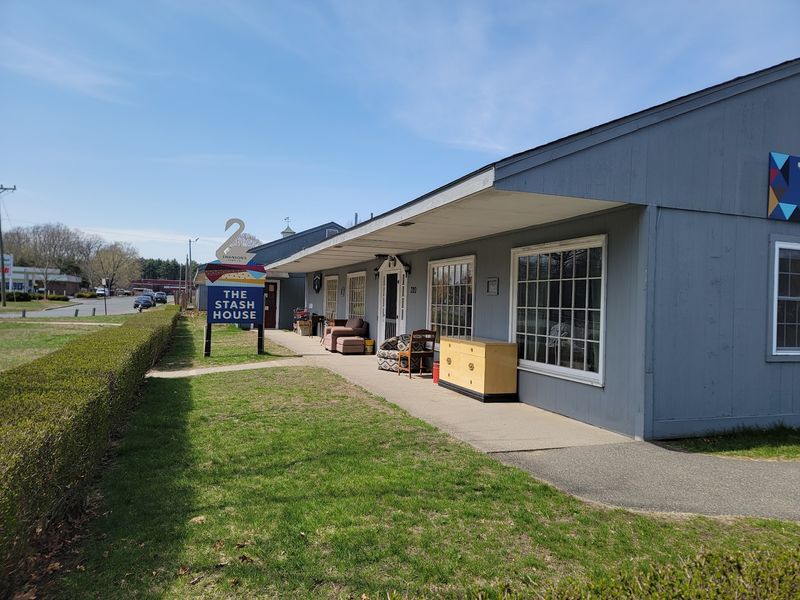
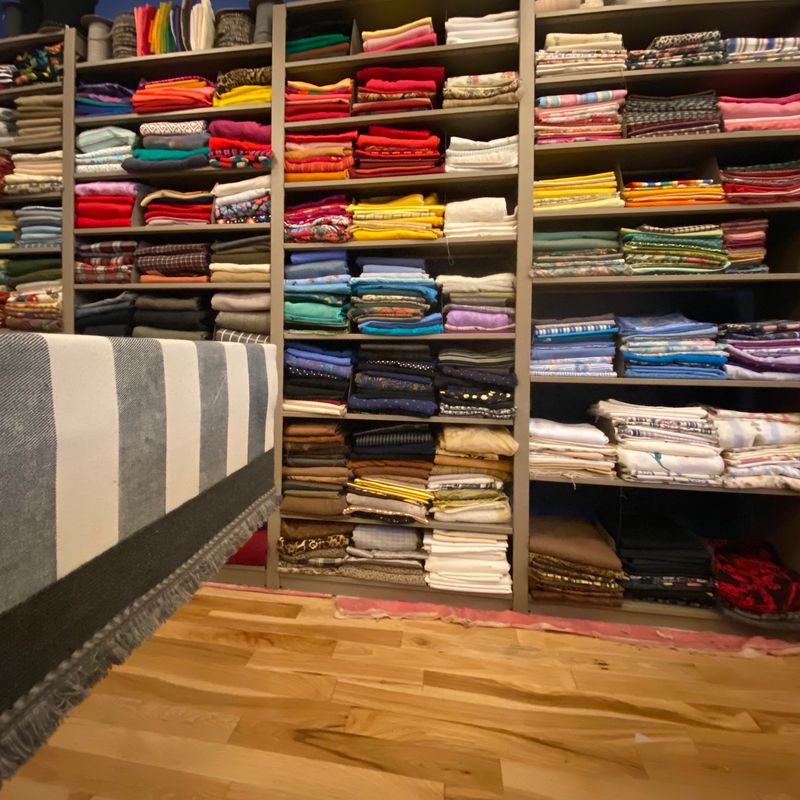
Swanson’s Fabrics sits in the old mill village of Turners Falls, and the moment the door swings open, color hits you from every direction. Bolts lean in rows.
Rolls stand upright like a forest.
The building carries the bones of Massachusetts industrial history, with high ceilings and big windows that let daylight pour across the stacks. Shelves climb upward.
Bins sit at your feet.
Everything here came from somewhere else first. Sewers downsizing their collections, families cleaning out attics, and fiber artists with more material than time all send their extras through these doors.
That means the selection shifts constantly, and no two visits look alike.
You will find quilting cottons, knits, lace, leather, upholstery cloth, curtain panels, and scraps sold by the pound. Yarn fills its own zone.
Sewing machines wait in a tidy line, cleaned up and ready to work again.
Doors open Wednesday through Sunday from 11 AM to 5 PM, and Monday and Tuesday are closed. Plan accordingly, because rushing through in ten minutes would be a shame.
The shop opened in August 2020 and has grown into something bigger than a store. Locals call it a shoppable warehouse.
Visitors call it addictive.
Vintage Prints With Real Stories
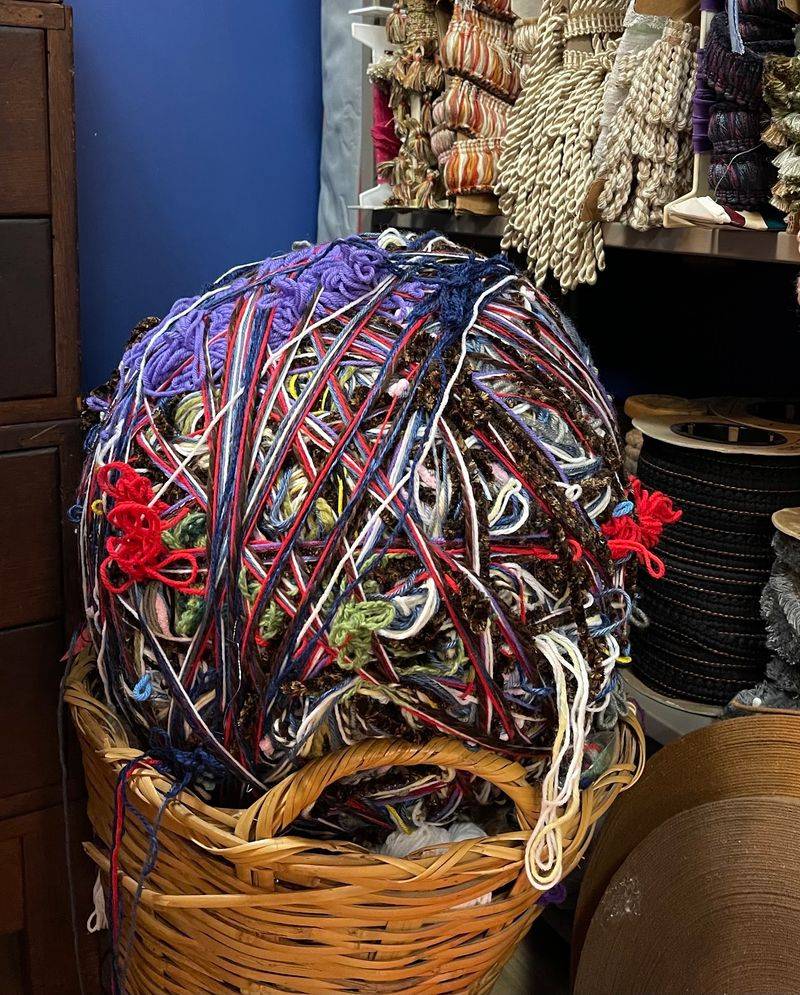
Older fabric tends to be tougher than what fills most store shelves today. Natural fibers, tighter weaves, colors that never faded.
Crafters notice the difference the second they touch it.
Some prints here date back decades. Bold geometric patterns from the 1970s.
Tiny florals that once became kitchen curtains. Wool suiting that somebody bought and never cut.
Textile lovers travel across Massachusetts just to hunt through these older pieces. A visitor passing through town described finding vintage prints so fun that the stop turned into the highlight of the whole day.
Part of the appeal is imagining the past life of each piece. Who bought this yardage?
What did they plan to make? Why did it sit folded in a closet for forty years instead?
Silks, shirtings, wools, and trims all rotate through. Buyers report scoring materials that would have quietly rotted away in a basement or gone straight to the dump.
Prices stay friendly, which makes experimenting easy. If a bold print does not work out, you have not lost much.
The Donation Room Treasure Hunt
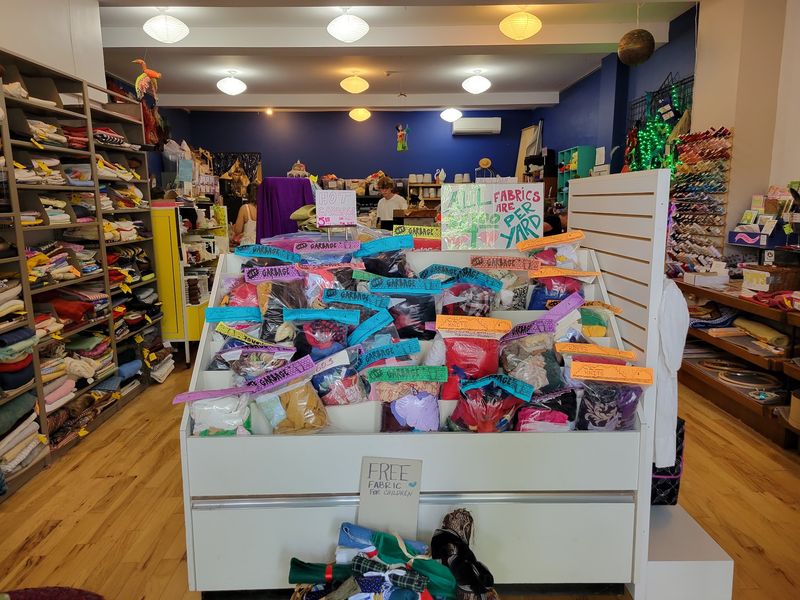
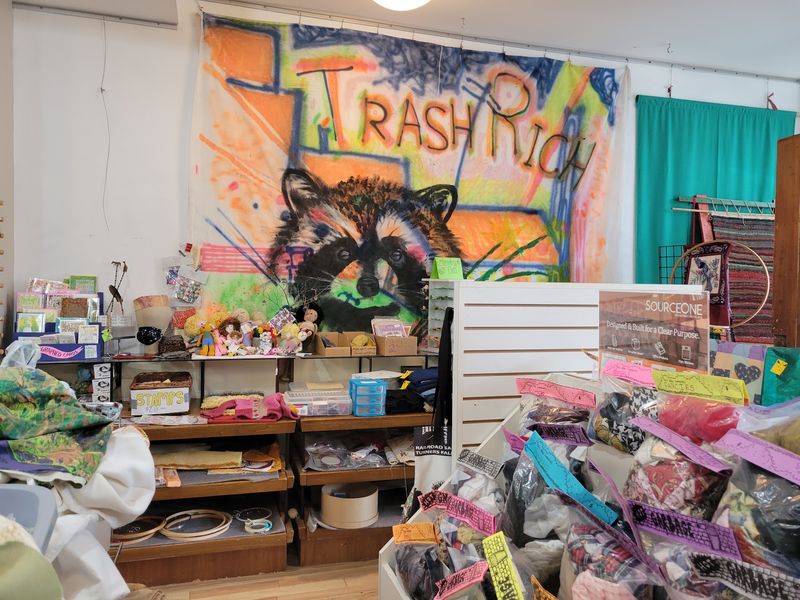
Ask any regular where the real fun hides, and they point straight to the donation room. Bins, boxes, and piles of material sit waiting for someone patient enough to sort through them.
One local shopper admitted to losing hours in there, digging happily and coming out with armloads of finds. Yarn tends to be the biggest draw.
Knitting supplies, half-finished projects, and odd notions turn up constantly.
Nothing about the space is polished, and that is exactly why people love it. Treasure hunting requires a little mess.
Materials arrive nonstop from across western Massachusetts. Fabric scraps, sewing machines, crochet thread, rug-making supplies, buttons, zippers, patterns.
If it relates to fiber arts, it probably passes through at some point.
Kids get their own perk too. A bin of free fabric sits ready for young crafters, and plenty of families make raiding it part of every trip.
Wear clothes you do not mind getting dusty. Give yourself at least an hour.
Rushing the dig defeats the whole purpose.
A good strategy is to grab a basket first, then work one section at a time instead of wandering in circles. Serious hunters do a full lap before deciding anything.
Fabric Sold By Weight
Here is a twist that surprises first-timers. Plenty of material at this shop gets sold by the pound rather than the yard.
You load up a bag, bring it to the counter, and it goes on the scale. Simple.
That system makes it easy to grab a wild mix of textures without doing complicated math in your head.
Quilters love it for scrap collecting. Costume makers love it for bulk.
Teachers love it for classroom projects that eat through material fast.
Other items sell by the yard or as precuts, so you can still buy exactly what a pattern calls for. Bottom weights, dress weights, knits, lace, and heavy upholstery cloth all get sorted so browsing stays manageable.
Because prices run low, this Massachusetts stop has become a favorite for people learning to sew. Making mistakes on cheap fabric hurts a lot less than ruining expensive yardage.
A tip worth remembering: bring your own tote bags. You will almost certainly buy more than you planned.
Trading is also possible. Folks bring in supplies they no longer need and swap them for things they will actually use, which keeps materials circulating instead of piling up.
Classes That Teach Real Skills
Learning happens here just as much as shopping. A corner of the warehouse doubles as a classroom, and the schedule fills with hands-on workshops throughout the year.
Sewing 101 covers the basics for total beginners. Other sessions dig into garment making, alterations, mending, knitting, and braided rug making without any fancy tools.
One student said she made six rugs in six weeks after a single class. Another described the room as warm and comfortable, an easy place to ask questions without feeling silly.
Repair skills get real attention too. Fixing a torn seam or replacing a zipper saves money and keeps clothing out of the trash, which fits the whole spirit of the place.
Sewing machine repair is available as well, so that dusty machine in your closet might have plenty of life left.
Local students and teachers can take part in a pay what you need program for certain offerings, making the skills reachable for more people across Massachusetts.
Visitors traveling through sometimes time their trip around a workshop. Sign up early, because seats go fast and class sizes stay small on purpose.
Even watching a session happen while you shop is entertaining. The sound of machines humming makes the whole warehouse feel alive.
Napping Cats Among The Bolts
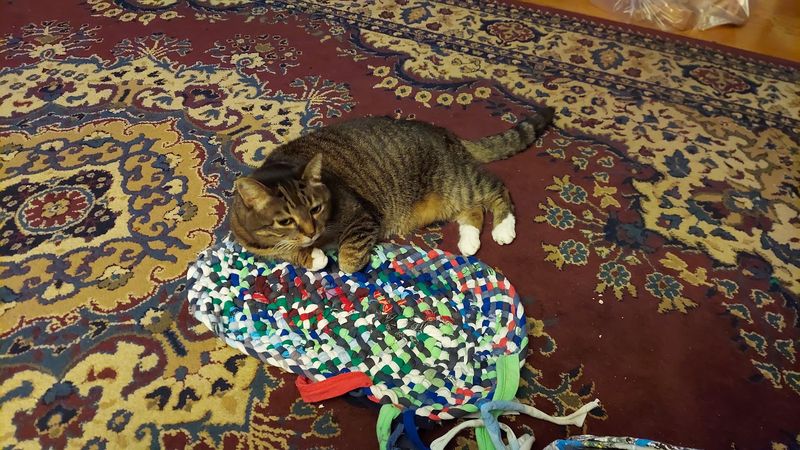
Nobody warns you about the cats. Shoppers turn a corner, spot a furry lump curled up on a stack of quilting cotton, and immediately reach for their phone.
Shop cats roam freely among the stacks, claiming the softest piles as beds. One traveler said seeing them nap between the fabric made the whole visit memorable.
They are not shy about supervising your shopping either. Expect a slow blink or a stretch as you browse past.
Beyond the cats, the atmosphere runs friendly and unhurried. Conversation flows easily between people who love making things, and total strangers end up comparing project ideas in the aisles.
Music, chatter, and the occasional whir of a machine fill the background. Nothing feels stiff or fussy.
First-timers often mention how warmly they were greeted. Questions get real answers, and nobody makes you feel foolish for not knowing the difference between broadcloth and poplin.
Photographers will find plenty to shoot at 320 Avenue A, Turners Falls, MA 01376. Rows of color, sunlight across the fabric, and yes, a sleepy cat framed by rainbow bolts.
Rescuing Textiles From The Landfill
Textile waste is a huge problem, and this operation exists to chip away at it. Every bolt, scrap, and skein here was headed nowhere good before somebody dropped it off.
Donations arrive during business hours. Fabric scraps, yarn, sewing machines, notions, and even half-finished projects all get accepted, and large donations may qualify for a pickup.
Nothing gets wasted if it can be used. Even odd bits find homes with quilters, rug makers, and craft teachers.
Customers can trade supplies instead of paying cash, or volunteer time in the shop in exchange for goods. That system keeps the whole place moving and builds real connections between makers across Massachusetts.
The long-term goal is to become a co-op, owned and run by the community that already treats it like a second home.
One shopper put it simply: beautiful wools, silks, and trims that would have sat molding in a closet now belong to someone who will actually sew with them.
If you are cleaning out a craft room, this is the place to bring the overflow. Somebody will be thrilled with your leftovers.
Make A Day Of It
Pair your fabric hunt with a walk around the surrounding village and you have a full day planned. The area sits along the Connecticut River, an American Heritage River with wide views and plenty of fresh air.
The Turners Falls Bikeway runs about three miles on a paved path beside the river and the power canal. Easy walking, easy biking, great scenery in every season.
Nearby, the Great Falls Discovery Center occupies restored mill buildings. Admission is free, the space is fully accessible, and life-size dioramas show off the habitats of the watershed.
Late 19th-century industrial architecture lines the streets, and the historic district is listed on the National Historic Register. Photographers get a lot of mileage out of those brick facades.
Barton Cove offers more river views if you want to stretch the trip. Arts spots like the Shea Theater Arts Center, the Carnegie Library, and Sawmill River Arts round out the day.
Restaurants and small shops sit within easy walking distance, so you can rest your feet after all that digging.
Weekends work best since the fabric warehouse stays open Wednesday through Sunday. Arrive early, shop slowly, then explore this corner of Massachusetts at your own pace.
What would you tackle first, the riverside path or the endless rolls of fabric?