
The New York Italian Restaurant Where A Michelin-Starred Chef Traded Fine Dining For Something Far More Casual
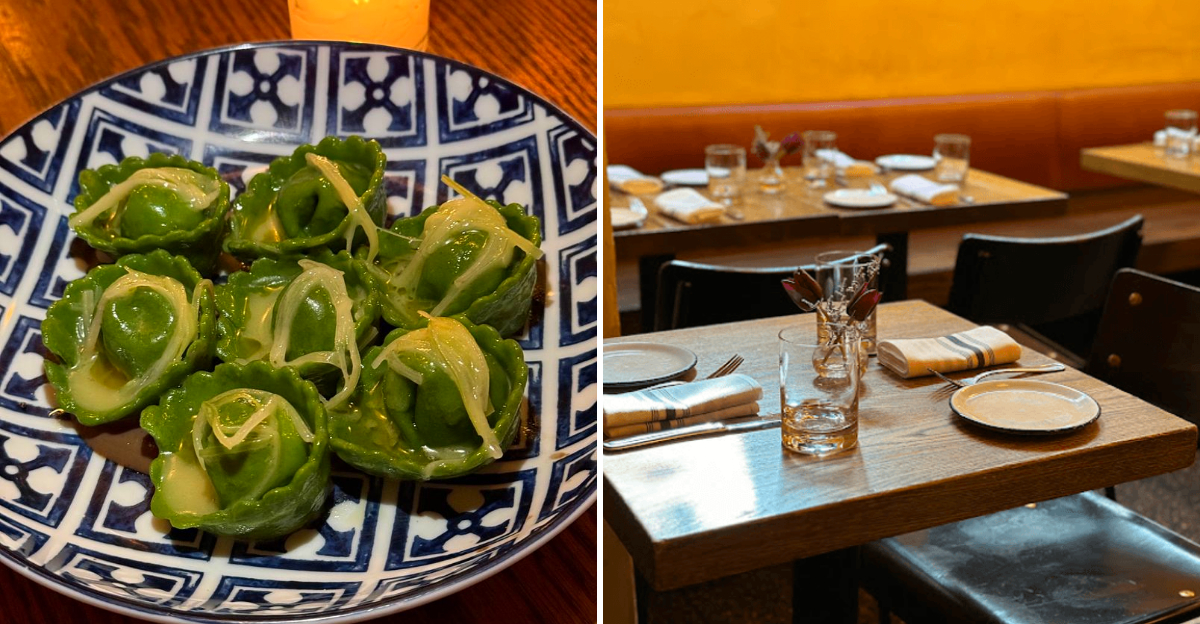
Brick walls, wooden chairs, hand-rolled pasta. A chef who trained in one of the most celebrated kitchens in Italy looked at the fine dining route and picked this instead, which is not the direction that career usually runs in New York.
The star followed anyway. That is the part worth sitting with, because it means the room was never what earned it. Nobody handed out recognition for the tablecloths or the lighting or the drink list ceremony, since none of that is here.
The food did the work on its own.
What follows is a closer look at the pasta house people keep lining up for, and why casual turned out to be the right call.
A Kitchen That Swapped Polish For Pasta Boards
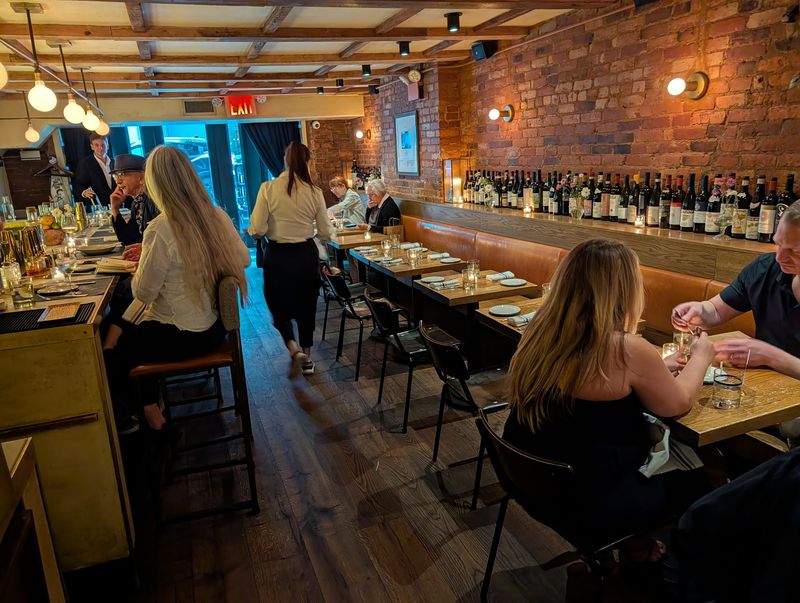
Fine dining usually comes with hushed rooms and forks lined up like soldiers. The spot in question went the other way. Brick walls, blue terrazzo floors, and warm lighting set a mood closer to a neighborhood trattoria than a temple of gastronomy.
Behind that easygoing look sits serious training. The chef spent time at Osteria Francescana in Modena, a restaurant that held three Michelin stars and shaped how the world thinks about Italian cooking.
Instead of copying that formality, he brought the technique home and pointed it at fresh pasta.
Guests notice the difference right away. Conversation runs loud, plates arrive quickly, and nobody feels watched. The seriousness lives in the dough, not in the dress code.
New York rewards that kind of honesty. Diners here can spot a place trying too hard from a block away. A room that lets the food carry the weight tends to earn loyalty fast.
Recognition followed anyway. A Michelin star arrived in 2021, proving that comfort and craft can share the same table without either one losing ground.
Meet Rezdôra In The Flatiron District
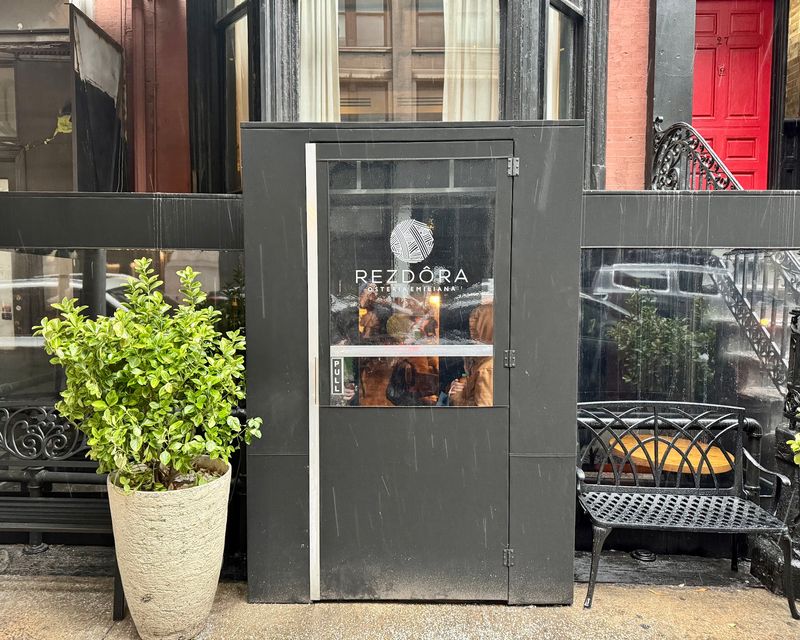
The restaurant carries the name Rezdôra, and it opened its doors on May 10, 2019. You will find it at 27 East 20th Street in the Flatiron District, a stretch of Manhattan where old buildings and busy sidewalks meet.
The name itself tells the story. In the dialect of Emilia-Romagna, a rezdôra is the grandmother who runs the household and rolls the pasta by hand. Naming a Michelin-starred restaurant after somebody’s nonna is a quiet flex.
Everything on the menu circles back to that region. Modena, Parma, and Bologna all leave fingerprints on the plates. Diners often say the flavors feel specific rather than generic Italian American.
Service has run without interruption since that opening spring. Six years in, the place still books up quickly, which is rare in a city where restaurants come and go.
Finding it takes no detective work. The block sits between Broadway and Park Avenue South, close enough to Madison Square Park for a stroll before or after your meal.
Gnocco Fritto, The Puffy Opening Act
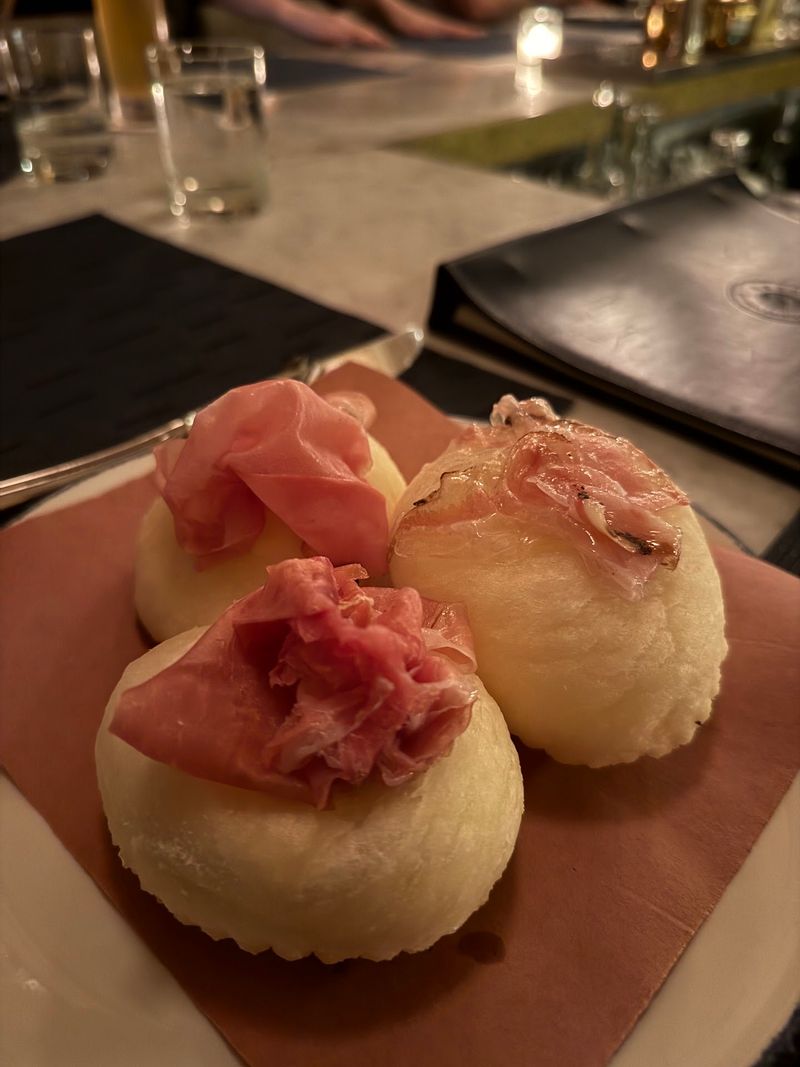
Fried dough pillows sound simple until you taste one made properly. Gnocco fritto arrives puffed, golden, and hot enough to steam when you tear it open. Guests mention it constantly, and for good reason.
The dish belongs to Emilia-Romagna tradition, where fried dough gets paired with cured meats and soft cheese. Salt meets richness meets crunch. Very few starters manage that balance so cleanly.
Skipping it would be a mistake. Regulars treat it as a required first move, almost a handshake with the kitchen.
Texture does the heavy lifting here. The outside crackles slightly while the inside stays hollow and airy, which makes each bite feel lighter than it should.
Pace yourself, though. The pasta lineup ahead deserves room, and gnocco fritto has a way of disappearing faster than expected when a table gets talking.
Fun detail worth knowing: this snack started as humble farmhouse food, made with scraps of dough and rendered fat. Now it opens meals at a starred restaurant in Manhattan.
Hand-Rolled Noodles Steal The Whole Show
Pasta is not a side character here. It is the reason people book weeks ahead. The kitchen rolls dough by hand daily, and the difference lands on the fork immediately.
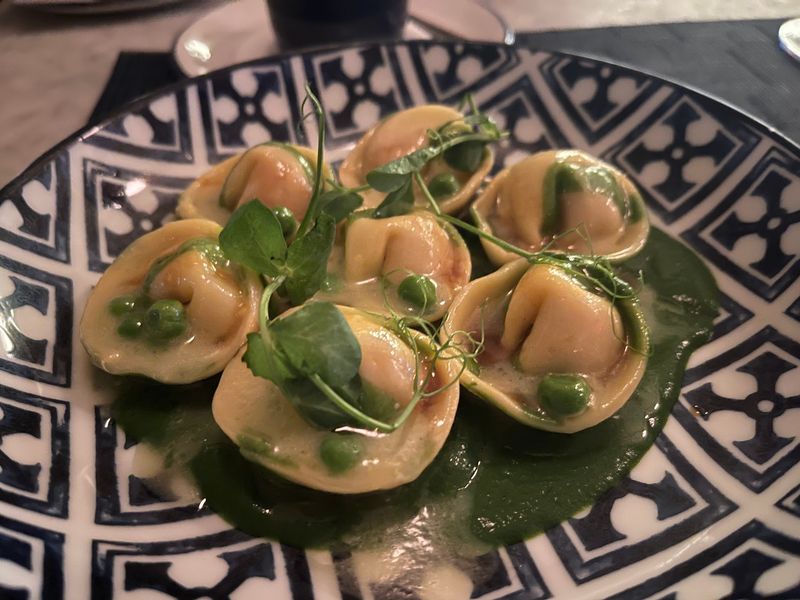
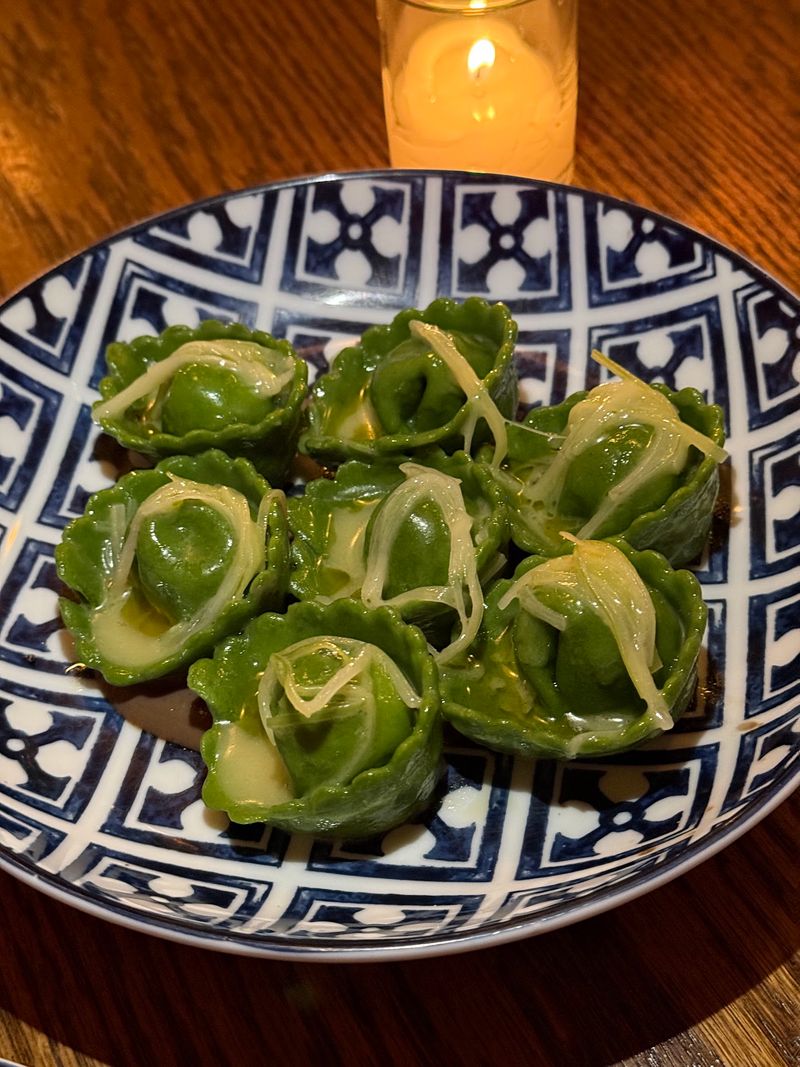
Signature shapes fill the menu. Strozzapreti twists catch sauce in their folds, while Gramigna Giallo e Verde brings green and yellow noodles together in one bowl. Tagliolini Al Ragu keeps things classic and deeply savory.
Anolini Di Parma deserves its own mention. The small filled parcels come from Parma tradition and carry serious flavor for their size.
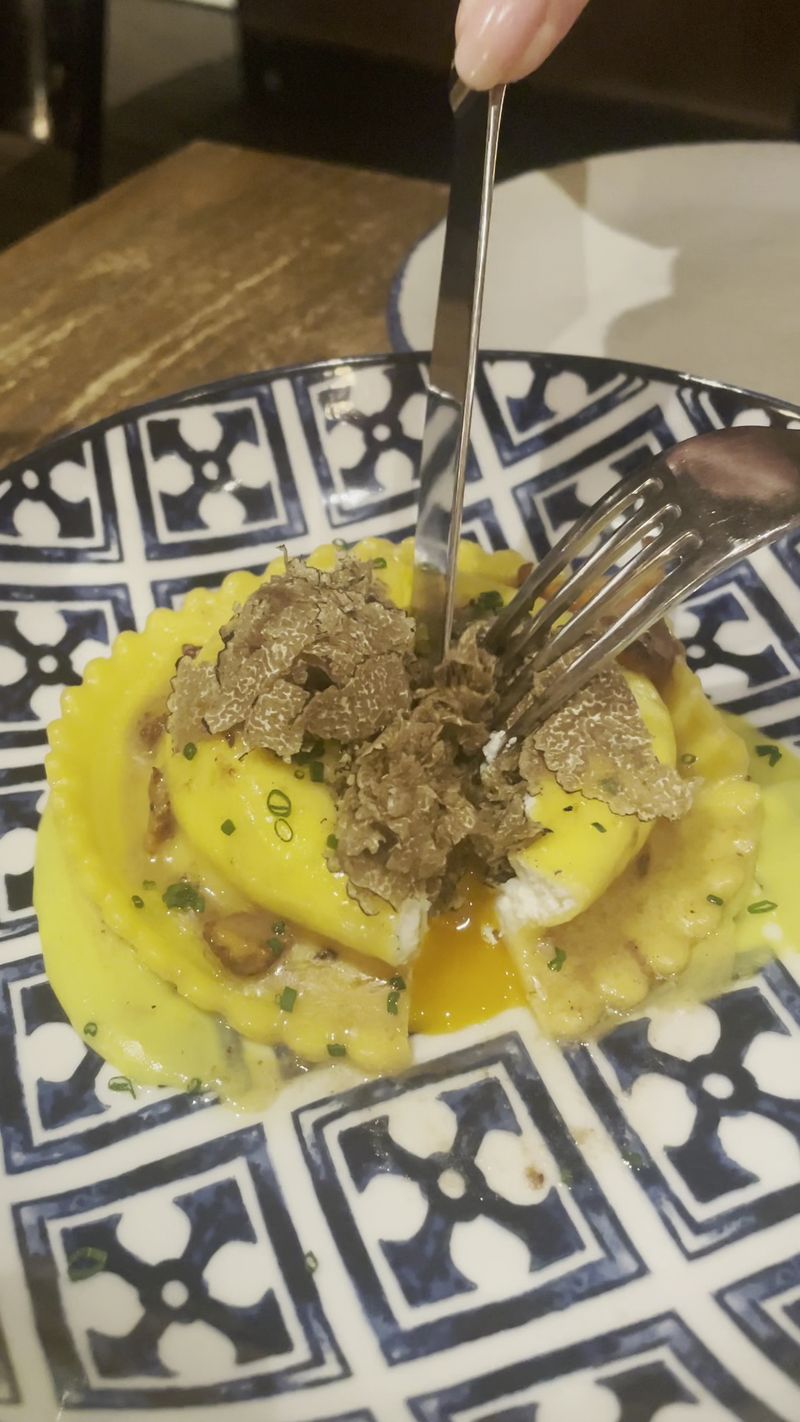
Then there is Uovo Raviolo Di Nino Bergese, a single large raviolo built around a soft egg yolk. Cutting into it releases a golden center that coats the pasta. Diners talk about it long after the plate leaves.
Texture stays firm rather than soft, closer to what you would find across the Atlantic. That bite matters more than most people realize.
Portions run moderate, so ordering several shapes across the table works better than committing to just one.
Emilia-Romagna On A Manhattan Block
Regional cooking gets flattened in most American Italian restaurants. Not here. The menu stays loyal to Emilia-Romagna, a northern Italian region famous for cheese, cured meat, and egg-rich pasta.
A Parmigiano Reggiano tasting shows that focus clearly. Different ages of the cheese sit side by side, letting you taste how time changes flavor from mild and milky to sharp and crystalline.
Affettati Misti brings a board of cured meats to the table. Thin slices, quality sourcing, no filler.
Guests often remark that dishes here appear nowhere else in the city. That specificity is the point. Cooking one region well beats cooking all of Italy loosely.
New York has thousands of Italian restaurants, so standing apart takes conviction. Narrowing the lens turned out to be the smartest move this kitchen made.
Curious eaters get a small education along with dinner. Staff explain dishes without lecturing, and questions are welcome. You leave knowing a little more about a corner of Italy most travelers skip.
Fifty-Three Seats And A Whole Lot Of Buzz
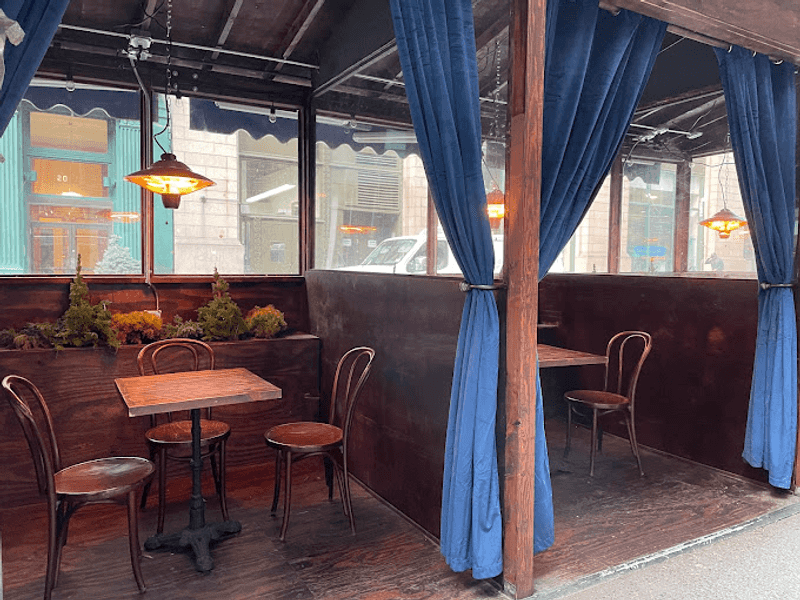
Scale matters when you plan a night out. The indoor dining space holds roughly 53 guests, which includes 11 seats at the bar and 16 upstairs on a raised mezzanine. An outdoor structure adds about 20 more.
Tables sit close together, and the room fills with sound once service picks up. Nobody comes here for silence.
Bar seating has developed a following of its own. Solo diners and walk-in hopefuls often aim for those stools, since they offer a front row view of the action.
The mezzanine gives a slightly different angle on the room. Sitting above the floor changes the whole feel of the meal.
Reclaimed wood beams cross the ceiling, and the lighting stays soft. The design reads warm without feeling staged.
Booking early helps enormously. Reservations move quickly, especially on weekends, so planning ahead saves disappointment. Walk-ins do happen, though patience becomes part of the deal when only a handful of seats open up.
Lunch Hours Hide A Quieter Treasure
Dinner gets all the attention, yet midday service holds its own charm. Lunch runs Tuesday through Friday from noon until 2:30 in the afternoon, and the room feels calmer during those hours.
Weekends shift the schedule. Saturday and Sunday bring a lunch and brunch service starting at 11:30 in the morning, wrapping up at 2:30.
The daytime menu differs slightly from the evening lineup. Repeat guests sometimes visit twice in one week just to catch both.
Dinner begins at 5:00 in the evening every day, Monday included, and runs into the late hours. Monday brings dinner only, so plan accordingly.
Booking a daytime table can be easier than chasing a prime dinner slot. Same kitchen, same handmade pasta, less competition.
Natural light changes the room too. Those brick walls and terrazzo floors look different at noon than they do after dark, and the pace feels unhurried. A weekday lunch here makes an ordinary afternoon feel like a small occasion.
The Star That Arrived Without Fanfare
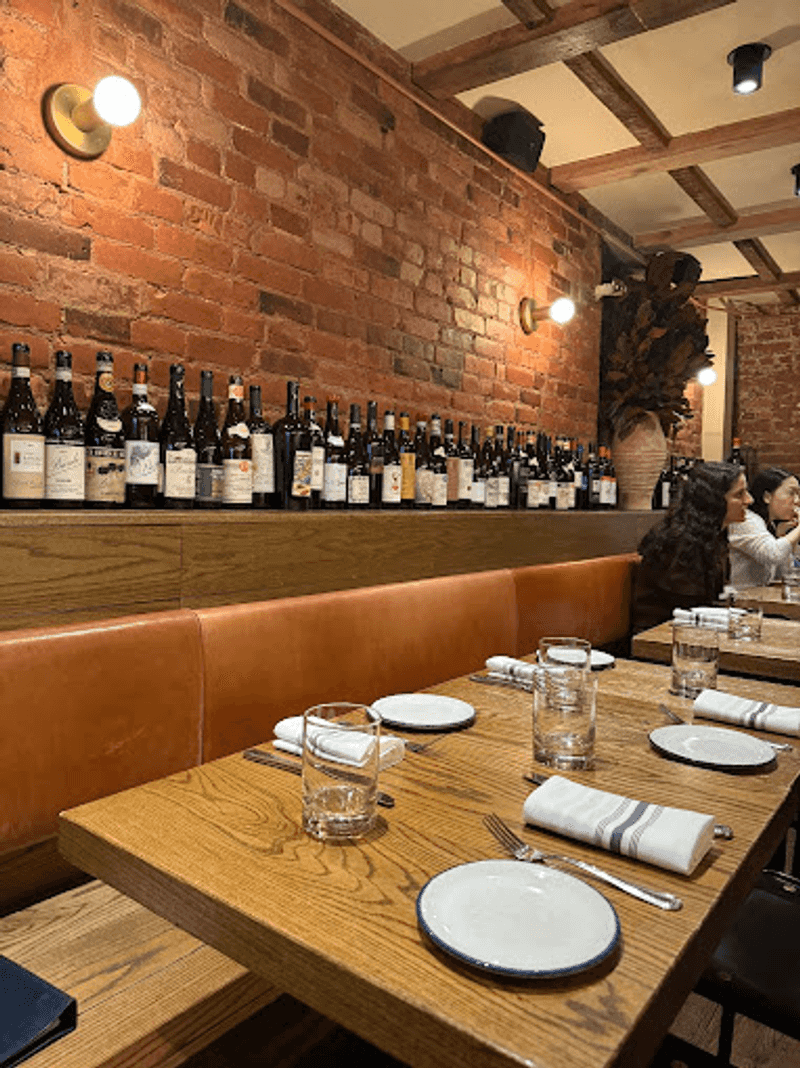
Recognition came in 2021, two years after opening. A Michelin star landed on a restaurant that never chased the traditional trappings of fine dining.
That contrast is the whole story. No tasting menu theatrics required, no whispered service, just exceptional pasta made by hand every single day.
The chef’s background explains a lot. Training in Modena under one of the most respected kitchens in the world builds standards that stick, regardless of the room you cook in.
Guests feel that discipline in small ways. Dishes leave the pass and reach the table quickly. Nothing sits around getting tired.
Staff knowledge adds another layer. Servers walk guests through unfamiliar dish names and regional details with genuine ease.
Holding a star also raises expectations, and the kitchen seems aware of that. Consistency becomes the daily challenge.
What makes the achievement fun is how ordinary the setting looks. Wooden chairs, brick, warm bulbs overhead. Michelin inspectors clearly cared more about the dough than the drapes, which feels like a win for everybody.
Sweet Endings Worth Saving Room For
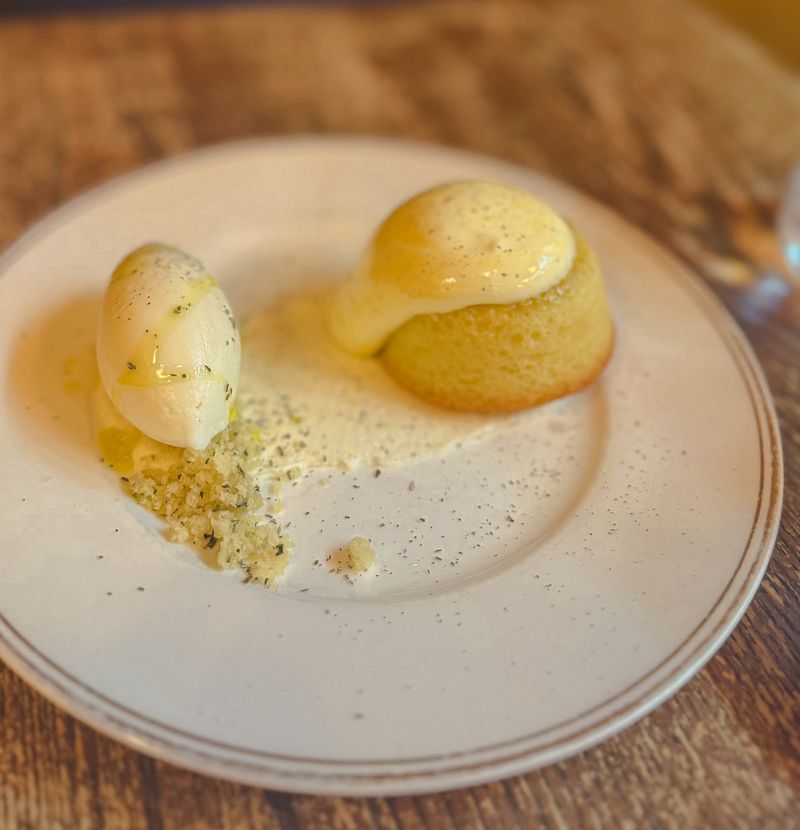
Dessert here refuses to be an afterthought. Olive oil cake shows up on countless recommendations, praised for its moist crumb and gentle sweetness. It tastes rich without weighing you down.
Tiramisu holds equal standing. Guests describe it as light and creamy rather than heavy, which takes real skill given how easily that dessert turns dense.
Gelato and sorbet round out the options. Fruit flavors arrive bright and clean, a nice counterweight after several pasta courses.
Pairing dessert with coffee makes the ending feel complete. The combination closes the meal the way a good book closes a chapter.
Skipping this course would be a genuine loss. Plenty of restaurants coast on dessert, treating it as a formality. Not the case here.
Sharing works well too. Portions tend to satisfy two people comfortably, so a table can sample more than one without anyone waving a white napkin in surrender. Order the cake and the tiramisu, then argue politely about which one wins.
How To Make The Most Of Your Visit
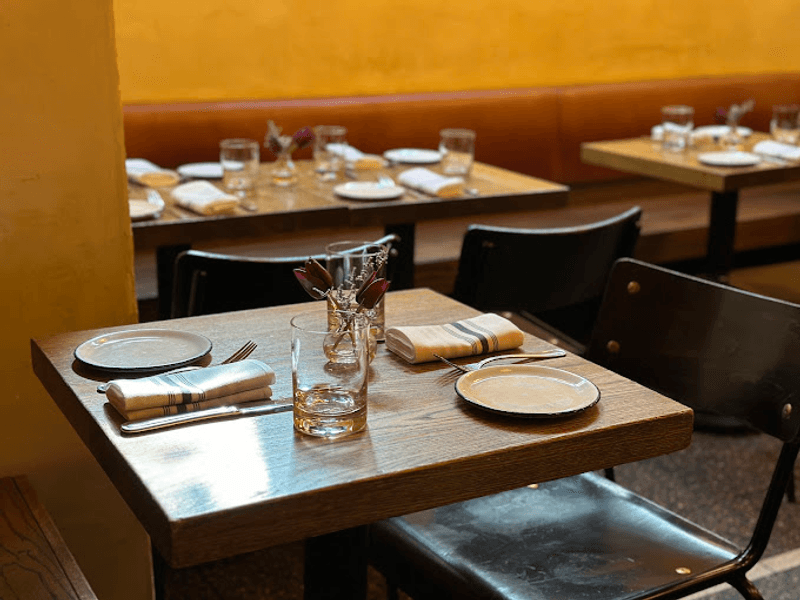
Planning turns a good meal into a great one. Reservations fill fast, so booking well in advance ranks as the single best piece of advice anyone can offer.
Sharing beats solo ordering. Bring friends, order several pasta shapes, and pass plates around the table. That approach lets everyone taste more of the menu.
Start with gnocco fritto, move through at least three pastas, then finish with something sweet. The rhythm works.
Arriving hungry helps. Portions run thoughtful rather than enormous, and a full progression adds up nicely across a few courses.
The Flatiron setting makes the evening easy to extend. Madison Square Park sits a short walk away, perfect for stretching your legs afterward.
Dress comfortably. The room welcomes neat casual clothing, and nobody will look twice at sneakers.
Above all, come curious. Ask about dish names, regional origins, and cheese ages. The staff enjoys those conversations, and you will walk out of this corner of New York knowing more about northern Italian cooking than when you sat down.