
This Nevada Supper Club Near Truckee Has Been A Beloved Local Favorite For Decades
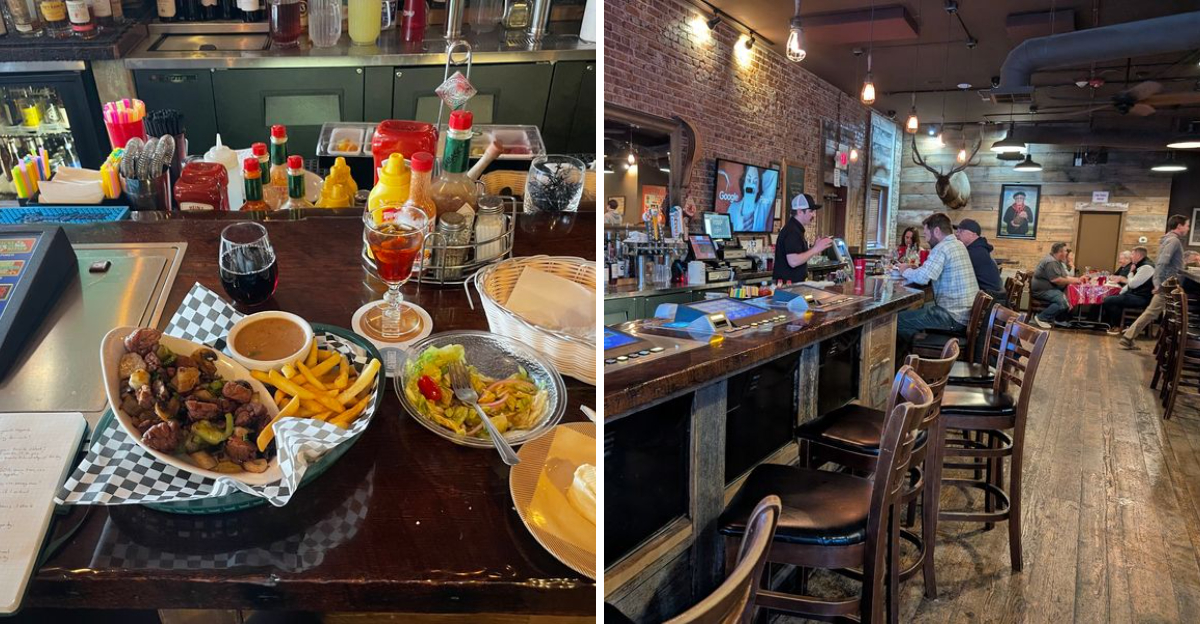
Picture strangers turning into friends over a bowl of beans passed hand to hand down one long table.
That is dinner at a legendary supper club that has been running strong in Nevada’s biggest small city since the sixties. Bread lands first, then soup and salad arrive fast.
A first course shows up before the entree even lands. Oxtail pulls fans from across state lines, and lamb chops vanish quick.
Sweetbreads wait for the bold.
Truckee locals treat the drive over Donner Pass like a weekly ritual, not a special occasion. Brick walls and worn wooden chairs: nothing got a trendy makeover here.
Nevada barely has another spot built quite like it anymore. Bring a hungry crew, skip the light lunch, and let the courses roll.
Start planning that long-table night.
A Reno Tradition Since 1967
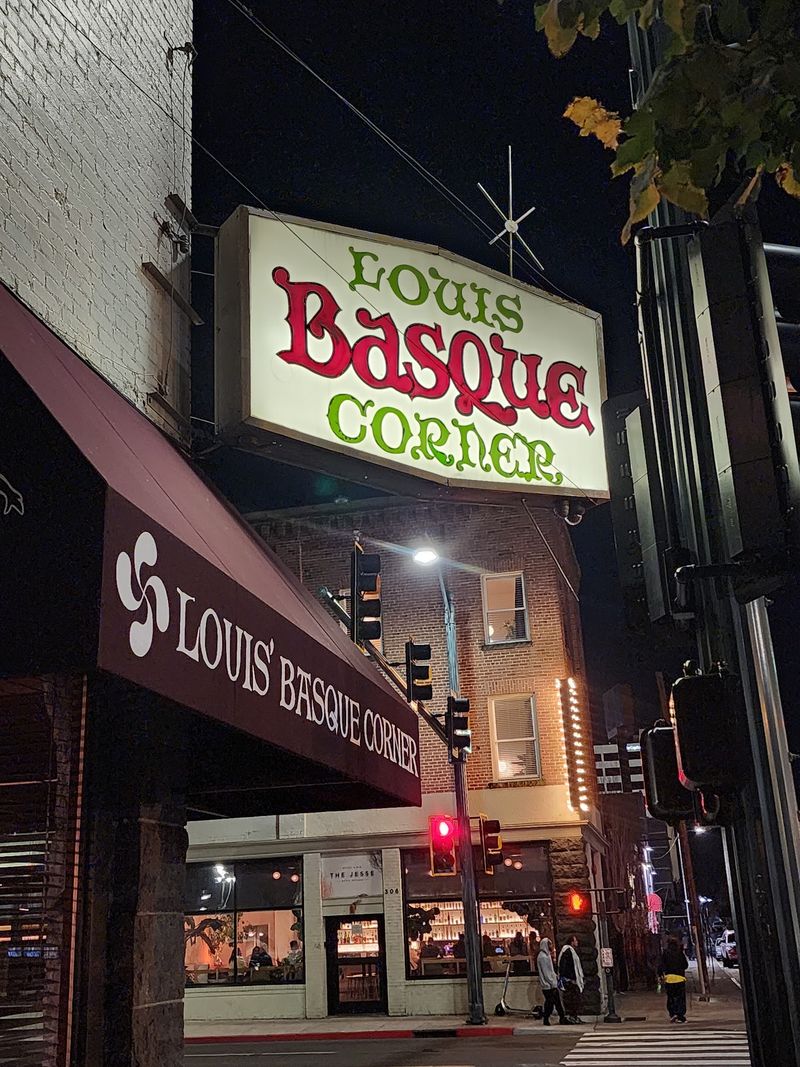
Some restaurants outlast trends by simply staying themselves. Doors opened here in 1967, and the Basque family-style format never changed.
The building itself carries history. It began as the Lincoln Hotel, constructed in 1906, and the restaurant moved into that older structure.
Ownership has passed on over the decades. The current owners of Louis’ Basque Corner kept the communal tables, the rotating specials, and the multi-course rhythm intact.
Reno once served as a hub for Basque sheepherders traveling through northern Nevada. Boarding houses fed them long meals at shared tables, and that setup shaped restaurants like this one.
Understanding that background changes how the meal feels. Passing a bowl of beans to a stranger stops feeling odd and starts feeling like the point.
National attention has followed. The restaurant appeared on a 2024 USA TODAY Restaurants of the Year list and has been featured on food television.
Recognition has not turned it into a polished tourist stop. The dining room still looks worn in the best way, and regulars still fill seats on ordinary weeknights.
You will find the restaurant at 301 E 4th St, Reno, NV 89512.
Long Tables And Shared Seating
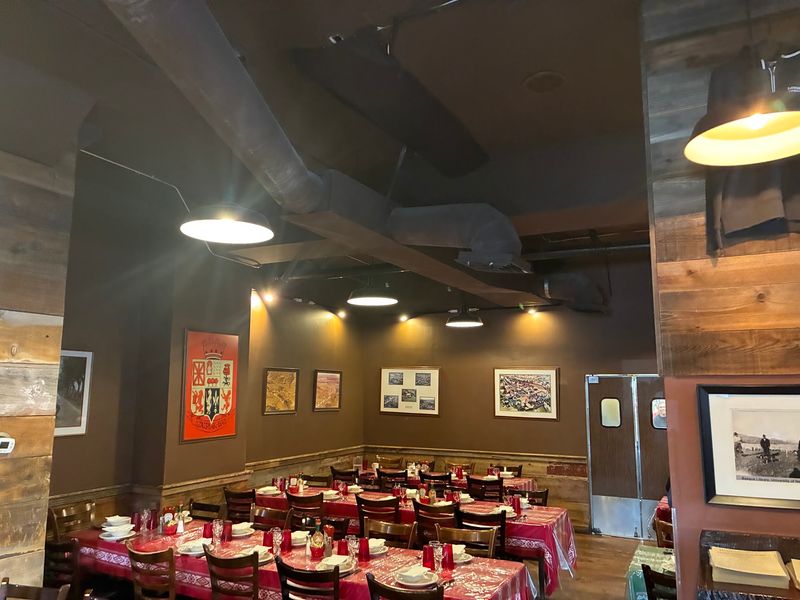
Ever eaten dinner elbow to elbow with people you just met? That is the standard setup here, not a special event.
Guests get seated at long tables alongside other parties. Small groups fill in gaps, and larger groups may still share the ends.
Solo diners sometimes feel unsure at first. The awkwardness usually fades once the bread basket starts moving down the line.
Conversation tends to start on its own. Someone asks what you ordered, someone else recommends a side, and the table loosens up.
Plan accordingly if the occasion calls for privacy. Quiet anniversary talk does not work well across a crowded communal bench.
Groups of four or more get the most out of the format. Sharing entrees becomes easier, and leftovers are common with the larger cuts.
Seating is close, so bags and coats need somewhere to go. Traveling light makes the meal more comfortable.
Reservations help considerably, especially on weekend evenings. Calling ahead reduces waiting time near the entrance, which can get tight when the room fills up.
Treat the shared table as part of the experience rather than an inconvenience, and the evening improves immediately.
Courses That Keep Arriving
Pace yourself. That is the single most useful tip anyone can offer a first-timer here.
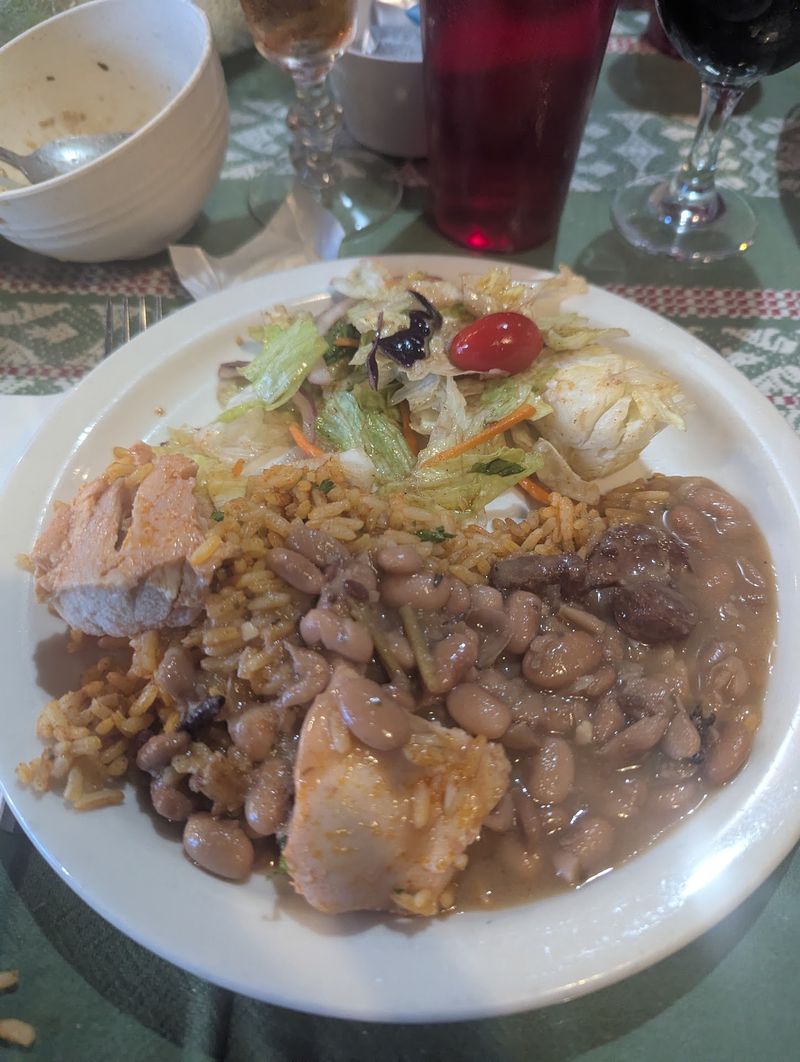
The meal opens with soup and French bread. Soup rotates daily, and options such as split pea, vegetable barley, or beef barley show up regularly.
Salad follows, dressed simply and served in a shared bowl. Basque beans with sausage arrive alongside it, and locals often eat the two together.
French fries come out hot and generous. A first-course chicken and rice dish frequently joins the lineup before entrees appear.
All of that arrives before the main plate. Portions are sized for sharing, so filling up early is easy to do by accident.
Take small servings of the openers. Save room for whatever entree the table ordered.
Leftovers happen often, so asking for a container is normal. Nobody blinks at half a ribeye going home in a box.
Dessert is included with the meal in most cases. Simple choices such as ice cream or cheese with fruit close things out gently.
Approach the sequence like a slow parade rather than a race, and the whole dinner lands better.
Entrees Worth Planning Around
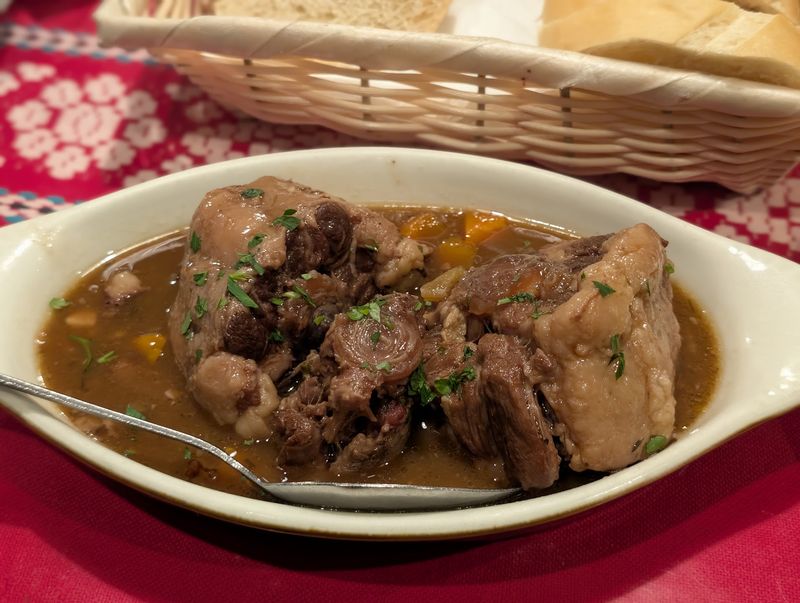
Oxtail draws people from across state lines. It comes braised in a deep, savory broth, and diners mention it constantly.
Lamb holds equal weight on the menu. Lamb chops and leg of lamb both appear, cooked with straightforward seasoning rather than heavy sauces.
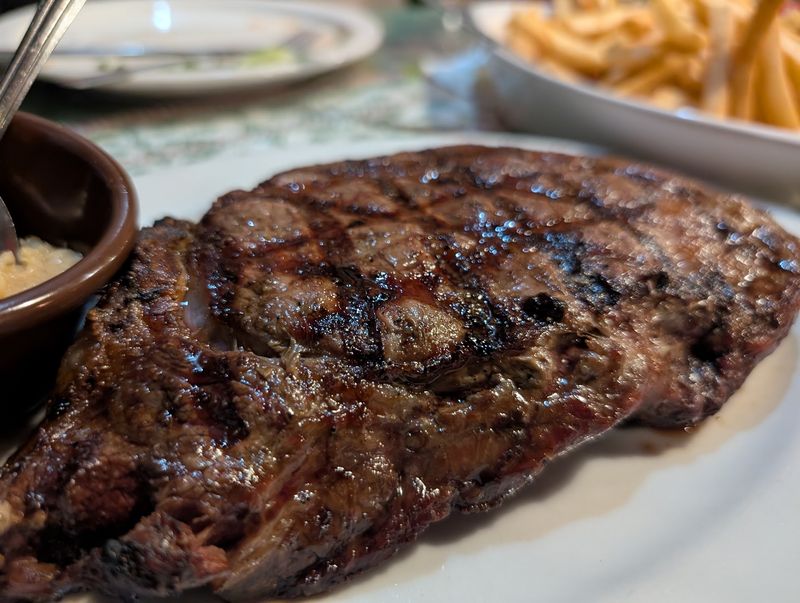
Steak lovers have options too. Sirloin, ribeye, and prime rib rotate through the offerings depending on the day.
More traditional Basque plates round things out. Sweetbreads, tongue, and rabbit stew show up for those wanting something less familiar.
Fish selections change daily. Salmon has appeared as a special, though availability shifts.
Here is the practical part. Specialty entrees can sell out, particularly later in the evening.
Booking an earlier seating improves your odds considerably. Guests arriving near closing sometimes find several options already gone.
Sharing works well because of the sides. Two entrees can comfortably feed three or four people when the courses stack up.
Ask the server what is moving fast that night. Staff know which specials are running low and steer indecisive tables toward good choices without pressure.
Brick Walls And An Old-School Room
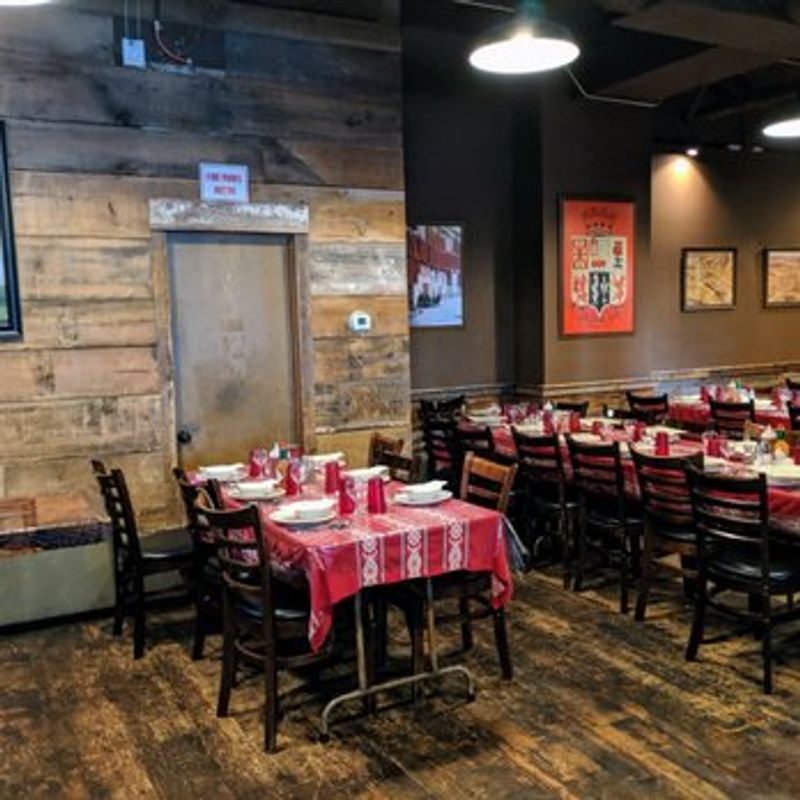
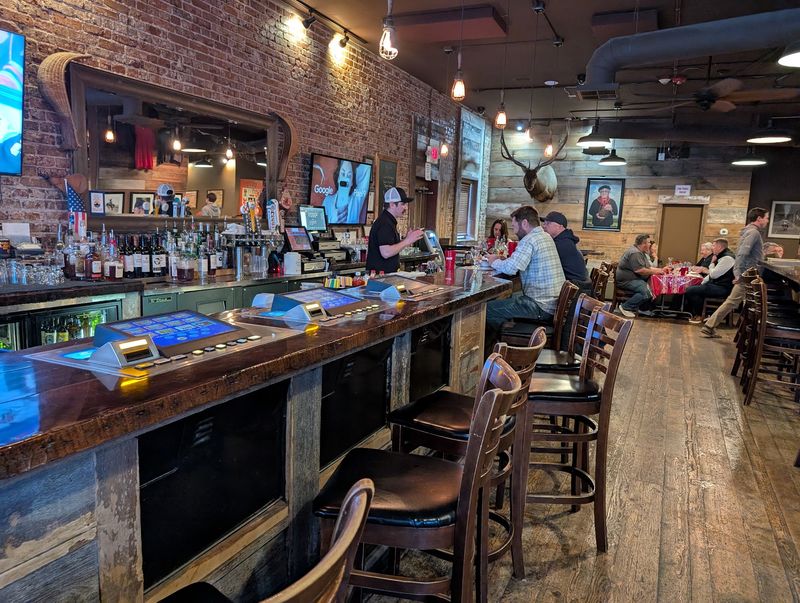
The room looks lived in, and that is a compliment. Exposed brick and reclaimed wood floors set a rustic backdrop.
Furniture leans country simple. Sturdy wooden chairs and long tables handle heavy nightly use without fuss.
Lighting stays warm and low rather than bright. Nothing about the space feels designed for photographs.
Servers sometimes wear traditional Basque attire. It reads as heritage rather than costume theater.
Decor references Basque culture throughout. Flags, colors, and small cultural touches fill the walls.
Comfort is honest but not luxurious. Chairs are firm, and seating sits close together during busy periods.
Noise builds as the room fills. Conversation carries easily, and background music sits underneath the chatter.
Quieter stretches do exist. Weekday lunch service generally runs calmer than weekend dinners.
Anyone sensitive to sound should aim for those slower windows. Midweek midday visits offer the same food with a softer volume.
The neighborhood around East 4th Street is industrial and plain. The contrast between the block outside and the warmth inside catches many first-time visitors off guard.
Service That Moves At Its Own Speed
Nobody hurries you toward the door. Courses arrive steadily, with breathing room between them.
Staff handle full tables efficiently. Plates land, empties disappear, and refills come without much prompting.
Questions get real answers. Servers explain unfamiliar dishes like sweetbreads or tongue in plain language.
First-timers should say so up front. Mentioning it usually earns helpful guidance on portion sizes and ordering.
Expect the full meal to take a while. Multiple courses plus a busy room means dinner stretches comfortably long.
Build that into your evening plans. Rushing to a show afterward creates unnecessary stress.
Large parties need extra coordination. Groups sharing entrees should confirm orders clearly so nothing gets mixed up at a long table.
Splitting checks can take time with communal seating. Deciding payment arrangements before the bill arrives keeps things smooth.
Tipping follows normal restaurant practice. Staff work hard carrying heavy family-style platters back and forth all night.
The overall rhythm rewards patience. Guests who settle in and let the courses unfold usually leave happiest, full and unhurried.
Timing Your Visit Right
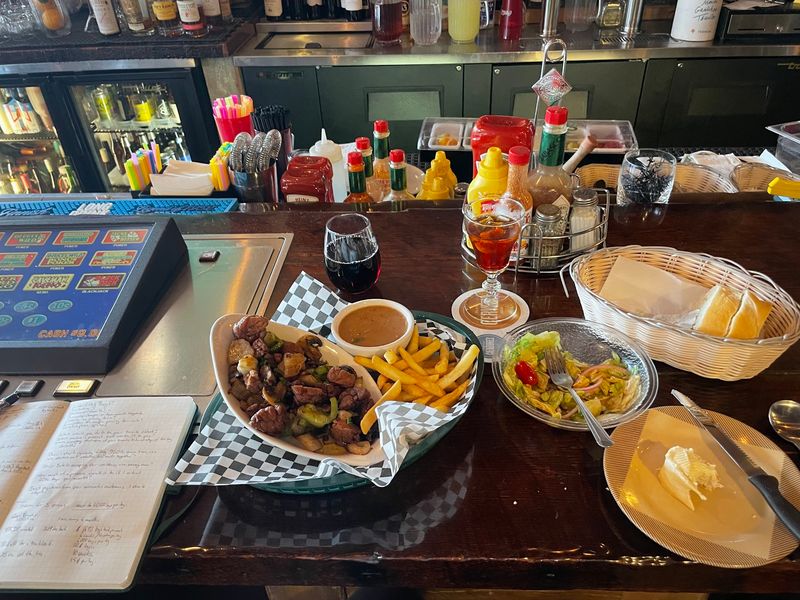
Lunch and dinner feel like two different restaurants. Midday service runs lighter and quieter.
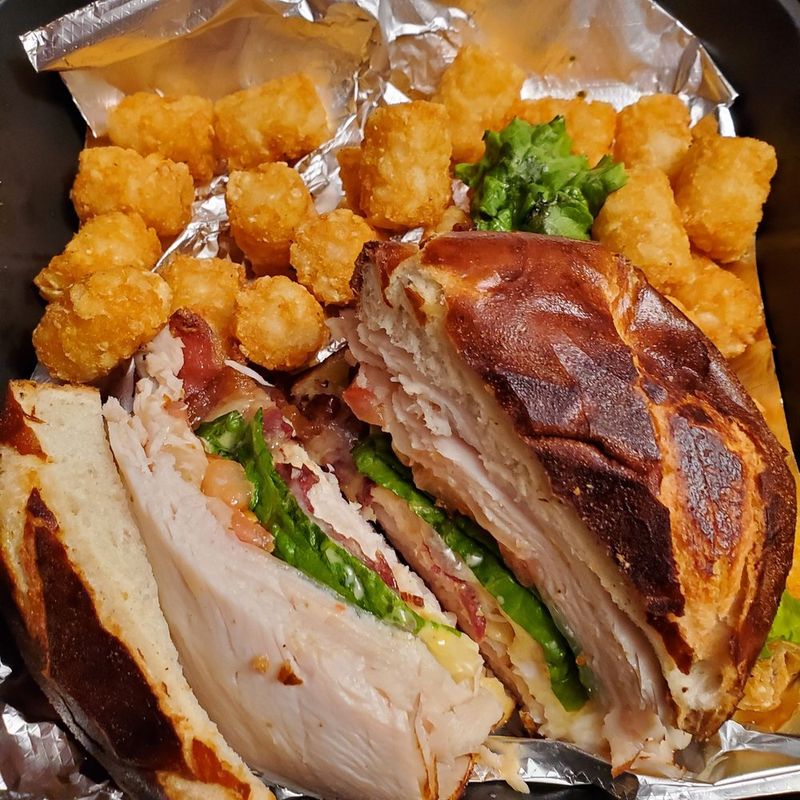
Lunch specials such as a lamb dip sandwich draw a steady local crowd. The same soups and shared sides accompany the meal.
Dinner brings bigger energy. Tables fill, volume rises, and specialty entrees become the main draw.
Hours vary by day of the week, and some days offer lunch only while others open in the evening. Checking ahead prevents a wasted trip.
Reservations are strongly recommended for dinner. Weekend evenings fill quickly, and walk-ins may wait.
Arriving early has a second benefit beyond seating. More entree specials remain available.
Travelers coming from Truckee should account for drive time on Interstate 80. Winter weather can slow that route considerably.
The restaurant sits in downtown Reno near the railroad corridor. Street parking exists nearby, though availability shifts throughout the day.
Downtown parking garages offer backup options within walking distance. The restaurant address is 301 E 4th St, Reno, NV 89512.
Bring An Appetite And A Group
Four people. That is the sweet spot for this kind of meal.
Two entrees split among a small group covers everyone easily. Sides alone could nearly make a meal.
Portions run large across the board. Bread, beans, fries, salad, and soup arrive before anyone touches a main dish.
Skipping a big lunch beforehand is smart planning. Arriving hungry pays off here.
Kids handle the format reasonably well. Familiar items like fries, bread, and chicken give picky eaters something safe.
Families should still consider the noise. Busy nights get loud, which sometimes helps with restless children.
Vegetarian diners may find limited entree choices. The menu centers on meat and fish, so calling ahead about options makes sense.
Celebrations work well at these tables. Birthdays and reunions fit naturally into the communal setup.
Just book larger parties in advance. Coordinating a big group at shared tables takes planning on the restaurant’s end, and advance notice helps everyone.
Why Truckee Locals Keep Making The Drive
Roughly forty minutes separates Truckee from downtown Reno. That drive has become routine for plenty of Tahoe-area residents.
The appeal is not novelty. It is consistency across decades of service.
Mountain towns have plenty of good restaurants. Few offer a shared-table Basque meal with this depth of history.
Winter driving deserves respect on that stretch of Interstate 80. Chain controls and closures happen during storms.
Checking road conditions before heading out is basic common sense. Weather shifts quickly through Donner Pass.
Summer trips run easier. Longer daylight makes the return drive more relaxed.
Pairing the meal with other downtown Reno stops stretches the trip’s value. The riverwalk area sits a short drive away.
Louis’ Basque Corner rewards visitors who arrive curious rather than demanding. Unfamiliar dishes and shared seating ask for a little openness.
Generations of families have made this their tradition, and the format has barely changed. That steadiness is exactly what keeps drawing people back over the mountain.