
The Quiet Mississippi Towns That Have Not Been Ruined By Tourists Yet
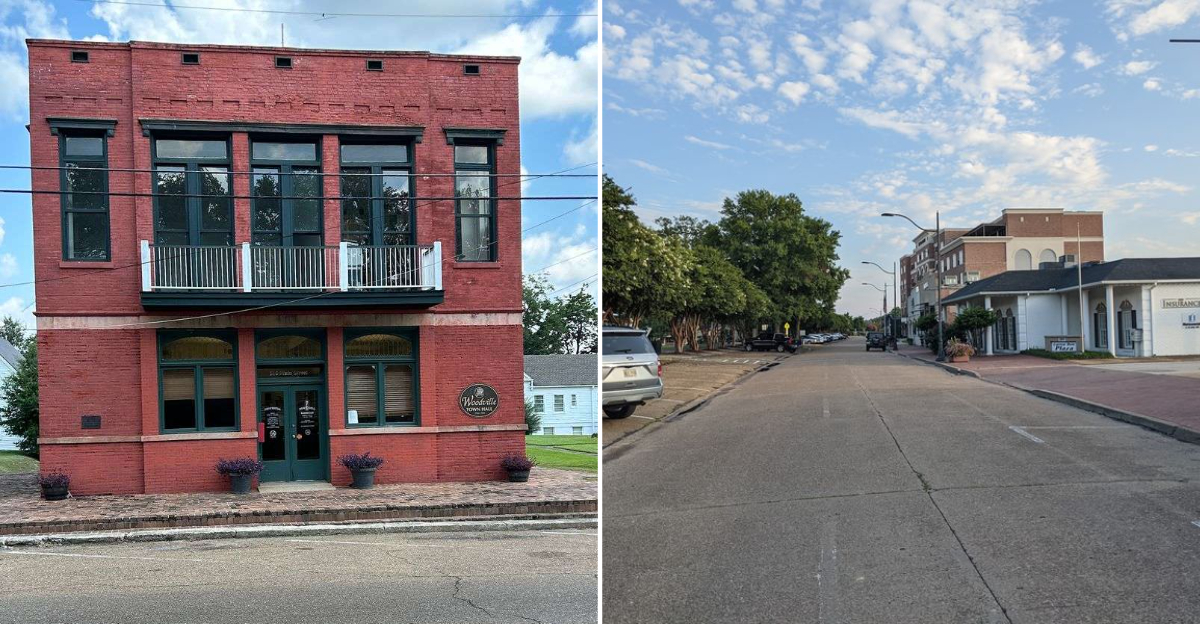
These Mississippi towns have somehow managed to hold onto their privacy despite everything happening around them. Streets stay uncrowded, without the tourist traffic that bigger destinations nearby tend to attract.
Locals prefer it this way, rarely advertising what makes these towns worth visiting in the first place. Nothing about these places feels curated for outside attention or built around drawing bigger crowds.
History and small-town charm exist here without needing to compete for anyone’s attention. Visitors who do stumble upon these towns often wonder why they aren’t more widely known.
That lack of recognition seems to be exactly what keeps them this peaceful. These towns prove that sometimes staying hidden is precisely what makes a place worth finding.
1. Water Valley
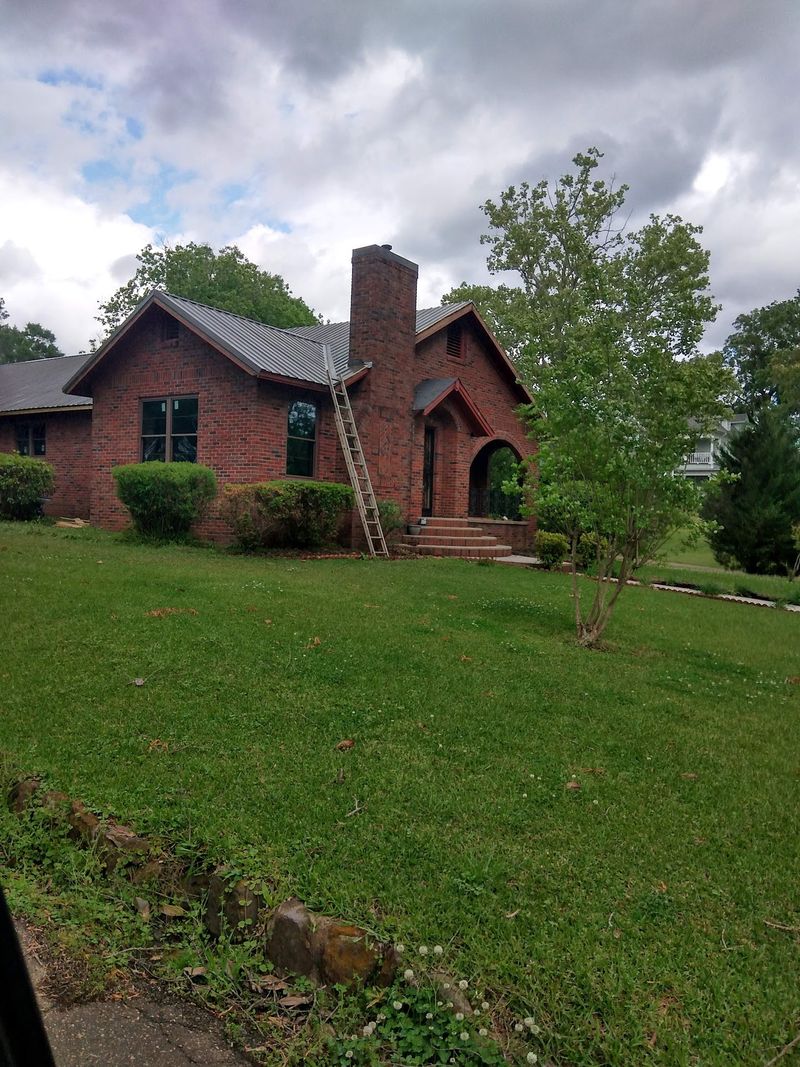
Railroads built this place, and you can still hear the story in the street names. Incorporated in 1858, Water Valley became a major repair hub for the Mississippi Central and later the Illinois Central line.
Then the trains moved on, and the town got quiet. Around 2008, artists and small business owners started buying up those empty brick buildings, and a slow comeback began.
The Casey Jones Railroad Museum honors the famous engineer who once worked here, with artifacts and a restored caboose, and admission is free. Casey Jones Railroad Museum, Main Street and Blackmur Drive, Water Valley, MS.
Turnage Drug Store has been open since 1905 and still has its original soda fountain, which is not a gimmick, just a thing they never got rid of. Turnage Drug Store, 323 N Main St, Water Valley, MS.
Main Street sits on the National Register of Historic Places, lined with late 1800s and early 1900s buildings and painted murals, including one of the Illinois Central Railroad. Walk west a few blocks, and you find grand Victorian houses on Panola, Kimmons, and Leland.
Yalobusha County takes its name from a Native American word meaning tadpole place, which is charming and slightly ridiculous. Enid Lake is a short drive away for hiking, boating, and camping.
2. Flora
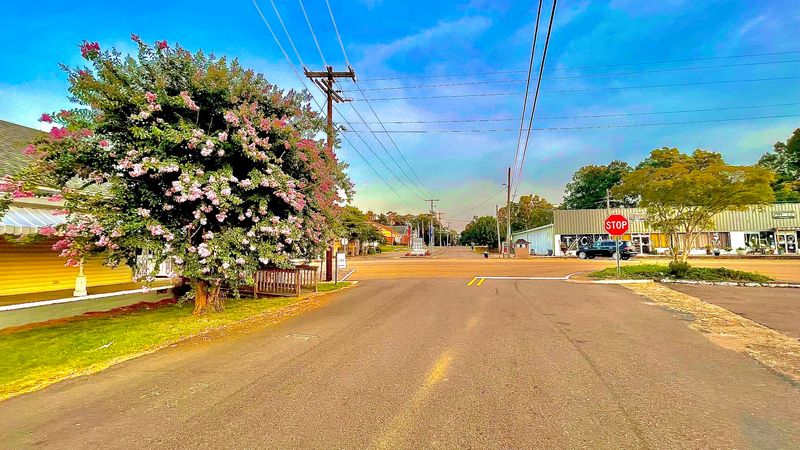
Imagine a forest that fell over 36 million years ago and then turned to stone. That is Flora’s claim to fame, and it is a National Natural Landmark, which is not a title handed out to every roadside attraction.
The Mississippi Petrified Forest sits just outside town, with a short nature trail winding past giant fossilized logs. There is a museum with a rock and mineral collection, plus a gift shop full of geodes that kids tend to fixate on immediately.
Mississippi Petrified Forest, 124 Forest Park Rd, Flora, MS.
Downtown Flora is small, only a few blocks, and moves at the speed of a town where everyone recognizes each other’s trucks. Old storefronts line the street near the railroad tracks, and the Madison County countryside rolls out in every direction.
Being roughly twenty miles northwest of Jackson means Flora gets none of the capital city’s traffic and all of its convenience. Plenty of people live here specifically for that trade.
Fall is the sweet spot for visiting, when the hardwoods around the petrified forest turn colors, and the trail is comfortable to walk. Bring water anyway, because Mississippi humidity does not read the calendar.
3. Woodville
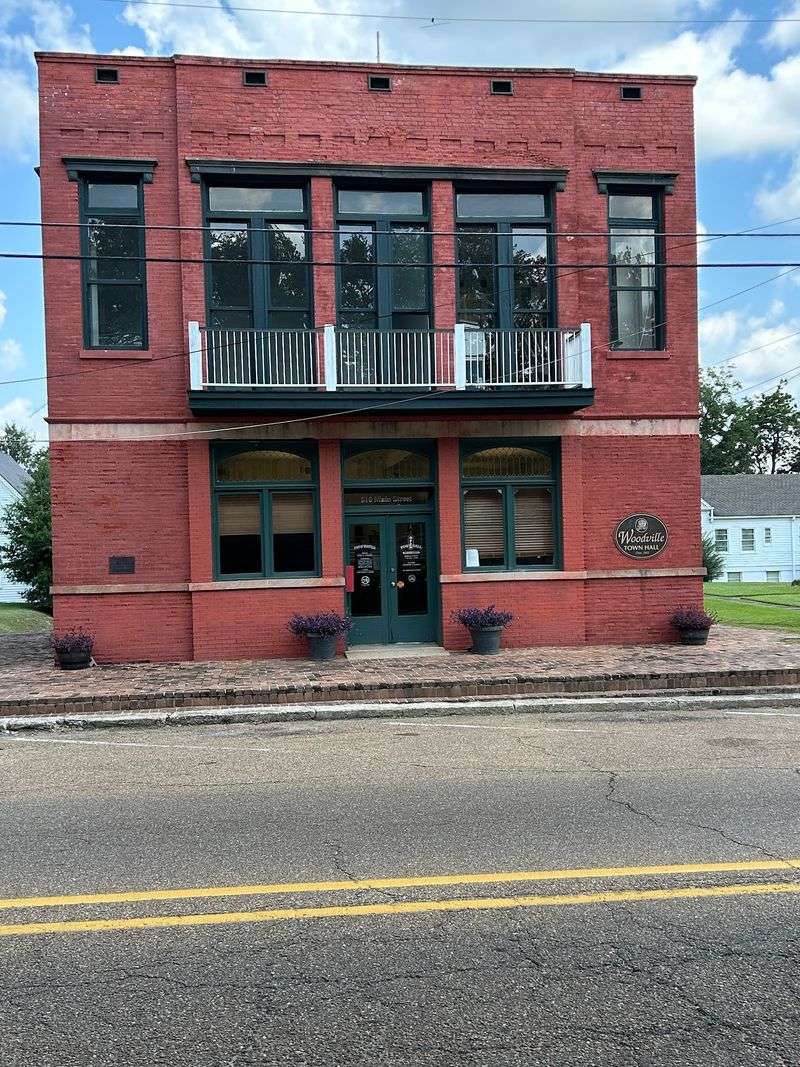
Down in the far southwest corner, almost touching Louisiana, Woodville has more history per square block than towns ten times its size. Wilkinson County’s seat was chartered in 1811, making it one of the oldest incorporated towns in the state.
The courthouse square anchors everything, ringed by buildings that have watched roughly two centuries go by. Woodville Baptist Church and the surrounding historic district give the whole area a preserved, unhurried feel.
Rosemont Plantation, just outside town, was the boyhood home of Jefferson Davis, and it draws history buffs who prefer their landmarks without gift shop crowds. Rosemont Plantation, 1002 Highway 24 East, Woodville, MS.
Music fans know Woodville as the birthplace of Lester Young, the tenor saxophone legend nicknamed Pres. There is a marker on the Mississippi Blues Trail acknowledging the connection, and it rarely has a line in front of it.
The surrounding country is thick with pine woods and winding two-lane roads, and Clark Creek Natural Area sits nearby across the state line with waterfalls that surprise people who assume Mississippi is entirely flat. It is not.
Spend an afternoon walking the square and reading historical markers, and you will leave knowing more state history than most textbooks cover.
4. Holly Springs
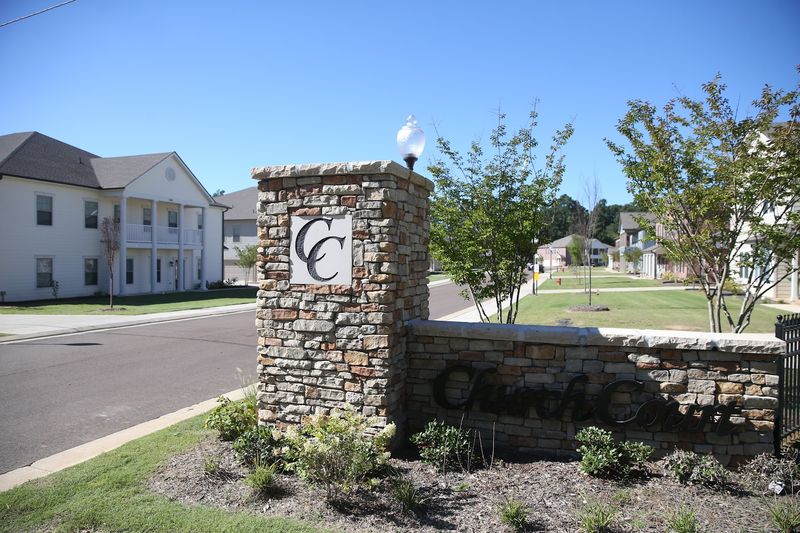
Over sixty buildings on the National Register is a serious number for a town this size. Holly Springs kept nearly all of its antebellum architecture, largely because it changed hands so many times during the Civil War that nobody got around to burning it.
The town square has a courthouse in the middle and shops around the edges, the classic Mississippi layout. Walking tours pass columned mansions, brick churches, and homes that have stayed in the same families for generations.
Every spring, the Holly Springs Pilgrimage opens historic homes to visitors, and azaleas take over yards across town. It is one of the few weekends things get genuinely busy.
Music history runs deep here too. Junior Kimbrough played hill country blues in Marshall County, and the raw, hypnotic sound that came out of this area influenced rock bands worldwide.
Ida B. Wells, the journalist and civil rights pioneer, grew up in Holly Springs, and the Ida B.
Wells-Barnett Museum tells her story. Ida B. Wells-Barnett Museum, 220 North Randolph St, Holly Springs, MS.
Wall Doxey State Park sits about seven miles south with a spring-fed lake, cabins, and shaded trails, which makes an easy add-on to any visit.
5. Kosciusko
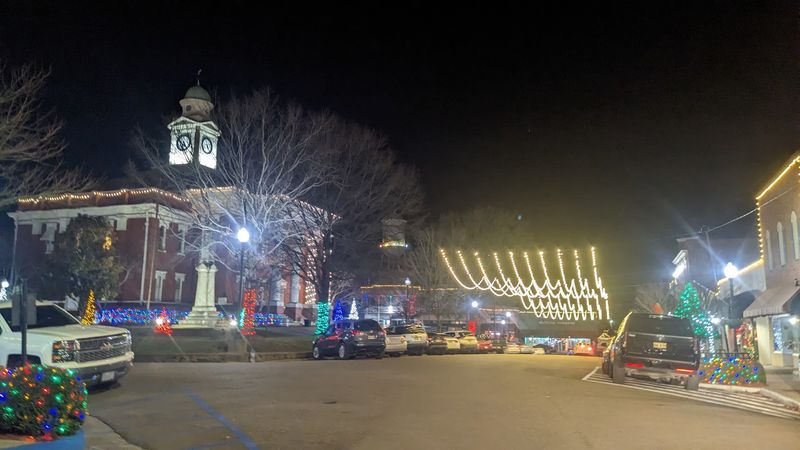
Named after a Polish general who helped America win its revolution, Kosciusko has one of the more unexpected town names in the South. Locals pronounce it kozzy-ESS-ko, and they will politely correct you.
Attala County’s seat sits right on the Natchez Trace Parkway, which means travelers roll through constantly but rarely stop long. Their loss.
The square is genuinely handsome, with a courthouse, historic storefronts, and a downtown that has been carefully maintained rather than rebuilt. Red Bud Springs is a small park with a natural spring that has been a gathering spot for well over a century.
Oprah Winfrey was born here in 1954, and a small road marker and community park acknowledge the connection without turning it into a theme attraction. Oprah Winfrey Road runs through the countryside nearby.
The Natchez Trace Visitor Information Center in town is a good stop for maps and history, and the Parkway itself offers some of the prettiest driving in Mississippi, with no billboards and no commercial trucks allowed.
Hiking trails, hardwood forest, and old ceremonial mounds sit within easy reach along the Trace. Bring a bike if you have one, because the shoulders are cyclist-friendly.
6. New Albany
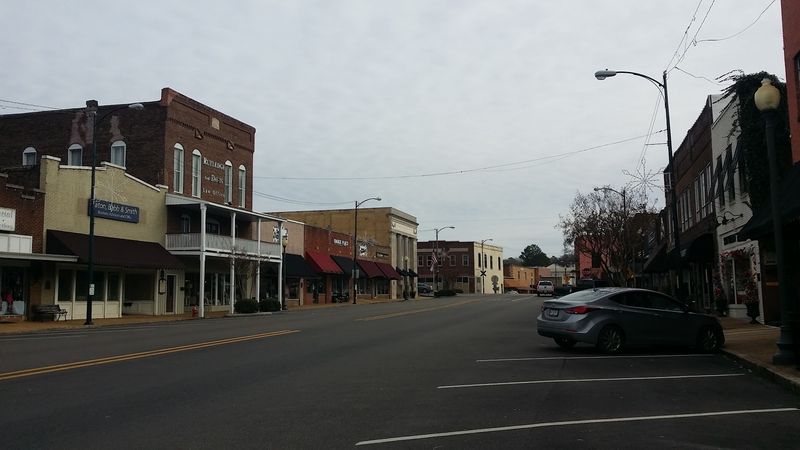
William Faulkner was born in New Albany in 1897, which is a decent conversation starter for a town of about eight thousand. The family moved away when he was small, but the birthplace marker still stands.
What actually pulls people here now is the Tanglefoot Trail, a 43.6-mile paved rail-trail that starts downtown and runs northeast through farmland and small communities.
Cyclists, runners, and people pushing strollers all share it, and it is flat enough that nobody suffers.
Downtown got a real restoration, with brick buildings housing shops, a bookstore, and places to eat before or after a ride. Bike rentals are available near the trailhead, so you do not need to haul your own.
The Tallahatchie River curls through town, and the Union County Heritage Museum keeps local history organized, including Faulkner material and a native plant garden. Union County Heritage Museum, 114 Cleveland St, New Albany, MS.
Spring and fall are the best riding seasons, when the trail is shaded and the temperature is reasonable. Summer works too if you start early.
The whole town has a well-kept, low-key energy that never tips into touristy.
7. Petal
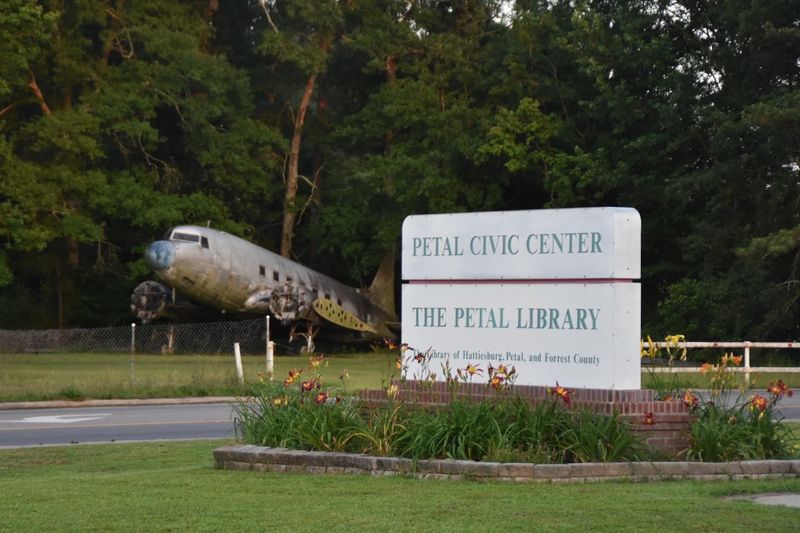
Locals call it the Friendly City, and Petal has leaned into that identity for decades. Sitting across the Leaf River from Hattiesburg, it stays residential and calm while the bigger city handles the noise.
Pine Belt geography means tall longleaf pines, sandy soil, and rivers good for paddling. The Leaf River is a favorite for kayaking and lazy float trips when the water level cooperates.
Petal River Park spreads across acres with walking trails, playgrounds, ball fields, and open space for festivals. It fills up on weekends with families and dog walkers, not tour buses.
Petal River Park, 21 Central Ave, Petal, MS.
Downtown is compact, with local restaurants and small shops that see the same customers weekly. Nobody is selling magnets shaped like the state.
Being minutes from Hattiesburg gives residents access to the university, hospitals, and the Longleaf Trace rail-trail, which runs 44 miles toward Prentiss. That combination of quiet neighborhoods and nearby amenities explains why Petal keeps growing steadily.
South Mississippi weather means long warm seasons, so outdoor plans work most of the year. Just plan around July, when the humidity gets aggressive.
8. Louisville
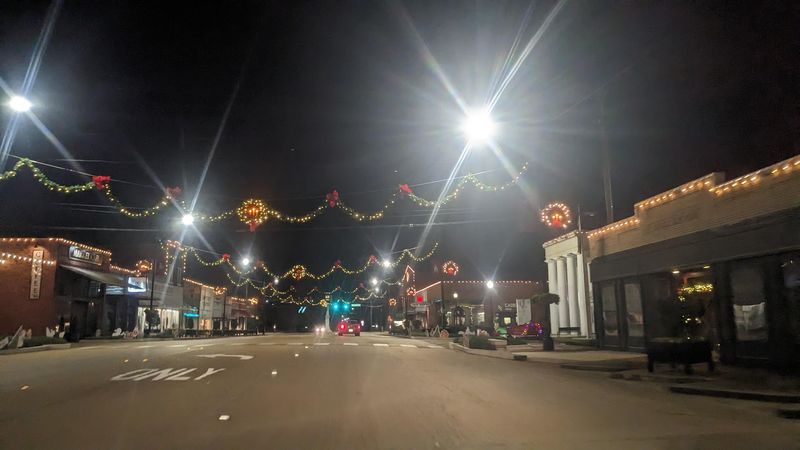
Winston County’s seat calls itself the Gateway to the Tombigbee National Forest, and that is not marketing fluff. Thousands of acres of pine and hardwood sit right at the edge of town.
Choctaw Lake inside the forest has a swimming beach, campground, and a trail that loops the shoreline. Deer, turkey, and more birds than you can name live out there.
Downtown Louisville centers on the courthouse, with brick buildings and family businesses that have hung on through decades of change. Furniture manufacturing has long been a backbone of the local economy.
The Nanih Waiya mound, sacred to the Choctaw Nation and considered their place of origin, sits southeast of town and is one of Mississippi’s most significant Native American sites. Visiting it is a quiet, thoughtful experience rather than a tourist stop.
Legion State Park is even closer, with rustic cabins built by the Civilian Conservation Corps in the 1930s, plus fishing lakes and shaded trails. Legion State Park, 635 Legion State Park Rd, Louisville, MS.
Fall brings cooler air and color to the hardwoods, making it the ideal window for camping. Pack bug spray regardless of the season, because the forest has opinions about visitors.
9. Cleveland
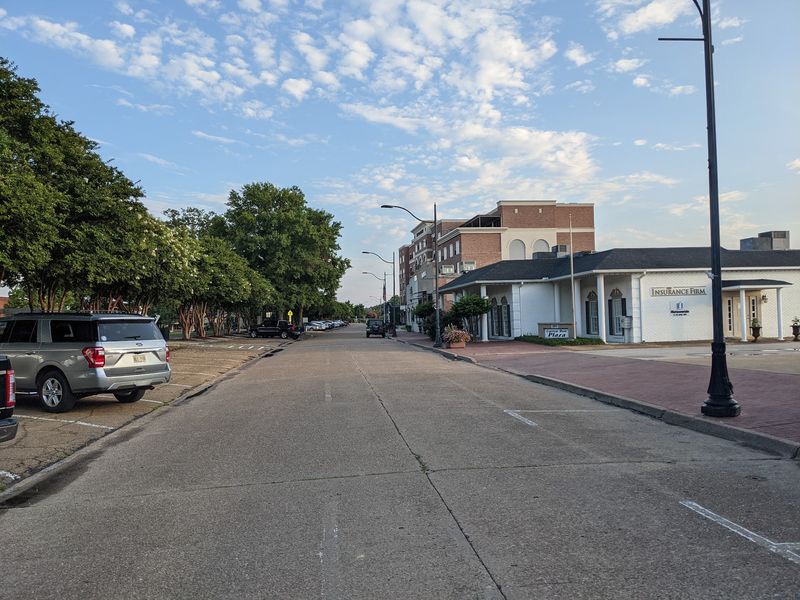
Right in the middle of the Delta, Cleveland manages something tricky: it has real cultural weight without the crowds. Delta State University keeps the town young, and the flat cotton country around it stretches to the horizon.
The Grammy Museum Mississippi opened here in 2016, one of only two in the country, and it covers music history with interactive exhibits and a serious sound lab. Grammy Museum Mississippi, 800 W Sunflower Rd, Cleveland, MS.
Downtown’s Cotton Row is a walkable strip of brick buildings holding restaurants, boutiques, and a bookstore. It has been the commercial heart of town since the railroad days.
Blues history is everywhere out here. Dockery Farms, about eight miles east, is widely considered a birthplace of the Delta blues, where Charley Patton worked and played.
Dockery Farms, 229 Highway 8, Cleveland, MS.
The Delta sky is the underrated part. With no hills and few trees, sunsets go on forever, and thunderstorms announce themselves from miles away.
Visit during the school year and the town hums with student energy. Come in summer, and it is slow, hot, and honestly kind of perfect for museum hopping.
10. Yazoo City
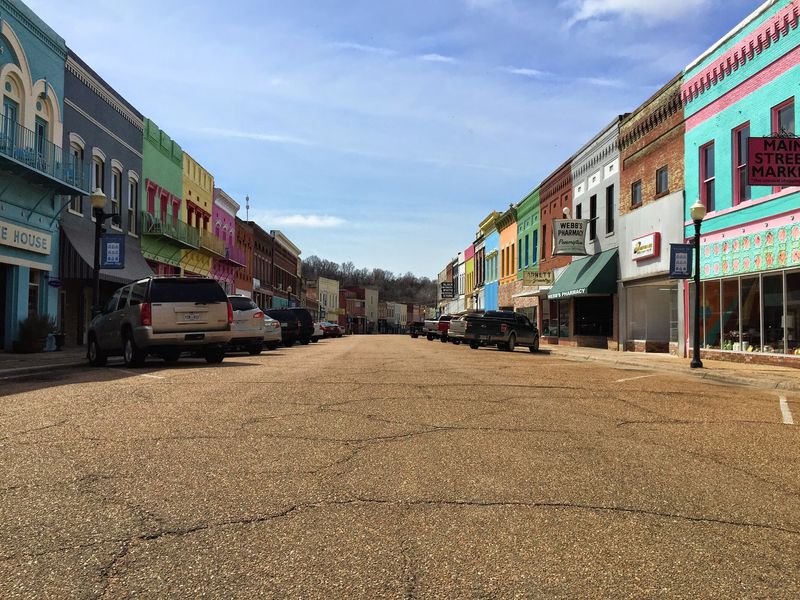
Rainbow-colored storefronts are not what most people expect from a Delta town, but Yazoo City painted its Main Street buildings in bright pastels and never looked back. The effect is cheerful and a little surreal.
Geography here is unusual too. Yazoo City sits right where the flat Delta meets the loess bluffs, so one side of town is farmland, and the other is hills.
Writer Willie Morris grew up here and wrote about it constantly, including the ghost story of the Witch of Yazoo, who supposedly promised to return and burn the town down. A fire did destroy much of it in 1904, which locals still enjoy pointing out.
Her alleged grave sits in Glenwood Cemetery, marked by a chain link that legend says she broke. Glenwood Cemetery, 1401 Grand Ave, Yazoo City, MS.
The Triangle Cultural Center houses a museum covering local history, art, and the town’s writers. Triangle Cultural Center, 332 N Main St, Yazoo City, MS.
Nearby, the Delta National Forest offers bottomland hardwood swamps rare anywhere else in the country. Birders love it, and mosquitoes love the birders.