
This Hidden Sunflower Festival In Pennsylvania Is The Perfect Late Summer Day Trip For Families And Flower Lovers
Did you know sunflowers actually track the sun, turning to follow it throughout the day? This Pennsylvania festival gives families and flower lovers the perfect chance to see that phenomenon firsthand.
Fields stretch out wide enough to make an entire afternoon out of just walking through them. Photography opportunities exist around nearly every turn, especially during the golden hour before sunset.
Nothing about the festival feels overrun despite its growing popularity this time of year. Regulars know the best times to visit, avoiding crowds that build up later in the season.
Families often turn the visit into a relaxed outing, comparing favorite photo spots by the end of it. This festival proved that summer still has a little magic left before it fully disappears.
Sunflower Varieties And Their Unique Features
Roughly 50 acres of sunflowers is a lot of yellow. Guests can walk the cut paths and pick as many blooms as they want, free, which explains the buckets people carry back to their cars.
The blooms are not all identical, either. Warehime’s Pumpkin Patch sits right next door and grows designer sunflowers in a range of colors, so rusty reds and deep bronzes show up alongside the classic bright gold heads.
Height varies across the fields too. Some rows tower overhead like a maze, while other plantings sit lower, which is a small mercy for shorter kids trying to reach a flower they picked out themselves.
Clippers help enormously here. Sunflower stems are thick and fibrous, and snapping them by hand tends to end with a bent stalk and a sad flower, so bringing shears plus a vase or bucket of water makes the trip smoother.
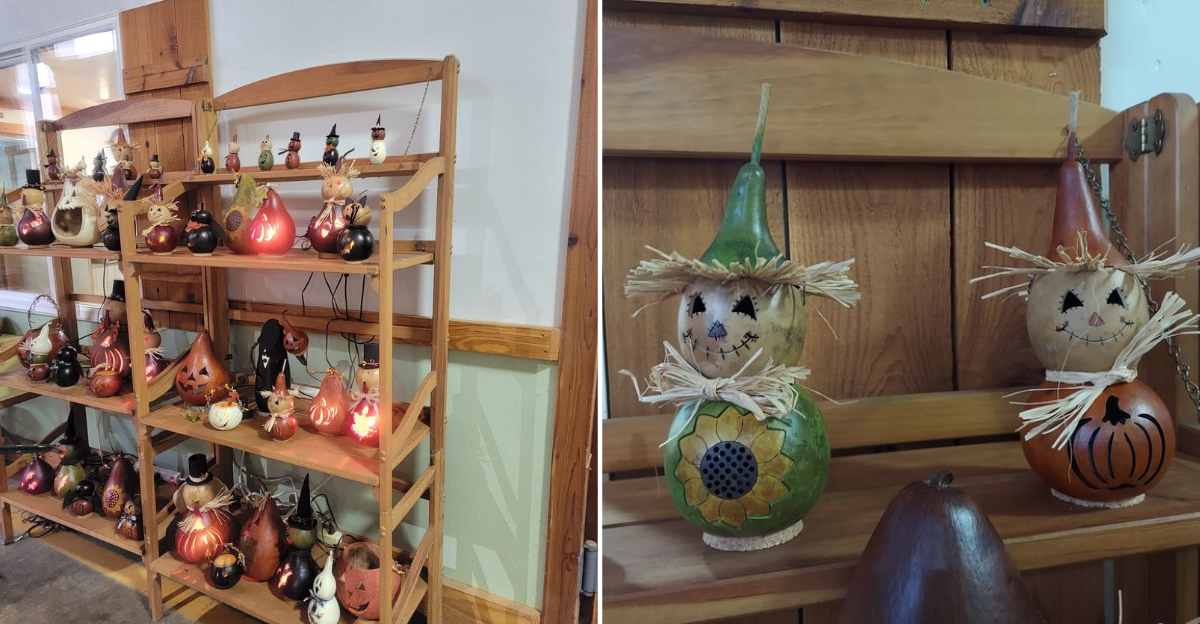
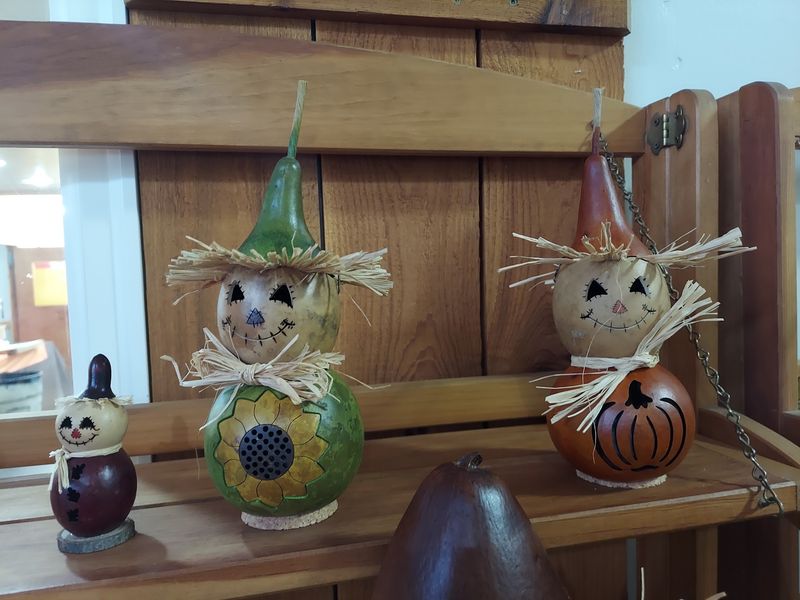
Fun detail worth knowing: the sunflower theme carries indoors. The farm has created gourd craft kits designed as sunflowers, using burnt orange, yellow, and walnut coloring with a green gourd leaf as the finishing touch.
So the flowers exist in two forms: living in the field and hand-painted on a gourd that lasts through winter. Both versions come from the same fields at Meadowbrooke Gourds, 125 Potato Rd, Carlisle, PA 17015.
Best Family Activities During The Festival
The Sunflower Festival runs for two days, with the next one set for September 26th and 27th, 2026. Two days of golden chaos, and rain does not cancel it.
Trolley rides loop around the 200-acre farm and last about 45 minutes, which gives kids a chance to sit still and adults a chance to see how enormous the operation really is.
Food trucks park near the grassy event lawn, artisan craft vendors set up nearby, and local musicians play throughout the day. Picnic blankets fit right in.
Animal fans get a petting zoo with Highland Cows available for cuddling, plus other farm animals and pony rides. Face painting handles the kids who would rather be decorated than educated.
Gourd cottages on the lawn hold small activities like a mini corn bin and checkers, and there is a crossword game with clues hidden along the sunflower trails. Solving it requires actually walking the rows, which is clever.
An “Oops! Sale” tent offers handcrafted gourds with tiny blemishes or retired designs, which is where the treasure hunters gather.
Warehime’s Pumpkin Patch next door adds pumpkins and photo spots to the day.
One planning note: pets are not permitted during the festival because of the crowds and farm animals. Leave the dog at home with a chew toy.
Tips For Photographing Sunflower Fields
Here is the insider move. The sunflower fields stay open from dawn until dusk all through Sunflower Season, not just on festival weekend, so photographers who want elbow room should pick a quieter day.
Festival weekend gets busy. Beautiful, lively, and full of people walking through the exact spot where a shot was framed, which is fine for candids and less fine for portraits.
Early morning light is soft, and the fields are calm. Late afternoon works too, with long shadows stretching down the cut paths and the blooms glowing from behind.
Photo setups are arranged among the sunflowers and inside the gourd cottages, so there are ready-made backdrops without any scouting required. The cottages add texture when a plain field of yellow starts feeling repetitive.
Engagement shoots, maternity sessions, and wedding flower gathering all happen here. One couple got engaged in the fields and came back a year later to cut the sunflowers for their wedding, which is a story the flowers earned.
Warehime’s Pumpkin Patch next door offers more photo options, including multi-colored sunflowers that break up the standard gold palette.
Practical reminder: stems drip and pollen is generous with white clothing. Dark colors and a towel in the trunk save a lot of regret on the ride home.
Local Wildlife To Spot Around The Festival Grounds
Highland Cows steal the show. Shaggy, patient, and available for cuddling at the petting zoo, they look like someone crossed a cow with a mop and decided it was perfect.
Other farm animals share the pens, and pony rides run during the festival, sometimes with a miniature horse involved. Small riders, smaller horse, big grins.
Wild residents show up too. Deer and rabbits live throughout this stretch of Cumberland County farmland, and they have opinions about gourds left in the fields over winter.
That is not a small detail for the farm. Hungry deer and rabbits can chew through a crop that took an entire season to grow, so timing the harvest matters more than most visitors realize.
Sunflowers pull in their own crowd. Bees work the heads all day during bloom, butterflies drift through the rows, and goldfinches show up once seeds start forming.
Watching pollinators in a 50-acre field is a legitimate science lesson disguised as a nice afternoon. Kids notice how many insects a single flower head can hold.
Household pets stay home during the Sunflower Festival, and the reason is practical. Big crowds plus farm animals plus a dog on a leash rarely end in calm, so the rule protects everyone involved.
Seasonal Weather And Its Impact On Blooming
Timing a sunflower trip is part guesswork, part farming science. Sunflower Season here generally starts at the beginning of September and runs until the first hard frost shuts everything down.
To keep blooms coming, multiple fields get planted at different points during the growing season. One field fades, another opens, and the golden window stretches out for weeks instead of days.
Weather still calls the shots. Planting schedules depend on growing conditions, so an unusually wet spring or a scorching July shifts the whole calendar.
A hard frost is the hard stop. It ruins sunflower and gourd vines outright, which is why late-season visits are a gamble worth checking on before driving out.
Gourds feel the weather even more. Fruit pollinated late in the season often runs out of time and cannot fully mature before the vine freezes.
Brutally hot summers cause a different headache. Weakened gourd plants drop their leaves, leaving the fruit exposed to direct sun, and a protective whitewash sometimes becomes necessary to prevent sun damage.
The festival itself goes forward rain or shine, so muddy boots are a real possibility. Packing layers and shoes nobody loves too much is the smart approach for a Pennsylvania farm in late September.
Nearby Parks And Picnic Spots For Visitors
No need to rush off after picking flowers. A spacious grassy lawn on the farm gives visitors a spot to spread out a picnic lunch, and shaded tent areas during events make resting easy.
Eating outdoors surrounded by sunflowers beats a drive-through window by a wide margin. Sandwiches simply taste better with a field view.
The gourd cottages near the parking area add another place to sit, complete with benches and small games inside. Handy when someone in the group needs five minutes out of the sun.
Cumberland Valley offers more once the day stretches longer. West Pennsboro Township Park sits nearby and works well for anyone who wants open space and a place to burn off energy.
Opossum Lake is another local option, popular with people who like water views and quiet outdoor time. It pairs nicely with a morning at the fields.
Stringing the two together makes a full day trip. Flowers first, lunch on the lawn, then a walk somewhere green before heading home with a back seat full of sunflowers.
Small tip that saves headaches: bring a water container for the stems. Cut sunflowers wilt fast in a warm car, and a bucket keeps them upright until they reach a vase.
Cultural Events Celebrating Local Agriculture
The Sunflower Festival is really a harvest celebration with a flower crown. It marks the fall sunflower season and puts the farm’s connection to its land front and center.
Free tours run every Tuesday at 2 PM, and they are genuinely interesting. Guests follow the gourd story from the field all the way to a finished piece of painted art.
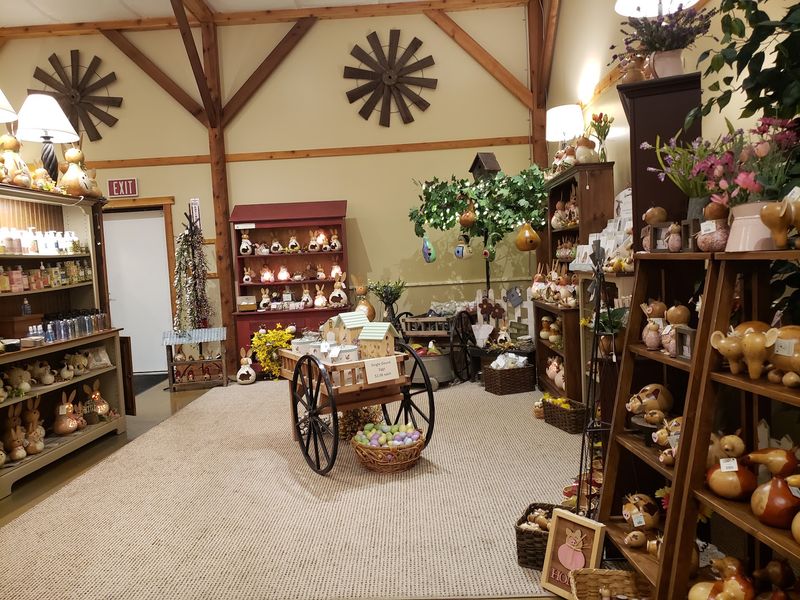
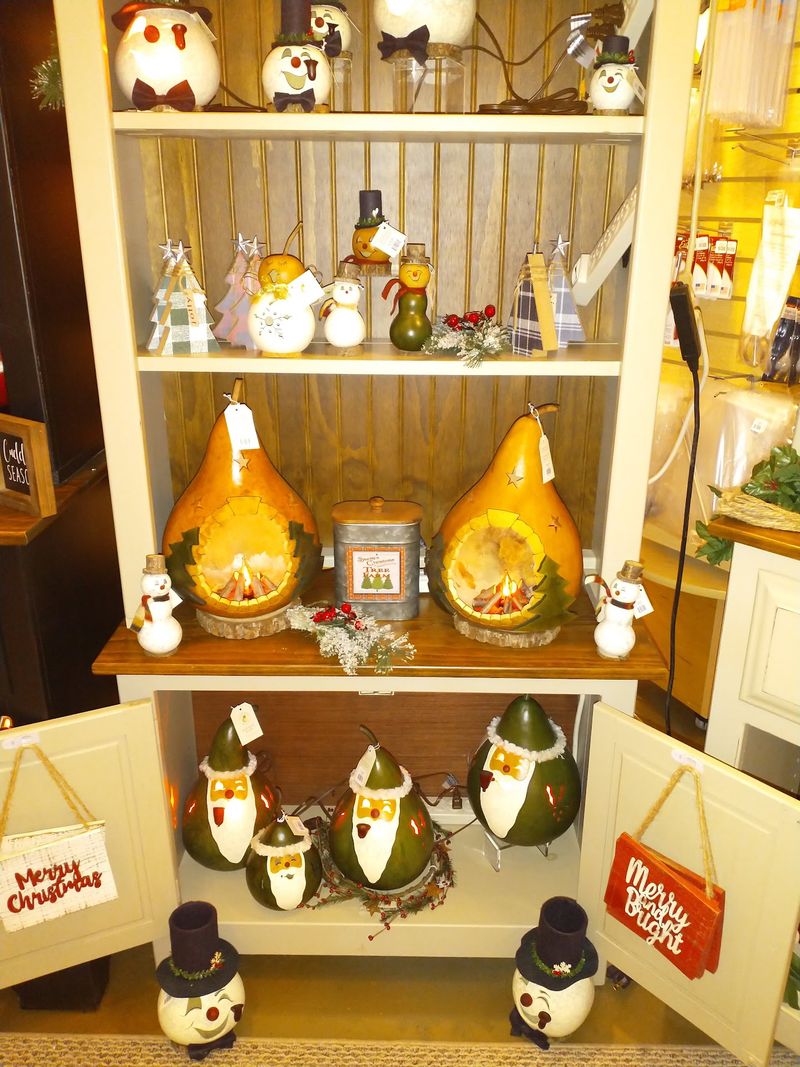
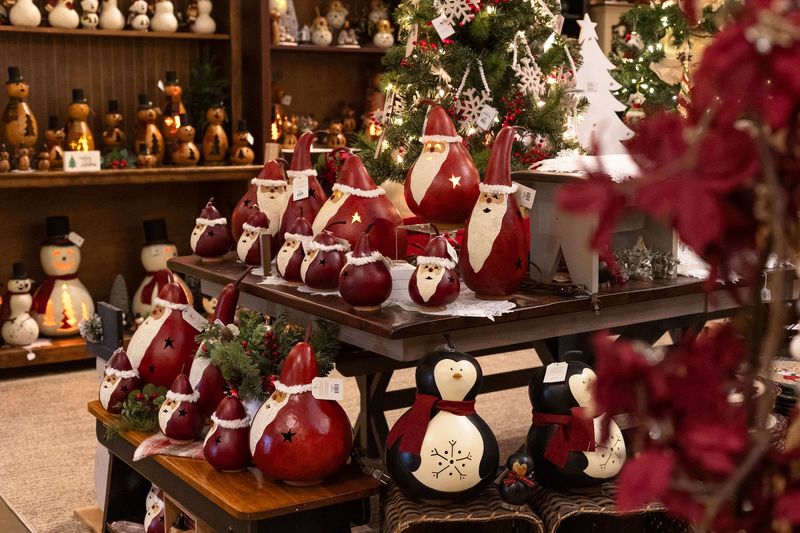
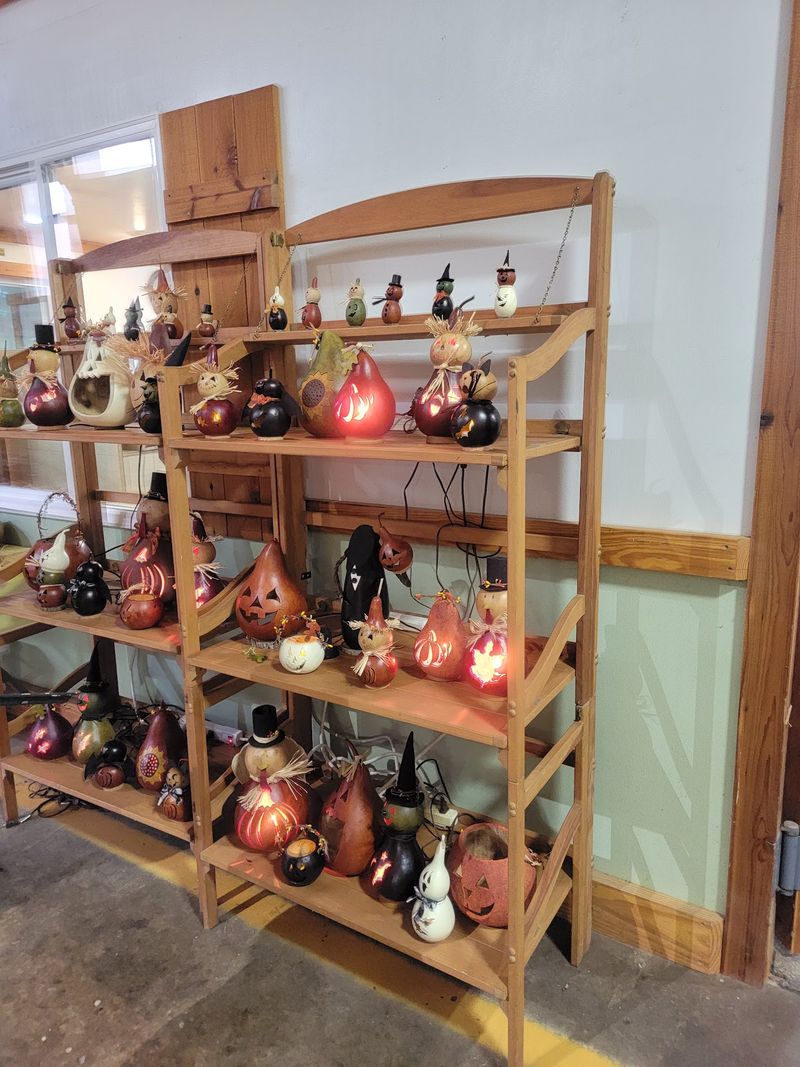
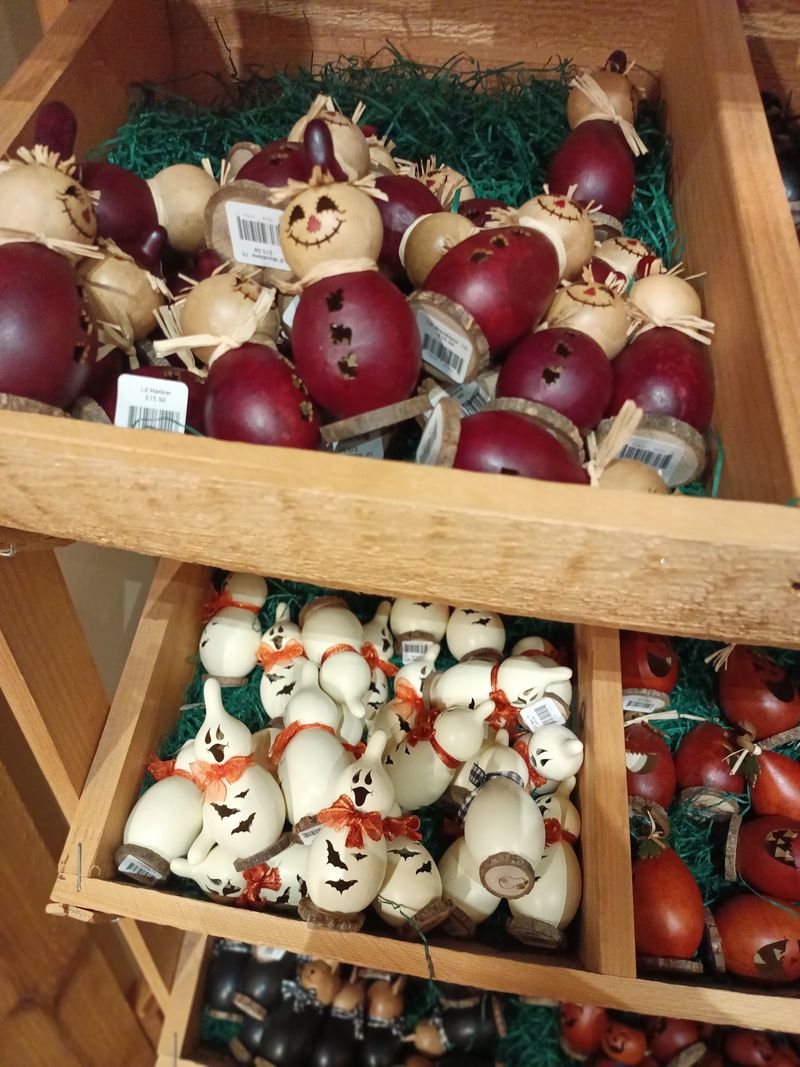
Seeing craftspeople at work changes how the gift shop looks afterward. A shelf of duck-shaped and Santa-shaped gourds stops being decor and starts being someone’s careful handiwork.
Craft classes happen on site too, with holiday-themed designs and instructors walking beginners through the steps. Anybody can manage it; no art degree required.
Carlisle keeps the agricultural theme going beyond the farm. Farmers on the Square operates year-round with local growers selling seasonal produce, baked goods, and artisan foods.
Mountain Lakes Market brings local producers and food vendors together seasonally, which is another easy add-on for a weekend in the area.
Nearby Mechanicsburg hosts Art on the Farm, an event that pairs local food with local artists to celebrate community and farming side by side.
Chain a couple of these together and a sunflower afternoon turns into a proper tour of what Cumberland County grows and makes.
Sustainable Farming Practices Behind The Festival
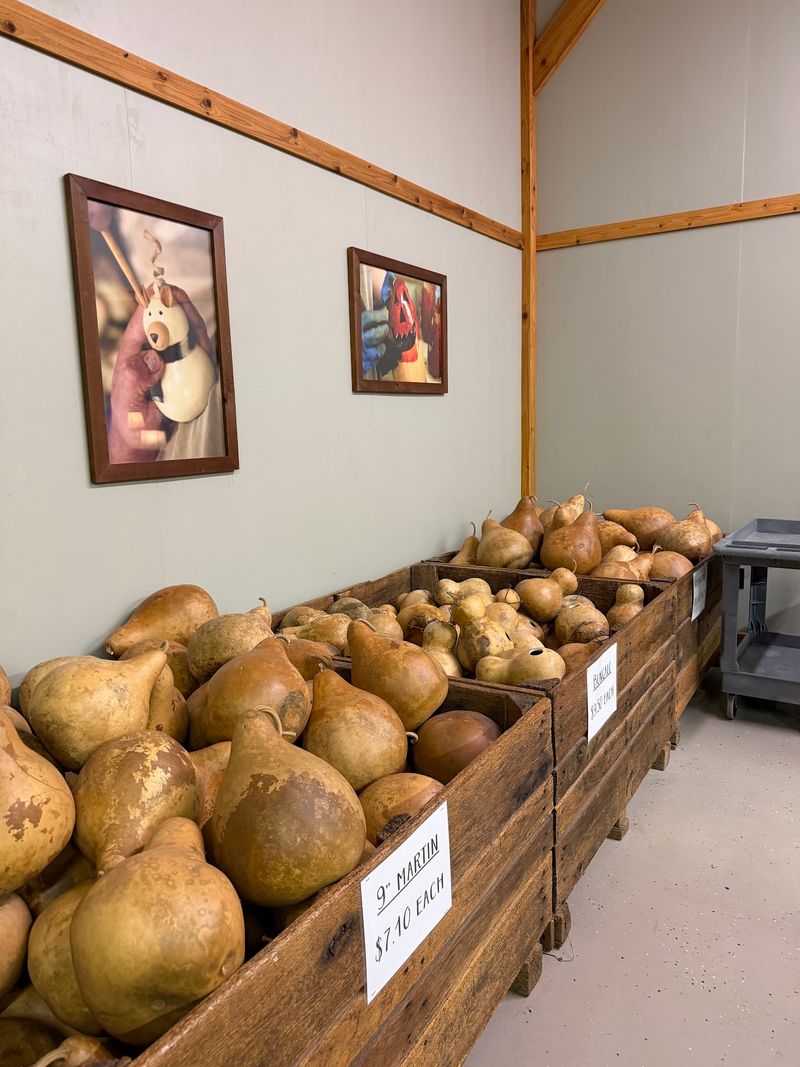
Those sunflowers are doing a job beyond looking pretty. They are planted as part of a crop rotation plan built to put valuable nutrients back into the soil.
So every free bloom picked comes from a field that is quietly improving the ground for future crops. Pretty and practical at the same time.
Staggered plantings serve double duty as well. Multiple fields sown at different times extend the blooming window while spreading out the demand on the land.
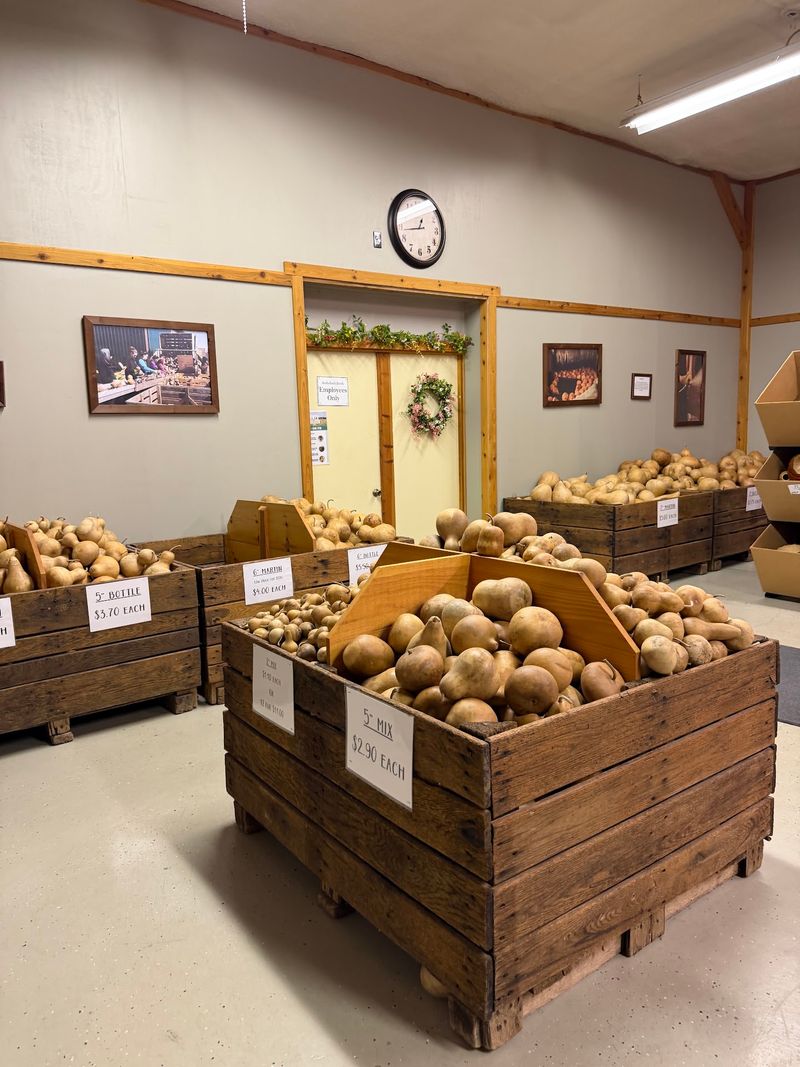
Gourds remain the farm’s signature crop, grown across roughly 30 to 50 acres each year. That is a serious amount of vine.
The strangest part of the process happens in July, when gourd flowers get pollinated by hand. Somebody walks the rows doing work most farms leave to insects.
Harvest waits for the first hard frost to kill the vines, which signals the gourds are ready for curing. Patience is built into the schedule.
Curing takes time and attention. Gourds get turned regularly so they dry evenly and do not crack, a slow step that determines whether a shell can become art later.
Understanding that timeline makes the gift shop hit differently. Each painted gourd started as a hand-pollinated flower more than a year earlier.