
Rescued Parrots Find A Place To Thrive At This Nevada Sanctuary
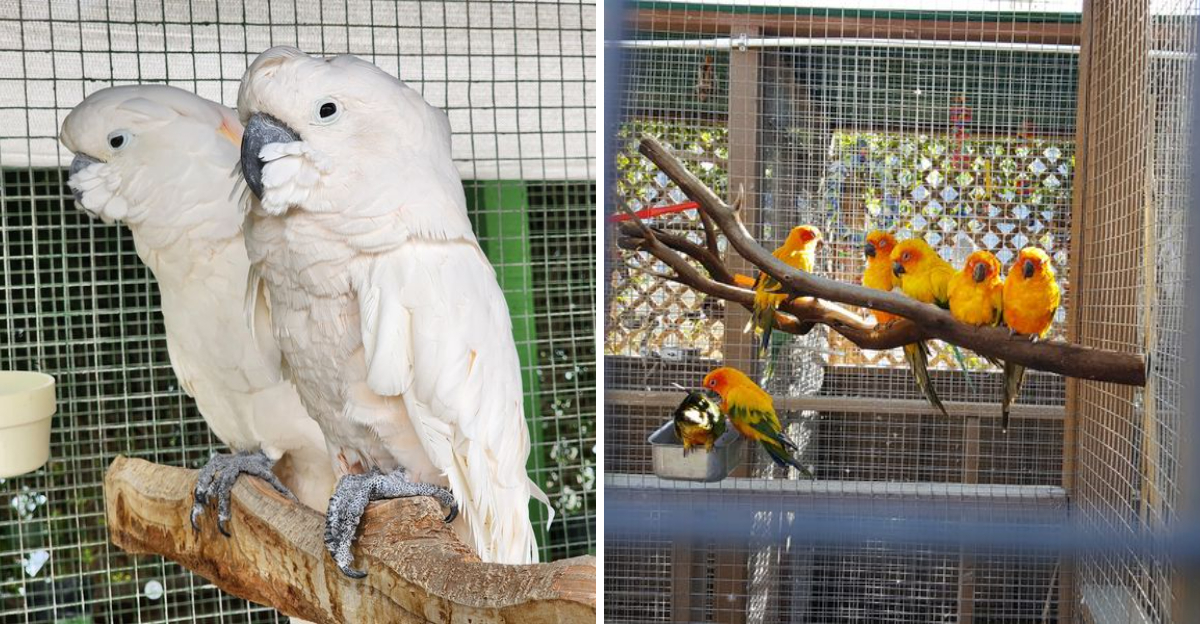
Macaws dance to music. Cockatoos strike up conversations with total strangers.
Somewhere in Nevada, hundreds of rescued animals live out quiet, second-act lives far from casino lights and crowded streets. Parrots steal the spotlight, but goats, donkeys, tortoises, and peacocks share the grounds too.
An abandoned exotic pet needs somewhere to land, and this place answers that call.
Feed cups sell for pocket change, and belly rubs come free from pigs who flop over at the fence. Kids leave talking about it for weeks.
Nevada deserts hide plenty of surprises, and this one comes with feathers.
History, heat tips, and the full cast of rescued residents wait to be explored, and a visit here tends to linger in memory long after the gates close.
A Ranch That Grew Into A Refuge
Long before the suburbs arrived, this land was working ranch country. A family settled a large stretch of desert here in the 1920s and farmed it for decades.
Love for animals crept into the operation slowly. Injured and unwanted creatures kept showing up, and the family kept saying yes.
Ranching continued for decades before Bill Gilcrease, drawing on his lifelong love of animals, founded the sanctuary in 1970. It opened its gates to the public in 1979, building on a mission that has run ever since.
Today Gilcrease Nature Sanctuary occupies a portion of that historic ranch at 8103 Racel St, Las Vegas, NV 89131, United States. Housing tracts now press close on several sides.
Hundreds of residents live on the property, a mix of exotic birds, reptiles and farm animals. Volunteers and donations keep the gates open.
The contrast lands hard. Rooftops on one horizon, peacocks strolling past a water trough on the other.
Reading the story before visiting changes the walk entirely. Every enclosure represents a decision someone made to help rather than look away.
Few places in the Las Vegas valley carry this kind of continuity across a full century.
Parrots With Opinions And Plenty To Say
Some birds greet visitors. Others heckle them.
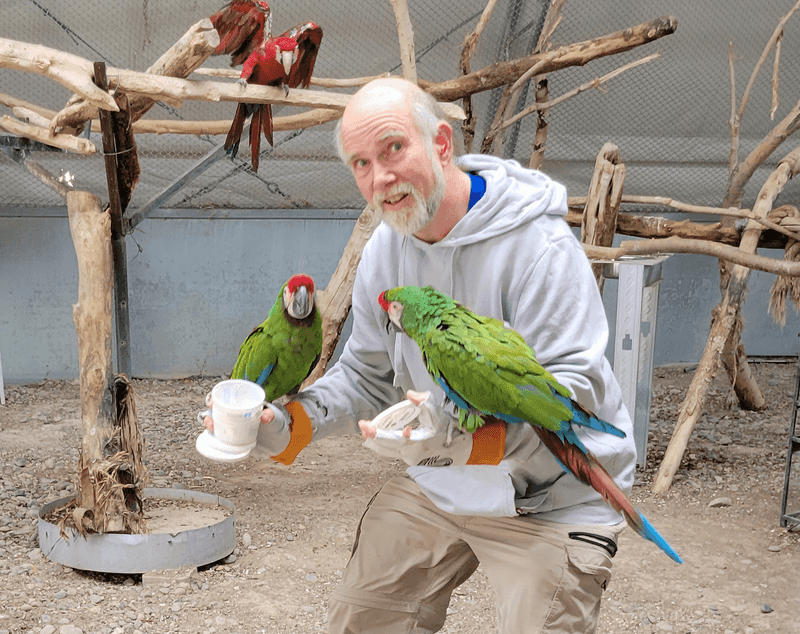
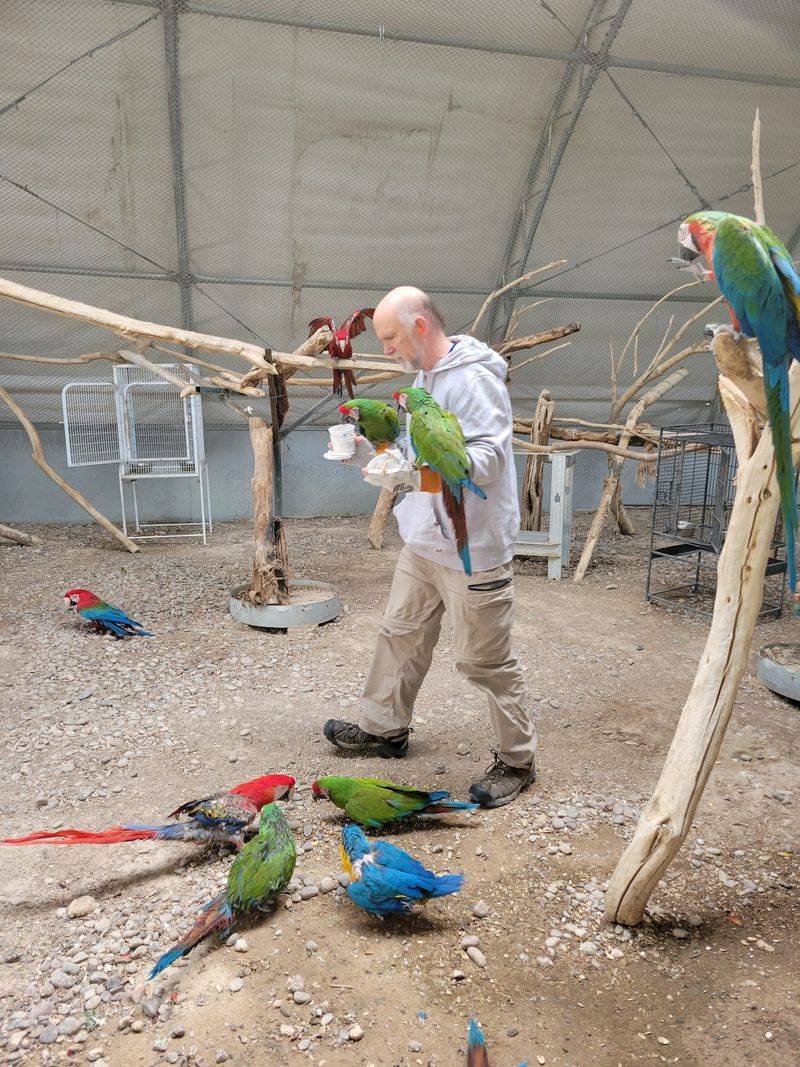
The parrot population at Gilcrease Nature Sanctuary makes the loudest first impression, and that is saying something on a property full of peacocks. Macaws, cockatoos and smaller species fill the aviaries with color and commentary.
Regular guests report that certain birds respond to music with head bobs and swaying. Others zero in on conversation and try to join it.
Most arrived after life as pets went sideways. Parrots can live for decades, and owners underestimate the noise, the mess and the long commitment involved.
Staff describe the macaw house as a favorite stop, and reviews back that up again and again. Birds crowd the mesh, eager for attention.
Standing quietly works better than shouting. Give a parrot a minute and it usually comes over on its own terms.
Photographers should watch the light. Morning sun through the aviary wire makes those feathers glow without a flash.
Anyone considering a parrot as a pet should walk this row first. It is an honest look at what lifelong care actually requires.
Goats, Donkeys And A Cup Of Feed
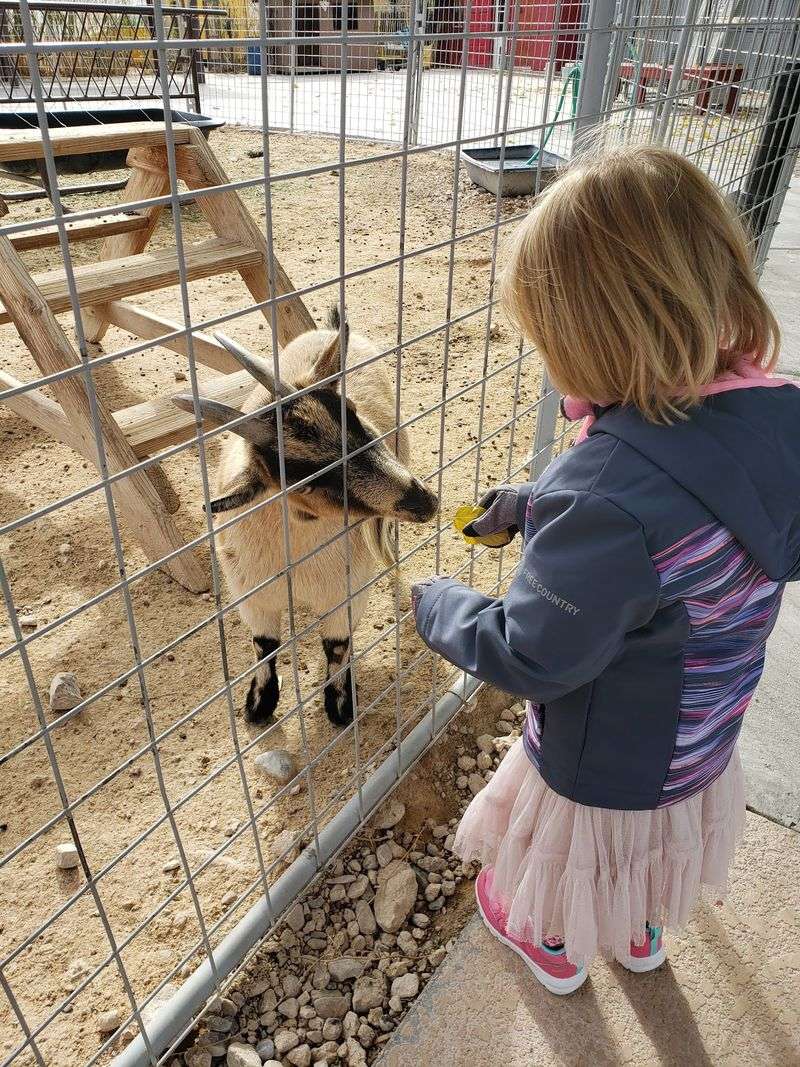
Buy a cup of feed and watch your popularity soar. Goats have a talent for spotting a full hand from thirty feet away.
Farm animals make up a big share of the residents at Gilcrease Nature Sanctuary. Goats, donkeys, pigs, llamas, turkeys and ducks all share the grounds with the birds.
Feed cups are sold on site at modest prices, and staff often limit quantities so animals do not overeat. That rule frustrates some visitors, but it protects the residents.
Pigs may be the surprise favorites. Several will flop over at the fence line and accept belly rubs from anyone willing.
Donkeys lean in for scratches behind the ears. Llamas keep a cooler distance and judge from afar.
Small children handle the experience well since enclosures sit low and paths stay flat. Toddlers can walk most of it.
Wash hands afterward, and keep loose paper away from curious mouths. Goats are not picky.
These interactions turn a quiet stroll into something kids talk about for weeks afterward.
Slow Movers Of The Desert
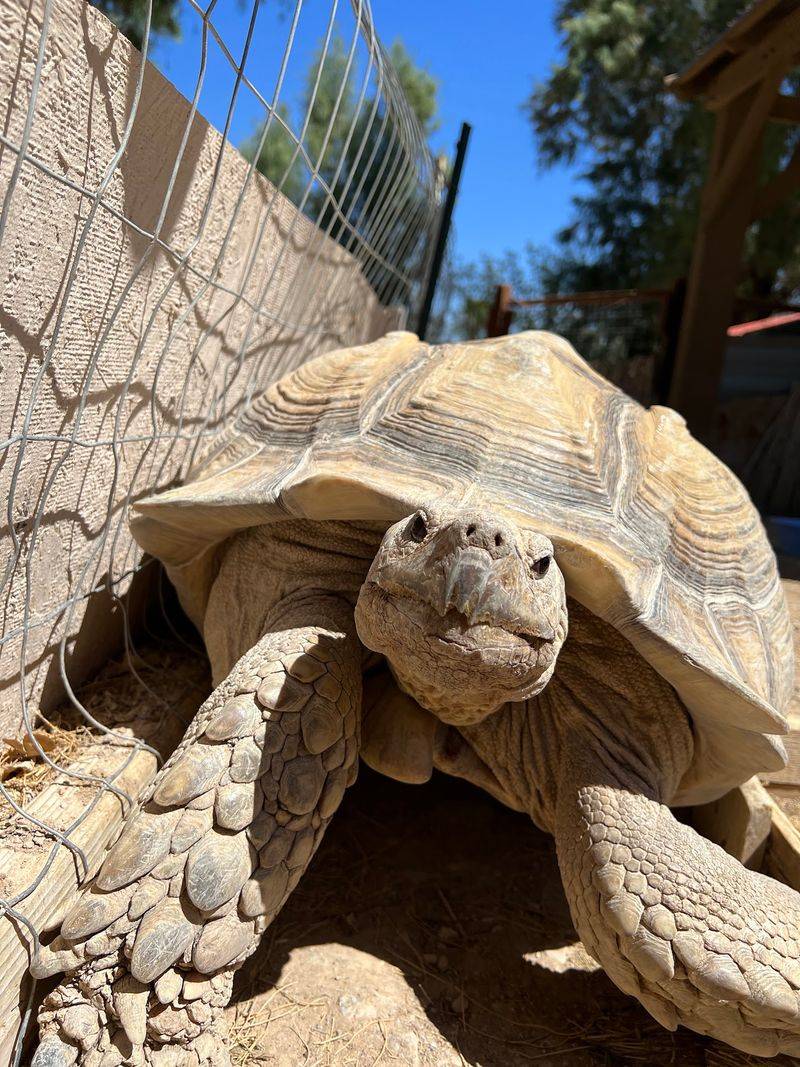
Patience pays off at the tortoise pen. These residents operate on their own schedule.
Desert tortoises hold a special place in Nevada, where they are a protected native species. Keeping them as casual pets is not something people can do freely, which is how some end up in rescue situations.
Gilcrease Nature Sanctuary maintains reptile residents alongside its birds and farm animals. Enclosures include shade, burrow space and dry ground that mirrors their natural habitat.
Watching one cross a pen takes real commitment. The reward is noticing details most visitors miss, like the growth rings on a shell.
Signage and staff conversation help fill in the gaps. Questions about diet and lifespan usually get thoughtful answers.
Summer changes the routine. Reptiles retreat to cool spots during peak heat, so mornings offer far better viewing.
Kids who arrive expecting only fluffy animals often leave fascinated by the shelled ones instead.
Learning that a tortoise may outlive its owner reframes the whole idea of adopting an exotic pet.
Peacocks, Ostriches And Other Showoffs
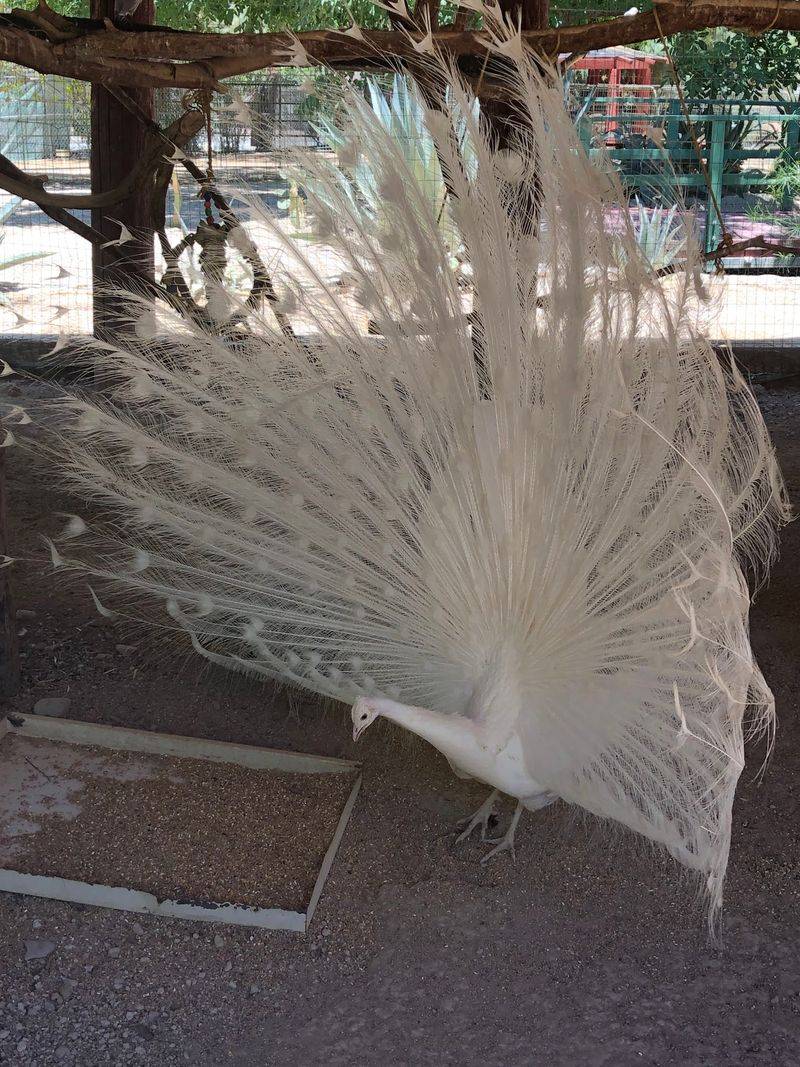
Turn a corner and something enormous may be staring back. Ostriches and emus tower over the fence line.
Peacocks roam parts of the grounds with total confidence. Visitors have spotted albino individuals among the more familiar blue and green birds.
The variety at Gilcrease Nature Sanctuary surprises first timers who expected a small petting farm. Chickens, turkeys, quail and waterfowl round out the cast.
Ducks gather near the water features and respond quickly to feed cups. The pond area draws a steady crowd of young visitors.
Photo opportunities appear constantly. A peacock unfurling its tail beside a desert cactus is a distinctly Nevada image.
Give the larger birds space and respect posted signs. Ostriches are curious, strong and best appreciated from outside the rail.
Portions of the property have gone through construction and expansion over the years. Some pens may be closed or animals relocated on a given day.
Flexibility keeps the visit fun, since the lineup shifts with the seasons and ongoing improvements.
Lessons Hiding Behind Every Fence
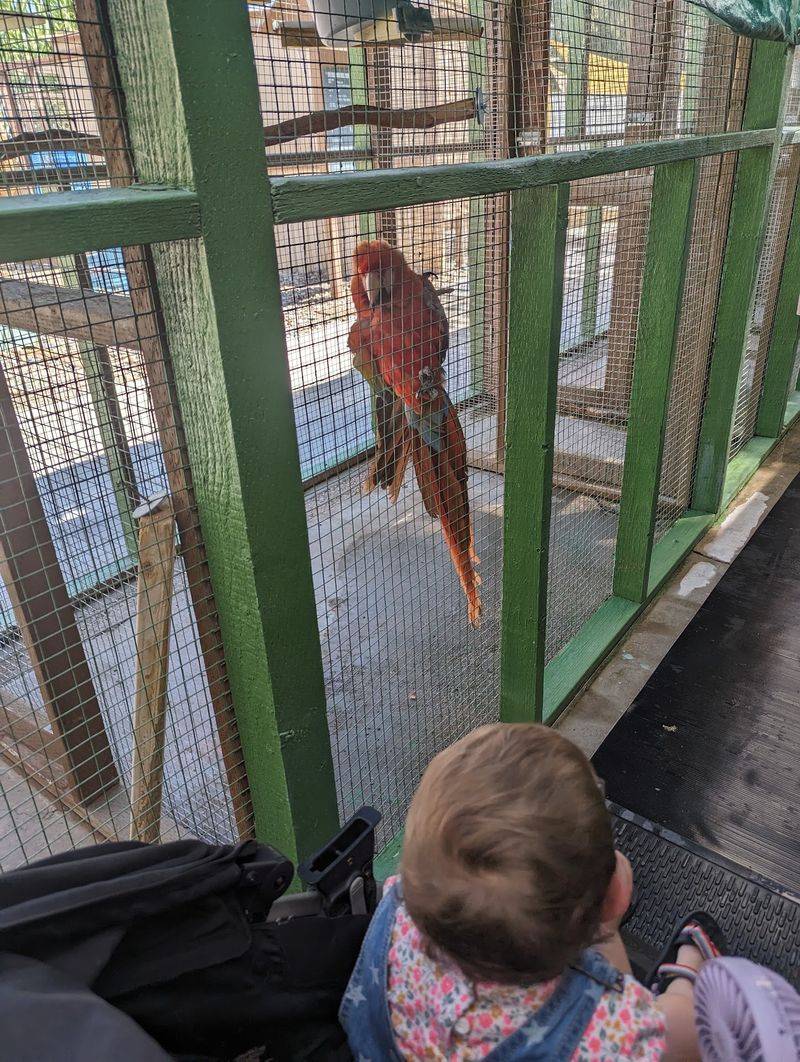
Every enclosure doubles as a classroom. The teaching happens without a lecture hall.
School groups, scout troops and summer camp kids visit Gilcrease Nature Sanctuary throughout the year. Programs cover animal rescue, habitats and responsible pet ownership.
Staff and volunteers frequently share backstories about individual animals. Learning why a bird arrived changes how a child looks at it.
Humane education sits at the center of the message. Exotic pets require far more than a cage and a food bowl.
Many visitors admit they had no idea a parrot could live for decades. That single fact tends to stick.
Older kids often ask sharper questions about rehoming and rescue costs. The answers are honest rather than sugarcoated.
Group visits generally work best when arranged ahead of time. Availability can vary with staffing and season.
Families who chat with volunteers usually walk away with far more than families who breeze through.
The takeaway rarely feels like homework. It feels like a story about animals who needed help and found it.
Quiet Paths Away From The Strip
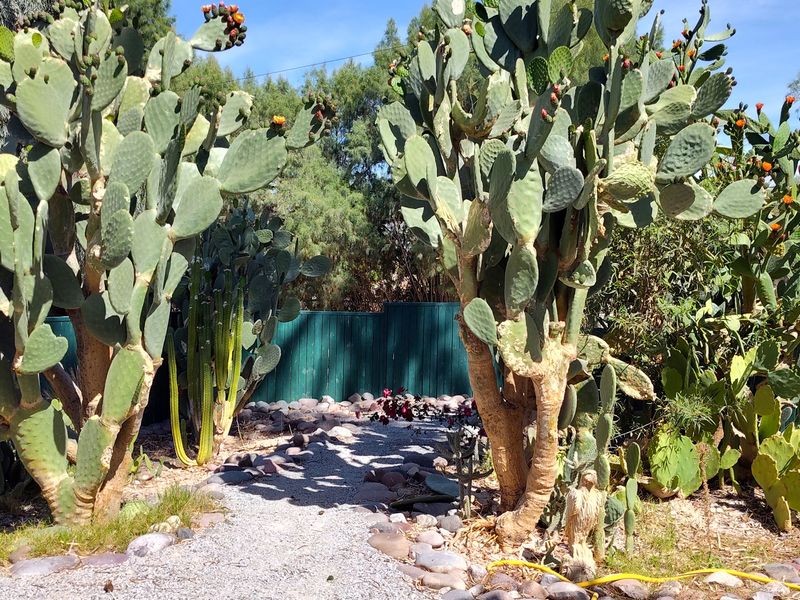
Silence, in Las Vegas. Hard to believe until you hear it.
The sanctuary sits in the northwest part of the valley, roughly a half hour drive from the resort corridor depending on traffic. The change in atmosphere is immediate.
Paths wind between pens under mature trees and desert plantings. Blooming cactus can steal the spotlight in spring.
Crowds stay light on most days, which means unhurried time at each enclosure. Nobody rushes you along.
Picnic tables sit in a shaded area, and packing lunch is a common move. Several benches tuck under trees.
The whole property reads as modest and working rather than polished. Money goes to animals, not landscaping flourishes.
Water restrictions across southern Nevada mean less greenery than older photos might suggest. The desert setting is part of the honest picture.
Two to three hours covers the grounds comfortably at a relaxed pace.
For anyone burned out on casino noise, this pocket of Las Vegas offers a genuine reset button.
Timing The Visit Around Desert Heat
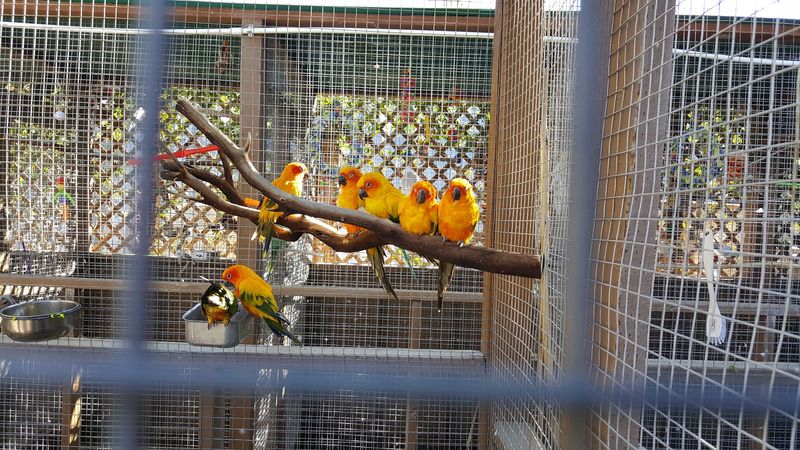
Summer here does not negotiate. Plan accordingly or regret it.
Morning visits work best at Gilcrease Nature Sanctuary. Animals stay active, temperatures stay tolerable and shade lasts longer.
By midday in July, most residents retreat to shaded corners for a nap. Visitors who arrive late may see fewer animals moving.
Hats, sunscreen, refillable water and closed shoes belong in every summer bag. Regular guests swear by a small portable fan.
Fall, winter and spring bring far friendlier conditions. Cool mornings make the walk feel effortless.
Almost everything sits outdoors, so there is limited indoor escape from weather. Dress for the desert either way.
Strollers roll fine on most paths, though some surfaces stay dusty and uneven.
Days and hours can shift, so checking current details before driving out saves disappointment.
Parking is available on the grounds, which removes one common Las Vegas headache from the equation.
Show up early, move slowly, and the desert cooperates far better than expected.
Birthday Parties And Seasonal Festivals
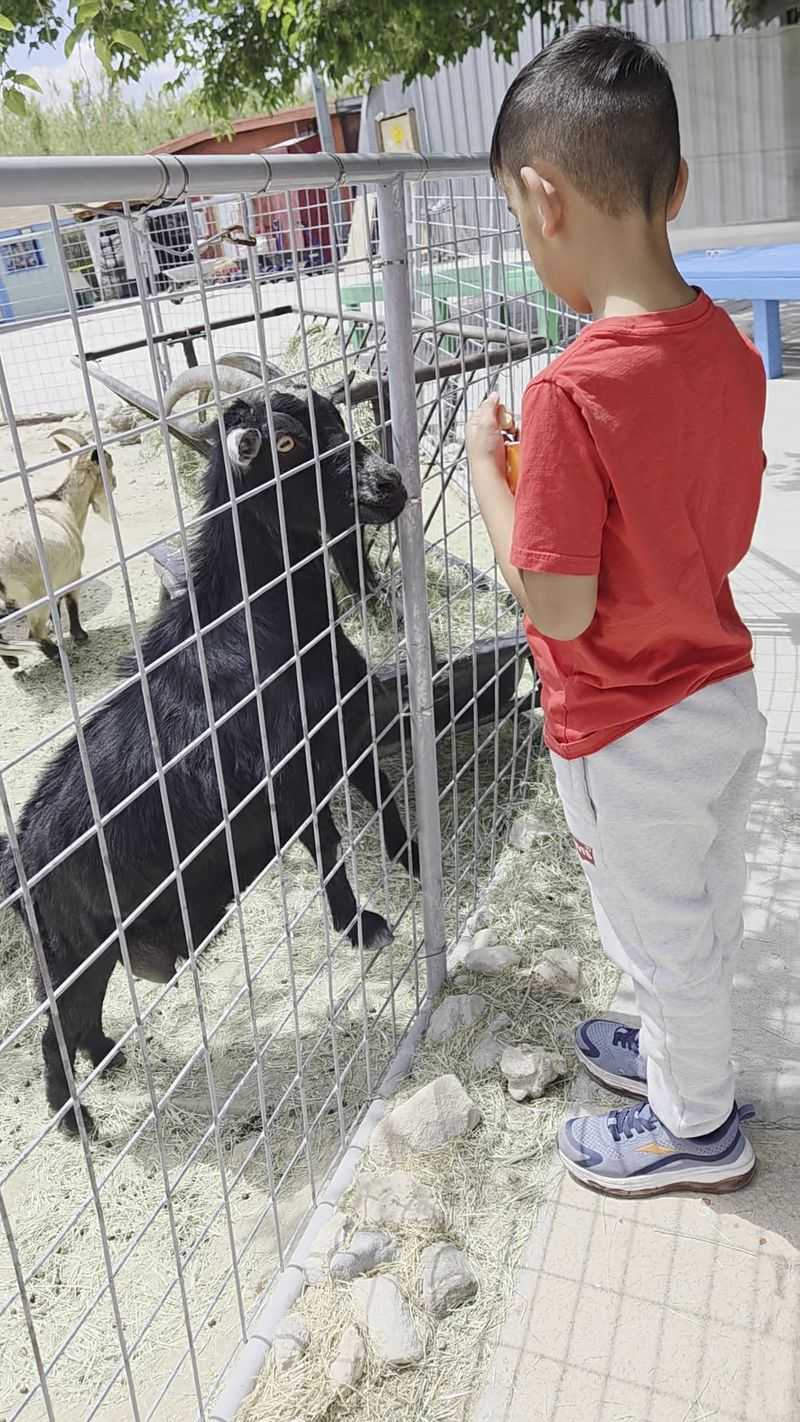
Balloons and goats share the calendar here. The combination works better than it sounds.
Families book birthday celebrations at the sanctuary, and reviews suggest young children respond enthusiastically. Feeding ducks beats a bounce house for plenty of toddlers.
Seasonal events appear throughout the year, including spring and fall gatherings. Kids camps also run during certain periods.
Covered picnic areas can be reserved, and an indoor event room provides climate controlled space when the weather turns extreme.
Details and availability change, so advance contact makes sense for any group plan. Walk-in visits remain the simplest option otherwise.
Local families treat Gilcrease Nature Sanctuary as a reliable outing rather than a one-time novelty. Repeat visitors are common.
Community support matters here in a very direct way. Attendance and rentals help cover feed and veterinary costs.
Parties tend to run casual, with animals providing most of the entertainment.
An afternoon spent this way trades screen time for feather watching, and nobody seems to mind the swap.
Where Admission Dollars Actually Land
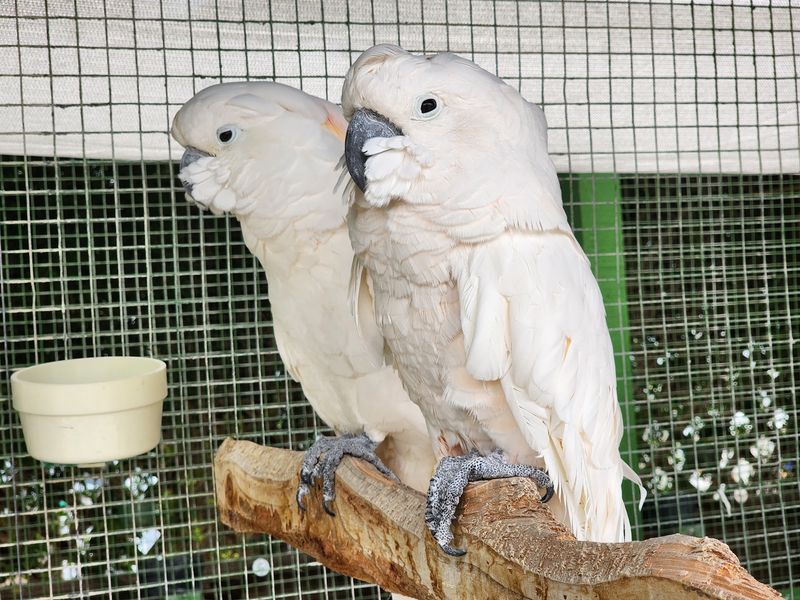
Cheap entry, big impact. That equation defines this place.
Admission stays modest, and proceeds go toward food, medical care and habitat upkeep. Prices can change, so confirming current rates before arriving is wise.
The organization operates as a nonprofit and leans heavily on donations and volunteers. Staffing runs lean by necessity.
Feed cups sold on site add another small stream of support. Buying two instead of one costs little and helps.
Some visitors comment that certain areas look worn or under construction. Limited budgets show, and honest reviews reflect that reality.
Volunteering is an option for locals with time to give. Regular guests occasionally end up joining the crew.
Gift shop purchases and direct donations both contribute. Sponsorship programs have existed at various points.
Hundreds of animals need care every single day, rain, shine or triple digit heat.
Anyone who enjoys the walk through Gilcrease Nature Sanctuary can extend that goodwill with a few extra dollars on the way out.
What Sticks With Visitors Afterward
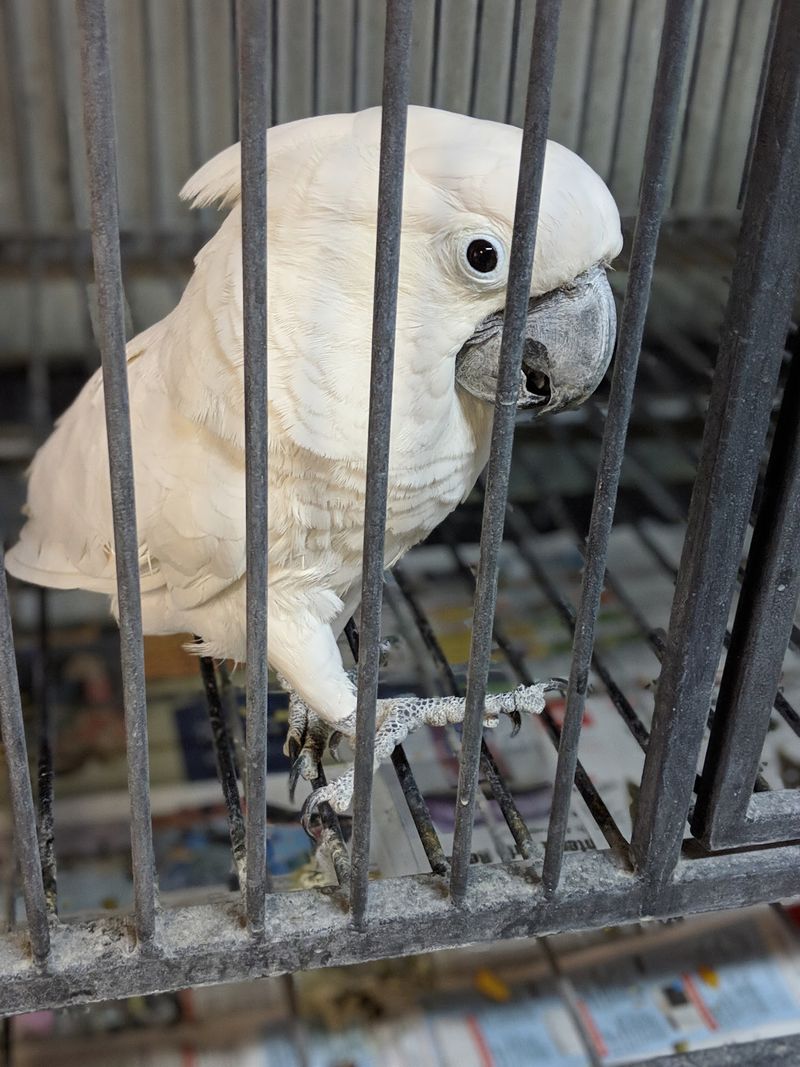
One bird usually does it. A cockatoo tilts its head, says something, and the visit becomes personal.
Memories from Gilcrease Nature Sanctuary rarely center on scale or spectacle. They center on individuals.
A pig rolling over for a belly rub. A donkey pressing its nose into an open palm.
A macaw dancing to a song from someone’s phone.
The property does not pretend to be a zoo, and staff say so plainly. Everything exists for the residents first.
That priority shapes the whole experience. Enclosures serve the animals rather than the photographers.
Guests leave thinking harder about exotic pets and the decades of commitment they demand. That message travels home with them.
Nevada gets plenty of attention for its bright lights and big shows. This corner offers something calmer and considerably more grounded.
Rescued parrots found a place to thrive out here in the desert, and the door stays open for anyone curious enough to visit.
Come for the birds, stay for the story, and leave a little kinder than you arrived.