
This Ohio Lake May Be Too Snake-Infested For Its Own Good
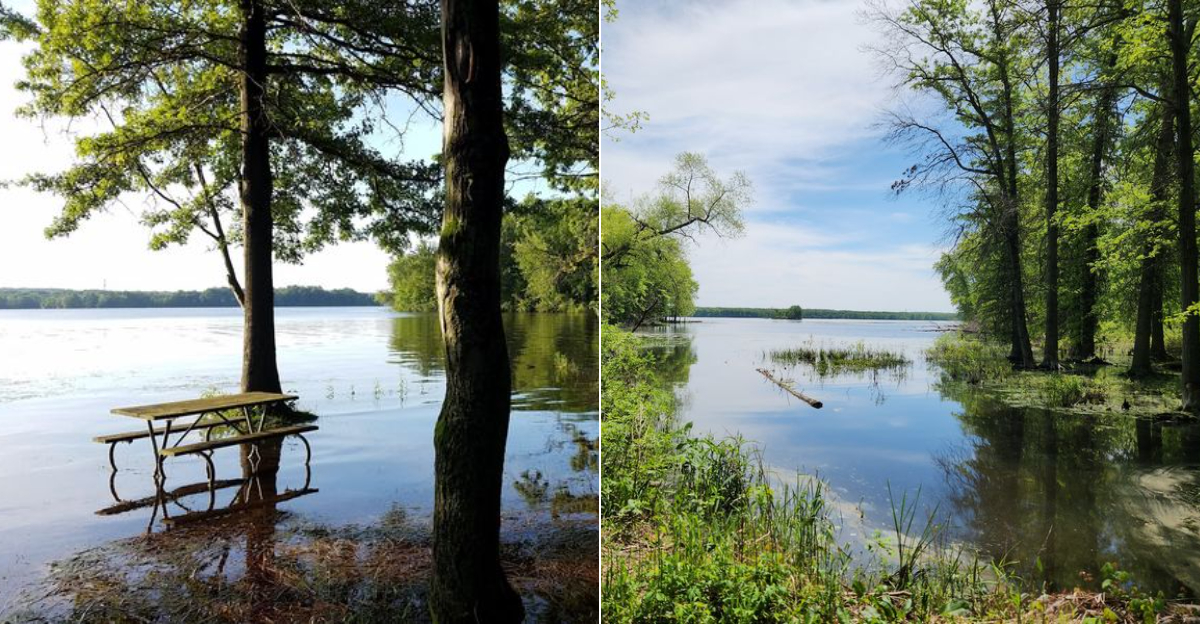
Northeastern Ohio hides a huge sheet of water that looks calm on the surface and wild underneath. Big enough to hold sailboats, quiet enough to hear frogs at sunset, this reservoir has marshes, mature woods, and a reputation that makes some visitors pause.
Snakes live here. Lots of them.
Water snakes ripple along the shoreline, fox snakes slip through tall grass, and a rare rattlesnake keeps to the northern wetlands.
That sounds scary, but it is actually a sign of a healthy, humming ecosystem. Anglers still cast for walleye at dawn.
Families still spread blankets on the beach.
Bald eagles circle overhead while otters chase fish through the shallows. The trick is knowing where to walk, what to watch for, and how to enjoy a place that belongs to wildlife first.
Ohio has plenty of pretty lakes, but few feel this alive. What you find might change how you think about snakes forever.
Second-Largest Inland Water In Ohio
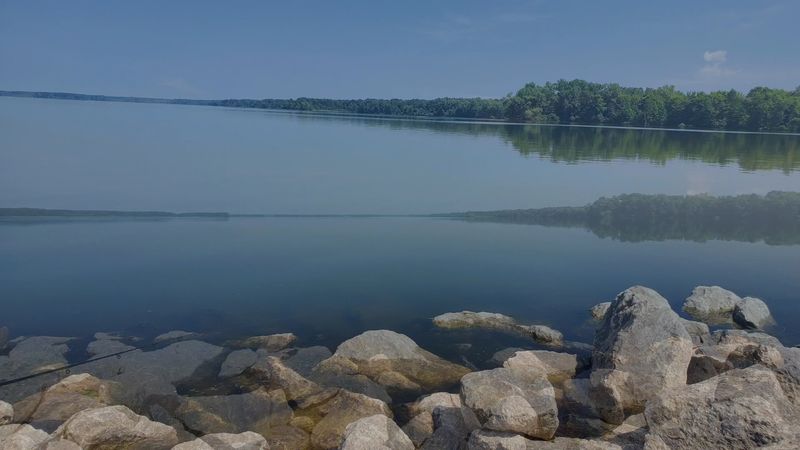
Mosquito Creek Lake stretches across roughly 7,000 to 7,850 acres, making it the second-largest inland lake in Ohio. Built in the 1930s and 1940s for flood control and water supply, it now serves a much friendlier purpose: pure outdoor fun.
The shoreline curves through marsh, then hardwood forest, then open beach. That mix of habitats is exactly why snakes thrive here.
Wet edges plus thick cover plus endless frogs and fish equals reptile paradise.
Standing on a boat ramp, the water looks almost oceanic. First-time visitors often assume they are looking at a natural lake.
Instead, engineers created it by damming Mosquito Creek, and nature moved in fast.
Mosquito Lake State Park wraps around the water with 2,483 acres of woods and wetland. That protected land explains the eagles, the otters, and yes, the snakes.
Most snakes you spot swimming near the shore are northern water snakes. They are not venomous, and they want nothing to do with people.
Give them room and they vanish under a log.
Cortland sits just east of the lake, so supplies and gas stations are close. Cell service works in most spots, though marshy corners can get spotty.
Could a lake built for flood control really become one of Ohio’s best wildlife stages? Come look for yourself and decide.
Meet The Shoreline Water Snakes
Picture a dark ribbon gliding across still water with just its head showing. That is a northern water snake, and it is the most common reptile you will meet here.
These snakes are harmless to people. They eat fish, tadpoles, and frogs, keeping the food chain balanced.
When startled, they dive and disappear rather than approach.
Fishermen see them constantly. A snake may sun itself on a rock near a favorite crappie hole, then slide away the moment footsteps crunch the gravel.
People sometimes mistake them for something dangerous because they flatten their heads when nervous. It is a bluff, plain and simple.
Real trouble only starts if someone tries to grab one.
Eastern fox snakes also live around the lake. They are climbers and rodent hunters, and they rattle their tails in dry leaves to sound tougher than they are.
The rare copper-bellied water snake has been recorded in the region too, which makes this corner of Ohio special for reptile watchers.
Best viewing happens on warm mornings when snakes bask before the heat climbs. Bring binoculars and keep your distance for great photos.
Wear closed shoes near reedy banks and watch where you place your hands on rocks.
Ever seen a snake swim right past your fishing line without noticing you at all?
The Rattlesnake Rule Worth Knowing
One snake here deserves real respect: the eastern massasauga rattlesnake. It is venomous, it is small, and it is one of Ohio’s rarest reptiles.
Massasaugas favor damp meadows and marsh edges, especially inside the wildlife management area at the northern end of the lake. They are shy, slow to strike, and far more interested in hunting mice than meeting hikers.
Encounters are uncommon. Still, smart habits matter.
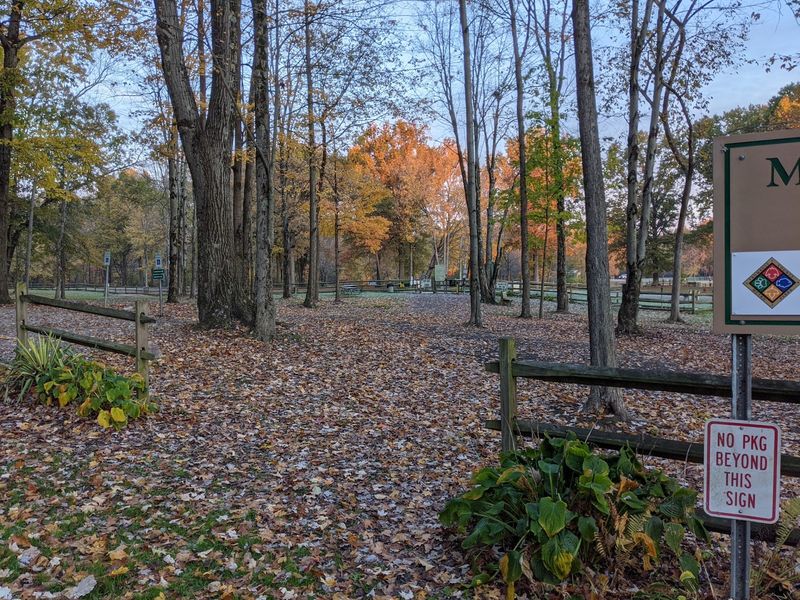
Stay on marked paths, skip the tall wet grass, and never step over a log without looking on the far side first.
If you do spot one coiled and buzzing its tail, back away calmly. No stick poking, no selfies.
Just walk the other direction and let it be.
Long pants and sturdy boots make sense during spring and summer walks. Keep dogs leashed, because curious noses cause most problems.
Conservationists actually celebrate this species’ presence. A massasauga population means the wetlands are clean and functioning, something Ohio has worked hard to protect.
Read posted signs at trailheads. Rangers update them when wildlife activity increases in certain zones.
Children should stay on trail surfaces, not wandering into brush. Turn it into a game of spotting tracks instead.
Walleye Dreams And Crappie Schools
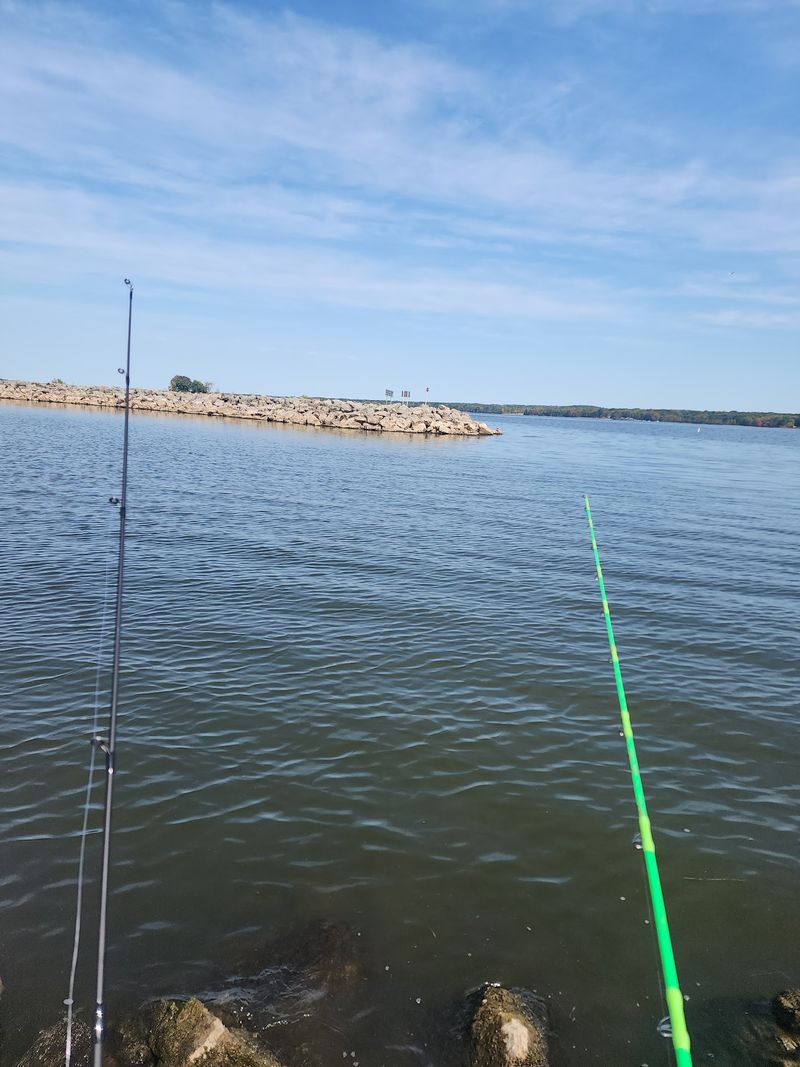
Ask around northeastern Ohio about walleye and this lake comes up fast. Annual stocking by the Ohio Division of Wildlife keeps the population strong, and the fish that survive grow impressively large.
Crappie action is the other headliner. Spring brings schools into shallow cover, and light tackle fans fill buckets with steady bites.
Beyond those two stars, the water holds largemouth and smallmouth bass, northern pike, bluegill, channel catfish, and yellow perch. Variety keeps every trip interesting.
Visitors often report perch and crappie biting well while walleye play harder to get. Fewer walleye, bigger walleye.
That trade-off suits trophy hunters just fine.
Multiple boat launches spread access around the lake, so crowds thin out on busy weekends. A marina offers boat rentals plus seasonal dock rentals for anyone without a trailer.
Shore anglers do well near causeways and rocky points. Just remember snakes like those same warm rocks, so scan before setting down your tackle box.
Pack out every scrap of line and wrapper. Litter has frustrated longtime visitors, and wildlife pays the price.
Check current fishing regulations and licensing before casting, since limits can change season to season.
What would you rather land here, a stringer of slab crappie or one giant walleye worth a photo?
Boating With Room To Roam
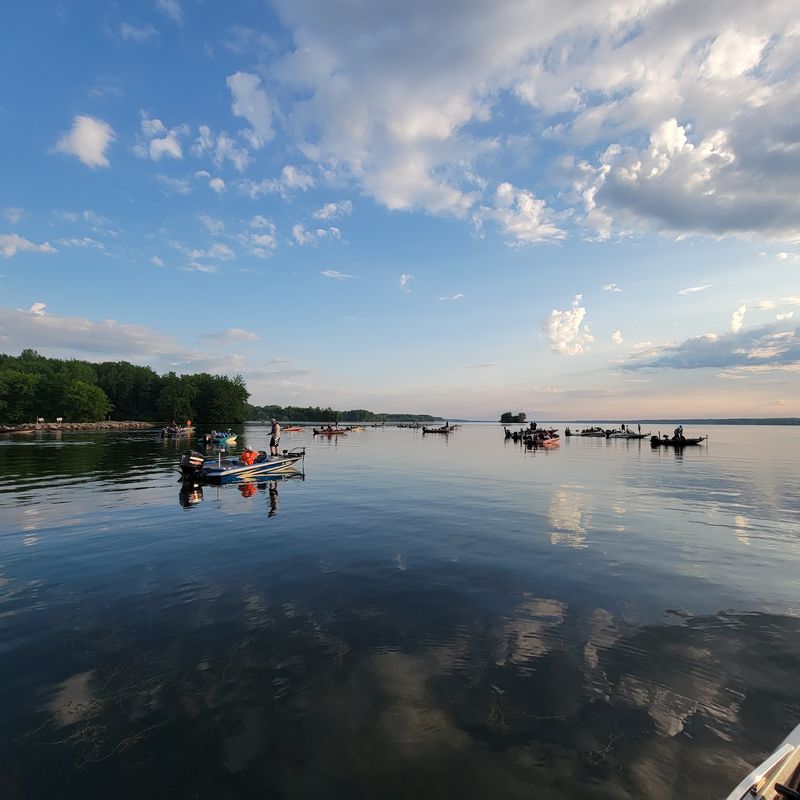
Unlimited horsepower. Those two words make boaters grin.
Wide open water plus no engine size cap means ski boats, pontoons, sailboats, and kayaks all share the surface.
Rules still apply, and they exist for good reason. A no wake zone extends 300 feet from shore, protecting swimmers, nesting birds, and marshy habitat.
North of the State Route 88 causeway, speeds drop to roughly 10 to 15 mph. That quieter section is where paddlers and wildlife watchers glide happily.
Park rangers and water patrols keep an eye on things, so knowing the zones saves you trouble. Longtime visitors mention patrols regularly, in a good way.
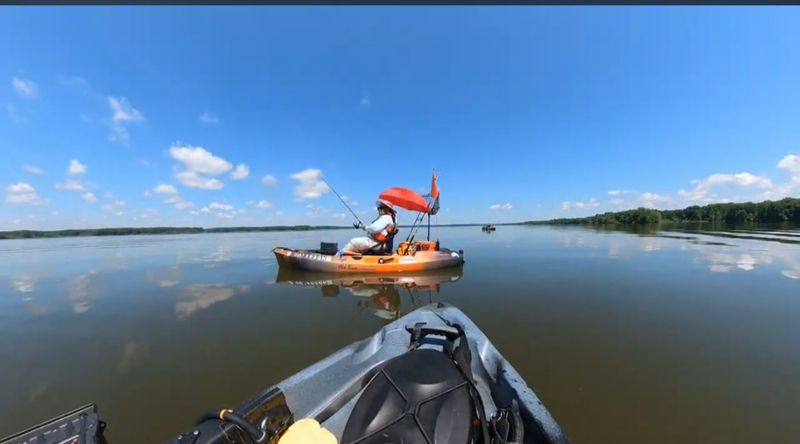
Kayakers get the best snake sightings. Paddle slowly along reed lines and you may see a water snake threading between lily pads inches from the hull.
Sunrise is magic out here. Mist rises off the water, herons croak, and the whole reservoir feels private.
Bring a life jacket for everyone aboard and watch the wind. Big lakes in Ohio build surprising chop by afternoon.
Camp Under Tall Ohio Trees
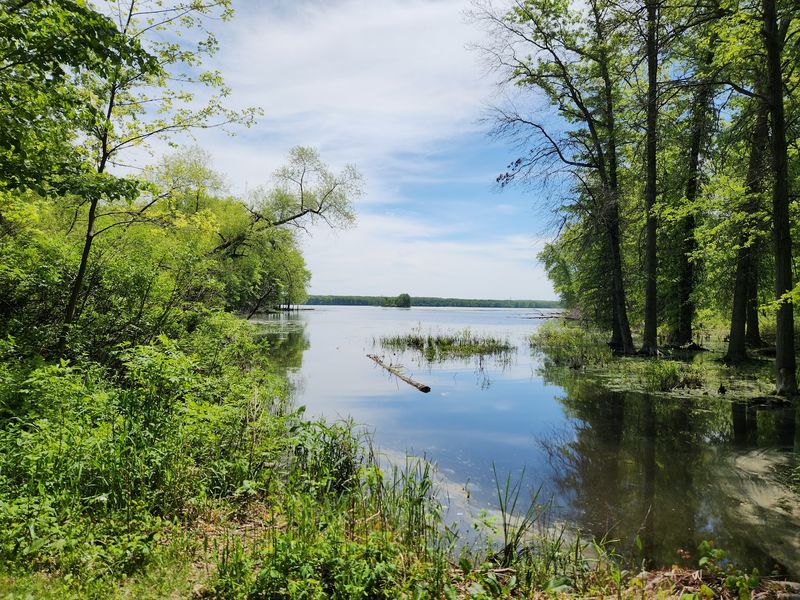
Roughly 218 to 234 campsites give this park serious overnight power. Choose full hookup, electric, non-electric, or walk-in tent spots depending on how rugged you feel.
Sites tend to be roomy, which campers appreciate. Some have concrete pads, handy after rain turns dirt into soup.
Pets are welcome, and there is even a dog park nearby. Bring the leash and plenty of water for your four-legged hiker.
Peak season runs April through October, and weekends book quickly. Reservations save you from a long drive with nowhere to park.
Evenings here sound incredible. Owls call, bullfrogs answer, and the occasional rustle in the leaves reminds you that snakes and small mammals are on the move too.
Keep food sealed and trash bagged. Reports of mice and rats around messy fishing spots trace directly back to leftover garbage.
Shake out shoes left outside overnight, and zip tent doors fully. Simple habits keep uninvited guests where they belong.
Restroom conditions vary by area and season, so scout the nearest facility when you arrive.
Playgrounds, picnic sites, pavilions, and an amphitheater keep families busy between meals. Disc golf adds a fun afternoon challenge.
Bug spray is not optional. The lake earned its name honestly.
Eagles, Otters And Marsh Magic
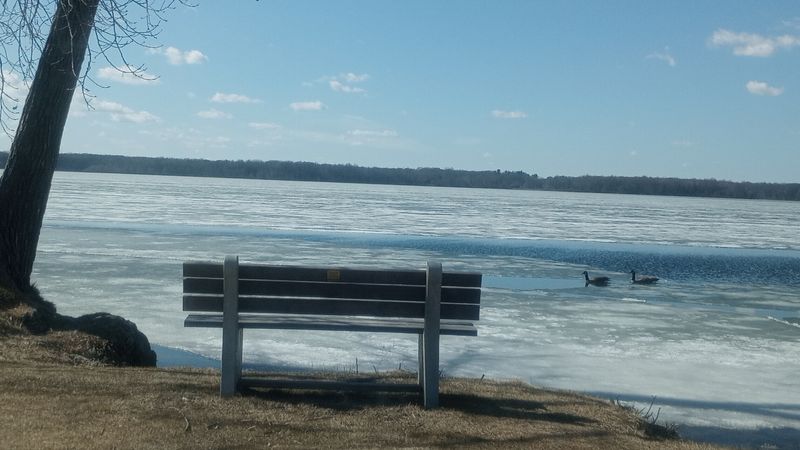
The Mosquito Creek Wildlife Area at the north end changes the whole mood. Marsh grass replaces beaches, and binoculars beat fishing rods.
Migratory birds use this sanctuary as a rest stop, which means spring and fall deliver constant action. Red-tailed hawks, marsh hawks, bald eagles, and osprey all patrol the sky.
River otters slide through channels and beavers reshape the shallows. Watching an otter roll and dive feels like free entertainment.
Snakes fit right into this scene. The same marshes that shelter nesting birds also shelter reptiles, and that overlap makes the area one of Ohio’s richest wildlife zones.
Go early. Animals move at dawn, and light for photos is soft and golden.
Stick to established paths and viewing points. Wandering into wet meadows disturbs nests and raises your odds of surprising a massasauga.
A spotting scope helps enormously. Eagles perch in dead snags across open water where the naked eye sees only branches.
Quiet pays off here. Loud groups clear a marsh in seconds.
Seasonal restrictions sometimes apply in wildlife areas, so check current access rules before heading out.
Layered clothing works best because marsh air stays cool longer than the beach.
Could you sit still for twenty minutes waiting for an otter to surface just a few feet away?
Four Seasons, One Wild Reservoir
Cold weather does not close this place. Ice fishing shanties dot the frozen surface, cross-country skiers glide through snowy woods, and snowmobiles hum along designated trails.
Ice boating draws a devoted crowd too. Sails on frozen water look wonderfully strange.
Winter also brings the calmest wildlife walks. Snakes are hibernating, so hikers relax and simply enjoy tracks in fresh snow.
Spring flips the switch. Reptiles emerge, crappie move shallow, and birdsong fills the marshes.
That is the season to be alert on trails again.
Summer belongs to the 600-foot swimming beach, where shallow water suits younger kids. Water clarity changes with weather, so check conditions when you arrive.
Autumn might be the prettiest chapter. Hardwoods blaze orange above the water, and the Sunside Trailhead west of the park on Route 305 opens hiking, mountain biking, and horseback riding routes through color-soaked forest.
Watch posted signage near the dam, where safety rules are strict for good reason.
Hours and facility openings shift with the seasons, so confirm details before you drive out.
You will find Mosquito Lake State Park at 1439 State Route 305 in Cortland, Ohio 44410, an easy stop for anyone exploring northeastern Ohio.