
This Southern California Mountain Town Is Made For The Perfect Apple-Picking Day Trip
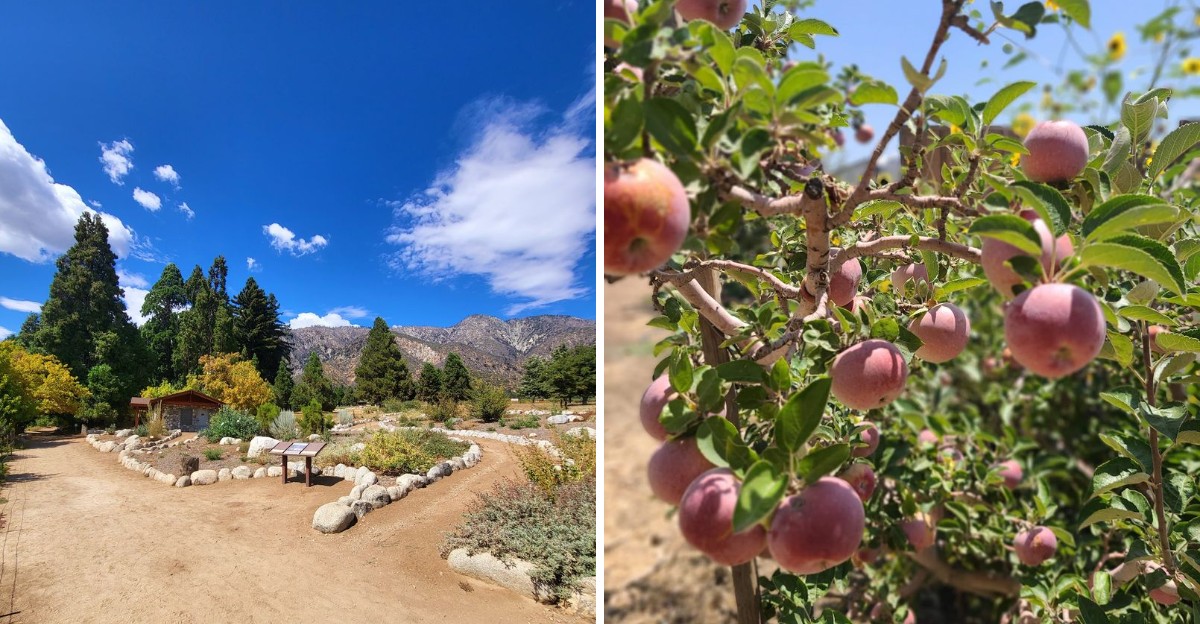
Few things make a fall day feel more satisfying than heading into the mountains with an empty basket and coming home with apples you picked yourself. In Southern California, one small mountain town turns that simple idea into a full day of crisp air, orchard stops, and the kind of scenery that makes the drive feel worthwhile before you even park.
Around the state, autumn can be easy to miss, but this place gives the season a proper moment. Apple trees fill the orchards, roadside stands tempt you with baked treats, and cool mountain weather makes wandering around feel like a reward after months of heat.
California has plenty of famous day trips, yet this one feels refreshingly low-key. Across the state, few fall outings combine fresh-picked apples, mountain views, and old-fashioned fun quite this well.
Bring a bag, bring an appetite, and do not be surprised if you leave with far more than you planned.
Where The Mountain Air Turns Sweet
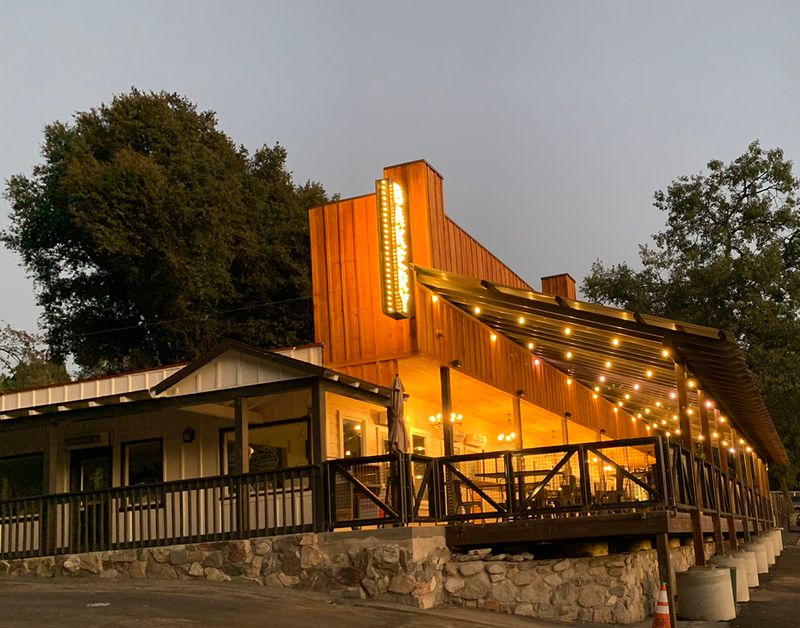
Roughly 15 miles east of San Bernardino, the road climbs and the temperature drops. That single detail explains why Oak Glen grows apples when the valleys below cannot.
The community sits at 4,734 feet, high enough for chilly nights and warm days. Apple trees love that swing, and the fruit turns crisp and sugary because of it.
Mailing addresses here fall under California 92399, shared with nearby Yucaipa.
Most of the action happens along a five-mile loop road lined with orchards and farm stands. You can drive the whole thing in fifteen minutes, though nobody ever does.
Expect temperatures ten to twenty degrees cooler than the flatlands below. Layers matter, especially in late afternoon when shade settles over the canyons.
The setting feels rural, but the drive from Los Angeles takes under two hours. From Palm Springs or Riverside, it is even shorter.
Come for the apples, stay for the mountain quiet that follows you home.
Picking Your Own Apples Straight From The Branch
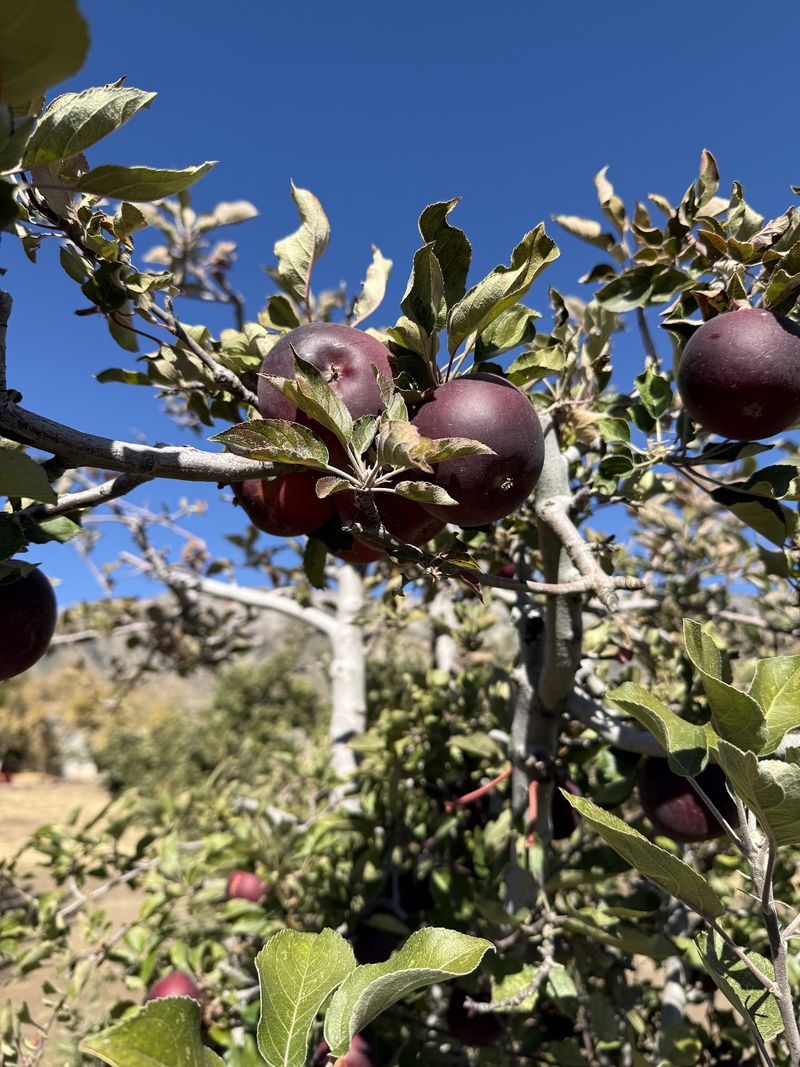
Nothing beats the sound of an apple snapping free from its branch. That small crack is the whole reason people drive up here every October.
U-pick orchards open when the fruit ripens, usually from early September through late October. Timing shifts each year, so a quick check before you leave saves disappointment.
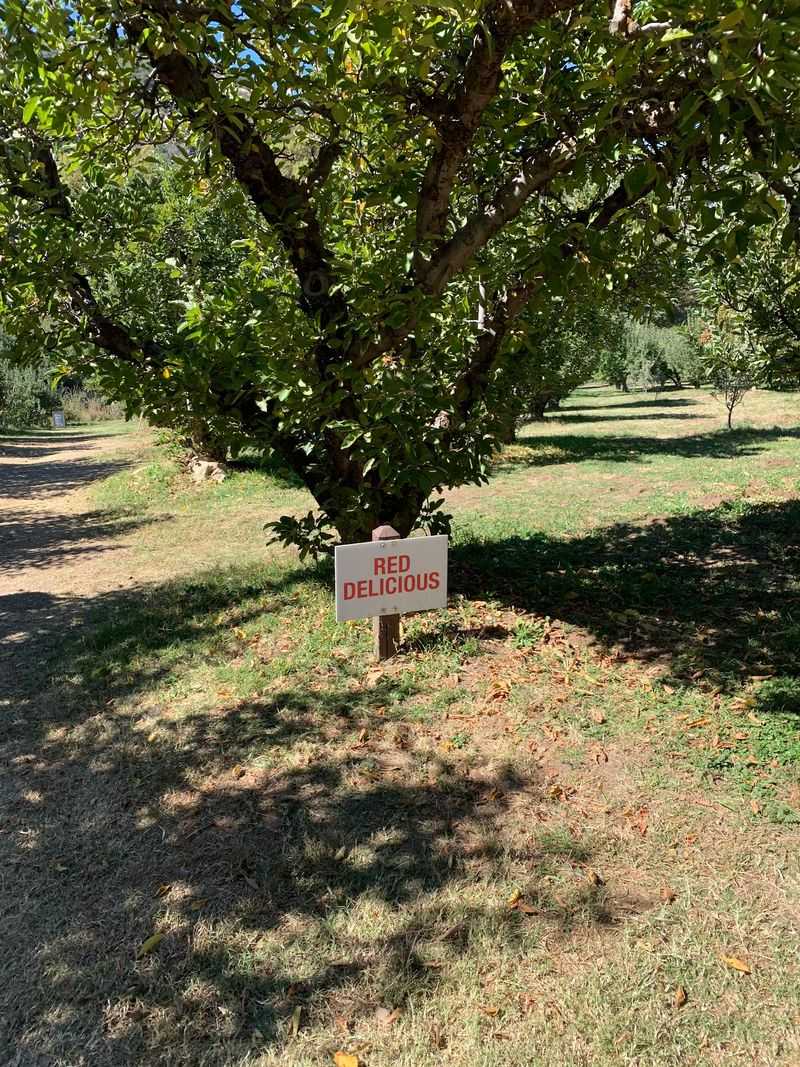
Varieties grown across the area include Gala, Jonathan, Rome Beauty, Fuji, and heirloom types rarely seen in stores. Some orchards specialize in antique cultivars planted generations ago.
Bring closed-toe shoes and a hat, since rows can be dusty and sun-exposed. Most farms provide bags or crates, then charge by weight at the end.
Reach for fruit at eye level or slightly above, where sunlight ripens apples fastest. Twist gently upward instead of yanking, and the stem separates cleanly.
Weekends draw crowds, so arriving before eleven makes parking far easier. Weekdays feel almost private by comparison.
Kids handle the low branches beautifully, which turns picking into a genuine group project. Everyone leaves with something to show for it.
Riley’s Farm And Its Living History Twist
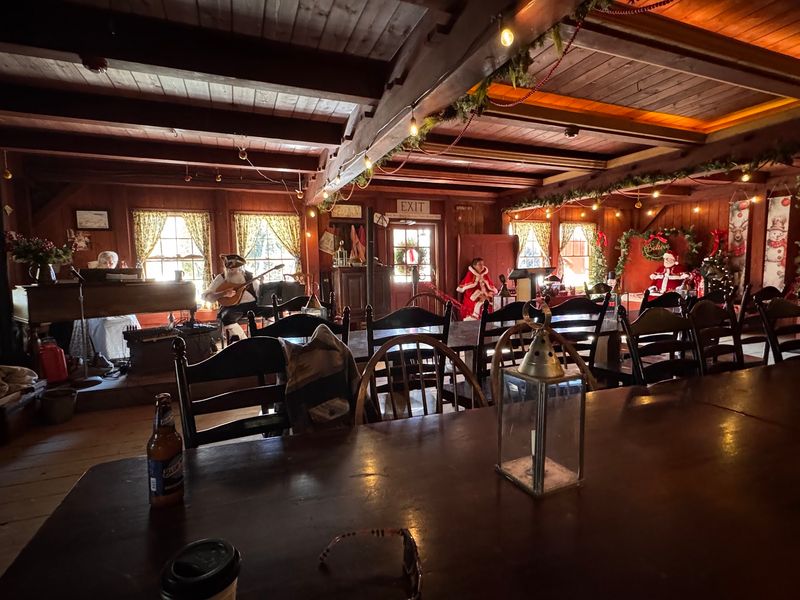
History lessons rarely come with a cider press attached. Riley’s Farm changed that formula decades ago.
The property mixes working orchards with living-history programs where costumed interpreters reenact colonial and Revolutionary War scenes. School groups book these all year long.
Apple picking runs during harvest season, and the farm also grows raspberries and peaches earlier in the summer. Seasonal crops rotate, so offerings shift month to month.
On-site dining serves hearty country fare, and reservations are strongly recommended during peak weekends. Walk-ins often face long waits in October.
Blacksmith demonstrations and old-fashioned games appear on busier days. Children who claim to hate museums usually forget their complaints within ten minutes.
The setting itself does heavy lifting, with split-rail fences and orchard rows stretching toward the ridgeline. Photographers find plenty to work with.
Check the farm calendar before driving up, since some days are reserved for private programs. Planning ahead keeps the trip smooth.
It remains one of the more distinctive stops on the entire mountain loop.
Los Rios Rancho And Century-Old Orchard Roots
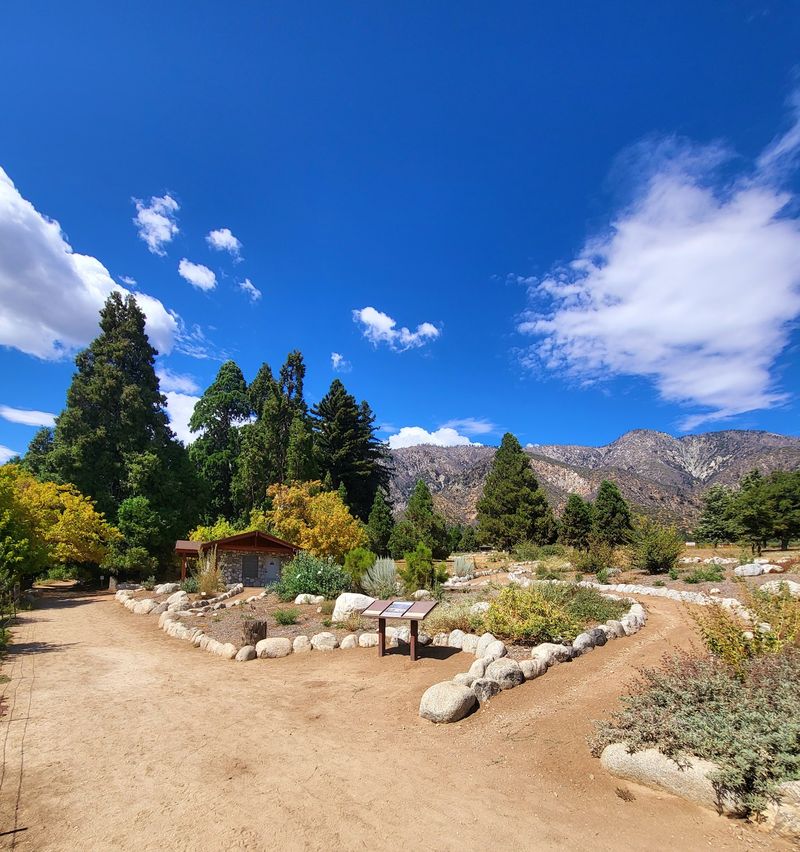
Some places earn their reputation slowly, one harvest at a time. Los Rios Rancho has been doing exactly that since 1906.
Billed as the largest apple ranch in the region, it spreads across rolling acreage with picnic grounds, a barn store, and shaded lawns. Families spend entire afternoons here without rushing.
The property connects to the Wildlands Conservancy, which protects thousands of surrounding acres. That partnership keeps the landscape open rather than developed.
Inside the store, shelves hold pies, preserves, honey, and freshly pressed cider. The smell alone justifies the parking effort.
Barbecue and casual food service operate during harvest weekends. Grab a plate, find a table under the oaks, and let the afternoon stretch.
Trails lead from the ranch toward the conservancy preserve, offering an easy walk after eating. Elevation makes even short hikes feel bracing.
Picking availability depends on crop conditions, which vary annually. Calling ahead or checking online prevents guesswork.
The combination of orchard, store, and open space makes it a natural anchor for any itinerary.
Fresh Cider Pressed The Old-Fashioned Way
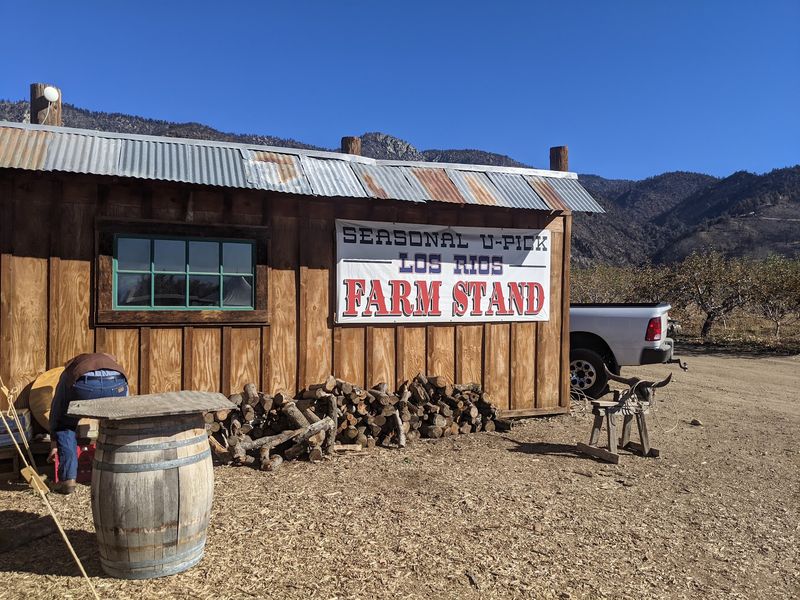
Store-bought juice never stood a chance against the real thing. Fresh-pressed cider ruins you for anything else.
Several farms across the mountain run presses during harvest, and some let you watch the whole process. Apples get washed, ground into pulp, then squeezed under heavy pressure.
The result pours out cloudy and golden, tasting nothing like clear filtered juice. Cinnamon-spiced versions appear on cooler days.
Cider donuts often share the counter, warm and rolled in sugar. Buying a half dozen and eating four in the car is standard behavior.
Bottled cider travels well if you keep it cold, so a small cooler earns its space. Unpasteurized versions need refrigeration and quick drinking.
Prices stay reasonable, and gallon jugs make excellent gifts for anyone stuck at home. They freeze surprisingly well too.
Cold mornings make hot cider taste even better, especially with steam rising off the cup. That first sip explains the whole trip.
Sampling stations pop up at multiple stops, so pace yourself accordingly.
Snow-Line Orchard And Its Famous Mini Donuts
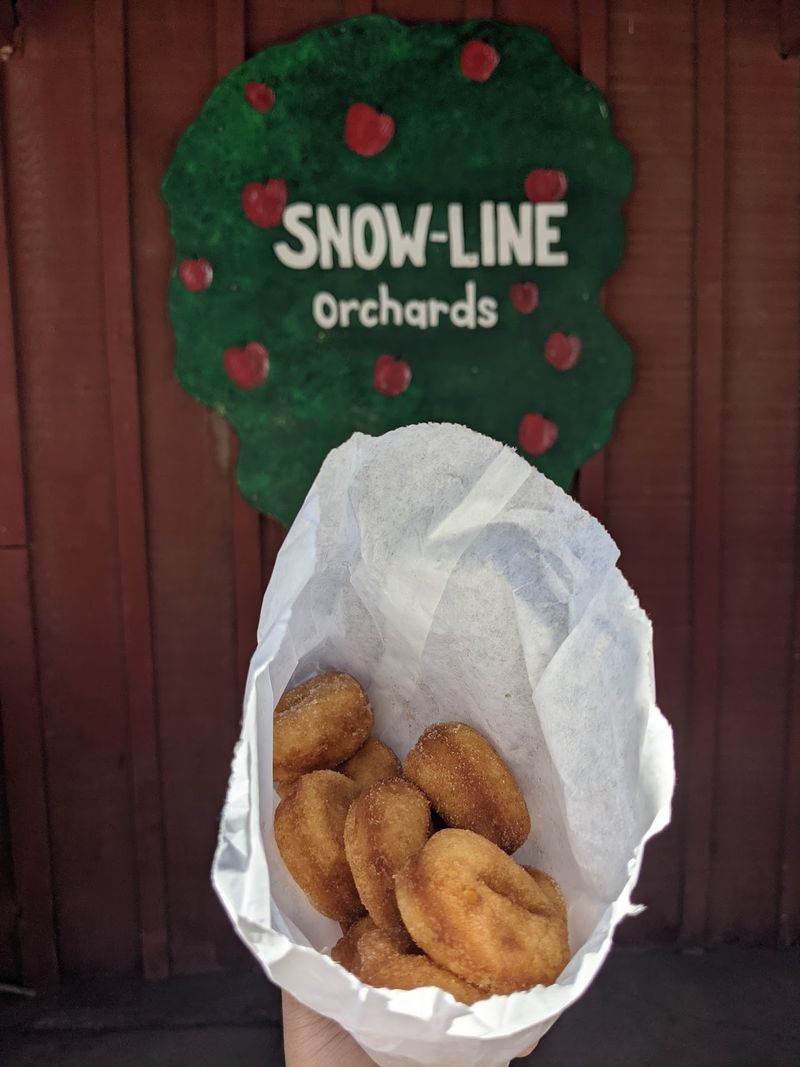
Word travels fast about a good donut. Snow-Line Orchard proves it every autumn weekend.
The family-run orchard has operated for generations and produces mini cider donuts that draw genuine lines. They come out hot, small, and dangerously easy to eat.
Apple picking happens seasonally alongside raspberry harvests earlier in the year. Crop timing depends entirely on weather.
Cider made on-site pairs naturally with the donuts, and most people order both without hesitation. Sharing is optional but rarely happens.
Parking fills quickly during October, so early arrival helps enormously. Midweek trips avoid the crush entirely.
The property keeps an unfussy, working-farm feel rather than a polished attraction vibe. That authenticity is part of the appeal.
Cash and cards are generally accepted, though bringing some cash smooths things along at busy stands. Lines move faster that way.
Grab a bag, walk the orchard rows, and let the mountain breeze do the rest. Simple pleasures hold up remarkably well here.
Pies, Preserves And Farm-Store Treasures
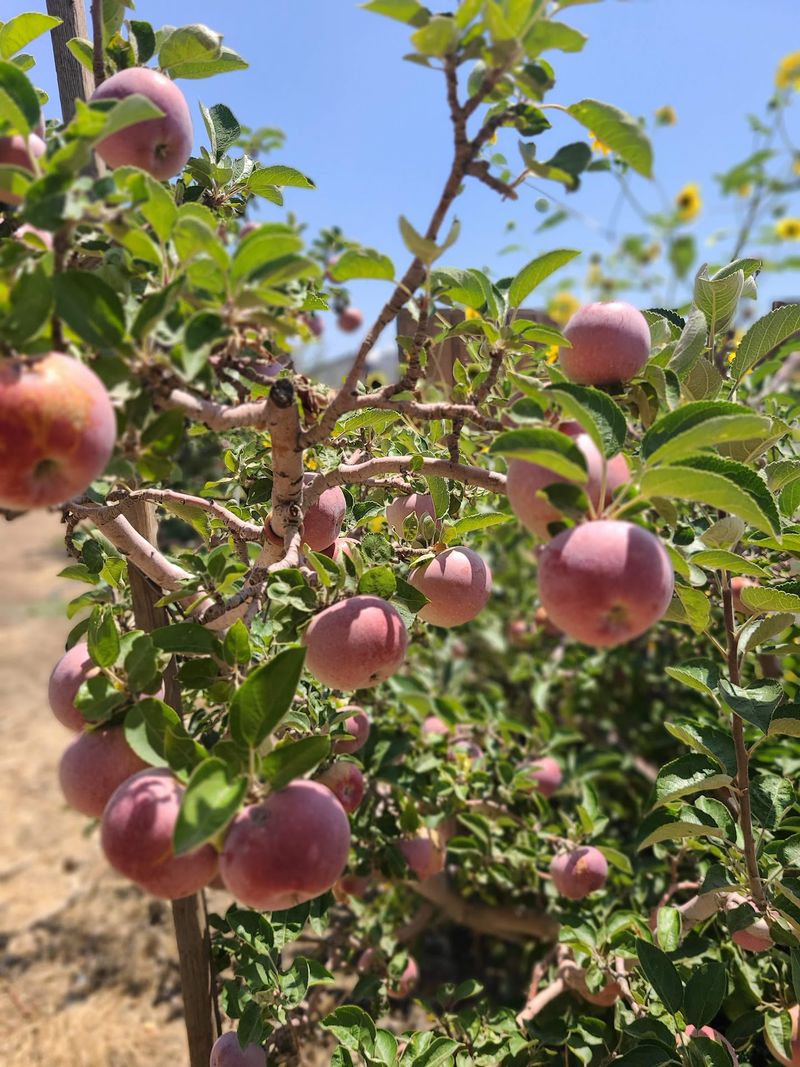
Apples are only the beginning of what leaves this mountain in shopping bags. The farm stores handle the rest.
Bakeries across the loop turn out apple pies, crumbles, turnovers, and dumplings throughout harvest season. Whole pies sell out fast on Saturdays.
Jars line the shelves with apple butter, cider syrup, jams, and local honey. Reading labels becomes its own hobby.
Candy counters offer caramel apples dipped in nuts or chocolate. They photograph beautifully and disappear immediately.
Some shops stock kitchen goods, apple peelers, and cast-iron pans for anyone inspired to bake at home. Recipe cards often sit near the register.
Prices reflect small-batch production, so expect farm-store rates rather than supermarket bargains. Quality justifies the difference.
Ask which apples suit baking versus snacking, since staff know their varieties well. Rome Beauty and Granny Smith hold shape under heat.
Bring a sturdy tote or box for the drive down. Glass jars and mountain curves are not natural allies, and packing carefully saves regret.
Oak Glen Preserve And Trails Worth Walking
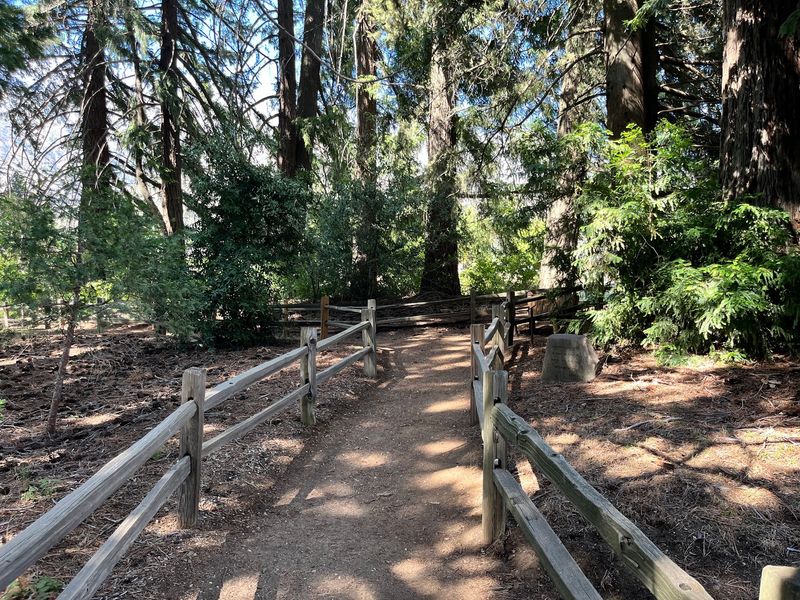
Orchards get the attention, but the surrounding wildlands deserve equal billing. Oak Glen Preserve delivers that quieter side.
Managed by the Wildlands Conservancy, the preserve protects hundreds of acres of oak woodland, meadow, and creek habitat. Admission is free.
Trails wind past a pond, native plant gardens, and stands of mature trees. Elevation gain stays modest on most routes.
Interpretive signs explain local ecology, from black oaks to the birds that nest among them. Kids absorb more than expected.
Wear proper shoes, since paths can be uneven and dusty. Water bottles matter more at this altitude than people assume.
Wildlife sightings include deer, woodpeckers, and the occasional coyote passing at a distance. Keeping quiet improves your odds.
Fall color arrives here in muted golds and rusts, courtesy of oaks rather than maples. It still looks lovely against evergreen backdrops.
Pair a morning hike with an afternoon of picking, and the day balances perfectly. Fresh air first, snacks second.
Timing Your Trip For Peak Harvest
Show up in July expecting apples and you will be disappointed. Timing shapes everything about this trip.
Harvest season generally runs from early September through late October, with some farms extending into November. Exact dates depend on rainfall and temperature.
October weekends bring the biggest crowds, especially around midday. Arriving by nine or ten transforms the experience.
Weekdays in September offer thinner crowds and warmer weather, though fewer stands may operate. Trade-offs exist either way.
Some orchards close entirely outside harvest season, so winter and spring trips look very different. A few stay open year-round for baked goods.
Mountain weather changes quickly, and mornings can start near freezing in late fall. Layers solve the problem simply.
Rain occasionally shuts down u-pick access to protect muddy rows. Checking conditions the night before is smart practice.
Holiday weekends see traffic backing up along the loop road. Patience helps, and so does an early start.
Plan around the calendar, and the mountain rewards you generously.
Getting There And Making The Day Work
Half the fun starts before you ever park. The drive up curves through foothills and opens onto orchard country.
Access comes via Interstate 10 to Yucaipa, then north on Oak Glen Road. Signs appear well before the first farm stand.
From Los Angeles, expect roughly ninety minutes without traffic. Orange County and San Diego drivers need a bit longer.
Fuel up before climbing, since services thin out considerably up top. Cell coverage also grows patchy in spots.
Parking at individual farms is usually free, though lots fill during peak weekends. Roadside spaces vary by property.
The main loop connects most orchards, making it easy to hop between three or four in one afternoon. Driving slowly is encouraged.
Bring a cooler, cash, layers, and reusable bags for hauling fruit. A blanket helps for picnic stops.
Leaving before sunset avoids winding downhill in darkness. Golden hour on the ridge makes a fine finale, and the drive home smells like apples.