
The Mississippi Farm Where You Can Pick Fresh Peanuts And Wander A Pumpkin Patch All Fall Long
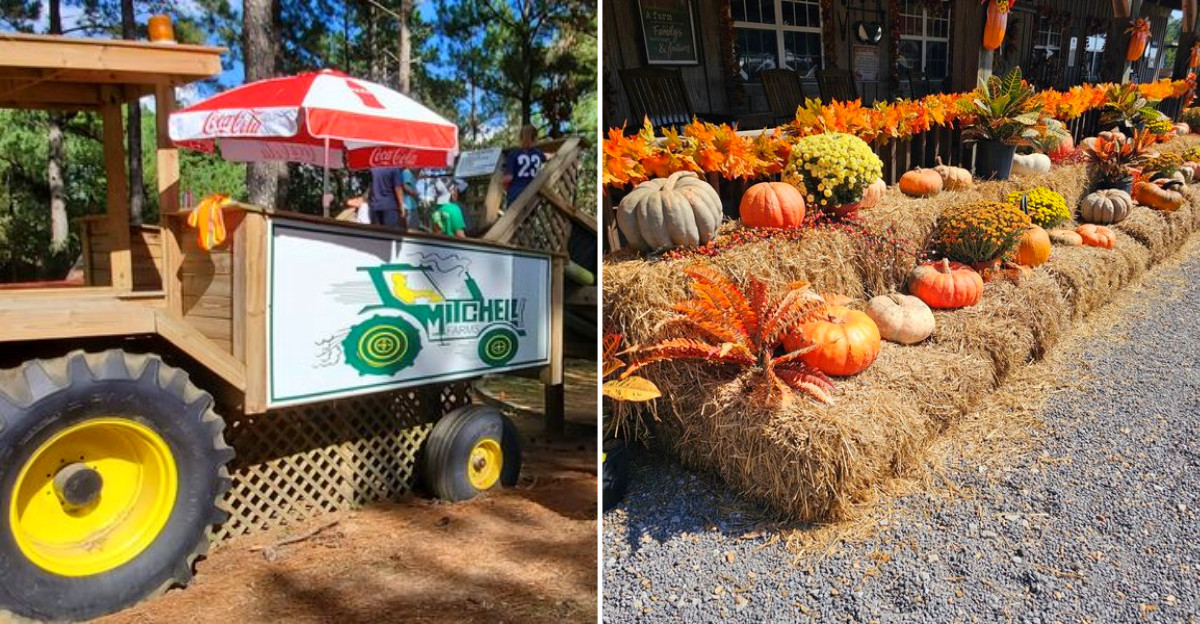
Peanuts warming in a big pot of salty water is a large part of what fall smells like in Mississippi, and out in the piney woods there is a working farm producing them by the acre.
The peanuts are only the start of it. A wagon ride comes with the visit, along with a corn maze and more than forty varieties of pumpkin, which is a number that seems excessive until you are standing among them trying to pick one.
Families have been driving out since 2006, when the fields first opened to visitors. What they get is a full day of dirt and noise and snacks that stay with you for weeks afterward, which is a fair return on an afternoon.
A Peanut Field That Doubles As A Playground
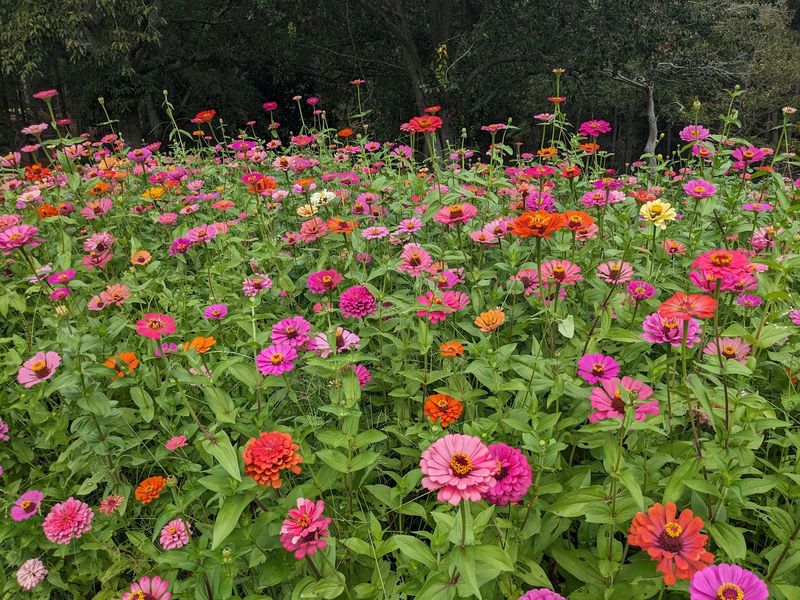
Most farms pick one job and stick with it. Here, the same 1,500 acres grow peanuts for market and welcome carloads of kids every autumn weekend.
Peanuts have been the family crop for more than three decades, alongside corn, wheat, soybeans, and stands of planted pine. That means the fun is not set dressing. The tractors work.
The barn smells like harvest.
Green peanuts come out of the ground from late July through the middle of November. Dry peanuts start showing up in September and usually last into December. Boiled peanuts stay warm and salty and disappear fast.
What makes the place stick in your memory is the mix. You can learn how a peanut actually grows underground, then go slide down a mountain of hay ten minutes later.
Kids leave with dirt on their knees and a pumpkin under one arm. Grown folks leave with a bag of peanuts and a new appreciation for southeast Mississippi soil.
Weekdays belong mostly to school groups and reserved outings. Weekends belong to everybody else, which is when the whole farm hums.
Mitchell Farms, Where The Piney Woods Open Up
The name on the mailbox is Mitchell Farms, and the drive out to 650 Leaf River Church Road in Collins is part of the charm. Pines crowd both sides of the road until the fields finally spread out wide.
Roots here go back to 1960, when the operation started as a straightforward row crop farm. Agritourism arrived in 2006 and has grown every season since.
Parking is free and organized, which sounds like a small thing until you have circled a gravel lot with three restless kids in the back seat.
Real restrooms are on site. No portable units. Parents everywhere just exhaled.
The layout flows in a loop, so you rarely double back or lose track of anyone. Shade shows up right when October decides to act like August again.
A gift shop sells jellies, pickles, and toys, making it easy to carry a piece of the day home.
Everything feels handmade rather than manufactured. That difference is why folks return year after year and call it tradition instead of an outing.
Forty Kinds Of Pumpkins And Counting
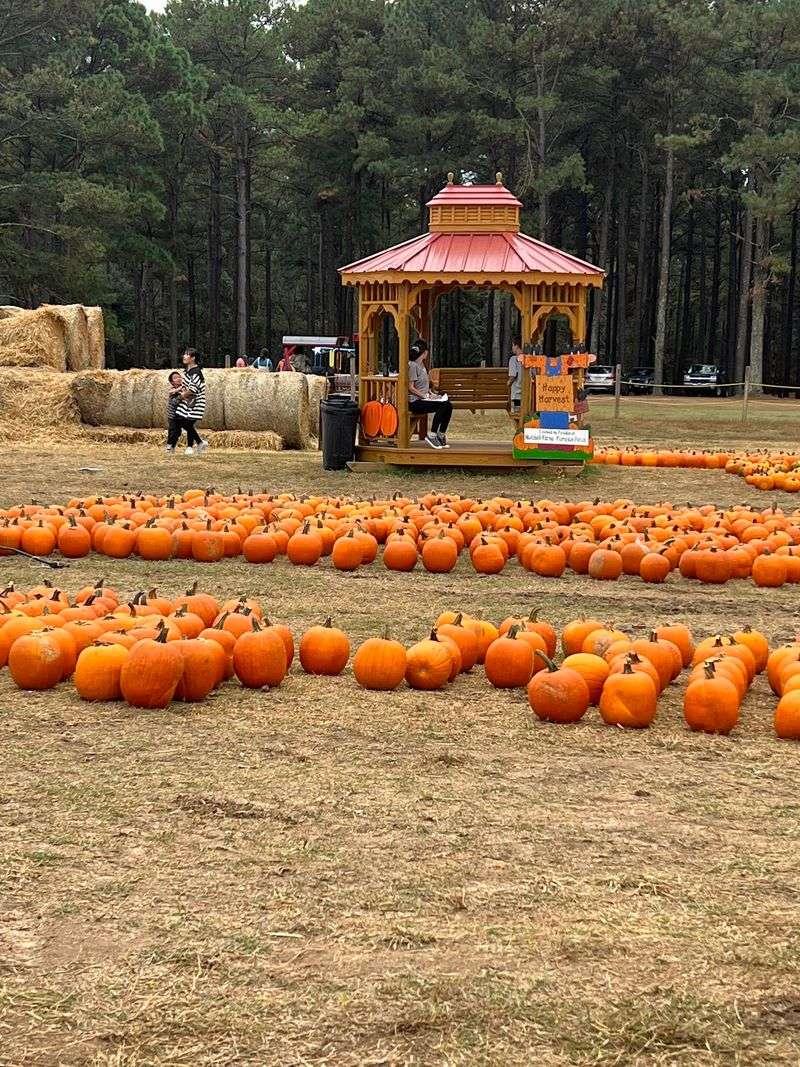
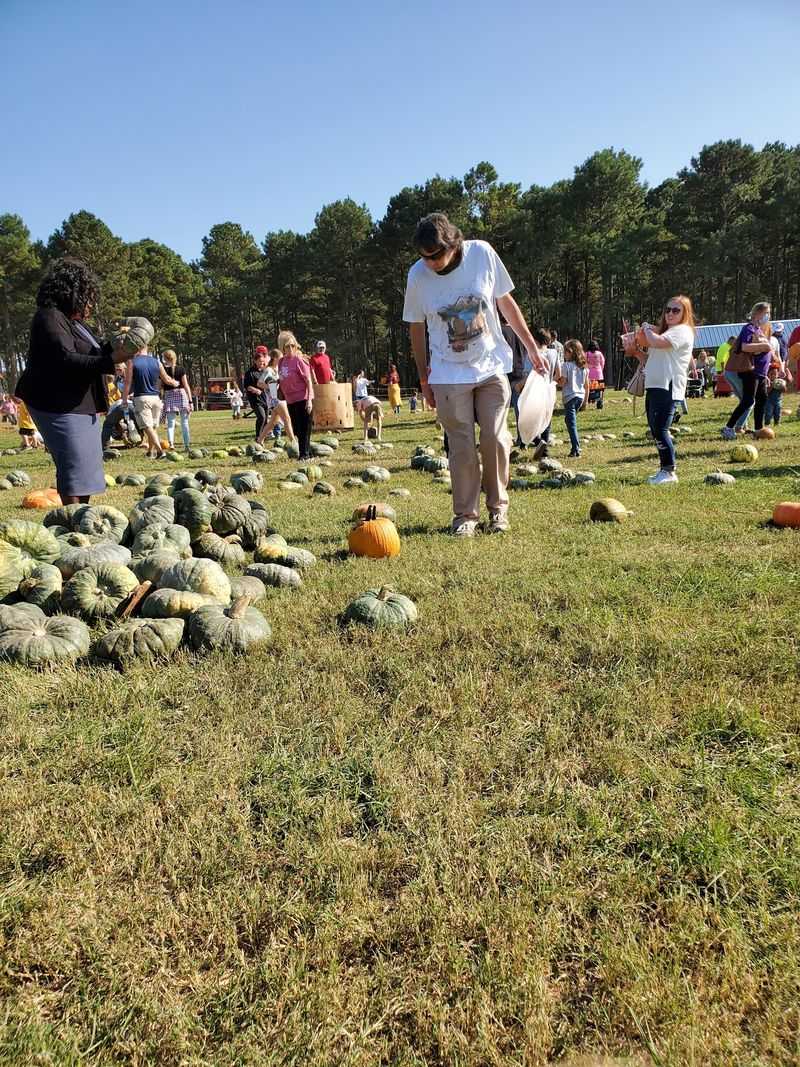
Orange is only the opening act. The pumpkin patch here carries more than 40 varieties, from warty green gourds to pale blue-gray beauties that look almost fake.
Admission usually includes one pumpkin while supplies hold, so the hunt has real stakes. Kids take the assignment seriously.
Some go big and round. Others fall for the lumpy ones nobody else wants, which is honestly the best instinct in the patch.
Sizes range from palm-sized to two-arms-and-a-grunt. Bring a wagon if you plan to buy extras for the porch.
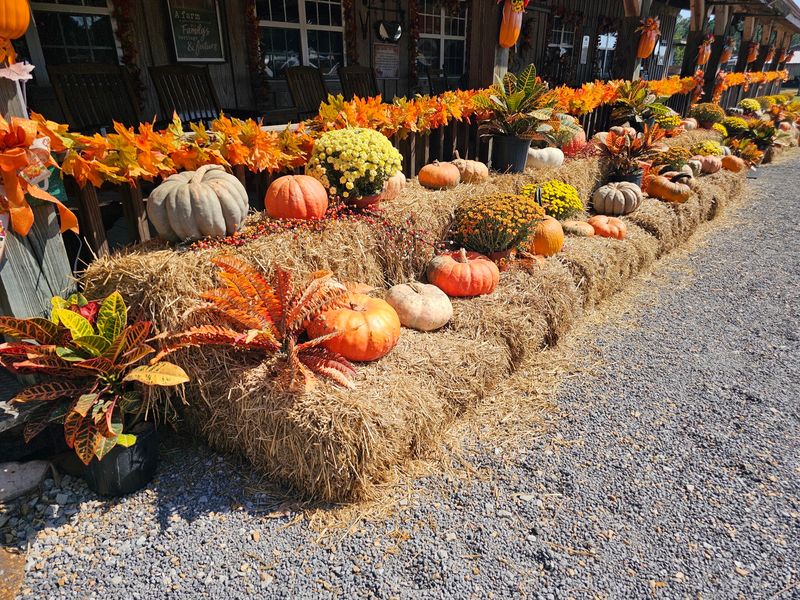
The display sits out in the open where the light is generous, making it a favorite spot for family photos. Fall pictures practically take themselves.
Colors matter if you decorate. White pumpkins pair beautifully with the deeper oranges, and the striped ones add texture to a table.
Pumpkin season generally runs late September into early November, so plan accordingly. Early visits mean fuller selection.
Go slow through the rows. Half the joy is comparing stems, ridges, and shapes before committing to the one that rides home with you.
Boiled Peanuts Straight From The Source
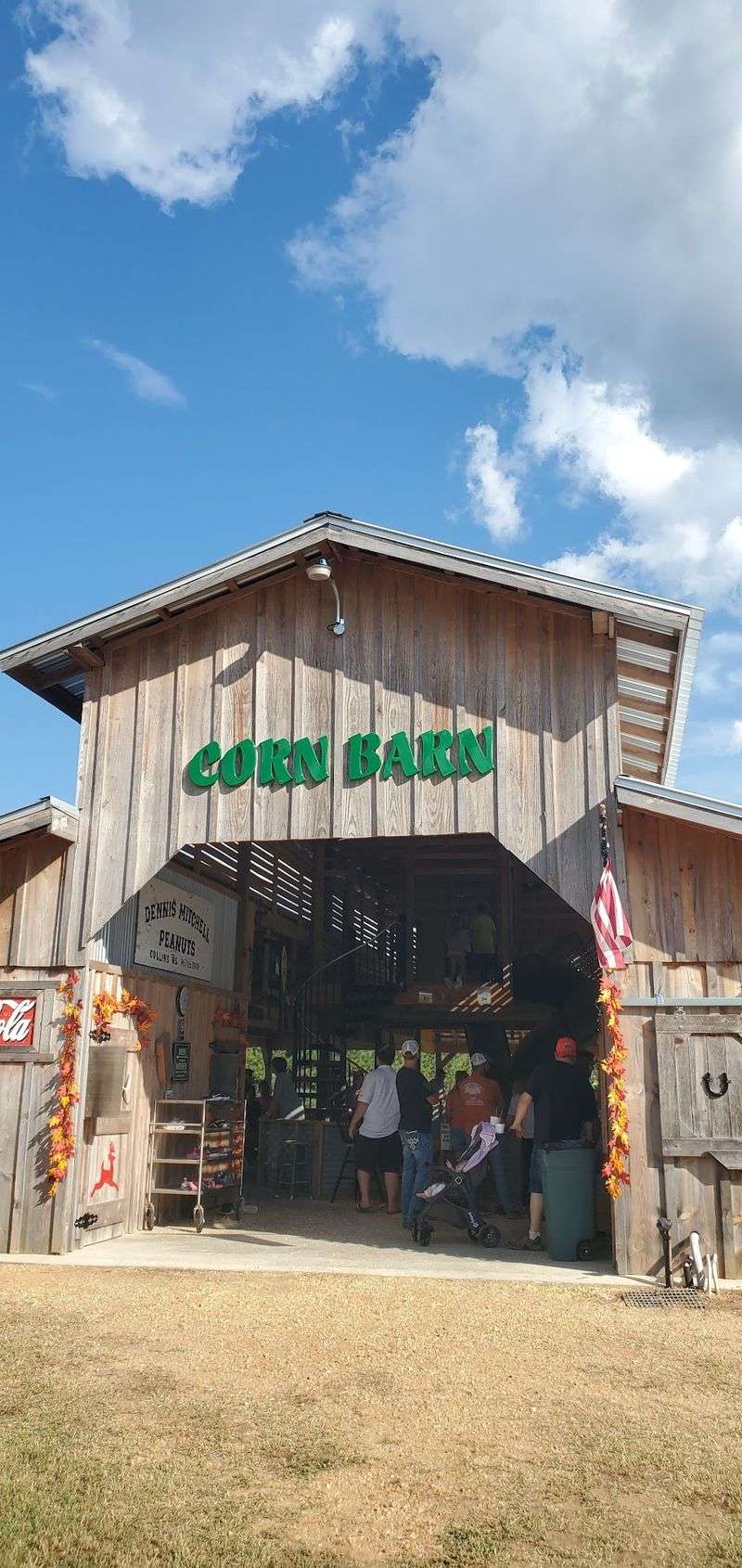
Salty, soft, and slightly earthy, boiled peanuts are the unofficial handshake of the rural South. Eating them yards from the field where they grew changes the whole experience.
The texture surprises newcomers. A boiled peanut is closer to a bean than a snack nut, tender enough to squeeze out of the shell with two fingers.
Green peanuts are the key. Freshly dug and still moist, they soak up salt in a way dried peanuts never will.
The peanut barn is worth a stop even if you are not hungry. Seeing the operation up close explains why the flavor tastes different from grocery store versions.
Dry peanuts are available too, starting in September and often lasting into December. They roast beautifully at home.
Buy more than you think you need. A cup vanishes on the drive back, and someone always claims they only had a few.
For anyone raised on these, the taste is pure nostalgia. For everyone else, it is a delicious lesson in how one crop can define a season.
Five Acres Of Friendly Confusion
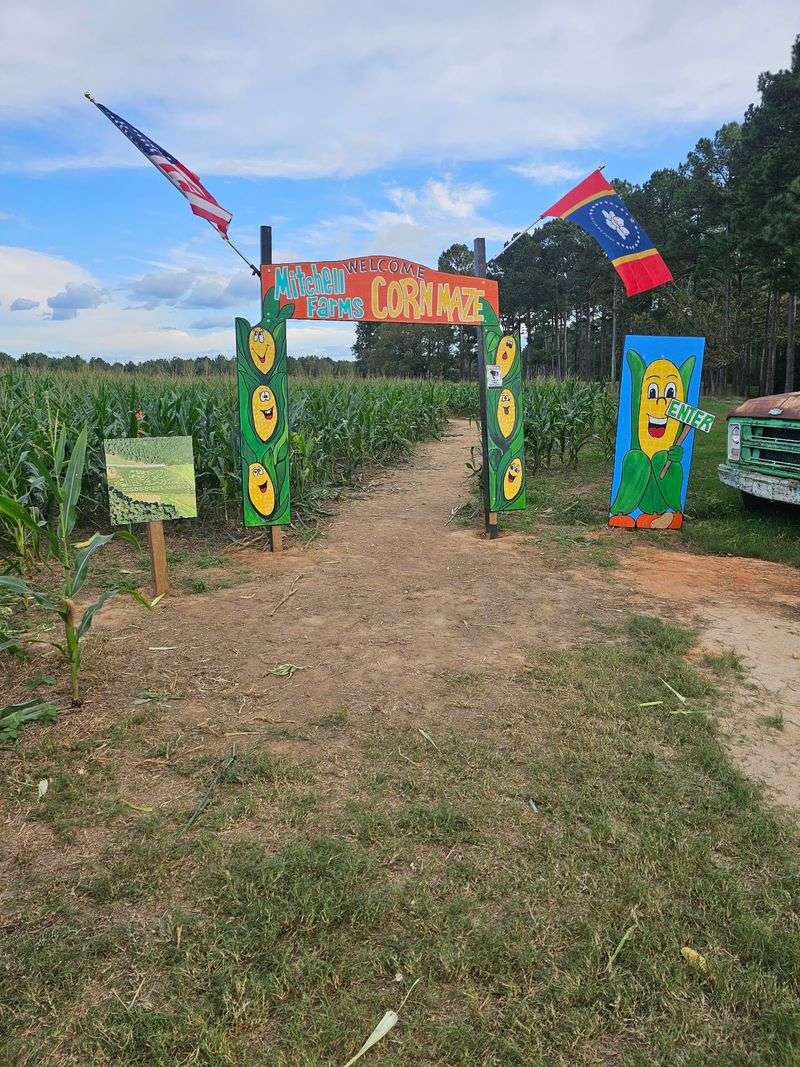
Five acres of corn stand between you and the exit, and that is exactly the point. The maze here is big enough to feel like a real challenge without turning into a rescue mission.
Paths twist, split, and loop back on themselves. Kids sprint ahead. Adults pretend they know the way.
Weather shapes the maze each year, since it grows from an actual crop rather than a permanent structure. Some seasons the walls tower. Others they thin out.
Wear closed-toe shoes. The ground is soft in spots and cornstalks are not gentle on sandals.
Plan on twenty to forty minutes depending on how competitive your group gets. Teams inevitably form.
A tip that saves arguments: pick a rule before entering, like always turning right, then see how badly it fails.
Younger children usually love the maze most because the corn is taller than every adult around them. It feels enormous at three feet tall.
Bring water. Mississippi Octobers can still throw eighty-five degrees at you without warning, and shade inside the rows is limited.
Wagon Rides With A Working Farm View
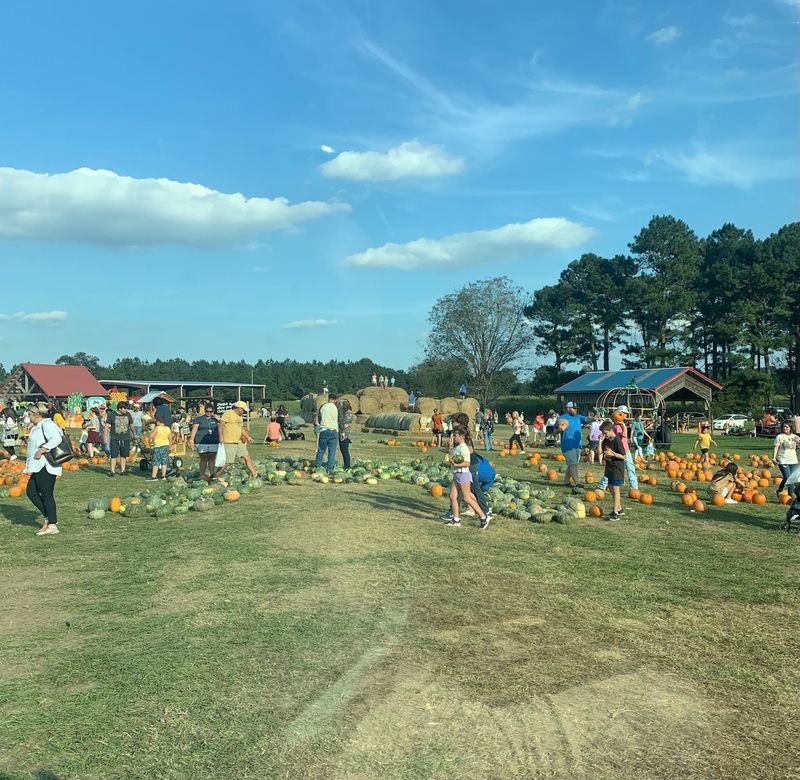
A tractor pulls the wagon, the seats are simple boards, and the tour rolls past fields most visitors would never see on foot. It is the best fifteen minutes on the property.
Guides point out crops and explain how peanuts move from soil to shelf. Kids ask excellent questions. Adults quietly learn things.
Riding beats reading. Watching real acreage stretch to the treeline gives the scale of 1,500 acres actual meaning.
Breezes help on warm afternoons. So does sitting down after two hours of chasing children across hay.
Photos from the wagon come out well, especially with pine trees framing the background and long autumn light on the fields.
Lines move steadily, though weekends bring more riders. Going early usually means a shorter wait and cooler temperatures.
Grandparents seem to love this attraction most. It is comfortable, scenic, and requires no climbing whatsoever.
Consider the ride your orientation. Take it first, spot what you want to explore, then work your way back through the farm with a plan in mind.
Hay Mountain, Sand Mountain, And Slides Galore
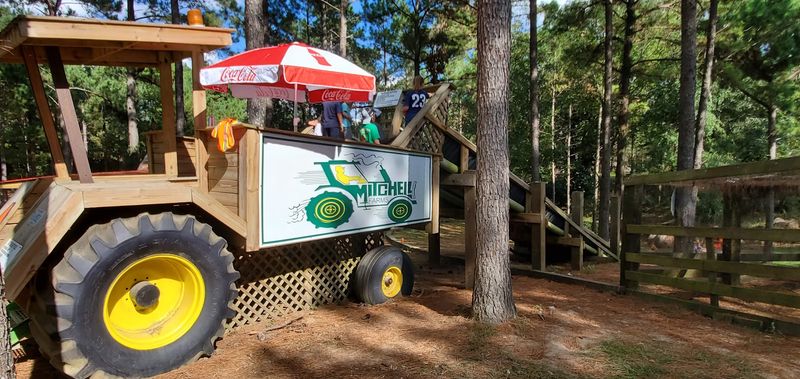
Somewhere along the way, someone decided hay bales should be stacked into a climbable mountain. Kids have been thanking them ever since.
The hay mountain draws the loudest crowd, all scrambling and sliding and starting over. Straw ends up in every sock.
Sand mountain offers a softer landing for smaller visitors who prefer digging to climbing. Both piles stay busy all afternoon.
Slides come in several sizes, including tall ones that make parents nervous and children fearless. Sit down, hold on, go.
A corn pool sounds odd until you sink your hands into it. Dried kernels feel cool and oddly soothing, like a giant sensory bin.
Jumping pillows sit under cover, which matters when the sun leans hard on the farm. Shade turns a good attraction into a great one.
Tire towers, swings, basketball goals, and cornhole fill in the gaps between bigger draws.
Expect tired kids and quiet car rides home. That combination alone justifies the admission price for most families visiting from around Mississippi and beyond.
Tiny Town And The Goat Castle
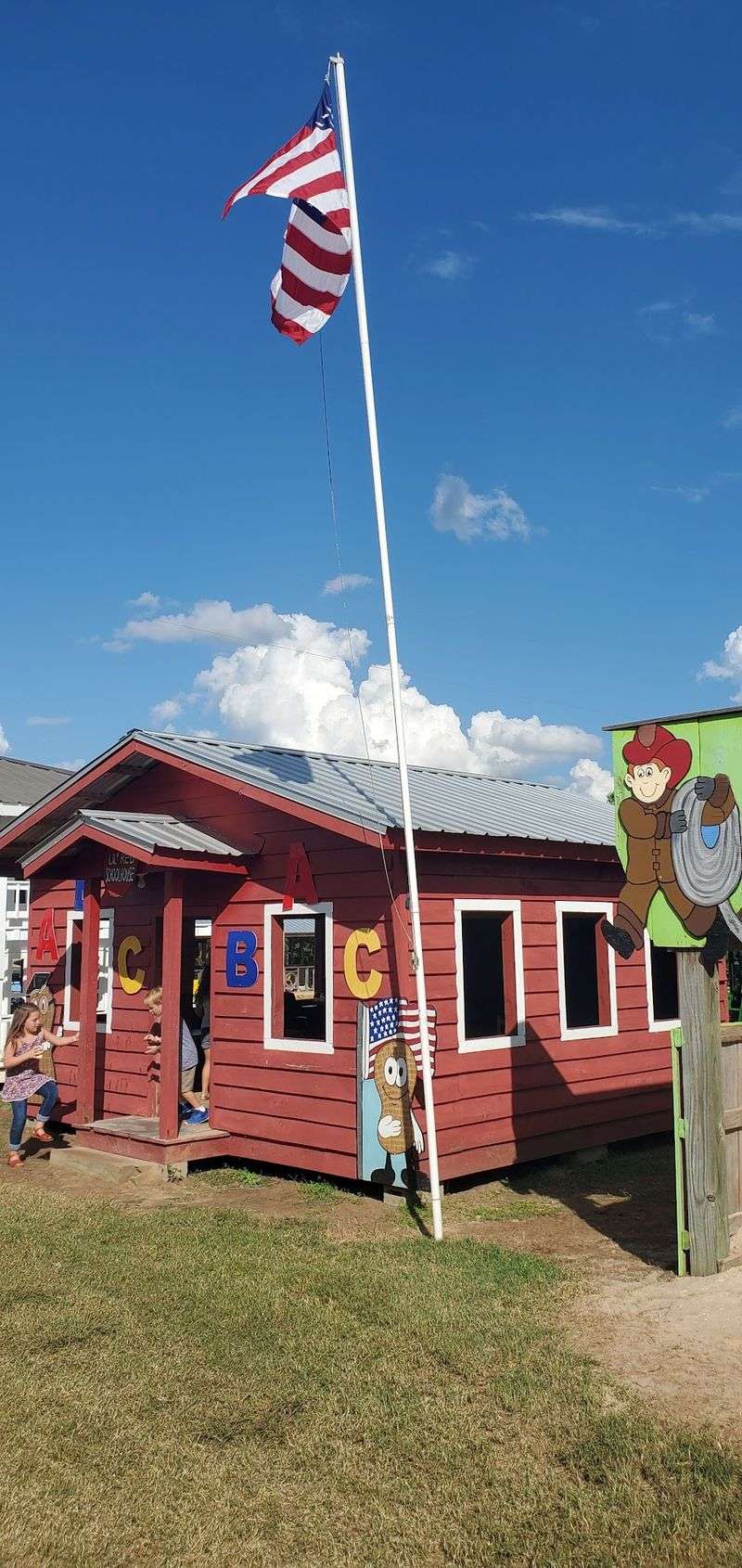
Tiny Town might be the cleverest thing on the property. Small wooden buildings with little furniture inside let children run their own miniature village.
Play stays imaginative rather than mechanical. Kids assign roles, hold pretend meetings, and refuse to leave.
Goats live in a wooden castle nearby, climbing ramps and platforms like they own the place. Honestly, they do.
Watching goats navigate their tower keeps visitors of all ages entertained longer than expected. Their balance is ridiculous.
Other farm animals are around for gentle visits, giving city kids a first close look at creatures they only know from books.
Rocking horses, bubble stations, and playhouses round out the younger crowd’s territory. Parents can usually see everything from one bench.
The scale here is thoughtful. Everything is built to fit small hands and short legs, which builds instant confidence.
Bring wipes. Farm play means farm hands, and a quick cleanup before snack time saves trouble later.
Toddlers and preschoolers often name this area their favorite, which says plenty about the value of simple, well-built fun.
Kettle Corn, Ice Cream, And Blueberry Lemonade
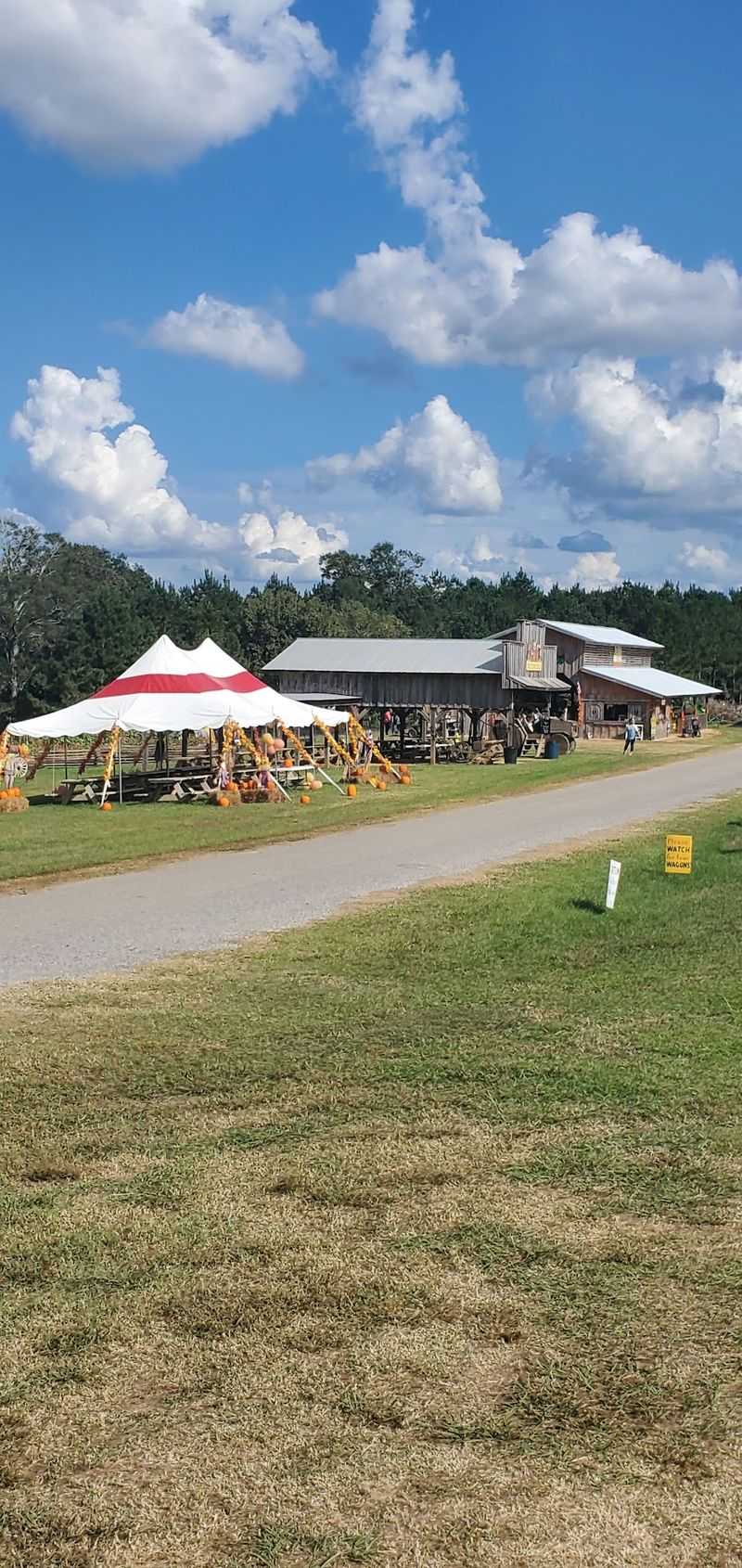
Weekends bring food vendors, and the lineup earns its own trip. Homemade kettle corn hits that sweet and salty balance nobody can walk past.
Blueberry lemonade shows up in nearly every conversation about the farm. Tart, cold, and faintly floral, it works perfectly in warm weather.
Homemade ice cream is the other favorite. Simple, cold, and gone in five minutes flat.
Candy apples and other festival treats round things out. Sticky fingers are practically guaranteed.
Bring cash to be safe. Vendors vary, and having bills on hand keeps the line moving.
Eat early if you can. Midday brings the biggest crowds, and snacking before the peak means more time playing later.
Peanuts remain the star, of course. A cup of boiled ones alongside a cold lemonade is the combination locals swear by.
Food service runs on weekends, so weekday visits should include a packed lunch just in case.
Nothing here pretends to be fancy. It is honest farm-festival eating, made well, served with a smile, and priced like a treat.
The Mississippi Peanut Festival Weekend
Once a year, the farm throws a proper party for the crop that built it. The Mississippi Peanut Festival usually lands on the first full weekend in October.
Arts and crafts vendors fill the grounds. Antiques, handmade goods, and plenty of browsing.
Food options expand for the weekend, which is saying something on a farm already known for snacks.
Educational tours of the peanut operation run during the festival, and they are genuinely interesting. You will never look at a jar of peanut butter the same way.
Crowds are larger, so arrive early for easier parking and cooler air. Momentum matters at a festival.
Shopping here has an advantage. Vendors are mostly regional, so purchases feel connected to the place rather than shipped in from anywhere.
The mood is celebratory without being chaotic. Families spread out, kids play, and nobody seems rushed.
If you only visit once, festival weekend delivers the most in a single trip.
Mark your calendar in September. Dates shift slightly each year, so a quick check before driving out is wise.