
This Tennessee Center Nurses Injured Owls And Raptors Back To Health, Then Releases Them Right Where They Were Found
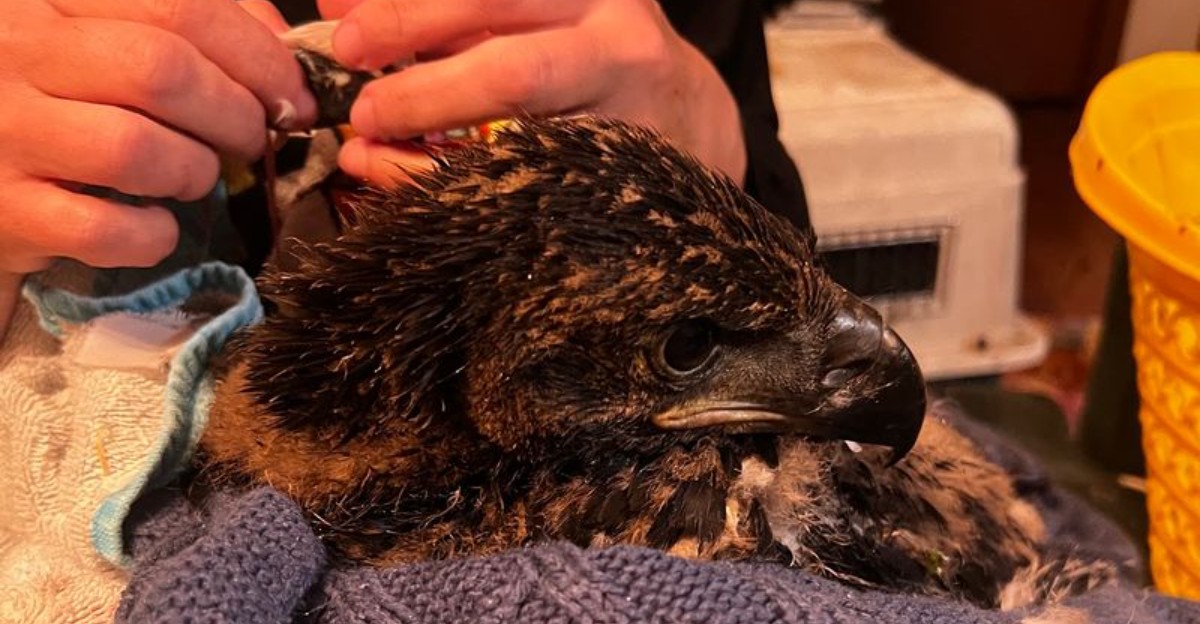
A one-lane gravel road in northeastern Tennessee doesn’t look like the sort of place where bald eagles get second chances, but that’s exactly what’s happening at the end of it. Tucked into rolling ridge country about an hour from Knoxville sits a small non-profit that takes in hurt owls, hawks, falcons and vultures, patches them up, and then drives them back to the very spot where they were found.
Tours run by appointment, there’s no set fee, and the birds you meet have stories worth hearing. If you’ve ever wondered what happens after someone calls about an injured owl on the roadside, this is the answer.
A Ridge Road in Grainger County
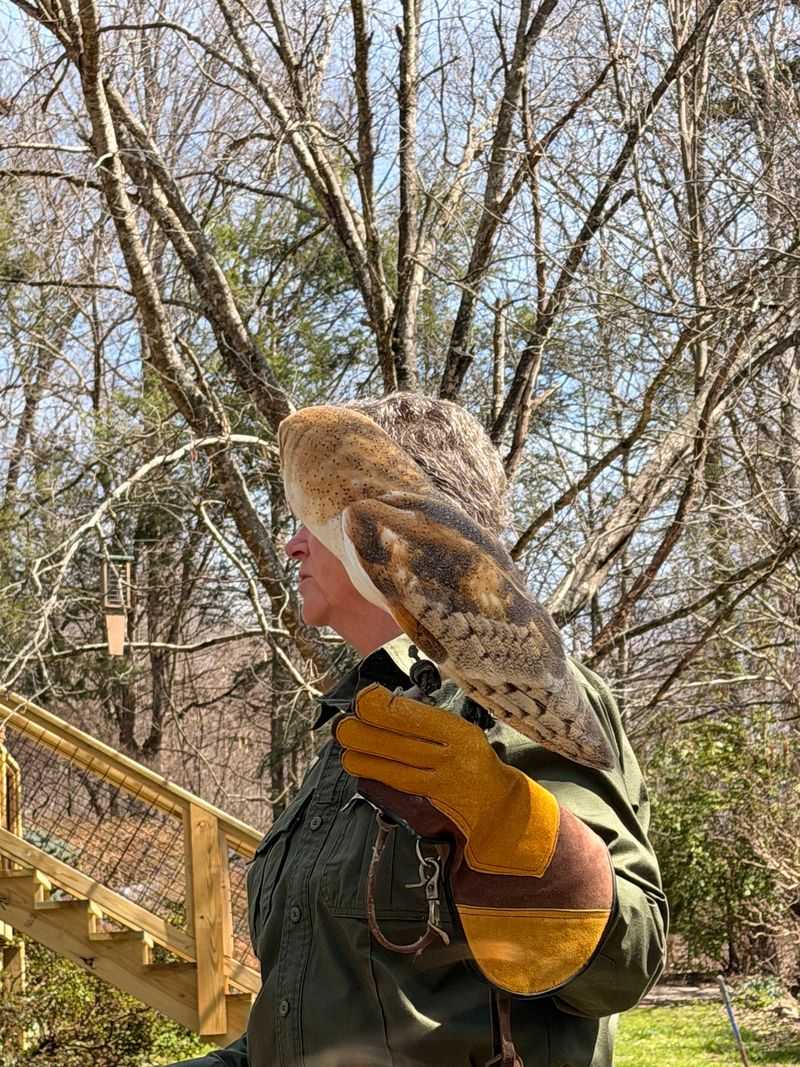
Washburn sits in Grainger County, up in the rippled ridge-and-valley country northeast of Knoxville, and the address you’ll punch into your phone is 614 Collins Ridge Rd, TN 37888. Owl Ridge Raptor Center occupies a quiet stretch of that ridge, well away from anything resembling a tourist strip.
Officially it’s classified as a wildlife rescue service, and that’s the honest description. It isn’t a zoo, it isn’t a roadside attraction, and it doesn’t have a gift shop stacked with plush toys.
What it does have is a working rehabilitation operation dedicated entirely to birds of prey: owls, hawks, eagles, falcons and vultures that have run into trouble somewhere across the region.
Drive time from downtown Knoxville runs roughly an hour, which puts it comfortably inside a half-day round trip for most East Tennessee families. Tri-Cities folks are looking at a similar haul from the other direction.
Visitors do warn that the final approach narrows to a single lane, so take it slow and keep an eye out for oncoming trucks. The road is part of the experience, honestly.
The Promise Behind the Rescue
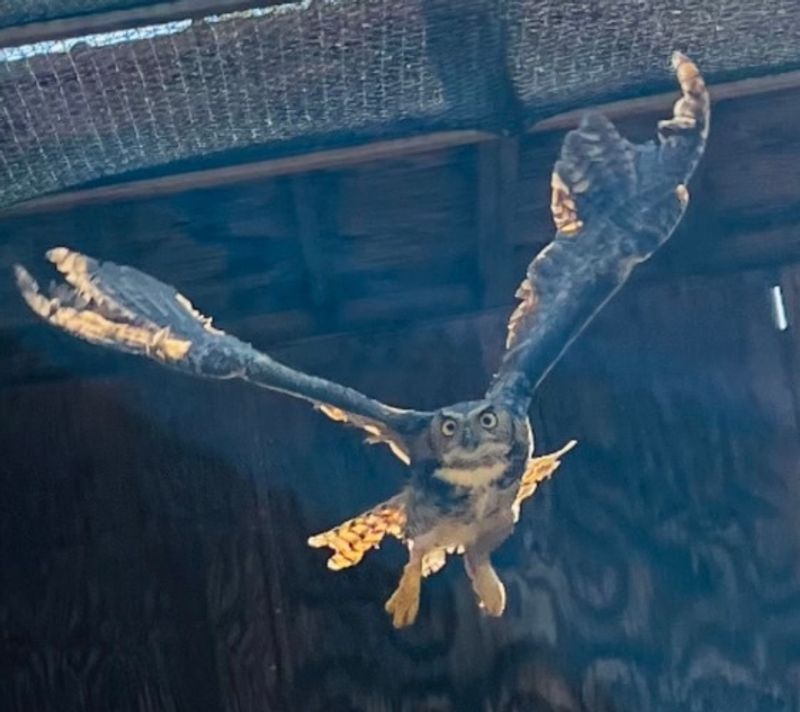
Every bird that arrives here comes with the same understanding: the goal is the sky, not a cage. Owl Ridge exists to rescue, treat and rehabilitate raptors so they can go back to living wild lives, and the organization builds its whole operation around that outcome.
The detail that sets the place apart is where the birds go afterward. Rather than releasing recovered raptors at some convenient open field, staff aim to return them to the same area where they were found injured.
There’s real logic to that. Raptors hold territory, know their hunting grounds, and often have mates or established nesting sites.
Drop a barred owl twenty miles from home and you’ve handed it a much harder assignment.
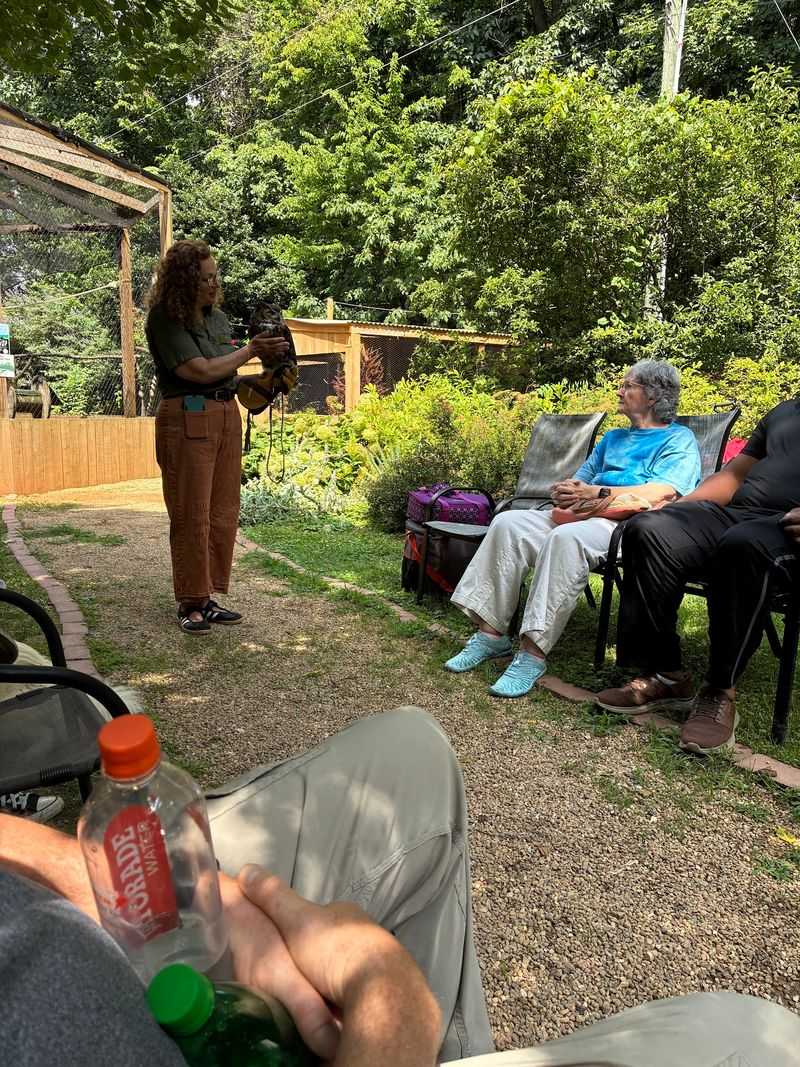
Visitors who have toured the property mention that the animals on site are either already healthy or clearly on the mend, headed toward that same release.
The center works alongside other conservation and wildlife agencies, especially on the more complicated cases that need specialized support. It’s a network, not a solo act.
That philosophy of second chances runs through everything, from the intake call to the moment a bird lifts off.
Meet the Ambassador Birds
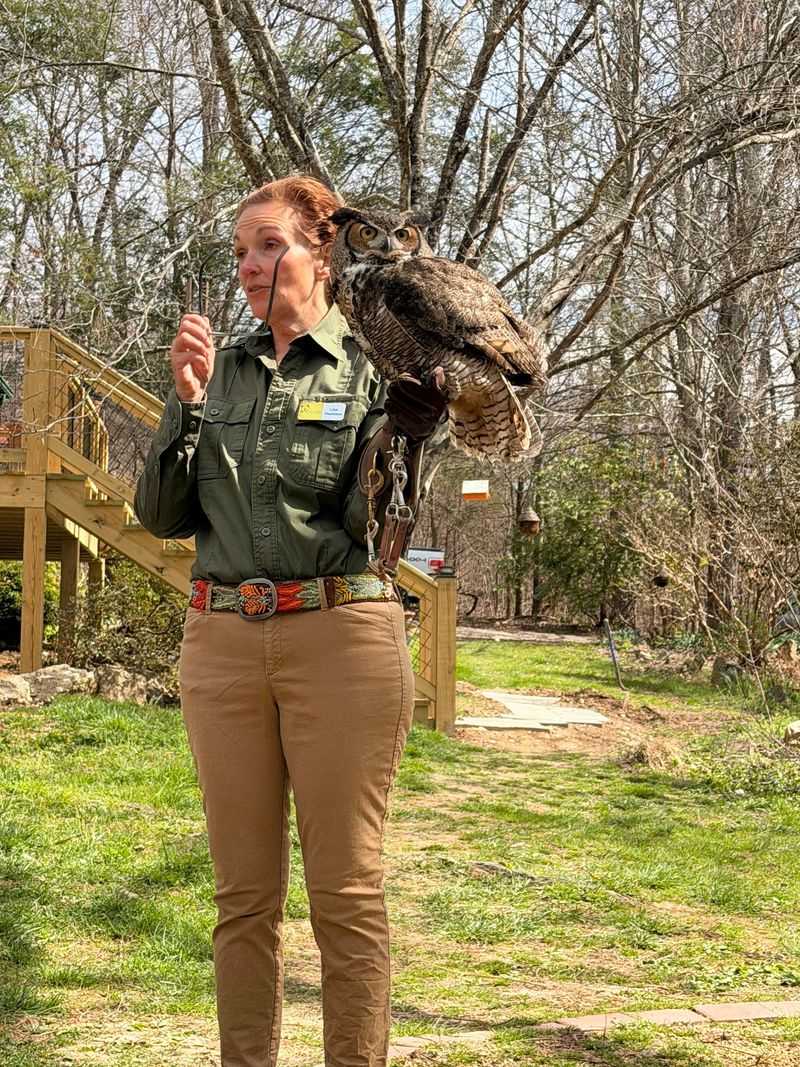
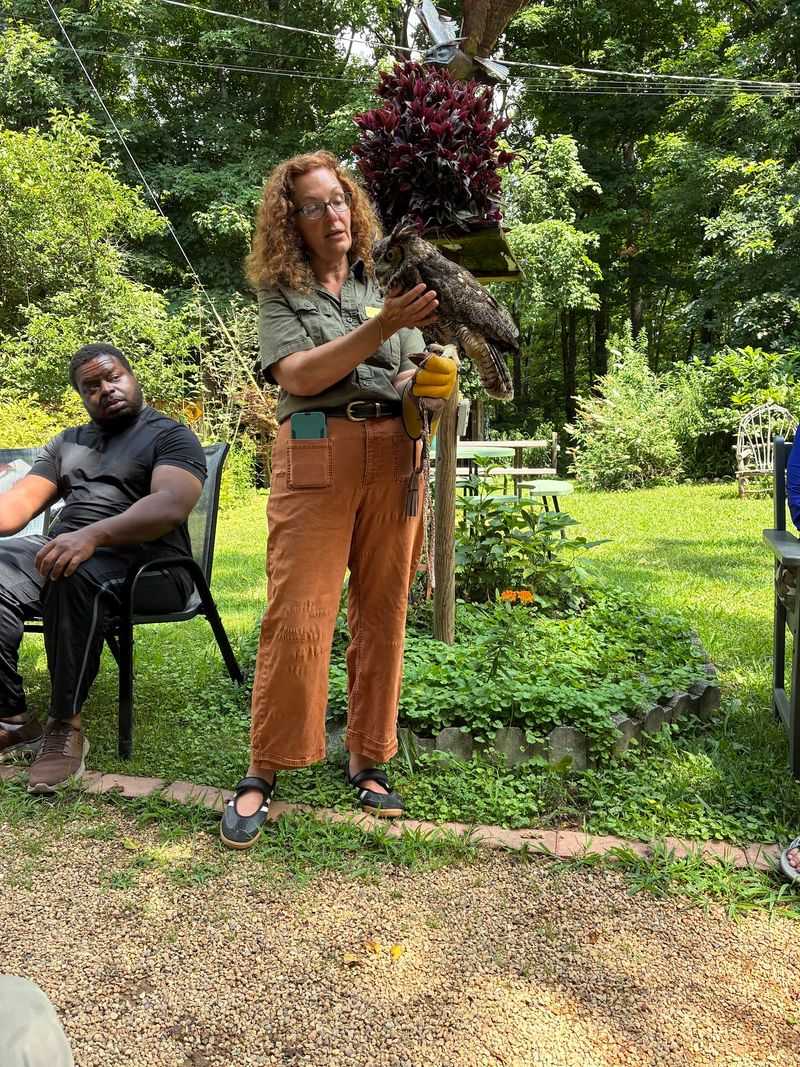
Not every rescue ends with a release, and the birds that can’t return to the wild take on a different job entirely. These are the ambassador birds, permanently injured raptors who now help teach people about the species they represent.
An owl with a wing injury that never fully healed can’t hunt reliably enough to survive alone, but it can sit calmly on a glove while a group of schoolchildren learns why owls fly silently.
Ambassadors at the center span the raptor family: owls, hawks, eagles, falcons and vultures have all passed through the program. Each one arrives with a backstory tied to a specific rescue.
Families who have attended more than one presentation say they pick up something new each time, which speaks to how much material the handlers actually have.
Kids tend to go quiet when a great horned owl swivels its head and looks straight at them. That reaction is exactly what educational programming is built to produce.
For a child, meeting a raptor at arm’s length lands far harder than any documentary ever could, and it sticks around for years.
Clean Buildings and Spacious Flight Pens
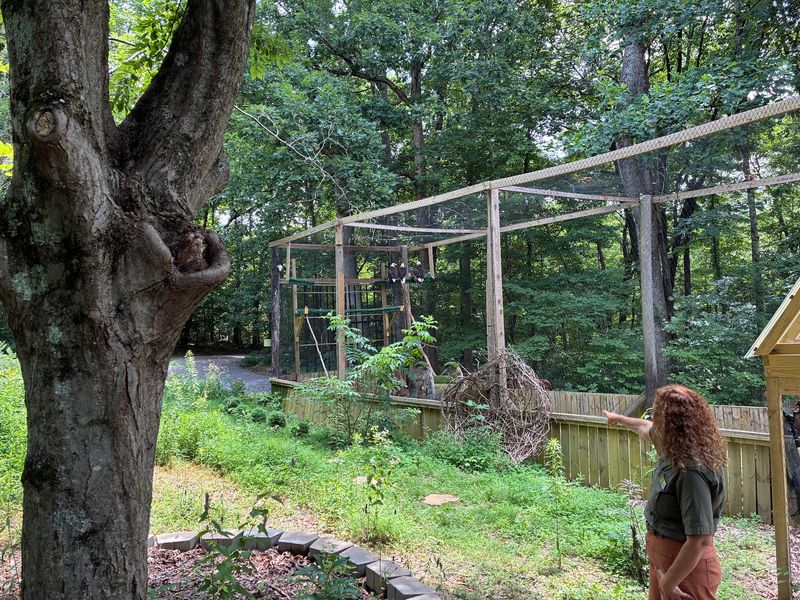
Space matters more than decoration in raptor rehabilitation, and the facilities here reflect that priority. Guests who have walked the grounds describe the buildings as clean, well-built and generously sized, which is not something every small rescue can claim.
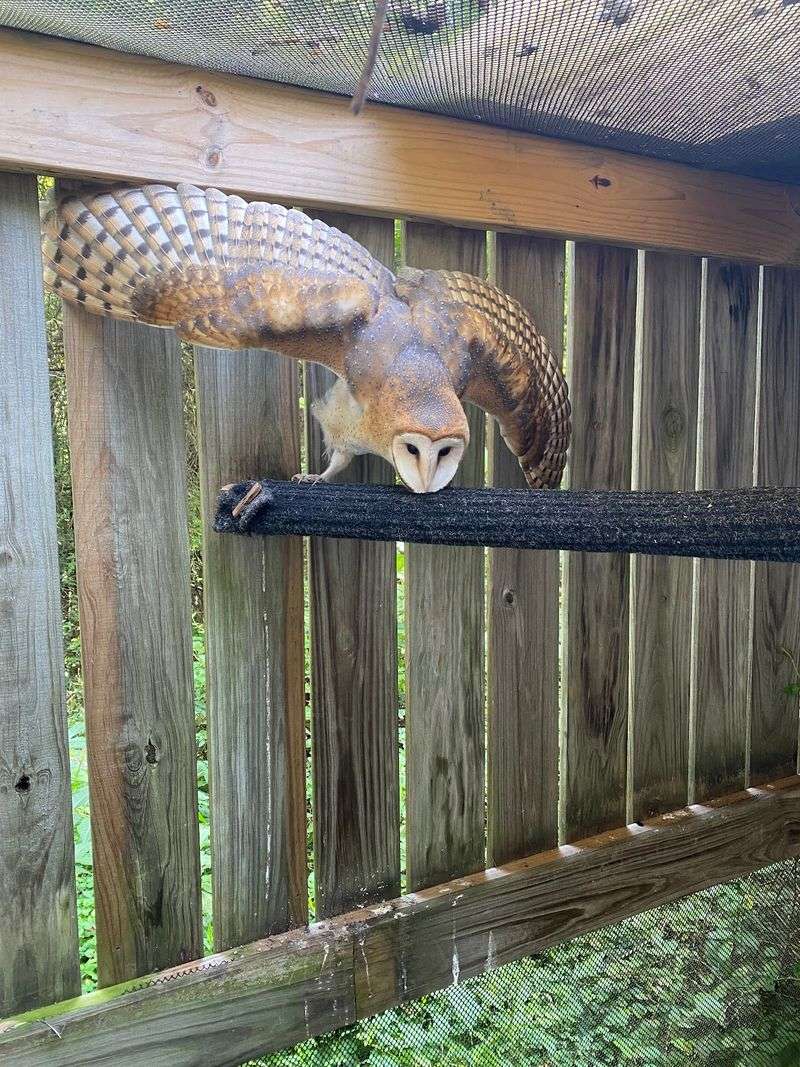
Flight enclosures need real room. A hawk recovering from a wing injury has to rebuild muscle and prove it can maneuver before anyone considers turning it loose, and cramped quarters make that impossible.
Housing also has to be species-appropriate. Owls need perching and shelter from daylight disturbance; vultures need different accommodations altogether; eagles need serious square footage.
Keeping enclosures clean isn’t cosmetic either. Sanitation directly affects whether a compromised bird recovers or picks up a secondary infection during treatment.
All of this costs money, which is why the center is upfront about running on donations and grant support rather than federal or state funding.
Standing beside a flight pen and watching a recovering hawk test its wings gives you a fast education in how much work goes into one release. It’s quiet, unglamorous care, repeated day after day, and the results speak for themselves.
The Borrow Box Library
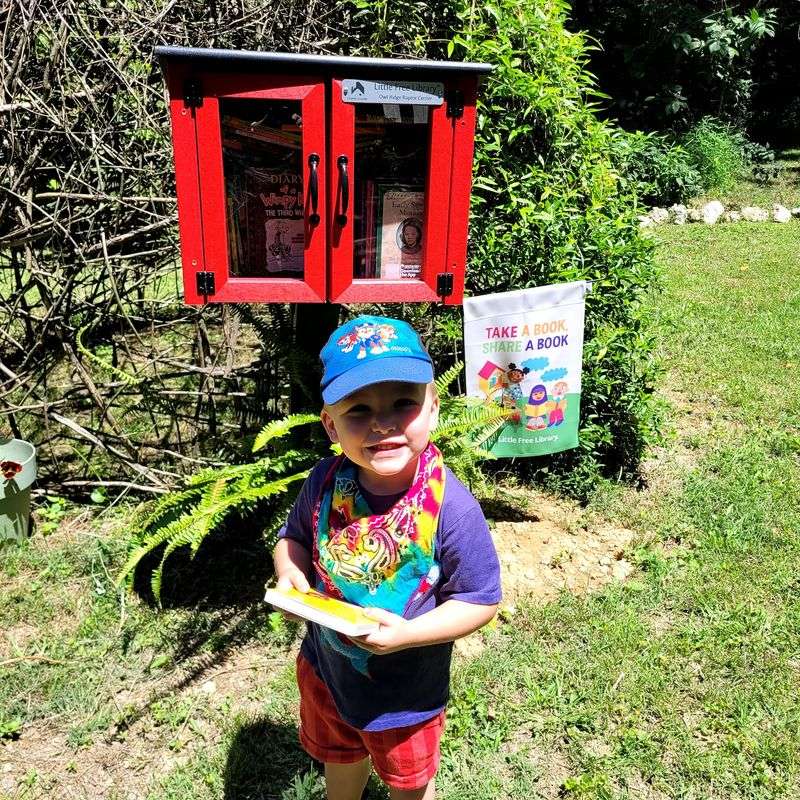
Small touches sometimes reveal the most about a place. Alongside the enclosures and the education programs, Owl Ridge keeps something called a Borrow Box, a lending library that visitors have singled out as a genuinely charming feature.
The idea is simple enough: take a book, read it, bring it back or pass it along. No fees, no library card, no due date anxiety.
For a center built around teaching people about birds of prey, a free book exchange fits perfectly. Curiosity sparked during a tour has somewhere to go afterward.
Parents of young readers will appreciate the practicality. Kids who spend an afternoon staring at owls often want more, and handing them something to take home extends the visit by weeks.
It also says something about the operation’s character. A rescue that scrapes together funding for bird food and veterinary care still bothers to maintain a lending library because sharing knowledge is part of the mission.
Little details like that are what separate a passion project from an institution. Check what’s on the shelf when you visit, since the contents naturally rotate as people borrow and contribute.
When a Neighbor Finds a Bird in Trouble
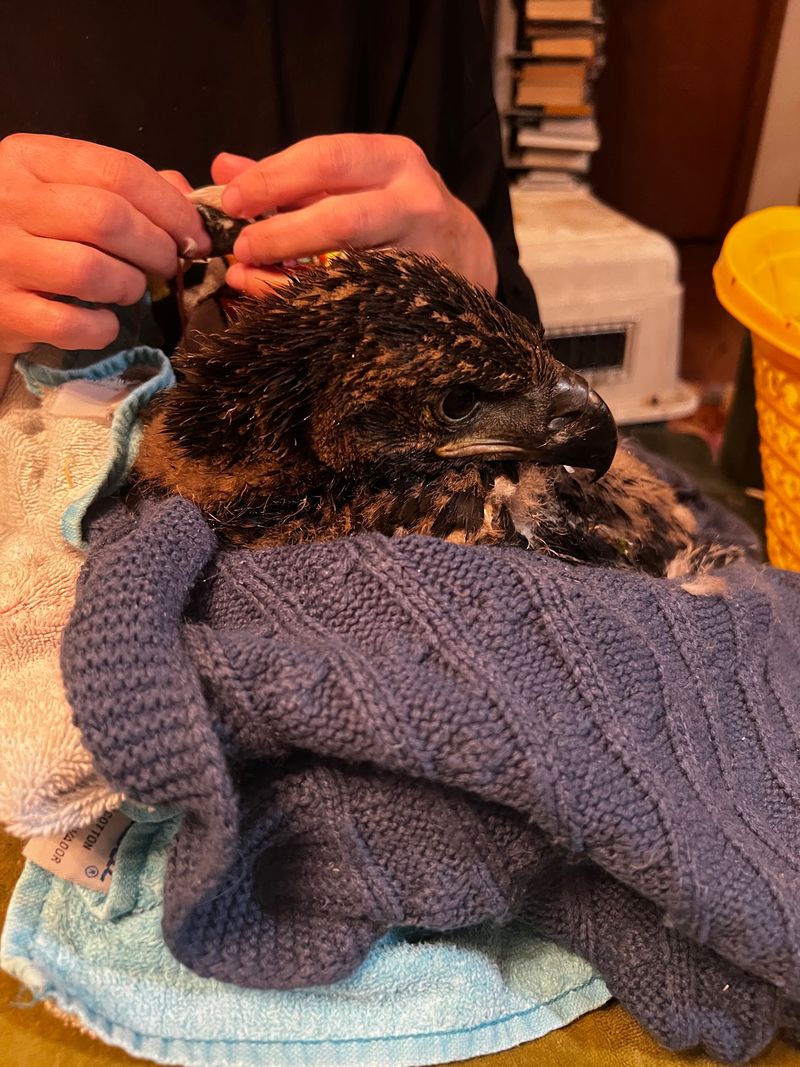
Picture this: you’re out on a morning walk in Grainger County and spot an owl tangled in a barbwire fence. Now what?
For one local family, the answer was a phone message to Owl Ridge and a text back almost immediately.
Rapid response is a big part of what the center offers the surrounding region. Injured raptors don’t have time to spare, and a fast pickup often makes the difference between a release and a permanent placement.
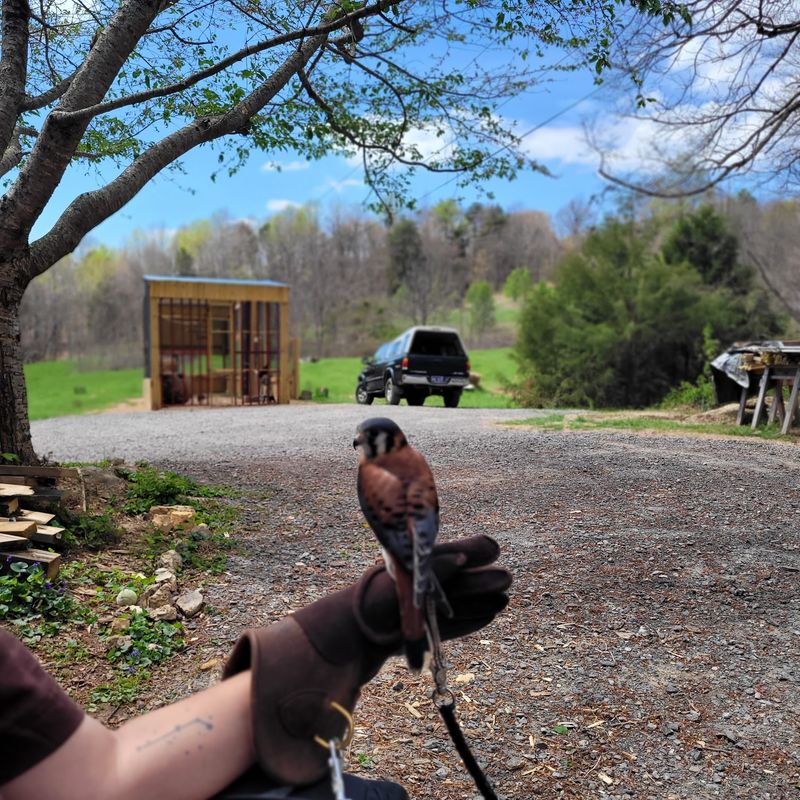
The staff say they do their best to help any bird of prey that gets into trouble, whether it’s a collision case, an entanglement, or a fledgling that ended up somewhere it shouldn’t be.
Their published number is 865-964-8714, and the website at owlridge.org carries additional guidance.
A word of caution worth repeating: raptors have powerful talons and are frightened when hurt. Call first rather than attempting a rescue on your own.
Knowing that a trained team sits an hour outside Knoxville changes how people respond when they find a hurt bird. That reassurance quietly benefits the whole area.
Booking Your Appointment-Only Tour
Turning up unannounced won’t work here, and that’s by design. Tours at Owl Ridge run by appointment only, which keeps stress low for birds in active recovery and ensures someone is available to actually walk you around.
Reach out ahead of time through the website or by phone, and plan your Saturday around whatever slot you’re given rather than the other way round.
Group visits happen too. The center has hosted organized groups, and staff have mentioned enjoying the stories and experiences those visitors bring with them.
Because this is a working rehabilitation facility rather than a scheduled attraction, availability can shift with intake volume, weather and the birds’ condition. Confirm before you drive.
Public programs are offered without a set fee, so the cost of the outing itself comes down to gas and whatever you choose to give.
Build in extra minutes for the final stretch of road. It narrows to one lane, and rushing it is a poor idea.
Arriving a few minutes early beats arriving flustered, especially with kids in the back seat.
No Set Fee, Donations Do the Heavy Lifting
Here’s the number families care about most: there is no set admission fee for public programs. That makes an outing here one of the cheapest meaningful Saturdays available within an hour of Knoxville.
The center receives no federal or state funding. It runs on community support, grants and donations, which is a precarious way to keep eagles fed and medicated.
Feeding raptors isn’t cheap. A recovering eagle eats a serious amount, and veterinary work on wing fractures adds up quickly.
Repeat visitors are blunt about it, encouraging anyone who can to contribute because small amounts accumulate. Every penny counts is the general sentiment, and it’s not a sales pitch, just arithmetic.
A reasonable approach: budget what you would have spent on admission elsewhere, maybe twenty or thirty dollars for a family, and hand it over at the end. You’ll still spend less than a sit-down dinner out.
Donation options are listed on owlridge.org for anyone who prefers to give from home or set up something ongoing. Support keeps the release program running month after month.
The Mood on the Ridge
Quiet is the defining quality up here. There’s no soundtrack, no crowd noise, no line for anything, just wind through the trees and the occasional call from an enclosure.
Handlers set the tone. Guests consistently describe the people running the place as knowledgeable and genuinely passionate about the birds, and that enthusiasm carries a presentation along without any showmanship.
Conversations tend to be two-way rather than scripted. Owner responses to visitors often reference specific chats, shared photographs and stories swapped during the visit, which suggests the tours are relaxed and personal.
Pace is unhurried, which suits older visitors and grandparents bringing grandchildren along. Nobody is herding you toward the next exhibit.
Because the property sits on a working ridge in rural Grainger County, dress for the outdoors: sturdy shoes, a jacket in cooler months, and sun protection in summer.
Autumn is a particularly good window, with the surrounding hills turning color and the drive out becoming half the pleasure. Pair it with a foliage loop through the ridge roads and you have a full day built around one small, purposeful stop.
Who Gets the Most Out of a Visit
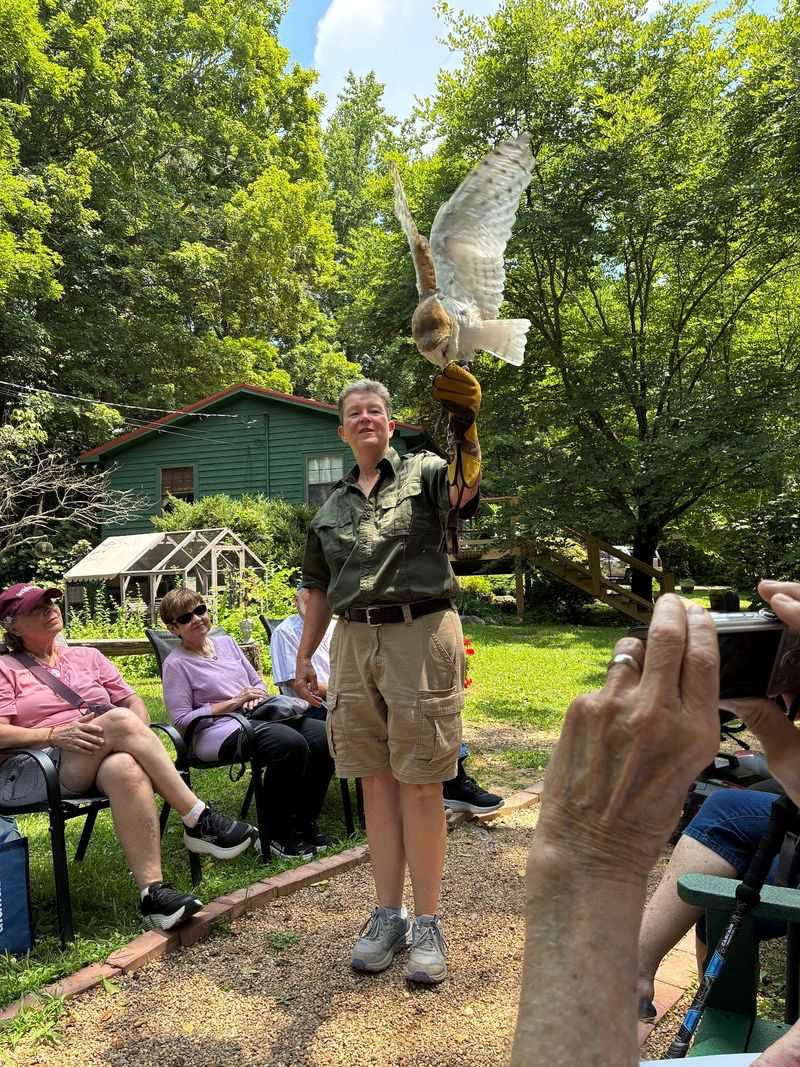
Bird-curious kids are the obvious audience. A child who has memorized every owl species from library books will lose their mind standing three feet from a live great horned owl.
Retirees and grandparents do well here too, largely because the format is conversational and slow. There’s real substance in the talks for anyone interested in conservation, migration or regional wildlife.
Homeschool families and scout groups fit naturally with the educational mission, and the center has experience hosting organized groups.
Photographers should bring a camera. Visitors have shared images with the staff afterward, and close access to ambassador birds makes for uncommon shots.
Anyone expecting playgrounds, concessions or a paved loop trail should adjust expectations. Amenities are limited, so eat before you come or pack a lunch for the drive.
Very young toddlers may struggle with the need to stay calm and quiet around recovering animals, so gauge your own child.
For out-of-state travelers heading toward the Smokies who want something different from the Pigeon Forge strip, this makes an unusual detour with substance behind it. Just remember the appointment requirement before rerouting.
Worth the One-Lane Road
Some outings entertain you and some outings change how you look at things. Watching a hawk that arrived broken get closer to the day it goes home falls firmly into the second category.
Owl Ridge Raptor Center isn’t polished, and it doesn’t try to be. What it offers instead is direct contact with people doing patient, expensive, unglamorous work for animals that can’t thank them.
Practically speaking, the trip pencils out well. An hour from Knoxville, no set fee, an appointment booked in advance, and a donation of whatever you can manage.
Visitors who make the drive consistently say the single-lane approach is a small price for what waits at the end.
Verify hours and availability at owlridge.org or by calling 865-964-8714 before setting out, since a working rescue operates on the birds’ schedule rather than a posted one.
Go in autumn if you can, when the ridges glow and the drive doubles as scenery. Then leave a little money behind, because the eagles eat regardless of season, and that’s the whole point.