
The Mississippi Trail Under 2 Miles Where The Forest Does All The Work
Short hikes get treated like they don’t count, as if a trail has to punish you before the view is earned. A loop in Mississippi settles that argument in under two miles, with pine and hardwood doing the work your legs would otherwise be doing.
The path circles a 96-acre lake and passes fishing piers along the way. Interpretive signs explain what you are actually looking at, which is more than most trails bother with and turns a walk into something you come away knowing more from.
Bring water and wear real shoes. Then let the woods set the pace, which is slower than yours and better company for an afternoon.
A Lake That Keeps Its Voice Down
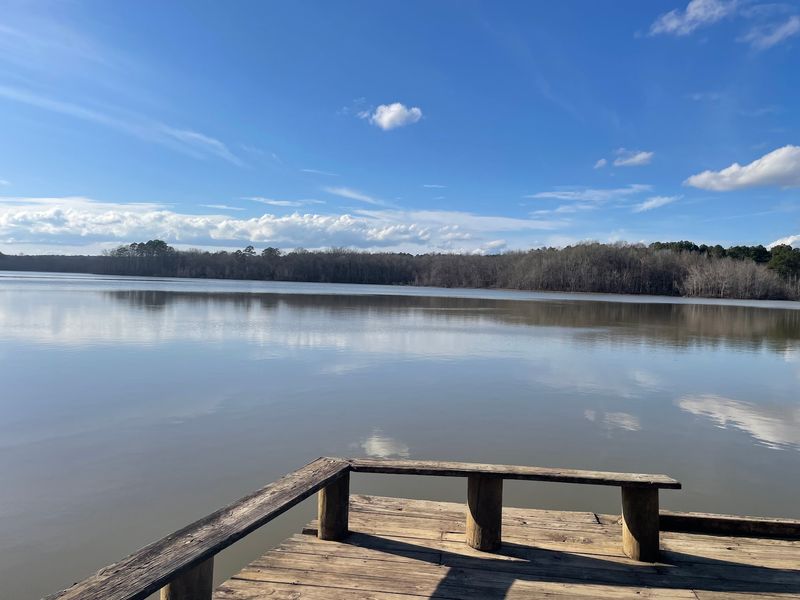
Quiet is the main event here, and it arrives before you park. The road in is gravel, the last stretch runs through thick woods, and the sound of traffic fades out completely. What replaces it is water lapping against a shoreline and birds working the treetops.
The lake covers 96 acres and carries a no wake rule, so motors stay hushed and the surface stays glassy.
Swimming is not allowed, which keeps the shore calm and the water clear looking. Summer brings lily pads with pale white flowers that sit bright against the dark water.
As you approach, the road delivers a slightly elevated view across the whole basin. Fall turns that overlook into something worth stopping for, and winter strips the trees down so you can see the far bank clearly.
Two fishing piers and a boat ramp handle anglers, and catfish show up often enough to keep rods busy. Picnic tables sit spread out rather than crowded together.
Mississippi has flashier lakes. Few match this one for stillness, and stillness is exactly why the short trail here works so well.
Puskus Lake Recreation Area And How To Find It
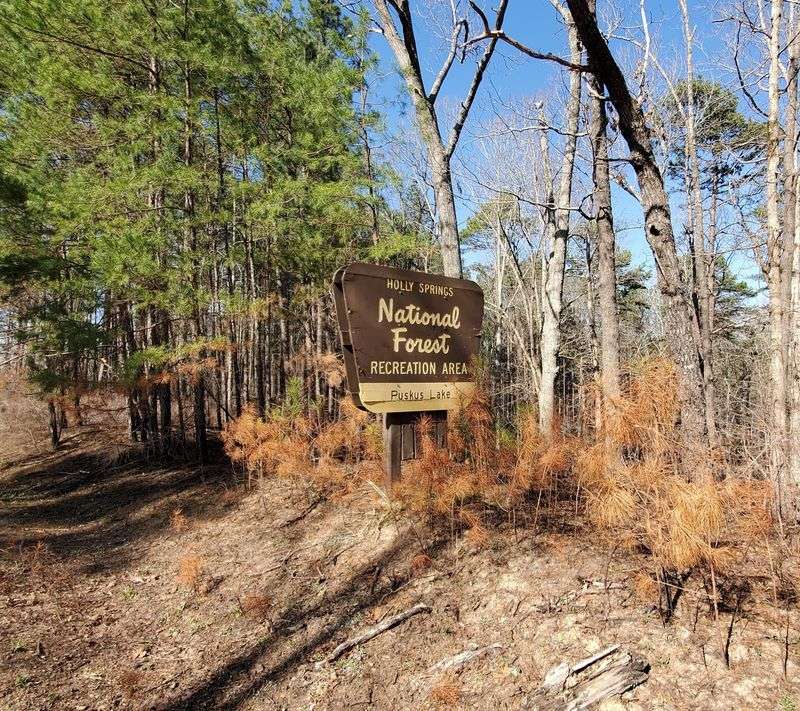
Names help, so here it is. Puskus Lake Recreation Area sits inside Holly Springs National Forest, roughly northeast of Oxford, Mississippi, with the campground listed on Road 2089, Oxford, Mississippi 38655.
Getting there follows a simple sequence. Take Mississippi Highway 7 north, turn onto Mississippi Highway 30 east, then drive about nine miles until you spot the sign. A left onto Forest Service Road 2089 leads you three more miles to the entrance.
Those final three miles are unpaved. After heavy rain, a low clearance car will feel every rut, so check the forecast before committing. Dry weather makes the drive easy enough for any vehicle.
The United States Forest Service manages the area as part of the National Forests in Mississippi. Holly Springs National Forest itself was established on June 15, 1936, which gives the whole place a long paper trail.
No attendant greets you at a booth. A self service fee station handles day use payments instead, so carry small bills and read the posted instructions carefully.
Cell signal thins out on the way in. Download your map first.
One And A Half Miles Of Honest Walking
Distance numbers vary depending on who is describing the route. The main path is generally called the Puskus Interpretive Hiking Trail and runs about 1.5 miles as a loop.
Other sources list a one mile hiking trail and a 1.8 mile nature trail, so plan for something under two miles either way.
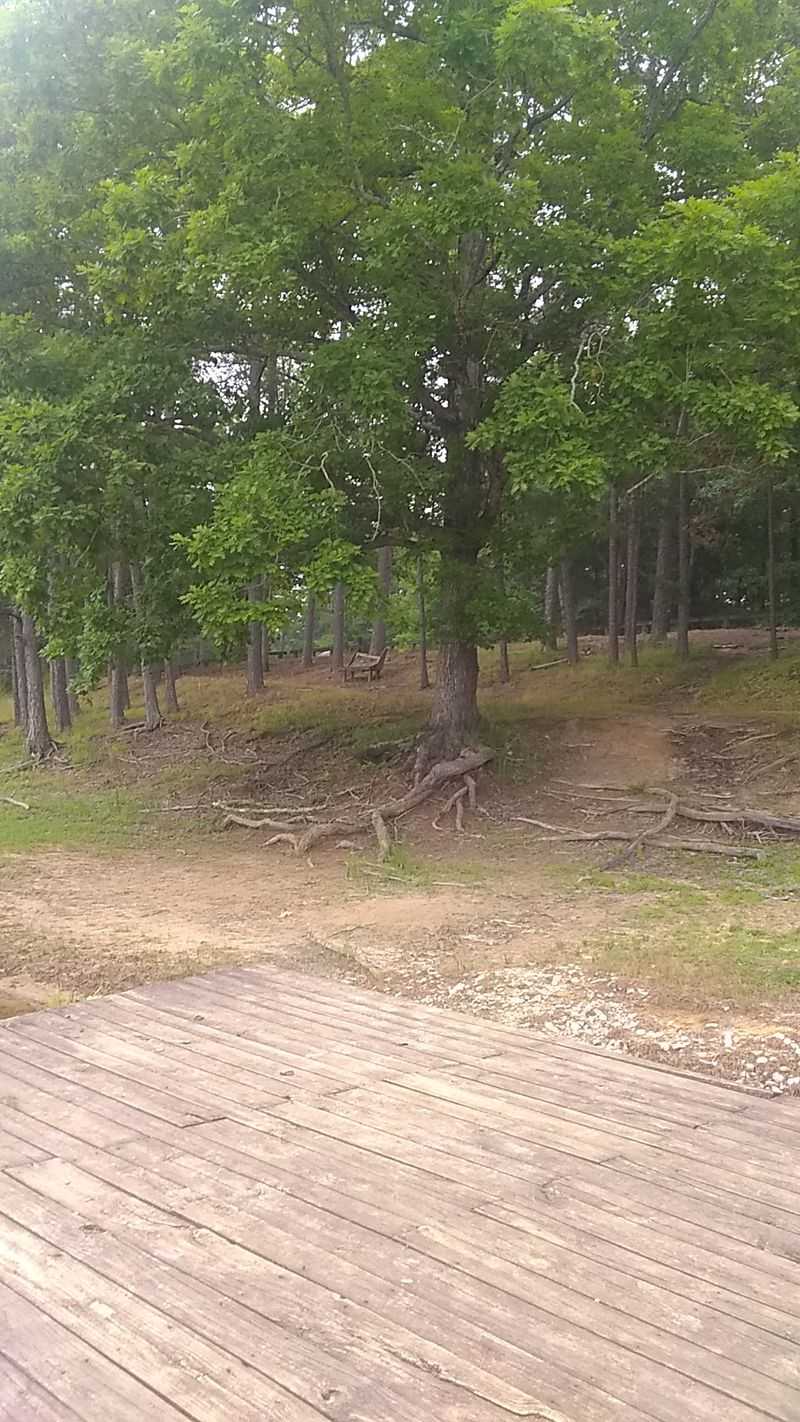
Tread is natural dirt, not gravel and not boardwalk. Roots surface here and there, and after rain a few spots hold moisture longer than others. Trail shoes beat sandals by a wide margin.
White blazes painted on tree trunks mark the route. Keep an eye up and slightly ahead rather than staring at your feet, and the blazes will keep you honest at every turn.
Elevation change stays modest, which makes the loop friendly for beginners and pleasant for anyone who wants woods without a workout. Most walkers finish in under an hour at a relaxed pace.
Growth can encroach during peak summer, so long pants earn their keep. Spring and fall deliver the cleanest walking conditions and the best light through the canopy.
Signs That Teach While You Stroll
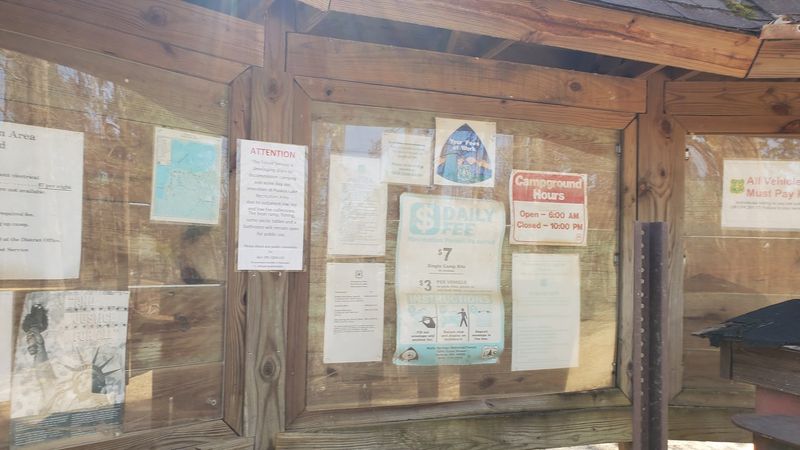
Interpretive is not just a fancy label on this loop. Signs appear along the route explaining the surrounding environment, which turns an ordinary walk into a quick lesson on how the forest works.
Reading them changes what you notice. A pine you would have walked past becomes a species with a role, and the mix of hardwoods starts to make sense as a pattern rather than random scenery.
Much of this ground was worn out farmland before the forest existed. Civilian Conservation Corps crews replanted it with loblolly and shortleaf pine, chosen because the needles hold thin soil in place. Knowing that makes the signs read differently on a second lap.
Kids tend to latch onto the signs faster than adults do. Turn it into a game and let them read each one aloud, then quiz the group two minutes later.
The educational angle also makes the short distance feel fuller. You stop, you read, you look up, and suddenly a 1.5 mile loop has occupied a solid chunk of your morning.
Weather wears on outdoor signage over time, so some panels look more seasoned than others. The information still lands.
Bring a notebook if you like keeping lists of trees and birds. Holly Springs National Forest gives you plenty of material, and this loop hands you the vocabulary for free.
Nineteen Campsites Beside The Water
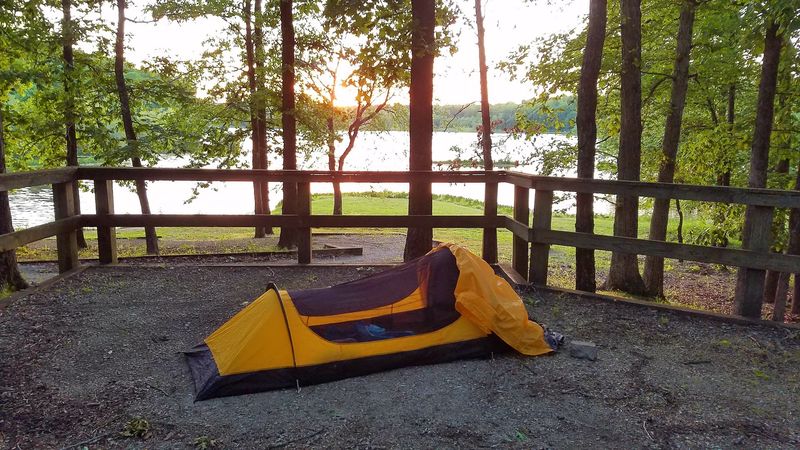
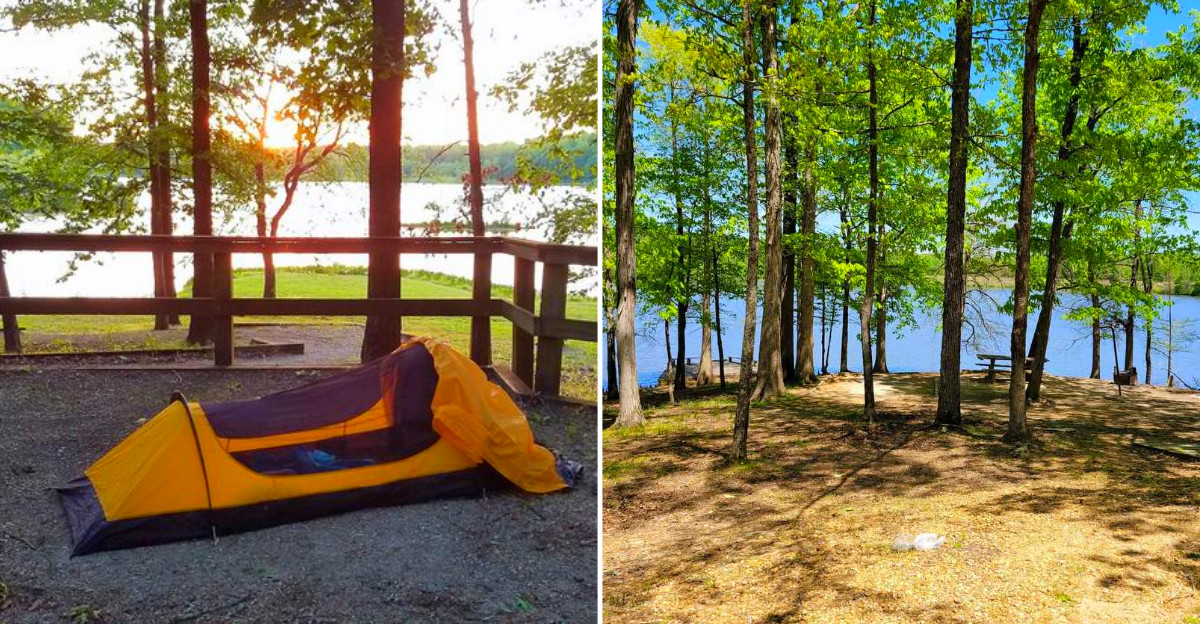
Nineteen campsites make up the campground, and their placement near the lake is the selling point. Each site generally offers a leveled area for a tent, a picnic table, and a fire ring, with some rings fitted with a grate for cooking.
Facilities are rustic by design. Vault toilets serve the area, and running water should not be assumed, so haul in everything you plan to drink, cook with, and wash with.
Sites go first come, first served with no reservations taken. Only one of the nineteen suits an RV, and leashed dogs are welcome throughout the area.
Thirteen picnic sites round out the day use options for anyone who wants the lake without the overnight commitment. Tables sit spaced apart, which helps on busier weekends.
Overnight stays pair beautifully with the short trail. Walk the loop in the evening, then walk it again at sunrise when mist sits on the water and the birds run the show.
Weekends draw more visitors than weekdays, especially in spring and fall. Arrive early if you have a favorite spot in mind.
Pack out every scrap you bring in. A place this quiet stays lovely only when visitors treat it like their own backyard.
Fishing Piers, A Boat Ramp, And Patience
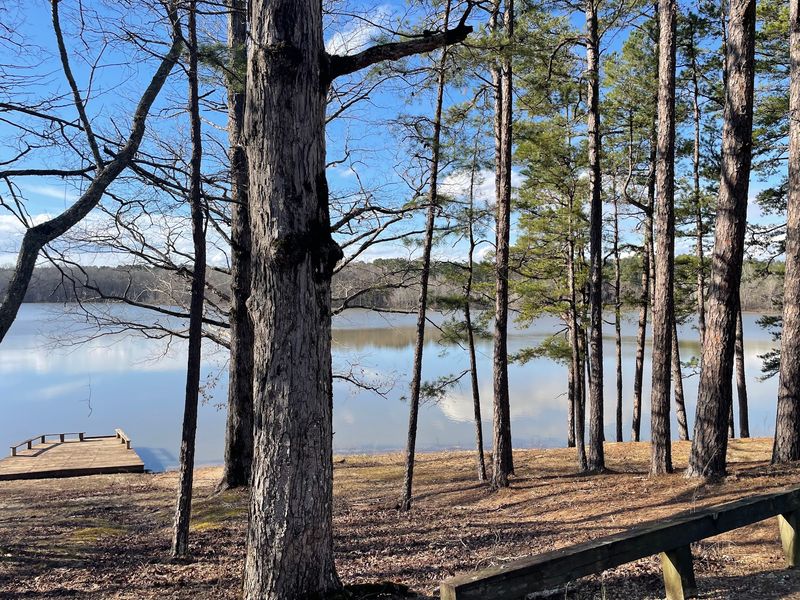
Anglers have a real reason to make the drive. Two fishing piers reach out over the water, and a boat ramp lets small craft slide in for a slow paddle or a quiet troll.
Catfish are a common catch, and a couple of hours can produce results when conditions cooperate. Bass and bream also share these waters, so bring tackle that covers a few options.
No wake rules mean the lake never churns. That calm surface makes the fishing feel deliberate rather than rushed, and it keeps kayaks and canoes comfortable all day.
Mississippi fishing regulations apply, so sort out your license before you leave home. The self service fee station handles day use, not permits.
Piers give shoreline access without wading through brush, which matters since swimming is not permitted here.
My favorite move combines both activities. Fish the early hours from a pier, walk the loop when the sun climbs, then return to the water for the last hour of light. The trail and the lake work as a matched set rather than competing attractions.
Timing, Fees, And Smart Packing
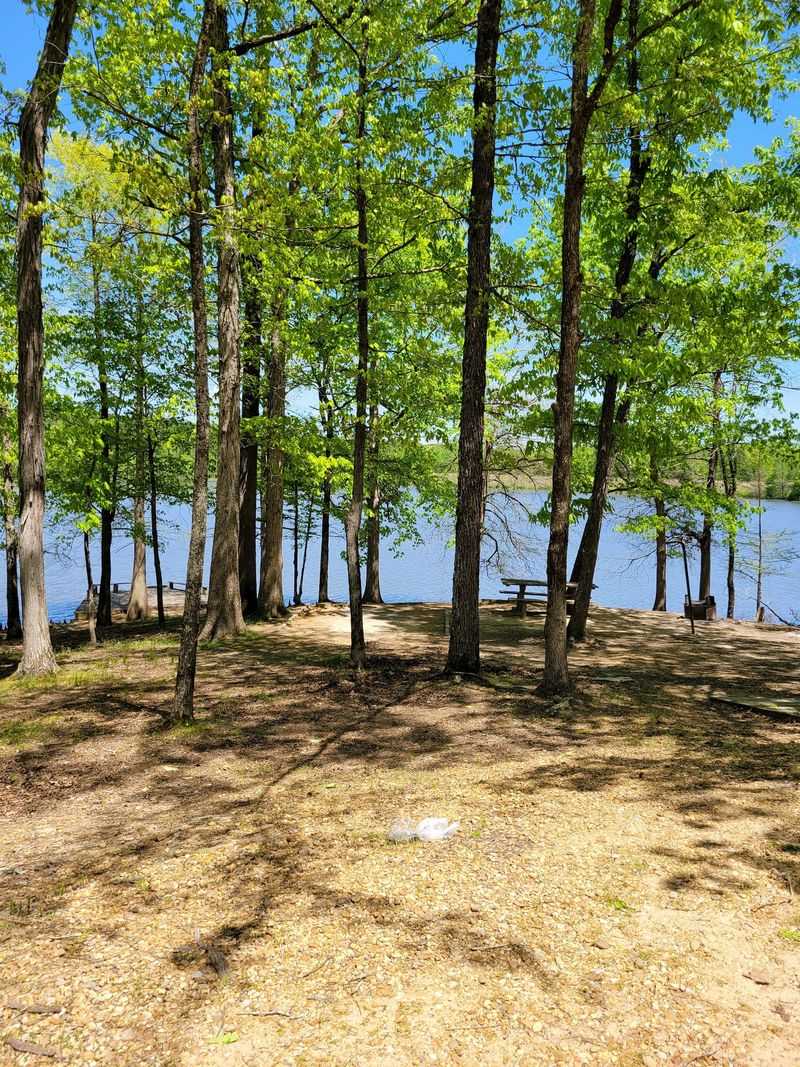
Year round access is the good news. The recreation area stays open through every season, closing only when severe weather makes it unsafe.
Day use passes run until 11:59 PM on the date you buy them, which gives you room to linger for sunset. Payment happens at the self service station since no attendant is usually on duty, so carry cash in small denominations. Costs stay low.
Day use runs three dollars and a campsite runs seven dollars a night. Exact cash or a check is required at the station, since nobody makes change out here.
Autumn earns the top spot for scenery. Hardwoods color up, the elevated approach view sharpens, and cooler air makes the loop feel effortless.
Winter offers a different reward. Bare branches open sight lines across the lake, and the campground empties out into near total silence.
Pack water first and second. Assume none is available on site, then add insect repellent, sunscreen, and a hat for good measure.
A trash bag belongs in your pack too. Carrying out a little extra litter costs nothing and keeps this corner of Holly Springs National Forest pleasant for whoever comes next.
Leave the schedule loose. The forest does all the work, and rushing it defeats the entire point.