
This Crystal-Clear Wisconsin River Is A Summer Tubing Tradition
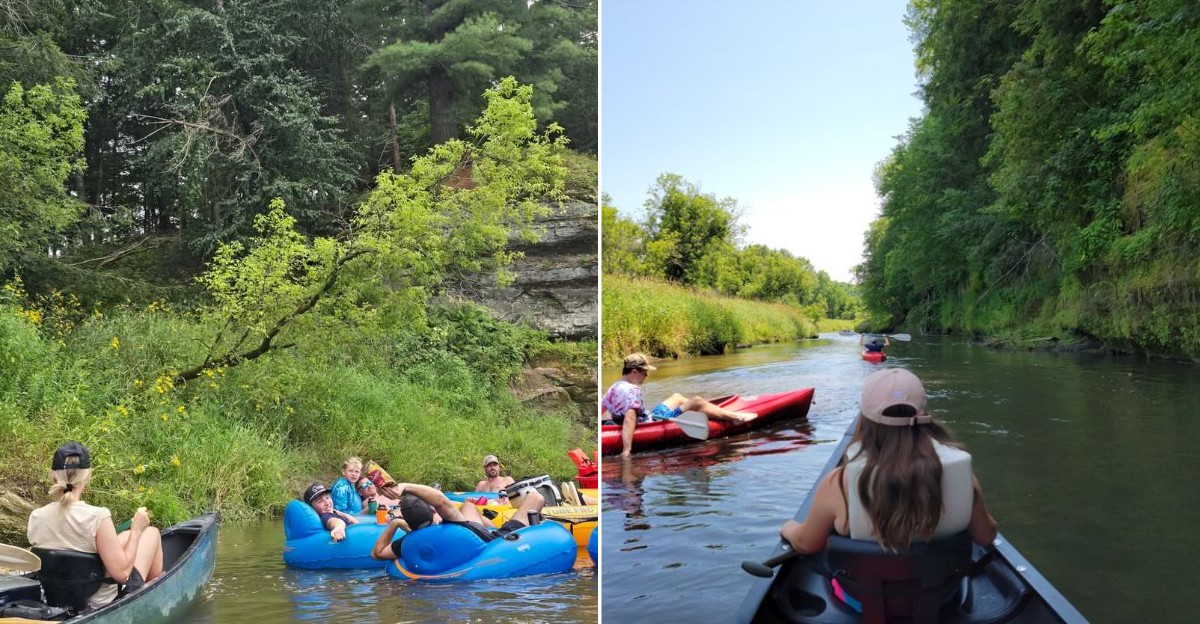
Southwestern Wisconsin hides a valley that looks nothing like the rest of the Midwest. Glaciers never flattened it, so the land stayed folded into steep ridges, deep hollows and sandstone bluffs that lean out over the water.
Down the middle winds a river so twisty it seems to change direction every few minutes. On hot summer days, people show up with tubes, snacks and no schedule at all.
They float. That is the entire plan.
The water runs shallow and clear over sand and stone, cool enough to refresh you and calm enough for kids and beginners. Eagles circle overhead.
Herons stand frozen in the shallows. Turtles line up on logs like they are waiting for a bus.
Sandbars appear every few bends, ready for a picnic or a nap. Families have been repeating this same lazy ritual for generations, passing it down like a favorite recipe.
If your idea of a perfect afternoon involves zero notifications and a whole lot of sky, this Wisconsin float belongs on your summer list.
Crookedest River In The World
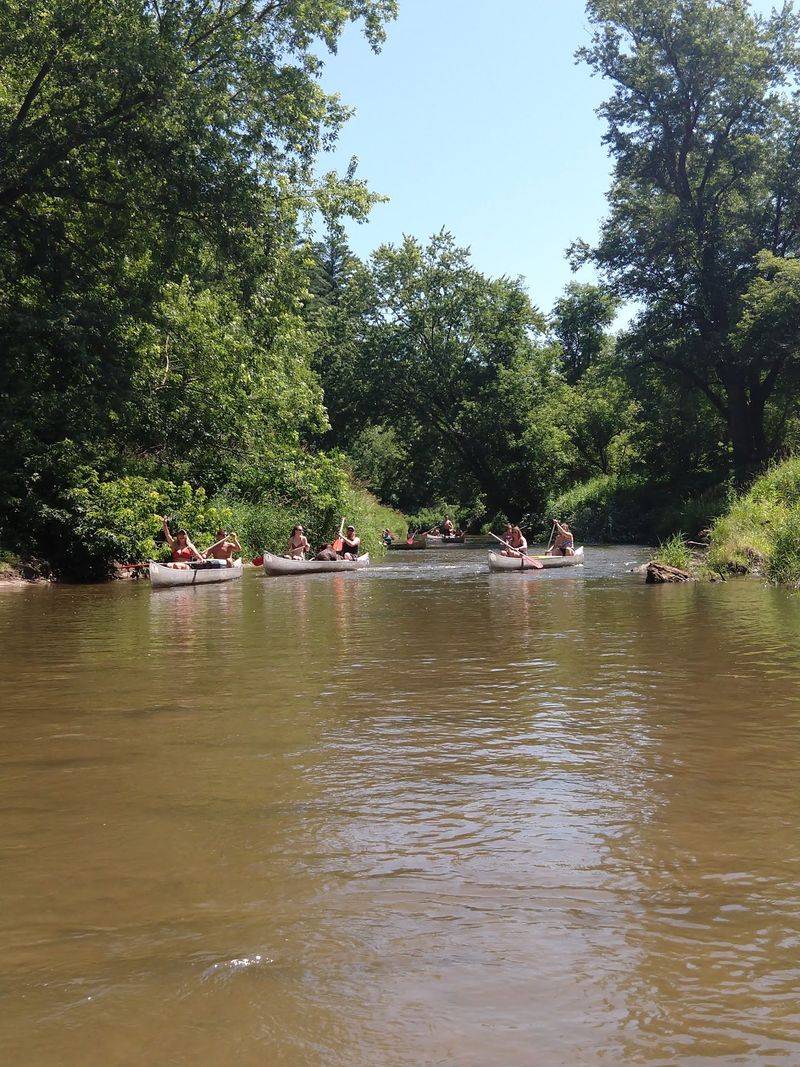
Locals handed this southwestern Wisconsin waterway a nickname that stuck: the crookedest river in the world. The Kickapoo River twists, loops and doubles back so often that Highway 131 has to cross it again and again.
Paddlers joke that the water cannot make up its mind.
Its name traces back to Native American words meaning a person who goes here and there. Fitting for a river that wanders like this one, right?
Every bend hides the next view, so you never see far ahead.
All those curves are exactly why tubing here feels different. Rather than one long straight stretch, you get a slow parade of surprises.
A shaded corner, a sunlit sandbar, then a tall wall of rock.
Short floats usually run about 1.5 to 2 hours. Combine routes and you can stay out four to six hours, drifting with your feet up.
The current stays gentle, which keeps the mood easy for first-timers.
Summer is peak season, especially July and August, when the valley glows green and the water feels just right. Families across Wisconsin treat this float as a yearly ritual.
Bring sunscreen, water and a hat, then let the river do the steering.
One more thing: tubing moves slower than paddling, roughly twice as long over the same distance. That is the whole point.
Slow down, look up, and count the bends as they come.
Bluffs That Tower Above You
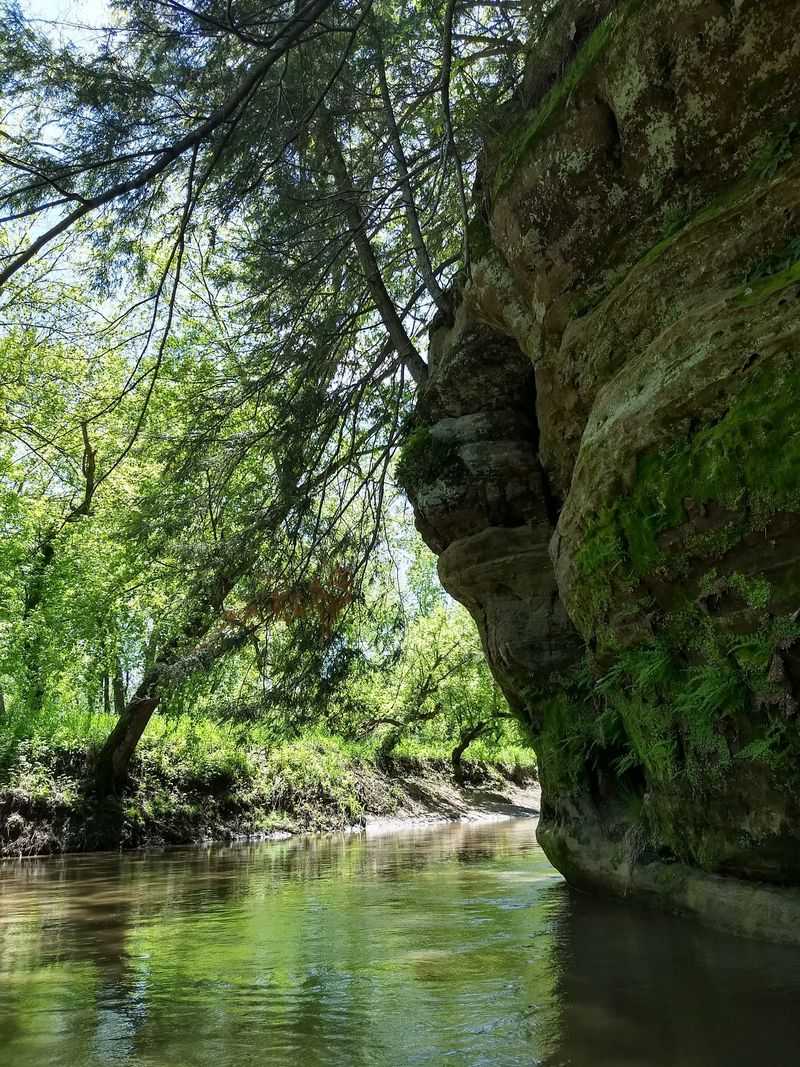
Look up. Sandstone bluffs rise around 350 feet above the water, and they have been standing here for ages.
Glaciers never reached this corner of Wisconsin, which is why the landscape looks so wrinkled and wild.
Geologists call this the Driftless Area, and the name simply means the ice sheets skipped it. No flattening, no scraping.
Just deep valleys, steep ridges and ancient rock faces leaning over the river.
Near the small town of Ontario, the bluffs wear a green coat of mosses, ferns, hemlocks and wildflowers. Water trickles down the shaded stone, keeping it cool even in August.
Have you ever floated past a cliff that looked like a hanging garden?
Some cuts through the shale look like someone sliced the hillside with a knife. Others curve gently, with tree roots gripping the crumbling edge.
Photographers love late afternoon here, when the rock turns warm gold.
Keep your eyes moving as you drift. Swallows dart in and out of small holes in the cliffs, and the echo of your voice bounces back at you.
Kids find that trick endlessly funny.
A tip worth remembering: the finest bluff scenery sits on the upper stretch, from Ontario down toward Rockton. Shallow water, easy current and enormous rock walls make that section the favorite for families and beginners alike.
Slow your tube, tilt your head back, and enjoy the show.
Water Clear Enough For Pebble-Counting
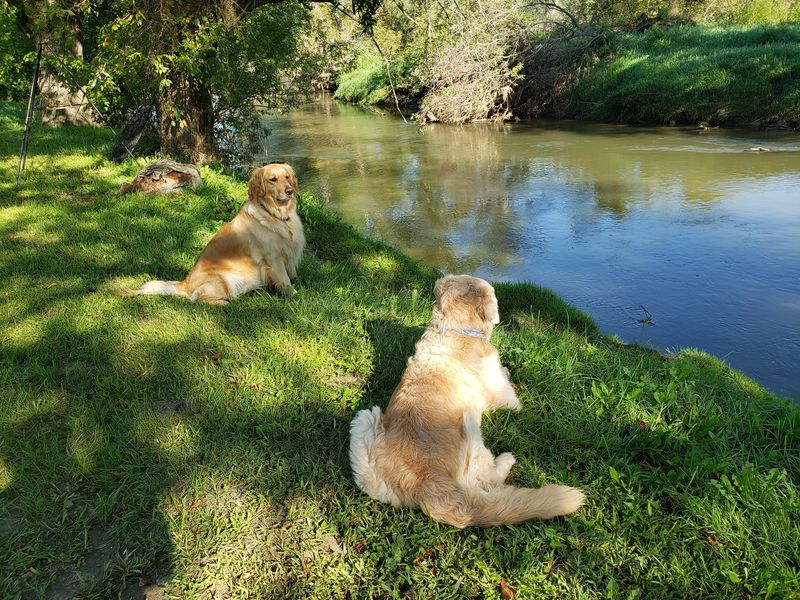
On a good day the upper river runs so clear you can watch pebbles slide by beneath your tube. Minnows flicker.
Sand ripples like tiny dunes, and you find yourself leaning over the edge just to stare.
That clarity comes from cold springs and the sandy, rocky bed of the Driftless valley. Water levels matter, though.
After heavy rain the river turns cloudy and quicker, so clearness changes week to week.
Ideal conditions sit between roughly 1.5 and 2.5 feet, or about 60 to 100 cubic feet per second. Outfitters watch those numbers daily and will tell you straight if the float is worth it.
Would you rather wait one day for perfect water?
The upper section from Ontario to Rockton stays shallow enough to stand in across many spots. If your tube drifts toward a log, plant your feet and push off.
Water shoes make a real difference here. The bottom holds smooth stones, sticks and the occasional sharp surprise, and bare feet learn that lesson fast.
Polarized sunglasses cut the glare and sharpen everything below the surface. Small upgrade, big payoff on a bright afternoon.
Peek over the side often. Freshwater clams, darting fish and the shadow of your own tube on the sand make slow miles vanish.
Wisconsin has plenty of rivers, but few let you read the bottom like this.
Tubes With Headrests And Cupholders
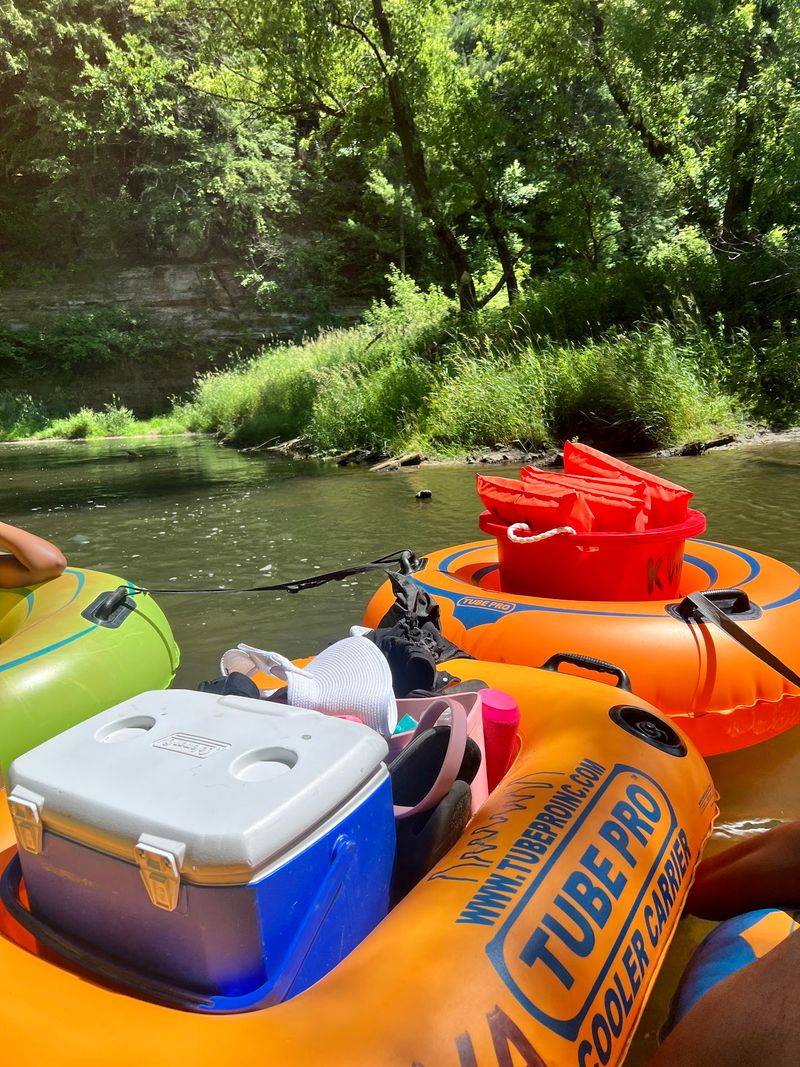
Forget flimsy pool rings. Local outfitters hand out heavy-duty tubes, and some arrive with headrests and cup holders built right in.
Comfort changes everything on a four-hour float.
Groups can clip tubes together so nobody drifts off alone. Picture a floating raft of cousins, all talking at once, spinning slowly through a bend.
Who gets to be the anchor at the back?
Cooler tubes are available too, which means snacks and cold water travel with you. Pack fruit, sandwiches and plenty of hydration, and skip glass containers entirely.
The sun sits high over the valley and works on you quietly.
Life jackets come with the rentals, and they are a smart call for younger kids or anyone unsure in moving water. Nobody looks silly wearing one out here.
Reservations are strongly suggested during busy stretches, especially July and August when Wisconsin families fill the valley. Booking ahead speeds up check-in and guarantees a tube waiting for you.
Nothing stings like arriving to find the racks empty.
Shuttle service is part of the deal. A van drops you upstream, you float back down at your own pace, and someone collects you at the take-out point.
Tie down anything you cannot lose. Phones, keys and sunglasses have a habit of joining the riverbed, so a waterproof pouch on a strap earns its keep.
Ask about dry bags before you push off.
Sandbars Perfect For Lazy Picnics
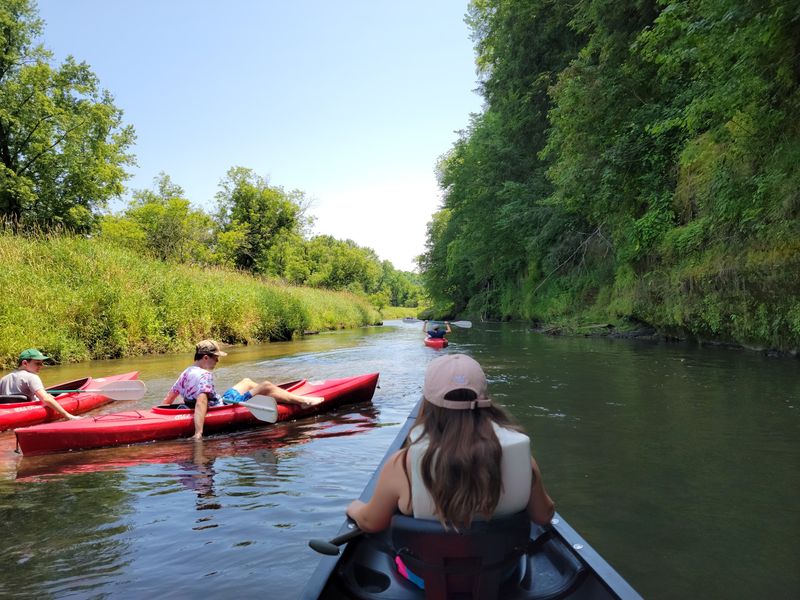
Sandbars pop up constantly along this river, little beaches that appear right when your legs want a stretch. Pull over, dig your toes in, and let the world slow down.
Some are big enough for a picnic blanket and a game of catch. Others fit two tubes and one cooler.
Grab the first empty one you like, since the popular spots fill quickly on hot weekends.
Kids treat sandbars like treasure islands. Smooth stones, driftwood, animal tracks and the occasional lost hubcap all wash up here.
What is the strangest thing you have ever found on a riverbank?
These stops also make handy regrouping points. Slower floaters catch up, sunscreen gets reapplied, and someone always announces they are starving.
Do leave the sand cleaner than you found it. Pack out every wrapper and container, because litter has been a sore spot on certain stretches.
Visitors who love this valley look after it.
A quiet reminder about timing: starting after 11 in the morning gives the water a chance to warm up. You will be sitting in it for hours, and a chilly start can flatten the fun.
Sandbars soak up midday sun and warm your back beautifully.
Bring a small trash bag and a towel. Simple gear, but it turns a sandbar break into a proper Wisconsin summer picnic.
Eagles, Herons And Sunbathing Turtles
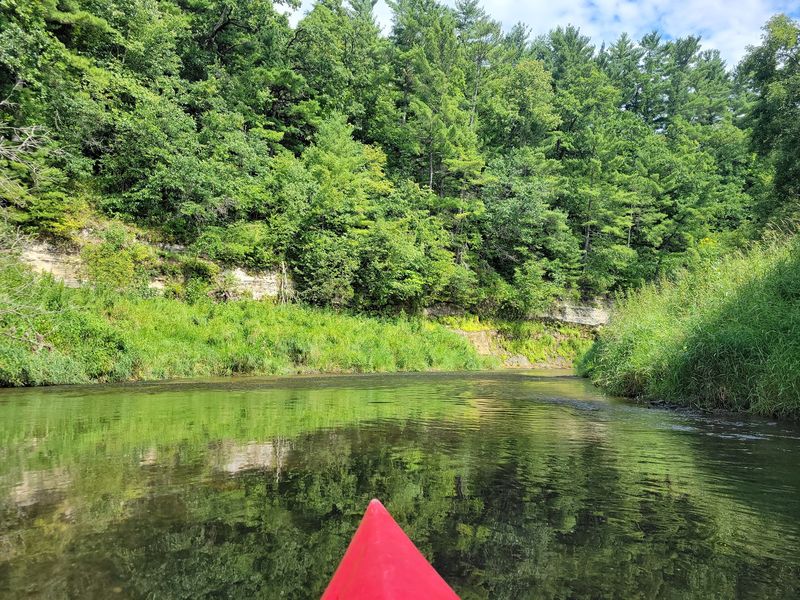
Something will fly over you. Bald eagles patrol this valley, and their shadow crossing the water stops conversations mid-sentence.
Great blue herons stalk the shallows on stilt legs, then lift off with slow, prehistoric wingbeats. Kingfishers rattle past like tiny blue rockets.
Warblers sing from the bluffs all morning long.
Turtles line up on half-sunken logs, stacked by size, soaking up heat. Drift quietly and they stay put.
Splash once and the whole row disappears. Can your group float by without startling a single one?
The Kickapoo Valley Reserve protects more than 3,000 acres around the river, which is a big reason wildlife thrives here. Forest, wetland and bare rock outcrops all sit side by side.
Early morning floats deliver the most sightings. Fewer people, softer light, and animals still active before the heat settles in.
Bring binoculars if you own a pair, and keep them in a dry bag. Even inexpensive ones turn a distant heron into a highlight reel.
Wisconsin does wildlife watching well, and this valley makes it effortless. You are not hiking to find animals.
You are floating slowly through their neighborhood, and they barely notice.
Keep your distance from nests along the bluffs, especially in early summer. Watching from the water is respectful and honestly gives you a better view.
Sit back, stay quiet, and let the valley come to you.
Best Timing For Your Float
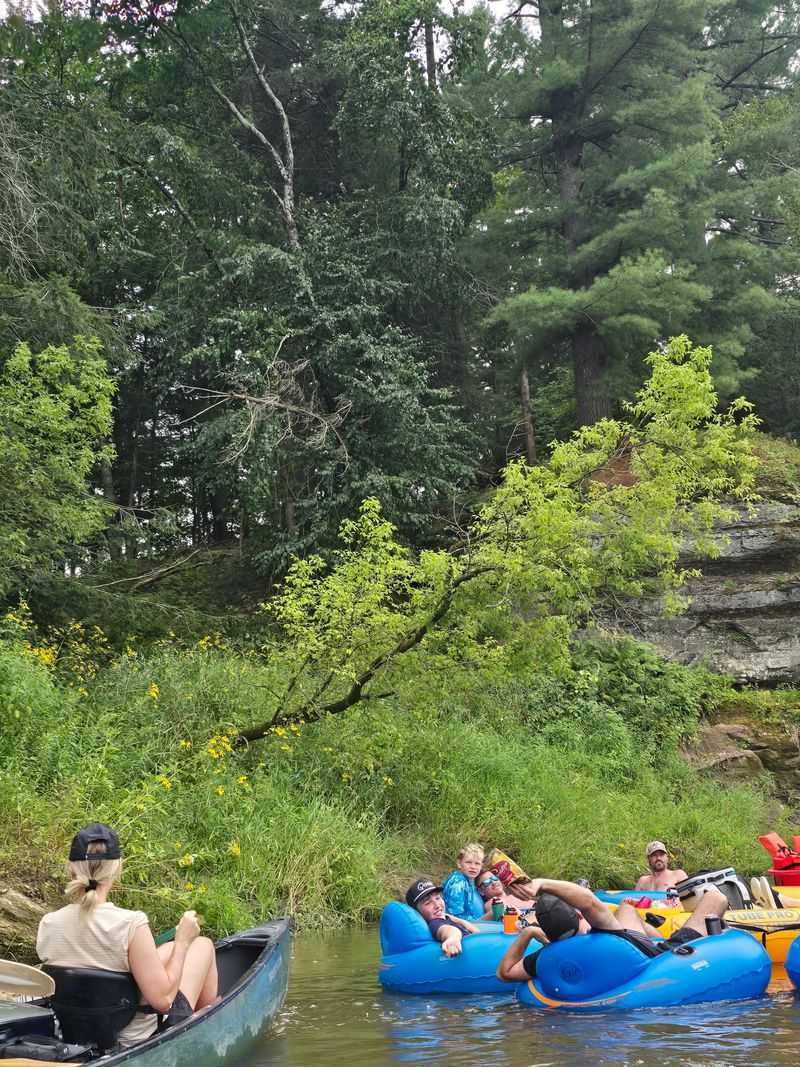
July and August own this river. Warm air, warm water, long evenings, and that easy summer feeling that makes you want to float twice in one weekend.
School is out and the whole valley feels alive.
Spring and fall carry their own charm. Fewer crowds, fresh green or blazing color on the bluffs, and cooler water that suits paddlers more than tubers.
October colors alone justify the drive.
Before loading the car, check water levels. Rainfall changes everything, and a river that ran perfectly on Friday can turn fast and murky by Sunday.
Would you rather know before or after the drive?
Weekdays feel almost private. Sandbars stay open, the shuttles run quickly, and the river seems to belong to you.
Weekends fill with big groups and laughter, which plenty of folks prefer. Pick your mood and plan around it.
Late morning starts work best. Getting on the water after 11 gives the sun time to take the chill off, and you will thank yourself two hours in.
Hours vary between outfitters and shift with the season, so call ahead or check online before you go. The same applies to shuttle schedules on busy afternoons.
One final scheduling tip: leave time afterward. The little towns of southwestern Wisconsin offer ice cream, cheese shops and quiet main streets that reward a slow drive home.
How To Reach The Launch
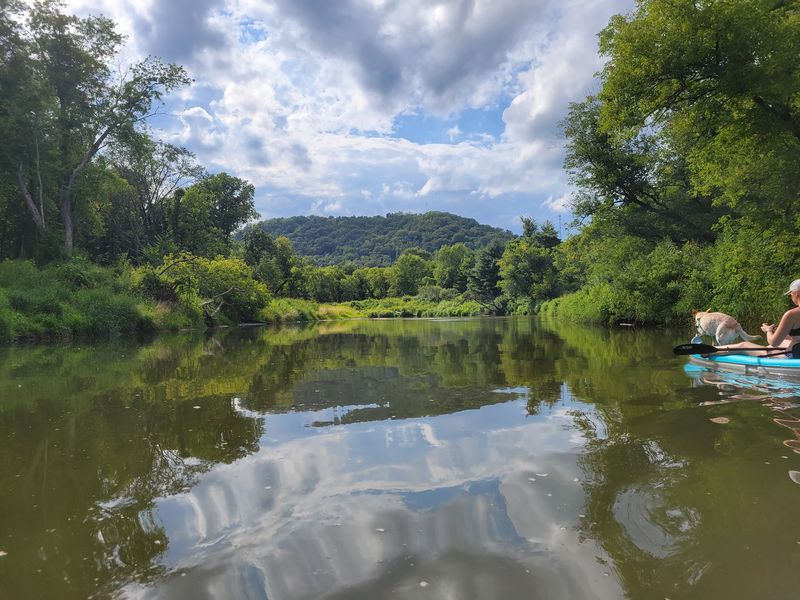
Getting here is half the fun. Southwestern Wisconsin roads roll and dip through farmland, and the final descent into the valley feels like a curtain going up.
The tiny town of Ontario serves as the main hub for river outfitters and access. Mr. Duck’s Canoe Rental sits right in the middle of it at 100 Main St, Ontario, WI 54651, a short stroll from the water.
Highway 131 shadows the river and crosses it many times, creating a whole set of numbered bridge access points. Outfitters describe trips by bridge numbers, so ask which stretch fits your group.
Bridge 1 down to Bridge 5, for instance, takes roughly four hours by kayak and considerably longer by tube.
Shuttle drop-off is the simplest option for newcomers. You park once, ride upstream, then float back toward your own car.
Groups with two vehicles sometimes run their own shuttle between bridges, though outfitters handle it for a fee and save you the hassle. Which bridge will you pick as your finish line?
Cell service can be patchy in the valley, so screenshot directions before leaving. Confirm operating hours ahead of time too, since they shift with weather and season.
Pack dry clothes and a towel for the ride home. Come once and you will understand why this crooked little river keeps pulling people back to Wisconsin, summer after summer.