
The New York Farm Stand Where $30 Fills A Bag And Regulars Come Back Every Week
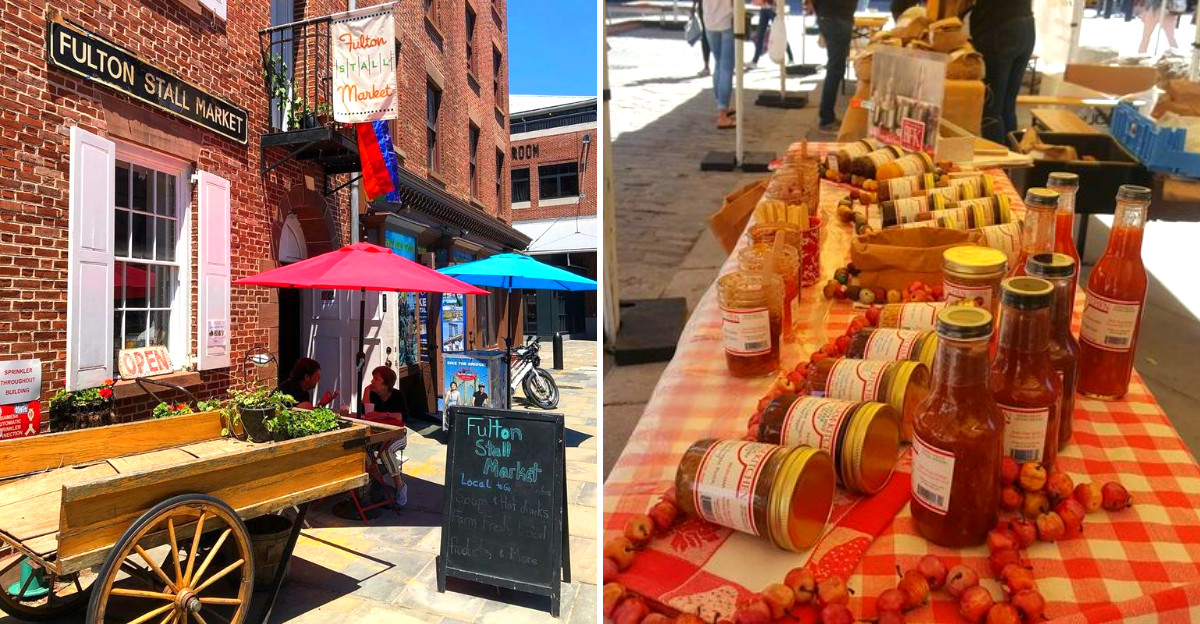
Lower Manhattan moves fast, and then there is one storefront where the pace drops and the groceries come straight off New York farms.
A slender indoor market, selling produce, bread, cheese, honey and hot lunches made by hands you can reach across a counter and shake.
Shoppers turn up for the food and stay for the conversation, which sounds like a line until you watch it happen. A single visit becomes a weekly habit for a lot of people, and thirty dollars goes further here than it has any business going in this part of the city.
What follows is why the place has earned that kind of loyalty, and how to get the most out of your own trip.
A Country Store Hiding In The Shadow Of Skyscrapers
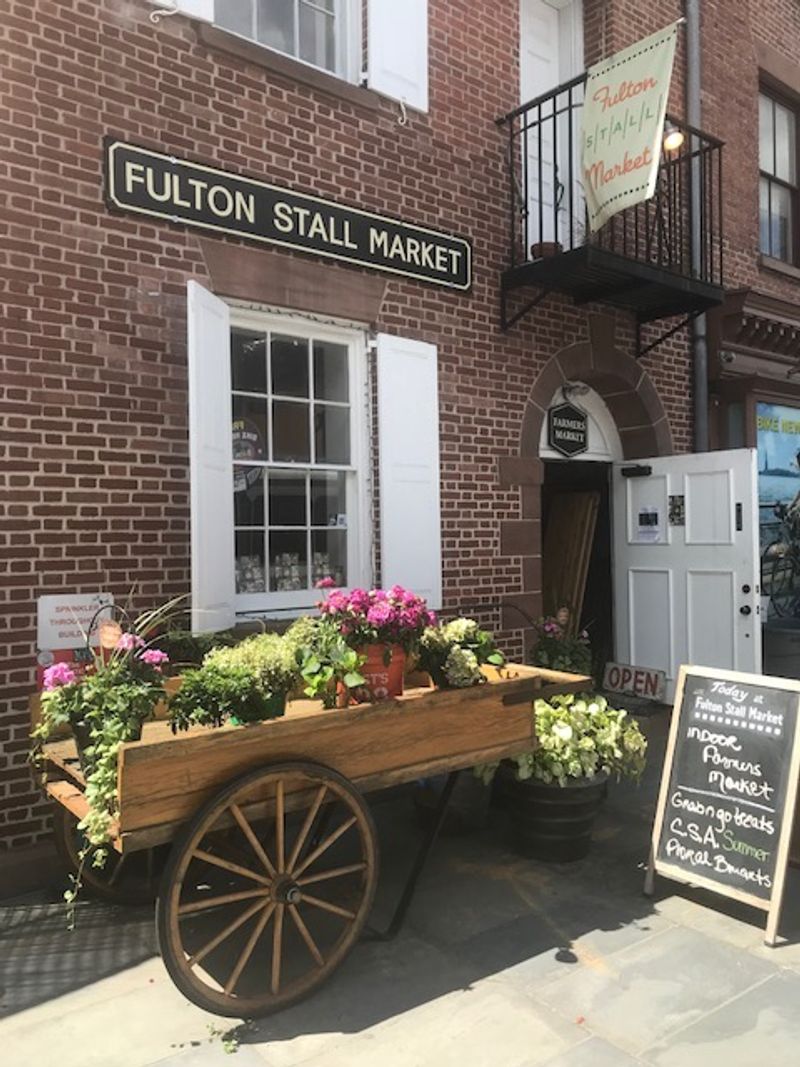
Cobblestones, salt air, and glass towers all meet in one pocket of Lower Manhattan, and somewhere in the middle sits a market that feels like it wandered in from the countryside. The shelves hold jams, hot sauces, pickles, and honey made by producers within a few hours of the city.
Crates of seasonal fruit and vegetables sit near the front, refreshed as farms harvest. The whole shop runs about 1,000 square feet, so you can survey the entire inventory without ever losing your bearings.
Roughly 100 local farmers and food producers supply the place, which explains the range packed into such a modest footprint. Cheese, eggs, yogurt, frozen meats, bread, and roasted coffee beans all share space with skincare made in small batches.
Prices stay reasonable enough that thirty dollars genuinely builds a real bag of groceries. Fill it with greens, a loaf, a dozen eggs, and a jar of something sweet, and you have dinner sorted.
Nothing here shouts for attention. The charm sneaks up on you somewhere between the apples and the hot chocolate.
Meet The Fulton Stall Market On South Street
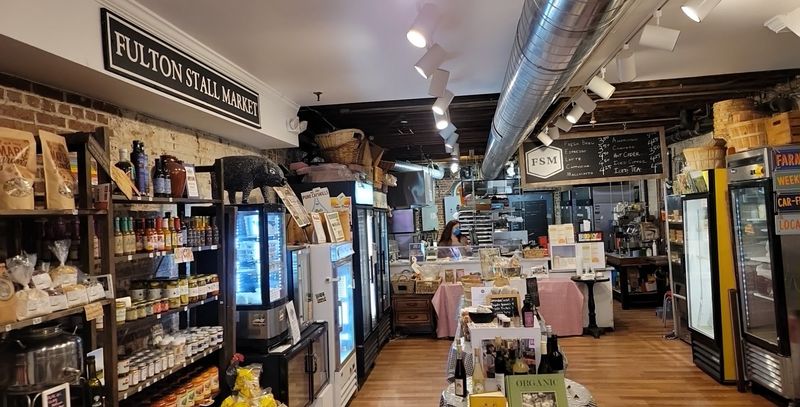
Names matter, and this one carries history. The Fulton Stall Market operates its indoor shop at 91 South Street, sitting between Fulton and John Streets in the Seaport District of New York.
The indoor market opened its doors in 2017, though the broader effort began serving the neighborhood back in 2015. It runs as a nonprofit, guided by the Fulton Market Association, and that mission shapes everything on the shelves.
The Seaport has been a food market district for generations, so a produce shop here is less a novelty than a continuation. The building itself is historic, slim, and full of character.
Doors open daily at 11:30 in the morning, with the shop welcoming customers into the late afternoon. Sunday brings a change of pace, so plan around it if you want the indoor store.
Finding the place takes little effort once you are near the water. Look for the market signage along the block and follow the smell of fresh bread.
Year-round operation means winter shoppers get the same welcome as summer ones.
How Thirty Dollars Stretches Further Than You Expect
Grocery math in Manhattan usually ends in a sigh. Here, the numbers behave differently, and a modest budget walks out with real food rather than three sad items.
Seasonal produce anchors the savings. Apples, greens, root vegetables, herbs, and whatever the farms just harvested tend to cost less than imported equivalents, because the travel distance is short.
Add a loaf of fresh bread, a wedge of local cheese, and a carton of eggs, and the bag starts looking like actual meals. Toss in a jar of preserves or a bottle of hot sauce and you have flavor for the week ahead.
Shopping smart helps. Ask staff what came in that morning, since the newest arrivals usually offer the best value and the fullest flavor.
Bring your own tote. The shop rewards planners, and hauling produce through the Seaport is easier with sturdy handles.
Regulars figure out the rhythm quickly. They learn which days bring bread, which weeks bring berries, and they build their menus around the answer.
Frugal never tasted this good.
Farm Shares That Turn Shoppers Into Members
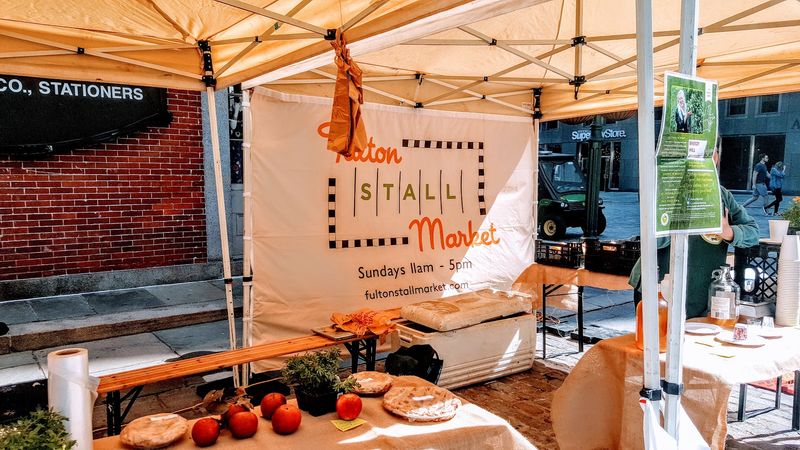
Community Supported Agriculture sounds academic until a box of just-picked vegetables lands in your arms. The market runs farm share programs that connect city households directly with regional growers.
Members sign up, then collect their shares on a set schedule. Pickups have long happened midweek, and the options extend past vegetables into fruit, bread, and other farm goods.
Buying this way supports farms before the harvest even happens. The money arrives when growers need it most, and the produce arrives at its peak.
Variety is part of the fun and part of the challenge. Some weeks deliver familiar staples, other weeks introduce a vegetable you will need to look up.
Cooking improves fast under those conditions. People who join often report trying recipes they never would have considered otherwise.
Staff and volunteers happily suggest ways to use anything unfamiliar. Asking is encouraged, and nobody judges a shopper for wondering what to do with kohlrabi.
The program keeps the market feeling less like a shop and more like a shared project. Membership builds routine, and routine builds friendships.
Lunch From The Farm To Fork Kitchen
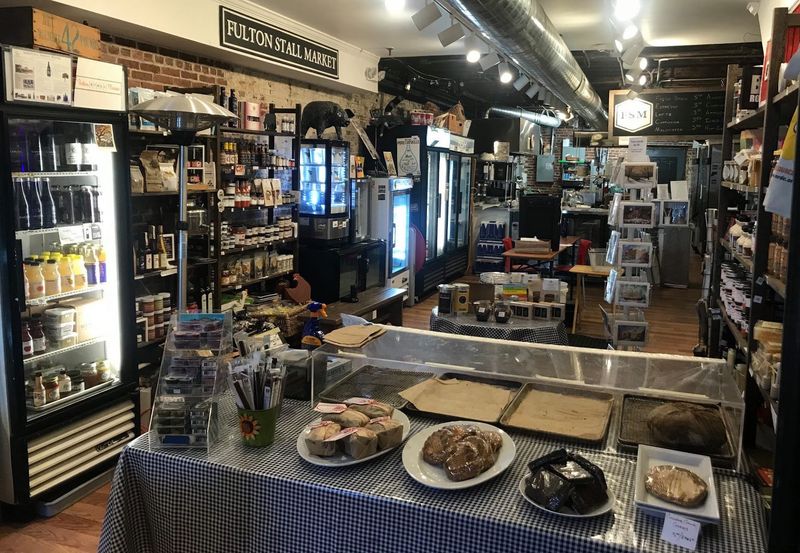
Sandwiches and soup rarely earn devotion, yet the prepared food counter here has quietly built a following. A Farm-to-Fork Kitchen turns market ingredients into midday meals.
Grilled cheese shows up often on recommendation lists, as does borscht when the weather turns. Soups rotate with the seasons, which keeps the menu honest.
Prices land in reasonable territory for Lower Manhattan, which is no small feat. Office workers have caught on and treat the counter as a regular stop.
Baked goods deserve their own mention. Pies, pastries, and crumb-topped desserts appear throughout the week, and the fruit inside usually came from the same farms supplying the produce crates.
Coffee is brewed from beans roasted in Brooklyn. Hot chocolate has developed something close to legendary status among cold-weather shoppers, thick enough to feel like melted candy.
Hot cider made from genuine New York apples fills mugs in autumn. No powdered packets involved.
Eating here works best as a pause rather than a rush. Grab your food, find a spot near the water, and let the harbor do the entertaining.
Saturday Brings The Market Outdoors
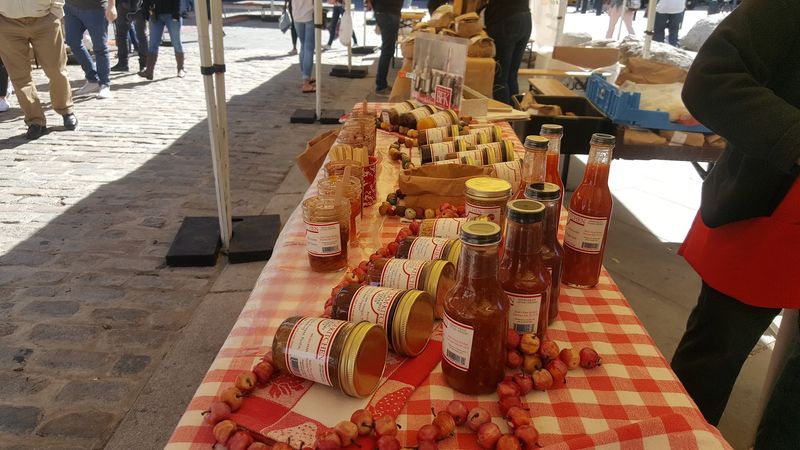
Weekends unlock a bigger version of the experience. A farmers market sets up outdoors on Saturdays, expanding the shopping well beyond the indoor storefront walls.
Stalls fill with growers and small producers who bring goods you will not always find on the shelves inside. Talking directly with the people who grew your food changes how you shop.
Questions get answered on the spot. Ask when the carrots came out of the ground or how to store fresh herbs, and someone will tell you plainly.
Cobblestones underfoot and masts in the distance make the setting hard to beat. The Seaport was built for exactly this kind of trade, and the scene feels appropriate.
Arriving earlier gives you the widest selection. Popular items move quickly once foot traffic builds through the morning.
Pairing an outdoor visit with a stop indoors makes for a complete run. Grab produce outside, then head in for bread, cheese, and coffee.
Saturday shoppers tend to become weekly shoppers. The habit forms without anyone noticing.
Shelves Stocked By Neighbors, Not Warehouses
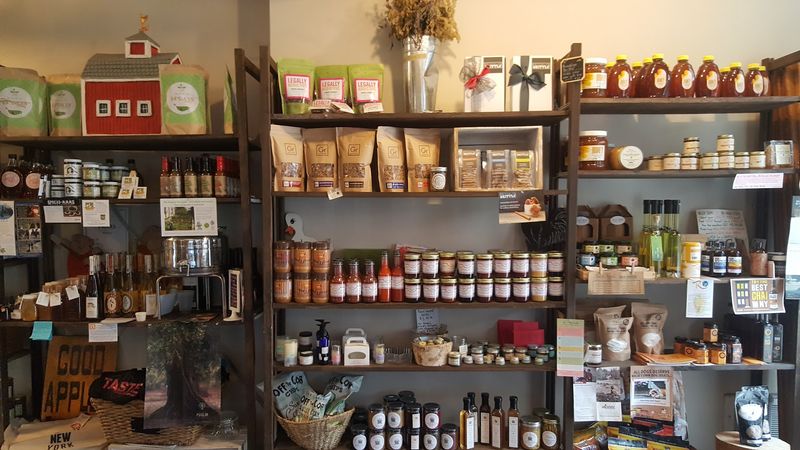
Reading labels here turns into a geography lesson of the greater New York region. Honey from small city apiaries, hot sauce made with peppers grown in the Bronx, chocolate from local confectioners, and vinegars steeped with roots and spice.
Curation is the quiet skill on display. Nothing looks randomly ordered, and every product seems to have earned its shelf space.
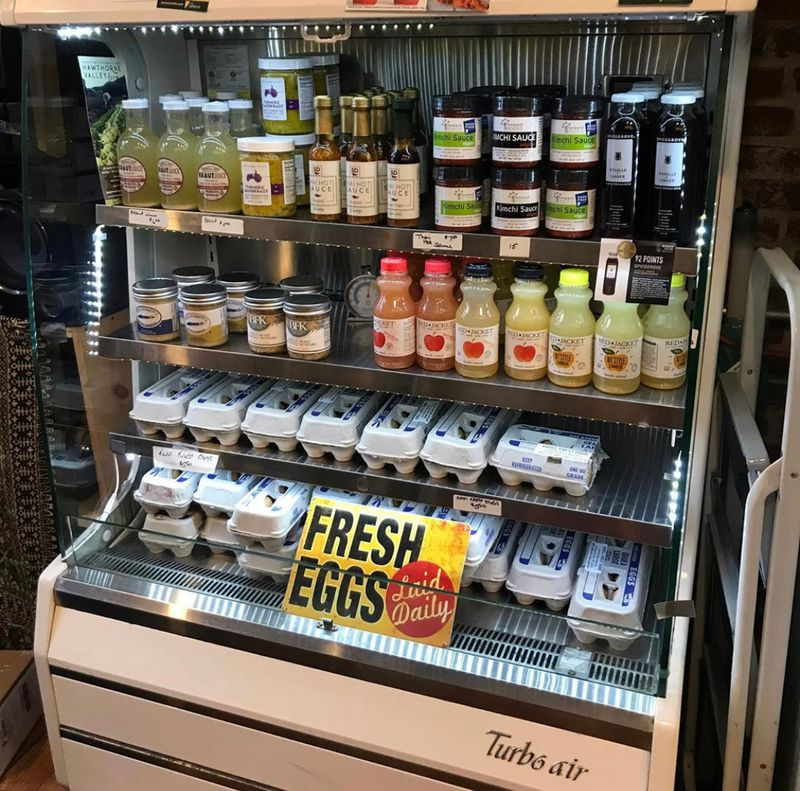
Cheese and dairy come from regional creameries. Frozen meats, yogurt, and eggs round out the cold cases for anyone doing serious grocery shopping.
Handmade skincare from small producers occupies a corner, which surprises first-time visitors. Soaps and balms sit near the pantry goods without feeling out of place.
Gifts practically choose themselves. A jar of honey and a bar of chocolate travel well and beat anything sold in an airport terminal.
Souvenir hunters get something rare here, which is a keepsake you can actually eat. Visitors take home a taste of the region rather than a plastic magnet.
Browsing takes longer than expected. Every shelf hides one more thing worth reading about.
Staff Who Remember Your Name And Your Order
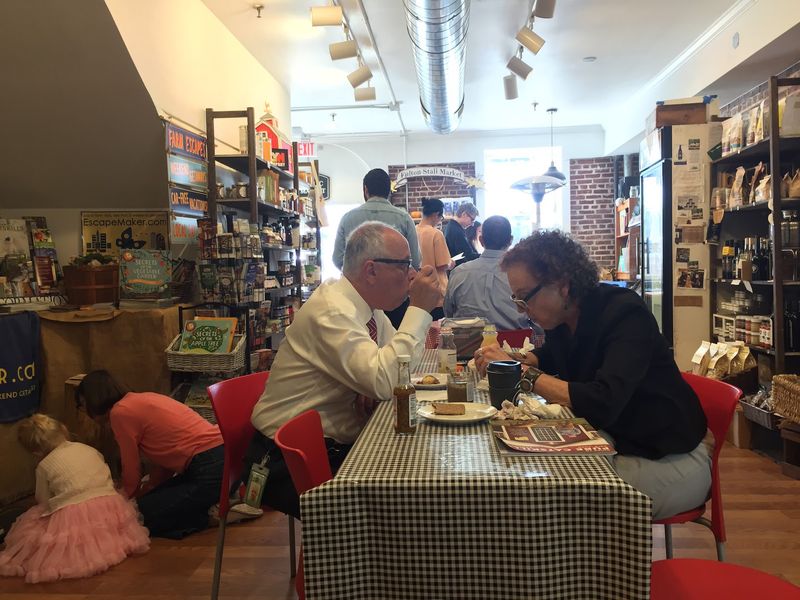
Warmth is not usually a listed inventory item, yet it might be the strongest thing this market sells. A mix of paid staff and volunteers works the floor, and their enthusiasm for the products is obvious within a minute.
Many of them live in the neighborhood. That local connection shows in how easily conversations start over a bunch of basil or a wheel of cheese.
Questions are welcomed rather than tolerated. Ask what pairs with a certain cheese and you will get a real answer, not a shrug.
Dogs are welcome too, and staff have been known to keep an eye on a leash while someone shops. Small kindnesses like that build loyalty faster than any discount.
Recommendations come freely. Mention that you are cooking for guests and someone will steer you toward the right loaf and the right jam.
Repeat visitors get greeted like returning friends. First-timers get treated the same way, which is the more impressive trick.
Service like this explains the weekly regulars better than any sale sign could.
Planning A Visit That Actually Works
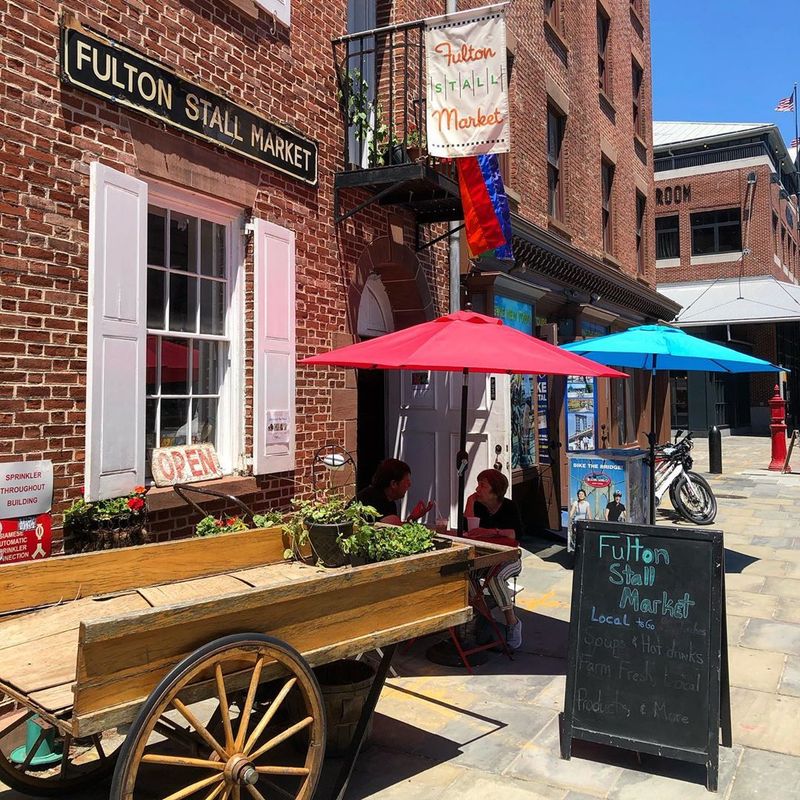
Timing separates a good trip from a great one. Doors open at 11:30 in the morning, and the shop serves customers into the late afternoon, so late risers do just fine here.
Sundays are the exception, since the indoor store takes the day off. Build your weekend plans around Saturday if you want both the shop and the outdoor stalls.
Getting there is simple by subway or on foot from the Financial District. The waterfront setting rewards anyone willing to walk the last few blocks.
Bring cash or card, plus a reusable bag with real capacity. Thirty dollars fills more space than newcomers expect.
Pair the visit with a stroll along the piers. Historic ships, harbor views, and cobblestone streets sit right outside the door.
Cold months call for hot chocolate before you leave. Warmer months call for whatever fruit just arrived from the farms.
Come once for the groceries and you will likely return for the people. New York rarely offers this much friendliness in such a compact space.