
9 Surprisingly Affordable Small Towns In Massachusetts You Can Actually Move To
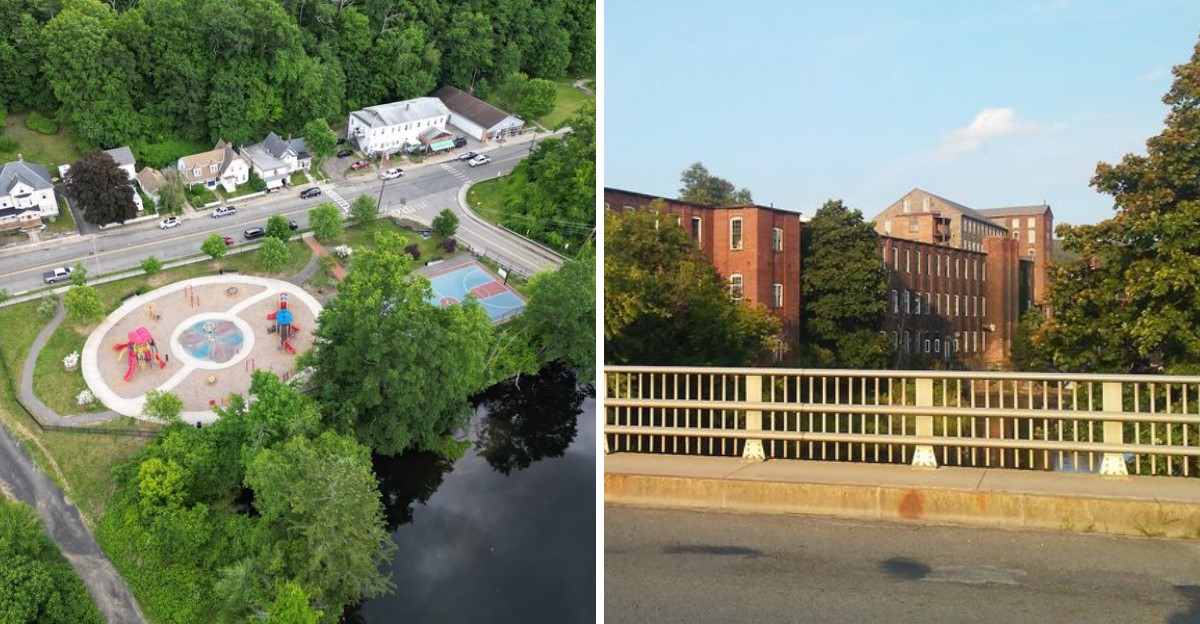
Buying a home in Massachusetts can feel like a game where the prices keep changing before you even get a chance to play. Yet there are still small towns where the numbers look far more reasonable.
That is what makes these places worth a closer look. You can find older homes, quieter streets, local shops, and enough everyday conveniences to make a real move feel possible.
Some are close to forests and lakes, while others have traditional town centers that still feel active throughout the week.
The biggest surprise is how much more your budget can stretch once you look beyond the usual high priced areas. A lower mortgage, a little more space, and a slower pace can all start to feel realistic.
If Massachusetts still feels out of reach, these small towns might change your mind.
1. Athol
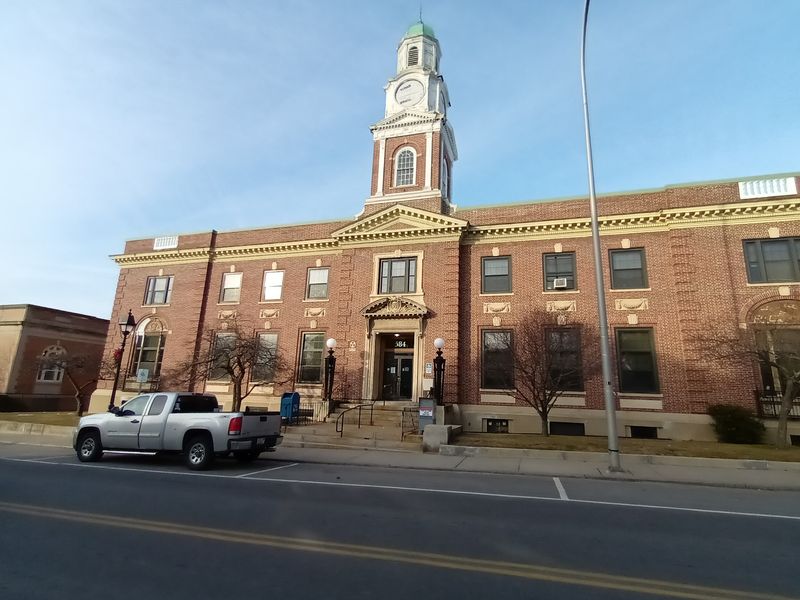
Athol makes a strong case for buyers who thought Massachusetts home prices had already pushed them out of the market.
The median sale price was about $322,000 in July 2026, putting this North Quabbin town well below what buyers face across much of the state.
That lower price does not mean giving up basic conveniences. Nearly 12,000 people live here, and residents have access to supermarkets, a hospital, schools, a public library, local employers, and a traditional Main Street.
Route 2 also gives Athol a direct connection to Gardner, Fitchburg, Leominster, and other employment centers farther east.
Housing value is only part of the equation. Athol offers considerably more breathing room than many communities closer to Boston, with forests, conservation land, and the Millers River woven into everyday surroundings.
Outdoor recreation is easy to reach without sacrificing the services needed for year round living.
The tradeoff is distance. Boston is about 71 miles away, so Athol makes more sense for remote workers, retirees, or buyers whose jobs are based closer to central and western Massachusetts.
For anyone willing to look beyond the state’s expensive eastern suburbs, Athol remains one of the places where homeownership can still feel realistic.
2. Adams
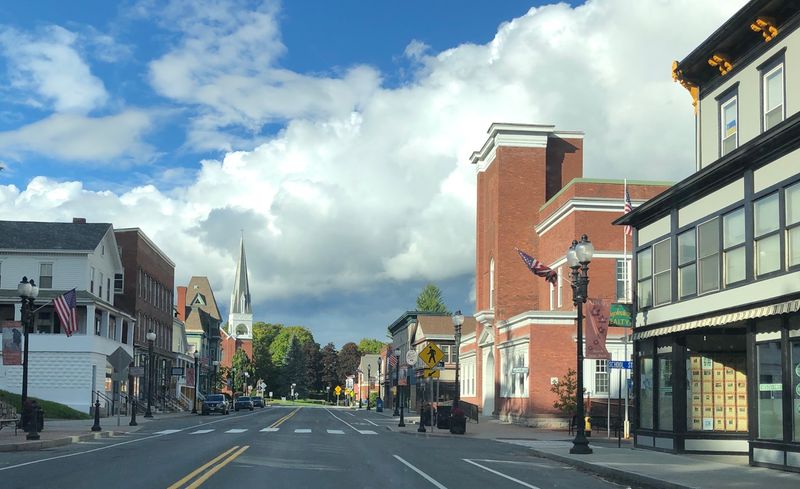
Adams is the sort of town that can make a Massachusetts home search feel possible again. The median sale price was about $255,000 in July 2026, compared with roughly $673,000 statewide.
That is a remarkable difference for buyers trying to stretch a moderate budget.
Just under 8,000 people live here, so Adams is small without feeling completely cut off. Park Street gives the town a traditional commercial center, while Route 8 provides an important connection through the Berkshires.
North Adams is close by, and Pittsfield is accessible farther south for additional shopping, healthcare, jobs, and services.
Families also have a public school system serving students through high school. For daily life, that means buyers are not trading affordability for total isolation.
The surroundings add another reason to consider staying long term. Mount Greylock rises beside town, and the Hoosic River Valley and Berkshire Hills give residents easy access to outdoor recreation without requiring a long weekend trip.
There are compromises. Adams is far removed from eastern Massachusetts employment centers, and a smaller population naturally means fewer big city conveniences.
For remote workers, retirees, or people employed elsewhere in the Berkshires, however, those drawbacks may be easier to accept.
With home prices sitting at less than half the statewide median, Adams stands out as one of the clearest examples of affordable small town living left in Massachusetts.
3. Ware
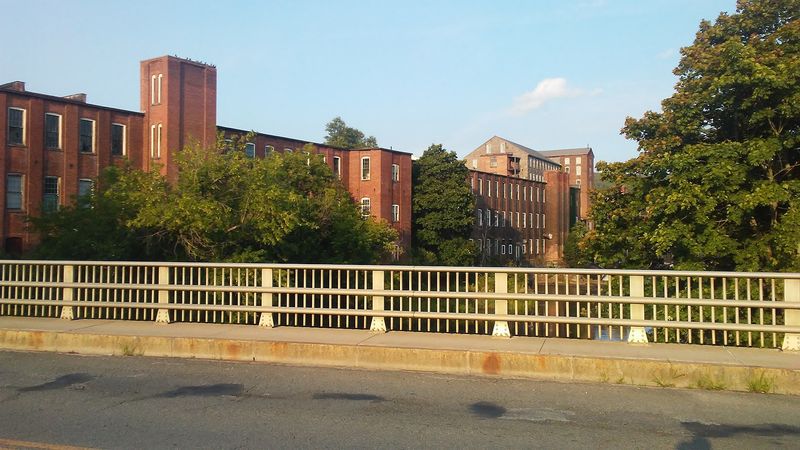
A median sale price under $300,000 is increasingly hard to find in Massachusetts, which is exactly why Ware deserves attention.
Homes here sold for a median of about $286,000 during the three months ending July 2026, giving buyers one of the more approachable entry points in Hampshire County.
Ware also has enough scale to function as more than a quiet residential outpost. About 10,100 people call the town home, and daily necessities are available close by rather than requiring a long drive every time something comes up.
The town center provides older housing, local businesses, and community services, while the Route 9 corridor adds larger stores and connections toward Palmer and the Pioneer Valley.
Public transportation options also link Ware with Palmer, giving residents an alternative to driving for certain trips.
Renters can find some relief here as well. Zillow reported an average rent of about $1,750 in July 2026, another figure that helps explain why Ware attracts attention when housing costs are the priority.
Healthcare access is changing, too. Baystate Health announced a new convenient care facility for Ware in 2026, with plans for walk in care, imaging, laboratory services, and expanded primary care access.
Ware will not suit someone who needs a quick daily commute to Boston, but that is part of the tradeoff behind its lower prices.
Buyers who work remotely, have jobs in the surrounding region, or simply want their housing budget to go farther may find that this western Massachusetts town makes the numbers work surprisingly well.
4. Orange
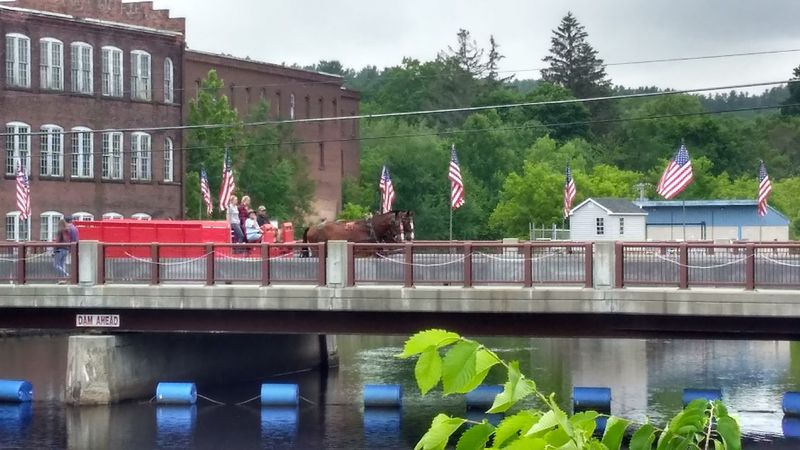
Orange starts to make sense the moment you compare its housing prices with much of Massachusetts.
Homes sold for a median of about $339,000 during the three months ending July 2026, a figure that still leaves this Franklin County town comfortably below the statewide market.
About 7,600 people live here, giving Orange the scale of a genuine small town without leaving residents completely dependent on distant communities for everyday needs. There are schools, a library, supermarkets, local services, and a commercial corridor along Route 2A.
The town operates its own elementary schools, while older students attend the regional school system.
Transportation is one of Orange’s more useful advantages. Route 2 crosses town with four interchanges, providing direct travel east toward Athol and Gardner and west toward Greenfield.
Interstate 91 is about 20 miles away, which improves access to the larger Pioneer Valley region.
There is also considerably more room to spread out than buyers might expect at this price point. Orange covers more than 35 square miles, with neighborhoods, wooded areas, the Millers River, and Lake Mattawa all sharing the landscape.
That combination can appeal to buyers who want a quieter setting without choosing an extremely isolated community.
Distance remains the main compromise. Orange is roughly 70 miles west of Boston, so a daily commute into the city would be difficult for most people.
Buyers working remotely or earning their living closer to Franklin County and north central Massachusetts are likely to find the location much more practical.
For people willing to trade proximity to Greater Boston for a lower purchase price and more breathing room, Orange keeps homeownership within a range that still looks surprisingly attainable.
5. Greenfield
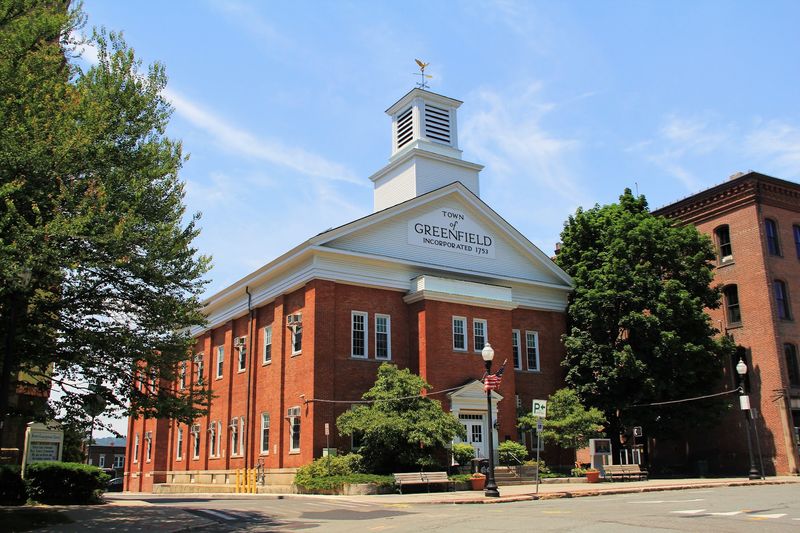
Greenfield gives budget conscious buyers something that can be difficult to find in Massachusetts: relatively low home prices without giving up easy access to major roads and everyday services.
The median sale price was about $328,000 during the three months ending July 2026, making it considerably more approachable than many communities elsewhere in the state.
There is more infrastructure here than the population might suggest. Greenfield serves as the governmental and commercial center of Franklin County, so shopping, healthcare, schools, public services, and other daily necessities are close at hand.
That can make a big difference for buyers who like small community living but do not want every errand to require a long drive.
Getting around is another advantage. Interstate 91 runs directly through Greenfield, while Route 2 provides an east west connection across northern Massachusetts.
Rail service also passes through the city, giving residents transportation options that many similarly priced communities lack.
The setting still feels distinctly western Massachusetts.
Rural Franklin County begins almost immediately beyond the more developed center, so residents can reach farmland, rivers, forests, and smaller neighboring communities without traveling far.
Greenfield may be especially appealing to buyers who want affordability but are hesitant to move somewhere isolated. At current prices, it offers a rare middle ground between inexpensive housing and the conveniences needed for year round life.
6. Palmer
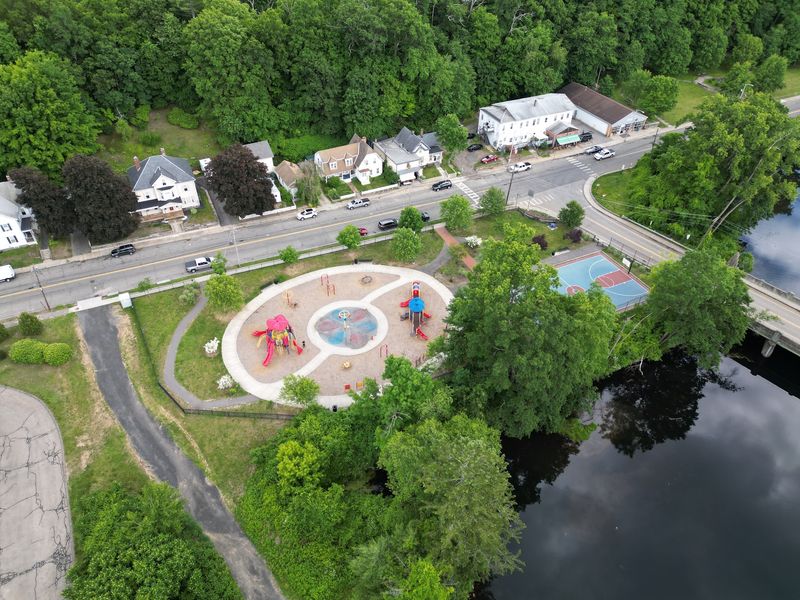
Palmer offers something many budget conscious buyers need but do not always find at a lower price point: easy access to the rest of the region.
The Massachusetts Turnpike runs through town, Route 20 crosses it, and Springfield is close enough to keep larger employers and services within reasonable reach.
Housing is where Palmer really earns its place on this list. The median sale price was about $355,000 in July 2026, far below the Massachusetts median of roughly $673,000.
For buyers priced out of communities farther east, that difference can open the door to ownership without requiring a move to an isolated corner of the state.
Roughly 12,300 people live across Palmer’s 31 square miles. Rather than revolving around a single center, the town is divided among four villages: Bondsville, Depot Village, Three Rivers, and Thorndike.
Each has its own Main Street area and local services, giving different parts of Palmer their own neighborhood feel.
Practical needs are covered as well. Palmer has its own public school district, access to vocational education, local businesses, and the everyday services expected in a community of this size.
Buyers will still need to weigh commute distances and the quieter pace of western Massachusetts. Yet Palmer stands apart because affordability here does not automatically mean sacrificing highway access or basic conveniences.
For someone trying to balance a manageable mortgage with a location that still feels connected, Palmer can be a surprisingly sensible place to put down roots.
7. Winchendon
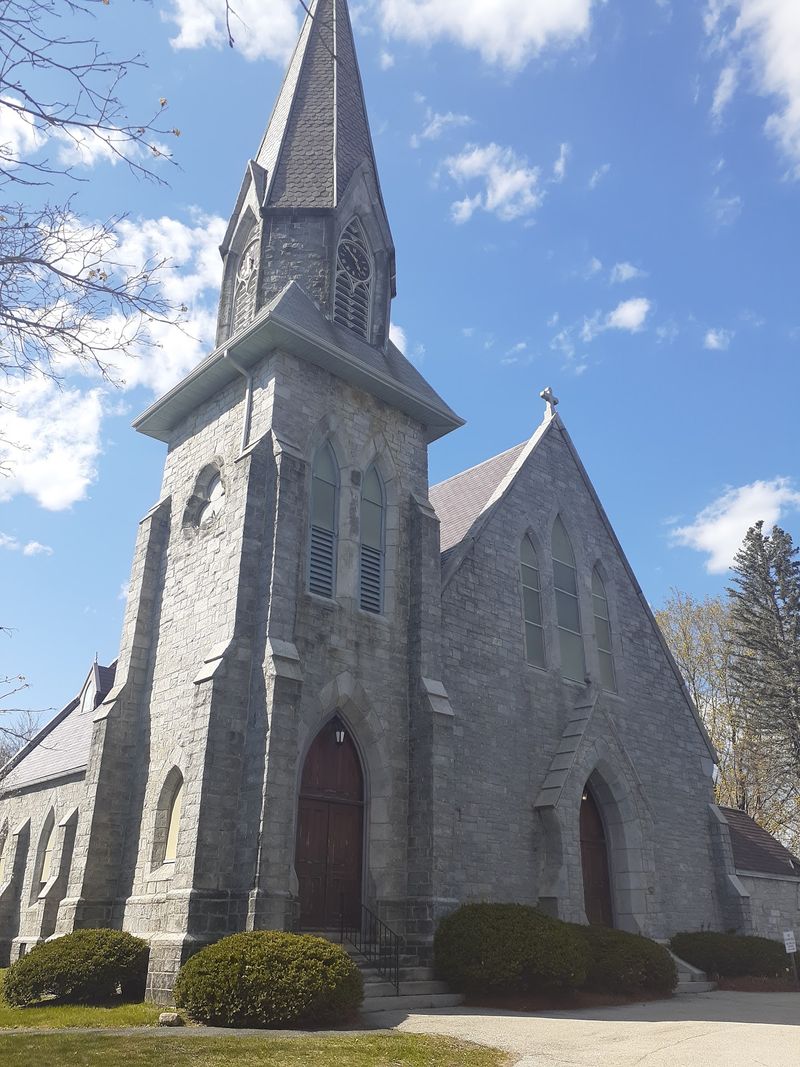
Winchendon gives buyers room to lower their expectations on price without lowering them quite as much on space. Homes sold for a median of about $368,000 during the three months ending July 2026.
That is more than $300,000 below the Massachusetts median of roughly $673,000 during the same period.
The town itself is home to about 10,600 residents, large enough to support its own schools, library, community programs, and basic services.
Winchendon also operates local transportation for residents, while MART bus service connects the community with Gardner, Fitchburg, and Leominster.
That extra mobility can matter for households trying to keep both housing and transportation costs under control.
Life here feels noticeably more rural than it does in the suburbs closer to Boston.
Homes are spread across a large wooded area near the New Hampshire border, and buyers may find older houses, larger lots, and quieter roads that would command much higher prices elsewhere in Massachusetts.
Getting to major highways takes a little more planning. Routes 12 and 202 run through Winchendon, while Route 140 provides another connection toward Route 2.
That makes Gardner and other north central Massachusetts communities much more realistic for regular trips than Boston.
Winchendon will appeal most to people who value a manageable purchase price, space, and a slower daily pace more than proximity to the eastern part of the state.
For buyers with flexible work arrangements or jobs in the surrounding region, it offers a practical chance to own a home without taking on one of Massachusetts’ much larger mortgages.
8. Southbridge
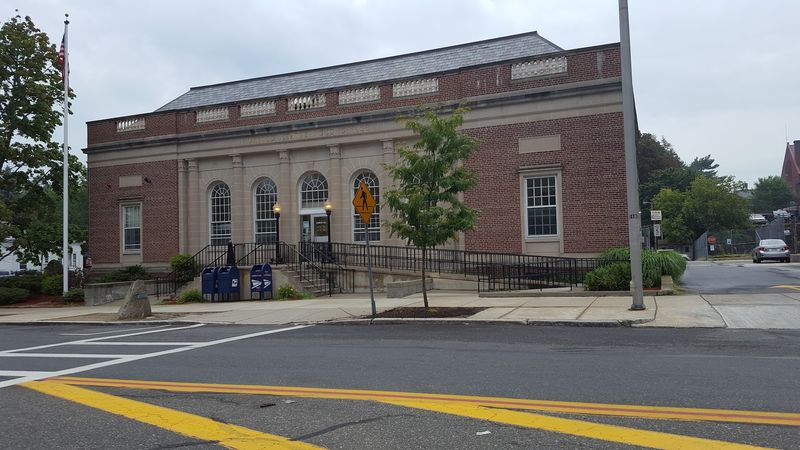
Southbridge gives buyers a little more town around them without pushing home prices anywhere near the Massachusetts average.
Homes sold for a median of about $391,000 during the three months ending July 2026, compared with roughly $673,000 statewide.
That gap can make a meaningful difference for buyers trying to keep monthly housing costs under control.
About 18,100 people live here, so Southbridge feels more substantial than many other affordable communities. Residents have their own public school district, local shops, municipal services, and a hospital with emergency and outpatient care.
That level of infrastructure makes daily life easier for households that do not want to rely on larger cities for every basic need.
Housing options are also more varied than buyers might expect at this price point. Older single family homes, multifamily properties, and established neighborhoods give people several ways to enter the market instead of competing for one narrow type of property.
Southbridge sits in south central Massachusetts, close to the Connecticut border and within reach of communities such as Sturbridge, Charlton, and Webster.
Worcester is much more practical for occasional trips than Boston, making the town a stronger fit for people whose work and routines are centered in central Massachusetts.
Southbridge will not deliver the postcard quiet of a tiny rural village, and that may actually be an advantage. Buyers get lower prices while keeping schools, healthcare, shopping, and other everyday necessities close enough to make a permanent move feel realistic.
9. North Adams
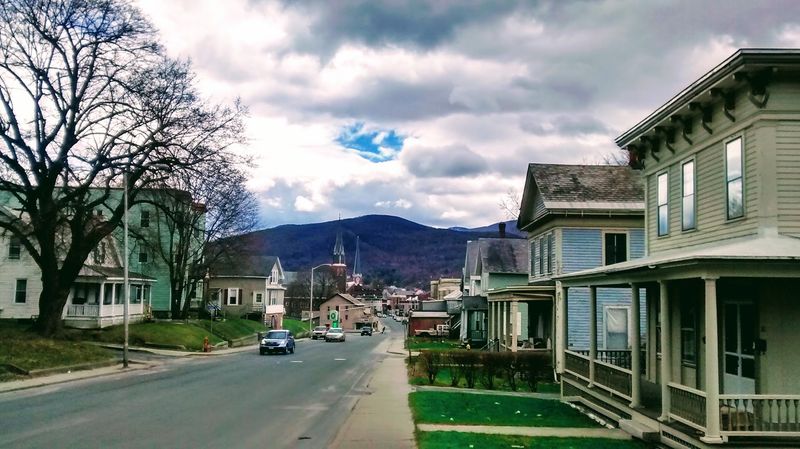
Few places make the Massachusetts housing gap look quite as dramatic as North Adams.
The median sale price was about $218,000 during the three months ending July 2026, putting homeownership here within reach of budgets that would struggle badly in much of the state.
Only about 12,400 people call North Adams home. That modest population comes with more useful infrastructure than buyers might expect, including its own public school system and Massachusetts College of Liberal Arts.
Healthcare is another practical advantage. North Adams Regional Hospital operates as a Critical Access Hospital with inpatient care, a community pharmacy, outpatient services, and a 24 hour emergency department.
Having that level of medical care close to home can be especially valuable for retirees and households hoping to stay here long term.
The surroundings offer breathing room without making daily life feel completely rural.
North Adams serves as an important center for northern Berkshire County, while nearby communities such as Adams and Williamstown expand the options for shopping, employment, education, and services.
There is a clear tradeoff behind the low prices. This is the far northwest corner of Massachusetts, so North Adams is not a sensible choice for someone commuting regularly to Boston or Worcester.
Local employment, remote work, retirement, or a job elsewhere in the Berkshires makes the equation much easier.
Still, a median home price barely above $200,000 changes what is possible. North Adams allows buyers to spend considerably less on housing while keeping schools, healthcare, higher education, and everyday necessities close by.
In one of the country’s more expensive housing markets, that combination is increasingly difficult to ignore.