
Wild Elk Graze On This Tennessee Mountain, And The Viewing Tower Is Just A Short Walk Up
Somewhere up in the coal-country ridges of East Tennessee, a gravel road climbs past old mining land and ends at a gate, a small parking area, and a porta-potty. Walk half a mile from there and a meadow opens up where hundreds of wild elk live, animals that vanished from this state generations ago and were brought back starting in 2000.
There is a 27-foot tower waiting at the top, free to climb, with mountains stacked up in every direction. It is one of the strangest, quietest things you can do with a Saturday in Tennessee, and most people driving I-75 have no idea it is there.
A Tower On Hatfield Knob, Deep In The North Cumberland WMA
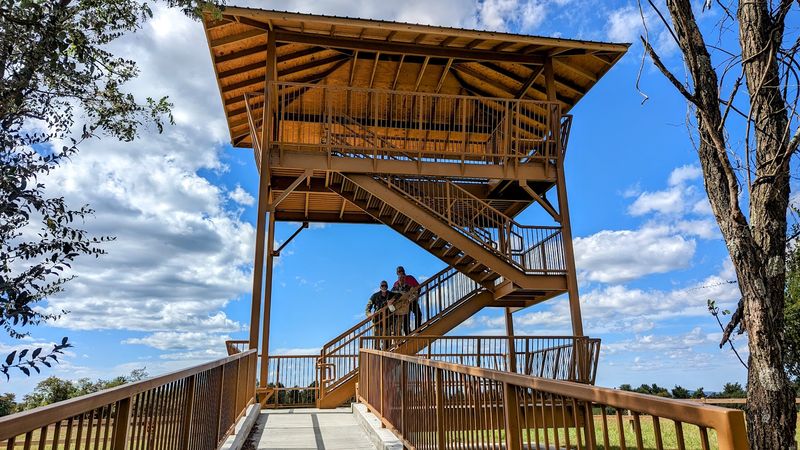
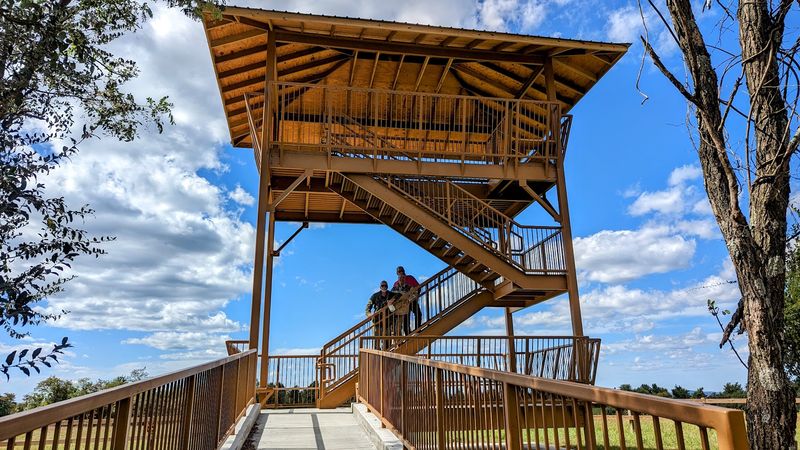
The official name is the Terry and Jane Lewis Elk Viewing Tower, and it sits on a ridge called Hatfield Knob inside the North Cumberland Wildlife Management Area, near LaFollette in Campbell County.
Google lists it simply as a bird watching area, which undersells things considerably. The structure stands 27 feet tall, was rebuilt in 2022 after the older tower came down, and was designed with handicapped accessibility in mind.
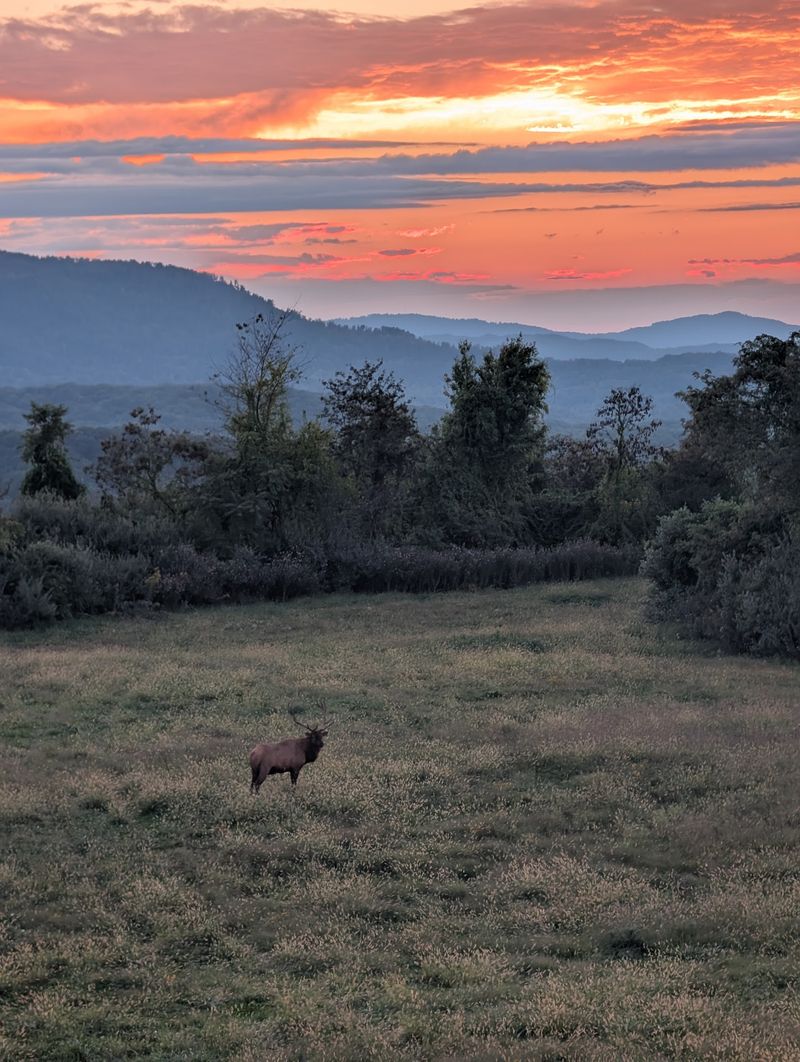
What it overlooks is a set of cleared mountain meadows managed specifically so elk have somewhere open to feed. Between 400 and 600 wild elk roam this WMA, descendants of animals reintroduced to Tennessee beginning in 2000 after the species had been gone from the state for well over a century.
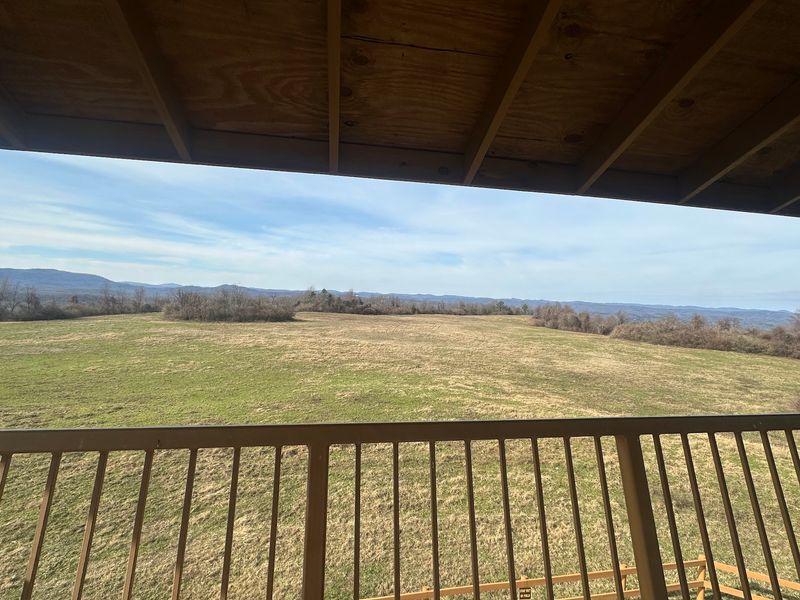
Climbing the stairs puts you above the tree line of the field, which matters more than it sounds. Elk are large, but a meadow rimmed by hardwoods hides them easily at ground level.
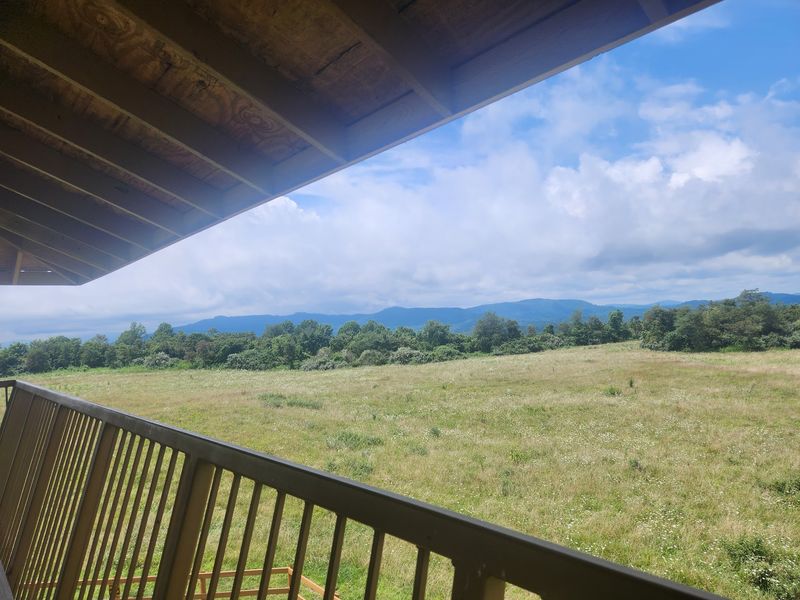
From the platform, visitors describe roughly 360-degree views of the surrounding mountains, so even on a slow wildlife day there is something worth standing still for. Information boards near the tower explain the herd and the habitat work.
How Elk Came Back To Tennessee
Elk were once native across Tennessee. They disappeared, and for generations the only ones anyone saw were in Western states or in photographs.
That changed in 2000, when a reintroduction effort began releasing elk into the North Cumberland area. The land was a reasonable choice: thousands of acres of former mining ground, reclaimed and reshaped into open grassy areas surrounded by heavy forest, which is close to what elk actually want.
Twenty-five years later, the herd is estimated at 400 to 600 animals. Calves usually arrive from late May through June, which means early summer visits sometimes turn up spotted youngsters trailing behind the cows.
Wildlife officers manage the fields, the access roads and the permits, and the whole setup exists partly so ordinary people can watch the results without pushing into the animals’ space.
There is something genuinely moving about that arc, and you feel it standing on the platform. A person born in Tennessee in 1970 grew up in a state with no wild elk at all.
Now a family from Knoxville can drive out on a Saturday morning and count thirty of them grazing in a mountain field.
The Gravel Road Nobody Warns You About Enough
Here is the part that decides whether your day goes smoothly: after you turn off Highway 25W, roughly 4.5 miles of gravel stand between you and the parking area, and visitors commonly report the drive feeling closer to 8 miles of loose rock and dust.
The internal speed limit is 10 mph. That single number explains why the last stretch can eat 30 to 60 minutes.
Road conditions vary. Some people report a well maintained surface a passenger car handles fine; others describe holes, rutting and washouts and flatly recommend against taking a low car or a minivan.
A high-clearance vehicle or SUV is the safer bet, and four-wheel drive is a comfort in wet weather. Conditions change with the season, so check before you commit.
Off-highway vehicles use these same roads, and dust can cut visibility badly even in bright sun. Turning your headlights on is a small, sensible habit here.
Take it slow, keep an eye on the tree line, and accept the pace. Plenty of people spot deer, turkey and even elk from the car on the way in.
Half A Mile Of Easy Uphill, Plus A Bench
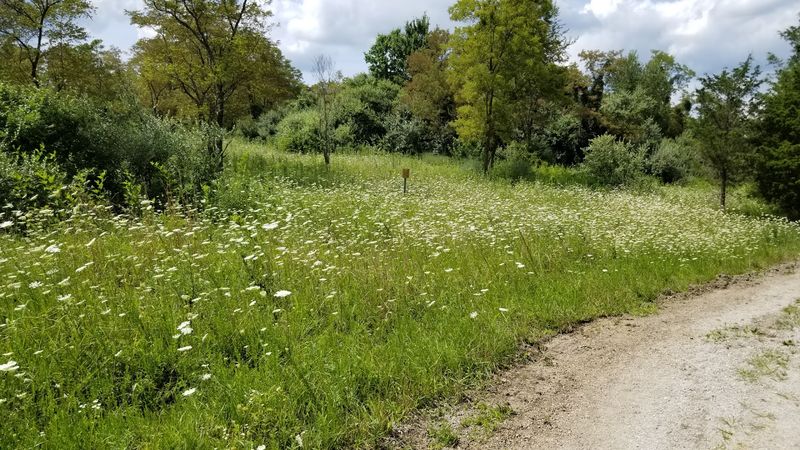
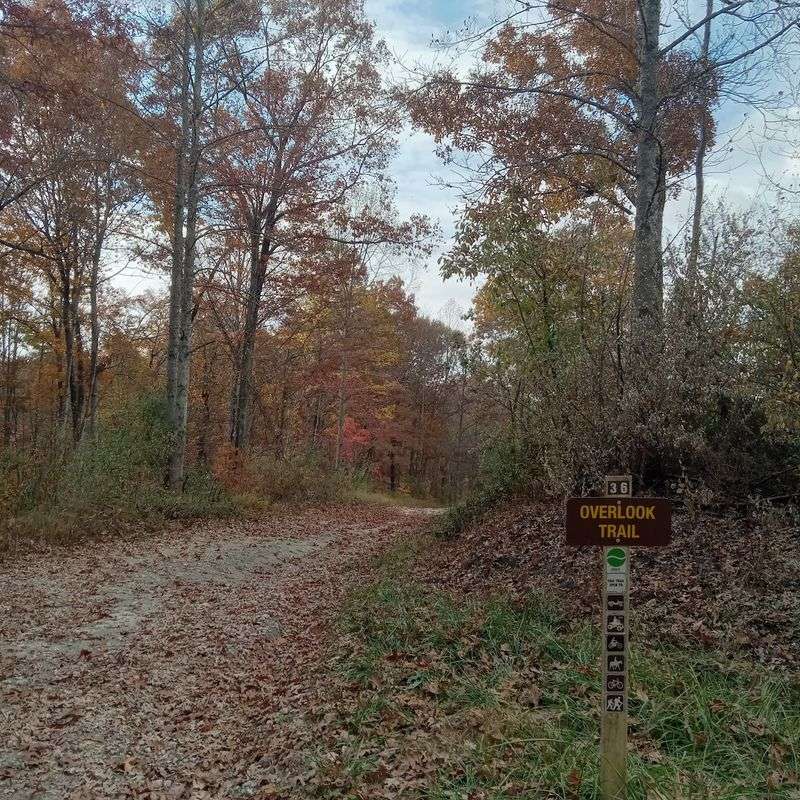
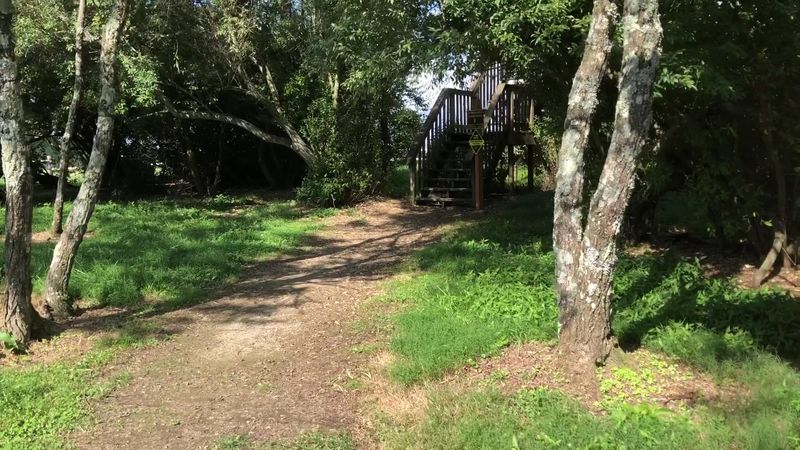
Park the car and the walking begins, but it is nothing like a mountain hike. The trail to the tower is a gravel road roughly half a mile long, with a gradual climb rather than anything steep.
Some visitors clock it closer to three-quarters of a mile, and honestly, the difference matters less than the grade, which people consistently describe as easy and not strenuous.
About halfway along sits a covered bench, a small mercy for anyone who needs to catch a breath or wait out a sudden shower. Grandparents and young kids both manage this walk regularly.
Better still, you do not have to reach the top to see elk. Additional viewing spots line the route, and there is an overlook area along the way that people use for photos.
Strollers will struggle on loose gravel, so a carrier is the better choice with a toddler. Pets are not allowed on the trail or at the tower, which is worth planning around before you load the car.
Wear real shoes. Gravel and sandals are a poor match on any grade.
Timing Your Visit Around Hungry Animals
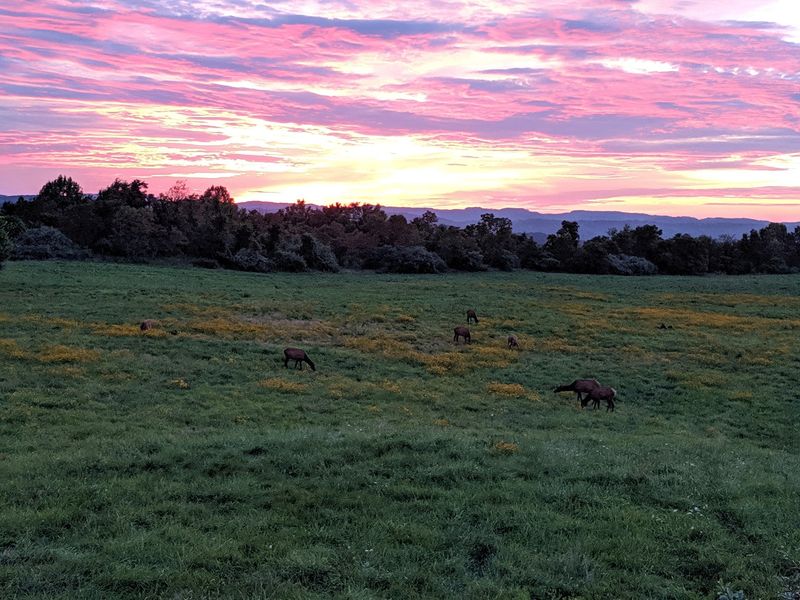
Elk keep a schedule, and it is not yours. The reliable windows are early morning, roughly 7:00 a.m. to 9:00 a.m., and the last hour before sunset, generally somewhere between 6:00 p.m. and 8:00 p.m. depending on the season.
Show up at noon in July and you may look out at an empty field, as more than one visitor has discovered.
Late September through mid-October brings the rut, when bulls bugle. That sound carrying across a mountain meadow is the single best reason to plan a fall trip, and it pairs nicely with Cumberland foliage.
Late May into June is calving season, so summer mornings can produce cows with new calves.
Counts swing wildly. Some groups report two elk in the distance; others watched a herd of thirty in the field, with bulls, calves and whitetail deer mixed in.
Bring binoculars, seriously. Animals often graze far across the meadow, and a phone camera will not bridge that gap.
Wildlife viewing is never guaranteed. Treat the mountain views as the sure thing and the elk as the bonus.
Turkey, Bears And Warblers Share The Ridge
Elk get the headline, but the North Cumberland WMA is busy with other residents. Wild turkey, white-tailed deer, foxes and coyotes all live here, along with black bears that occasionally cross the access road.
One family driving out got a bear as a parting gift, sprinting up a hillside beside them.
Birders have their own reasons to make the drive. Cerulean and golden-winged warblers nest in this landscape, both species that serious birdwatchers travel considerable distances to find.
Google even files the tower under bird watching area, which starts making sense once you hear what is singing in the surrounding hardwoods in spring.
Deer show up constantly. Groups have counted ten whitetails alongside a single cow elk, which tells you the fields work for more than one species.
Walnut trees line parts of the route, and autumn drops nuts along the gravel.
Whatever you see, stay out of the meadows and off the fence line. A bull elk in September is an enormous, unpredictable animal, and signs asking you to keep back exist for a practical reason.
What The Permit Actually Costs You
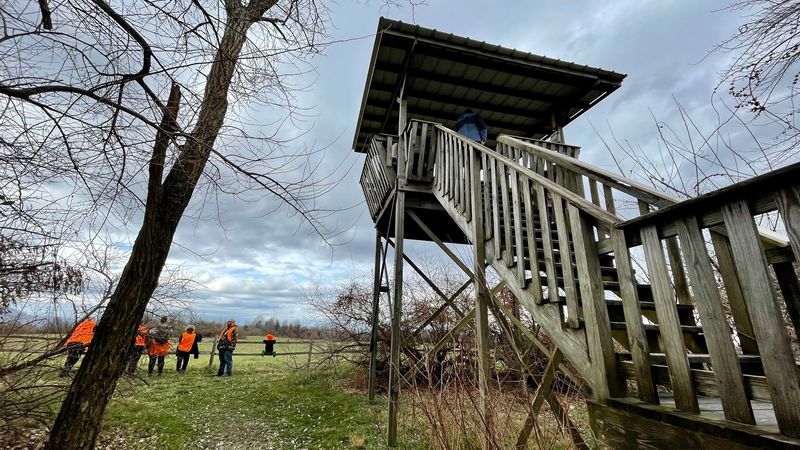
Climbing the tower itself costs nothing, and there is no gate attendant taking money. The catch sits one layer up, in the WMA access rules.
As of July 1, 2026, visitors who are not hunters or OHV riders will need a North Cumberland WMA OHV Riding Permit to be on this land. A one-day permit runs $20 for Tennessee residents and $50 for non-residents.
One useful detail: the permit covers one adult per vehicle, and passengers or children under 12 do not need their own. So a family of four from Knoxville is looking at $20 total, not $80.
Do the math on a full day and it stays reasonable. Twenty dollars for the permit, gas for a 1.5-hour drive from Knoxville, and a $7.99 meat-and-three in LaFollette puts a Tennessee family under $40 for the whole outing, less than a nice dinner out.
Permit rules and pricing can change, so confirm current requirements with Tennessee wildlife officials before you drive. Nobody wants to finish four miles of gravel and learn something new at the top.
Drive Times From Around The State
Knoxville families have it easiest. Figure about an hour and a half to the general area, and this becomes a legitimate before-breakfast run for a sunrise viewing.
Chattanooga sits roughly 2 hours and 52 minutes from LaFollette, plus that 30 to 60 minutes of gravel, so plan on 3.5 to 4 hours each way.
Nashville is a longer commitment: about 3 hours and 33 minutes to LaFollette, and 4 to 4.5 hours total once the access road is included. Doable in a day if you leave very early, more comfortable as an overnight.
Tri-Cities residents around Johnson City are looking at 2.5 to 3 hours to town and 3 to 4 hours all in.
Memphis, be realistic. Six to seven hours to LaFollette and 7 to 8 hours total makes this a stop on a broader East Tennessee trip rather than a day out.
Fill the tank in LaFollette before turning off 25W. There is no fuel, no cell certainty and no services once you start up the mountain.
Facilities, Rules And What To Pack
Manage your expectations on comfort. The parking area has a porta-potty and that is the extent of the plumbing, so use a real restroom in LaFollette on the way through.
No picnic shelters or tables are provided at the viewing area, though people happily eat at the overlook along the trail and at the tower. Pack it in, pack it out.
The tower stays open 24 hours a day, year-round, which is unusual and genuinely useful when the best light comes early or late. Quiet is expected, since noise pushes animals back into the trees.
Pets are not permitted on the trail or at the tower.
During deer gun and muzzleloader seasons, anyone outside an enclosed vehicle or camp must wear at least 500 square inches of daylight fluorescent orange on the upper body and head. High-visibility clothing is smart year-round given the dust and OHV traffic.
Historical mining operations left hazards on this land, so stay on marked roads and trails. Bring water, binoculars, sunscreen and a layer, since ridge-top wind runs cooler than the valley.
Who Will Love This Mountain, And Who Will Not
Patience is the entry fee here, more than the $20. If your family needs a guaranteed animal encounter within twenty minutes, a zoo will serve you better than a mountain meadow.
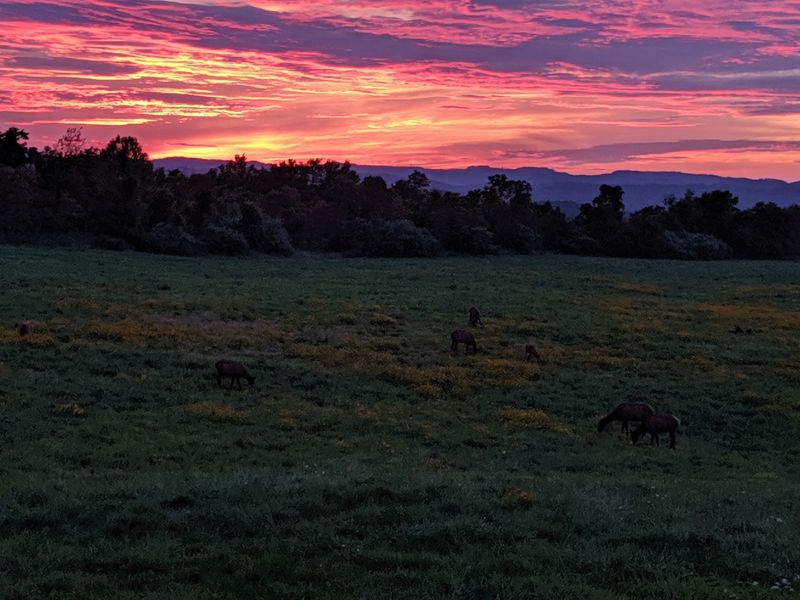
But for kids who can sit still with binoculars, watching a herd of thirty wild elk graze at dusk is the kind of memory that outlasts most vacations.
Retirees and photographers do well up here, and the accessible design of the 2022 tower plus the halfway bench make the walk manageable for a lot of people who would skip a real trail. Birders get warblers as a bonus.
Anyone driving a low sedan or a minivan should think hard, or borrow an SUV. That gravel road is the deciding factor for most visitors, not the hike.
Go on an October morning, roll the windows down, and listen for bugling. Come back with an empty memory card sometimes, because wildlife owes nobody a performance.
Sunsets from the platform have salvaged plenty of elk-free evenings, and honestly, a quiet ridge in Tennessee with nobody else around is not a bad consolation prize.