
This North Dakota Road Trip Takes You To The States Most Overlooked Natural Wonders
The interstate highway system forces travelers to rush past beautiful landscapes at eighty miles per hour. Most drivers think this region is just a flat void of monochromatic wheat fields and empty sky.
North Dakota actually hides a dramatic network of jagged coulees and ancient sandstone formations just beyond the pavement. Red scoria hills rise suddenly from the prairie like mini volcanoes frozen in mid-explosion.
The wind plays a lonely song through the rugged labyrinth of the badlands where pine trees cling to sheer clay cliffs. Wild horses navigate the hidden river breaks far away from the noisy congestion of tourist traps.
You can drive for hours without seeing a single glowing neon sign or another vehicle. This route belongs to the patient explorers who prefer quiet gravel roads over crowded amusement parks.
Sheyenne National Grassland
Nobody talks about Sheyenne National Grassland, and that is honestly criminal. This place is the only national grassland of its kind in the entire United States.
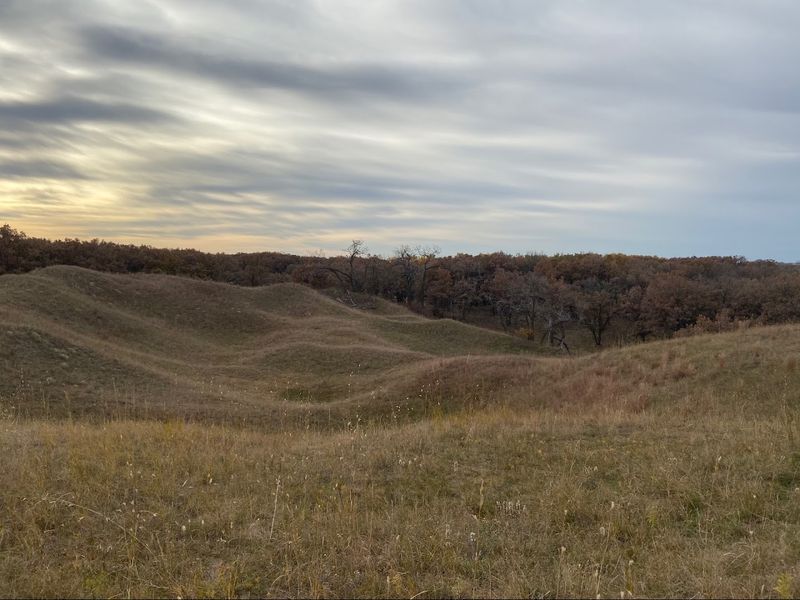
Over 70,000 acres of sandy hills, prairie, and river valleys stretch out endlessly. It sits on an ancient river delta shaped by wind and water over thousands of years.
The landscape has a quiet drama to it. Choppy sand dunes roll across the terrain in a way you just do not expect from North Dakota.
It feels like a secret world hiding in plain sight. The whole area rests on what was once a massive glacial lake bed.
Wildflowers bloom from spring all the way through fall. You might spot the western prairie fringed orchid, which is a genuinely rare find.
This grassland protects plant species that exist almost nowhere else. That alone makes it worth the detour.
Bird lovers, get excited. Over 300 bird species have been recorded here.
White-tailed deer and coyotes wander freely through the open land. You never quite know what will cross your path, and that unpredictability is thrilling.
Hiking and horseback riding trails wind through the grassland. There are no massive crowds and no long ticket lines.
You just show up and explore. The silence out here is the kind that actually resets your brain.
It is not flashy, and that is exactly the point. Sheyenne rewards the curious traveler who slows down enough to notice things.
If you want wide-open beauty without the tourist chaos, this is your spot. Find it at Main Street, McLeod, ND 58057.
Lake Sakakawea State Park
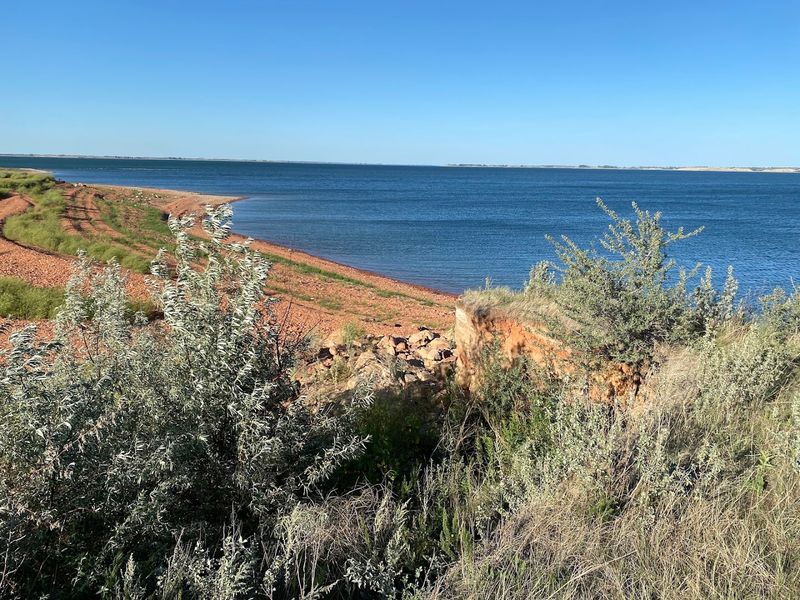
Lake Sakakawea is so big it almost does not feel real. It is the third-largest man-made reservoir in the entire country.
Standing on the shore, you genuinely feel like you are looking at an inland ocean. The scale of it is kind of overwhelming in the best way.
The park sits right on the south shore of this massive lake. Wide-open prairie views surround you from every direction.
The shoreline is rugged and raw, nothing manicured or overdone. It looks exactly the way wild places are supposed to look.
Fishing here is seriously legendary. Walleye and salmon pull anglers from all over the region.
The full-service marina keeps things convenient for boaters. A swim beach gives families a great place to cool off in summer.
The North Country National Scenic Trail actually begins right here. That is a pretty significant trailhead to have in your backyard.
Hikers can pick up the route and follow it for miles. The trail connects to a broader network that stretches across multiple states.
Sunrises over the water are absolutely worth setting an alarm for. The light hits the lake in a way that feels almost cinematic.
Constant breezes roll across the surface, making it ideal for sailing. The atmosphere shifts beautifully throughout the day.
Wildlife sightings are common along the shoreline. Deer, eagles, and pelicans all make regular appearances.
Camping options nearby let you stretch your stay. This park rewards those who linger a little longer than planned.
Cross Ranch State Park
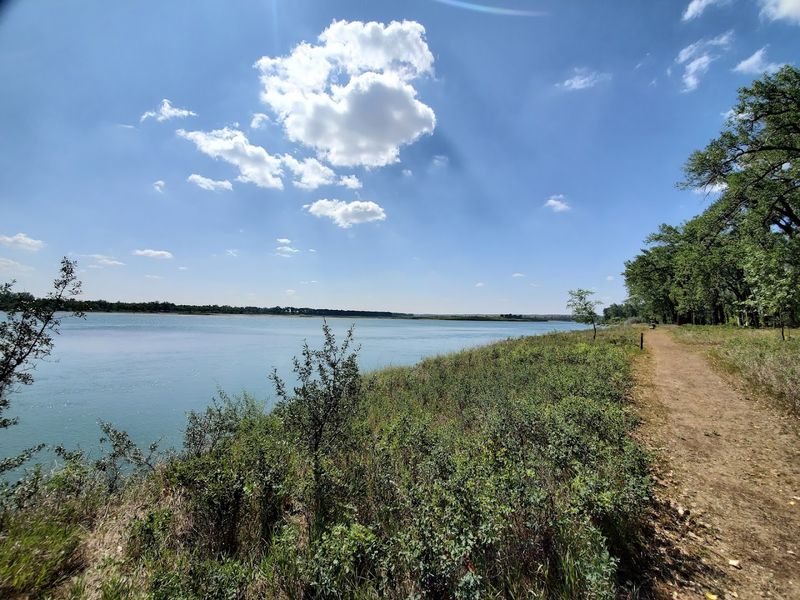
The Missouri River has been carved up and developed in so many places across the country. Cross Ranch protects one of the last stretches that still looks the way it did centuries ago.
That is not a small thing. That is genuinely remarkable.
Cottonwood forests line the riverbanks in thick, rustling rows. Rolling prairie rises behind them, and badlands formations peek out in the distance.
The variety of landscape packed into one park is honestly surprising. You can walk from one ecosystem to another in a single afternoon.
Lewis and Clark passed through this exact area during their famous expedition. Standing on the riverbank, you can feel the weight of that history.
The land has not changed dramatically since they paddled through. That connection to the past is something you carry with you long after you leave.
Over 16 miles of trails wind through the park for hikers and bikers. The routes range from easy riverside walks to more challenging prairie loops.
Bison roam the adjacent Cross Ranch Nature Preserve. Spotting a bison herd from the trail is a full-on adrenaline moment.
The park is quiet most of the year. Crowds are minimal, even on summer weekends.
That kind of solitude is increasingly rare at natural areas worth visiting. Here, you actually get to hear the river moving.
Camping spots are available right along the river. Waking up to the sound of the Missouri is something you will not forget.
The whole experience feels unhurried and deeply restorative. Visit it at 1403 River Rd, Center, ND 58530.
Icelandic State Park
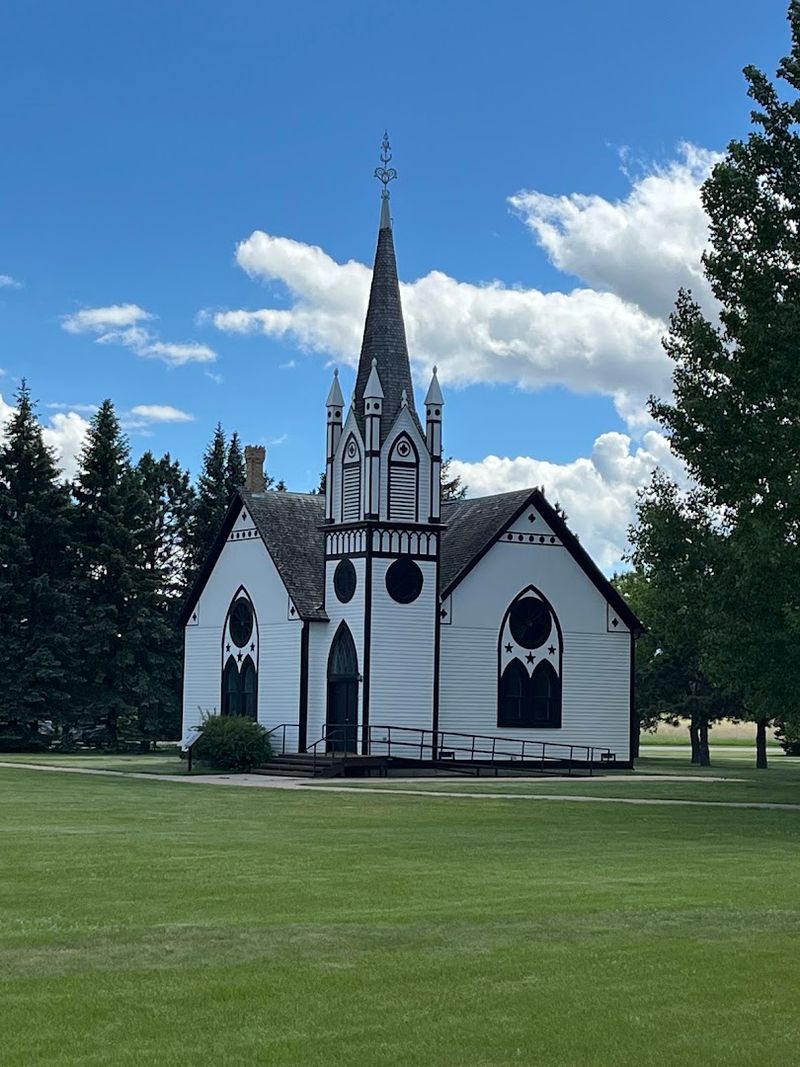
Here is a fun piece of history. Early Icelandic settlers landed in northeastern North Dakota and built a community that left a real cultural mark on the region.
Icelandic State Park exists partly to honor that legacy. It is a place where nature and history genuinely overlap.
The park covers 912 acres around beautiful Lake Renwick. Ancient oak trees fill the landscape and create a canopy that feels nothing like the open prairie outside the park boundaries.
The contrast is striking. One minute you are on flat grassland, and then suddenly you are in a shaded woodland.
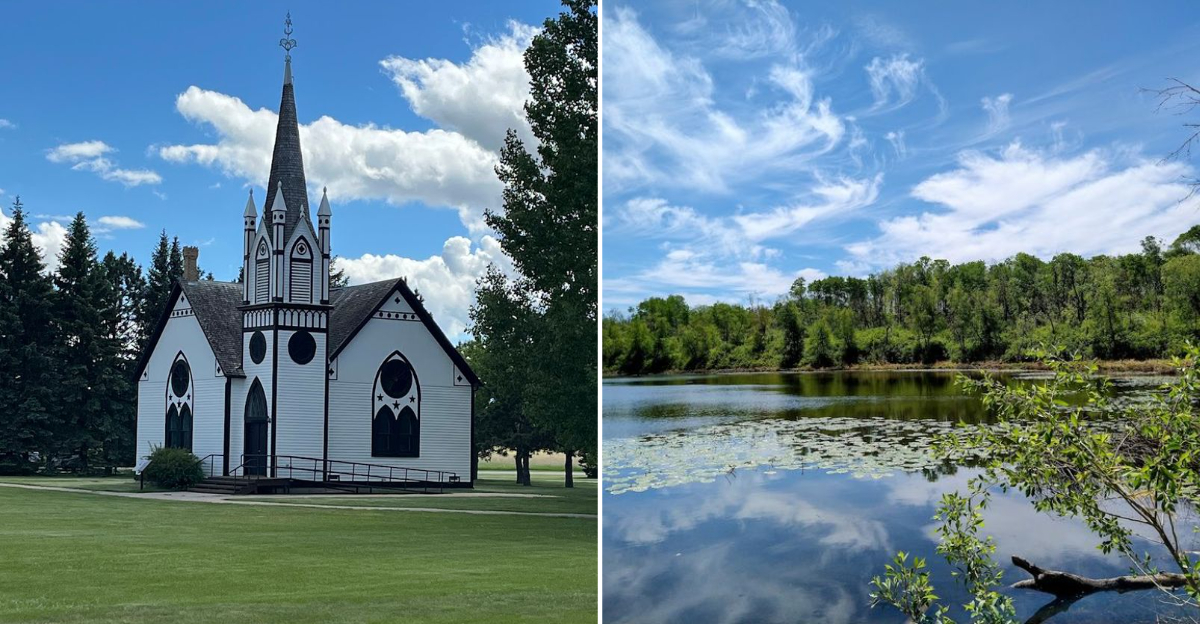
The Pioneer Heritage Center on site tells the story of those early settlers. You can tour historic buildings, including a preserved church that still stands from the 1800s.
Walking through those old structures puts time in a strange and wonderful perspective. History feels close here.
The Gunlogson Nature Preserve sits within the park and protects rare plant and bird species. It is a quieter corner of the park where you can wander without much distraction.
Birdwatchers especially love this section. The variety of species spotted here is genuinely impressive.
Lake Renwick changes personality with the light and the season. Morning fog over the water is hauntingly beautiful.
Summer afternoons bring kayakers and swimmers. Fall turns the oak trees into a fiery display of color.
Camping, hiking, and picnicking all work well here. The park never feels overcrowded, which keeps the experience relaxed.
It rewards slow exploration more than quick visits. Find it at 13571 ND-5, Cavalier, ND 58220.
Rough Rider State Park
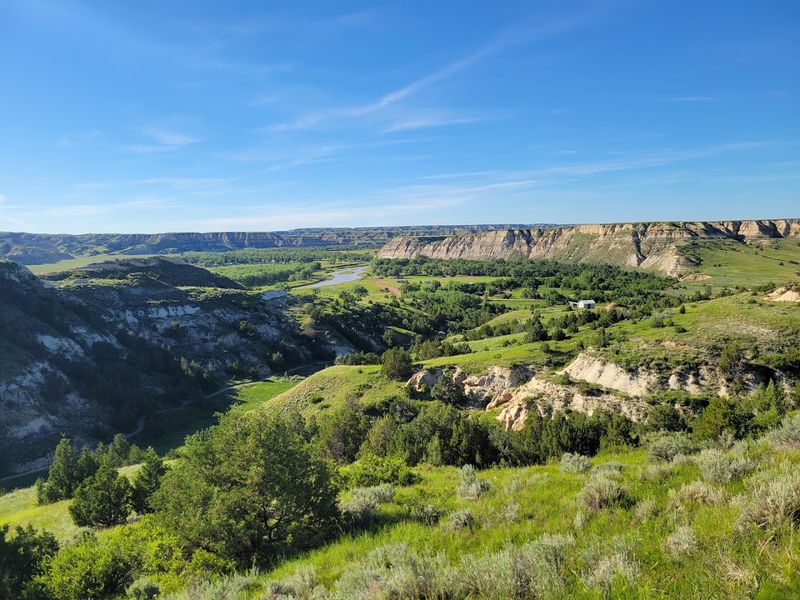
The Badlands do not ease you in gently. They just hit you all at once with layered buttes, dramatic color, and a landscape that looks like it belongs on another planet.
Rough Rider State Park sits right in the middle of all of it. This is where the scenery gets loud.
The park rests along the Little Missouri River, which is a designated state scenic river. That title is well earned.
The river winds through canyon walls and open grassland in a way that makes every bend a new view. It is the kind of place where photographers lose track of time.
Theodore Roosevelt came to the Badlands as a young man and left transformed. The park honors that connection between Roosevelt and this wild landscape.
His Rough Riders are woven into the identity of the place. History has a physical presence here.
The Maah Daah Hey Trail is accessible directly from the park. That is a massive bonus for hikers and mountain bikers.
You can pick up the trail and disappear into the backcountry for hours. The access point alone makes the park a key stop on any Badlands itinerary.
Bison wander through the area with total confidence. Coyotes show up at dawn and dusk like clockwork.
Pronghorn antelope sprint across the open flats at surprising speed. Wildlife watching here requires almost no effort.
Sunrises and sunsets over the Badlands are absolutely worth losing sleep over. The light shifts the colors of the buttes from pink to orange to deep red.
No filter needed. The address is 14651 36th St, Medora, ND 58645.
Turtle Mountain State Forest
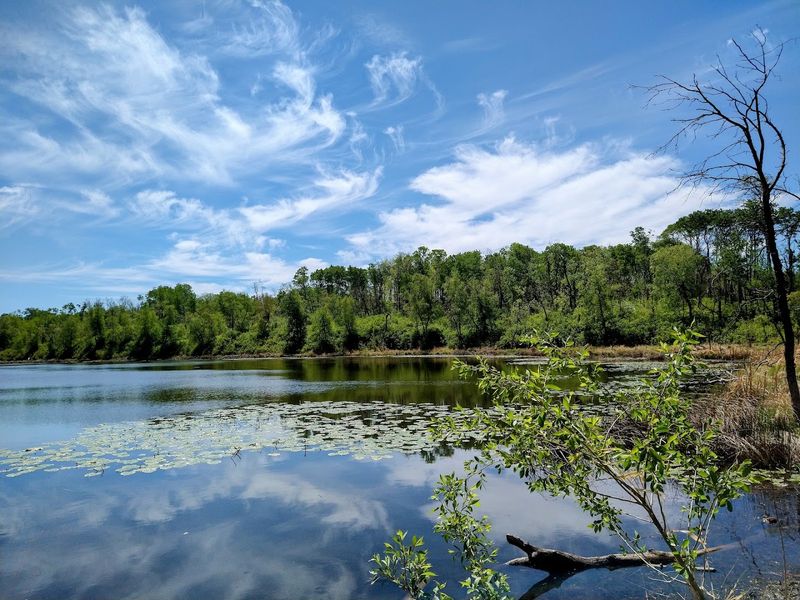
People call Turtle Mountain a forested island in a grassland sea, and once you see it, that description clicks immediately. The surrounding plains stretch flat and open for miles.
Then suddenly, rolling wooded hills rise up out of nowhere. It is genuinely disorienting in the best possible way.
The forest sits near Bottineau in the northern part of the state. Dense woodlands cover gently rolling terrain that feels completely different from the rest of North Dakota.
Quiet lakes and wetlands are scattered throughout. The whole area has a tucked-away, almost enchanted quality to it.
Elk live here. So do deer, eagles, and a wide variety of songbirds.
The biodiversity packed into this forested pocket is impressive for a state better known for open prairie. Birdwatchers regularly make special trips just to check off species at Pelican Point.
Over 18 miles of multi-use trails run through the forest. Hikers, mountain bikers, and horseback riders all share the network.
Winter opens up groomed snowmobile and cross-country ski routes. The forest genuinely earns its keep across all four seasons.
The cultural significance of Turtle Mountain runs deep. Indigenous communities have long held this land as meaningful.
That history adds a layer to every visit that goes beyond just looking at trees. It asks you to pay attention differently.
Camping options range from rustic to more developed sites. The forest is rarely crowded, and the trails stay quiet even on weekends.
If you want to feel genuinely off the beaten path, this is the detour that delivers.
Tewaukon National Wildlife Refuge
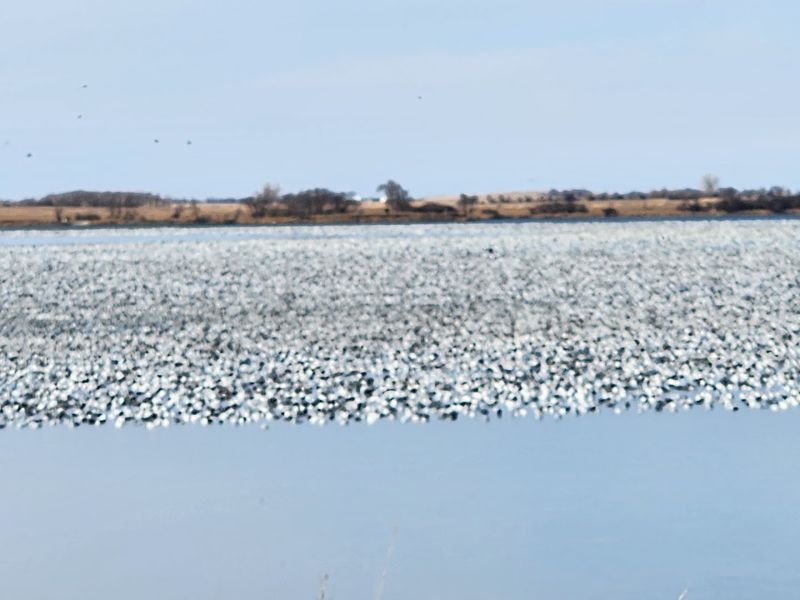
Imagine standing in a field while thousands of birds swirl overhead in a massive, organized chaos of wings. That is Tewaukon on a good migration day.
The sheer volume of waterfowl passing through this refuge is something you have to witness in person to fully process. Photos just do not do it justice.
The refuge sits in southeastern North Dakota within tallgrass prairie country. Large wetlands fed by the Wild Rice River anchor the landscape.
Smaller pothole wetlands dot the surrounding area like scattered mirrors. This patchwork of water and grass creates an ideal habitat for an enormous range of species.
Tewaukon sits at a rare meeting point of two major flyways. Birds from the Central Flyway and the Mississippi Flyway both pass through here.
That overlap makes it a genuinely significant stop on any birding road trip. Species diversity during the migration season is off the charts.
Minks slip through the tall grass along the water edges. Coyotes patrol the open areas with casual confidence.
White-tailed deer graze near the wetland borders at dusk. Watching all of this unfold from a quiet trail feels like having a front-row seat to something private.
Butterflies are everywhere during the summer months. Native wildflowers bloom in bursts of yellow, purple, and white across the upland areas.
The color and movement make the refuge feel alive in every direction. It is a sensory experience that sneaks up on you.
No massive crowds. No entry fees.
Just pure, unfiltered wildlife watching in a landscape that still functions the way nature intended. This place is a genuine hidden spot.
Maah Daah Hey Trail
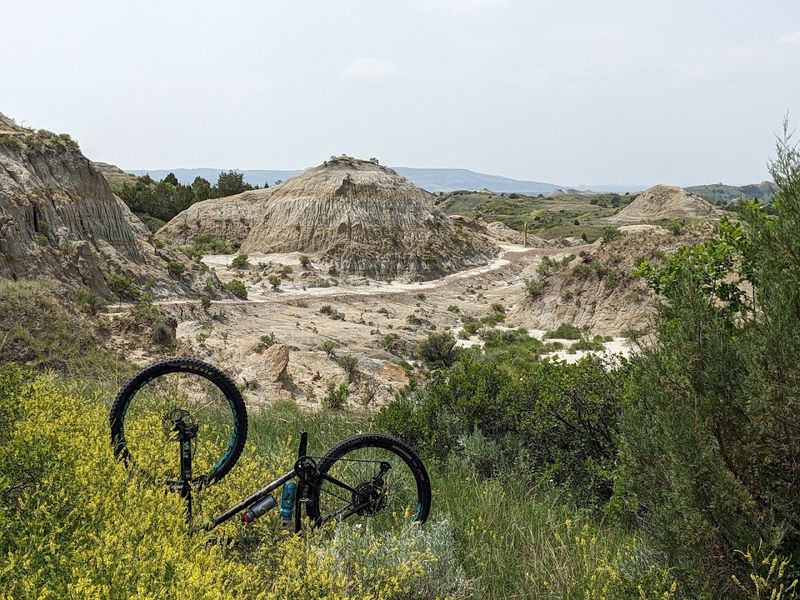
The name Maah Daah Hey comes from the Mandan language and means something that will be around for a long time. Whoever named this trail understood the assignment.
This is not a weekend path. This is a 144-mile single-track route through some of the wildest terrain in the American Midwest.
The trail winds through the Little Missouri National Grasslands with zero apologies. Majestic plateaus rise and fall across the route.
Jagged badlands formations appear around corners without warning. Rolling grasslands open up between the dramatic sections and give your eyes a chance to breathe.
Turtle symbols mark the trail signs along the entire route. That detail sounds small, but it becomes a weirdly comforting landmark after you have been hiking for hours.
Spotting the next turtle marker feels like a small victory every single time. The trail has personality built into its bones.
The route connects the north and south units of Theodore Roosevelt National Park. That connection gives the whole trail a sense of purpose beyond just being a long walk.
You are linking two legendary landscapes through miles of raw backcountry. The trail earns its reputation.
Hikers, mountain bikers, and horseback riders all use the Maah Daah Hey. Each group experiences the terrain differently.
Mountain bikers chase the technical sections with serious enthusiasm. Horseback riders move through the grassland stretches in a way that feels historically appropriate.
Solitude is basically guaranteed out here. Cell service disappears fast.
The silence is thick and real. This trail is the kind of experience that resets your perspective on what adventure actually means.