
A Mississippi Diner Where Steak, Potatoes, And Dessert Still Cost Less Than You’d Expect After All These Years
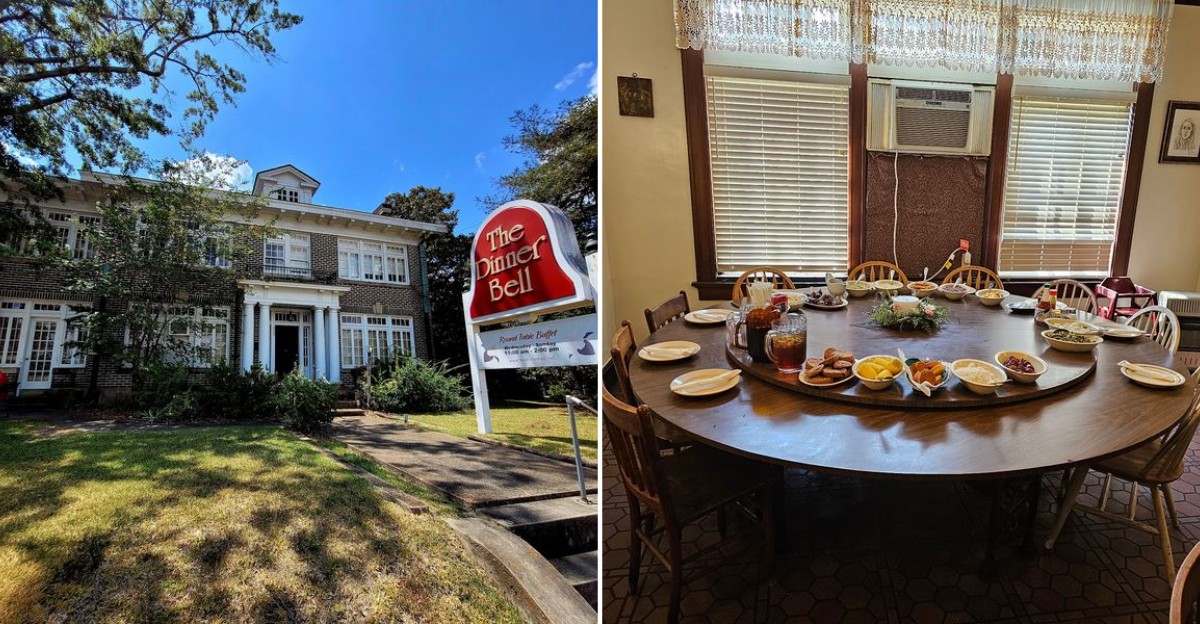
Prices everywhere else keep climbing, yet this Mississippi diner has somehow kept its full meals surprisingly affordable after all these years. Recipes stay untouched for decades, prepared the same way they always were.
Nothing here feels rushed or updated for the sake of appearances. The steak arrives the classic way, simply seasoned and cooked exactly how customers expect it.
Regulars return specifically for the value, treating it as one of the last real deals left in casual dining. Dinner here still feels like an occasion rather than just another meal out.
This diner proved that quality and affordability can still exist on the same plate.
The Spinning Table That Started All The Conversation
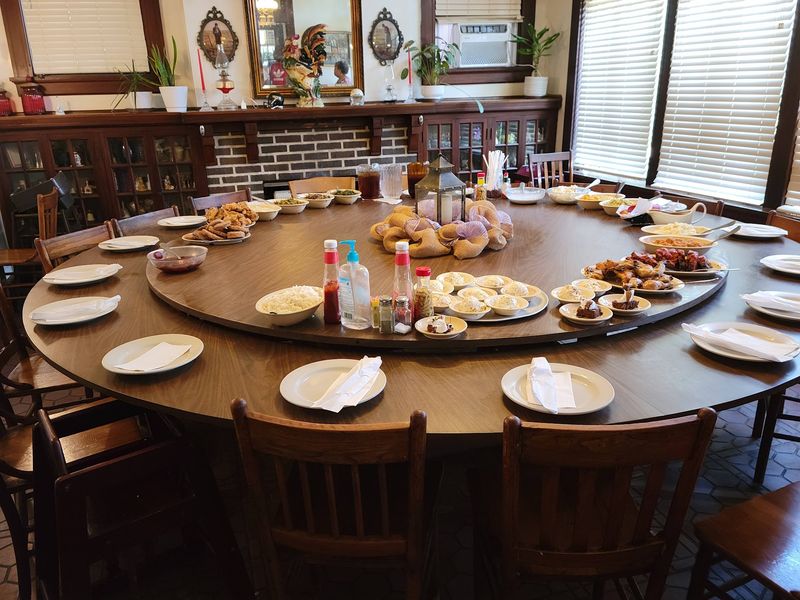
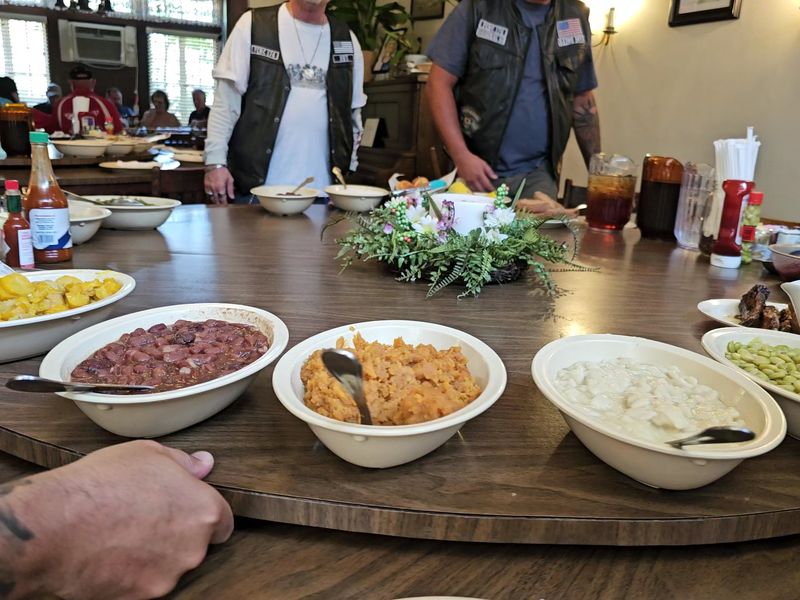
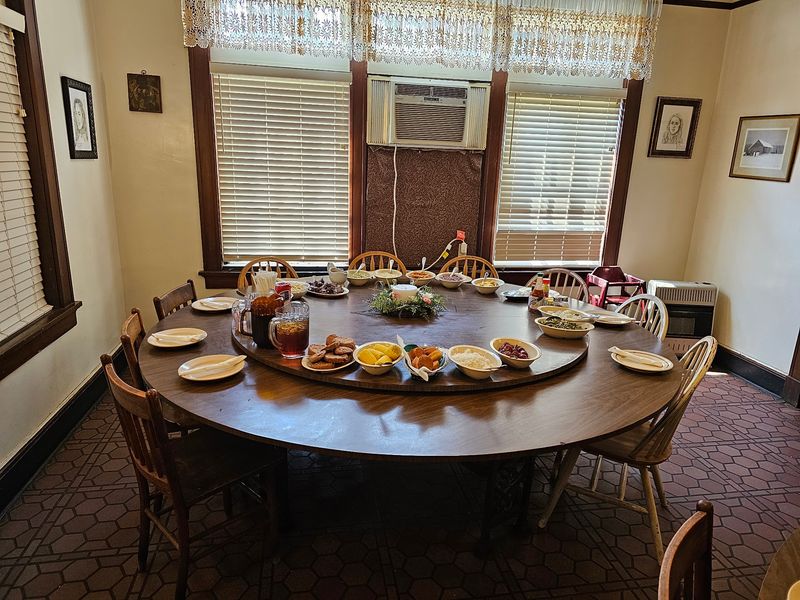
Picture a round table big enough for twelve to eighteen people, with a wooden turntable planted right in the middle. Servers load it with heaping platters and bowls, then everyone spins to grab what looks good.
When a tray runs low, someone from the kitchen swaps it out fast. Nobody has to flag anyone down or ask twice.
Seating works on a first-open-chair basis, which means a family from Louisiana might end up sitting beside a trucker passing through on I-55. Conversation happens whether you planned on it or not.
The style has a name. It’s called boarding house dining, and it was built for feeding lots of people quickly near train depots and busy crossroads.
Funny enough, this restaurant was never actually a boarding house. It just borrowed the format and kept it going long after most places dropped it.
There’s something oddly modern about it, too. Phones tend to stay in pockets because reaching for the sweet potato casserole requires both hands and a little coordination.
Kids love the spinning. Adults pretend they don’t, then spin it three more times.
The whole setup turns lunch into an event rather than a transaction. You can find it at 229 5th Ave, McComb, MS 39648, United States.
A Governor’s Family Home Turned Dining Room
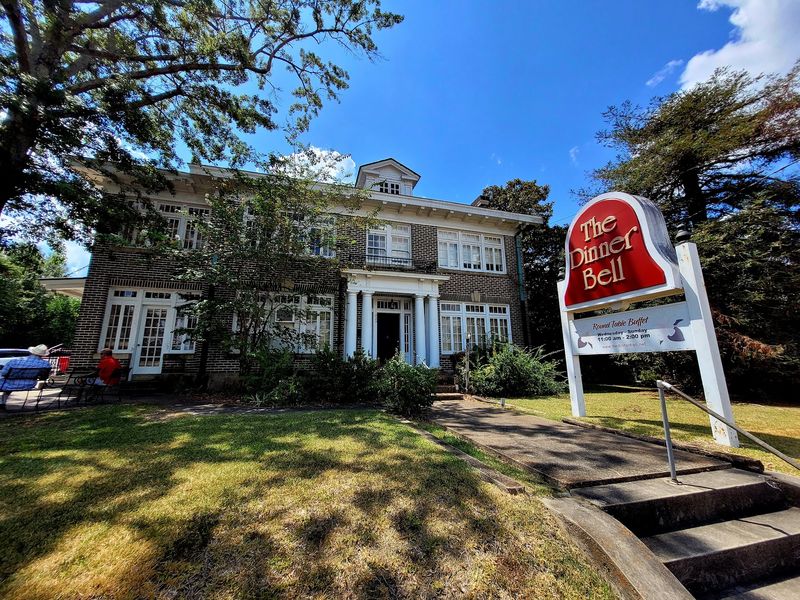
Long before platters and turntables filled the rooms, the building was a private residence. It went up somewhere between 1921 and 1923 for John White, whose family carried real weight in Mississippi.
His brother Hugh White served two terms as governor of the state. Not a bad résumé for the family that once ate supper in these rooms.
The restaurant moved into the house in 1959 and never left. Builders had used serious materials the first time around, and it shows.
Molded ceilings, board-and-batten detailing, ceramic tile floors, and birch trim downstairs all survived the transition from home to hangout.
Then there are the windows. Counts vary depending on who is doing the counting, ranging from 852 panes to well over 1,400.
Either way, that’s a lot of glass. Sunlight pours across the tables at midday and makes the whole place glow without a single fancy light fixture.
Dining rooms are spread through what used to be parlors and living spaces, which gives the meal a homey rhythm instead of a cafeteria feel.
Old houses usually get torn down or turned into offices. This one got a second life feeding people, which seems like a much better ending.
The bones of the place do half the storytelling before the food even arrives.
Fried Chicken That Refuses To Leave The Rotation
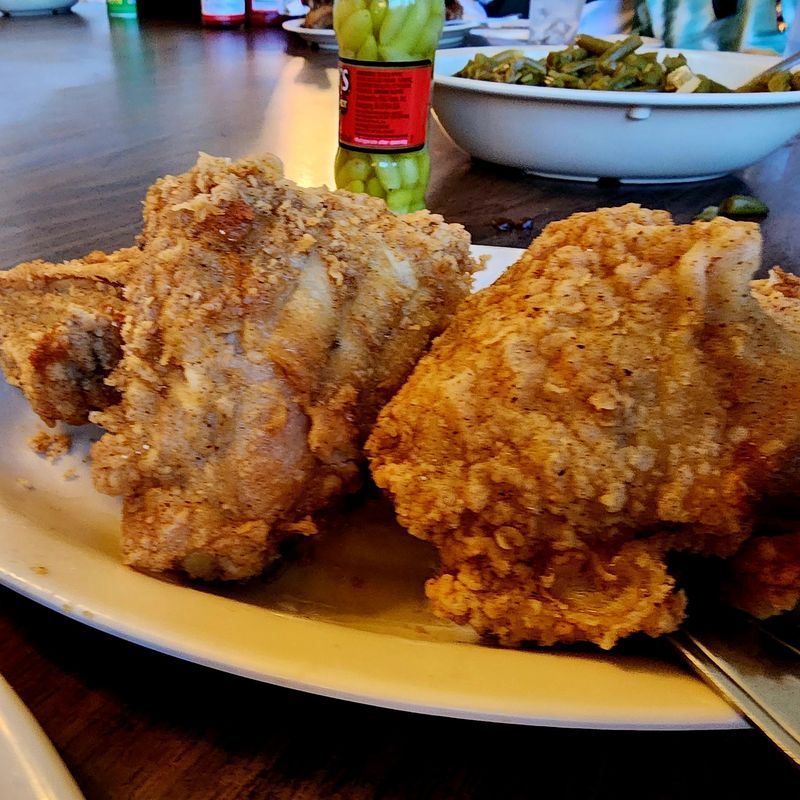
Most dishes here rotate. The fried chicken doesn’t, because taking it off would probably start a small rebellion.
It shows up daily, crisp-skinned and hot, and it’s the single item people mention most when they describe the place to someone else.
The kitchen fries it from scratch, same as everything else. Nothing gets pulled from a freezer bag or zapped in a microwave, which is a rule the owners take seriously.
Cooks start work around 7 in the morning, hours before the first table fills. That head start is what allows platter after platter to hit the tables without slowing down.
Recipes have been handed down rather than reinvented. Two of the original cooks, Corlene Washington and Alise Crossley, kept working in this kitchen into their eighties.
That kind of continuity is rare. It also explains why the chicken tastes the way people remember it from twenty years ago.
Alongside it, the daily lineup might include chicken and dumplings, catfish, ham, meatloaf, barbecue spare ribs, pork chops, roast, smoked sausage, or steak and gravy.
What appears depends on the day, so two visits rarely look identical.
The chicken, though, is the constant. It’s the anchor everything else spins around, literally.
Fried Eggplant With A Cult Following
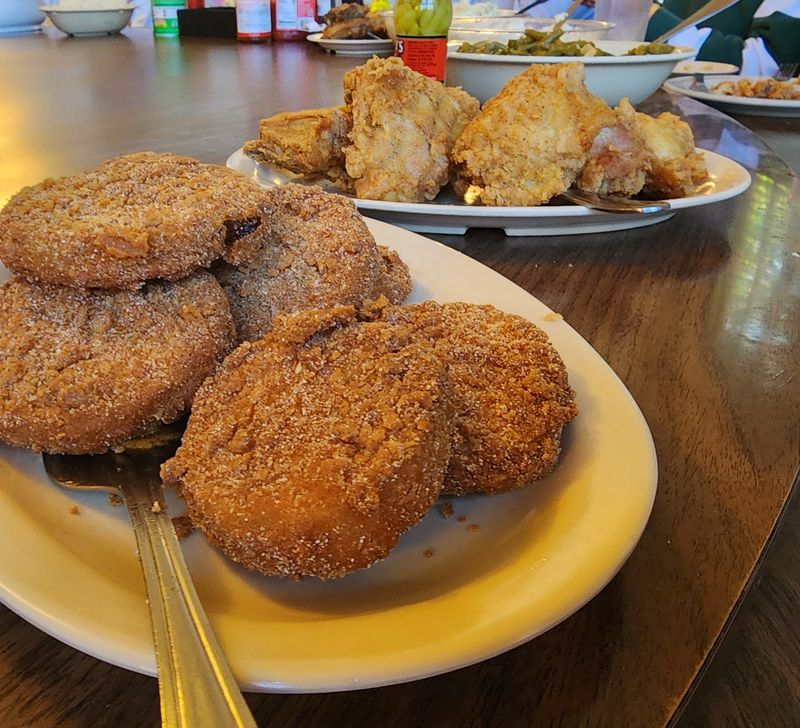
Eggplant rarely gets top billing anywhere. Here it does, and people will tell you it’s worth the drive on its own.
Sliced, breaded, and fried until the outside crackles, it lands on the turntable and disappears fast. Some folks circle back for a second helping before the entrees even make a full rotation.
The rest of the side dish lineup is no slouch either. Sweet potato casserole, black-eyed peas, butter beans, turnip greens, fried okra, and corn on the cob rotate through depending on the season.
Rice and gravy shows up. So do corn sticks, homemade cornbread, and biscuits, all made in-house.
Fresh vegetables change with what’s available, which means summer plates and winter plates look pretty different from each other.
Creamed corn here is actual creamed corn, not the canned stuff. That distinction matters more than it sounds.
Because everything arrives family style, you’re not choosing between sides. You get all of them, which removes the hardest decision at any Southern restaurant.
The trick is pacing. Loading up on eggplant early is tempting, but the platters keep coming, and there’s real strategy involved.
Seasoned visitors take small scoops on the first pass. Rookies fill the plate and regret it by round three.
Steak And Gravy On The Daily Rotation
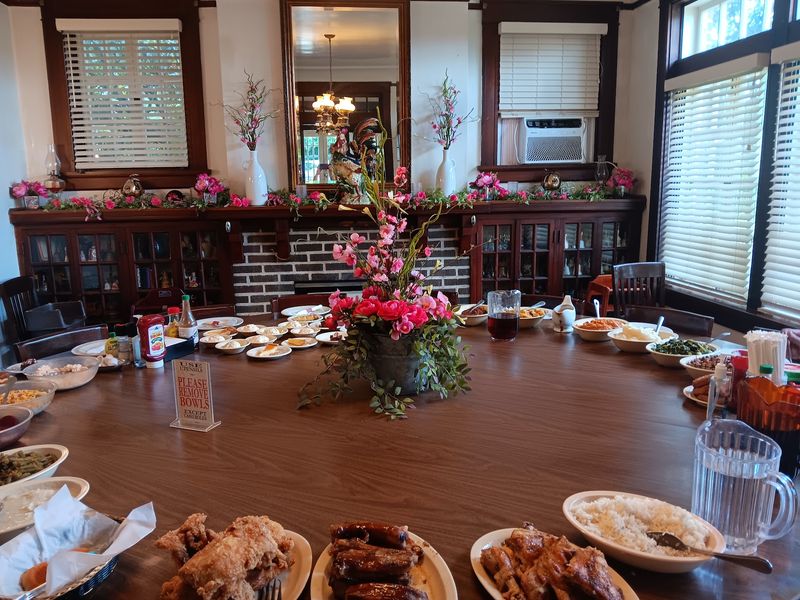
Steak and gravy has a way of showing up on the rotation and quietly stealing the spotlight from the flashier dishes.
Smothered in brown gravy and served on a shared platter, it pairs naturally with the rice and gravy that circles beside it.
Unlike a steakhouse, there’s no ordering by cut or temperature. What the kitchen makes that morning is what lands on the table.
That’s part of the charm. The daily lineup keeps regulars guessing, and the surprise factor is half the fun of walking in.
Roast, pork chops, and smoked sausage rotate through the same slot on other days. Each one gets the same scratch-cooked treatment.
Because the kitchen starts before dawn, slow-cooked dishes actually get the time they need. Gravy that has simmered for hours tastes nothing like gravy rushed in twenty minutes.
Potatoes, rice, and cornbread all make good partners for whatever gravy shows up. Nobody leaves a puddle behind.
Sundays tend to bring extra dishes to the table, so the spread stretches wider than a typical weekday.
For anyone who grew up on Sunday dinner at a grandparent’s house, the whole thing feels familiar in the best way.
Meat, potatoes, gravy. Simple math that still works.
Dessert Arrives Before You Think You Have Room
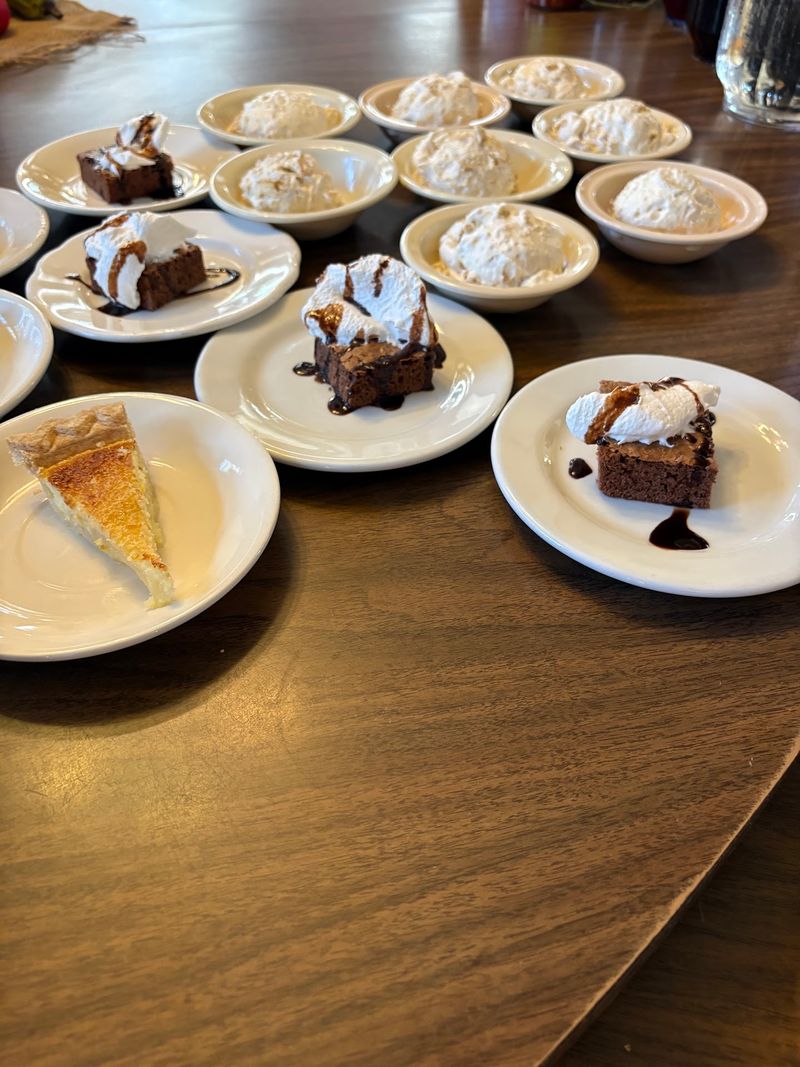
Somewhere between the third platter and the fourth, dessert appears. Timing is questionable.
Nobody complains.
The selection shifts around, but shortcakes, fruit pies, and whipped-cream pound cake turn up often. Banana pudding, brownies, buttermilk pie, and coconut cake are also frequent guests.
Every so often something unusual joins the lineup. Banana breeze pie and pistachio nut cake both make appearances, and neither one is easy to find elsewhere.
Sundays crank the dessert variety up another notch. More options, more spinning, more people pretending they’re only taking a small slice.
Like everything else, the sweets are made in-house. No freezer cases, no boxed mixes.
Sharing a turntable means you get to see what everyone else picked, which usually leads to someone reaching for a second dessert they hadn’t planned on.
Pie crusts here have that slightly uneven, handmade look. Machine-made crusts are too perfect and taste like it.
There’s a decent argument for scouting the dessert options early and pacing your main plate accordingly. Not everyone has that discipline.
Coffee makes a good closer while the table keeps talking.
Dessert isn’t an upsell tacked on at the end. It’s simply part of the meal, arriving on the same wheel as everything else.
Lunch Only Five Days A Week
Here’s the catch. Doors open Wednesday through Sunday, and only from 11 in the morning until 2 in the afternoon.
Monday and Tuesday, the place is dark. Show up then, and you’ll be admiring the brickwork on an empty stomach.
That short window keeps everything focused. Cooks come in early, prepare one enormous spread, serve it hot, and close up.
No dinner service means no reheated leftovers stretched across two shifts. Everything gets made and eaten the same morning.
Crowds build fast, especially on Sundays after church lets out. Arriving on the earlier side of the window is smart if you’d rather not wait.
Waits do move quickly, though, since tables turn over as groups finish and new folks slide into open chairs.
Travelers heading up or down I-55 can time a McComb exit around lunch and make the whole thing work without much detour.
The limited schedule isn’t a drawback. It’s the reason the food stays consistent.
Plan around the clock, and the rest sorts itself out beautifully.
One Stubborn Tradition
It began as a side project. Mr. and Mrs. Jack Corbett started it more than eighty years ago as a hobby business, which is a wonderfully casual origin for something this enduring.
An employee named Grace Whittington bought it later and moved the operation to the 5th Avenue house.
Things got shaky in 1978. Owner David Forrest’s health declined, the restaurant closed, and it sat empty for two long years.
The comeback reads like a movie plot. John and Carolyn Lopinto spotted a newspaper ad listing the building for sale and spent their retirement savings to reopen it.
Their timing was razor thin. The space was days away from becoming a beauty and dress shop instead.
Buddy Davis owns it now, and the family involvement runs deep. His son Andre and daughter-in-law Ashley work in the business, along with their daughters Lorelai and Isabella.
Three generations under one roof, keeping the same recipes and the same spinning tables going.
Restaurants that survive this long usually do it by changing constantly. This one did the opposite and stuck to its guns.
Strangers still share tables. Chicken still gets fried every morning. The wheel still turns. That kind of stubbornness is exactly why people keep driving in from three counties over.