
This Little-Known Tennessee Peace Pagoda Has A Prayer Garden And Stunning Mountain Views
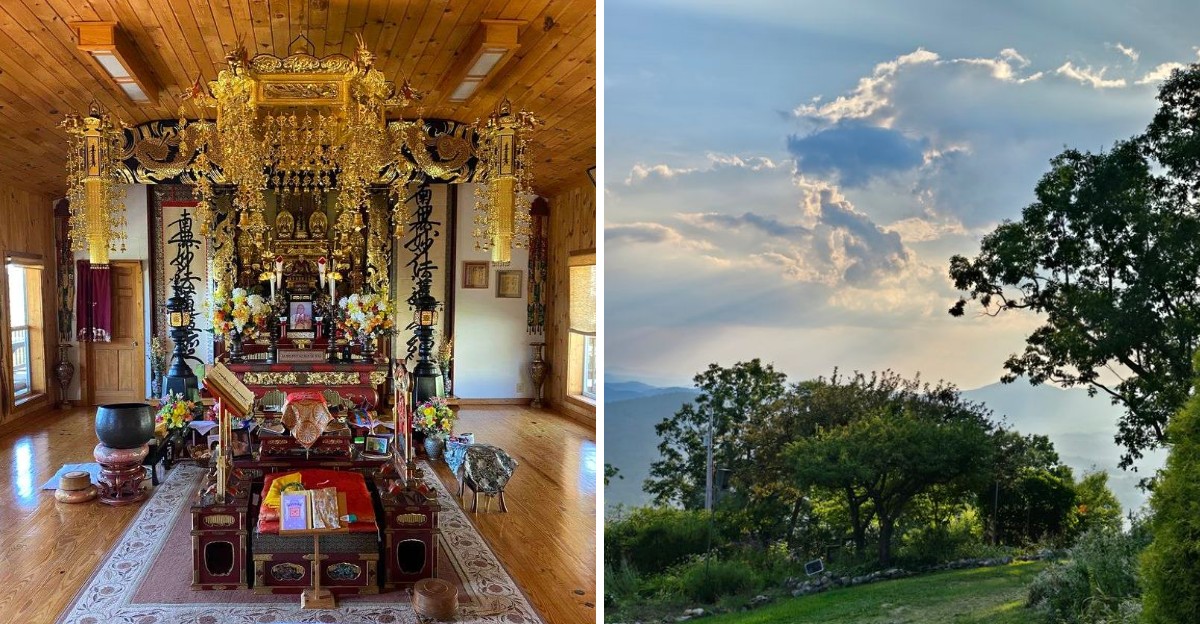
A white pagoda rising above the Tennessee mountains is not something most travelers expect to find on a quiet country road.
The setting feels almost unreal at first. Prayer flags move in the breeze, a peaceful garden surrounds the grounds, and wide mountain views stretch far beyond the property.
The atmosphere is calm without feeling staged, giving visitors space to slow down and take in every detail.
Tennessee is better known for cabins, waterfalls, and Smoky Mountain overlooks, which makes this spiritual retreat stand out even more.
The pagoda was created as a place for prayer and peace, and that purpose still shapes the experience today. Visitors can wander the garden, admire the architecture, and spend a few quiet minutes surrounded by mountain scenery.
It is an unexpected stop with a completely different side of the Smokies waiting at the top.
A White Stupa Rising Above The Appalachian Foothills
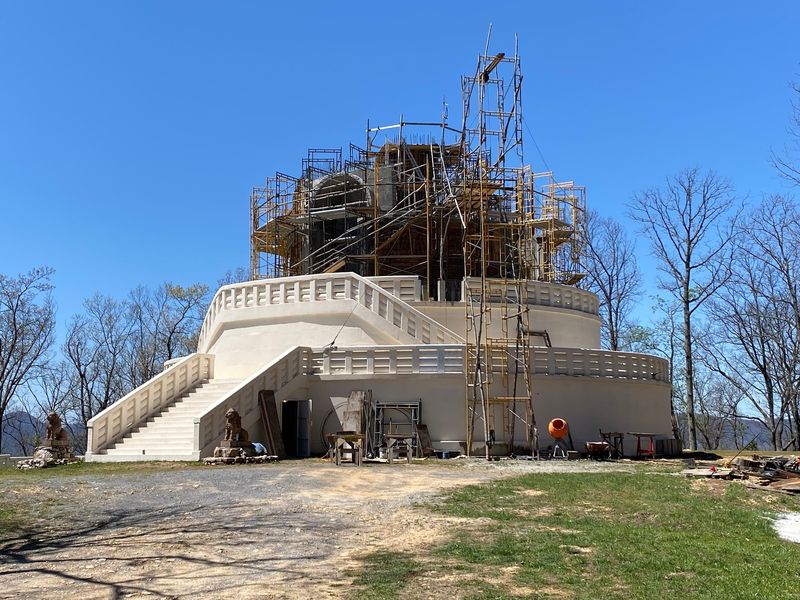
Some monuments are finished before you meet them. Not this one. The Great Smoky Mountains Peace Pagoda is still being built, and that is exactly what makes it fascinating.
A stupa is an ancient form of Buddhist architecture, usually dome shaped and brilliantly white. Inside this one rest relics of Lord Buddha.
Only a handful of Peace Pagodas exist anywhere in the United States.
The construction has been carried out by monks, nuns, and volunteers rather than a hired crew. People of every age have helped, from children to folks in their eighties.
Work parties gather in spring and autumn, and progress continues year round.
Watching a sacred structure take shape by hand is rare in modern life. Most buildings appear behind fences and go up in months.
Here, the timeline is measured in patience.
The site sits in Cocke County, Tennessee, on a hill above quiet farmland. When the stupa is complete, it is expected to be visible from a good distance, a bright marker on the green horizon.
Come expecting scaffolding and tools alongside the beauty. That combination is the whole point. Peace, as the order sees it, is something built rather than something found.
Gardens Made For Slowing Down
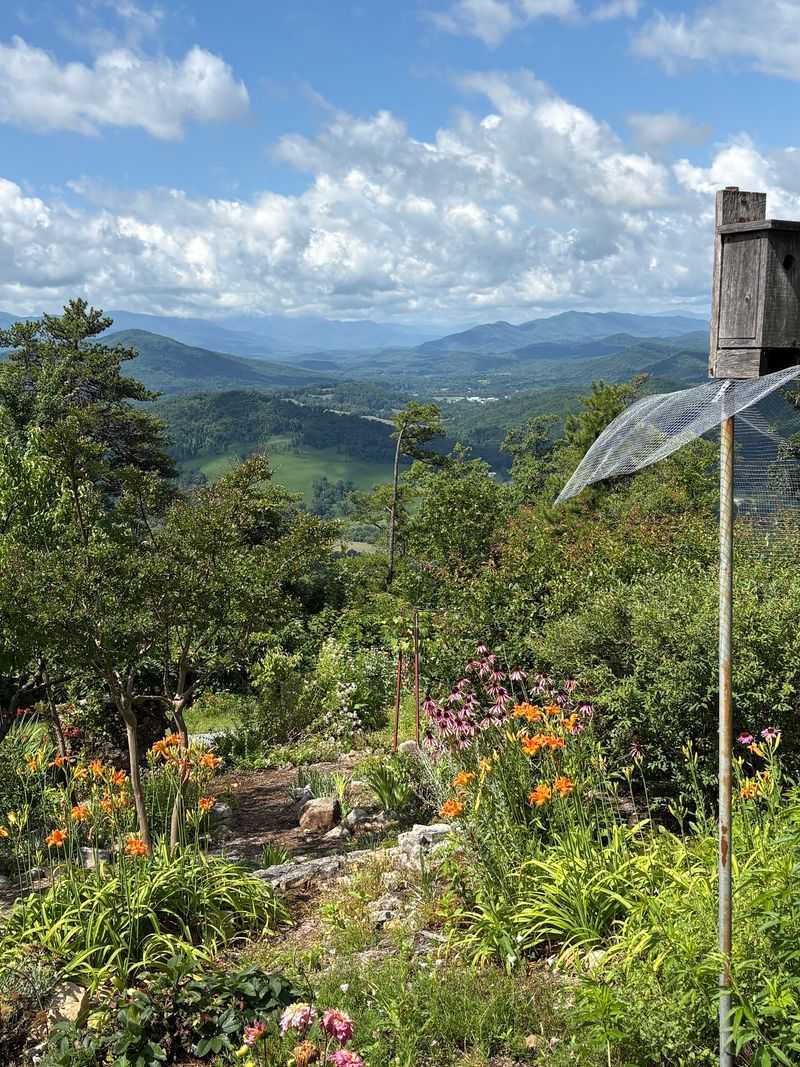
Gardens tell you a lot about the people who keep them. These are trimmed, tended, and clearly loved. Statues sit among plantings that change with the seasons. Paths wander rather than rush.
Small pockets of beauty appear where you least expect them, which encourages you to walk slowly and actually look.
One area is set apart as a Spirit Garden, a place for remembering loved ones. It is a gentle, respectful corner of the grounds, and many people linger there longer than they planned.
There is a walking trail on the property too, easy enough for most people and lined with mountain scenery. Birdsong tends to be the loudest thing you hear.
What makes the landscaping special is that it was not designed to impress anyone. Everything supports quiet reflection. Nothing competes for attention.
Bring a hat in summer, since parts of the grounds sit open to the sun. Sturdy shoes help on gravel. A water bottle is a smart addition.
Photography of the buildings and shrine interiors is best avoided out of respect, and many people choose to put the phone away entirely. The gardens are worth experiencing with your own eyes first.
Views That Stretch Across The Smokies
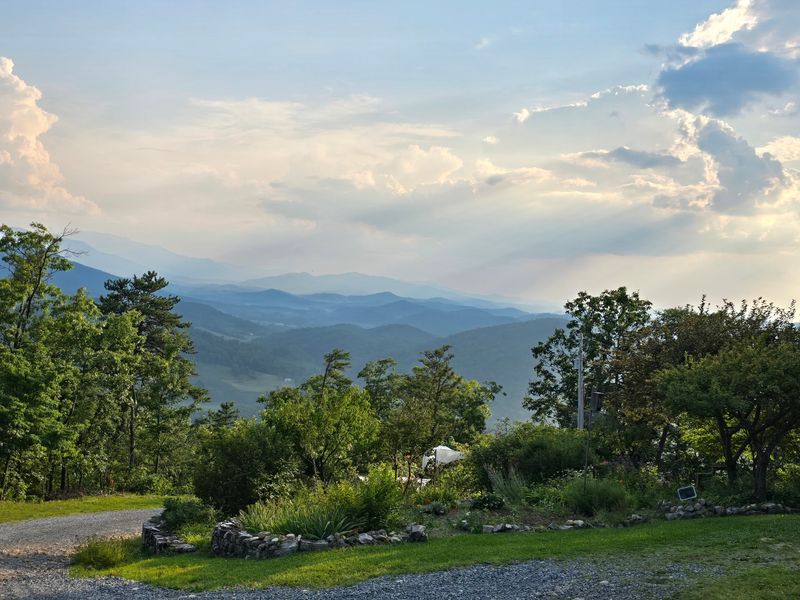
Elevation does the heavy lifting here. The grounds sit high enough that the surrounding peaks and valleys open up in every direction.
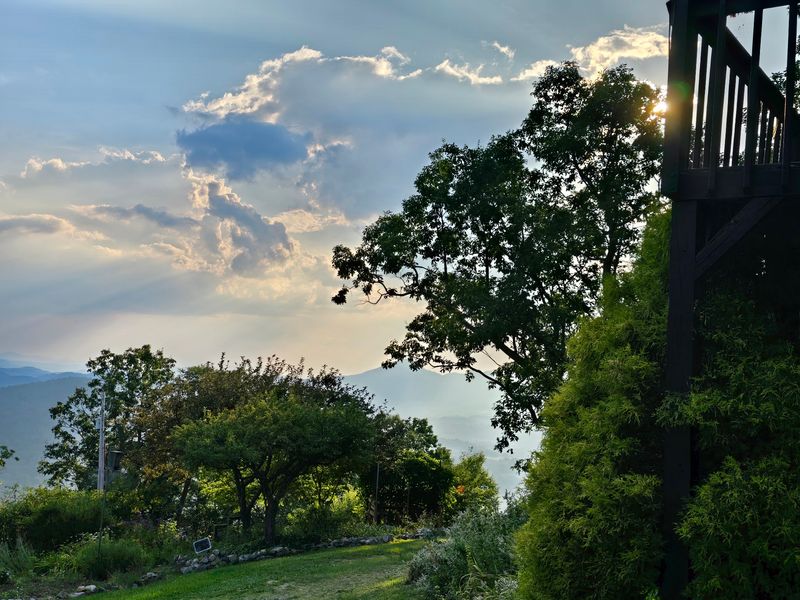
Ridges layer into one another in shades of blue and green. In the morning, mist collects in the hollows below. By late afternoon, the light turns everything gold.
Sunset is a favorite time for many people who make the trip. The site closes at 7 PM, so plan accordingly and check the season before counting on a golden hour.
Tennessee has no shortage of overlooks, but few of them come with a stupa in the foreground. The combination of Japanese Buddhist architecture and Appalachian scenery is genuinely unusual.
Fall color arrives on the surrounding slopes in October and turns the whole scene into something out of a painting. Spring brings a softer palette and flowering trees.
Because the property sits at altitude, weather can shift quickly. A light jacket is wise even on warm days, especially near dusk.
Find a bench, sit down, and give yourself twenty minutes without a schedule. The view rewards patience far more than it rewards a quick photo stop.
The Drum, The Chant, And The Order Behind It All
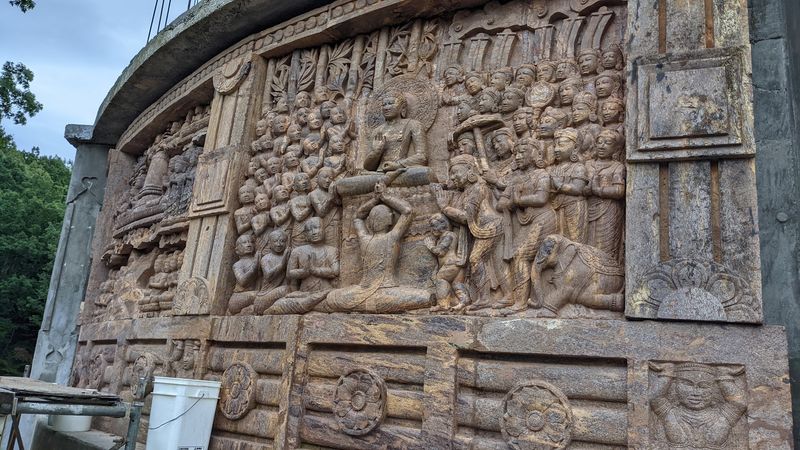
Listen closely in the evening and you may hear a steady drumbeat. That sound is the signature of the Nipponzan Myohoji order.
The chant is Na Mu Myo Ho Ren Ge Kyo, repeated in rhythm with a hand drum. Monks perform evening pujas, and the sound carries across the hillside in a way that settles the nerves.
The order was founded by Nichidatsu Fujii, known to followers as Guruji. After a deep spiritual experience, he devoted his life to spreading a message of non-violence around the world.
He also formed a lasting friendship with Mahatma Gandhi, and that connection shaped the order’s commitment to peaceful action. Peace Pagodas built by Nipponzan Myohoji now stand on several continents.
Understanding that history changes how the Tennessee site feels. It is not a decorative import. It belongs to a global movement with a very specific purpose.
Guests are welcome to observe respectfully. Speaking softly and keeping a comfortable distance is appreciated during prayer.
If you have ever wondered what an active spiritual practice looks like outside of a museum, this is a rare chance to witness one in progress.
How To Actually Get Up That Hill
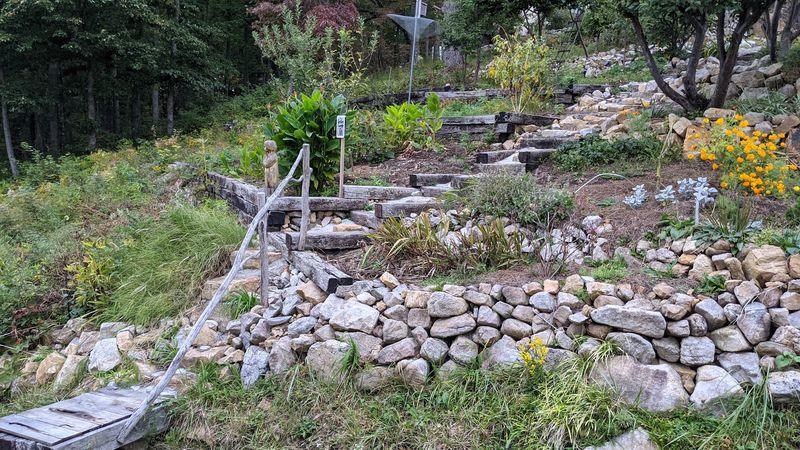
Here is the honest logistics talk. The road up is steep, unpaved, and it switchbacks.
A four-wheel drive or all-wheel drive vehicle is strongly recommended for the final climb. Good brakes and good tires matter just as much as traction, especially on the way back down.
Not driving up? No problem.
Park at the bottom and walk the roughly one-third mile to the top. Walking sticks are often available near the parking area, which is a thoughtful touch.
The walk is a genuine workout, but it is short and shaded in stretches. Many people who could drive choose to hike anyway, since the pace suits the destination.
Anyone unable to make the climb on foot may drive directly to the summit. Take the curves slowly and stay alert for oncoming traffic on narrow sections.
Avoid the drive after heavy rain or ice if your vehicle is not equipped. Gravel gets slick.
Set your navigation for 1878 Peace Pagoda Way, Newport, TN 37821. Once you reach the top, the effort of the climb tends to disappear from memory almost immediately.
Shrines, A Visitor Center, And An Open Door Policy
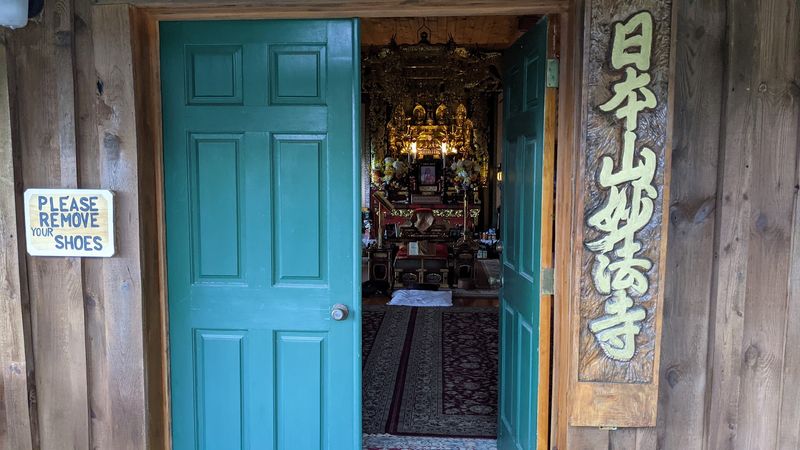
The buildings up top are modest, and that is part of their charm. Nothing is showy.
A visitor center holds displays about the temple’s history and the wider mission of the order. People routinely spend an hour reading and come away wishing they had allowed more time.
The Forest House Shrine offers another space for prayer or quiet sitting. Shoes come off before entering, a simple gesture of respect that costs nothing and means a lot.
The main temple and the shrine are kept open so that anyone can come and pray, even when the resident monks are working elsewhere on the property. Quiet does not mean empty.
There is a monastery and a guest house on site as well, supporting the small resident community and the volunteers who arrive to help.
Hours run 7 AM to 7 PM daily, and there is no admission fee. The site operates on donations and volunteer labor.
Leaving a small offering is welcome but never required. Arriving with genuine respect is the only real expectation, and that is an easy one to meet.
Ceremonies That Gather The Community
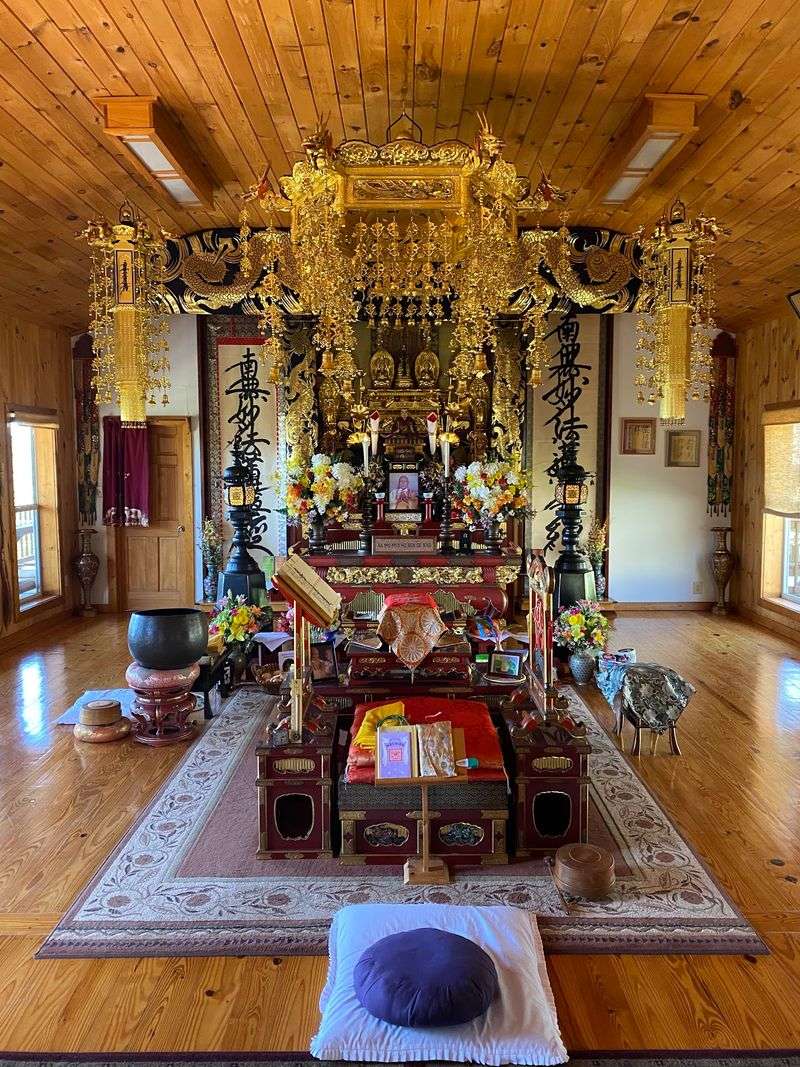
A monument can be beautiful and still feel lifeless. That is not the case on this hillside.
Ceremonies happen throughout the year and bring people together from near and far. The Flower Festival celebrates the birth of Lord Buddha and fills the grounds with color.
An annual Ancestors Ceremony offers a chance to honor those who came before. Both events are rooted in centuries of tradition, yet they feel warm and welcoming rather than formal.
Work parties are their own kind of gathering. Volunteers arrive with old clothes and willing hands, and the stupa inches closer to completion because of them.
Some helpers stay for a day. Others stay for weeks. Several have traveled from other countries to lend a hand.
If you are curious about joining, check the temple website at smokymountainpeacepagoda.org for current schedules before making plans. Dates shift, and it is best to confirm.
Attending a ceremony changes the whole character of the place. Instead of solitude, you find shared purpose, and that is a memorable thing to be part of in the Tennessee mountains.
Why This Corner Of Tennessee Feels Different
Cocke County is better known for river rafting and farm roads than for Buddhist architecture. That contrast is precisely what makes the trip memorable.
Newport sits close to the northern edge of the Great Smoky Mountains, an easy detour if you are heading toward Gatlinburg or coming down from the interstate. Most travelers drive right past without knowing what is on the ridge above them.
The Great Smoky Mountains Peace Pagoda represents a very deliberate idea. Building something enormous and beautiful, slowly and peacefully, as a counterweight to a noisy world.
There are no gift shops, no ticket booths, and no crowds pressing in behind you. What you get instead is space, silence, and time to think.
Plan for at least ninety minutes if you want to see the gardens, the shrine, and the visitor displays without rushing. Two hours is better.
Dress modestly, keep voices low, and treat the grounds as the sacred space they are meant to be.
Few places in Tennessee combine mountain scenery with this kind of purpose. Go once, and the memory of that drumbeat tends to stay with you.