
This Peaceful Northern Wisconsin Lake Area Is Perfect For A Quiet Fall Kayaking Trip
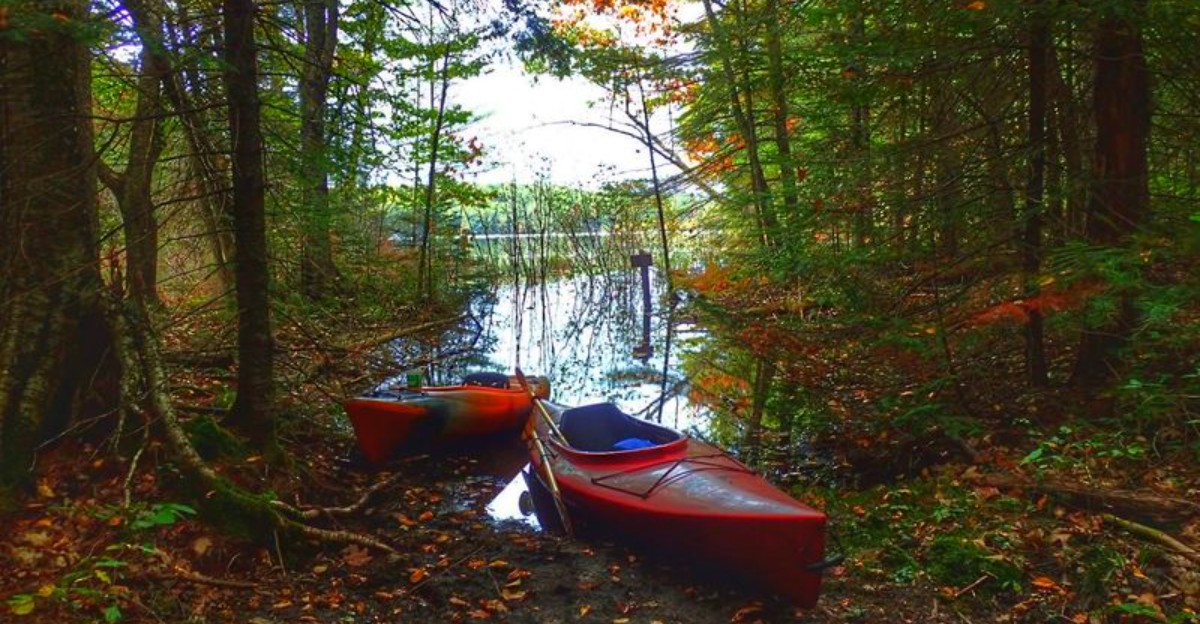
Silence hits differently when it stretches across an entire lake. No engines cutting through the morning, no crowded shoreline, just a paddle breaking the surface and trees glowing with fall color.
Northern Wisconsin still has places where autumn can feel wonderfully unhurried. The water settles down, the air turns crisp, and even the smallest sound seems to carry farther than expected.
These undeveloped waters make it easier to slow down. Fewer distractions, quieter shorelines, and long stretches of open water give the whole trip a calmer rhythm.
Launch early and the surface may be smooth enough to mirror every fiery leaf overhead. Stay longer and the colors shift as the light changes. Nothing here needs to be rushed. Paddle slowly, explore another bend, then stop for a minute and listen.
If you are craving a quieter fall adventure, this little chain of lakes makes slowing down feel like the whole point.
Fall Colors Turn The Water Into A Mirror
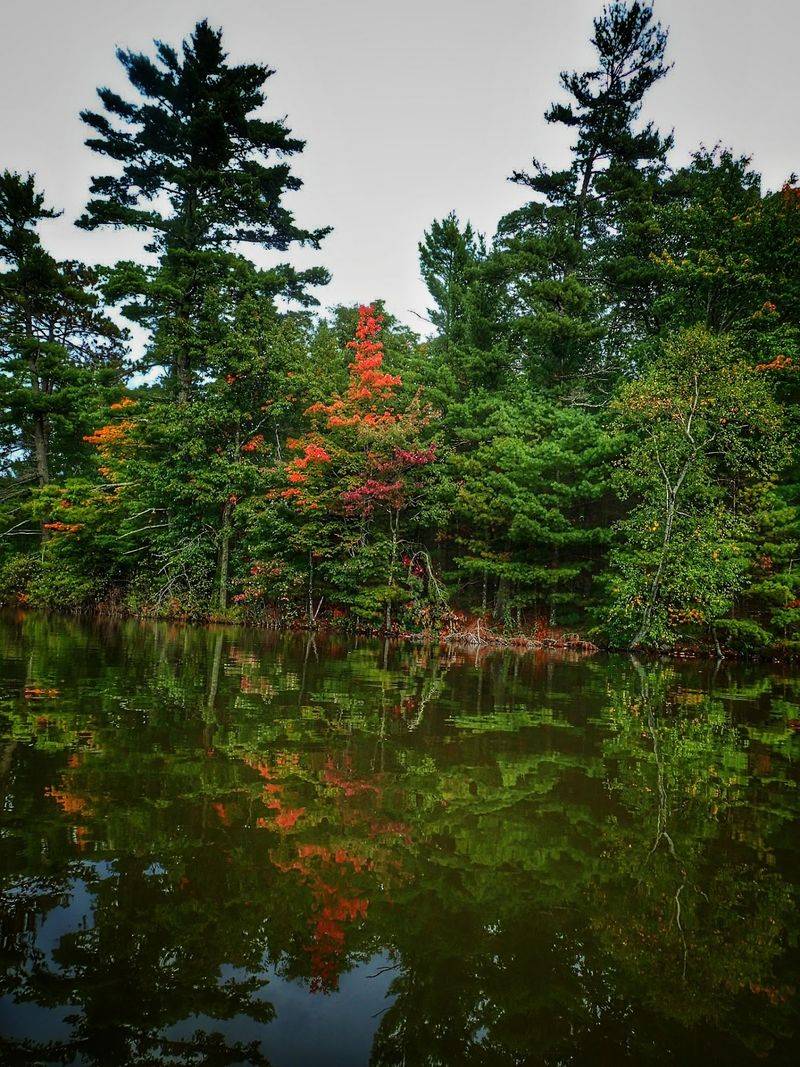
Sugar maples, birches, and red oaks crowd the shoreline here, and by the first week of October their color doubles on the surface of the water. You paddle through the reflection instead of only looking at it.
Bittersweet Lake sits low and sheltered, so mornings often bring long stretches of glassy calm. Calm water means sharper reflections, and it also means less work for your arms.
Peak color in this corner of Wisconsin usually arrives between late September and the middle of October, though the timing shifts a little each year. You should check the state fall color report before you load the boat on the car.
Dark hemlock and white pine grow in between the hardwoods, which keeps the shoreline from turning one flat shade of orange. That contrast looks especially good when the sun is still low.
Tamaracks along the boggy edges hold their gold longer than the maples do. After the hardwoods drop their leaves, those soft yellow needles keep the show going another week or two.
Pack a dry bag for your phone or camera. You will want both hands free when you stop paddling just to look around, and nobody regrets that bit of extra gear.
A Chain Of Wild Lakes With No Cottages In Sight
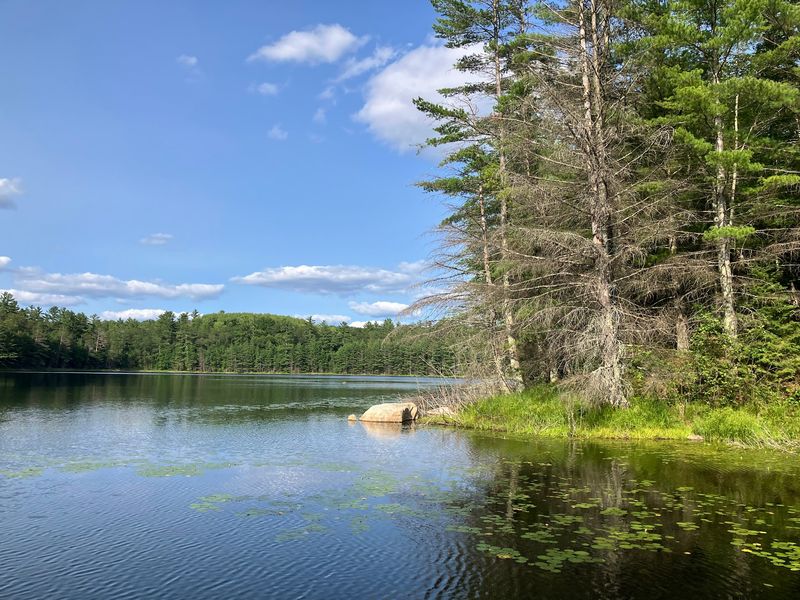
Most northern lakes come with a ring of homes, piers, and pontoon boats. Bittersweet Lakes State Natural Area skips all of that.
The area protects four undeveloped lakes: Bittersweet, Prong, Smith, and Oberlin, connected by short overland portage trails. Paddling from one basin to the next feels like turning pages in a book.
Because the land belongs to the Northern Highland-American Legion State Forest, the shoreline stays undeveloped. You look out and see trees, sedge meadow, and sky, with almost nothing built in view.
The lakes are separated by short overland portages, so a lightweight kayak makes moving from one lake to the next much easier. Water levels fluctuate slightly from year to year, so every trip can look a little different. Part of the fun is finding out what the route looks like today.
Give yourself several hours if you want to see more than one lake. Rushing through a place like this misses the entire point of coming.
Loons, Eagles, And Other Neighbors Along The Shore
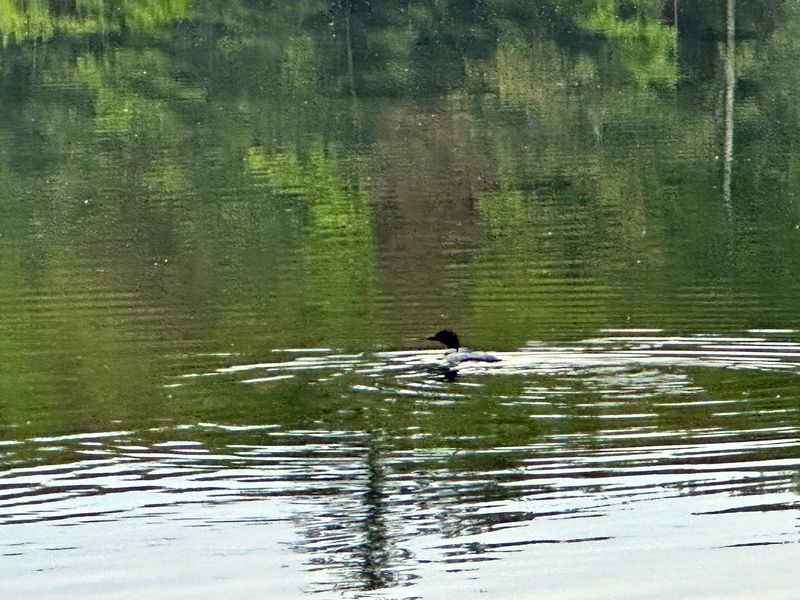
Quiet water carries sound, and that works both ways. Sit still for five minutes and you start hearing things you would never notice from a motorboat.
Loons often linger on these lakes into fall before heading south, and their calls travel a long way over cool morning air. Bald eagles use the tall dead pines along the shore as lookout posts.
Otters, beavers, and muskrats work the shallow edges, and you will spot lodges and slides if you look closely at the banks. Whitetail deer come down to drink early and late in the day.
Fall also brings migrating ducks and geese resting on open water. Sandhill cranes rattle from the marshy corners, and kingfishers dart ahead of your bow like they are showing you the way.
Bittersweet Lake and its neighbors sit in bear and wolf country too, though sightings from a boat are rare. Tracks in soft mud are the more likely souvenir.
Keep your distance, paddle slowly past wildlife, and skip the urge to get closer for a photo. Animals relax when you act boring, and that is when the good moments happen.
How To Reach The Water Without Getting Turned Around
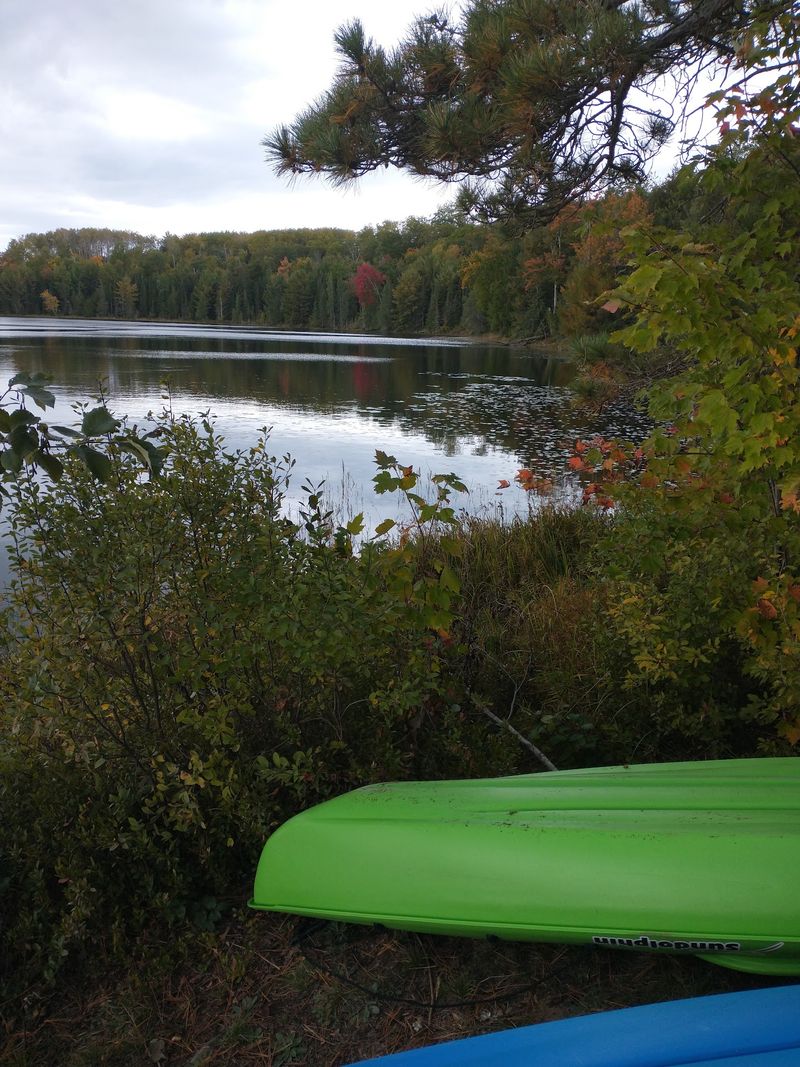
Getting here takes a little more effort than pulling into a paved boat landing, and that effort is exactly why the lakes stay calm.
Pull up the Wisconsin DNR directions for Bittersweet Lakes State Natural Area before you leave town, then save the route for offline use. Cell service gets thin on the forest roads in Vilas County, so a downloaded map or a paper state forest map saves you trouble.
Access is carry-in only, so a lightweight kayak or a simple boat cart can make reaching the water much easier. Two people carrying a boat beats one person wrestling it, so bring a friend if you can. Load light and make one trip instead of three.
The access road is rough and low-maintenance, and the DNR recommends a high-clearance vehicle with all-wheel or four-wheel drive. Drive slowly, watch for logging trucks, and leave gates and turnarounds clear.
There are no restrooms, no water spigots, and no trash cans at the access. Handle those needs in Woodruff or Minocqua on the way in.
Dressing Right For Cold Water And Cool Air
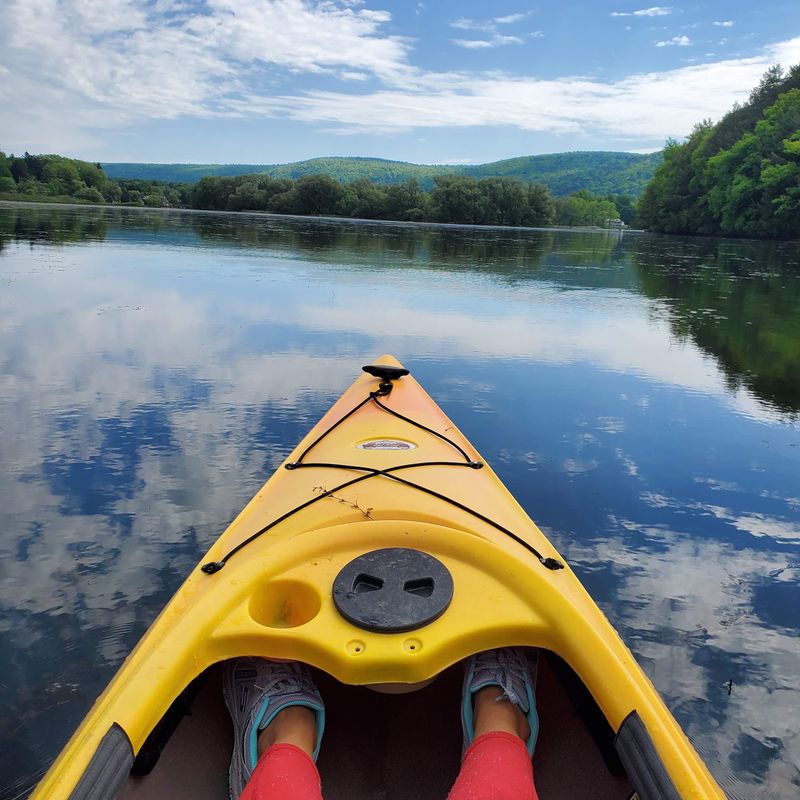
Autumn air can feel mild while the water underneath stays genuinely cold, and that gap is what catches people off guard. Dress for the swim, not the sunshine.
Wool or synthetic layers hold warmth even when damp, so leave the cotton hoodie at home. A wool hat, thin gloves, and a windproof outer layer make an enormous difference once a breeze picks up.
Wear your life jacket the whole time. Cold water steals strength fast, and a jacket you are already wearing is the only one that helps.
Pack spare clothes in a dry bag and keep them in the boat, not in the car. A thermos of coffee, tea, or soup turns a chilly lunch stop into the best part of the day.
Bittersweet Lake and its channels are shallow in places, so shoes you can get wet beat sandals or bare feet. Old sneakers or neoprene booties work fine.
Toss in a whistle, a headlamp, and a small first aid kit. Tell someone your plan and when you expect to be back, since this stretch of Wisconsin forest is genuinely remote.
Timing Your Launch For The Stillest Possible Morning
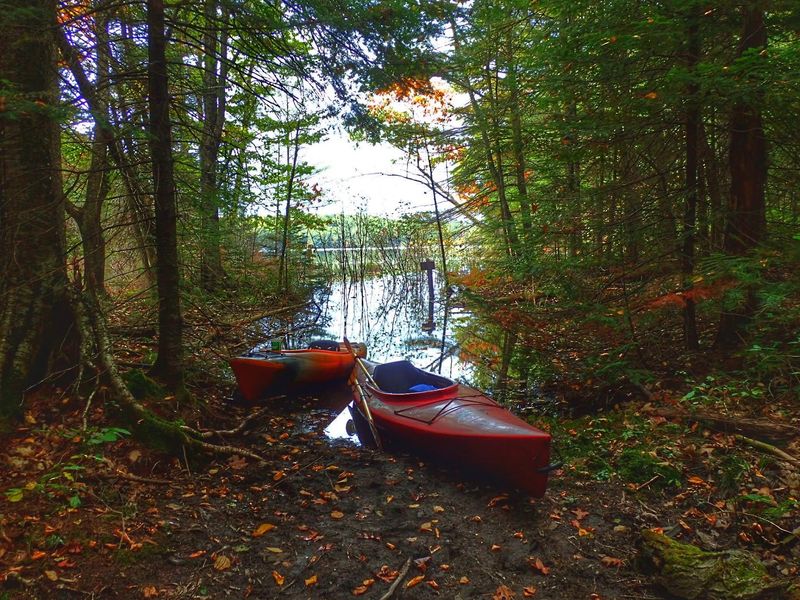
Wind is the one thing that can change this trip from peaceful to tiring, and wind follows a pretty predictable daily pattern in fall. Early morning usually brings the flattest water. Sunrise fog hangs over the surface, the reflections look painted on, and you often have the whole basin to yourself.
By early afternoon a breeze commonly builds and pushes small waves across the open stretches. Nothing dangerous, but you will feel it in your shoulders on the paddle back.
Daylight shrinks quickly through October in northern Wisconsin, so plan to be off the water well before dusk. Sunset can arrive before six o’clock by late in the month, and forest roads get dark in a hurry.
Weekdays are quieter than weekends everywhere, and Bittersweet Lakes State Natural Area is quiet even on a Saturday. Mid week in October may mean you never see another boat.
Check the forecast for both wind speed and direction. Paddling into the wind on the way out means an easier ride home, which is always the smarter way to plan a loop.
Stretch Your Legs On Nearby Forest Trails
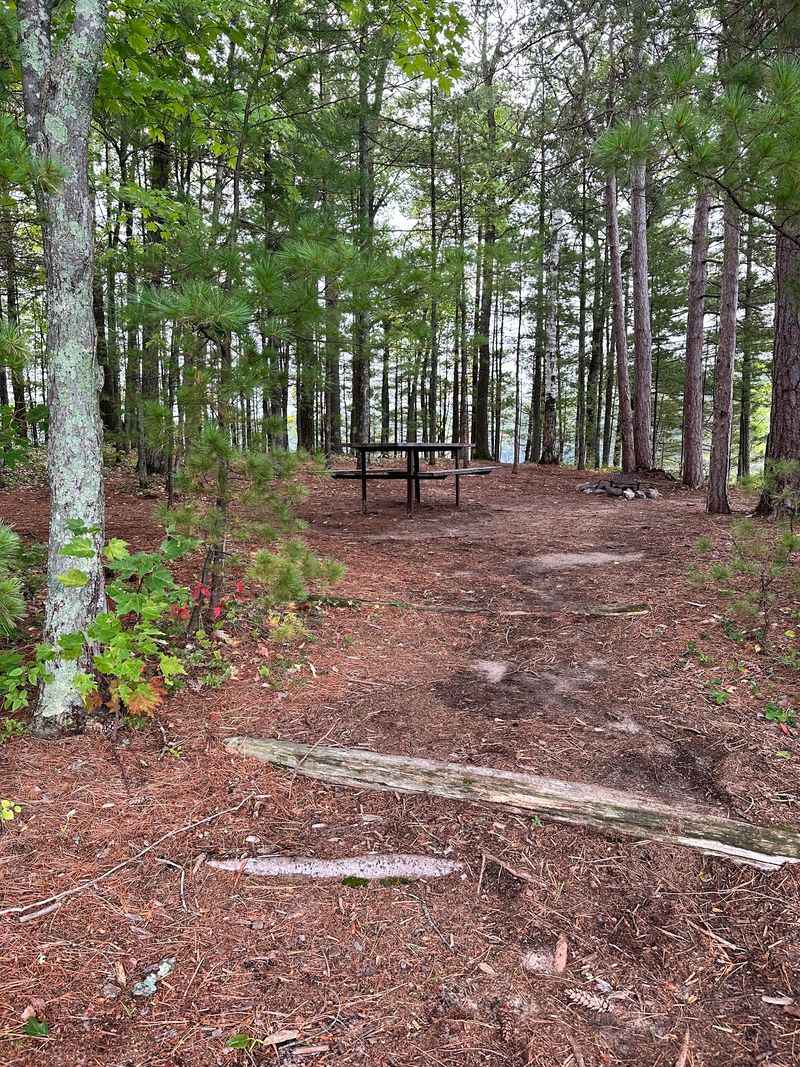
Paddling and hiking pair well, especially when your legs go stiff after a couple hours in a boat. The surrounding state forest gives you plenty of ways to fix that.
Northern Highland-American Legion State Forest has designated hiking trails, plus hundreds of miles of logging and forest roads that offer even more ways to explore on foot. Fall means firm ground, few bugs, and long views through bare branches.
Trails near Woodruff and Minocqua range from short interpretive loops to longer routes through pine plantations and bog edges. You can knock out a two mile leg stretcher or turn the afternoon into a real hike.
Bring blaze orange during fall hunting seasons and check current dates before you go. Hunters share these woods, and being visible is simple courtesy on both sides.
Footing near the lakes can be spongy where sphagnum moss and leatherleaf grow, so stay on established paths. Wet feet in October are no fun. Pack a lunch and eat it on a high spot overlooking one of the basins. A sandwich tastes better with that kind of view in front of you.
Leave It As Quiet As You Found It
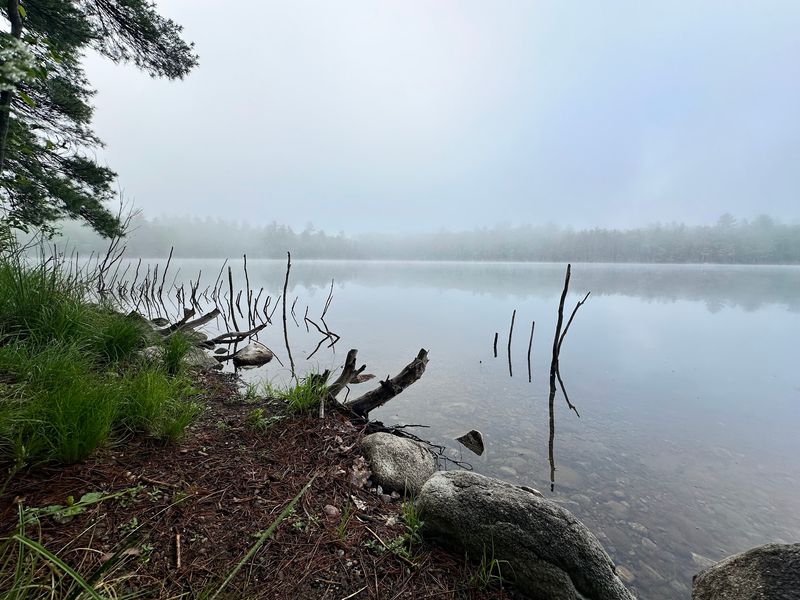
Places like this stay special because visitors treat them gently. Nothing about that requires special skill, only attention.
Carry out every wrapper, apple core, and scrap of tape you brought in. Rinse your kayak, paddle, and gear before and after the trip so you are not moving invasive plants or spiny water fleas between waters.
Keep voices low, skip the speaker, and let the loons and wind fill the space. Sound travels far here, and the quiet is half the reason you came.
Camping is allowed only at designated sites, so check current Wisconsin DNR rules and reservations before planning an overnight. Regulations for natural areas differ from regular campgrounds.
Bittersweet Lakes State Natural Area rewards people who slow down. A single fall morning of gliding past flaming maples, watching an eagle shift on its branch, and hearing absolutely nothing man made will reset something in you.
Load the boat, drive the gravel road, walk the short trail, and push off into a Wisconsin autumn that most travelers never see. You will be planning next year’s trip before you reach the parking area again.