
Builders Raised This Tennessee Tabernacle For Revival Crowds, And Audiences Still Fill Its Wooden Pews
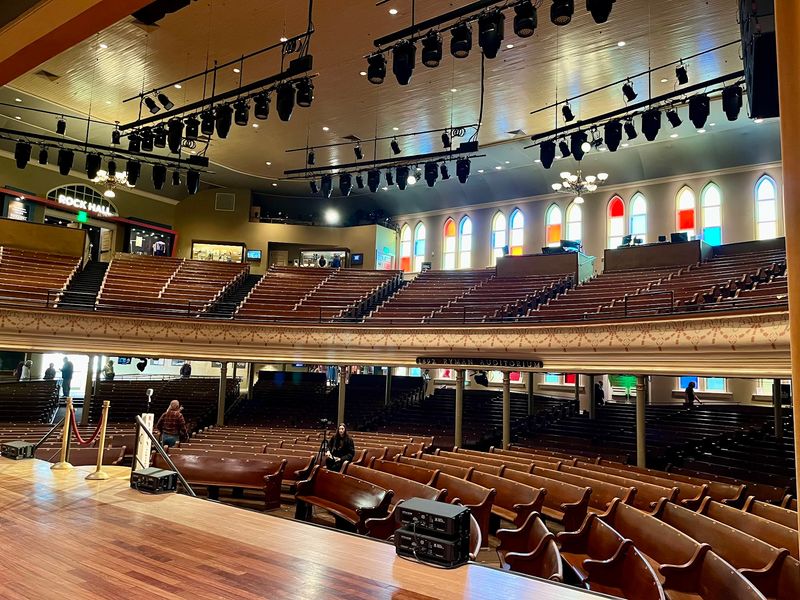
Some Tennessee buildings tell you exactly what they were before they became famous. Walk into this one and the first thing you notice is the seating: long wooden benches, curved in rows, the kind you would slide into on a Sunday morning.
It went up for gospel gatherings and preaching, and somehow ended up hosting the biggest names in American music instead. More than a century later, people still pack those same benches, shoulder to shoulder, waiting for the lights to drop.
A Downtown Nashville Landmark With Church Bones
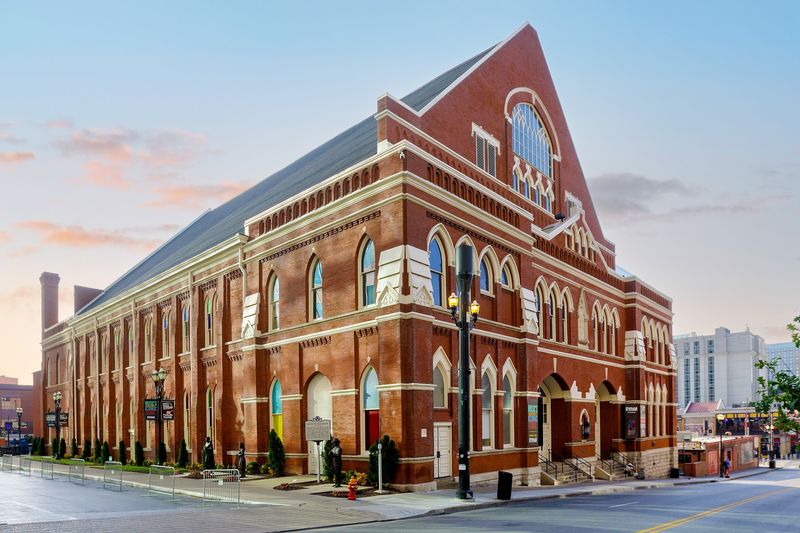
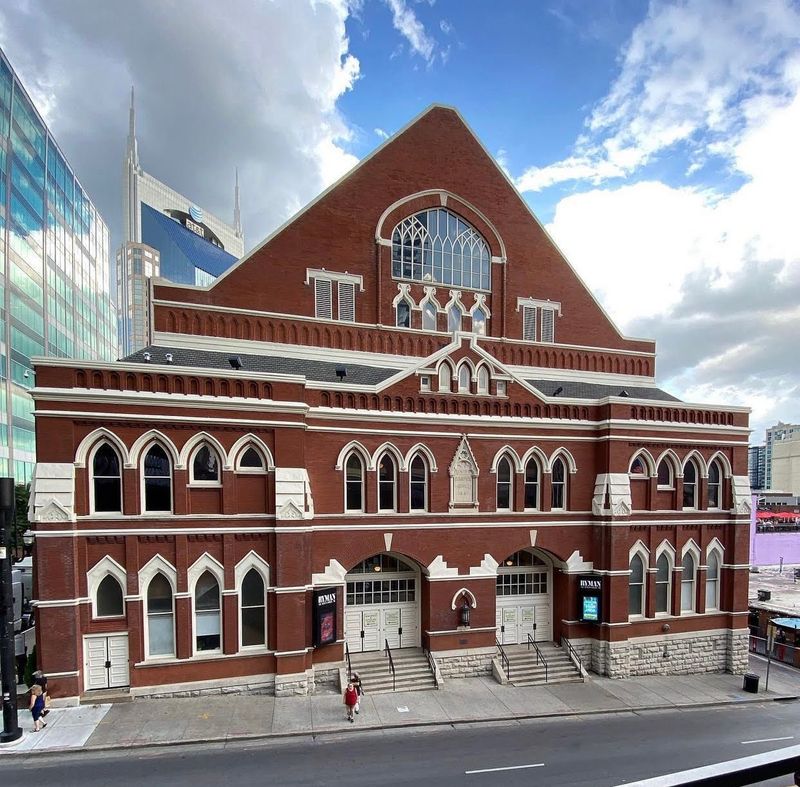
Sitting at 116 Rep. John Lewis Way N in downtown Nashville, the Ryman Auditorium looks less like a concert hall and more like a big brick country church that got very lucky.
Tall arched windows, a steep gable, and a plain, sturdy face on the street.
Officially it is a live music venue, and Google Maps lists it that way. Unofficially, most people know it by its nickname, the Mother Church of Country Music, earned during the decades it served as home to the Grand Ole Opry.
What makes it unusual among Tennessee attractions is that it works two ways. By day it runs tours, opening at 9 AM most mornings.
By night the doors swing back open for concerts across nearly every genre you can name.
For families in Nashville, it is a walkable stop from Broadway. For folks driving in from Knoxville or Chattanooga, it sits close enough to parking garages and other downtown museums that you can build a full day around it without moving your car twice.
Hours can shift with the concert calendar, so a quick check before you drive is smart.
Built For Gospel Crowds, Not Guitars
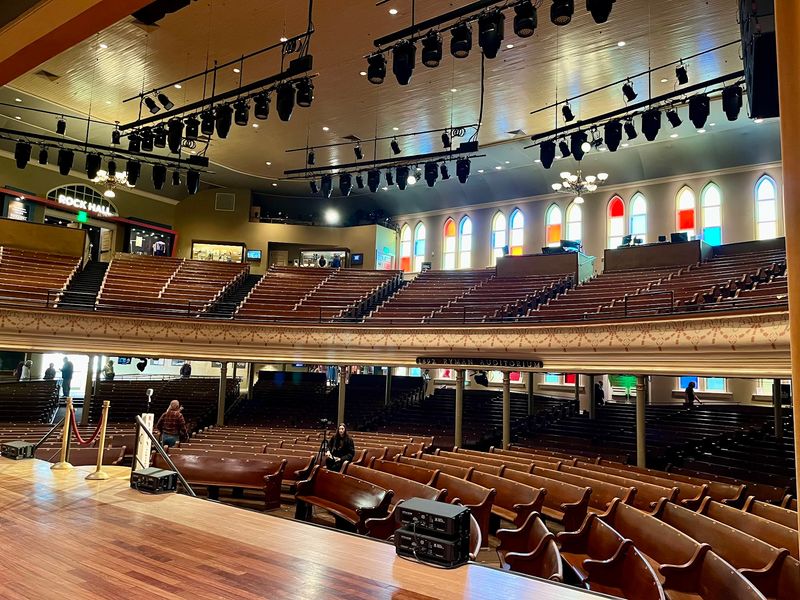
Here is the part that surprises first-time visitors: the building was raised as a tabernacle, a big open hall meant to hold enormous crowds gathered for preaching and gospel singing. The pews were not a design flourish.
They were the whole point.
Revival meetings in the late 1800s drew more people than any Nashville church could hold, so the answer was a purpose-built hall with a sloped floor, a wide balcony, and bench seating packed as tight as the space allowed.
Music arrived later, and it arrived because the room happened to sound extraordinary. What worked for a preacher’s voice carrying to the back row turned out to work just as well for a fiddle, a steel guitar, or a single singer with no amplification at all.
The introductory film that opens the tour walks through that transformation, and visitors often mention it as the moment the building clicks into place for them. You go in expecting country music history and come out understanding a church story instead.
Both things are true at once, which is exactly why the nickname stuck so hard.
The Wooden Pews Everybody Talks About
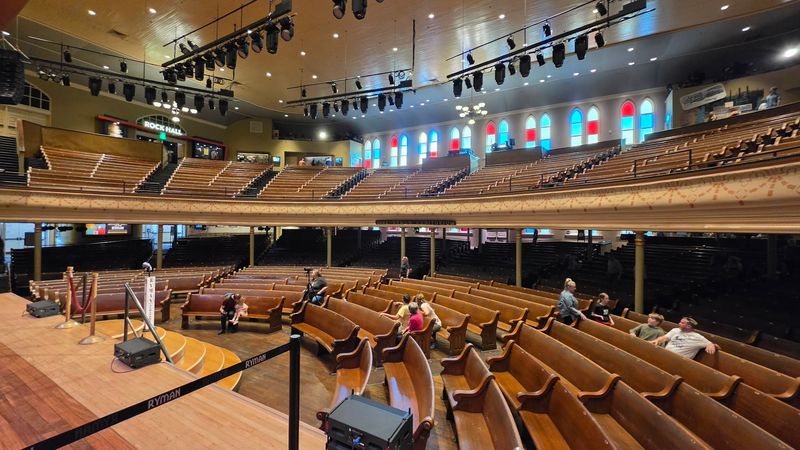
Church pews get mentioned in visitor comments more than a hundred times, and the tone is always the same mix of affection and honesty. They are original, they are hard, and they are close together.
Regulars point out the practical realities without much complaint. If one person in your row stands up, the whole row stands up.
Taller guests say their knees brush the bench in front. Average-sized adults report rubbing shoulders with neighbors on both sides.
Nobody seems to want them changed. Several visitors say outright that the seating is part of the historic character and should stay exactly as it is, even while admitting it is snug during a sold-out show.
A useful tip that surfaces repeatedly: front-row balcony seats offer the most legroom in the house. If you are tall, traveling with a larger frame, or simply want a little breathing space, that is where to aim your ticket money.
Bring a cushion if you sit easier with one. Two hours on 130-year-old oak is a different experience from a padded theater chair, and knowing that going in helps.
Acoustics That Made A Preaching Hall Legendary
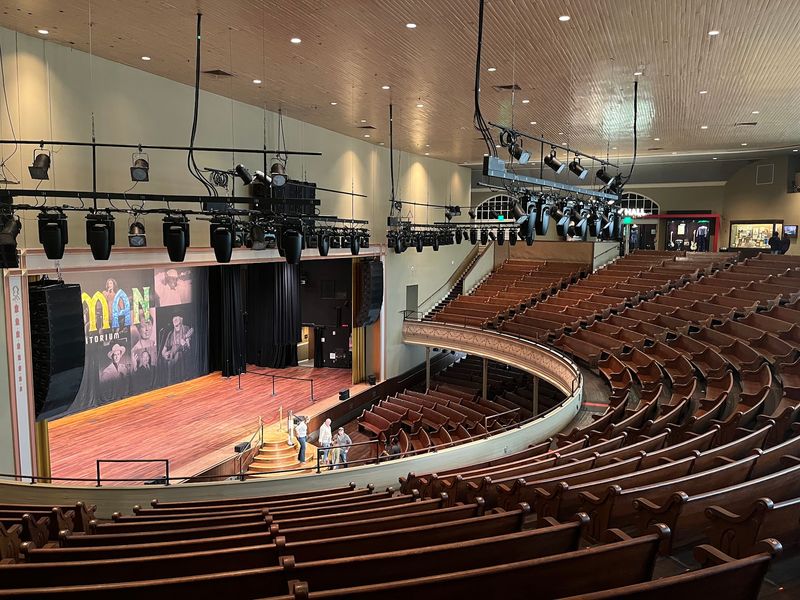
Six hundred and twenty-two separate visitor comments mention the acoustics. That is a remarkable number for any building, and it explains why performers keep coming back to a room with no cup holders and no cushions.
Sound behaves differently here. The curved seating bowl, the wood, and the shallow depth from stage to back wall combine into something engineers have spent decades trying to reproduce elsewhere.
People describe hearing detail they would miss in a modern arena.
Guests who have seen shows in both this room and larger Nashville venues tend to say the same thing: the sound is the reason they choose the older building. Even audience noise carries, which means a quiet ballad genuinely gets quiet.
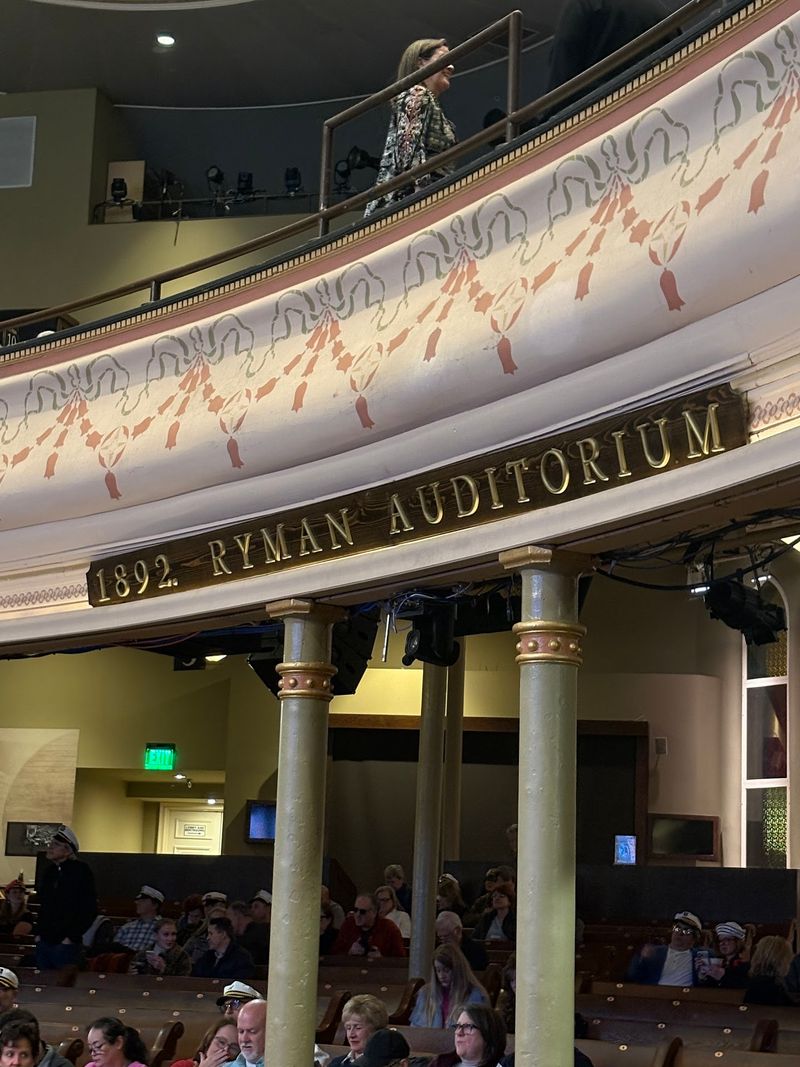
One thing to know before buying tickets. Support poles hold up the balcony, and a handful of seats sit behind them or under the overhang, where sightlines suffer.
Obstructed-view seats are sold at reduced prices, and a few visitors wished they had understood that before clicking purchase.
Read the seat map carefully. The sound reaches everywhere, but the view does not.
The Self-Guided Tour And Its Opening Film
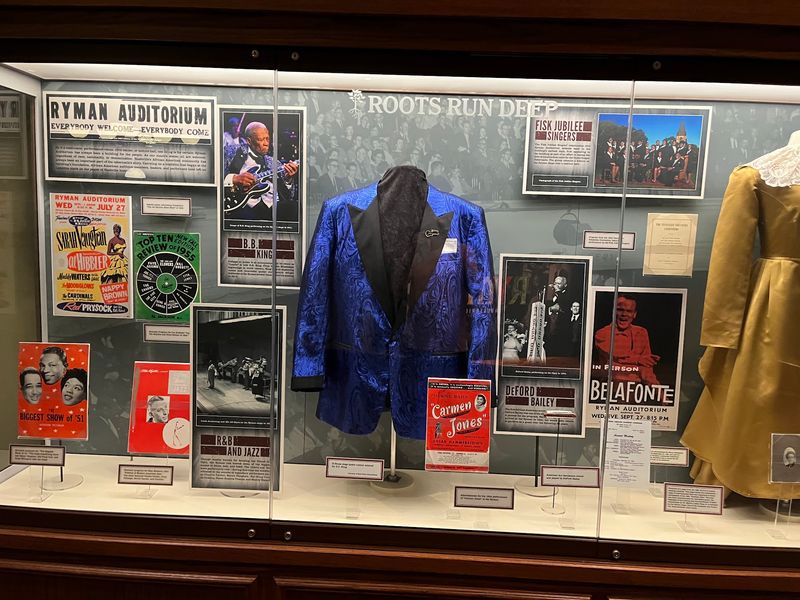
Daytime visits start in a screening room with a short immersive film covering how the building came to be. Guests consistently flag it as the strongest part of the experience, setting up everything they see afterward.
From there the tour runs at your own pace through exhibit rooms lined with memorabilia. Expect stage outfits, photographs, instruments, and a few genuine surprises.
One visitor was startled to find items connected to Jim Henson and Harry Houdini tucked among the country music displays.
Pace is relaxed rather than overwhelming. Several guests who had also visited the Country Music Hall of Fame described this tour as easier to absorb, with less reading and more looking.
Most people spend around an hour. A parent traveling with a teenager reported that spotting outfits worn by Dolly Parton, Kelsea Ballerini, and Taylor Swift kept the whole group engaged, which is not always a given with music history museums.
A guided upgrade adds a staff-led portion with backstage access, and roughly 85 visitor comments reference the backstage experience specifically. Some who took the self-guided route said they would return for the guided version.
Standing On The Stage For A Photo That Costs Nothing Extra
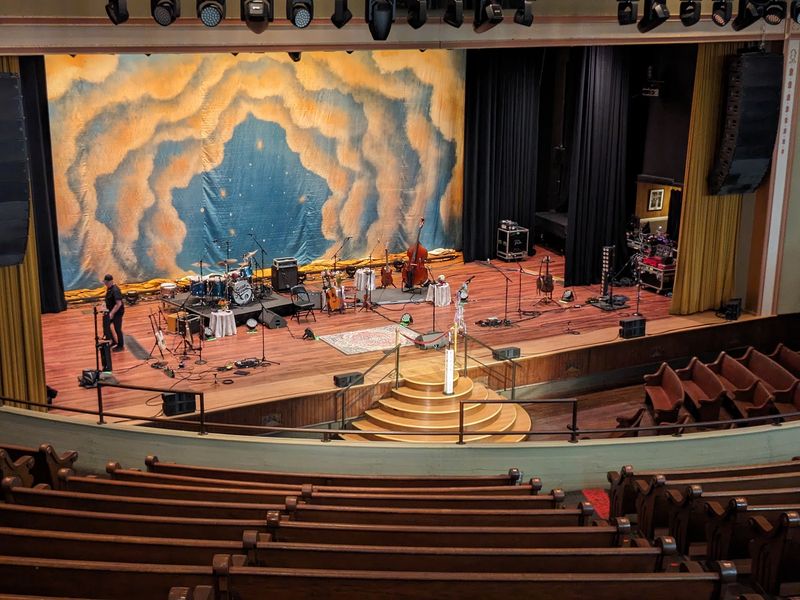
Wondering what the best-value moment of the whole visit is? It happens up a short flight of stairs, on the stage itself, in front of the empty pews.
Tour admission includes a photograph taken on that stage, and visitors bring it up again and again as a genuine bonus. Multiple guests noted that comparable attractions charge thirty dollars or more for a souvenir photo, and being handed one at no extra cost changed how they felt about the ticket price.
Groups get accommodated too. One visitor reported being allowed both a group shot and an individual one, with no upselling afterward.
There is also a photo circle near the stairs where you can take your own pictures and email them to yourself, which is handy if your phone storage is already full of Broadway neon.
For Tennessee families counting dollars, that included photo is the kind of small thing that adds up. A kid standing where the Opry broadcast for decades, on the same boards, with the balcony rising behind them, is a keepsake that costs you nothing beyond the admission you already paid.
Concert Nights In The Mother Church
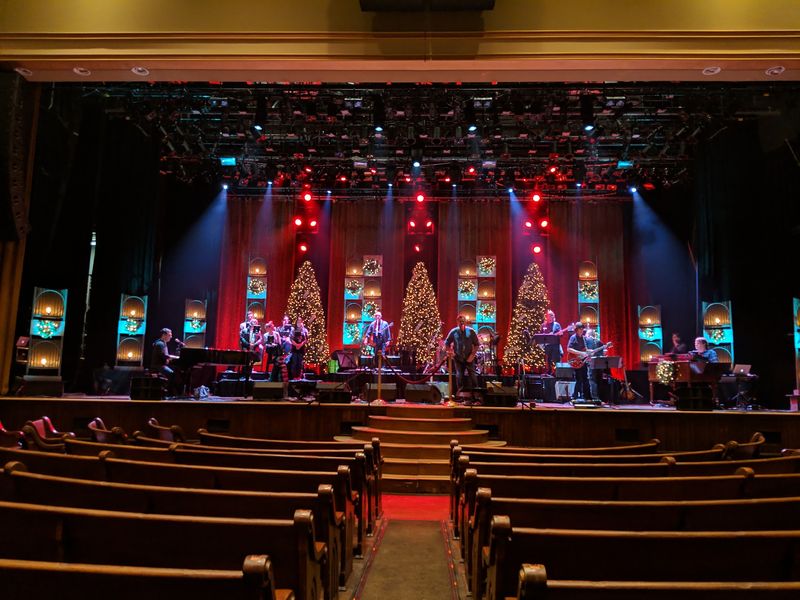
Roughly 265 visitor comments describe the place as a concert venue, and the lineup runs far wider than the country label suggests. Recent shows mentioned by guests include tribute concerts, Christmas performances, rock anniversary tours, and singer-songwriters just breaking through.
Capacity keeps things intimate. Even from the balcony, the stage feels close, and audience members frequently describe the sensation of being in the room with the performer rather than watching from a distance.
Staff earn steady praise for the way they run a show night. Guests mention friendly ushers, quick help finding seats, and concession lines that move faster than expected at a venue this size.
Accessibility gets specific attention in visitor accounts. One guest using a wheelchair described being moved to the ADA line while waiting outside, escorted to a seat, checked on during the performance, and helped back out to a waiting car afterward.
Pairing a daytime tour with a concert the same evening comes up as a favorite strategy. Several visitors said seeing the empty room first made the packed room that night land completely differently.
Where To Sit, And Where Not To
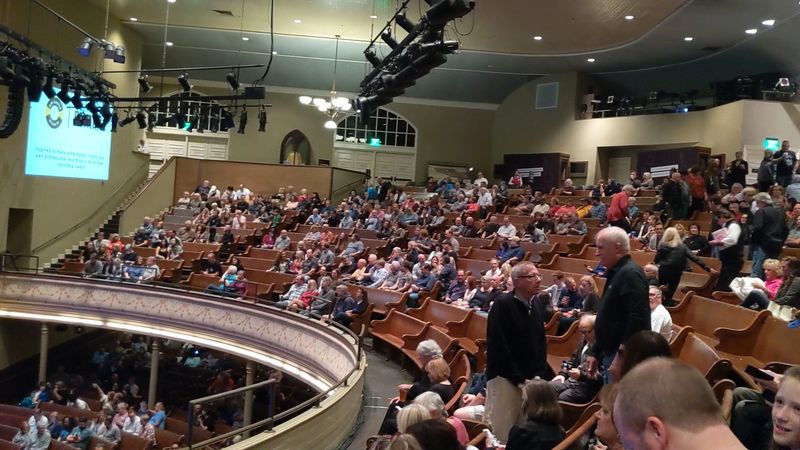
Seat selection matters more here than at a modern venue, and experienced guests are refreshingly blunt about it.
Front-row balcony draws the most recommendations. Best legroom, clean sightlines, and a straight view into the stage.
Balcony seating shows up in around 143 visitor comments, most of them positive.
The main floor toward the back gets a few cautions. Visitors report that visibility drops off there, since the room lacks the giant video screens found at larger Tennessee venues.
Sitting directly under the balcony overhang also comes with the risk of drips from above.
Far left and far right in the upper level can cut off part of the stage, and the support poles obscure a handful of views. Those tickets sell at a discount, which is fair, but check the seat map so the discount is a choice rather than a surprise.
Front and center on the main floor gets glowing reports from those who splurged. One guest brought her 82-year-old mother to a front-row show and called it the highlight of the trip.
Plenty of regulars insist there is not a bad seat, with those small caveats attached.
Hours, Timing And Getting There From Across Tennessee
Tour hours run 9 AM to 4 PM Monday through Saturday, with Sunday closing earlier at 2:15 PM. That Sunday cutoff catches people out, so plan accordingly if you are driving in for a weekend outing.
Drive times from Tennessee’s metros are manageable. Knoxville sits roughly three hours east, Chattanooga about two hours southeast, and Memphis around three hours west.
From anywhere in Middle Tennessee it is an easy morning.
Downtown Nashville parking is the real cost variable. Garages sit within a few blocks, and walking from a single garage lets you fold in Broadway, the riverfront, and other nearby attractions without moving the vehicle.
Arriving right at 9 AM tends to mean thinner crowds inside the exhibit rooms. Later mornings and early afternoons fill up, especially in peak travel months.
Budget about an hour for the self-guided tour, longer if you take the guided option or linger in the sizable gift shop.
Hours and admission tiers can change seasonally, and concert schedules occasionally shorten tour access, so confirming before you commit a Saturday is the sensible move.
Who Gets The Most Out Of A Visit
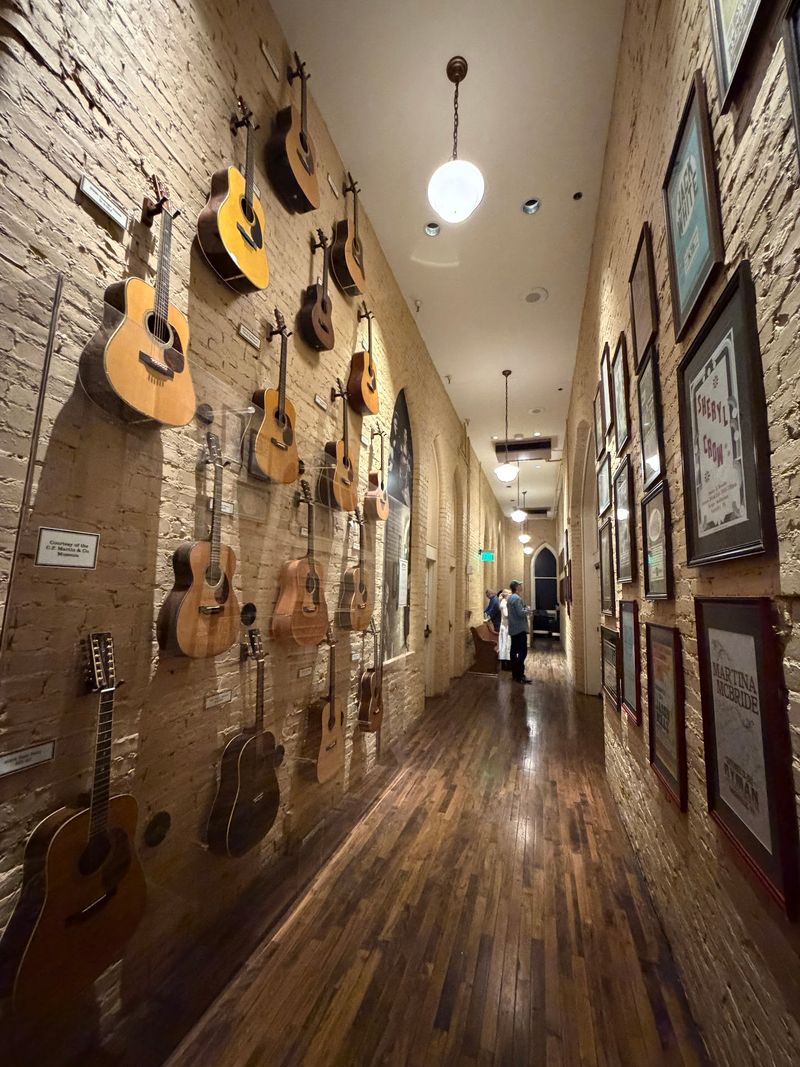
Music-obsessed teenagers do surprisingly well here. A parent described her daughter staying engaged the entire way through, hunting for costumes belonging to artists she follows, which is not the usual outcome for a history tour.
Retirees and multigenerational groups fit the daytime experience nicely. The route is indoor, climate-controlled, self-paced, and short enough that nobody gets worn out.
Guests do warn that the opening film room runs cold, so a light layer helps.
Anybody who plays or records music tends to leave the most affected. Standing in a room where generations of performers worked, then hearing how it sounds, hits differently when you understand acoustics.
Comfort-first travelers should go in clear-eyed. Several guests who compared this venue with the modern Grand Ole Opry House found the newer building easier on the body, with padded seats and video screens.
The trade is atmosphere, and most decide the atmosphere wins.
Families watching a budget get real value from the included stage photo and the hour-long format. Combined with free downtown sights within walking distance, a visit here anchors a Nashville day without stretching the wallet thin.
The Verdict On Nashville’s Oldest Music Room
Twenty-one thousand visitor comments averaging 4.8 stars tell you the room delivers, but the numbers matter less than the reason behind them.
What lands with people is the collision of two identities in one building. A tabernacle raised for revival crowds, still holding those crowds, just gathered now for a different kind of singing.
The pews never changed, and neither did the acoustics that made both purposes work.
Realistic expectations help. Seating is tight, a few sightlines are compromised, and the benches will remind you they are 130 years old.
None of that seems to dent the enthusiasm of people who keep returning, some for their third or fourth show.
The smartest plan, judging by repeat visitors, is a morning tour followed by a concert that same night. You learn the story in the daylight, then watch it continue after dark from a bench in the same room.
For Tennessee families and retirees within a few hours’ drive, it makes a satisfying anchor to a downtown day. Check the calendar, pick your seat with care, and let the building do the rest.