
This Undeveloped Massachusetts Island Has Ten Campsites Only Accessible By Kayak, Canoe Or Boat
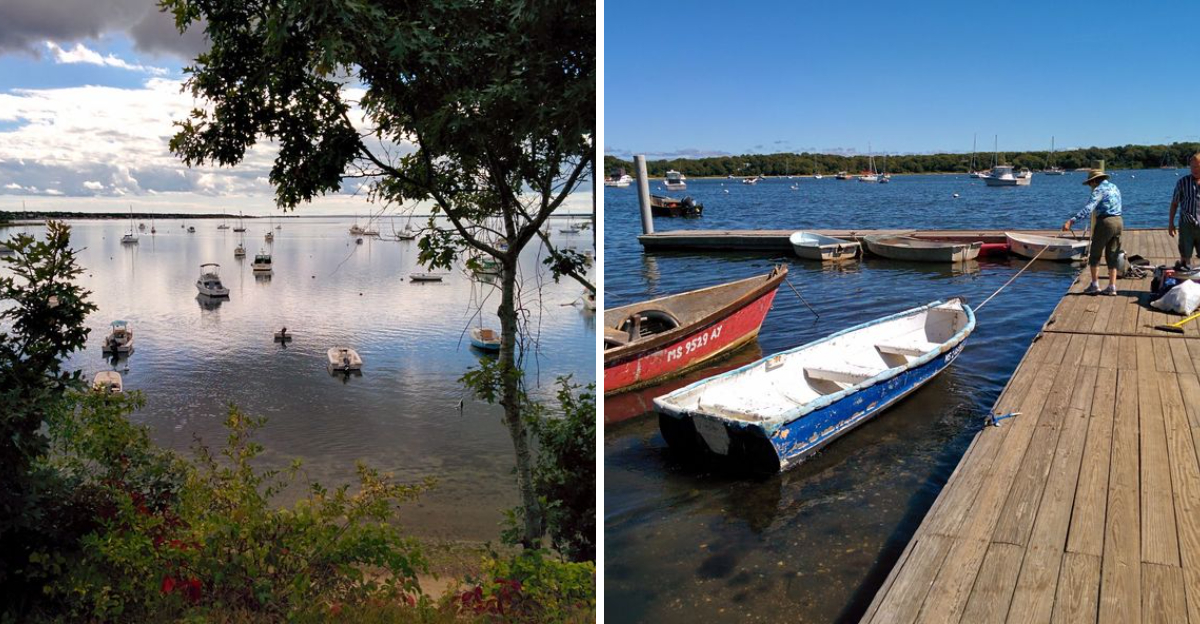
Most campgrounds make arrival easy. This Massachusetts island makes you earn it.
There is no road leading to the ten campsites here. Reaching them means loading your gear into a kayak, canoe, or boat and crossing the water first. That small challenge changes the whole feel of the trip.
Once ashore, the reward is simple. Wooded trails, salt marshes, beaches, and open water surround a primitive camping area that feels far more remote than you might expect on Cape Cod.
The island is undeveloped, so the experience stays focused on the basics. You bring what you need, carry it in, and settle into a place where the scenery does most of the work.
For anyone tired of crowded campgrounds and easy drive up sites, this is the kind of overnight trip that makes getting there part of the memory.
Washburn Island, The 330-Acre Escape Without A Single Road In
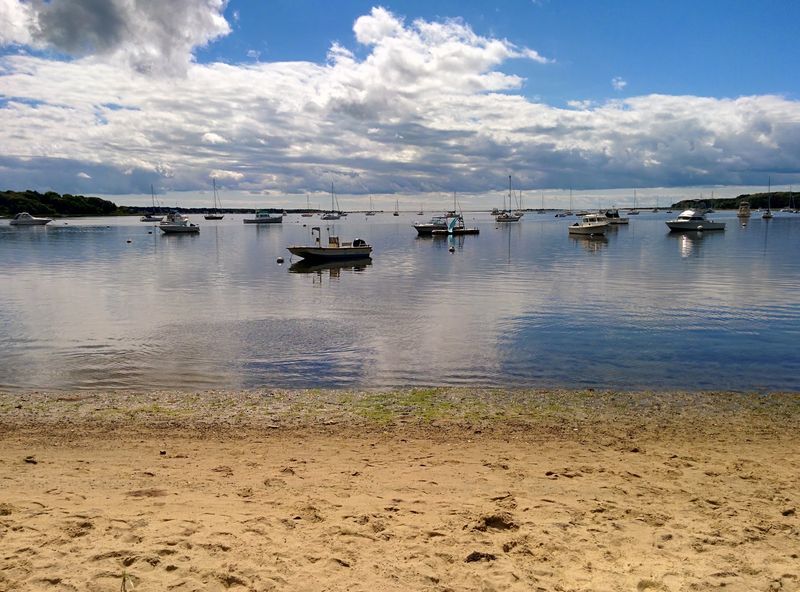
No bridge, no ferry terminal, no parking lot. Washburn Island sits in Waquoit Bay off East Falmouth, and the only way across is by water.
The island covers 330 acres, which makes it one of the last large undeveloped coastal properties anywhere on Cape Cod. Barrier beaches, oak and pine woods, salt marsh, dunes and small ponds all share the same patch of sand.
It belongs to the Waquoit Bay National Estuarine Research Reserve, a protected area of roughly 2,800 to 3,000 acres. Management is shared between NOAA and the Massachusetts Department of Conservation and Recreation.
The Seapit River and Eel Pond form its borders. Coastal storms have joined the island to the mainland and split it apart again over the years, though today it stands fully surrounded by water.
Ten primitive campsites are spread across the island, deliberately spaced so nobody feels crowded. Nine are family sites, and one larger group site handles bigger crews.
What makes the place unusual is what it lacks. There are no cottages, no snack stands, no paved paths and no traffic noise drifting through the trees.
For paddlers on Cape Cod, that emptiness is the whole point. You arrive under your own power and the island rewards the effort immediately.
Ten Primitive Campsites, Nine For Families And One For A Crowd
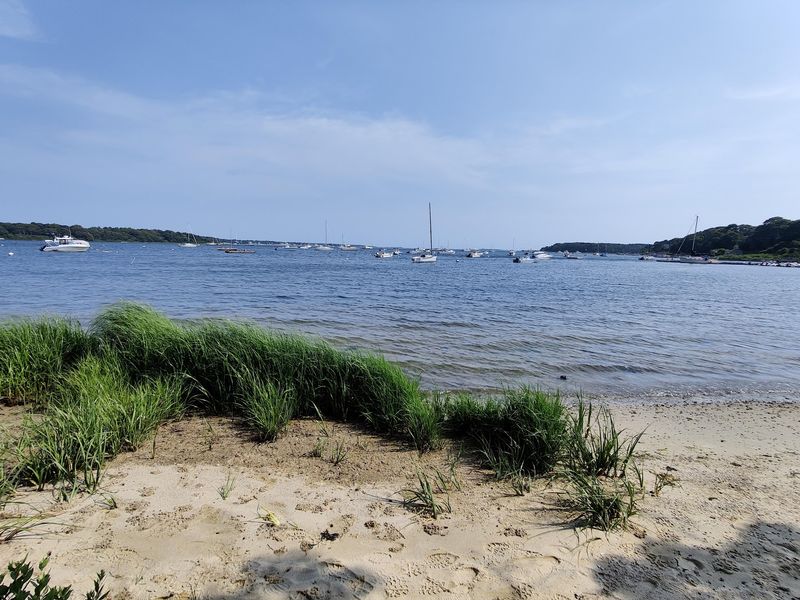
Ten sites, zero hookups. That simple math sets the tone for camping on Washburn Island.
Nine of them are family sites. Each holds up to four adults, or two adults with children, which suits a small group with a couple of tents and a pile of paddling gear.
The tenth is the group site, and it stretches to 25 people. Scout troops, extended families and paddling clubs tend to claim it early in the season.
Camping runs from May through October. Reservations cover stays Thursday through Sunday, so the island gets quiet stretches midweek.
Every campsite comes with a fire pit topped by a grill, which means real cooking over real flames. Firewood is sold on the island itself.
Three composting toilets serve the whole place. During summer months, island managers are usually stationed on Washburn Island to help campers sort out questions.
Camping is permitted only on the authorized sites, and that rule keeps the rest of the island untouched. Sleeping wherever looks pretty is not part of the deal.
Check-in starts at 1:00 PM and check-out lands at 11:00 AM. Plan your paddle around those windows, since tides and wind do not care about your schedule.
Paddling Across Waquoit Bay Is Shorter Than You Think
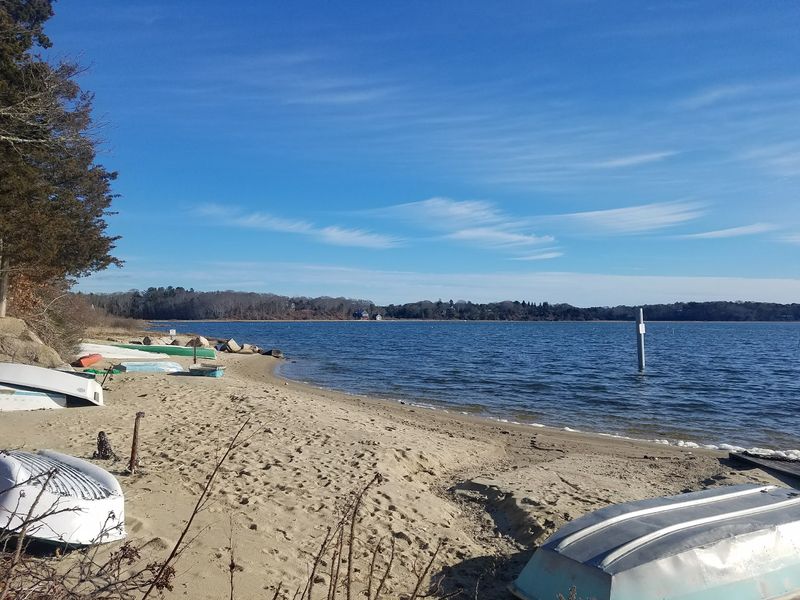
Here is the good news for nervous paddlers. The crossing from the mainland to Washburn Island is short, which makes kayaks and canoes a realistic way to haul your gear.
Private boats work too. Anything that floats and carries a cooler will do the job, as long as you can land it and carry your equipment up the beach.
Packing takes planning. Every tent pole, sleeping bag and gallon of water has to fit in your hull, so dry bags become your best friends.
Waquoit Bay is shallow and generally calm, though wind can build across open water in the afternoon. Morning paddles are usually the smoother choice.
Plan two trips across if your group is large. Shuttling gear beats overloading a canoe and watching a sleeping bag float away.
The mainland base for the whole reserve is at 131 Waquoit Hwy, East Falmouth, MA 02536, where the headquarters building sits above the bay. Staff there know the water and the weather well.
During summer, the reserve also offers interpretive walks on Saturday mornings, with ferry rides available by reservation for those guided tours.
For anyone curious about the island but not ready to camp, that guided option is a fine introduction.
Booking Ahead Through ReserveAmerica Is Non-Negotiable
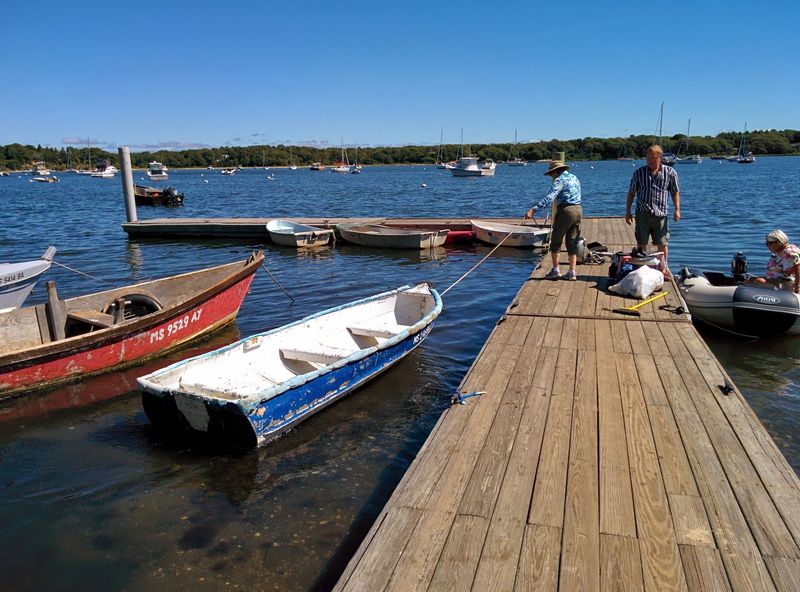
Show up hoping for a spot and you will paddle home disappointed. Every stay on Washburn Island requires an advance reservation.
Bookings go through ReserveAmerica.com. The reserve headquarters does not handle campsite reservations, so calling the office will not secure you a site.
Reservations must be made at least 24 hours before arrival. Same-day bookings are not allowed, which rules out spontaneous overnight plans.
You can reserve up to six months ahead. Popular summer weekends move fast, so early planners have a clear advantage.
The minimum stay is one night and the maximum is two weeks. Between Memorial Day and Labor Day, there is also a cumulative 14-day occupancy limit in any single park.
Fees are refreshingly modest. Massachusetts residents pay $8 per night, while non-residents pay $20 per night, plus a transaction fee for each reservation.
Compare that to a summer hotel rate on Cape Cod and the numbers look almost unbelievable. You are paying less than lunch money for an island night.
Write down your confirmation details before you leave home. Once you push off from shore, checking email becomes a much harder task.
A little paperwork up front buys you a very simple weekend.
What To Pack When There Is No Faucet Anywhere
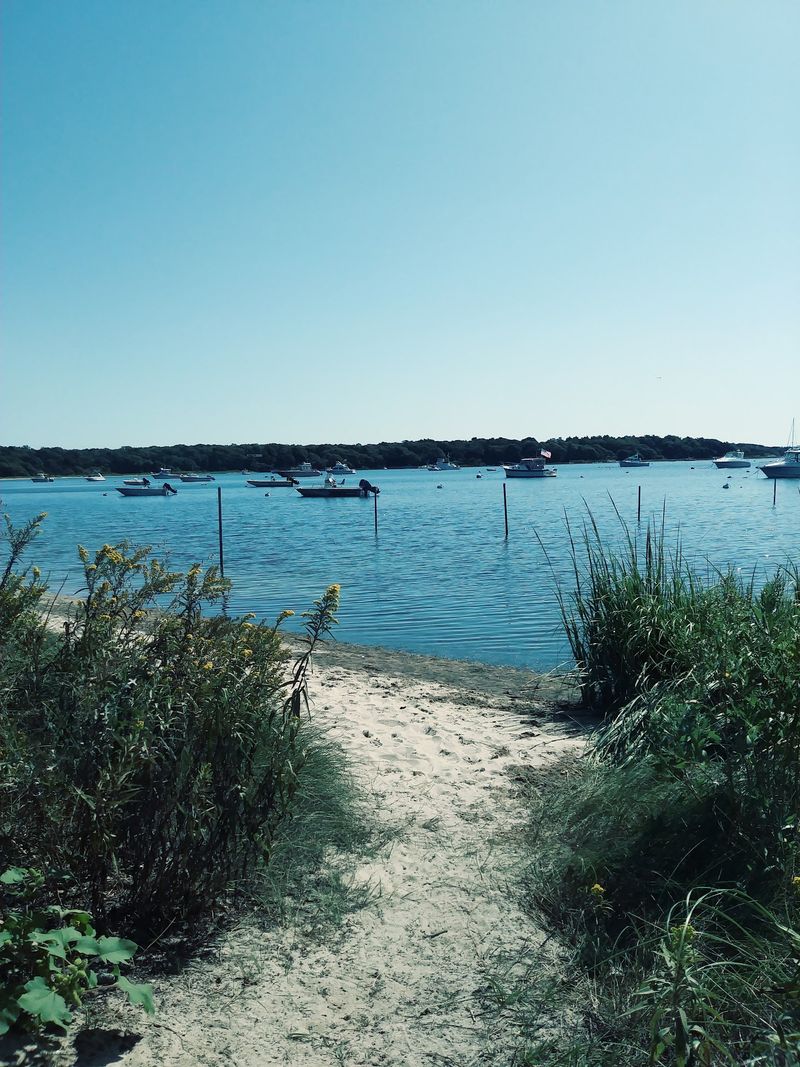
Forget the water and your trip unravels fast. Washburn Island has no potable water, so campers must bring every drop they will drink and cook with.
One gallon per person per day is the standard recommendation. That adds real weight to a kayak, which is exactly why packing lists matter here.
Also missing: showers, electricity, flush toilets and telephones. Three composting toilets are the extent of the plumbing.
Bring a headlamp, extra batteries and a cooler that seals well. A camp stove is smart backup even though fire pits with grill tops are provided.
Firewood must be bought on the island. Transporting firewood into or out of any DCR campground in Massachusetts is prohibited, a rule designed to slow the spread of tree pests.
A strict carry-in, carry-out policy applies to trash. Whatever you bring across the water goes home with you, including food scraps and packaging.
Pack bug spray, sunscreen and long socks. Ticks and poison ivy both live on the island, so covered legs are wise on the trails.
Travel light, but never light on water. That is the golden rule.
Trails, Clamming And Swimming Fill The Daylight Hours
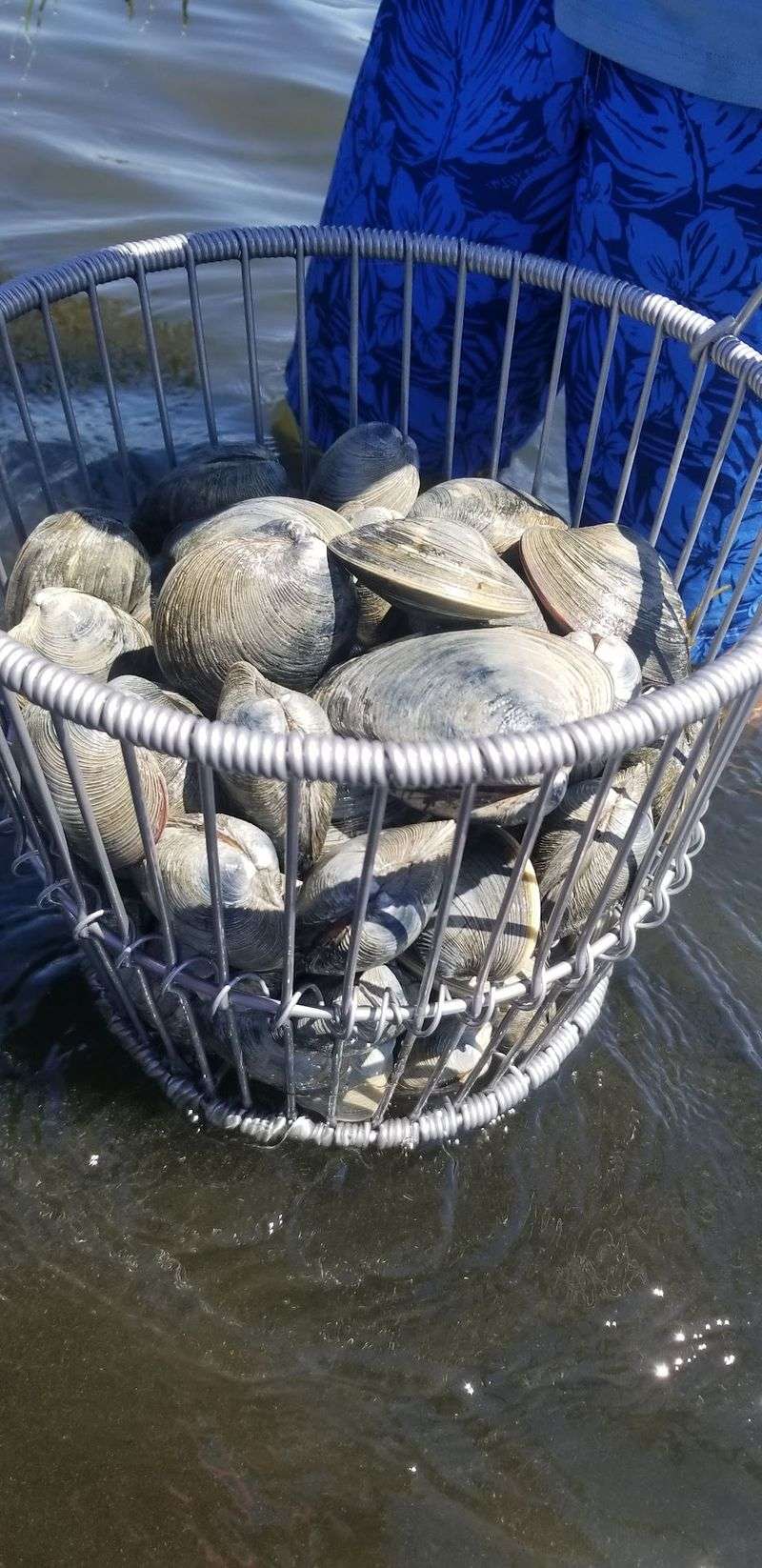
Boredom is not really an option here. Hiking trails wind across the island through pine woods, oak stands and open sandy stretches.
Swimming is a favorite, and the shallow bay water warms nicely by midsummer. Beaches on the island give you room to spread a towel without neighbors nearby.
Fishing in Waquoit Bay draws plenty of interest. Clamming is another activity people enjoy along the shallows.
Kayaking and canoeing continue once camp is set. Paddling the edges of the island at low tide reveals channels and marsh creeks you would never spot from land.
Photography works beautifully here because the light shifts across water, dune grass and marsh all day. Sunrise and late afternoon are the strongest hours.
Nature viewing is unhurried by design. There is no schedule to keep, no attraction to line up for, just habitat to observe closely.
Plenty of campers bring a book and a folding chair and call that a full itinerary. Reading by the water counts as a legitimate island activity.
Quiet hours run from 10:00 PM to 7:00 AM, and generators are not permitted during that stretch except for medical devices.
Silence, it turns out, is one of the amenities.
Osprey, Otters And Nesting Shorebirds Share The Sand
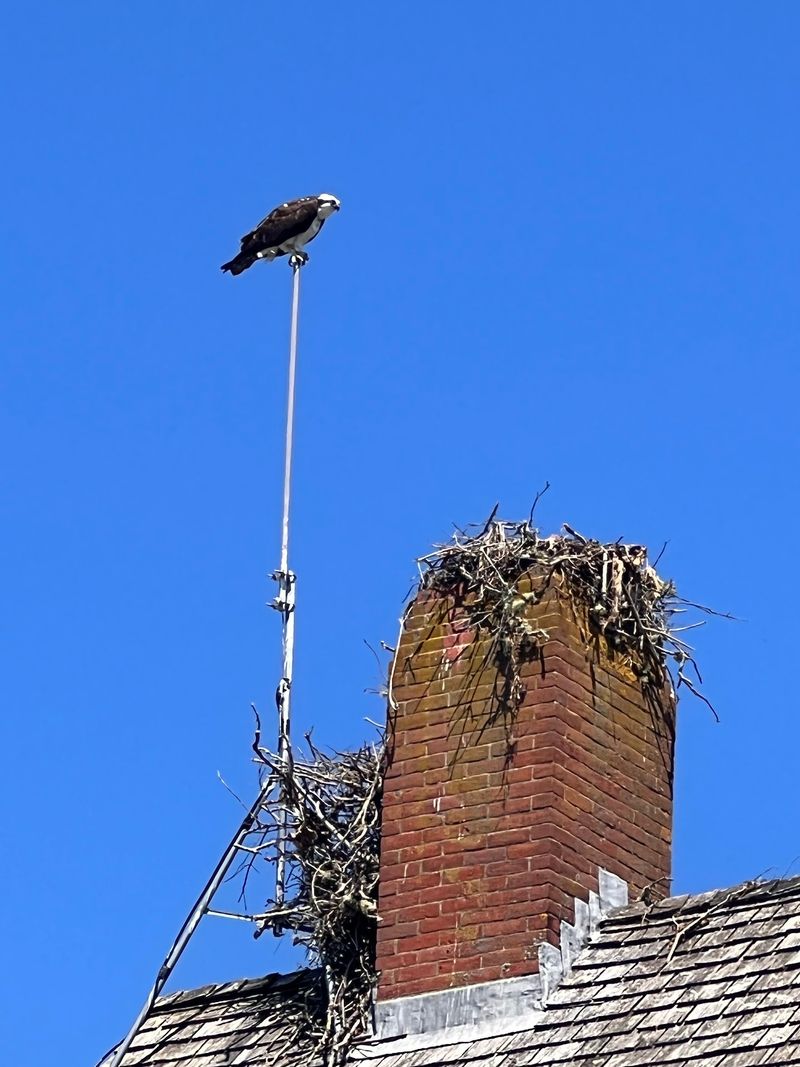
Birders arrive with binoculars and leave with long lists. The island supports salt marsh sparrows, snowy egrets, willets, yellow warblers and osprey.
Osprey are especially visible around the reserve, including a well-known nest on a chimney at the mainland headquarters overlooking the bay. Watching one drop toward the water is worth the wait.
Down in the marsh, fiddler crabs scuttle sideways and colorful fish flash through the shallows. River otters turn up too, moving with obvious enthusiasm.
Beaches at the southern end of Washburn Island serve as nesting grounds for threatened shorebirds. The piping plover is federally threatened, and the least tern is a state species of special concern.
Respecting posted nesting areas protects those birds directly. Give roped sections a wide berth and keep your footprints below the wrack line.
Rare plants grow within the reserve as well, including federally endangered sandplain gerardia and New England blazing star, a state-listed species of special concern.
Native New England cottontail rabbits live here, and brook trout serve as an indicator of water quality in the system.
Waquoit Bay once held one of the most diverse estuarine fish communities in Massachusetts. That legacy is exactly why scientists keep studying these waters.
From Menauhant To Amphibious Training, A Layered Past
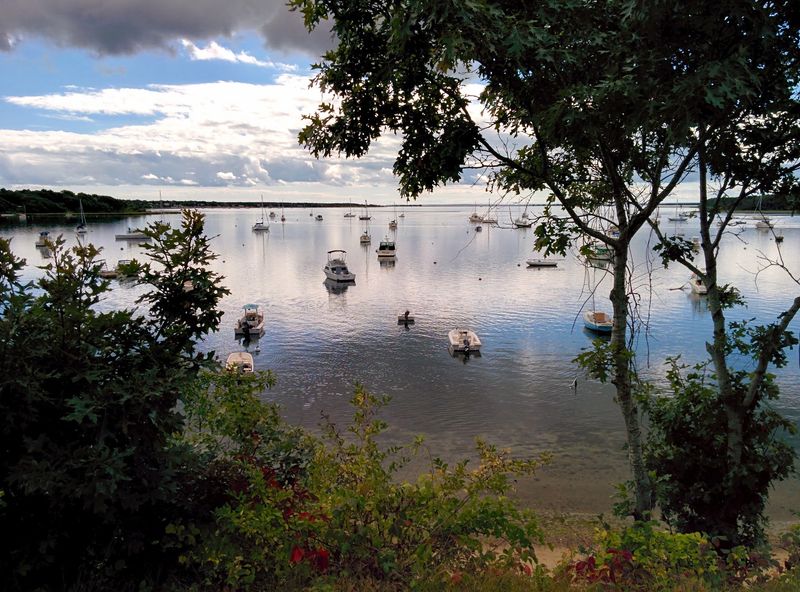
The island carries far more history than its quiet beaches suggest. Indigenous people knew it as Menauhant long before it appeared on tourist maps.
Artifacts uncovered here date back 450 to 1,000 years, including hammer flakes and shell middens. Those layers tell a story of long-term use of the bay’s resources.
Later, the land became an elegant summer estate belonging to the Washburn family, which is how the current name stuck.
During World War II, the island served as a training ground for the Engineer Amphibian Command based at Camp Edwards. Roads, buildings and obstacle courses once covered ground that is now forest and dune.
A luxury development was proposed decades ago and residents pushed back hard. The Commonwealth of Massachusetts acquired the island in 1983, locking in its protection.
Today the mainland side of the Waquoit Bay National Estuarine Research Reserve offers exhibits, short trails and an 1800s cemetery. The center at 131 Waquoit Hwy is generally open 10 AM to 4 PM.
Pets are allowed only within the campgrounds, on leash, and are not permitted on beaches or dunes. Owners must pack out pet waste.
Leave your site better than you found it, and the story continues for the next paddler.