
Every Fall This Free East Tennessee Arboretum Puts On A 2,500-Plant Color Show Families Come Back For
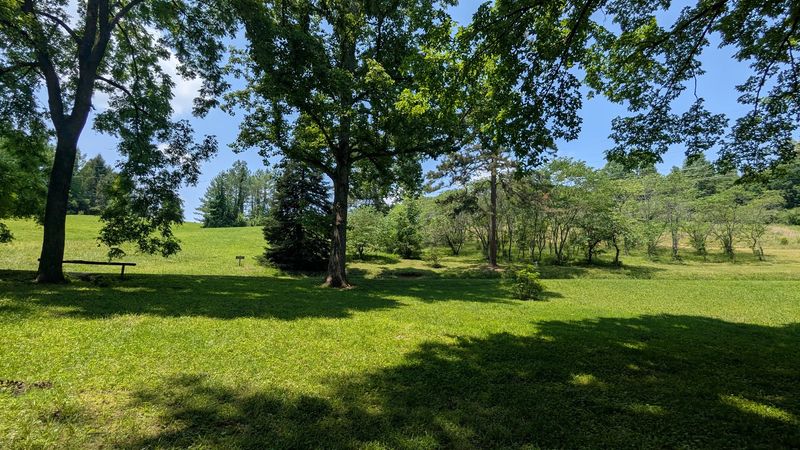
Half an hour west of Knoxville, past the strip malls and the traffic lights, there is a 250-acre patch of Tennessee woods where somebody has quietly labeled the trees for you. No gate, no ticket booth, no gift shop upsell.
Come October, the maples and ginkgos and sassafras turn the whole place into something families drive back for year after year, and the total cost of admission is exactly nothing. A full Saturday here, lunch in town included, runs less than the price of one dinner out.
A 250-Acre Research Forest Open To Anyone
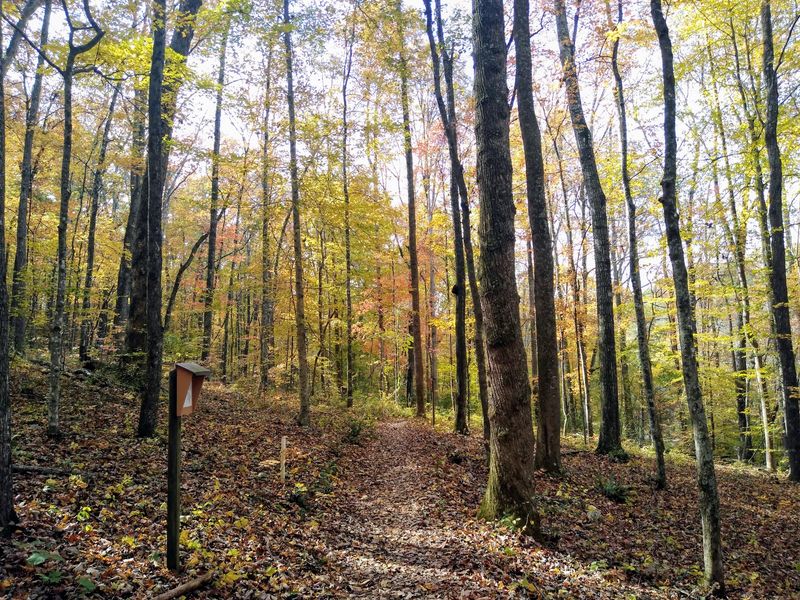
Set along South Illinois Avenue in Oak Ridge, the University of Tennessee Arboretum covers 250 acres of ridges, hollows and open plantings. It belongs to UT’s Institute of Agriculture as a research and education center, which explains why so many of the trees wear small identification plaques.
More than 2,500 native and exotic woody plant specimens grow here, representing roughly 800 species, varieties and cultivars. That is a staggering number for a place with no admission fee, no parking charge and no requirement to book ahead.
Drive time is the part Tennessee families care about most. From downtown Knoxville, figure somewhere around 31 to 35 minutes depending on traffic on Highway 62.
From Nashville it is a longer haul of roughly three hours, which makes it a reasonable pairing with other Oak Ridge stops.
Visitors often remark that the setting feels genuinely wooded rather than manicured, sitting between Knoxville and Oak Ridge instead of squeezed into a city block. Road noise does carry in places, but the trade-off is that you can reach deep forest within a ten-minute walk of your car.
How A Working Tree Laboratory Became A Family Walk
Purpose matters here. The grounds were developed as a place to study how trees from around the world handle East Tennessee soil and weather, and that research mission still shapes what you see on a walk.
Plantings are grouped by family and collection rather than scattered for looks alone. Holly, dogwood, magnolia, conifer and rhododendron groupings all have their own moments across the calendar, and each one reveals which cultivars thrive in this part of the state.
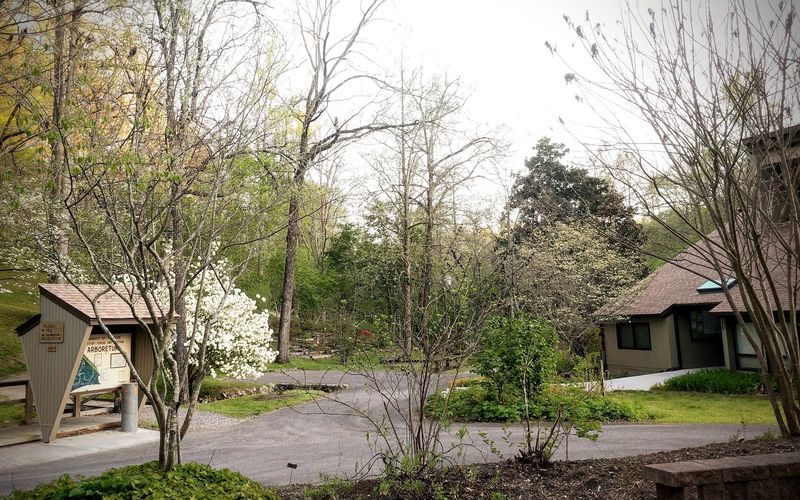
The small educational visitor center near the parking area explains the arboretum’s own history alongside displays on plant types. Regulars mention that the interpretive signage draws on UT research, and that reading it slowly can stretch a one-hour outing into three.
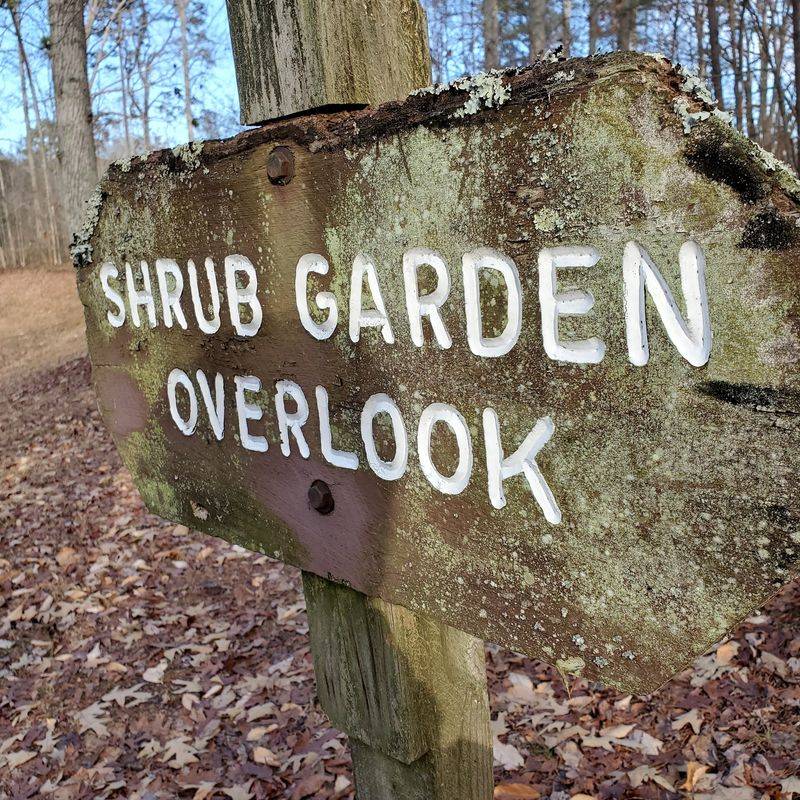
Some of the signs show their age. A few have faded under decades of sun, and the information on them reflects when they were installed, though trail maps at intersections are kept current and clearly marked.
What that combination produces is unusual. Kids get a woodland ramble, parents get a botany lesson they did not have to pay for, and nobody feels rushed toward an exit.
October’s Full Spectrum, Tree By Tree
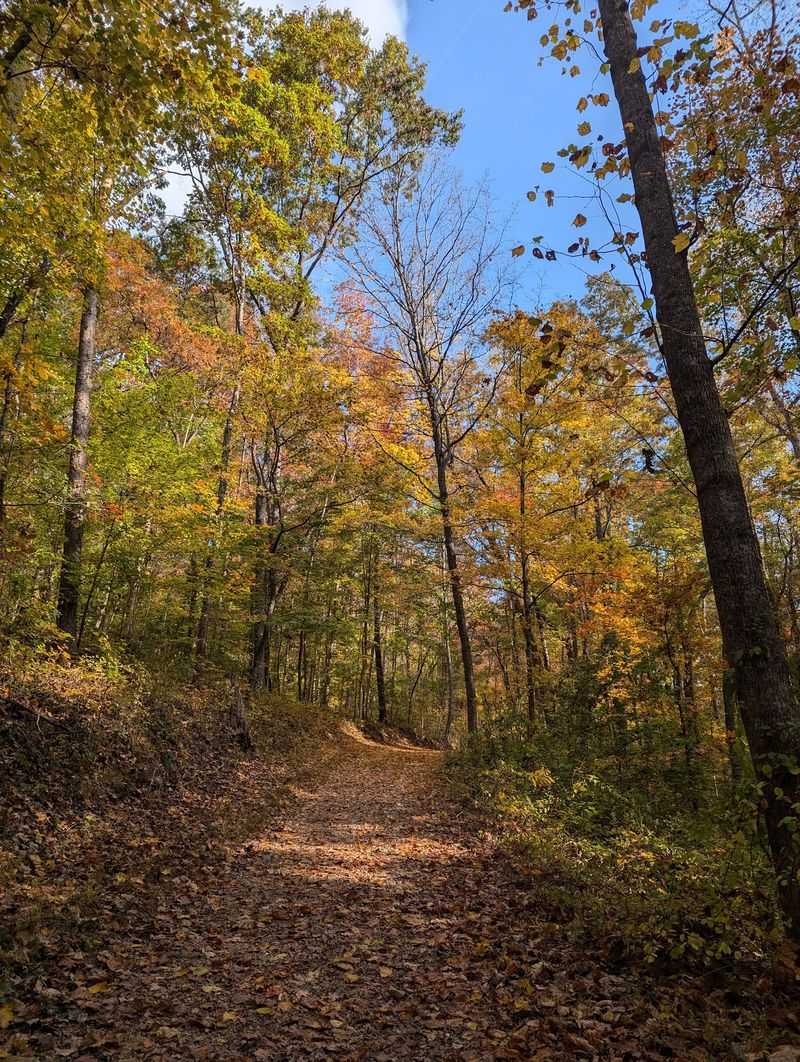
Peak color usually lands in October, and the variety is the whole point. Because the collection spans hundreds of species, the palette runs wider than a typical Tennessee hillside of oak and hickory.
Maples fire up in reds and oranges. Ginkgos go a startling uniform yellow.
Sassafras turns coral and orange, scarlet oaks and black gums deepen to rich crimson, sweetgums throw off purples and oranges at the same time, and tulip trees light up gold overhead.
Down in the Marsh Area, hollies hold bright red berries that carry the interest well past leaf drop and into winter. Longtime visitors note the holly garden is at its most charming in the late fall and early winter stretch.
Timing can shift year to year with rainfall and temperature, so a check of conditions before a long drive is smart. One reviewer described beautiful foliage lingering into November, which suggests the window is forgiving.
Crisp air, dry leaves underfoot, that low rustle through the canopy. Several people describe the autumn atmosphere as calming to the point of feeling therapeutic.
Seven Miles Of Self-Guided Trails, Easy To Moderate
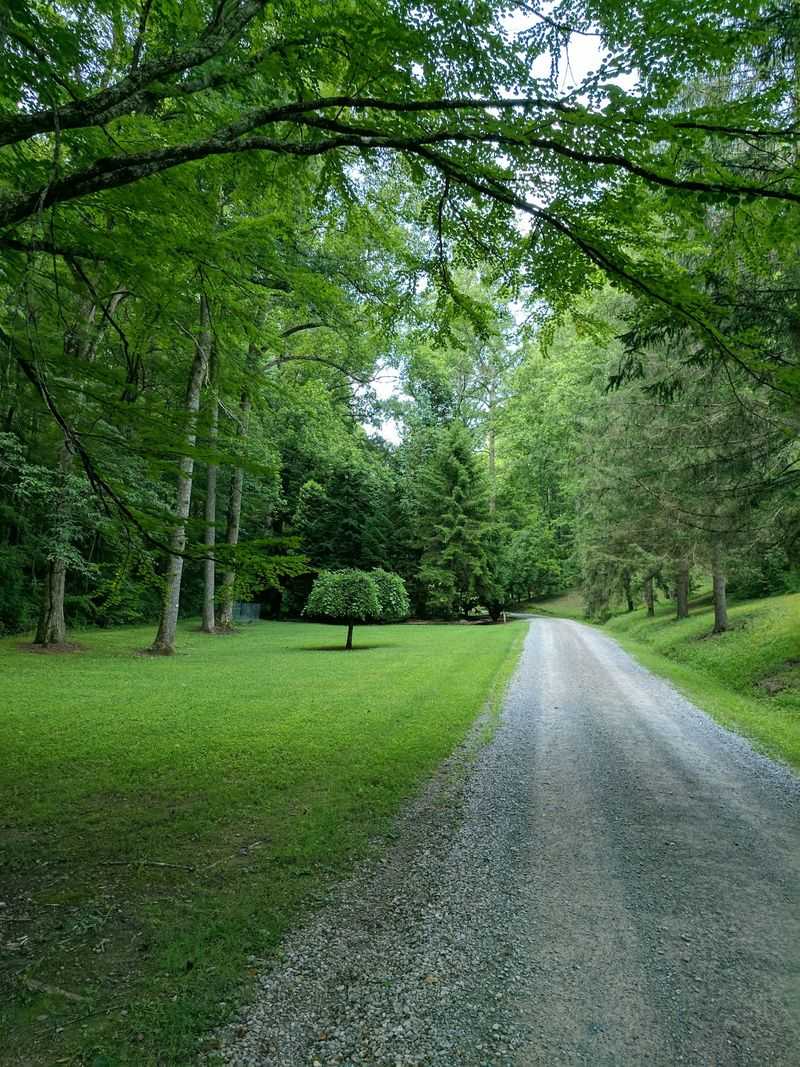
More than seven miles of self-guided trail thread the property, rated easy to moderate. No guide, no tour schedule, no sign-up sheet.
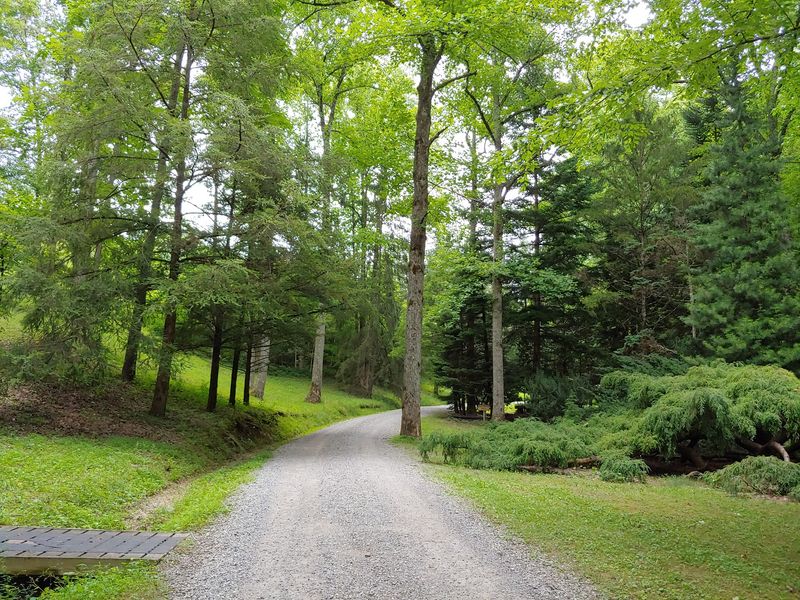
Trail surfaces vary in a useful way. Some stretches are paved or graveled and flat enough for slower walkers, while others climb into natural forest with real inclines and roots.
Benches appear at intervals, and shade under the big trees is generous.
Trails mentioned most often by visitors are the shorter loops, which can be strung together for a longer outing. One regular described stringing multiple trails into a bigger circuit as half the fun; another mentioned the range covers anything from a one-mile stroll to an eight-mile day.
Interpretive signs and tree labels line the routes, which turns the walk into a quiet identification game for kids who like collecting facts.
Practical warnings from experienced visitors: watch for poison ivy off the path, keep an eye out for snakes in warmer months, and a walking stick held above head height clears spider webs on less-traveled sections. Fall walks tend to bring fewer of those concerns.
The Nature Book Trail And The Little Free Library
Got a five-year-old who quits after a quarter mile? There is a trail built almost exactly for that attention span.
The Nature Book Trail runs about a quarter mile out, roughly half a mile round trip, with story pages posted along the way so young walkers have a reason to keep going. It is a walking path only, not designed for strollers or wheelchairs, and it does roll up and down enough that small legs will notice.
Near the Visitors Center, a Little Free Library stocked with nature-themed children’s books gives kids something to carry home. For a free stop, that is a nice touch.
Families who have done it describe the whole experience as a short hike the entire group can manage together, with plenty of leaf-comparing, bark-touching and mushroom-spotting along the way. One parent listed identifying fungi and contrasting shrubs against trees as the afternoon’s entertainment.
Worth knowing before you load the car: dogs are not permitted anywhere on the grounds, so the family pet stays home for this one.
Quiet Enough For Photographers, Big Enough For Restless Kids
Peacefulness comes up again and again in what visitors say about this place. Nine separate mentions of a peaceful atmosphere in the review topics is telling, and several people describe coming here specifically to decompress.
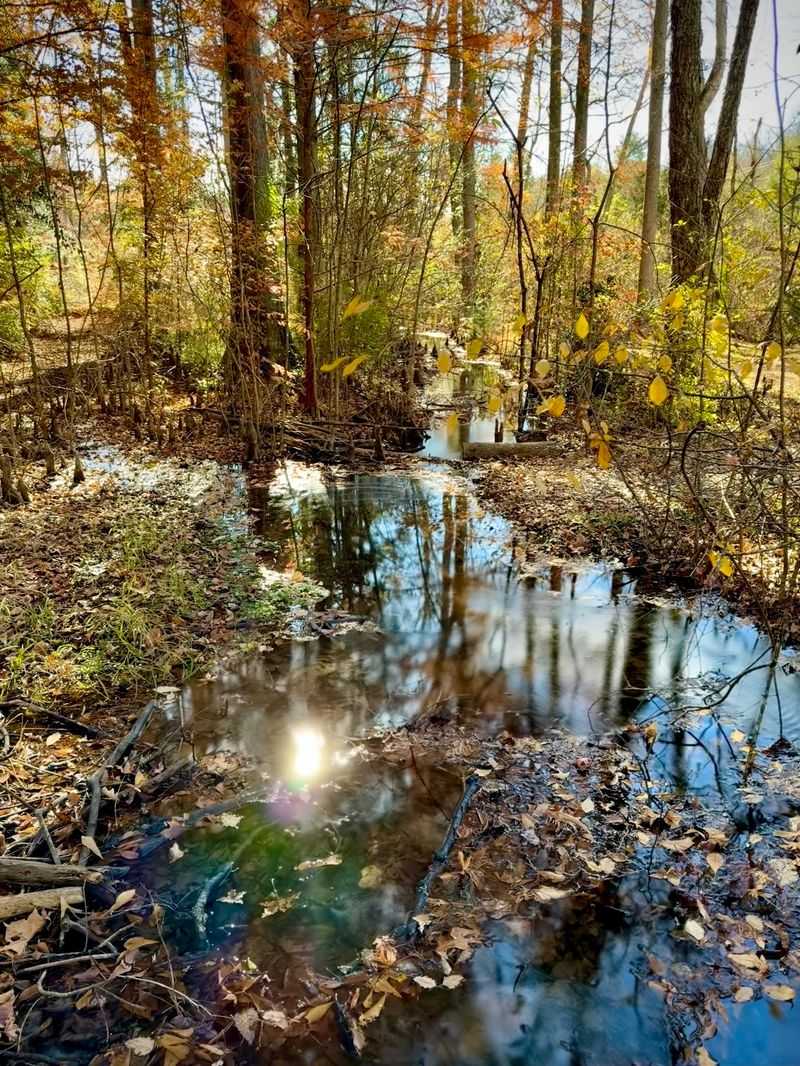
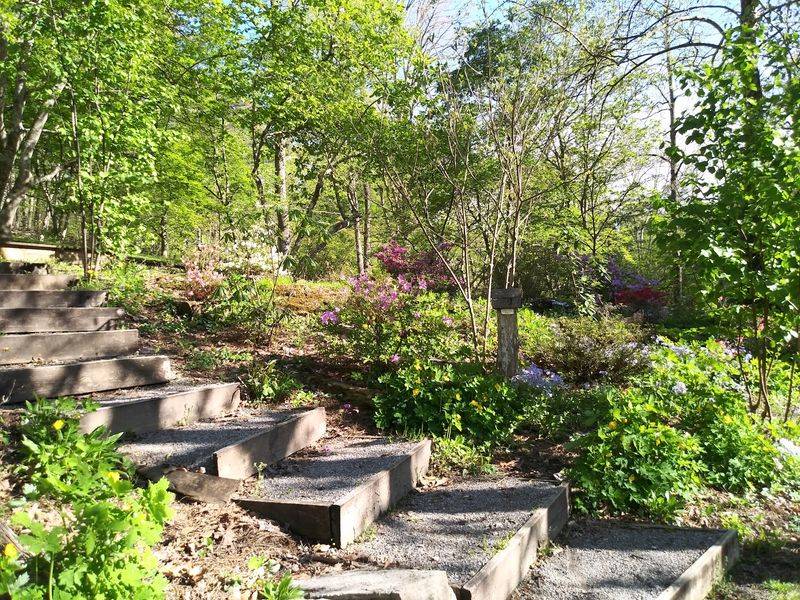
A stream and marsh area sit within the grounds, adding water sounds to the mix. Skyline views open up from a few of the higher points, and portrait photographers have long used the grounds for autumn sessions.
Crowds have grown modestly in recent years, though people still report finding room to spread out. One frequent walker noted that more families and groups around actually makes the trails feel more comfortable, not less.
Who does it suit best? Retirees wanting a flat, shaded morning walk.
Parents of grade-schoolers burning off energy on gravel. Plant enthusiasts who will spend an hour in the dogwood and holly collections alone.
Nearby workers who come on lunch breaks.
Less ideal for anyone hoping for waterfalls, playgrounds or big scenic overlooks. The appeal here is trees, labels, quiet and color, delivered without a single transaction.
Hours, Parking And What The Grounds Do Not Have
Free is the headline number, and it applies to both admission and parking. Trails and the parking lot open daily at 8 AM and close one hour before sunset, so the closing time slides earlier as fall deepens.
Listings commonly show 8 AM to 5 PM, but seasonal adjustment means checking before an evening arrival.
The Visitors Center keeps weekday hours only, Monday through Friday from 8 AM to 4:30 PM, and closes for lunch between noon and 1 PM. Weekend visitors can still walk everything; they simply miss the indoor displays.
Parking sits right beside the Visitors Center with 40 standard spaces, four ADA spots, plus designated room for school buses and RVs. People report the lot rarely fills.
Restrooms deserve a heads-up. Portable toilets stand in the parking lot, described as clean by visitors, with outdoor public restrooms under construction near the Visitors Center and facilities available in the auditorium building.
A water fountain sits near the auditorium.
Picnicking is not permitted on the grounds, so plan to eat in town. Hours and policies can change, so confirm before driving.
A Cheap Saturday That Ends With Pizza In Oak Ridge
Add it up. Admission zero, parking zero, trail maps zero, and the only real expense is gas plus lunch.
A family of four can do this whole outing for under $35, most of it spent on food.
Since picnicking is off the table, Oak Ridge itself handles the meal. Dean’s Restaurant & Bakery leans Southern comfort food, Big Ed’s Pizza turns out New York-style pies that locals have loved for generations, and Sammie’s Cafe offers a broader menu.
All three sit along main roads in town, an easy few minutes from the arboretum.
Pair the walk with lunch and you have filled a Saturday without spending like it. Go in October for the fullest color, arrive early if you want the lot to yourself, and bring water even though a fountain is available.
Would everyone love it? Probably not.
If your crowd needs a waterfall or a playground to stay interested, look elsewhere. But for families who like learning the names of things, and for anyone who wants 2,500 plants worth of autumn without a ticket, this one earns the return trips it gets.