
This Massive Salvage Store In Pennsylvania Is A Hidden Shopping Destination For Incredible Bargains
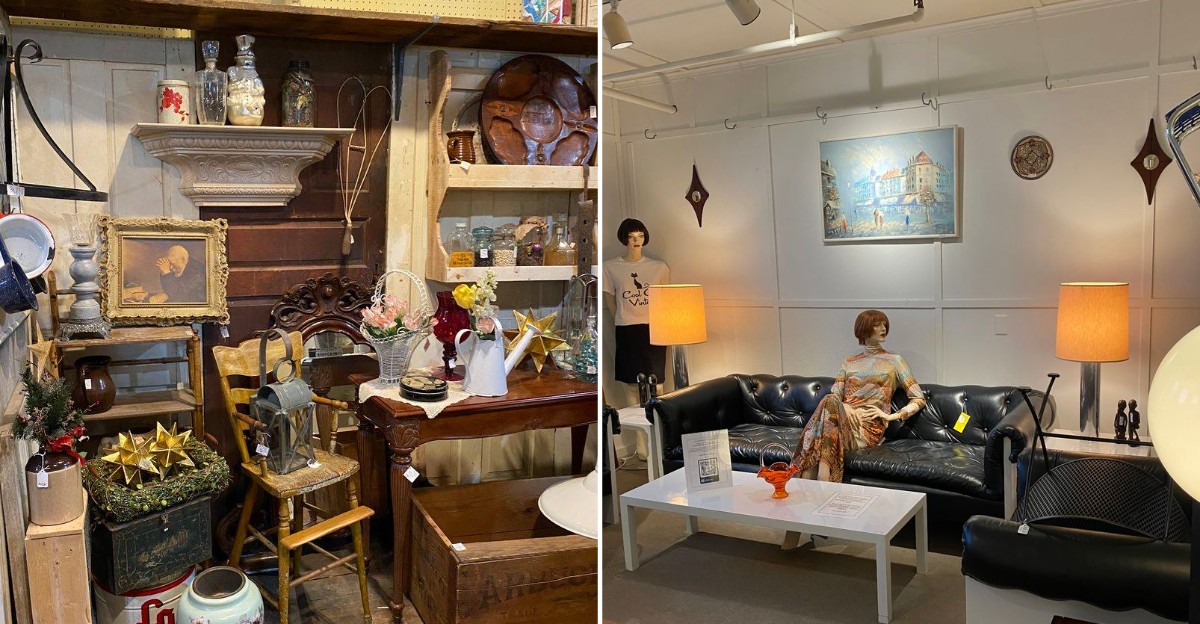
Some places get recognized almost instantly; the moment someone mentions a certain type of shopping, a specific spot comes to mind. That’s the case with this Pennsylvania salvage store, serving customers for more than forty years.
Racks and shelves fill with donated items nobody bothered sorting into neat categories. Regulars know inventory turns over constantly, meaning no two visits ever look quite the same.
Incredible bargains show up mixed in with ordinary items, unsorted and unadvertised until someone actually finds them. Nothing here gets marked up just because of a recognizable brand name.
Patience matters more than luck, rewarding those willing to dig through everything slowly. This store proved that longevity in business often comes down to simply offering what nobody else will.
A Massive Warehouse Built For Wandering
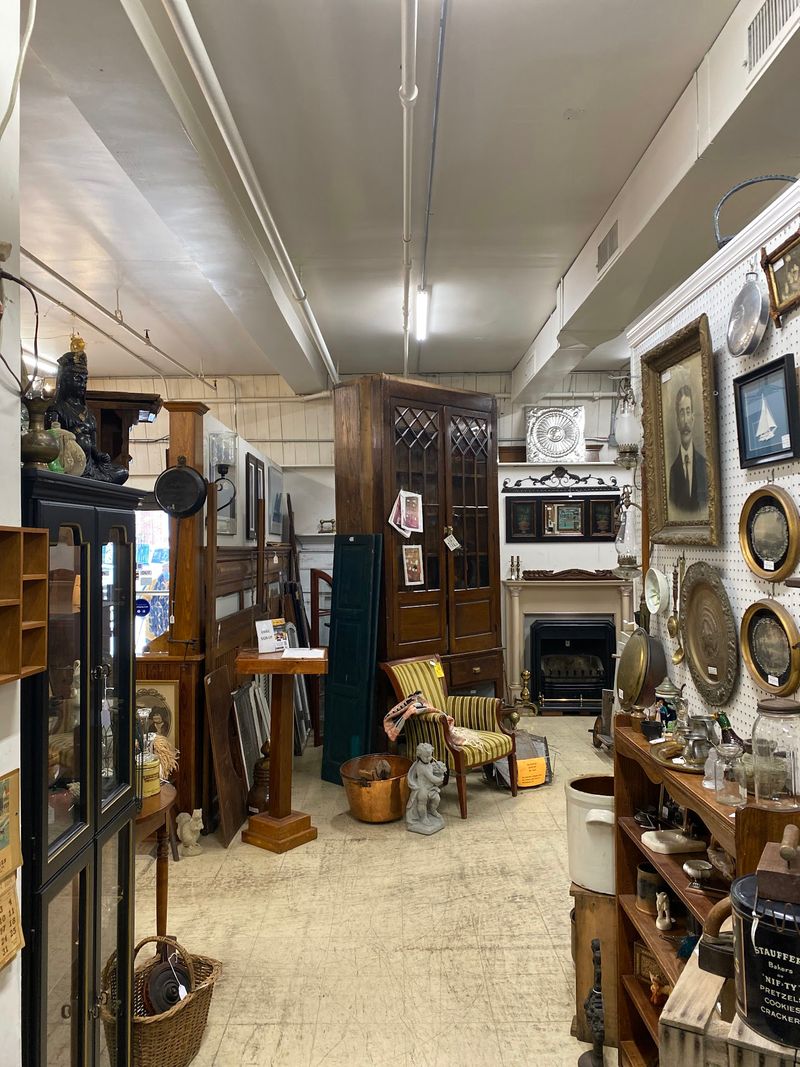
Fourteen thousand square feet sounds like a number on paper until it turns into aisle after aisle of stuff. Two floors, close to 100 vendors, and no clear shortcut from one end to the other.
The layout rewards slow walking. Shoppers routinely lose two or three hours here without meaning to, and the staff hands out navigation tips at the door for exactly that reason.
What makes the size work is the variety. One booth might hold delicate glassware and figurines, while the next stacks salvaged doors taller than most people.
Nothing repeats, which keeps the walk interesting.
Parking is off-street and plentiful, so the visit starts without a hunt for a spot. Worth knowing ahead of time: the building is not handicap accessible, and the upper floor requires stairs.
Because the space is a co-op, each section reflects a different seller’s taste. That mix is why a shopper looking for mid-century chairs and a friend hunting for old locks can both walk out happy.
The organization is better than the word warehouse suggests. Shelves are tidy, paths are clear, and the whole place stays clean despite holding thousands of items at once.
Anyone planning a first trip should treat it like a small museum with price tags. Find it at 465 E Prospect St, York, PA 17403.
A Historic Lumber Mill With A Second Life
Back in 1886, this building was the Beitzel & Sons Lumber Mill, and it spent its early decades smelling like sawdust instead of old books. Lumber moved through these walls long before anyone thought to sell antiques inside them.
The 1930s brought a name change. The Wolf Lumber Yard took over, and for roughly six decades locals simply called the place Wolf’s.
That old Wolf sign still sits on the building like a stubborn landmark. Drivers who grew up in York use it as a reference point without thinking twice.
There is a nice symmetry to what happens inside now. A building that once sold fresh lumber now sells reclaimed beams, salvaged doors, and hardware pulled from houses that may have been framed with its own boards.
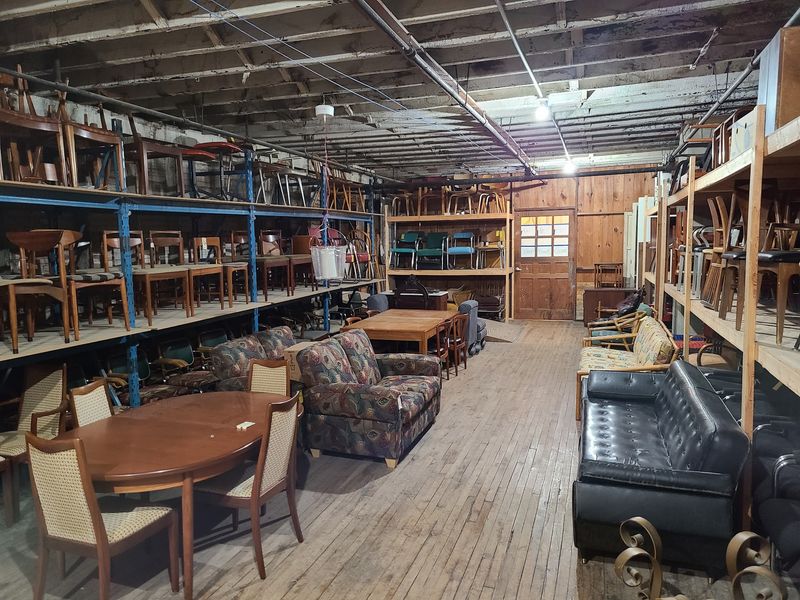
The bones of the structure show everywhere. Worn wooden floors, industrial ceilings, and wide-open spans that were designed for stacking timber, not for displaying vintage lamps.
History like this is not decoration bolted on for atmosphere. It is the actual reason the space feels so different from a modern strip-mall antique mall.
Shoppers interested in old buildings get a bonus here. The merchandise is fascinating, but so is standing inside a working piece of York County industrial history that refused to be torn down.
Architectural Salvage That Belongs In An Old House
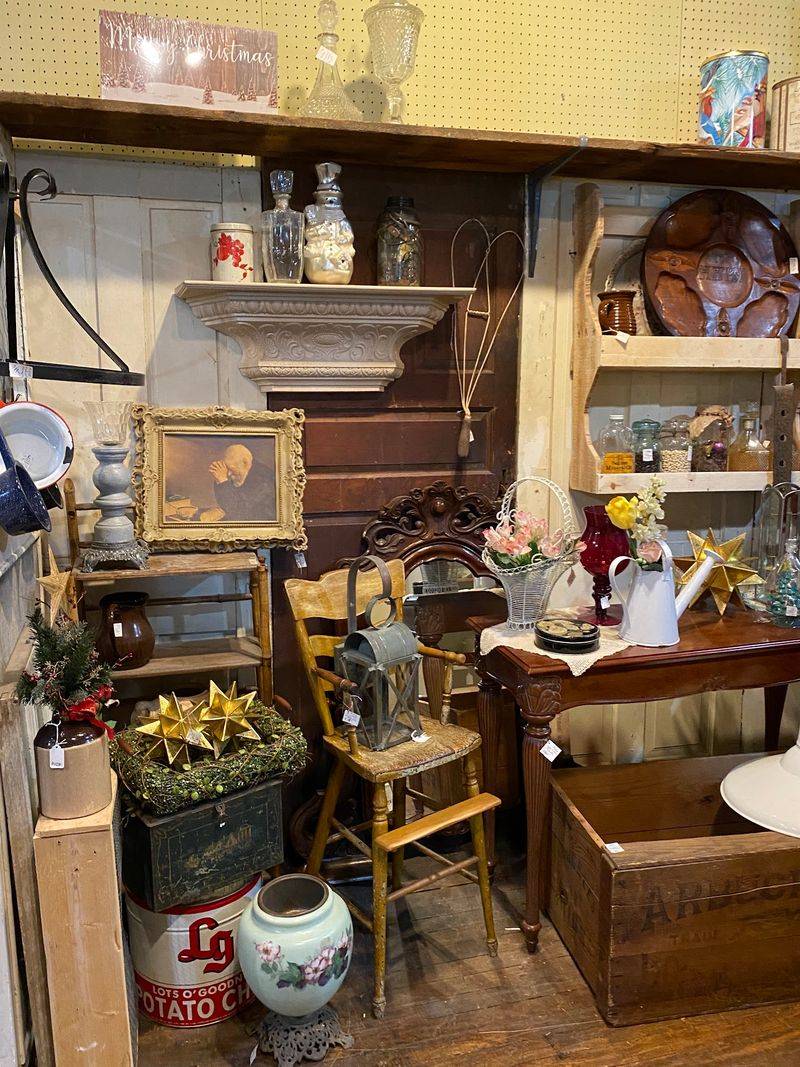
Old-house owners have a specific kind of desperation, and this is where it gets cured. Doors, windows, mantels, ironwork, and hardware line up waiting for someone with a matching problem at home.
Architectural salvage is the single most talked-about part of the inventory. Authentic stained glass panels show up regularly, along with panel doors that no lumber yard sells anymore.
Hardware collectors get their own rabbit hole. Glass doorknobs, skeleton keys, old locks, hinges, and interior latches fill bins and shelves throughout the building.
Restoration work usually stalls over one missing piece. A single transom, the right escutcheon plate, a stair baluster that matches nineteen others.
Places like this exist to solve those puzzles.
Measurements matter more than enthusiasm. Smart shoppers arrive with dimensions written down, because a door that is half an inch too wide is just a heavy souvenir.
Salvaged materials also have a practical advantage. Wood milled a century ago came from older, denser trees, which is why those doors still hang straight after generations of slamming.
For anyone tackling a rowhouse, farmhouse, or Victorian restoration in central Pennsylvania, the trip pays for itself. Reproduction pieces rarely match original details, and this building has the originals sitting in plain sight.
Mid-Century Modern Furniture Worth The Drive
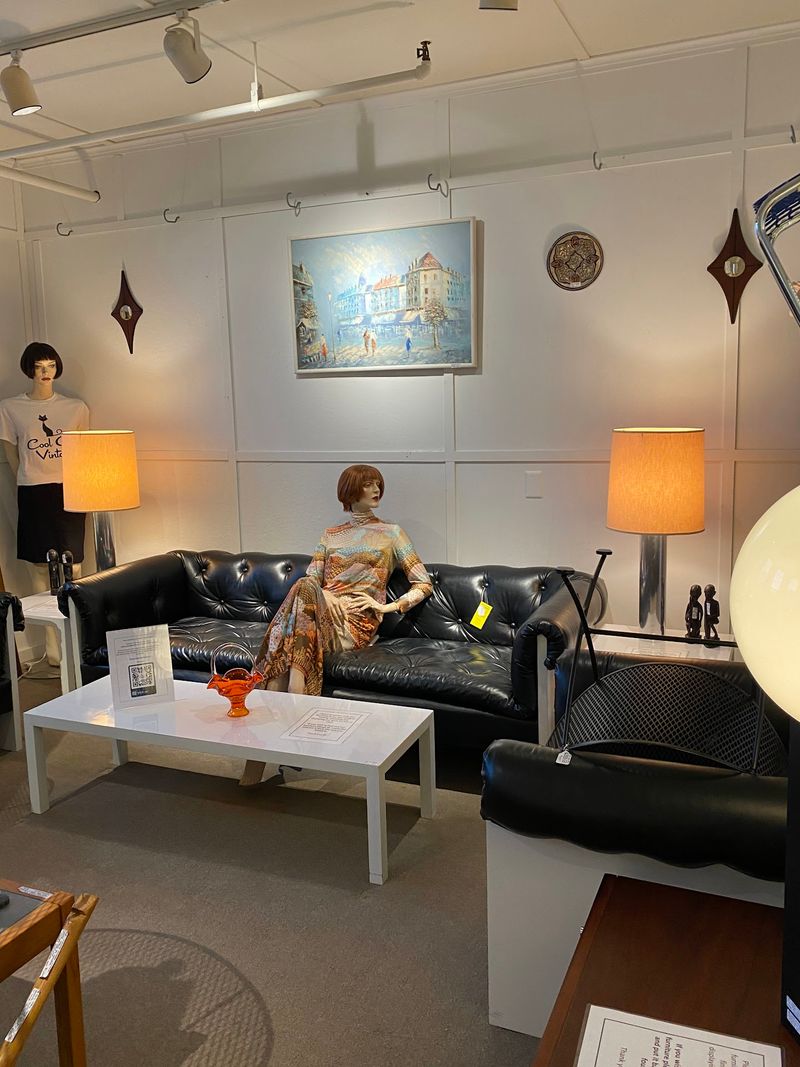
Fans of teak credenzas and tapered legs tend to make a beeline for the retro section. It has become one of the most popular corners of the whole operation.
Furniture in good shape moves fast here. Retro chairs, dressers, side tables, and lamps rotate through the floor depending on what vendors bring in that week.
Vendors like Cool Cat Vintage and Atomic Alley focus specifically on this era. Their booths curate the atomic-age look instead of scattering it randomly across the building.
Circa Antiques operates in the same complex with a large selection of mid-20th century furniture plus garden pieces. Between them, the mid-century options stretch well beyond a single display area.
Condition varies, and that is normal for vintage. Shoppers should open drawers, wiggle legs, and check veneer edges before committing to anything.
Size is the other consideration. Some of the larger case pieces will not fit in a sedan, so the store keeps business cards for delivery services on hand.
Prices sit in a reasonable range compared to curated vintage boutiques in bigger cities. That gap is exactly why collectors from outside York County make the drive, load up the back of an SUV, and head home grinning.
Nooks And Small Treasures Everywhere
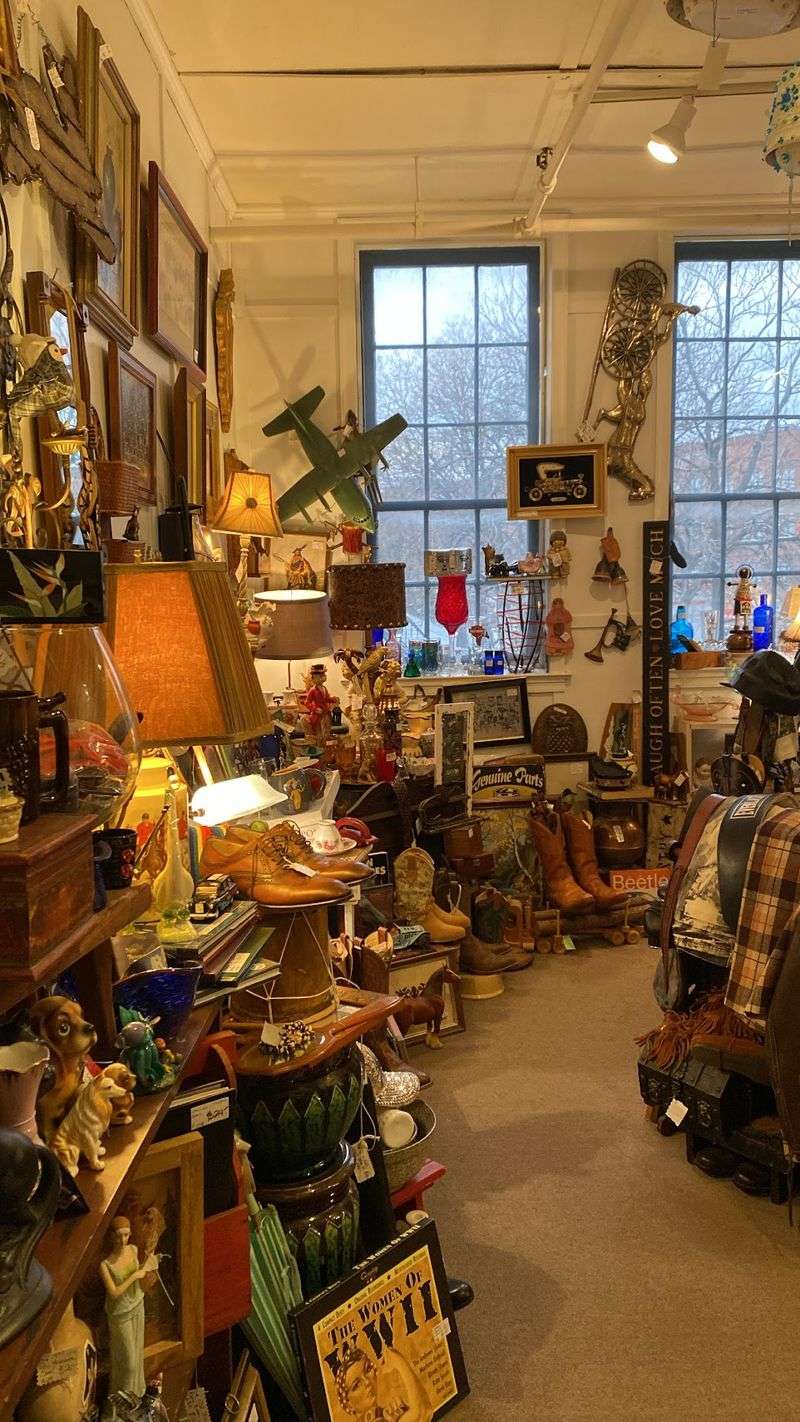
Some of the best finds are small enough to fit in a coat pocket. Perfume bottles, figurines, glassware, old manuals, and trinkets fill shelves in every direction.
The building is famous for its nooks. Little pockets of merchandise appear behind partitions and around corners, which is why nobody sees everything on a single pass.
Collectors of depression glass and carnival glass have steady luck here. So do people hunting for vintage kitchen items, costume jewelry, and old advertising pieces.
Books, records, art, and quirky odds and ends round out the smaller inventory. Some of it is genuinely beautiful, some of it is delightfully strange, and both categories have buyers.
Browsing style matters. Shoppers who scan miss things, while the ones who crouch down and look at bottom shelves usually leave with the better stories.
Small items also make this a low-commitment stop. Not everyone needs a salvaged staircase, but almost everyone can find one interesting little thing.
Area rugs, lighting fixtures, and decorative accessories bridge the gap between tiny and enormous. That range is a big part of why groups with different tastes can wander in together and split up happily for two hours.
Countless Vendors Under One Roof
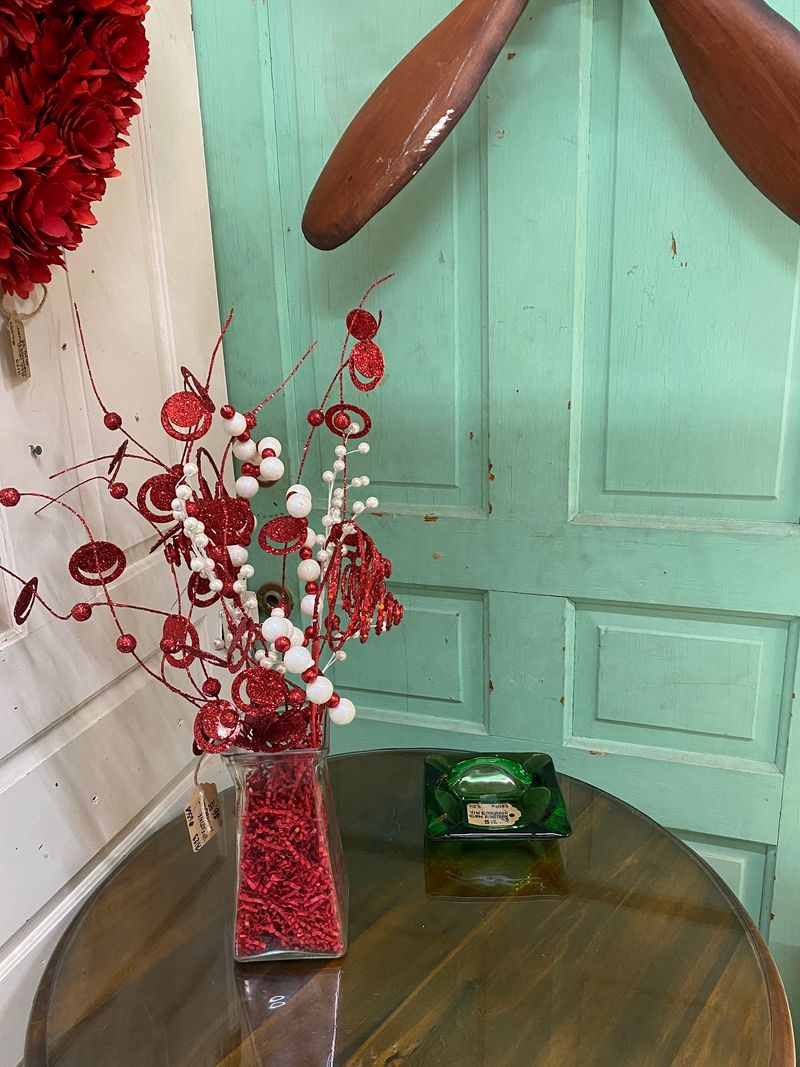
Close to 100 vendors share this building, and each one runs their booth like a tiny shop with its own personality. Walking the floor feels like visiting dozens of stores without moving the car.
Variety comes built in with that model. One seller specializes in industrial pieces, another leans toward delicate china, and a third stacks vintage signage.
Turnover stays high because so many people are restocking. Regular shoppers show up every few weeks specifically because the floor never looks quite the same twice.
The co-op setup also means different pricing philosophies exist side by side. Comparing similar items across booths is part of the strategy for anyone hunting a deal.
Staff at the front desk know the layout cold. They greet arrivals, explain how the two floors work, and often help track down specific items or hold something aside.
Vendor diversity solves a common antique-mall problem. Instead of one buyer’s taste dominating everything, the mix stays unpredictable and genuinely interesting.
For sellers, the arrangement gives small dealers a spot in a high-traffic destination. For shoppers, it means a single stop covers primitive farmhouse gear, atomic-age barware, and Victorian hardware in the same afternoon.
That is unusual, and it is the main reason this place keeps pulling people off the highway.
Neighboring Businesses In The Same Complex
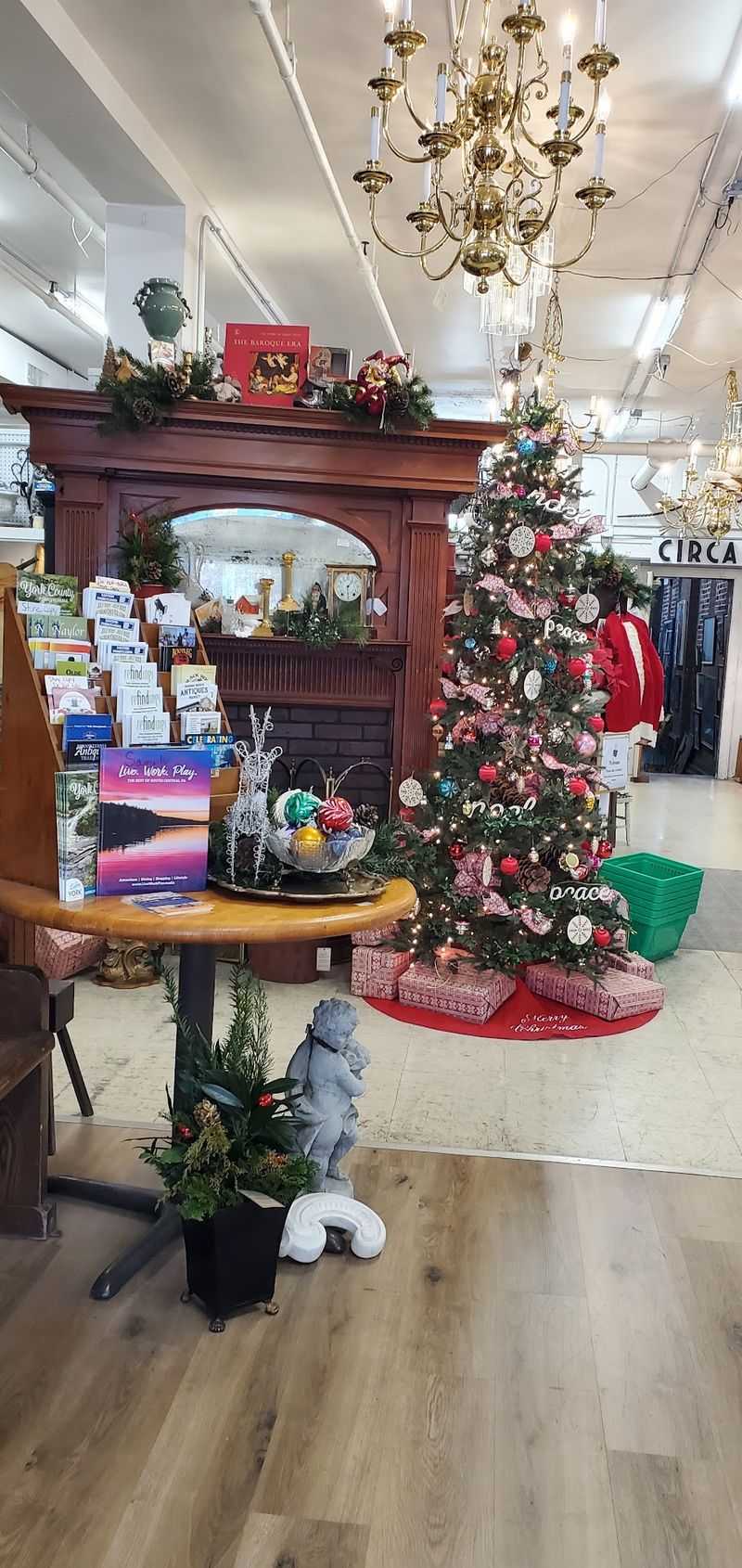
Shopping here comes with bonus stops built into the same complex. Olde York Homes works out of the building and specializes in historic restoration, which explains a lot about the quality of the salvage on hand.
Rudy Art Glass also operates within the property. Their focus is architectural and decorative glass, both new work and repairs.
That combination is unusually practical. A shopper can find an old stained glass panel and then talk to people who actually restore stained glass, all without leaving the parking lot.
Circa Antiques adds another layer with mid-20th century furniture and garden items. Between all of them, the complex functions more like a small campus than a single storefront.
Restoration contractors and DIY homeowners benefit most from this setup. Sourcing materials and finding skilled help usually requires two separate searches, and here they overlap.
The businesses complement rather than compete. Each one covers a different slice of the old-building world, from structural work to decorative details.
Visitors focused purely on browsing still gain something. Watching glasswork and restoration happen on site turns a shopping trip into a look at trades that most people never see up close, which makes the whole outing stick in memory longer than a typical errand.
Planning A Visit Without Running Out Of Time
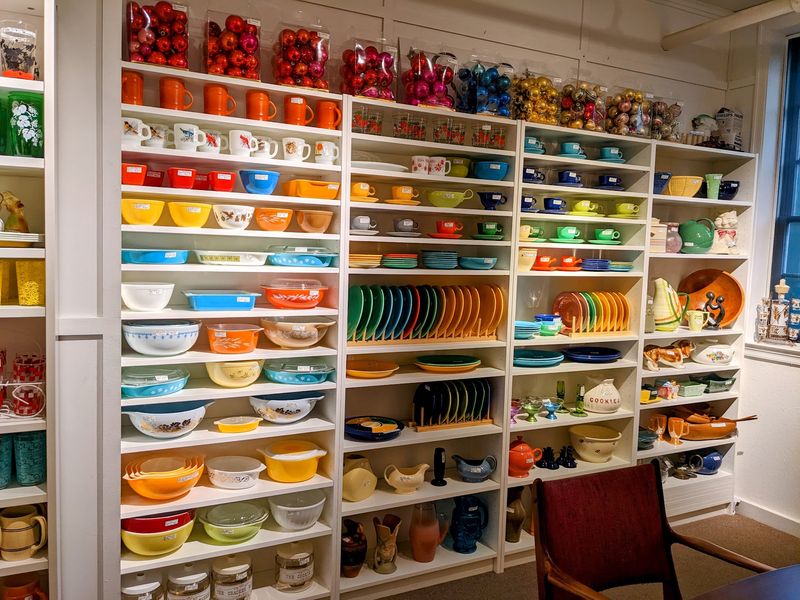
Nobody finishes this place in twenty minutes. Two hours is a common visit, three is not unusual, and plenty of people admit they still missed a whole section.
Hours run 10 AM to 5 PM Monday, Tuesday, Thursday, Friday, and Saturday, with Sunday opening at noon. Wednesday is the closed day, which trips up first-timers who drive in mid-week.
Arriving early makes a real difference. Fresh inventory and quieter aisles both favor the morning crowd, especially on weekends.
A few practical items help. A tape measure, photos of the room being furnished, and a phone with a battery left for looking up dimensions all save regret later.
Vehicle space deserves a thought before leaving home. Larger furniture requires a truck or a delivery arrangement, and the store keeps delivery service contacts available.
Comfortable shoes are not optional advice. Two floors of concrete and wood add up quickly, and the stairs make accessibility a genuine limitation for some visitors.