
This Quirky Roadside Attraction In Spooner, Wisconsin Is A Fun Stop For The Whole Family
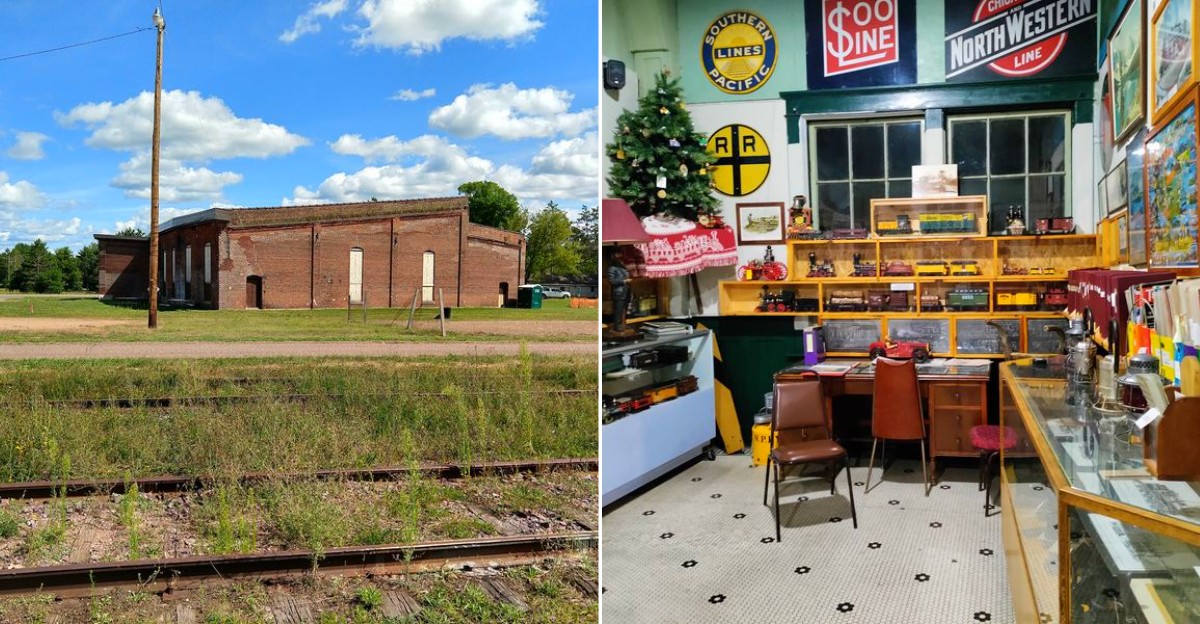
You can tell a lot about a town by what it decides to keep. Old tickets, brass whistles, faded photographs, lanterns, and model trains may look like small pieces of the past, but together they can tell a much bigger story.
That is what makes this Wisconsin stop so easy to enjoy. You can start with one display, spot something across the room, and suddenly realize you have been looking around far longer than expected.
The details do most of the work. Kids can study the model trains while adults linger over timetables, photographs, and railroad equipment that once mattered to everyday life.
You do not need to be a train expert either. The history is easy to follow, the collection has plenty of personality, and every room gives you another reason to keep looking.
A Depot That Still Feels Like A Working Station
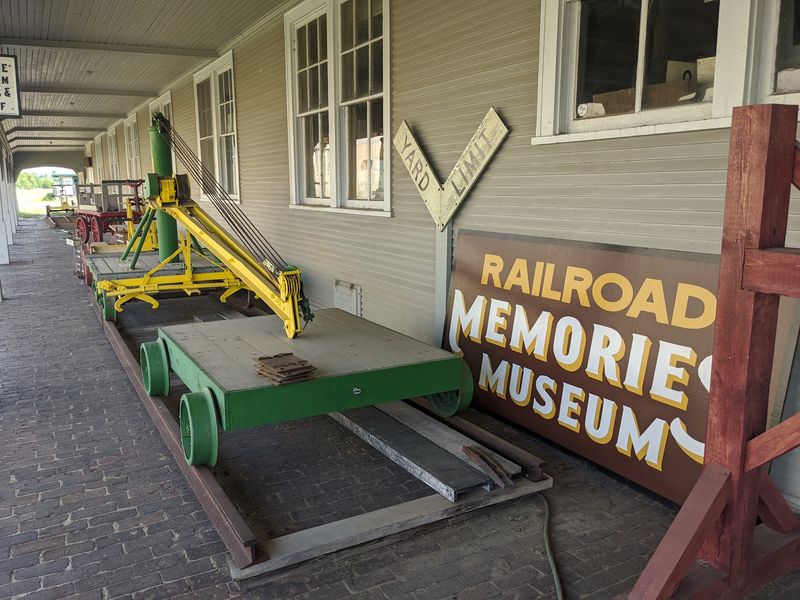
Old depots usually vanish once the passenger trains stop running, so finding one still standing feels like a small victory. The Railroad Memories Museum lives inside a former Chicago and North Western depot, and the building itself counts as one of the exhibits.
You walk across the same floors where agents once sold tickets and telegraph keys tapped out train orders. The layout still reads like a station, with small rooms branching off in several directions. Each one now holds pieces of Wisconsin railroad history.
Because the space was built for work instead of display, the whole place carries a lived-in, homey feeling. Nothing looks overly staged, and that honesty is a big part of the appeal.
Take a minute outside before you head in. The long, low profile and wide eaves show how depots were designed to handle crowds, mail, and freight all at once.
Kids may notice the nearby tracks first, which makes it easy to imagine how active this railroad town once was. You should slow down here, since the details around doorframes, windows, and old signage reward anyone who looks closely.
Room After Room Of Railroad Treasures
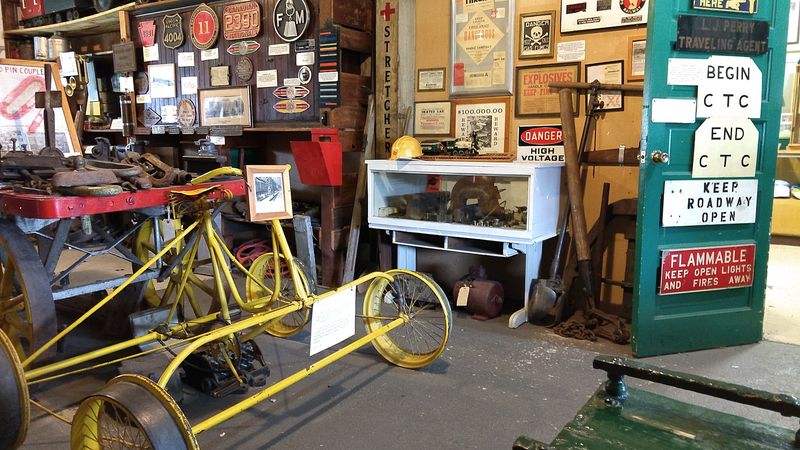
Collectors would have a field day in here. Shelves and cases hold lanterns, switch keys, spike mauls, and stacks of timetables that once told travelers exactly when to stand on the platform.
Railroad Memories Museum spreads its collection across several rooms, so you keep finding something new behind each doorway. One area leans toward uniforms and paperwork. Another shows dining car china, oil cans, and heavy hand tools that took real muscle to swing.
Photographs cover a lot of wall space, and they deserve a slow look. Many show local crews, depots, and dramatic winter scenes from the years when the railroad ran nearly everything in this corner of Wisconsin.
You will also spot telegraph gear, signal lamps, and hand-lettered signs made long before a computer printed anything. Labels keep things simple, and the folks working that day happily fill in the background if you ask.
Give yourself an hour if you like reading every detail. Families with busy little ones can move quicker and still catch the highlights, since the rooms are compact and easy to circle through. Bring a camera, because all that brass and old glass photographs beautifully.
Model Trains That Keep Kids Watching
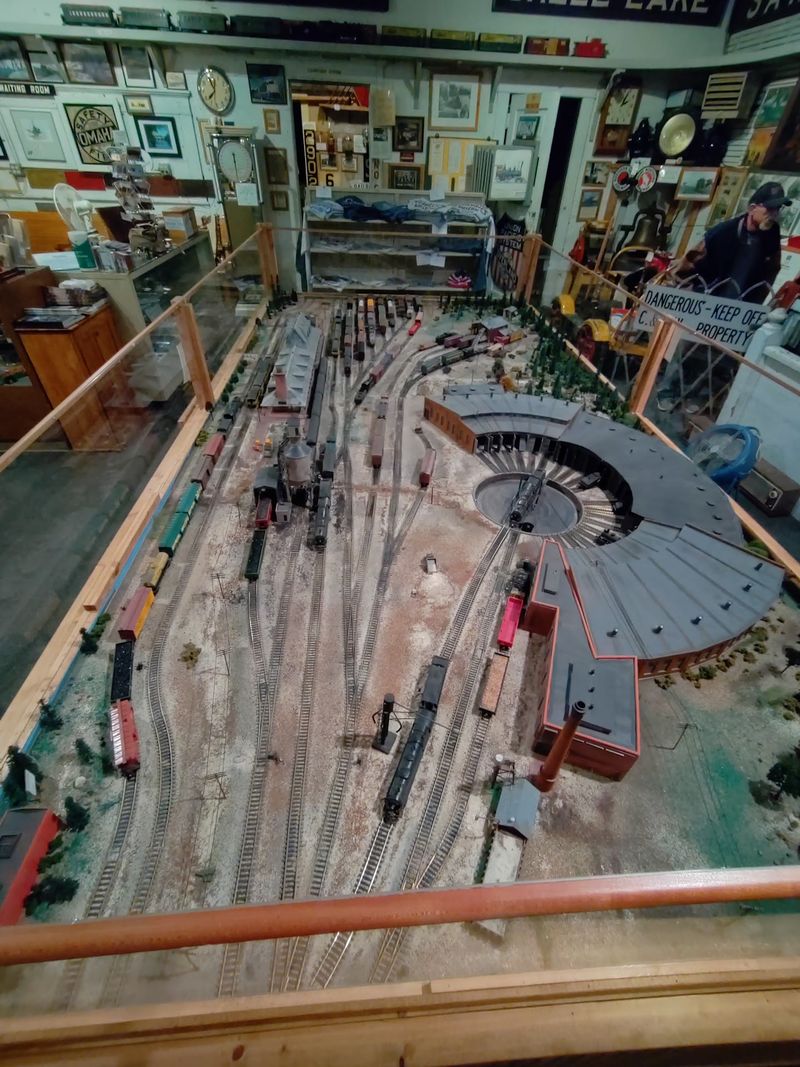
Miniature trains have a way of turning fidgety kids into statues. The model displays at Railroad Memories Museum are usually the first thing young visitors run toward, and plenty of grown-ups end up leaning in just as long.
Small locomotives, buildings, tracks, and scenery recreate Spooner’s railroad yard during its busiest years. Watching a train loop past a miniature town helps children understand how the real thing worked.
Parents find the models make a handy teaching moment. You can point out the caboose, the coal tender, and the signals, then connect them to the full-size artifacts in the next room.
Little details matter most here. Look for painted figures on platforms, hand-built structures, and scenery crafted by people who clearly enjoyed the work.
If your kids need something to look at while you read exhibit cards, the layouts buy you time. Bring a stroller-free plan for the tighter rooms, hold hands near the cases, and let each child pick a favorite locomotive to talk about afterward.
Simple games like that keep the whole family engaged and make the visit stick in their memory.
How Spooner Grew Up Around The Rails
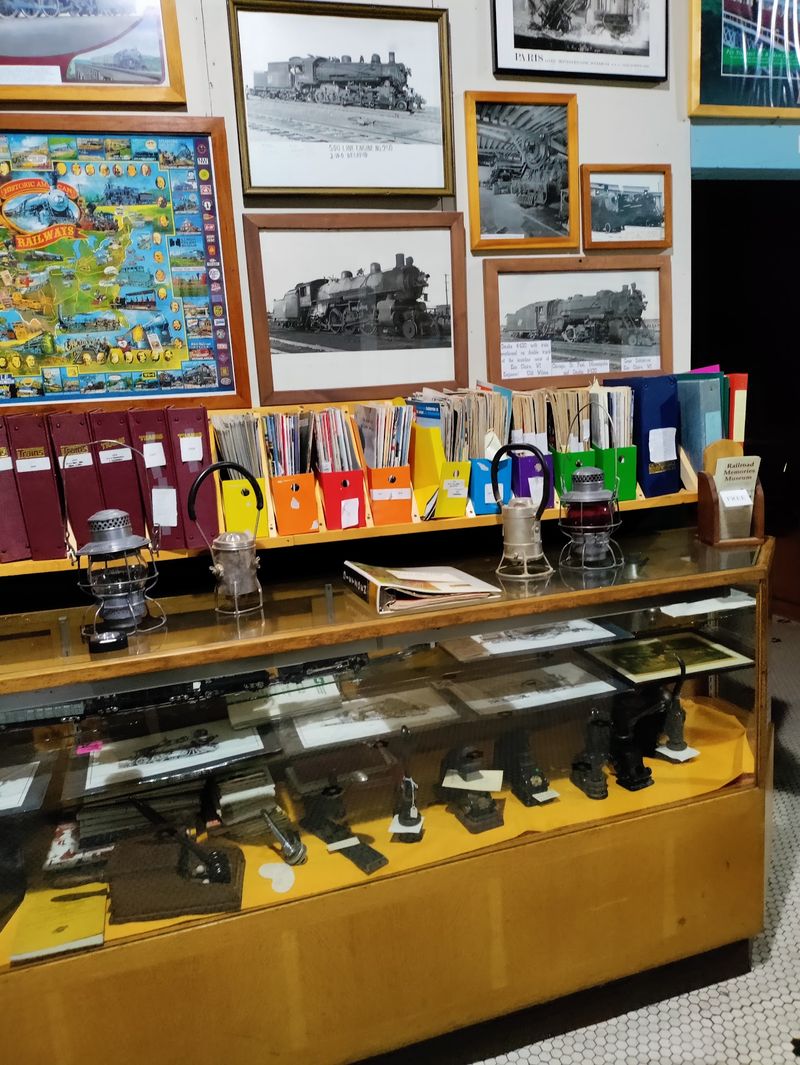
Here is a fun bit of background: the town exists largely because the railroad needed a place to stop. Spooner developed as a division point, meaning crews changed, engines were serviced, and freight moved through around the clock.
Exhibits at Railroad Memories Museum explain that story with maps, photos, and equipment from the shops and yards. You start to see why a small northern community once had roundhouses, repair crews, and busy passenger platforms.
Lumber, ice, mail, milk, and vacationers all traveled these lines. Whole families depended on railroad paychecks, and the timetable set the rhythm of daily life.
Understanding that history changes how the rest of Wisconsin looks on your drive. Those long straight corridors through the woods were not random, and many towns in the region sit exactly where the tracks put them.
You should ask about the shop buildings and the old yard layout while you are inside. Local knowledge adds color that no display card can hold.
By the time you leave, the quiet streets outside carry a very different weight, because you can picture the steam, noise, and crowds that once filled them.
Volunteers Who Bring The Exhibits To Life
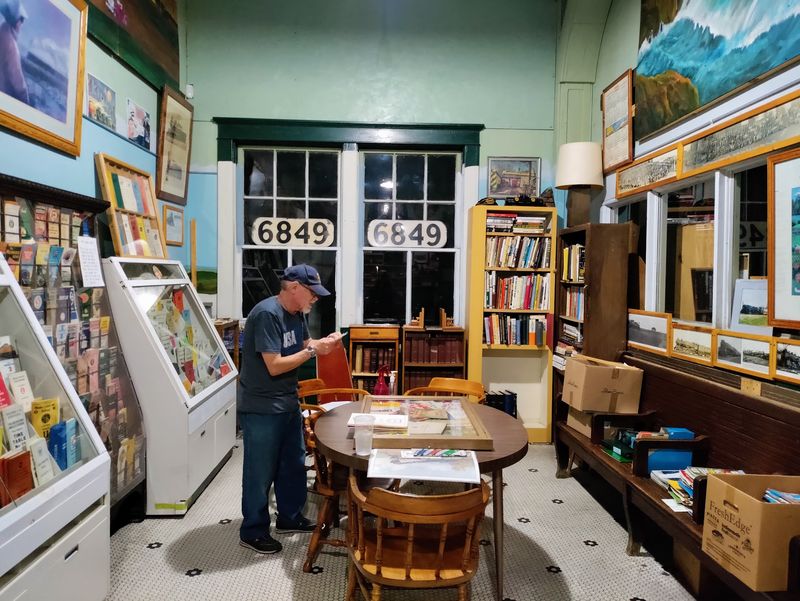
Ask one question and you may get three great answers. The people staffing Railroad Memories Museum tend to be locals with deep ties to the area, and their knowledge fills the gaps between artifacts.
They can explain how a telegraph sounder worked, why lantern colors mattered, and what a brakeman actually did all day. Those explanations turn a shelf of metal objects into a story about real workers.
Kids often get the warmest welcome. Simple questions like which train was fastest or how a whistle signal worked usually spark a helpful demonstration or a good anecdote about the old yard.
Small museums like this one survive on that kind of dedication. Every display has been cleaned, arranged, and researched by someone who cared enough to do it.
You get the most from your visit when you treat the conversation as part of the exhibit. Mention what interests you most, whether that is steam power, photographs, or the town itself, and let the tour follow your curiosity.
Saying thanks on the way out costs nothing, and signing the guest book helps show that visitors from across Wisconsin and beyond keep showing up.
Fun For All Ages, Even If Trains Are New To You
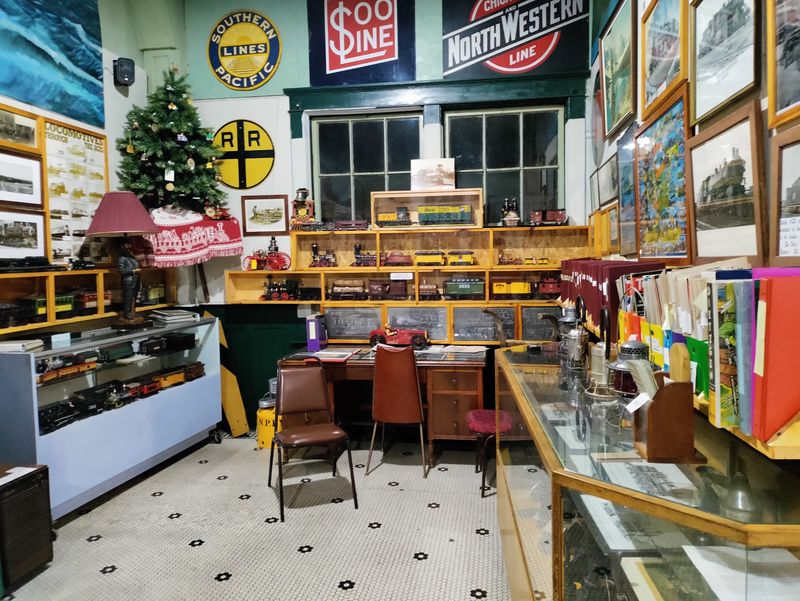
Not everyone arrives as a rail fan, and that is completely fine. Railroad Memories Museum works because it mixes big machinery stories with everyday objects that anyone can relate to, like dishes, clocks, uniforms, and travel posters.
Grandparents often recognize items from their own childhood. Kids latch onto the bright lanterns and the models. Teens gravitate toward photographs and the sheer age of the paperwork on display.
Because the building is compact, nobody gets worn out. You can see plenty in thirty minutes or stretch the visit past an hour without walking long distances.
It also makes a solid rainy day plan. When lake weather in Wisconsin turns gray, an indoor stop with lots to look at saves the afternoon.
You should let each family member lead one room, which keeps everybody interested instead of trailing behind. Give younger children a small scavenger hunt, such as spotting three different lanterns or finding the oldest photo they can.
Simple challenges like that turn a quick museum stop into something the kids talk about for the rest of the trip.
What To Know Before You Go
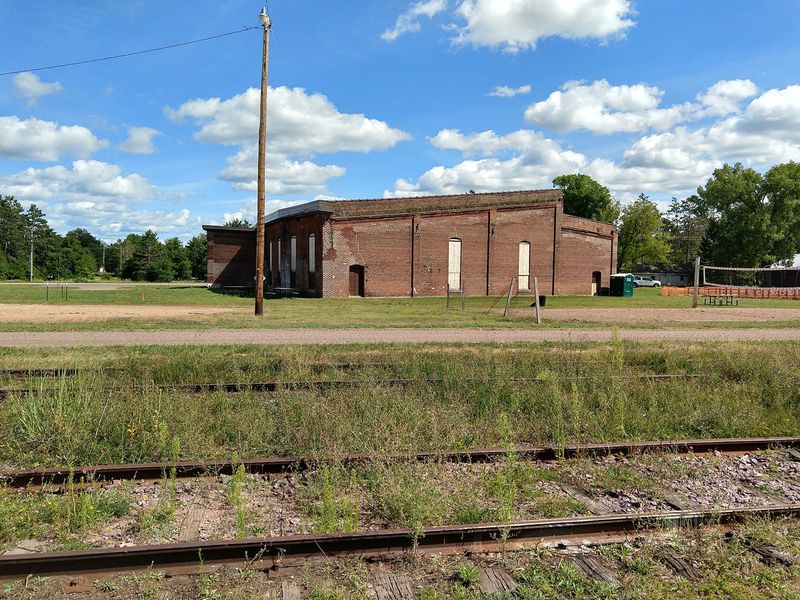
A little planning goes a long way with seasonal attractions. Railroad Memories Museum operates during the warmer months, so you should confirm the current schedule before building your day around it.
The museum posts regular visiting hours, but checking the current schedule before your trip is still a smart idea. You can find the museum at 424 N Front St, Spooner, WI 54801, right in the heart of town near the tracks.
Parking nearby is easy, and the location makes it simple to pair with lunch or a walk down the main street. Admission stays modest, and donations help keep the collection cared for.
Wear comfortable shoes, since you will be standing and reading more than walking. Ask about the museum’s current photography policy before taking pictures.
Arriving earlier in the day gives you more relaxed time with the volunteers, especially in the busy summer weeks when travelers pass through northern Wisconsin. If you are traveling with a group, calling ahead is smart so the staff can plan for you.
Small courtesies like that make the whole experience smoother for everyone.
Worth The Detour Off The Highway
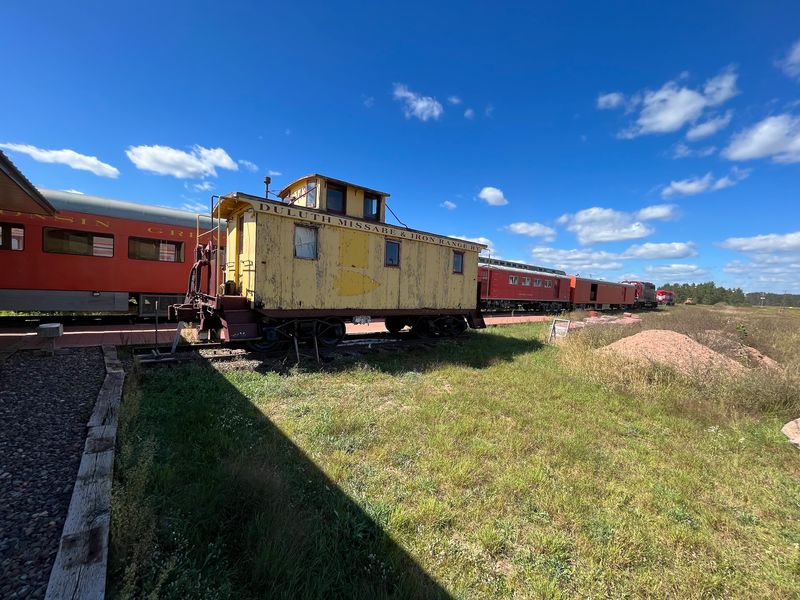
Road trips get remembered for the unplanned stops. Railroad Memories Museum fits that role perfectly, offering an unhurried hour of history in a town most people only drive through on the way north.
Pair it with a stroll around downtown, a bite to eat, or a scenic excursion train ride available in the area during the season. The combination makes for a satisfying half day without much driving.
Nearby lakes, rivers, and trails give the region its reputation, but the rails came first. Seeing that story up close adds meaning to everything else you do in this part of Wisconsin.
Families leave with something to talk about, and train enthusiasts leave with photos and details they did not expect from a small museum.
You should make room for it the next time your route brings you through Washburn County. Places like this survive because travelers stop, look around, and share what they found.
Give the depot an hour of your day and you will understand exactly why one busy rail line turned a patch of northern woods into a town that still celebrates its tracks.