
The Oldest Italian Bakery In New York Still Baking From Recipes Written In 1892
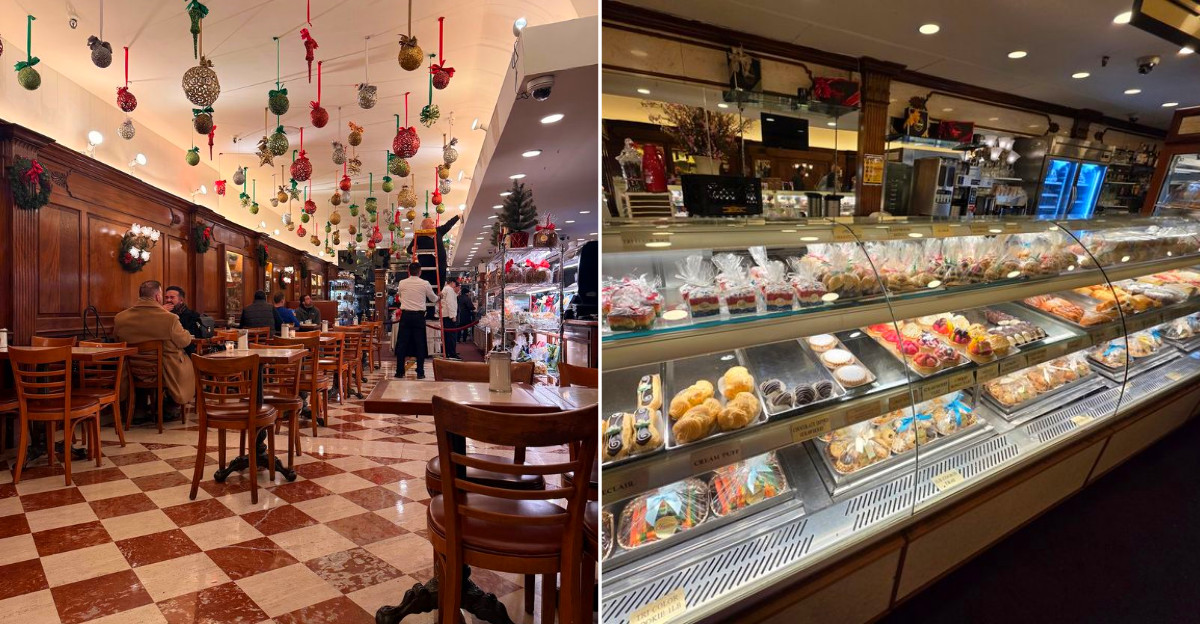
One bakery in New York has been filling pastry shells since 1892, on the same block, through five generations of the same family. Nobody ever packed up and moved, which in this city counts as its own achievement.
More than 200 Italian pastry specialties get made by hand there every day. The recipes trace back to the beginning, which means somebody in 1892 wrote down what worked and nobody since has found a reason to improve on it.
Landmark is a word that usually means a place coasting on reputation. This one is still producing at a scale most modern bakeries would find unreasonable.
A Sugar-Dusted Time Machine On Grand
Old New York does not survive by accident. It survives because someone keeps showing up before dawn to roll dough the same way their great-great-grandparents did. That is exactly what happens inside this Little Italy institution.
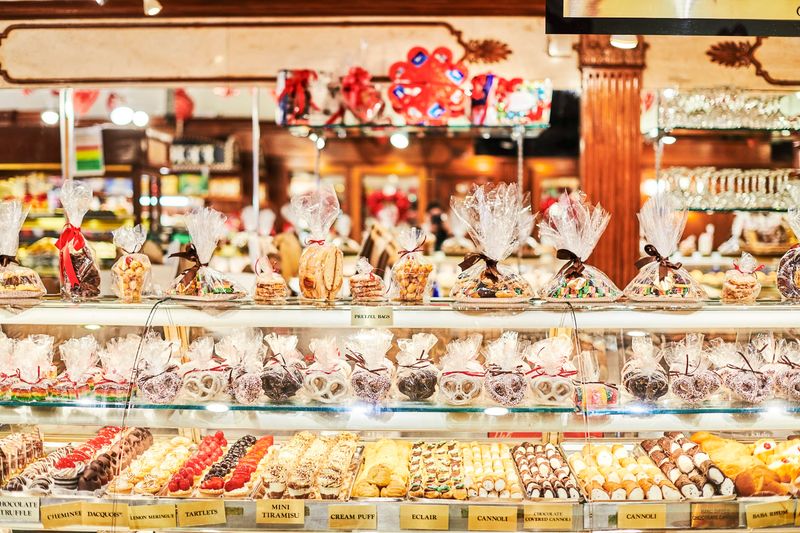
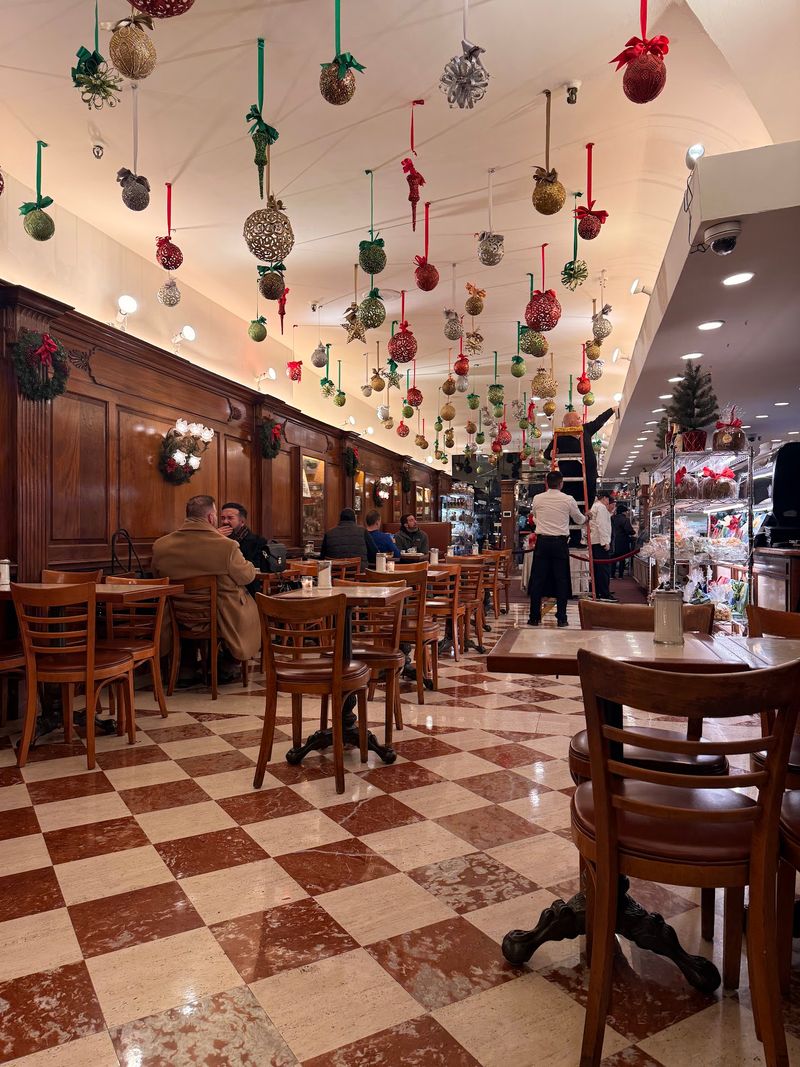
The interior leans into its age with pride. Dark mahogany walls, tall mirrors, and long glass showcases hold rows of pastries, cookies, and gelato in every shade you can name.
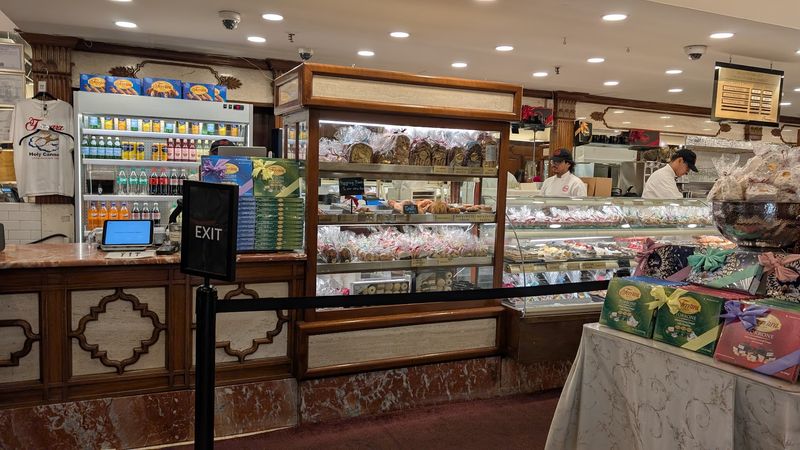
The room stretches farther than most people expect, with dining tables, counter service, and private event spaces all under one roof.
What makes it worth the trip is the sense of continuity. Since 1892, the doors have opened without a single lengthy interruption, and the family behind it is now on generation number five.
Aromas do most of the talking here. Espresso, warm sugar, toasted almond, and citrus peel mingle in the air before you even reach the register.
You can grab a box to go or settle in with a cup and watch the sidewalk parade outside. Either way, you are eating a piece of New York history that never went stale.
Ferrara Bakery & Cafe, Anchored In Little Italy
Say the name Ferrara Bakery & Cafe anywhere in Manhattan and someone will immediately mention cannoli. The address is 195 Grand Street, sitting between Mulberry and Mott in the heart of Little Italy.
Two men, one an immigrant from Naples and his business partner, opened the shop in 1892 as a spot where Italian New Yorkers could linger over coffee and pastry. The concept was simple and it stuck.
The block around it has shifted plenty over 130-plus years. Chinatown pressed in from one side, tourism reshaped the other, and yet the bakery never budged from its original corner of the neighborhood.
Finding it takes no effort at all. The windows glow, the display cases sparkle, and there is usually a friendly bit of foot traffic pausing to peer inside.
Getting there is easy by subway, and the surrounding streets reward a slow stroll before or after your visit. Consider the bakery your reward at the end of a walk through one of New York’s most storied neighborhoods.
Come hungry. Leaving empty-handed rarely happens.
Cannoli That Built The Reputation
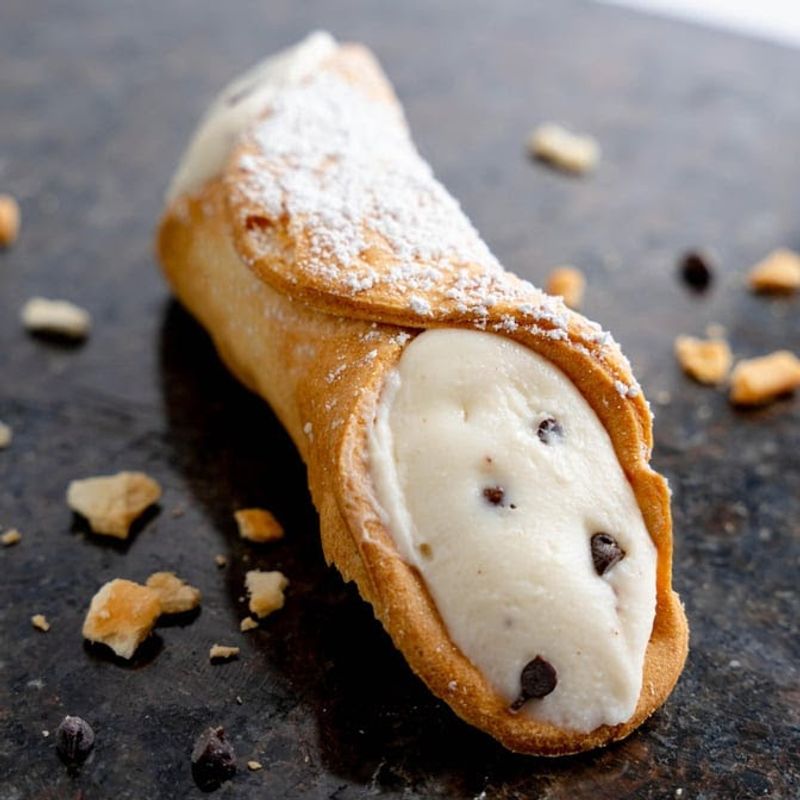
Crunch matters. A cannolo shell that sighs instead of shatters has already lost the argument, and the ones here understand the assignment.
The Cannolo Siciliano arrives filled to order with sweet ricotta, so the shell keeps its snap right through the last bite. A chocolate version joins the classic on the menu, and a gluten free option means fewer people get left out of the fun.
Ricotta filling is where the craft hides. Too grainy and it feels chalky, too loose and it slides out the ends. The balance struck here is smooth without turning into pudding.
Ordering tips are worth knowing. Ask for them filled fresh, eat them within the hour, and resist the urge to let one sit in a bag on a long subway ride.
Nearly nine hundred customer mentions point to the cannoli as the signature item, which says plenty about consistency over more than a century.
Pair one with a double espresso and you have the neighborhood’s most efficient afternoon reset. Simple, sweet, and completely worth the powdered sugar on your shirt.
Lobster Tails And Sfogliatella Worth The Flake
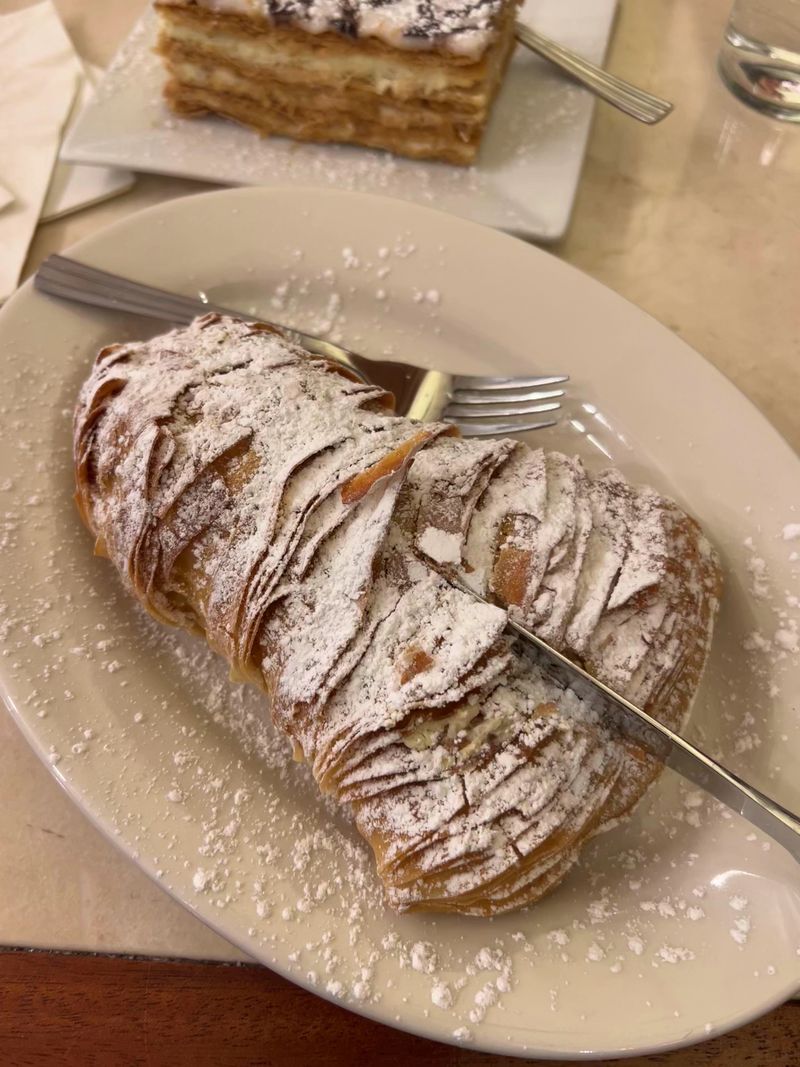
Layers, hundreds of them, thin as onion skin. That is what separates a proper sfogliatella from a decent croissant, and the pastry chefs here take that difference seriously.
The Sfogliatella comes shaped like a seashell with a shatter-prone exterior and a fragrant filling inside. Its bigger cousin, the Lobster Tail Pastry, takes the same laminated dough and packs it with cream until it looks nearly comical on the plate.
Both are messy in the best possible way. Flakes scatter, napkins get involved, and nobody at the surrounding tables seems to mind.
Timing helps here. These pastries are best when the shell is still crisp, so eating in beats a long walk home with a box.
Roughly two hundred customer mentions single out the lobster tail, and the sfogliatella has its own loyal following. Neither one is shy on flavor.
Order one of each if you are sharing. The sfogliatella leans lightly citrus-scented and traditional, while the lobster tail delivers a richer, creamier finish.
Both taste like something a bakery has spent generations perfecting, because that is precisely the case.
Rainbow Cookies And The Great Biscotti Wall
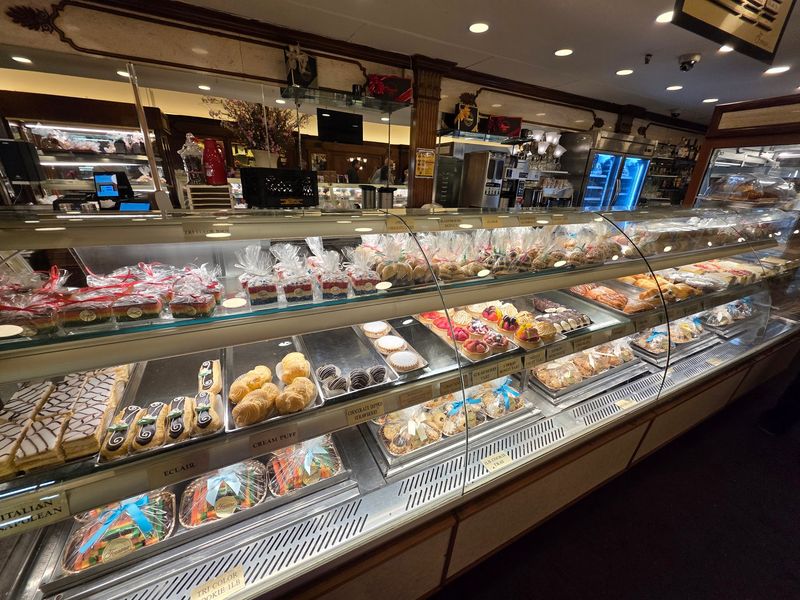
Every Italian American family has an opinion about rainbow cookies. Layers too dry, jam too thin, chocolate too thick, the debates are eternal.
Here the tricolor cookies show up on trays alongside pignoli cookies, assorted cookie selections, and enough biscotti varieties to keep a coffee habit busy for weeks. Torrone, the chewy Italian nougat candy, sits nearby for anyone who likes their sweets with a little resistance.
Holiday season brings Cuccidati, the traditional fig-filled cookies that Sicilian bakers have made for generations. They appear seasonally, so keep an eye out around the winter months.
Buying by the pound is the move for gatherings. A mixed tray travels well and tends to disappear faster than anyone predicts.
Pignoli cookies deserve a special mention for their almond paste base and pine nut crust. Chewy in the middle, toasty on top, and naturally free of flour.
Fifty-plus customer mentions specifically praise the rainbow cookies, which is a lot of enthusiasm for something so small.
Grab a mixed box and let everyone argue over their favorite. That argument is half the tradition.
Gelato Made Right On The Premises
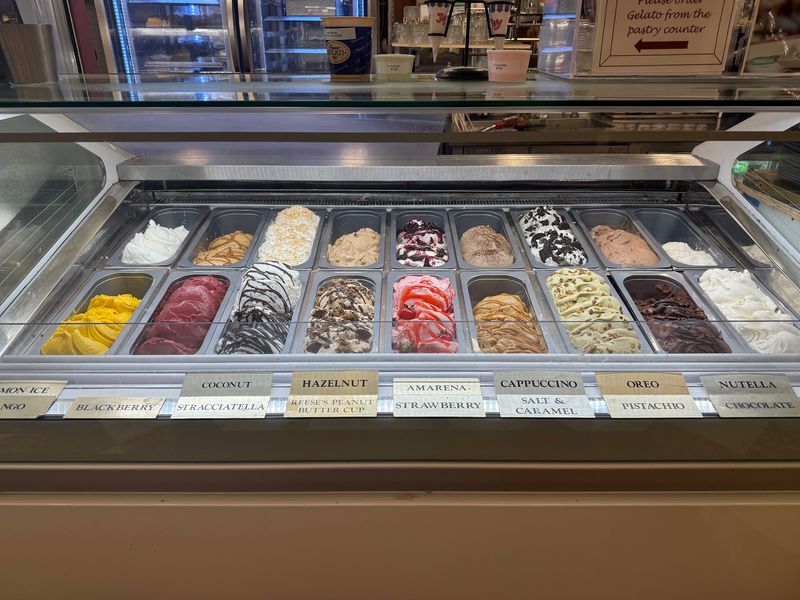
Pistachio is the honesty test for any gelato counter. Fake versions glow green and taste like candy, while the real thing looks dull and tastes like nuts.
The gelato here is made fresh on site, and the pistachio earns roughly thirty specific mentions from customers who noticed actual pistachio flavor. Nearly five hundred people mention the gelato in general, which suggests the freezer case is doing serious work.
Beyond a plain scoop, the menu turns playful. Mangia E Bevi combines iced cappuccino with cappuccino gelato in one glass, and the Gelato Affogato drowns a scoop in hot espresso.
Waffles and gelato appear on the brunch menu, which is either breakfast or dessert depending on your convictions.
Summer afternoons in New York call for a cup, but the case stays stocked year round. Nobody will judge you for ordering gelato in February.
Ask what was churned that morning. Freshness shows up in texture, and gelato served slightly warmer than ice cream carries flavor further across the tongue.
Bring napkins. Grand Street sidewalks are unforgiving to drips.
Brunch Hours Nobody Talks About Enough
Pastry gets the headlines, but the kitchen quietly serves brunch every day from nine in the morning until three in the afternoon.
The menu covers real food, not just sugar. A bread basket arrives with panettone and mini croissants, and the mains include breakfast panini, omelettes, breakfast pizza, and steak and eggs.
Lighter options exist too. Antipasto Freddo, the Molto Bene salad, and a Margherita pizza give the table some balance before dessert enters the picture.
Panini fans have choices. Prosciutto, roasted vegetable, and steak versions all make the list, pressed on bread that holds up to a serious filling.
Savory lunch specials rotate through sandwiches like chicken bruschetta and French dip, along with pasta plates such as chicken marsala, baked manicotti, and lasagna.
Eating a full meal here changes the visit entirely. Instead of a five minute pastry stop, you get a proper sit-down inside a room that has fed New Yorkers since the nineteenth century.
Arrive before three if brunch is the plan. After that the focus shifts back to sweets, which is hardly a punishment.
Coffee Culture With Genuine Roots
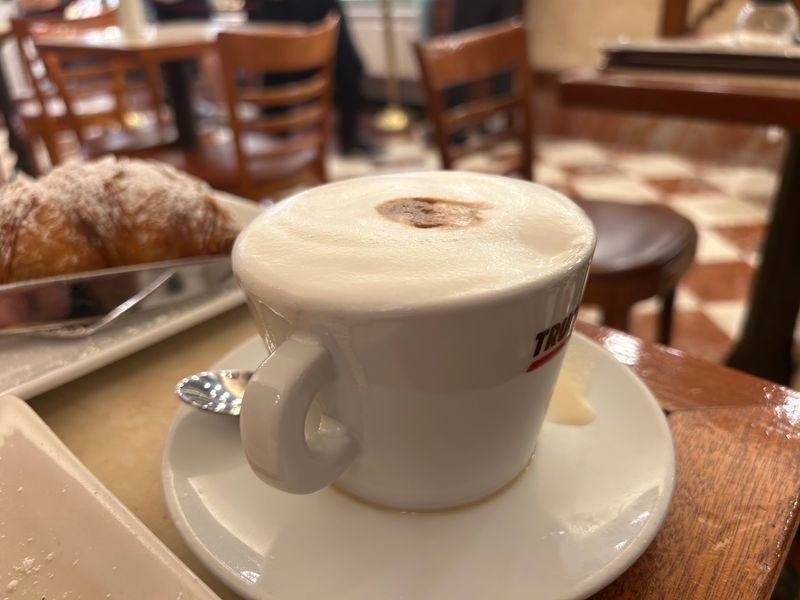
Espresso in Little Italy is not a trend. It is a habit that arrived with immigrants and never left, and this cafe has been pouring it since the very beginning.
The drink list runs deep. Single and double espresso, macchiato, americano, cappuccino, house coffee, caffe latte, caffe mocha, and mocha mint all appear, plus flavored lattes for anyone who likes a little extra sweetness.
Cold options hold their own. Ferrara’s Italian Frappe, frosted mocha, iced espresso, iced cappuccino, and iced latte cover warm weather cravings.
Tea drinkers are not an afterthought. English breakfast, Earl Grey, lemon, peppermint, chamomile, and green tea round out the selection.
Non-coffee choices include limonata, aranciata, Italian soda, orange juice, hot chocolate, and flavored milk, which makes the place easy with kids in tow.
Cafe hours run nine in the morning to ten at night Sunday through Thursday, stretching to eleven on Friday and Saturday. Table service wraps thirty minutes before closing.
Order an espresso, take a seat, and let the room do what it has done for more than a century.