
This Historic Mississippi Theater Was Once William Faulkner’s Family Livery Stable
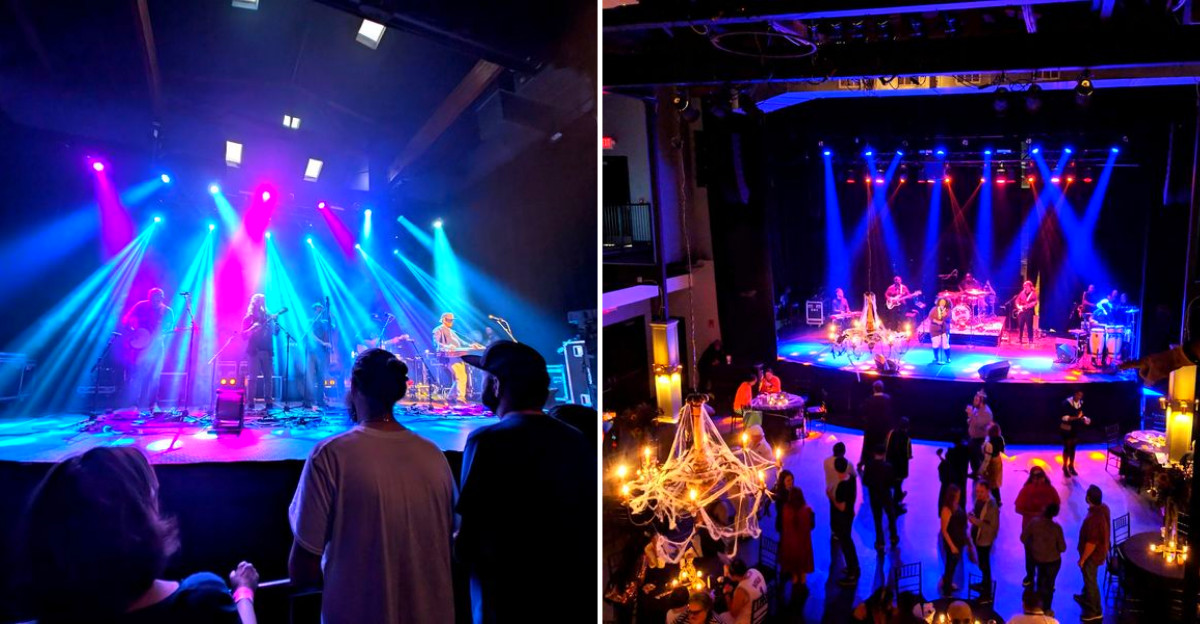
Horses were stabled in this Mississippi building before it ever showed a film or hosted a band.
The Faulkner family owned the livery, which is a detail that sounds invented and is not, and the structure has been standing on the same corner through every version of itself since.
Buildings in this town tend to get replaced rather than repurposed. This one went the other direction, keeping its bones while everything about its purpose changed.
Faulkner is the hook people arrive with. The building is the reason they stay longer than they meant to.
A Building With More Than One Act
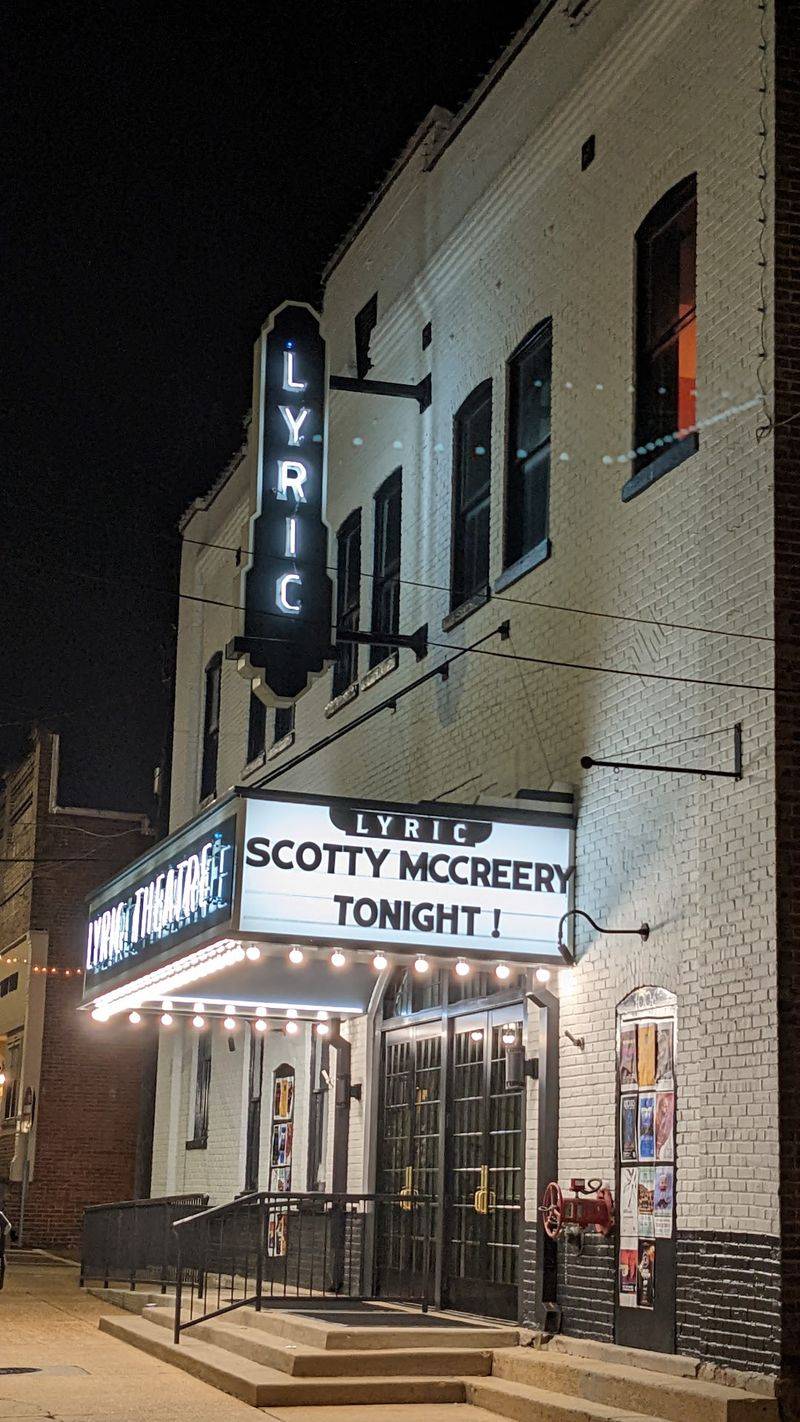
A horse stall is an unlikely beginning for one of Oxford’s best known performance spaces. Mississippi preservation records trace the property back to a late nineteenth century livery stable.
The venue’s own history also says the stable was owned by William Faulkner’s family during the early twentieth century.
Long before amplifiers and stage lights entered the picture, horses and buggies were part of daily business here. The stable served a practical town growing around its courthouse Square. Nobody was thinking about concert sound or movie premieres yet.
State records describe the historic building as brick construction with Italianate influence and two stories. They also document major alterations across the decades. A fire affected the theater during the 1920s, followed by restoration and later remodeling.
That history makes the place more interesting than a perfectly preserved time capsule.
Look closely at the story and the real theme becomes reuse. The site kept absorbing new purposes while Oxford changed around it. A working stable became an entertainment space.
Other businesses followed. Eventually crowds returned for live shows.
Few buildings get a plot this busy without becoming a museum. Here, history still has a ticket at the door.
The Lyric Oxford Takes The Stage
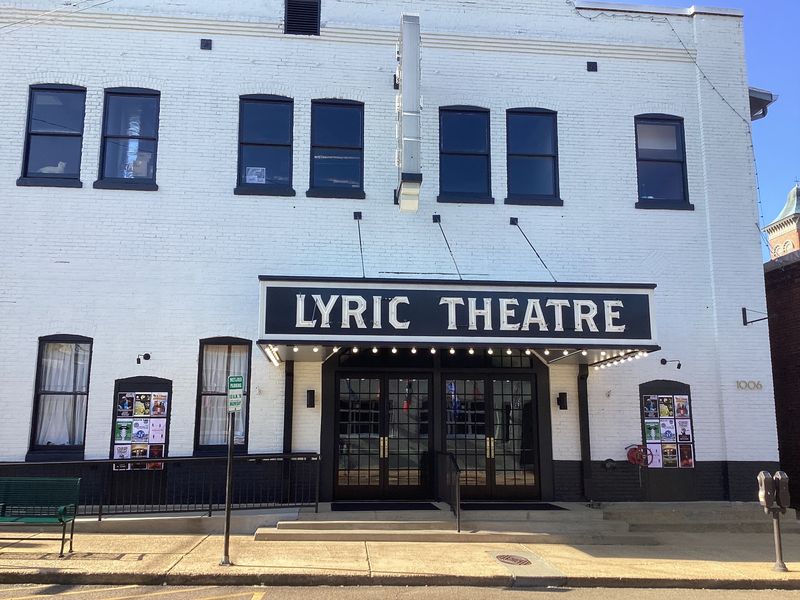
By 1914, the old livery property had entered its theater era. Mississippi Department of Archives and History records say the Lyric opened that year for stage plays and silent films. Oxford’s 2026 visitor materials also use 1914, giving that date strong local and archival support.
The Lyric Oxford now stands at 1006 Van Buren Avenue in downtown Oxford. The venue is just off the historic Square, close enough to pair a show with an afternoon around the shops and public spaces nearby.
Early audiences came for live performances and silent pictures. Motion pictures later pushed the Lyric into a larger role as Oxford’s first movie theater, according to the venue’s official history.
That shift gave the building a place in local entertainment long before modern concert production arrived.
Fire changed the property during the 1920s. State preservation records describe the damage as partial and note later restoration for talking pictures. The building continued to evolve through more remodeling, which explains why its present form carries several eras at once.
Names can feel ceremonial when a place has lasted this long. The Lyric earned its identity by changing with the technology on its stage and screen. Silent films gave way to sound.
Movies eventually gave way to other uses. Live performance found its way back.
That is a lot of history for one Van Buren Avenue address.
Faulkner Returns For A Premiere
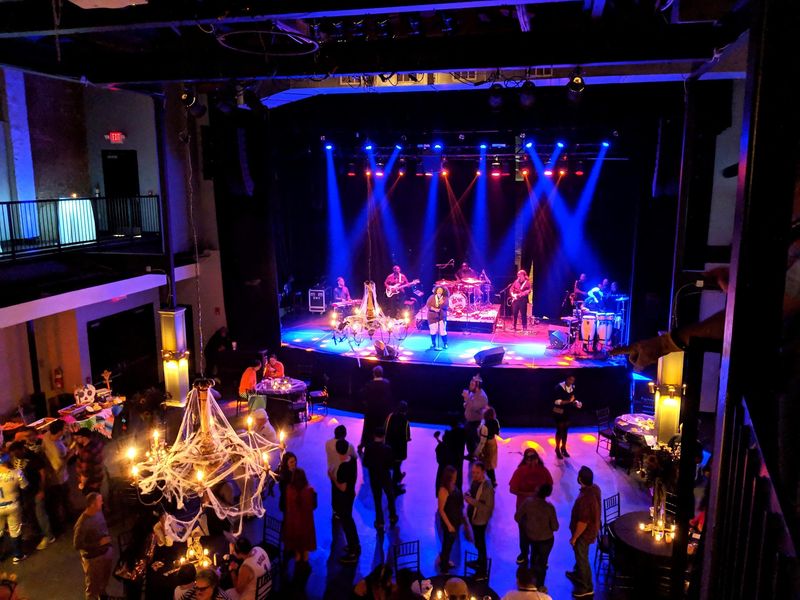
October 11, 1949 gave the theater its most famous night. MGM’s adaptation of William Faulkner’s novel Intruder in the Dust had its world premiere in Oxford, and the Lyric was the room chosen to show it.
Faulkner did not need a long journey to attend. The venue’s history says he walked there from Rowan Oak, his Oxford home. University of Mississippi materials confirm the premiere date and note that Mississippi’s governor proclaimed the occasion William Faulkner Day.
Oxford itself had already played a role in the film. Production took place around the area, and many local residents appeared as extras. National media came to town for the premiere, giving the event reach far beyond Lafayette County.
History added a tidy bit of symmetry. Faulkner arrived at a theater on property once tied to his own family. The old livery connection gave the night a layer no studio publicity team could have designed better.
That relationship also makes the Lyric unusually useful for travelers following the writer’s life. Rowan Oak explains his private world. The theater points toward the public moment when Oxford gathered around work that had traveled well beyond Mississippi.
Literary history can feel distant when it stays behind glass. Here, it once bought a movie ticket.
The Long Intermission Changes Everything
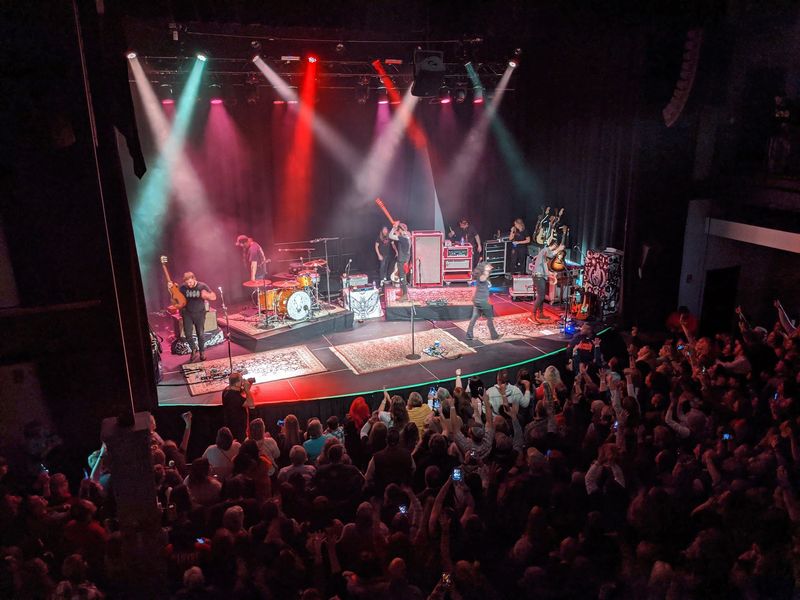
Time did not leave the Lyric frozen in its movie house years. The theater stopped operating as a cinema during the 1970s, ending the long chapter that had made the building a familiar screen destination in Oxford.
Years of inactivity followed before the property found new uses in the early 1980s. The venue’s own history records offices, residential space, and a health center inside the building.
A later account also describes a printing business, apartments, a yoga studio, and a restaurant occupying parts of the structure by 2007.
Private ownership acquired the building that year with a different plan. The interior was opened back up for live events. Renovation work removed divisions that had accumulated over previous decades and made space for a stage and balcony.
July 3, 2008 marked the public return. The Lyric began operating again as a theater on that date, giving Oxford a performance room built around live music and events rather than regular movie screenings.
A 2024 profile identifies the current operation as privately co owned. The person who acquired the building in 2007 remained part of the ownership, while a longtime manager had also bought into the business. The names matter less here than the continuity of the modern revival.
Another refresh followed in 2020. Current venue information notes updated production features and green rooms as part of the setup.
Continuity here does not mean doing the same thing forever. The better story is adaptation. The building kept changing jobs, and each era left enough room for the next one to make sense.
The Room Was Rebuilt For Music
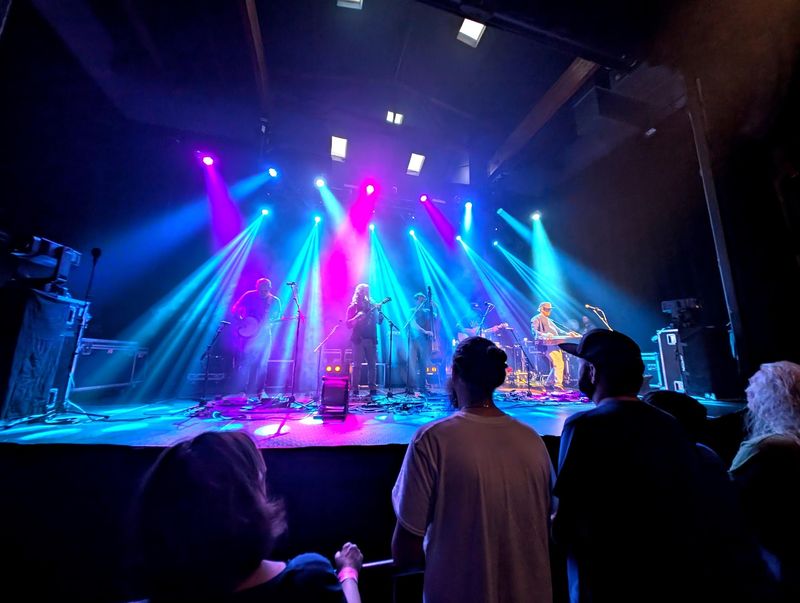
Music changed the scale of what the old theater could do. Renovation work before the 2008 reopening cleared the subdivided interior and created the broad main room used today. A balcony was added as part of that work, giving the venue vertical space as well as floor space.
Public concerts operate as standing room events. The official FAQ makes that clear, so visitors should not arrive expecting rows of fixed theater seats.
Visit Oxford also describes a spacious main hall with mezzanine and balcony areas that can be adapted for different events.
Modern production sits comfortably inside the historic shell. Current venue materials point to updated sound and lighting systems, while the backstage setup includes green rooms for performers.
A 2020 refresh helped bring those working parts forward without erasing the older character.
Crowds can be substantial. A 2024 feature on the Lyric described a sold out concert attended by about 1,000 people. Words like tiny or intimate simply do not fit the current layout.
Performers across country, rock, indie, and hip hop have appeared here since the reopening. The mix changes with Oxford and the university community, which keeps the calendar broader than a single genre.
Scale is part of the appeal. The room is large enough for touring acts yet still tied closely to downtown Oxford. You can spend the afternoon around the Square and be inside the venue before the evening feels like a separate trip.
Old buildings often get praised for atmosphere alone. The Lyric earns extra credit because the room still has a practical job to do.
The Calendar Goes Beyond Concerts
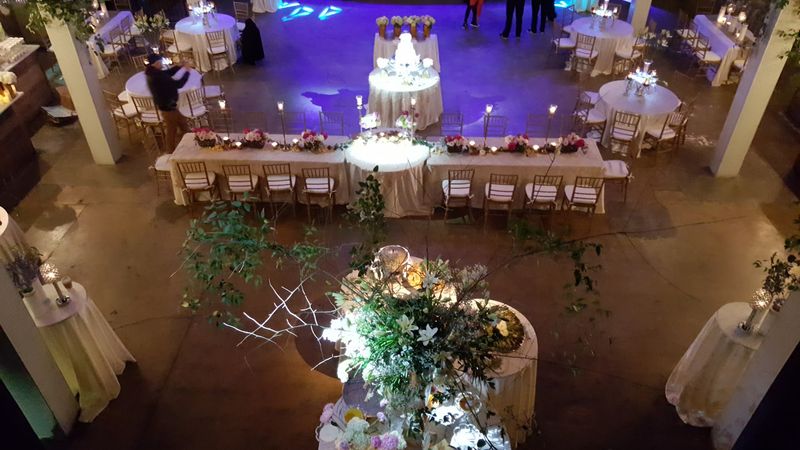
Concerts tell only part of the current story. The Lyric also hosts fundraisers, private gatherings, conferences, film screenings, speaking events, and wedding receptions. That flexibility matters in a college town with a busy public calendar.
Current listings confirm that the theater remains active in 2026. The official schedule shows performances and public events spread across several months, rather than a fixed daily attraction schedule.
Ticket planning works differently here than it does at a museum. The box office opens on show days 30 minutes before doors, according to the venue’s current FAQ. Advance tickets are sold online, and individual event pages list door and start times.
Age rules vary by event, though the venue generally lists shows as 18 and older unless stated otherwise. Minors may attend with a parent or guardian over 21. Families should check the event page before building an evening around a specific performance.
Show lengths change with each booking. The venue says most headlining artists perform about 75 to 90 minutes, while closing times follow local curfew rules. That makes the event page more useful than any blanket promise about nightly hours.
Flexibility also explains why the interior matters so much. A standing concert needs a different room than a conference or reception. The main hall, balcony, mezzanine, and production areas give the building room to change character without changing addresses.
That event based rhythm is worth remembering. There is no reason to arrive at a random hour expecting a self guided historic tour. The building is still a working venue, which may be the most fitting ending its history could have asked for.
Make It Part Of An Oxford Day
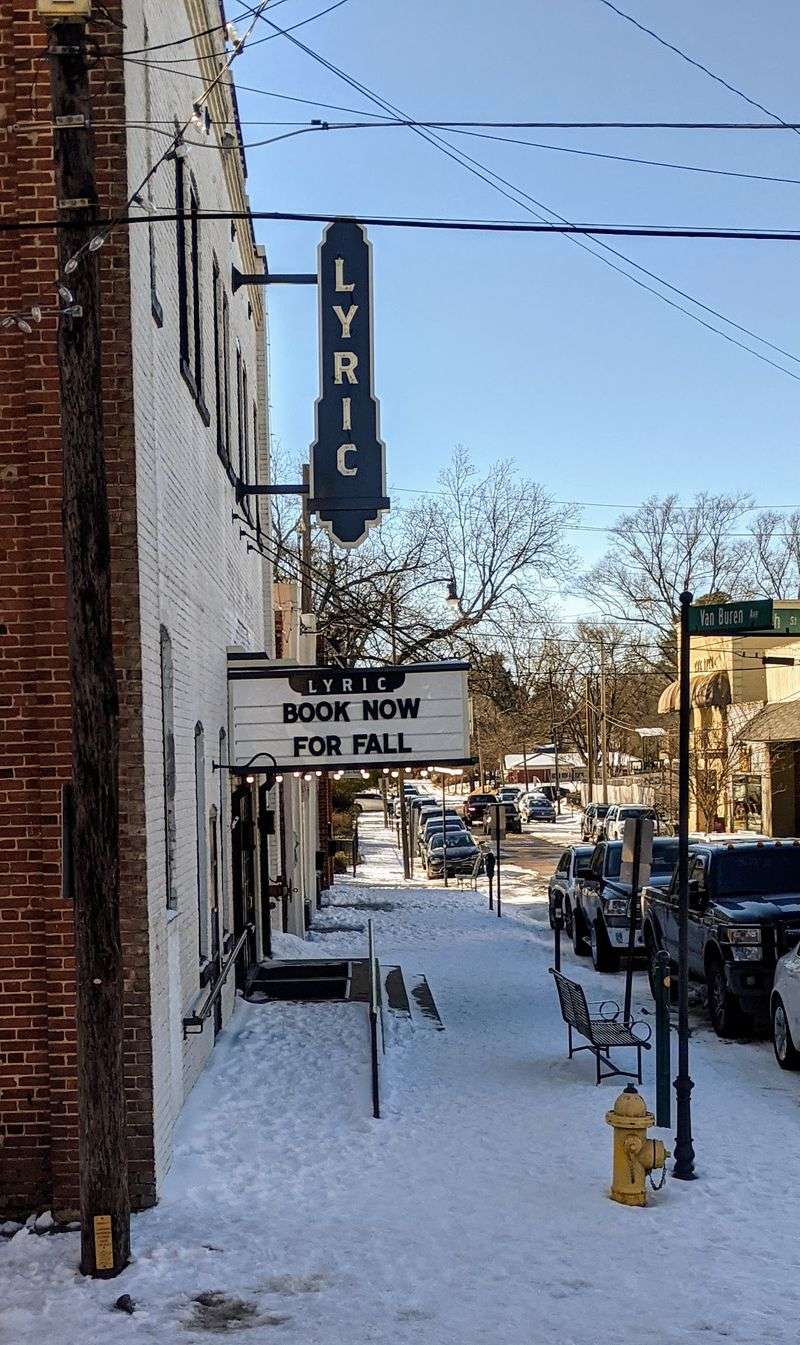
Planning works best when the Lyric is treated as part of downtown rather than a stand alone stop. The historic Square is nearby, and the theater sits within walking distance of shops, restaurants, and several places to stay.
Parking takes a little forethought. The venue does not have its own parking lot. Current guidance directs visitors to open city lots, metered street spaces, and the downtown parking garage.
Earlier in the day, Rowan Oak makes an obvious companion stop for anyone following the Faulkner thread. The writer’s home sits elsewhere in Oxford, while the theater adds a public chapter to the literary story. One space shows where he lived and worked.
The other recalls a night when his hometown gathered around one of his books on screen.
Even without the literary connection, the building rewards attention. A late nineteenth century stable became a 1914 theater, survived major changes, spent years serving other purposes, and returned to performance in 2008.
Mississippi history rarely stays inside one tidy category. Architecture, film, literature, music, and town life all overlap here without much fuss. That mix feels especially right in Oxford, where books and live performance already share so much of the cultural conversation.
Go for the event that catches your eye. Stay alert to the walls around it. The best part of the Lyric is realizing the building has already had several good acts, and the current one is still playing.