
Mississippi’s Safest Town Has One Of The Lowest Crime Rates In The State, Yet Almost Nobody Talks About It
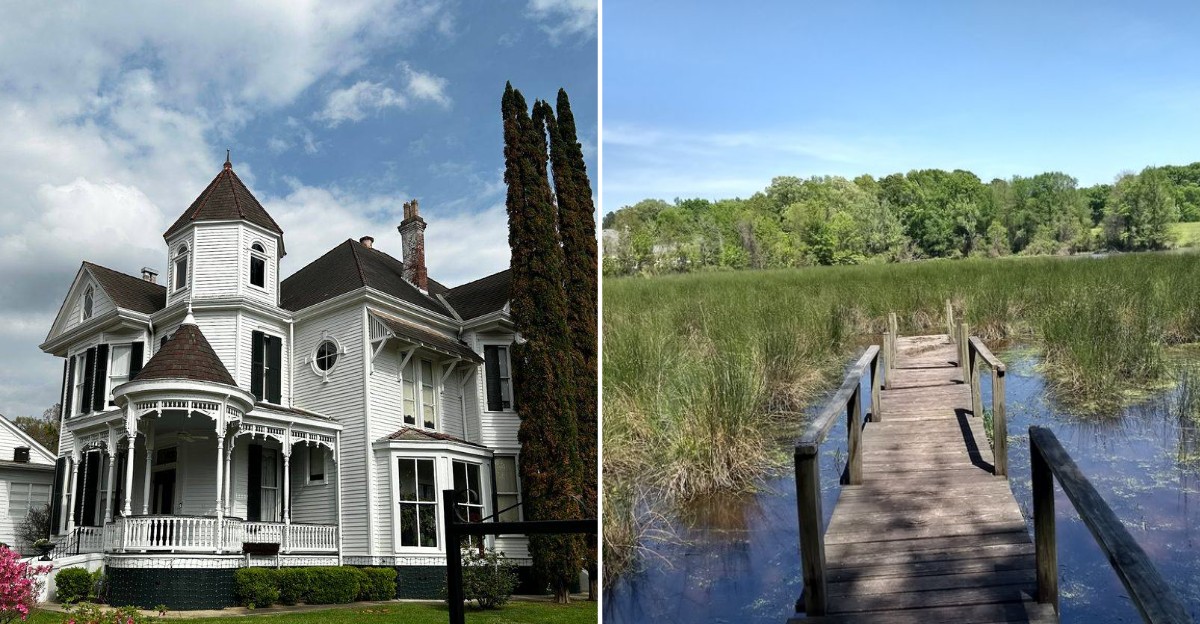
In the times we live in, a Mississippi town with a low crime rate holds nearly priceless value. Yet almost nobody talks about it.
Streets stay quiet without feeling disconnected from the conveniences residents actually need day to day. Neighbors know each other in a way bigger cities rarely allow for anymore.
Local shops and parks sit within easy reach of most townhomes. Nothing about this town feels curated for outside attention or built around drawing bigger crowds.
Locals already know what outsiders are just now discovering about the place. This town proved that safety and quality of life often go hand in hand.
A Crime Rate That Keeps Surprising People
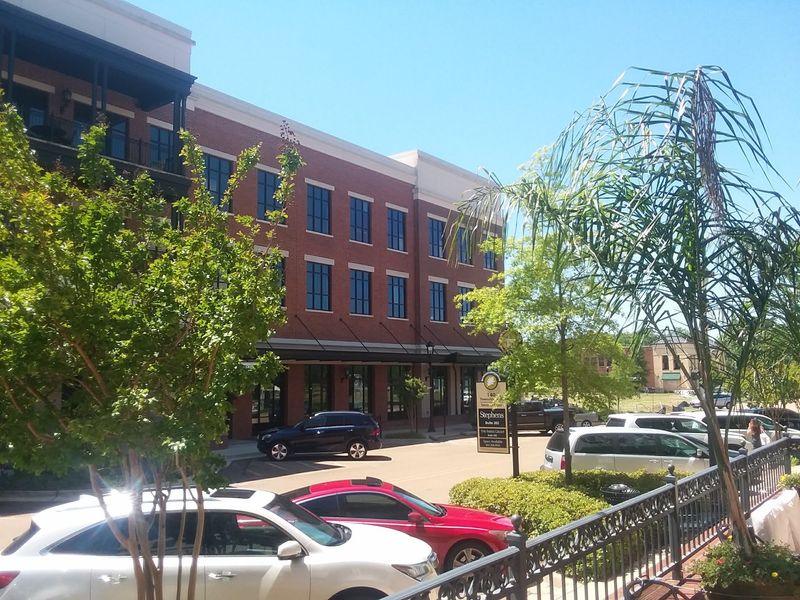
Numbers usually make eyes glaze over, but this one sticks. Madison’s overall crime rate sits around 9.289 per 1,000 residents in a typical year, far below the national average.
Back in 2020, the city reported zero attacks, zero hurting. Not low, zero.
Rankings have piled up too. Madison has been named the safest city in Mississippi repeatedly, including a run of consecutive years from 2019 through 2021, and it landed at the top again in 2026 lists based on per capita crime.
What makes that number hold steady isn’t luck. City leaders lean on strong community policies, neighborhoods built with clear layouts, and safety programs that actually get used instead of collecting dust in a filing cabinet.
Compared with other American towns of similar size, Madison’s crime rate stays noticeably lower. For families weighing a move, that comparison matters more than any brochure.
The odds of facing violent crime here fall well under the Mississippi average, which explains why parents let kids ride bikes to friends’ houses without a second thought.
Word travels slowly, though. Madison rarely shows up in national conversations about safe towns, which keeps it feeling like a secret hiding in plain sight along Interstate 55.
Liberty Park And Its Seventy Acres Of Ball Fields
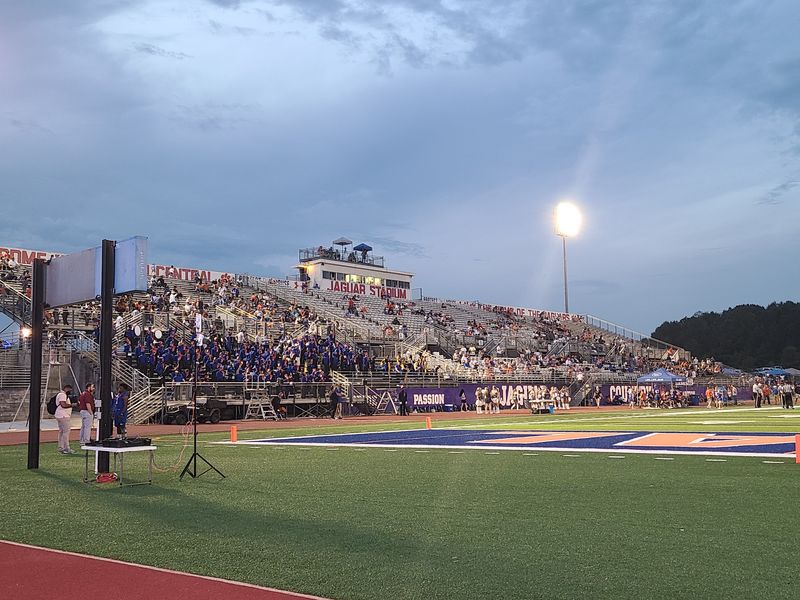
Picture nearly 70 acres of mowed grass, chalk lines, and the sound of aluminum bats on a Saturday. Liberty Park is the kind of sports complex smaller towns usually only dream about.
Eight lighted baseball and softball fields anchor the place. Add three T-ball practice fields and lighted batting cages, and there is almost always a game or a practice going somewhere on the property.
Soccer families get four regulation-size fields, which means tournaments here can run multiple games at once without anybody standing around waiting for a turn.
Two beach volleyball courts round things out. Sand volleyball in Mississippi humidity is a commitment, but people still show up in droves once the sun dips lower.
Picnic tables and concession stands keep the logistics simple for parents juggling siblings, snacks, and folding chairs. Nobody has to drive home between games.
The playground gives younger kids a place to burn energy while an older sibling finishes an inning. Smart design, honestly.
Lighting across the fields stretches the day well past sunset, so weeknight leagues can play after work and school without cutting games short.
What stands out is how much of the town’s social life happens here. Neighbors run into each other in the bleachers, coaches trade stories, and the park quietly does the work of holding a community together.
Strawberry Patch Park And Its Duck-Filled Lake
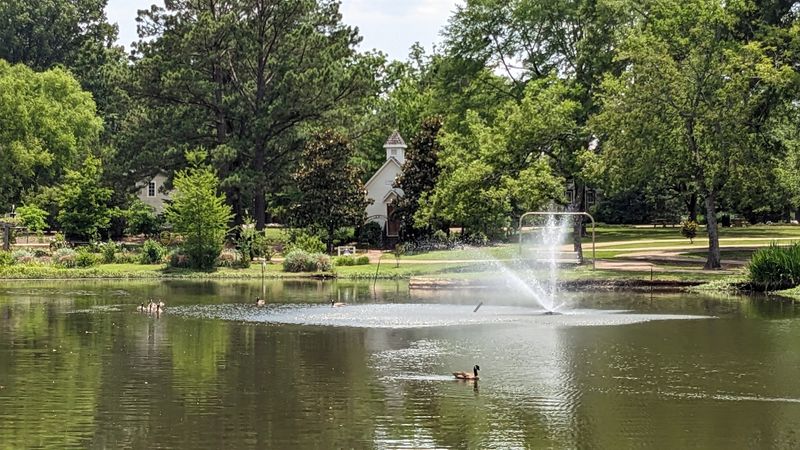
Seven acres does not sound like much until you see how much is packed into them. Strawberry Patch Park manages a lake, a trail, a playground, and a chapel without feeling crowded.
The one-acre lake comes with ducks and geese who have clearly figured out that humans carry snacks. Kids are allowed to fish there, which turns an ordinary afternoon into a small adventure.
A one-mile walking trail loops the grounds and stays lighted, so evening walkers keep going after the sun clocks out.
Picnic tables and benches sit scattered around for anyone who wants to sit still and watch the water. Low-effort entertainment at its finest.
The Strawberry Patch Meeting Hall and Chapel share the property, hosting gatherings and ceremonies against a backdrop of grass and open sky.
The name carries real history. In the late 1800s, Madison was called the Strawberry Capital of the World, shipping berries north by train in enormous quantities.
That nickname faded, but the park keeps the story alive for anyone curious enough to ask where the odd name came from.
Morning joggers, stroller-pushing parents, and retirees with cameras all share the trail. The mix says a lot about how the town actually functions day to day, which is quietly and comfortably.
Simmons Arboretum’s Swinging Bridges And Native Plants
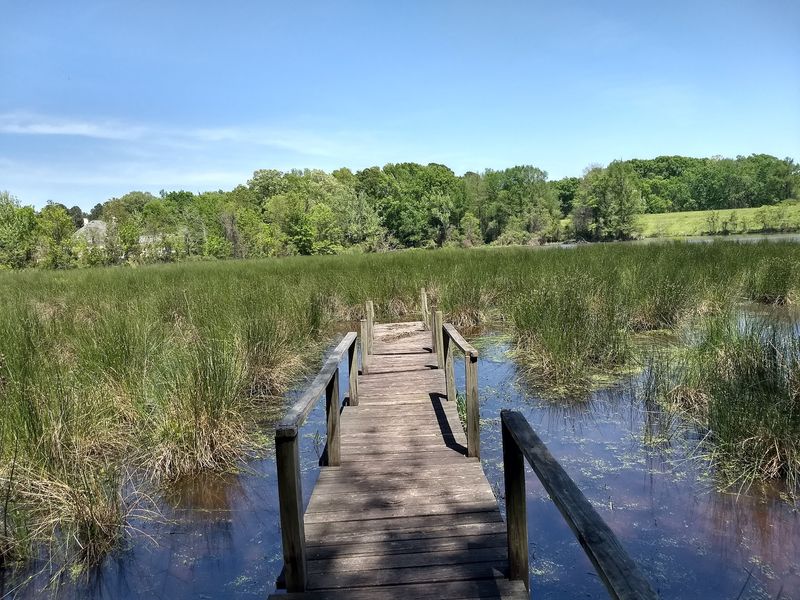
Ten acres of woods with swinging bridges sounds like something from a summer camp brochure. Simmons Arboretum delivers exactly that, minus the bunk beds.
Rustic trails wind through small hills and wetland pockets, crossing bridges built to handle soggy ground. A couple of them swing, which younger visitors find deeply entertaining.
An overlook gives a view across the wetland, useful for spotting birds or just standing still for a minute.
Every plant, tree, and shrub carries a label. Native Mississippi species fill the reserve, so a walk here doubles as a plant identification lesson without feeling like homework.
Teachers bring classes through for that reason. It is hard to beat a classroom where the ceiling is made of leaves.
Spring brings the loudest color, though the wetlands stay interesting year-round thanks to frogs, dragonflies, and whatever birds decide to pass through.
Compared with the ball fields across town, the arboretum runs at a completely different speed. Slow, shaded, and quiet enough to hear your own footsteps on the boardwalk.
Good shoes help after rain, since Madison averages somewhere between 54 and 60 inches of precipitation a year. Mud is part of the deal.
For a city known mostly for safety statistics and tidy subdivisions, having a genuine patch of preserved wetland inside the limits is a nice surprise.
The John Curran House Is Older Than The Railroad Itself
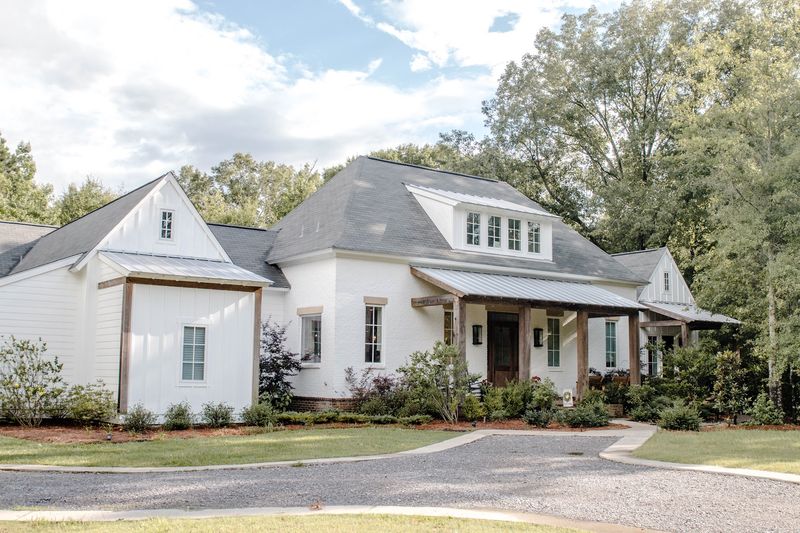
Built around 1840, the John Curran House holds the title of oldest house in Madison. It went up before the railroad even arrived, which in a town built along the tracks is saying something.
Also known as the Hoy House, the structure shows off Greek Revival architecture and is listed on the National Register of Historic Places.
Context makes it more impressive. Madison Station opened in 1856 when the Illinois Central Railroad came through, meaning this house predates the reason the town exists in its current form.
Nearby Madisonville, an older settlement, faded away as residents drifted toward the new railroad community. The Curran House watched that whole shift happen.
The Civil War hit the area hard. Sitting roughly ten miles from Jackson, Madison was largely destroyed, making surviving structures from the 1840s genuinely rare.
Simple lines, a symmetrical front, and modest columns define the design. No showing off, just solid nineteenth-century construction that outlasted almost everything around it.
Old Town Madison holds several markers and buildings worth a slow drive, and this house anchors that stretch of history.
Plenty of residents pass it daily without knowing its age. Once you do know, the little white house stops being background scenery and starts feeling like the town’s oldest witness.
Montgomery House And Its Gothic Revival Glow-Up
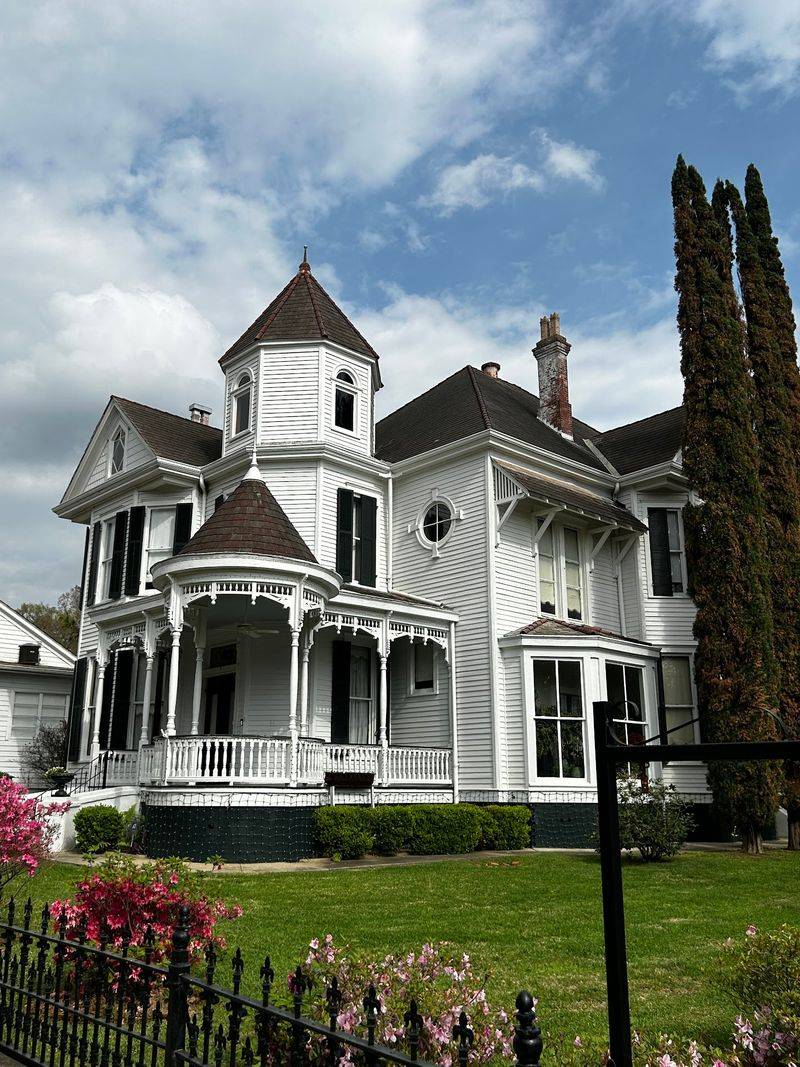
Here is a house that got a serious makeover. The Montgomery House started in 1852 as a plain dogtrot house, the kind with an open hallway running straight through the middle.
Somewhere along the way, an elaborate façade was added, transforming a practical farm dwelling into a Gothic Revival showpiece.
Very few local examples of that style survive, which puts this one on the National Register of Historic Places and on the radar of architecture buffs driving through.
Pointed details, decorative trim, and vertical lines separate it sharply from the simpler homes of the same era nearby.
The grounds now hold a botanic garden, so the property offers flowers and greenery alongside the history lesson.
Dog trot houses were built for airflow long before air conditioning existed, which in Mississippi summers counted as advanced technology.
Knowing that origin makes the fancy front even funnier. Someone essentially bolted a cathedral face onto a breezeway house and made it work.
Seasonal changes in the garden keep the site interesting across the year, especially in spring when Madison’s mild stretch arrives before the heat settles in.
Between this house and the Curran House, Old Town Madison packs more nineteenth-century character than most visitors expect from a city better known for new subdivisions and safety rankings.
Hangars At Bruce Campbell Field
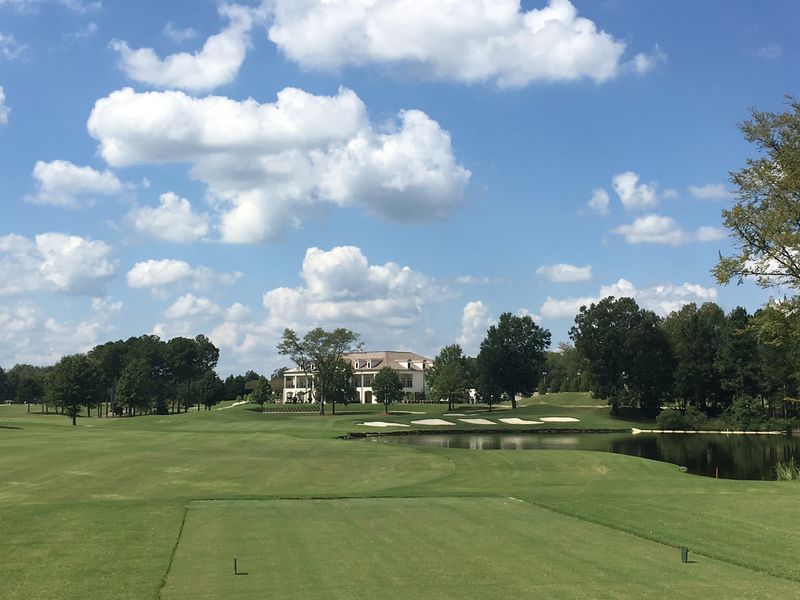
Three hangars still stand from a time when cadets learned to fly over Mississippi farmland. The Mississippi Institute of Aeronautics operated here as a training school for U.S.
Army Air Corps cadets during World War II. Training ended, and the airfield was deactivated in 1944. Instead of being torn down, the property became Madison’s airport.
It was later renamed Bruce Campbell Field, and small aircraft still use it today.
The surviving hangars carry the designation as Mississippi Landmarks and appear on the National Register of Historic Places.
Their scale gives the story away. These are big, utilitarian buildings made for rows of training planes, not weekend hobby aircraft.
Imagining young pilots doing takeoffs and landings above what is now a suburban town puts a strange and interesting layer over the whole area.
Aviation history buffs make a point of stopping by, and the hangars remain among the most unusual structures in the city.
Preservation was not guaranteed. Plenty of wartime training fields across the country vanished entirely, leaving nothing but concrete slabs and a historical marker.
Madison ended up keeping the buildings and the runway both, which means the field never really stopped doing its original job. Different planes, same purpose, eighty-plus years later.
The Town Of Lost Rabbit And Its Reservoir Legend
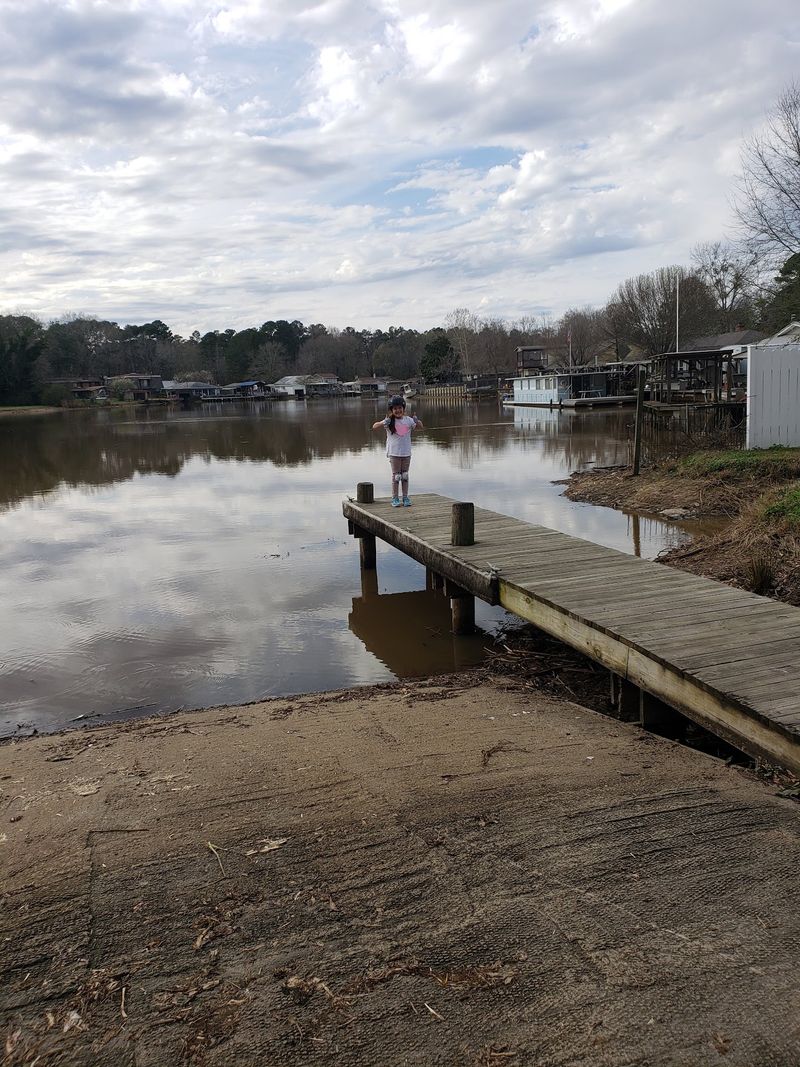
Every town needs one weird name story, and Madison’s involves a rabbit that refused to stay put. The Town of Lost Rabbit, a community within the city, gets its name from a 1960s local legend.
As the story goes, teenagers shot a rabbit near the reservoir. The next day the rabbit was gone, and the name stuck forever.
Whether anything about that tale is true hardly matters now. It is printed on signs and repeated at every dinner party in the area.
The community sits near Ross Barnett Reservoir, the large body of water that gives the region its boating, fishing, and lazy-afternoon options.
Waterfront living inside one of the state’s safest cities is an unusual combination, and it draws people who want both calm water and quiet streets.
The Natchez Trace Parkway runs nearby too, offering a scenic drive with no commercial traffic and plenty of tree cover.
Madison itself was named after James Madison, the fourth president, so the city has both presidential dignity and a missing rabbit in its naming history.
Another oddity worth knowing: in 1950, Madison became the first place in Mississippi to elect women as mayor, board of aldermen, and town clerk. Quietly ahead of its time, then and now.