
This Massive Sandy Beach Makes Indiana Feel Like A Coastal Destination
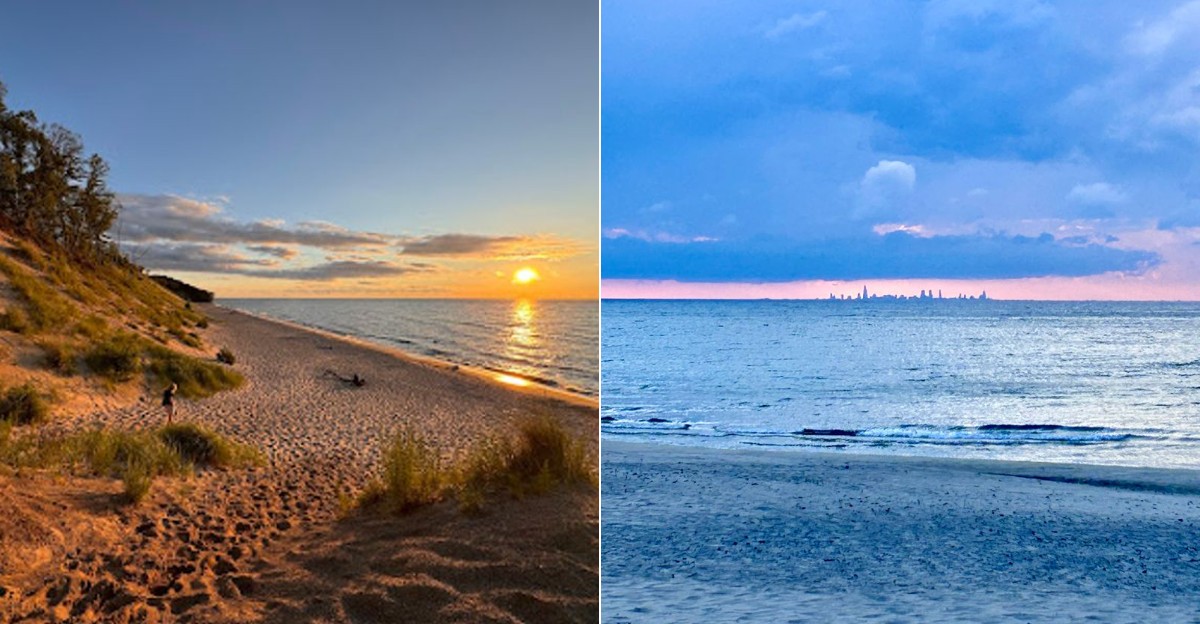
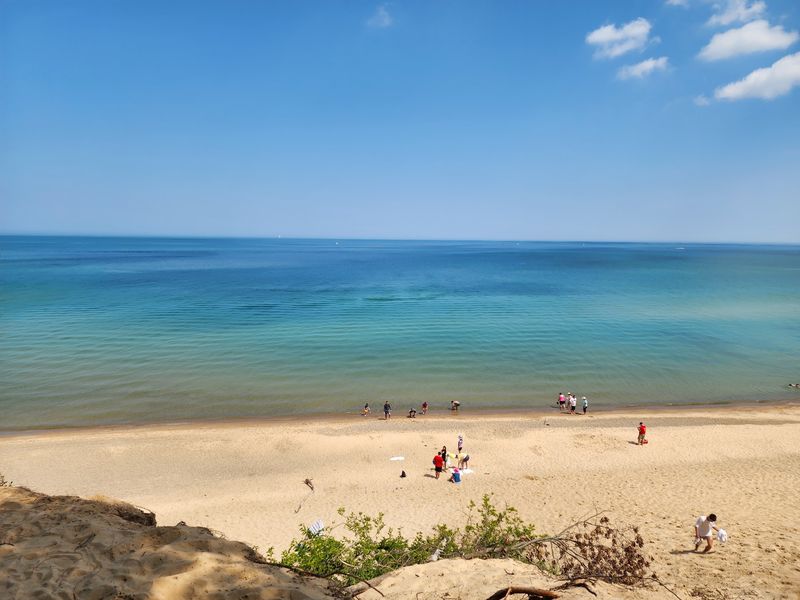
Soft quartz sand squeaks beneath your feet as teal waves roll toward a shoreline that looks far more tropical than Midwestern.
Towering dunes rise above the water, giving beachgoers a wild excuse to trade the usual Indiana road trip for a day by Lake Michigan.
Ready to climb a dune and see how far the view goes? Take a trail upward, pause for a breather, and watch the shoreline stretch toward the horizon while the city skyline peeks through the distance.
Spring brings birdwatchers with binoculars and plenty of excitement, while summer turns the sand into a perfect spot for a lazy afternoon.
Historic homes add another surprise, and sunset is the grand finale when the water catches every last bit of golden light.
Fifteen Miles Of Freshwater Shoreline
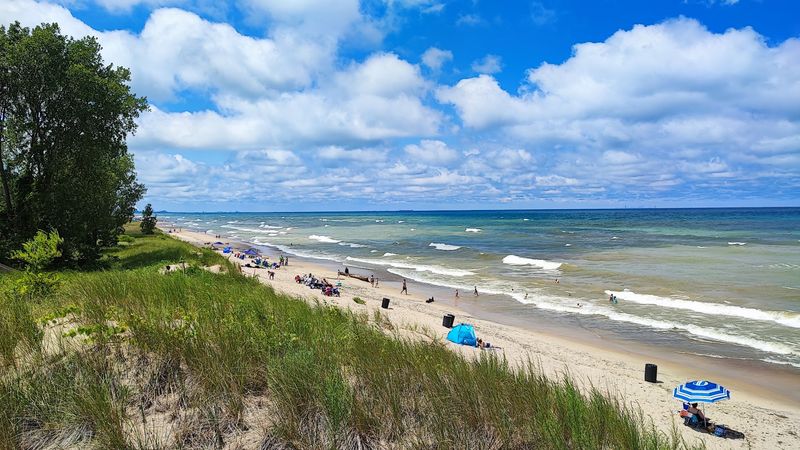
Indiana Dunes National Park stretches along the southern tip of Lake Michigan, and its beaches are the reason people keep coming back. Fifteen miles of shoreline give you nine separate beaches to choose from, each with its own personality.
The sand here is pure quartz, fine and pale, and it actually squeaks when it is dry. Walk barefoot and you will hear it.
The water often looks light teal near the shore, especially on clear mornings.
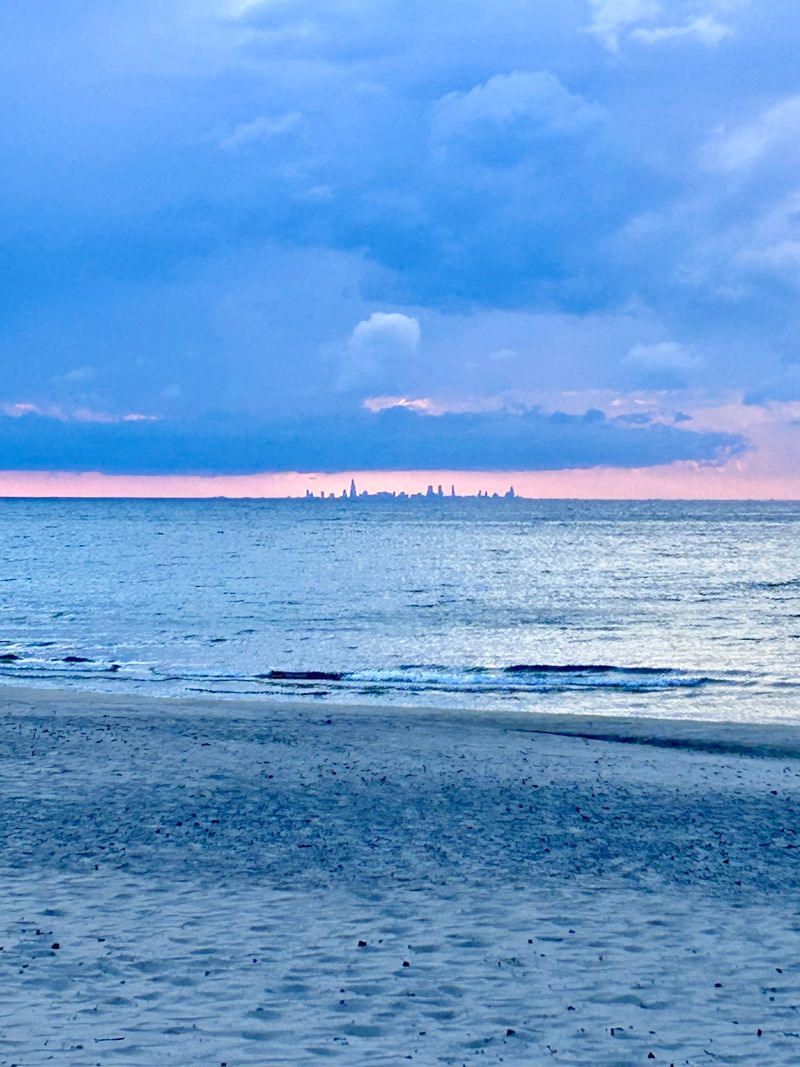
West Beach is the busiest spot, with bathhouses, picnic shelters, and seasonal lifeguards. Porter Beach draws people who want a relaxed afternoon and a peek at the distant Chicago skyline.
Want fewer neighbors on your towel? Kemil Beach, Dunbar Beach, and Central Avenue Beach stay quieter.
Lake Michigan runs cool, hovering near 65 degrees even in summer. Most swimmers call it refreshing rather than cold.
Kids splash for hours without noticing.
Kayakers and canoers paddle both the lake and the calmer Little Calumet River. Anglers cast from the Portage Lakefront fishing pier.
Rules vary by beach and season, so check posted signs about swimming and flotation devices before you wade in. Arriving early helps on summer weekends, since parking lots fill fast.
Bring water shoes too, because some stretches of shore hide smooth stones under the sand.
Stairways, Sand, And Big Views
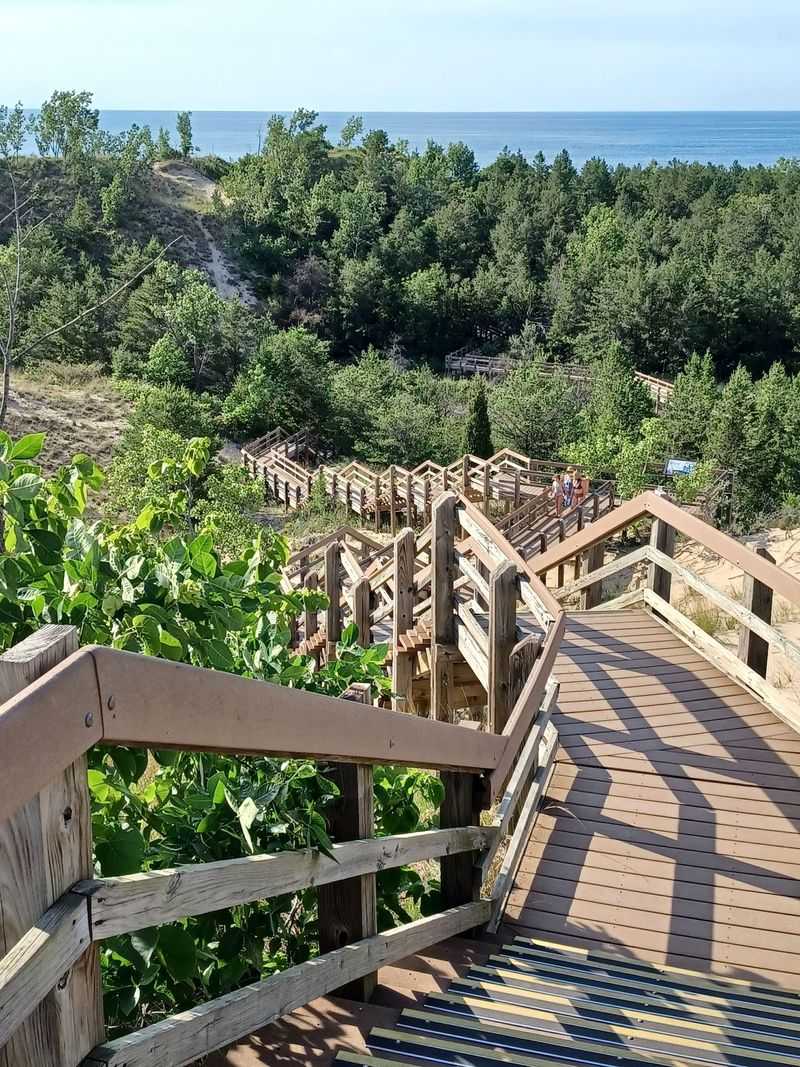
Over 50 miles of trails wind through this park, and almost none of them look alike. One minute you are under oak trees, the next you are climbing loose sand with the lake spreading out below.
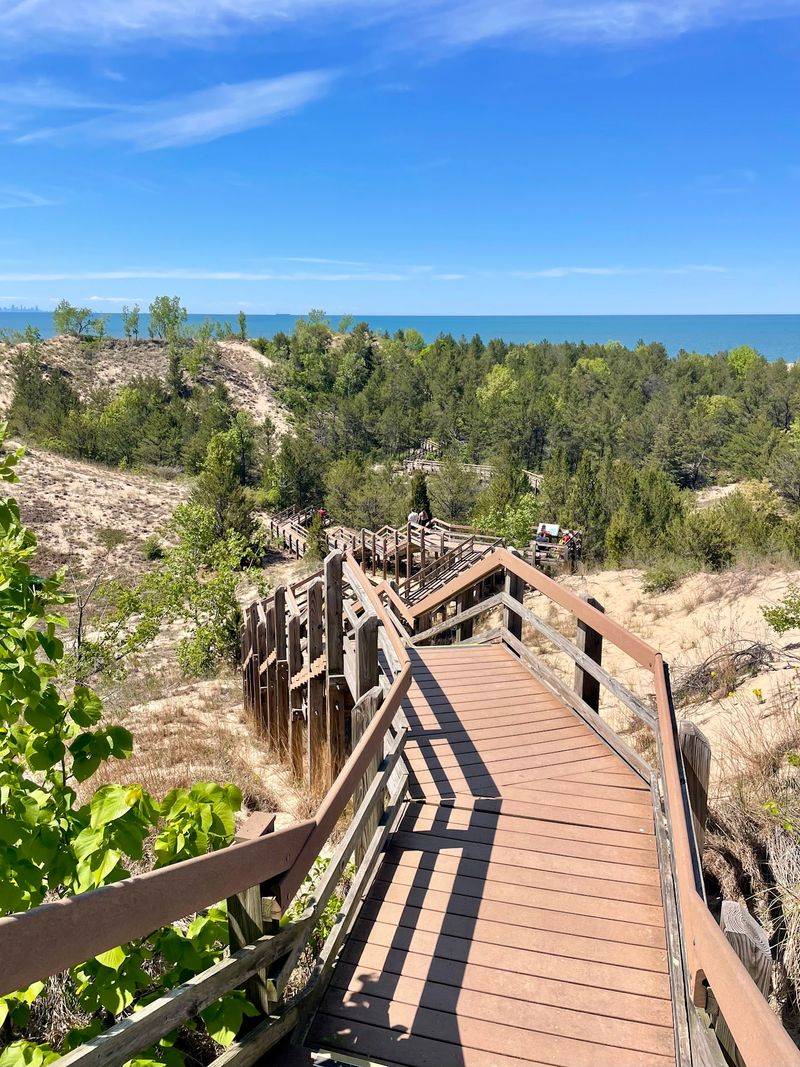
The Dune Succession Trail is the crowd favorite. It runs about a mile and includes roughly 270 stairs.
Climb them and you get sweeping views of Lake Michigan plus the Chicago skyline floating on the horizon.
Feeling ambitious? The famous 3 Dune Challenge, set in the neighboring state park property, sends hikers up the three tallest dunes in one go.
Finishers often pick up a sticker to prove it.
Cowles Bog Trail takes a different route entirely, passing through bogs, marshes, and savannas before reaching a quiet piece of beach. It is rugged in spots, so wear real shoes.
Mount Baldy stands 126 feet tall and slowly creeps inland a few feet every year, earning it the nickname wandering dune. Climbing access is sometimes closed for restoration work, though the beach below usually stays open.
Sand makes every step harder than it looks. Bring more water than you think you need, especially in July and August.
Trail conditions in Indiana change with the weather and with ongoing restoration projects, so glance at current alerts before heading out for the day.
Kid-Approved Adventures Without The Whining
National Geographic once named this park a Best For Families destination, and that reputation holds up. Short trails, wide beaches, and hands-on programs keep small legs moving without meltdowns.
The Calumet Dunes Trail runs just half a mile and is fully paved. Strollers roll easily here, and signs explain how ancient Lake Michigan shorelines once sat in this exact spot.
The Great Marsh Trail covers 1.3 miles through wetlands where herons stalk the shallows. Give kids a pair of binoculars and watch how quickly they become serious naturalists.
At the Paul H. Douglas Center for Environmental Education, families find crafts, exhibits, and live animals.
It is a smart stop on a rainy afternoon.
Junior Ranger booklets are free and lead to a badge, which kids treat like treasure. Ever seen a seven-year-old sprint to finish a worksheet?
You will here.
Dogs are welcome across much of the park, including certain beaches. There is even a BARK Ranger program for four-legged visitors who follow the rules.
Pack snacks, sunscreen, and a change of clothes, because sand ends up everywhere. Picnic areas near the main beaches give everyone a place to refuel.
Indiana rarely gets credit for beach days, but families leave here sunburned and grinning like they just came back from the coast.
Two Wheels And Four Hooves
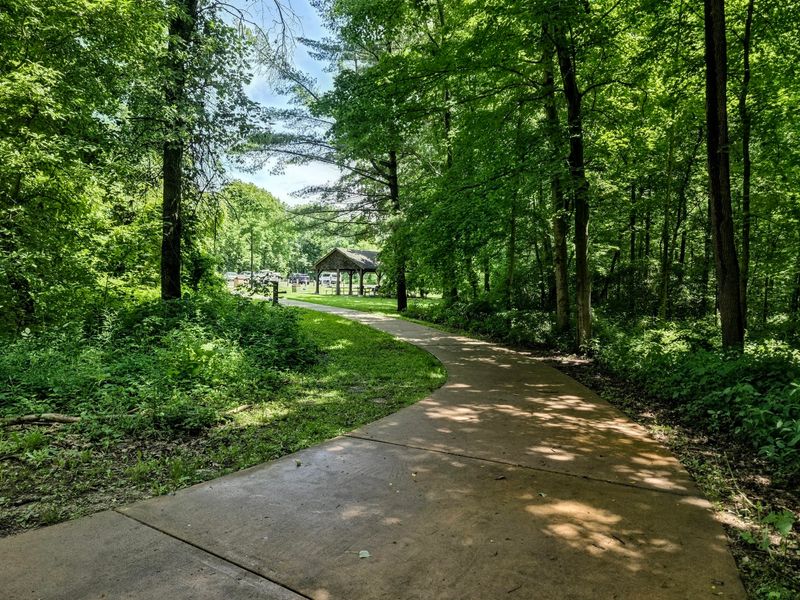
Not everyone wants to climb sand for fun, and that is where the bike trails come in. Paved paths cut through woods and open savanna, giving you miles of easy riding with plenty of shade.
The Calumet Trail and the Porter Brickyard Trail are two popular routes. Both connect different corners of the park, which helps since the land sits in separate parcels rather than one solid block.
Riding is also a smart way to beat parking headaches. Lots fill up quickly in summer, but a bike lets you glide right past the line of cars.
Horse lovers have their own option. The Glenwood Dunes Trail system welcomes both riders and hikers, winding through wooded dunes and quiet meadows.
Wildlife tends to ignore cyclists, so keep your eyes open. Deer, turkeys, and songbirds show up constantly along the wooded stretches.
Ever pedaled through a forest and ended up at a Great Lake beach twenty minutes later? That combination is hard to find anywhere else in Indiana.
Bring a lock, a water bottle, and a printed or downloaded map. Cell service can get spotty in certain corners of the park.
Sections occasionally close for maintenance, so a quick check of current conditions saves you a frustrating detour.
Where Birders Lose Track Of Time
More than 350 bird species have been recorded here, which is a staggering number for a park this size. Location explains it.
Migrating flocks follow the shoreline and stop at the southern tip of Lake Michigan to rest and refuel.
April and May bring the biggest waves of activity. Warblers pour through the woodlands in bright colors, and serious birders arrive before sunrise with thermoses and long lenses.
The Great Marsh is a standout spot. Waterfowl, wading birds, and marsh dwellers all gather in the reeds.
Cowles Bog delivers a different lineup entirely.
A great blue heron rookery sits within park boundaries, and spotting those long-legged birds gliding overhead never gets old.
Birds are only part of the story. Biologists count 46 mammal species, 23 reptiles, 18 amphibians, 71 fish, plus 60 kinds of butterflies and 60 dragonflies and damselflies.
The rare Karner blue butterfly survives here too, tied closely to the globally uncommon black oak savannas that the park protects.
All that variety ranks this park fourth in biological diversity among all national parks in the country. Not bad for northern Indiana.
Bring bug spray for marsh areas, move slowly, and keep quiet. Patience gets rewarded fast at these wetland overlooks.
Fur Traders, Farmhouses, And World’s Fair Homes
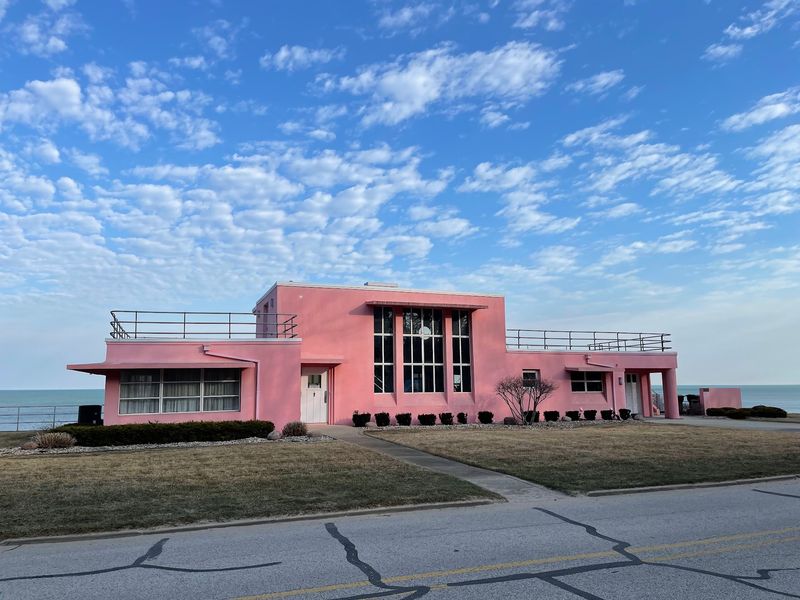
History hides between the dunes, and some of it is genuinely strange. Five houses from the 1933 Chicago World’s Fair were floated and trucked to this shoreline, and they still stand in Beverly Shores.
One is pink. One looks like a glass box from a science fiction film.
Driving past them feels like flipping through an old magazine about the future.
The Bailly Homestead is a National Historic Landmark that began as a fur trading post in the early 1800s. Log buildings and shaded grounds make it an easy, peaceful walk.
Right next door, Chellberg Farm shows what rural life looked like in the late 1800s and early 1900s. Barns, a farmhouse, and open fields tell the story of Swedish immigrant families who worked this land.
The park owes its existence to early scientists. Botanist Henry Chandler Cowles studied these dunes in the 1890s, and his research on how plant communities change over time became famous worldwide.
Without those conservation efforts, this sand would have been hauled off for glassmaking long ago.
Short parking pull-offs near the historic homes let you hop out and read the interpretive signs. Curious what a 1933 vision of tomorrow looked like?
Drive Lake Front Drive slowly and find out.
Four Seasons, Four Different Parks
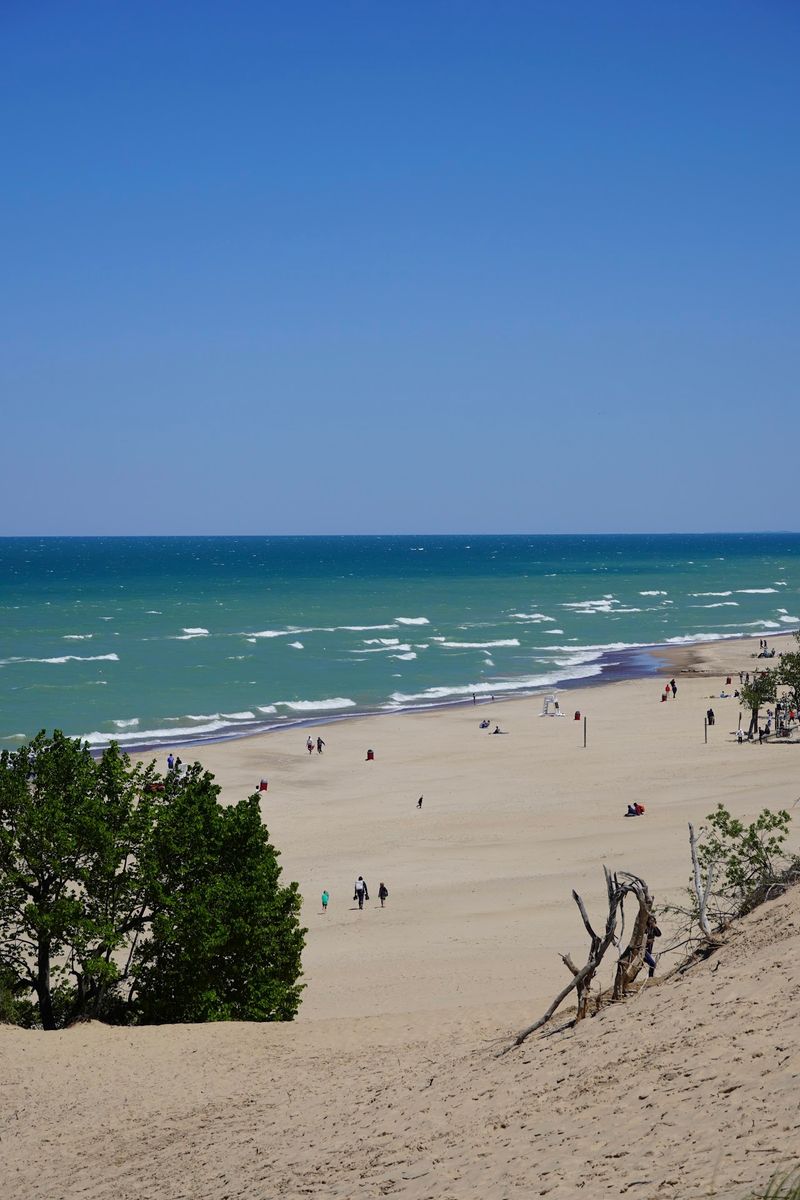
Summer gets the crowds, but this shoreline puts on a show all year. Each season basically hands you a different park.
May through September is prime beach time. Warm air, swimmable water, and long evenings make sunset watching a nightly ritual.
The sun drops straight into the lake and the whole sky turns orange.
Spring brings wildflowers scattered across the savannas plus peak bird migration in April and May. The woods feel electric with movement.
Late September through October paints the forests red and gold. Cooler air makes those dune climbs far more comfortable, and the beaches empty out.
Winter surprises people most. Shelf ice builds along the shoreline in jagged white ridges that look almost arctic.
Never walk on it, since it is unstable and dangerous, but photographing it from shore is unforgettable.
Cross-country skiers and snowshoers take over the quieter trails once snow falls.
Weekday visits help you dodge the heaviest summer traffic. Mornings are calmest, and lots near the main beaches can fill before noon in July.
Which version of Indiana would you rather see first, the summer coastline or the frozen winter one? Plenty of visitors end up coming back for both, then adding a fall trip just for the colors.
Smart Planning Makes The Trip Better
Here is the one thing repeat visitors always say: start at the visitor center. The park sits in separate parcels with towns and private property mixed between them, so a good map saves real time.
Rangers hand out brochures, explain which beaches are open, and point you toward trails that match your energy level. There is a gift shop and a spot to pick up the national park stamp.
The Indiana Dunes Tourism office at 1215 N State Road 49 in Porter, Indiana 46304 is another helpful planning stop before you head toward the water.
Entrance fees apply, and some beach parking areas charge separately. Bring a card or cash just in case.
Getting here is easy from across the Midwest. Drivers reach it quickly from Chicago, and travelers flying into Chicago airports can hop the South Shore Line train.
Hours shift with the season, and trails or roads sometimes close for restoration. Check the official National Park Service page for current conditions before you load the car.
Pack bug spray, sunscreen, water, and shoes you do not mind filling with sand.
Indiana holds onto this shoreline quietly, almost like a secret. Go see why so many visitors leave saying it felt exactly like standing on the coast.