
This Wisconsin Forest Is One Of The Best Places To Hear Wild Elk Bugling This Fall
There are few sounds in the Midwest that can stop you cold quite like an elk bugle. It rises through the trees, sharp and eerie, then seems to hang over the landscape long after the animal disappears from view.
Fall makes the whole experience even better. Cool air settles over the woods, leaves flash gold and orange, and dawn brings that strange whistle rolling across open ground. Wisconsin feels completely different when you hear it.
Elk once vanished from the state, but restoration efforts brought them back, giving wildlife watchers a chance to experience one of autumn’s most dramatic displays. You may hear a bull before you ever spot one. That is part of the thrill.
A quiet roadside pull-off, a distant clearing, and a little patience can suddenly turn into the kind of wildlife encounter you remember long after the leaves are gone.
Why Autumn Turns These Woods Into An Outdoor Concert Hall
Bull elk spend most of the year quiet and separate, but September changes everything. The rut arrives, testosterone spikes, and males begin advertising themselves with that famous bugle. The call works as both a challenge to rivals and an invitation to cows.
You can hear bugling during the fall breeding season, which begins in September and runs through October. Cooler air holds sound better, which is why dawn and dusk carry the calls farthest.
What surprises most first-timers is the pitch. People expect a deep roar from a 700-pound animal, but the bugle starts as a low grunt and climbs into a thin, almost flute-like whistle before dropping into chuckles.
Sound travels well across the sandy ridges and open barrens here, so you may hear an elk long before you spot one. That is part of the appeal.
Standing in the dark, listening to something that big announce itself somewhere out in the trees, gives you a very different feeling than watching wildlife through glass at a zoo.
The Comeback Story Behind Wisconsin’s Central Herd
Elk once ranged across most of this state, but unregulated hunting and habitat loss wiped them out by the 1880s. For over a hundred years, the bugle went silent.
That changed in 1995, when 25 elk from Michigan were released near Clam Lake in northern Wisconsin. A separate restoration effort established the central herd in Jackson County, where 73 elk from Kentucky were released in 2015 and 2016.
The central herd that now roams Black River State Forest grew from the Kentucky releases in Jackson County. Animals were held in acclimation pens, monitored with collars, and slowly released to establish themselves in the sandy barrens and mixed woodlands.
Numbers have climbed steadily since, and the herd has produced calves in the wild every spring. Biologists track movement, health, and population growth closely.
Knowing that history makes the experience richer. When you hear a bugle roll across these ridges, you are listening to a sound that disappeared from Wisconsin for more than a century and came back through a lot of patient work by biologists, tribal partners, and volunteers.
Where To Park Yourself For The Best Chance Of Hearing One
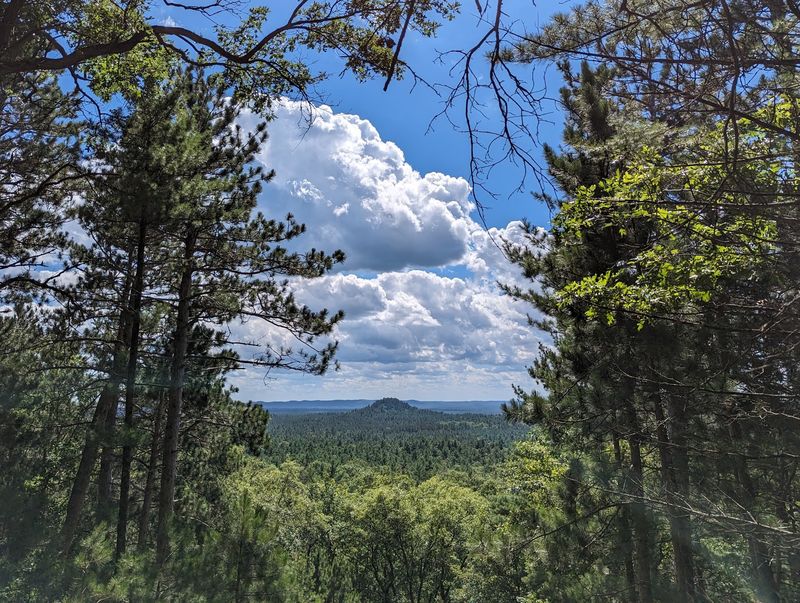
Listening beats hiking when it comes to elk. The forest covers roughly 68,000 acres, so wandering randomly rarely pays off. Quiet, elevated spots near open barrens work far better.
You will find the forest headquarters at W10325 Hwy 12, Black River Falls, WI 54615, and that is a smart first stop for current maps and information. Staff there may be able to provide current information about the forest and elk activity.
Forest roads and designated pullouts along the eastern side near Millston tend to be productive. The Dike 17 Wildlife Area sits nearby and offers wildlife-viewing opportunities across grasslands, wetlands, and flowages.
Arrive well before sunrise. Turn off your engine, roll down the window if you stay in your vehicle, and simply wait. Sound carries best in the still air right before first light.
Move slowly if you leave your car, and pick a spot where you can see open ground rather than dense timber. Elk feed in clearings and call from the edges, so those transition zones give you the best odds.
Timing Your Visit Down To The Hour
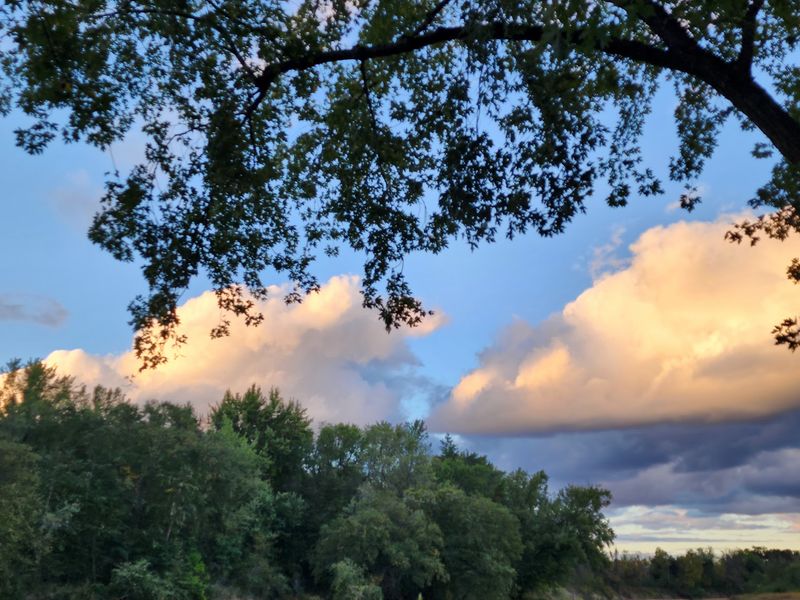
Show up at noon and you will probably hear woodpeckers instead of elk. Timing matters more than almost anything else.
The hour before sunrise and the hour after sunset deliver the most bugling. Elk are crepuscular, meaning they move and vocalize most heavily during those low-light windows. Bulls also call through the night during peak rut.
Weather plays a role too. Cold, calm mornings with a light frost are ideal because still air lets sound travel and cool temperatures keep the animals active longer. Windy days scatter the noise and make everything harder to hear.
September is a strong time to visit because it marks the heart of Wisconsin’s fall elk breeding activity.
Give yourself at least ninety minutes of sitting time. Elk do not perform on schedule, and the difference between a quiet morning and a memorable one often comes down to who stayed longer.
Bring a thermos of coffee and dress warmer than you think you need. Sitting still in forty-degree air gets cold fast.
Watching Responsibly So The Herd Stays Healthy
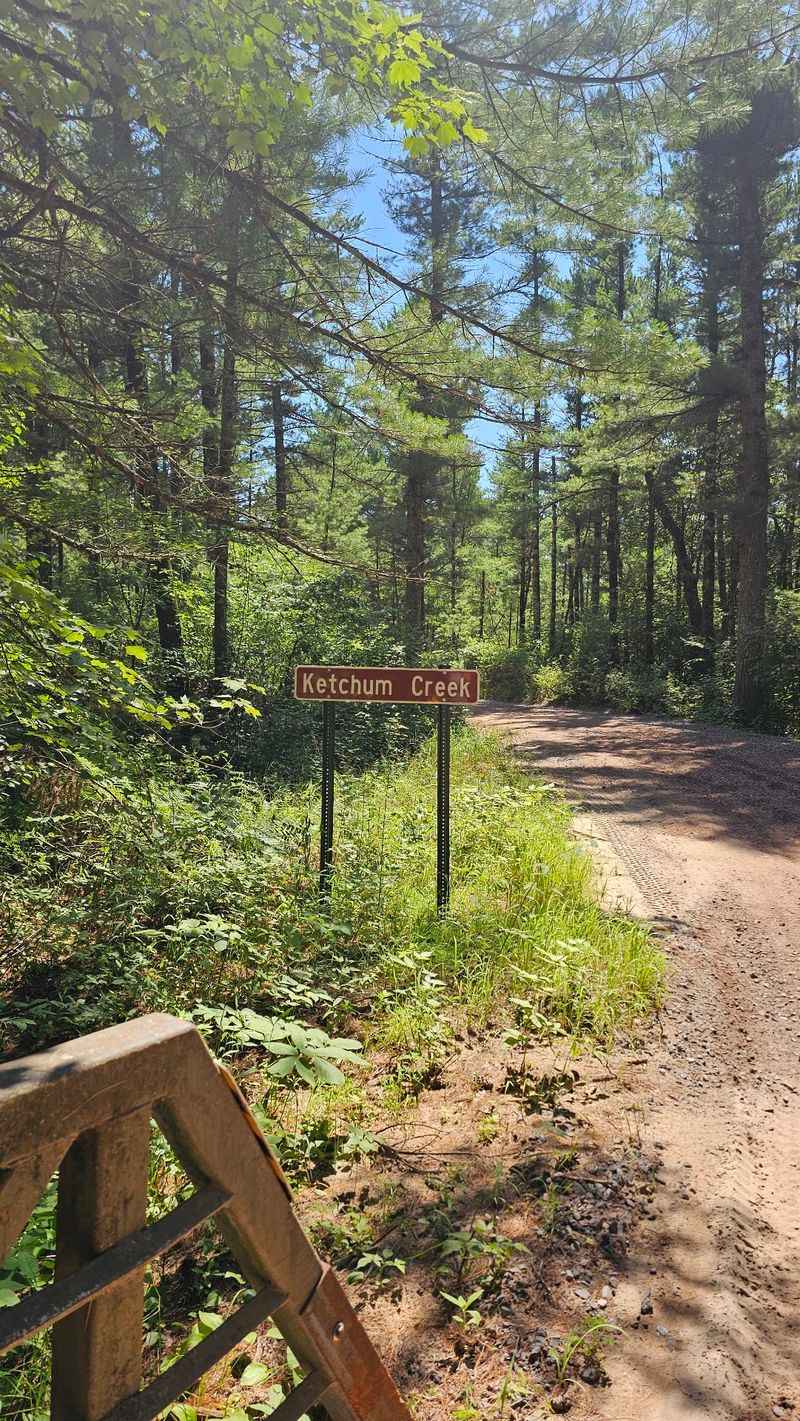
Elk are enormous, and bulls during the rut are unpredictable. A mature male can weigh close to 900 pounds and carry antlers that span five feet. Respect that.
Keep plenty of distance between yourself and any elk you spot. Use binoculars or a spotting scope instead of moving closer for a photo. If an animal stops feeding and stares at you, you are already too close.
Never imitate a bugle to draw a bull in. Calling stresses the animals, disrupts breeding behavior, and can pull a very large male directly toward you.
Wisconsin wildlife staff monitor the herd carefully, and repeated human pressure pushes elk away from areas where visitors can enjoy them. Your restraint helps keep them accessible.
Leave dogs at home or keep them leashed and far from viewing areas. Barking clears a clearing in seconds.
Pack out everything you bring in. The trails at Black River State Forest stay beautiful because most visitors carry their trash back out, and that small effort protects habitat for elk, sandhill cranes, and everything else living here.
Trails Worth Hiking While You Wait For The Bugle
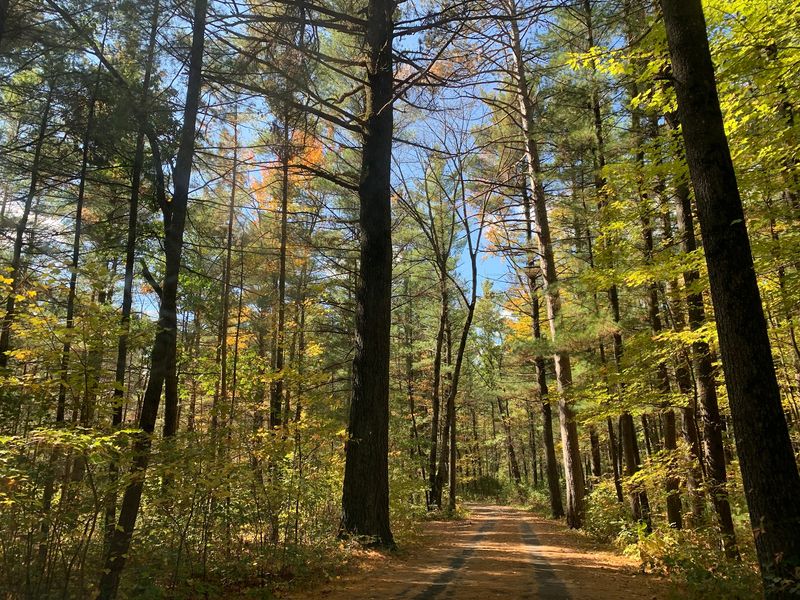
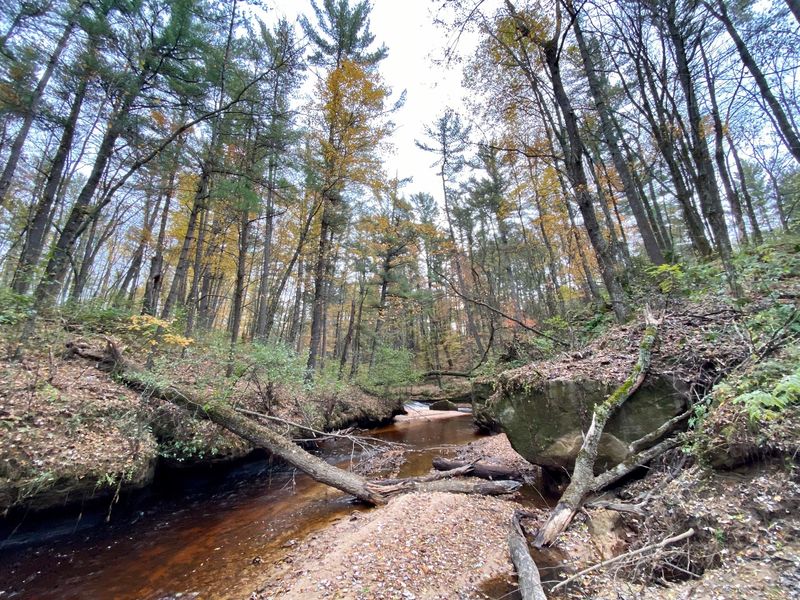
Mornings belong to elk, but the rest of the day opens up nicely. More than 20 miles of hiking trails wind through these woods, and October colors make every mile worthwhile.
The Wildcat Trail system climbs ridges that give you long views over the surrounding valley. Castle Mound offers a shorter loop with a sandstone bluff and a nature trail suitable for families.
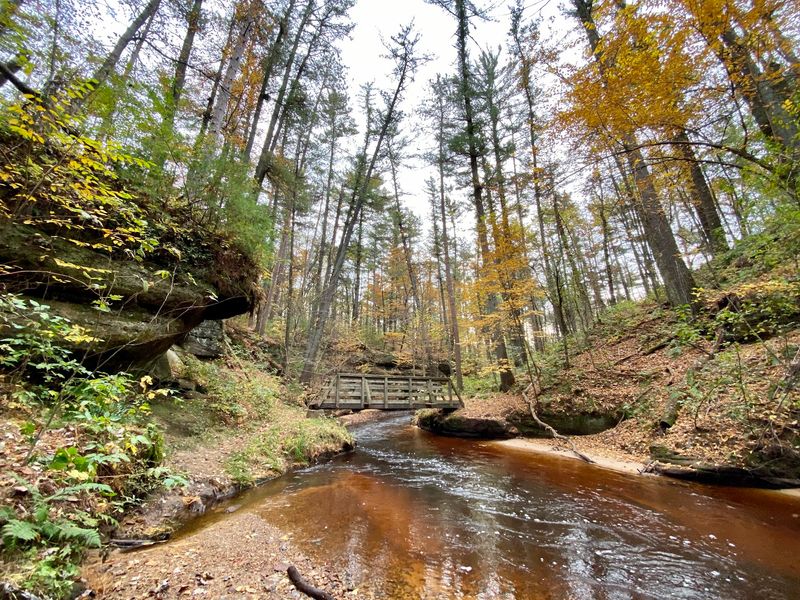
Perry Creek Recreation Area is a favorite among regular visitors, with a swimming hole, rock outcrops, and quieter paths that see less foot traffic than the main areas. Mountain bikers get about 27 miles of bike trails, with surfaces that include sand, gravel, and grass.
You should carry a paper map. Cell service drops in places, and the trail network at Black River State Forest branches more than you might expect.
Watch for other wildlife while you walk. Sandhill cranes, wild turkeys, white-tailed deer, and the occasional black bear all use this landscape, and fall brings plenty of movement as animals prepare for winter.
Camping Close Enough To Hear Elk From Your Tent
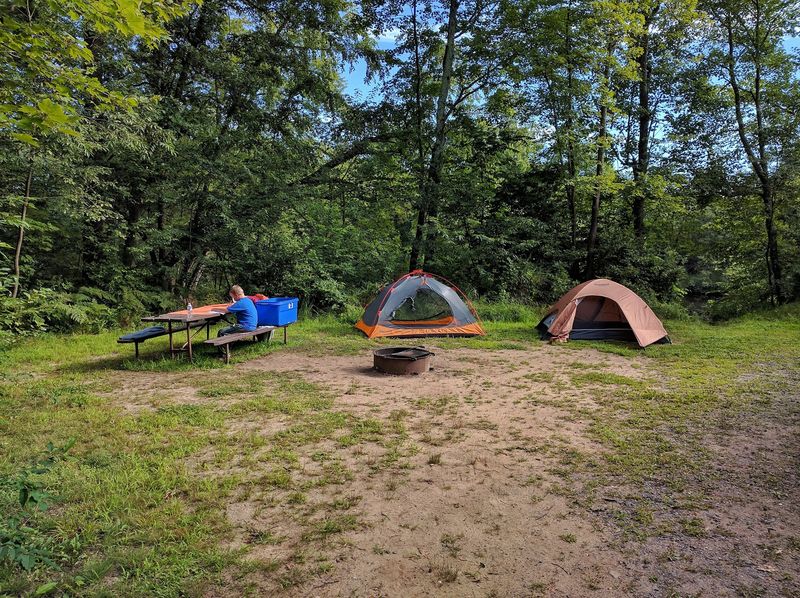
Sleeping in the forest solves the early-morning problem completely. Instead of driving in the dark, you wake up already surrounded by the woods.
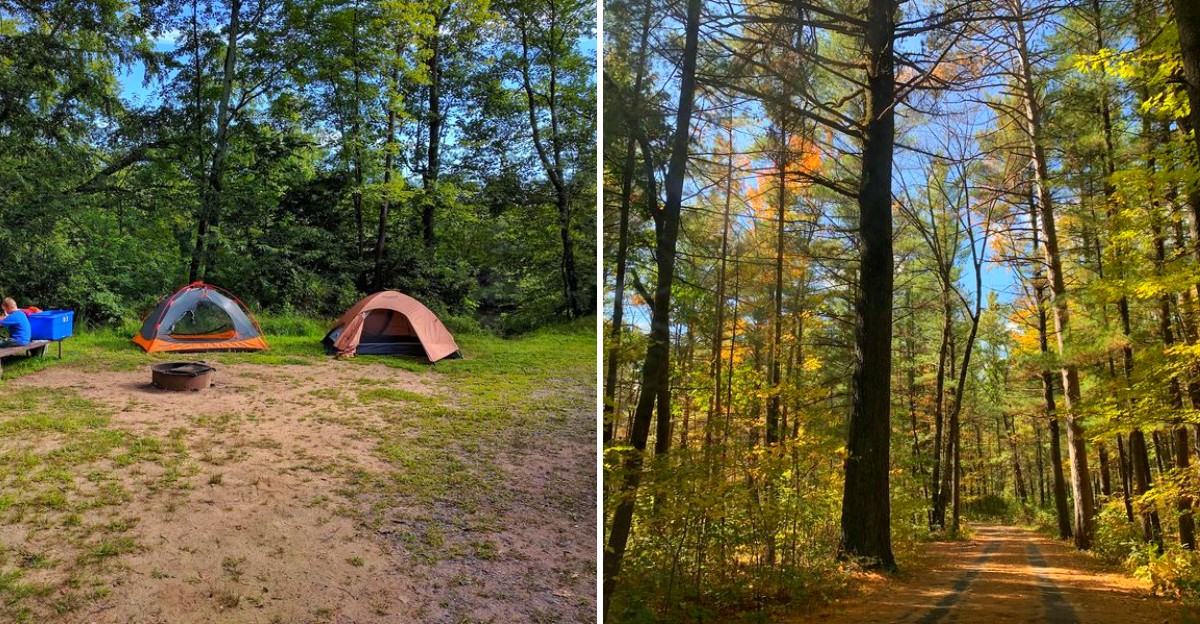
Three main campgrounds serve visitors here. Castle Mound sits near the northern entrance along US-12 and offers electric sites plus showers. Pigeon Creek provides a rustic setting with a designated swimming beach. East Fork gives you a more rustic, quieter option.
Reserve ahead for fall weekends because color season fills sites quickly across Wisconsin. Weekday nights in late September are far easier to book and usually much quieter. Backpack camping is permitted in most of the forest with a free special camp permit.
Nights get cold in October, dropping into the thirties, so bring a sleeping bag rated well below the forecast. A warm bag makes the difference between enjoying the trip and counting the hours until sunrise.
Campers at Black River State Forest sometimes hear bugling right from their sites when the herd moves close. No alarm clock needed when that happens.
What Makes This Trip Stick With You Long After Fall Ends
Some outdoor trips blur together. This one does not. Hearing a wild elk bugle in the dark rearranges your sense of what Wisconsin holds. The sound is strange, a little haunting, and completely unlike anything else in these woods.
It does not feel like a scheduled attraction because it is not one.
You may drive four hours, wait through two cold mornings, and hear nothing. That possibility is exactly what makes a successful morning matter.
The 68,000 acres protected here give the herd room to behave naturally, and that space is the reason the experience feels authentic rather than staged.
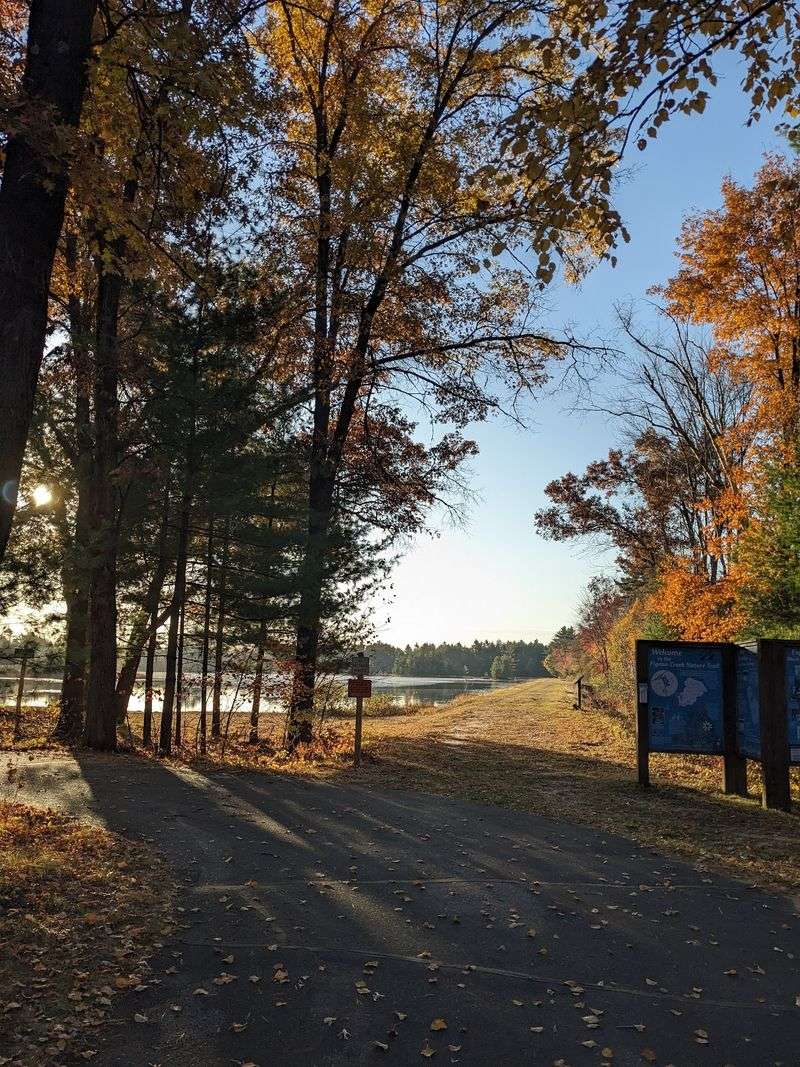
Beyond the elk, you get ridgetop views, sandstone bluffs, quiet lakes, and fall color that peaks in early October across this part of the state.
Plan a visit to Black River State Forest with low expectations and plenty of patience, and you will likely come away with more than you hoped for. Bring layers, arrive early, stay quiet, and let the forest do the rest. The bugle, when it comes, is worth every minute of waiting.