
This Gorgeous Nevada Town Looks So Much Like A Holiday Movie Set That Families Keep Driving Back
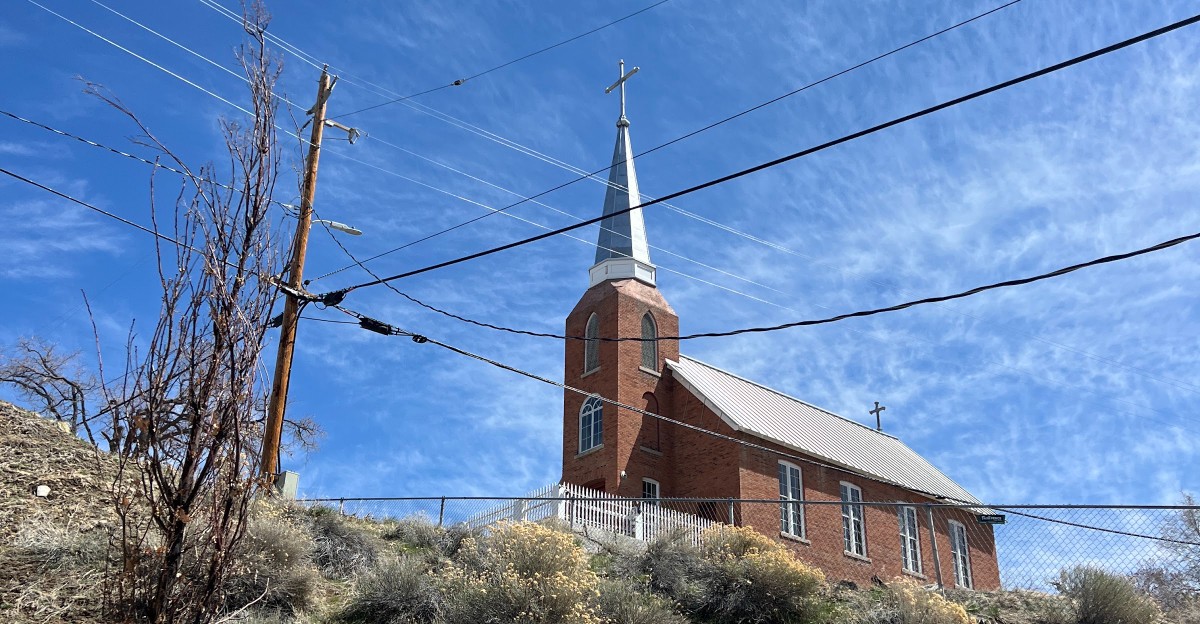
There is a stretch of highway in central Nevada where the basins run so wide and empty that you start believing nothing else is out there. Then the road tilts uphill, swings into a canyon, and drops you onto a street of old stone and brick buildings with a mountain range standing guard behind them.
It is the kind of place you pull into for gas and leave an hour later because you kept finding one more thing to look at. Families who make the drive once tend to plan a second trip before they reach home, and the whole day can cost very little.
A Highway Town Tucked Into the Toiyabe Range
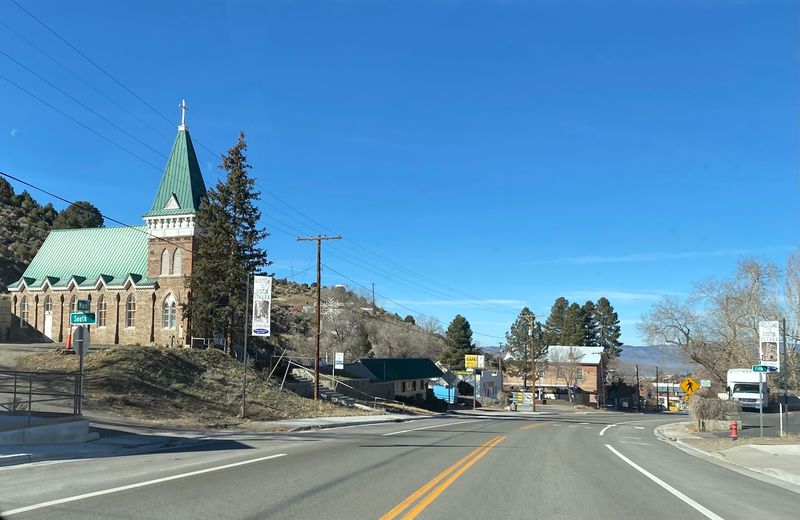
Drivers crossing central Nevada on U.S. Route 50 settle into a rhythm of long basins and open sky, and then the pavement climbs, bends, and delivers something completely different.
Austin sits on the western slopes of the Toiyabe Range in Lander County, an unincorporated community where the federal highway simply becomes the main street.
At 6,575 feet, the town rides a shelf of mountainside instead of sprawling across a valley floor. Buildings step up and down the grade, which is a big part of why photographs taken here look deliberately composed.
The 2020 census counted 167 people living here. That figure explains the hush more than any description could: no traffic signals, no franchise signs stacked along an off-ramp, no competition for a parking space.
Scale is the first thing visitors comment on. From either approach you can take in nearly the whole settlement at a glance, with historic masonry clustered along the highway and the range lifting sharply behind the rooftops.
The overall effect feels less like a modern town and more like a film set nobody bothered to dismantle, which is precisely why repeat visitors keep pointing the car back this direction.
From County Seat to a Population of 167
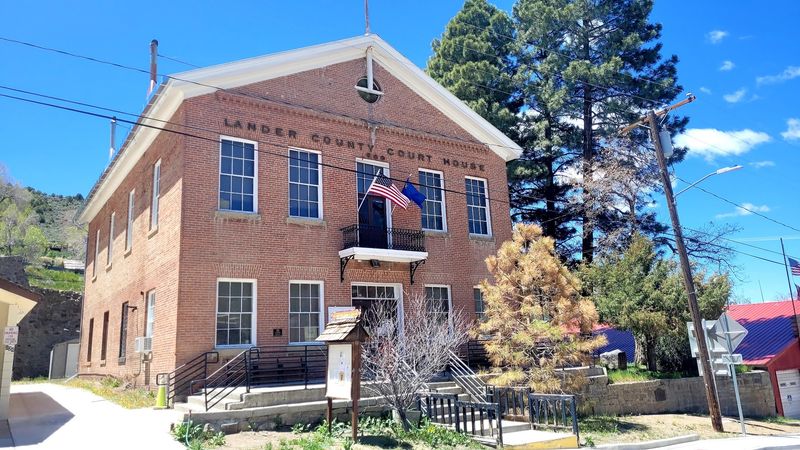
Lander County once conducted its official business from this address. Austin served as the county seat before that role shifted north, and the town still carries the architecture of a place that expected to matter for a long time.
Local histories tie the boom to silver discoveries in the 1860s, when people poured into the canyon fast enough to build a full-service town almost overnight. Banks, churches, lodges, and a courthouse all went up within a few short years.
Then the ore thinned, the crowds moved on, and the buildings stayed. That sequence is why a community of 167 residents owns a downtown sized for several thousand.
Walking past those facades with kids turns into an easy history lesson without a single admission ticket. You can point at a cornerstone date, count the stories, and talk about what it took to haul brick and cut stone up a mountainside before paved roads existed.
Interpretive signs around town fill in names and dates, though displays and access can change season to season. Anyone hoping to tour a specific historic interior should confirm ahead, since volunteer schedules in small Nevada towns shift with the weather.
Life at 6,575 Feet
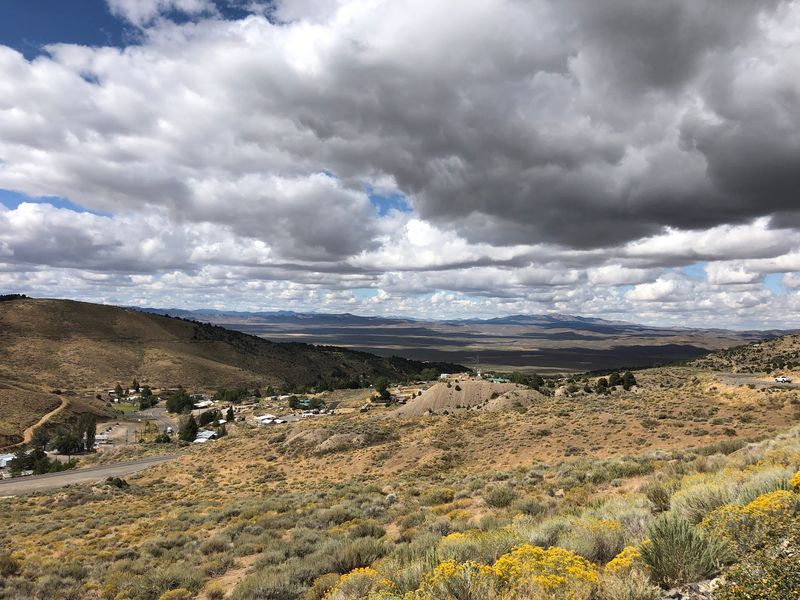
Elevation shapes almost everything about a visit here. Sitting at 6,575 feet, the town runs noticeably cooler than Reno or Fallon, and that gap widens the moment the sun drops behind the ridge.
Summer afternoons stay comfortable when the valleys below are baking. Evenings often call for a jacket even in July, so packing layers beats packing optimism.
Winter brings snow to the slopes above town and frequently to the streets themselves, which is exactly what gives the place its December postcard quality. Plows work the highway, but storms can slow travel across the passes on either side.
Thin mountain air also affects how a day feels. Families arriving from lower elevations may notice shorter breath on the uphill blocks, and drinking extra water helps more than people expect.
Stargazing is the quiet bonus of altitude combined with almost no light pollution. Step outside after dinner and the sky opens up in a way that keeps kids craning their necks.
Road conditions and seasonal closures can change quickly at this height, so checking a state road report before leaving home is a small habit that prevents a long detour.
Nineteenth-Century Stone and Brick Along the Main Drag
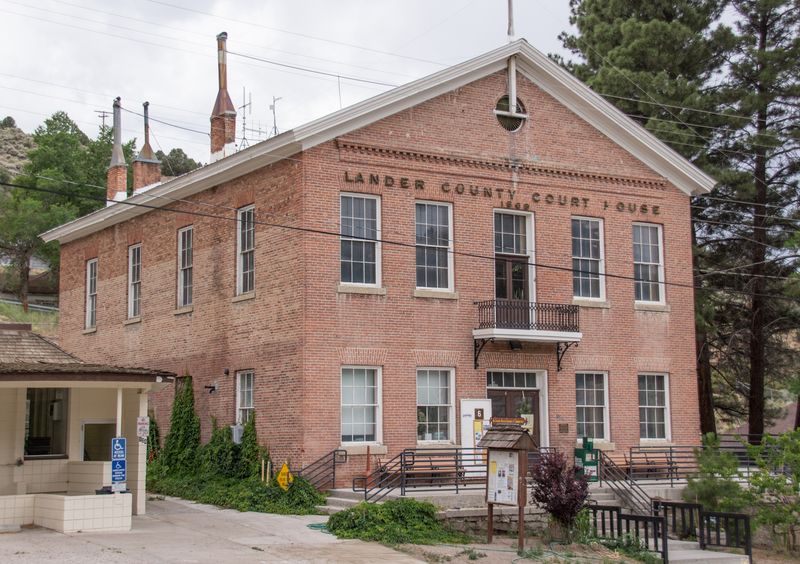
Heavy stone walls, tall narrow windows, and hand-laid brick do most of the visual work downtown. The masonry here was built to outlast booms, and it did.
Look for details that modern construction skips: cut-stone lintels, arched window heads, iron shutters, and foundations set straight into the hillside rock. Kids tend to notice the doorways that no longer lead anywhere.
Because the town never got flattened by redevelopment, the streetscape reads as a continuous stretch rather than a few preserved oddities surrounded by new builds. That continuity is the reason the scenery photographs so cleanly.
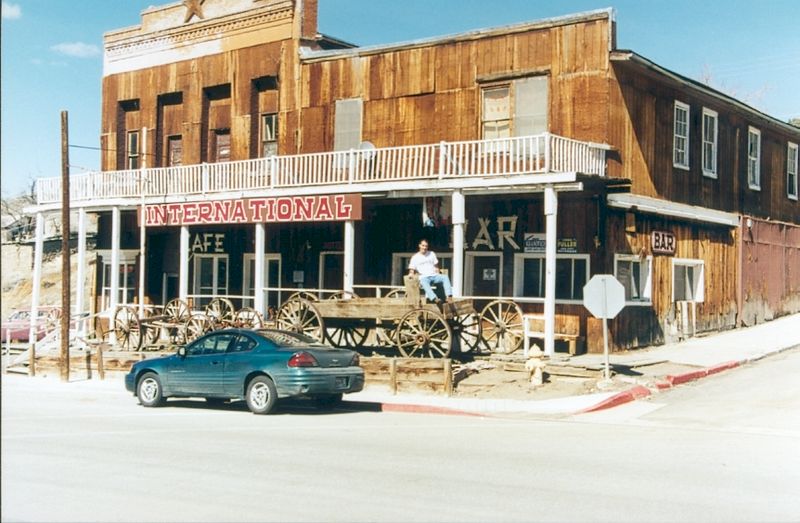
Some structures hold active businesses, some hold community functions, and others sit weathered and empty with their stories written on the walls. The mix is honest, not staged.
A slow loop on foot covers the historic core in well under an hour, and there is no charge for any of it. Bring a camera, comfortable shoes, and patience for the uphill blocks.
Morning and late-afternoon light hit the facades at angles that flatter old brick. Photographers who plan around those windows come away with images that look like production stills.
Church Steeples That Do the Holiday-Card Work
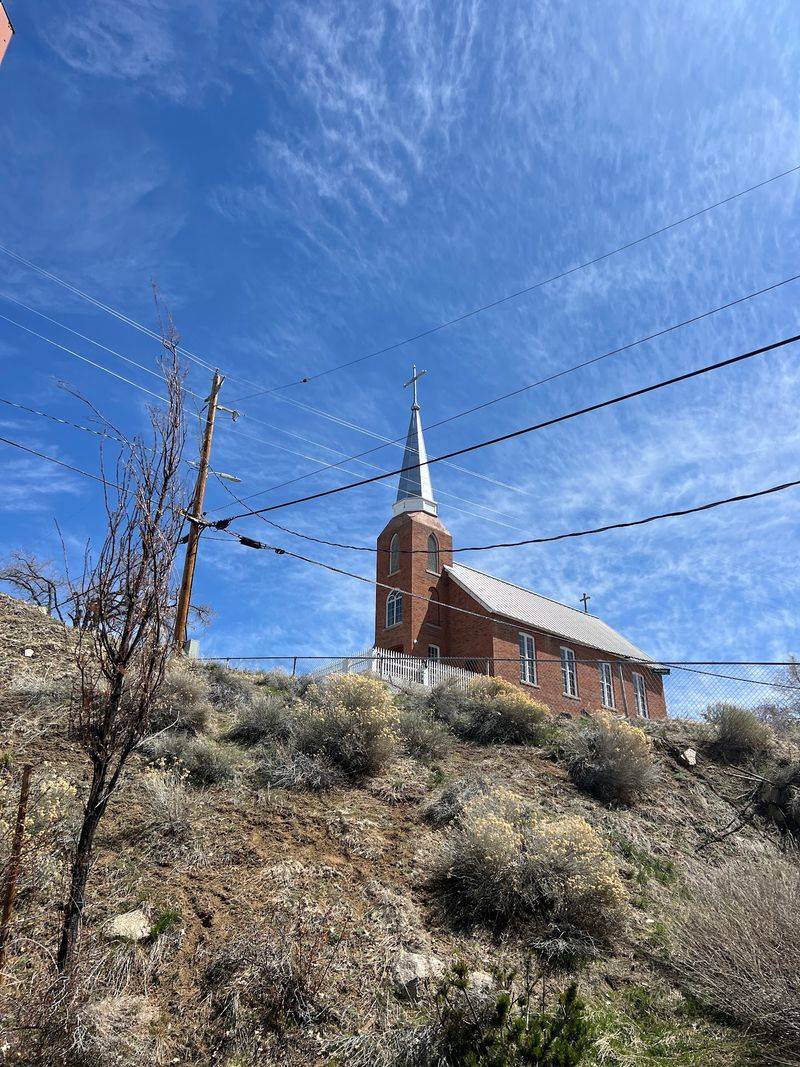
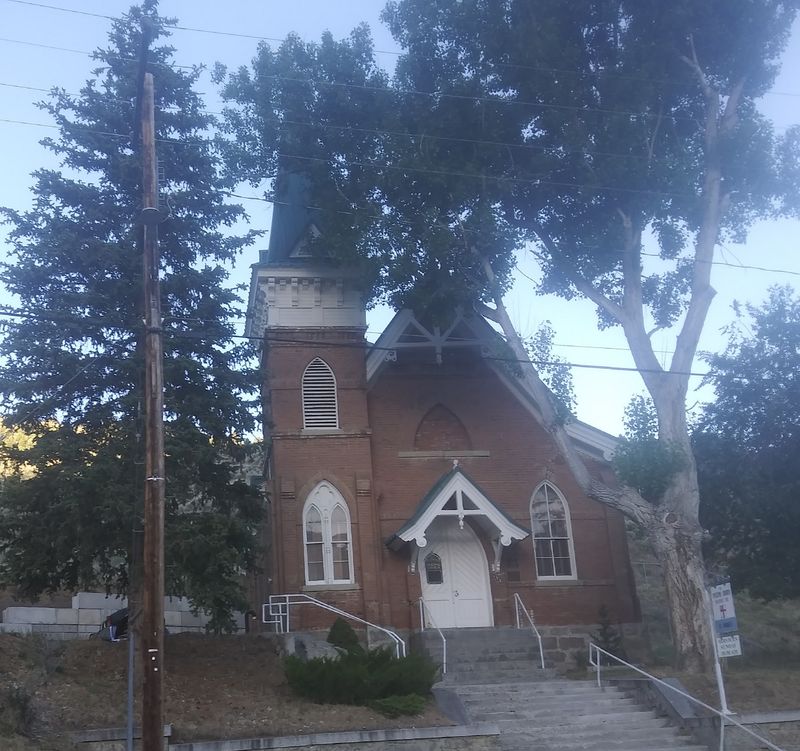
Every holiday movie needs a steeple, and this town has more than its size should allow. Nineteenth-century congregations built solid, spired churches on the hillside, and several still stand above the rooftops.
Framed against bare mountain slopes, those towers give the skyline its unmistakable silhouette. Add a dusting of snow and the resemblance to a soundstage version of small-town America becomes almost comic.
Construction dates in the 1860s put these buildings among the oldest houses of worship in the state, raised by communities that had barely finished their own homes. The craftsmanship suggests people planning for generations rather than seasons.
Exteriors are free to admire from the sidewalk and make excellent family photos. Interiors depend entirely on whether a caretaker or service schedule allows access, so anyone hoping to step inside should ask locally rather than assume.
Respect goes a long way in a community of 167. Keeping voices low, staying off private steps, and skipping drone flights over active grounds keeps visitors welcome.
Pair the steeple views with the surrounding blocks and you have a walk that fills a comfortable chunk of the afternoon at no cost.
The Stone Tower on the Ridge
Just west of town, a dirt road climbs to something genuinely strange: a three-story square tower of stacked native granite standing alone on a ridge. It was built as a private summer residence in the early 1900s and used only briefly.
Stokes Castle, as it is known, looks like a medieval keep parachuted into the Nevada high desert. Kids usually decide it is a castle first and ask questions second.
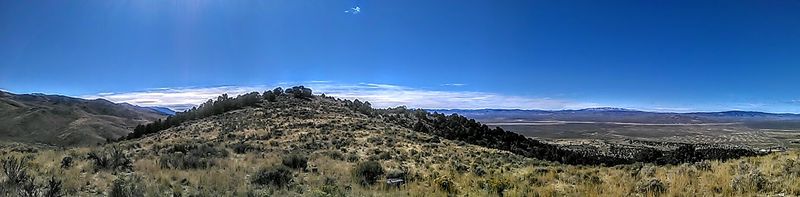
The real draw might be the view. From the ridge, the Reese River Valley spreads out for miles with mountain ranges layered behind it, and sunset turns the whole basin amber.
Access is a short, rough gravel road off the highway, best taken slowly in a passenger car and avoided when snow or mud has softened it. There is no ticket booth and no staff.
Fencing protects the structure, so plan on viewing and photographing from outside rather than climbing. Sturdy shoes help on the loose ground around the site.
Fifteen or twenty minutes covers a quick stop, but plenty of families linger an hour with a thermos and a blanket, watching the light change across the valley.
Canyon Trails in the Toiyabes
Behind the rooftops, the Toiyabe Range climbs steeply and keeps going, with canyons cut by year-round creeks. Trailheads sit close enough that families can be walking under aspens within minutes of parking downtown.
Water is the surprise. After miles of sagebrush basin, a shaded canyon with a running creek feels like a different state entirely, and the sound alone changes the mood of a trip.
Routes range from flat creek-side strolls suitable for young kids to long climbs toward high ridgelines that serious hikers plan whole days around. Choose based on the shortest legs in the group.
National forest access here generally costs nothing, which keeps a full outdoor day within reach of a tight budget. Bring your own water, snacks, and sun protection, because there are no concessions at the trailheads.
Fall turns canyon aspens gold, usually in late September and October depending on the year. Spring runoff can make creek crossings pushier than they look.
Cell coverage fades fast once you leave the highway corridor, so telling someone your route before starting is a sensible habit rather than an overcautious one.
Petroglyphs, Hot Springs, and Pony Express Ground Nearby
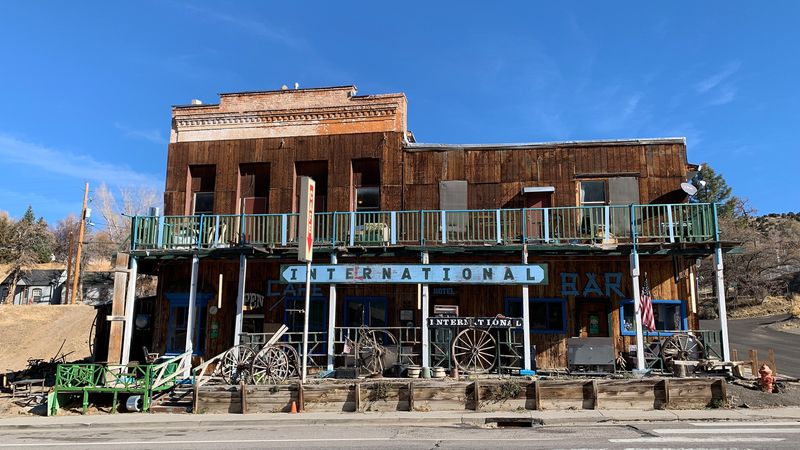
Head east from town on U.S. Route 50 and the roadside attractions turn ancient.
A short interpretive trail leads past rock carvings left by people who passed through this country long before any silver strike, and the walk is easy enough for grandparents and grandkids together.
Soaking pools sit out in the sagebrush south of the highway too, reached by graded dirt roads and shared on an informal, first-come basis. Conditions are primitive, with no facilities and no supervision, so go in daylight and bring everything you need.
Pony Express riders once crossed this same corridor, and markers along the route connect the modern pavement to that mail line. It is a satisfying detail for kids who have heard the name in school.
Nearly all of these stops are free, which is part of their appeal for travelers watching every dollar. Fuel becomes the main expense of the day.
Dirt access roads can wash out or drift with snow, and a low clearance car may not make every turnoff. Asking in town about current road conditions beats guessing from a map app.
Why December Turns the Whole Street Cinematic
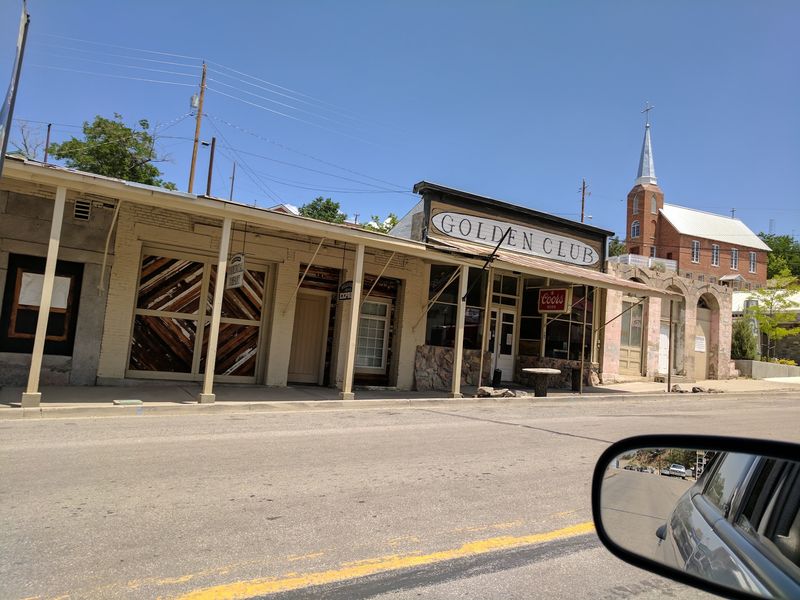
Snow on old brick, warm light in a few windows, a steeple against a darkening ridge, and almost no traffic. That combination is what visitors mean when they say the place looks like a holiday movie set.
It helps that nothing competes with the scenery. No illuminated corporate signage, no six-lane arterial, no strip mall parking lot interrupting the sightlines that make the old streetscape work.
Winter days are short at this elevation, and dusk arrives early enough that families driving the highway often catch the town in that blue hour glow without staying up late. Photographers call it the best twenty minutes of the day.
Small-town seasonal gatherings do happen in communities like this one, though scale and timing vary year to year with volunteers. Confirming dates before building a trip around an event saves disappointment.
Warm layers, gloves, and a full tank make the difference between a magical stop and a cold, stressful one. Temperatures fall quickly once the sun clears the ridgeline.
Drive conservatively on the grades in and out of town, since shaded curves hold ice long after the straightaways have dried.
Eating in a Town of 167
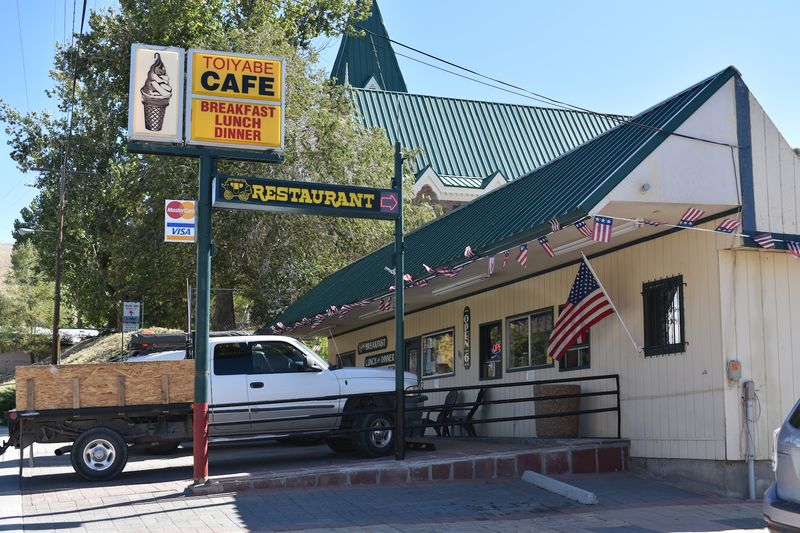
Expectations need adjusting before the first meal. With 167 residents, this is not a place with a dozen dining rooms competing for your attention, and that is honestly part of the charm.
A small number of cafes and casual spots operate along the highway corridor, serving the kind of plates that road travelers and local ranch families both count on. Portions tend to run generous and prices tend to stay modest by big-city standards.
Hours are the real variable. Rural kitchens here may close early, shut on certain days, or reduce service in the off season, so arriving hungry at 8 p.m. is a gamble.
Practical approach: eat when you find something open rather than waiting for a better option down the road. The next town is a long way off in either direction.
Packing a cooler with sandwiches, fruit, and drinks gives a family flexibility and keeps the day’s total spending low. Picnic scenery costs nothing and comes with mountain views.
Cash still helps in remote Nevada, since card readers depend on connections that occasionally drop. Confirm what is open before you drive out.
Where to Spend the Night Without Spending Much
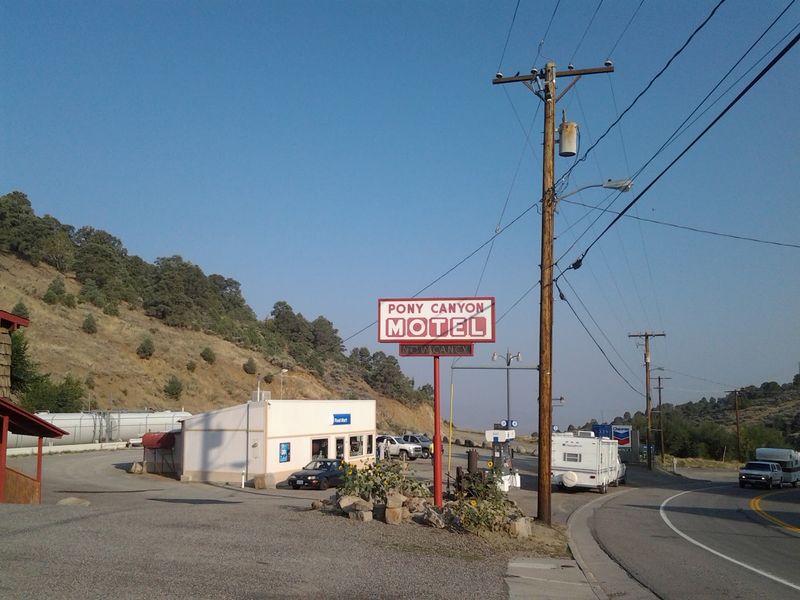
Lodging here is small-scale and straightforward. A handful of independent motels and guest properties serve the highway, generally at rates well below what a Reno or Las Vegas weekend costs.
Rooms are limited, though, and a single travel group or work crew can fill a property. Booking ahead matters more in a town this size than it does in a city with hundreds of beds.
Campers have the wider range of options, with national forest sites in the canyons above town and plenty of legal dispersed camping across surrounding public land. Many of those spots cost nothing.
Stargazing from a campsite at this elevation is reason enough to skip the room. Bring warm sleeping bags, because nights stay cool even after hot afternoons.
Services can be seasonal, with some campgrounds closing once snow arrives and some businesses trimming winter hours.
Anyone planning an overnight should verify availability and current rates directly before driving out, since small operations change schedules without much notice. Filling the tank and stocking water beforehand removes the last bit of guesswork from a remote stay.
Getting There Across the Loneliest Road
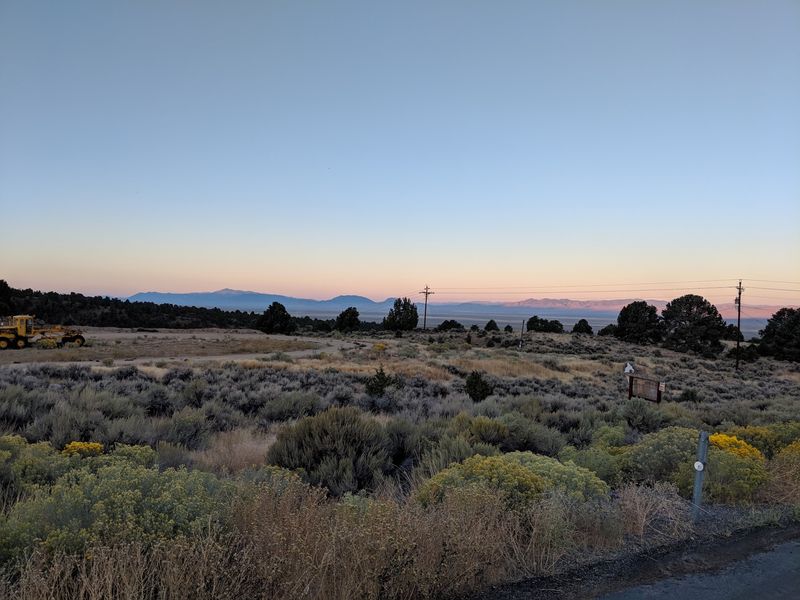
U.S. Route 50 runs straight through town, which makes navigation simple and the approach unforgettable.
From Reno, the drive covers roughly 170 to 180 miles east and typically takes around three hours without stops.
Travelers coming from the Las Vegas area face a considerably longer haul north, usually planned as a full travel day or broken into two. Either way, this is a road trip rather than a quick errand.
Fuel strategy is the one thing not to improvise. Top off in larger towns like Fallon or Fernley heading east, because stations along this corridor are widely spaced and may keep limited hours.
Pack water, snacks, a paper map, and a charged phone with the understanding that service comes and goes. Long empty stretches mean help is not five minutes away.
Winter storms can close or slow the passes on both sides of town, so checking Nevada road conditions the morning of departure is worth the two minutes.
The emptiness itself is part of the payoff. Watching range after range appear on the horizon builds anticipation that a freeway drive never delivers.
Who Keeps Making the Drive Back
Certain travelers fall hard for a town like this, and others tap the brakes for five minutes and keep driving. Knowing which group you belong to before leaving home makes all the difference.
Retirees who enjoy history they can read off a building, quiet streets, and mountain air tend to build whole weekends around the area. Families with curious kids get castles, carvings, creeks, and steeples in a single loop.
Budget math works in your favor here. Walking the historic core, driving up to the stone tower, hiking a canyon, and stopping at roadside sites along the highway generally cost nothing beyond fuel and food.
Anyone needing constant entertainment, late dining, or big-box convenience should set expectations accordingly. Peace and open country are the product on offer.
Repeat visitors often describe the same pattern: one unplanned stop, then a return trip with more time, better shoes, and a cooler in the back seat.
Hours, road access, and seasonal openings shift out here, so confirm the details before you commit a driving day. Do that, and this small Lander County town rewards the mileage.