
Rescued Capybaras, Porcupines, And Pigs Come Right Up To The Fence At This Mississippi Rescue Farm
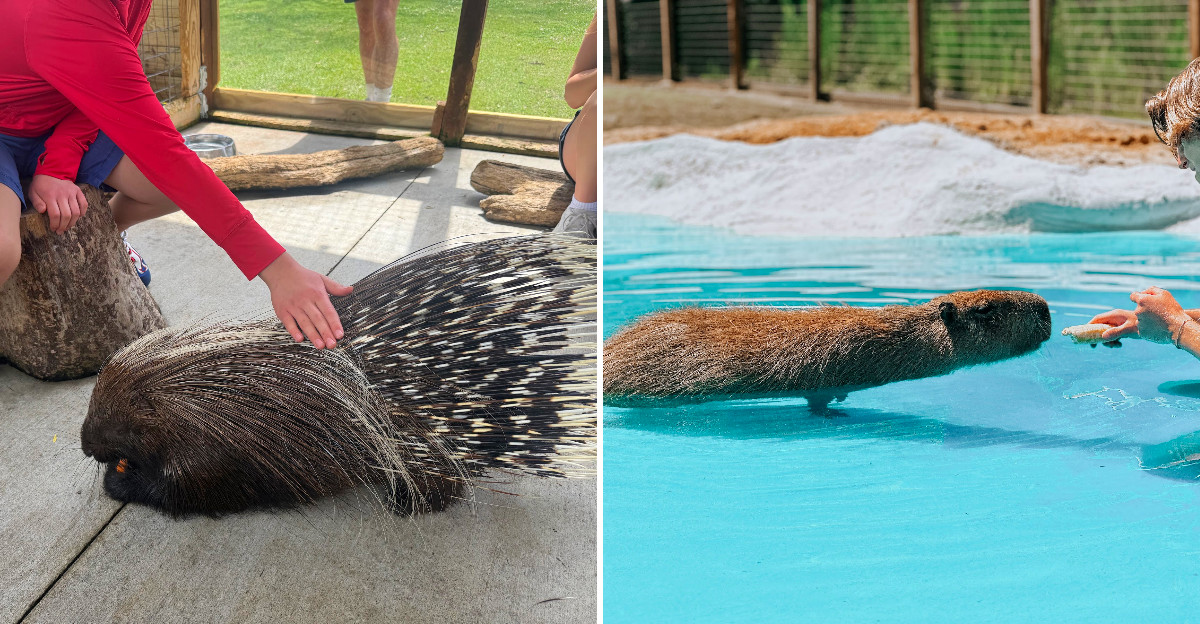
Somewhere down a pine-lined back road in south Mississippi, past the kind of turnoff you would drive by twice without noticing, there is a farm where a capybara will walk over and take a piece of squash out of your hand. No glass, no moat, no squinting at a sleeping animal a hundred feet away.
Porcupines shuffle up to the fence line, pigs lean in for a scratch, and the staff know every single resident by name. For families hunting an affordable Saturday that actually sticks in a kid’s memory, this one is hard to beat.
A Back Road In Stone County
McHenry sits in Stone County, tucked into the piney woods between Wiggins and the Gulf Coast, and the address you will punch into your phone is 84 Our Rd. It feels genuinely rural out there, the sort of road where the trees close in overhead and you start wondering if the map made a mistake.
Wild Acres Hands-On Animal Experience is the name on the gate, and it is classified as a zoo, though that word undersells what happens once you walk in. Visitors often describe it as a little oasis of unusual animals hidden deep in the woods.
Drive times work out in a family’s favor here. From Gulfport or Biloxi you are looking at roughly an hour or less, from Hattiesburg something similar, and from Jackson it becomes a longer but doable day trip.
Reservations are required, so this is not a spot you stumble into on a whim.
Plan it, book it, then enjoy the fact that you have a whole afternoon with animals that will genuinely come over to see you.
How A Traveling Petting Zoo Grew Roots
Back in 2016, owner Cody Breland started this operation as a traveling petting zoo, hauling animals out to events rather than inviting people in. Over the years it settled onto the property in McHenry and grew into something far larger than a few goats in a portable pen.
Some residents arrived as rescues, including a cockatoo named Bobby, and visitors regularly mention how clearly the animals have been rehabilitated and cared for. Enclosures are described as roomy, clean, and stocked with enrichment toys rather than bare and minimal.
Guests who have met Cody in person tend to remark on how much he chats, explains, and answers questions without hurrying anybody along. That family-run feel carries through the whole staff, who are frequently praised for knowing each animal’s history, quirks, and favorite snacks.
Animal welfare shapes the schedule too. Encounters are structured and time-limited so the residents get breaks and quiet stretches between groups, which is a small detail that says a lot about how the place is run.
Capybaras Named Tyson And Sanders
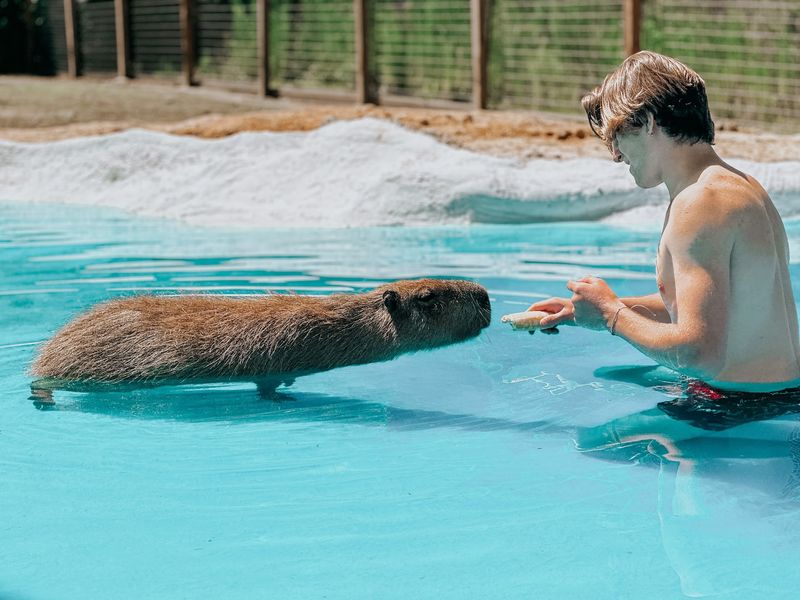
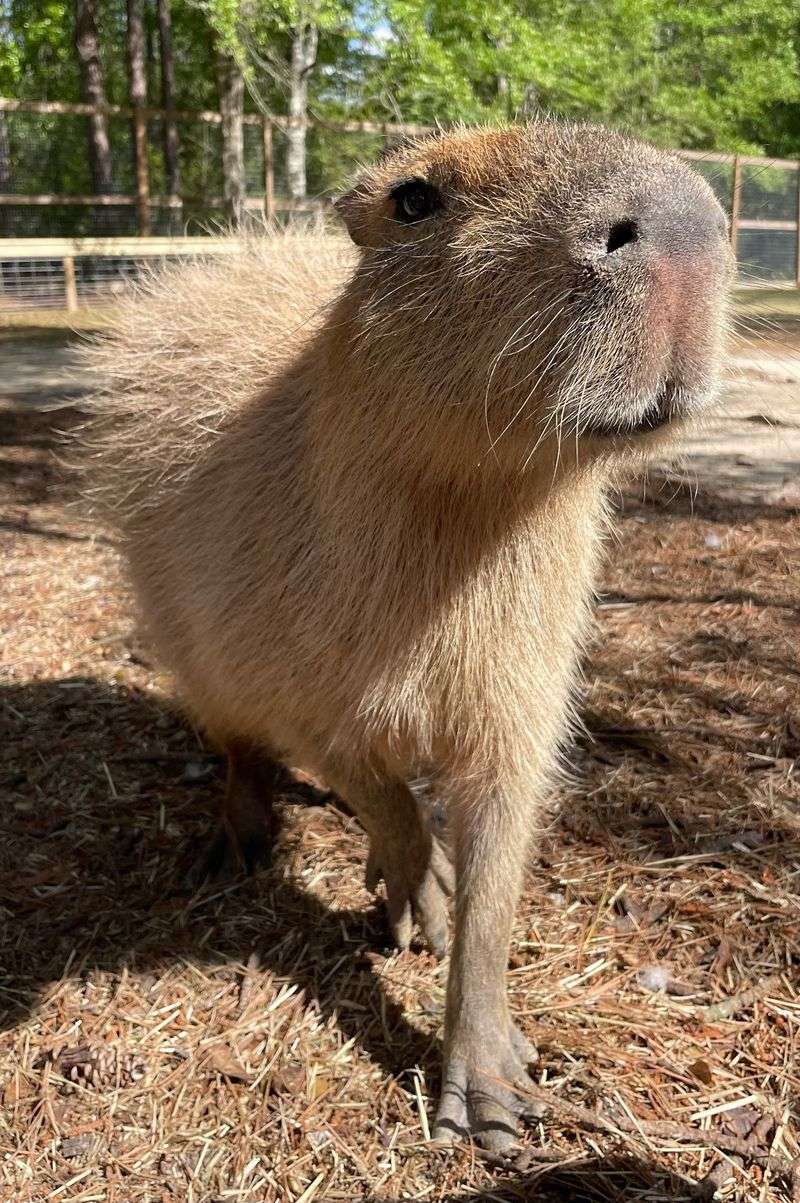
Kids lose their minds over capybaras, and Wild Acres has two of them: Tyson and Sanders. If your child has spent the last year watching capybara videos and calmly announcing facts about the world’s largest rodent, this is the payoff moment.
Hand-feeding is part of the standard tour, and the pair reportedly amble right up to the fence when a group arrives. They are barrel-shaped, unbothered, and surprisingly patient with small hands offering vegetables.
One parent brought their little one here for a birthday specifically because she loved capybaras, and she asked to come back the following year before the visit was even over. Another family mentioned their boys were most excited about the capybaras out of everything on the property.
For anyone wanting more than a feeding session, there is a special experience that lets guests swim with Tyson and Sanders alongside the otters, though that one carries a minimum age of ten. The regular tour still gets you close enough to hear them chattering and see just how big they really are.
Porcupines With A Taste For Zucchini
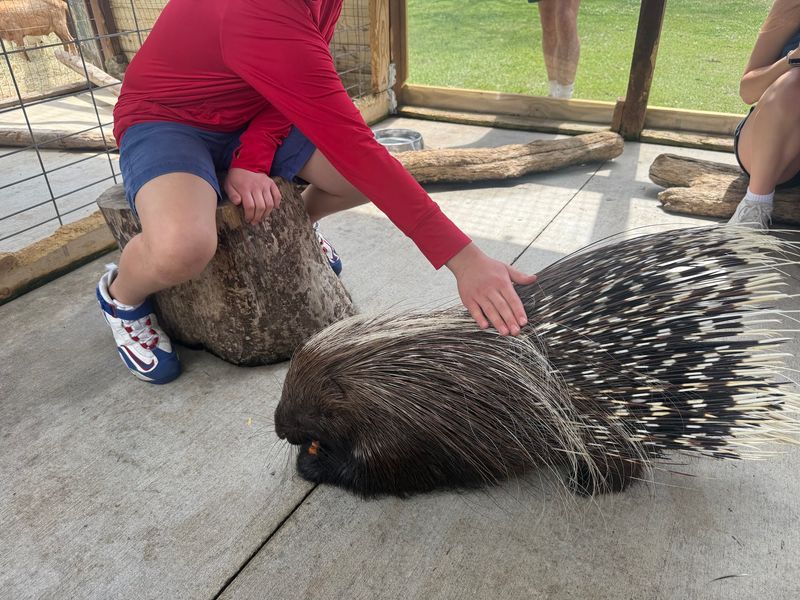
Danger and Lady Gaga are African crested porcupines, and yes, those are their real names. They are also one of the biggest surprises of the whole visit, because most people have never been within arm’s reach of a porcupine, let alone fed one.
Squash and zucchini are the favorites, and guests get to hand them over directly. One visitor summed up the appeal perfectly by pointing out how rare it is to come home from a trip able to say you fed and petted a porcupine.
The quills look intimidating, but staff walk everyone through exactly how to approach, where to touch, and what not to do. Porcupines come up in visitor conversation constantly, which tells you how memorable the encounter tends to be.
Little ones usually giggle at the snuffling sounds, and grandparents seem just as taken with it. There is something leveling about an animal encounter that genuinely delights a six-year-old and a seventy-year-old at exactly the same moment, and this one manages it.
Pigs, Goats, And The Familiar Farmyard Crew
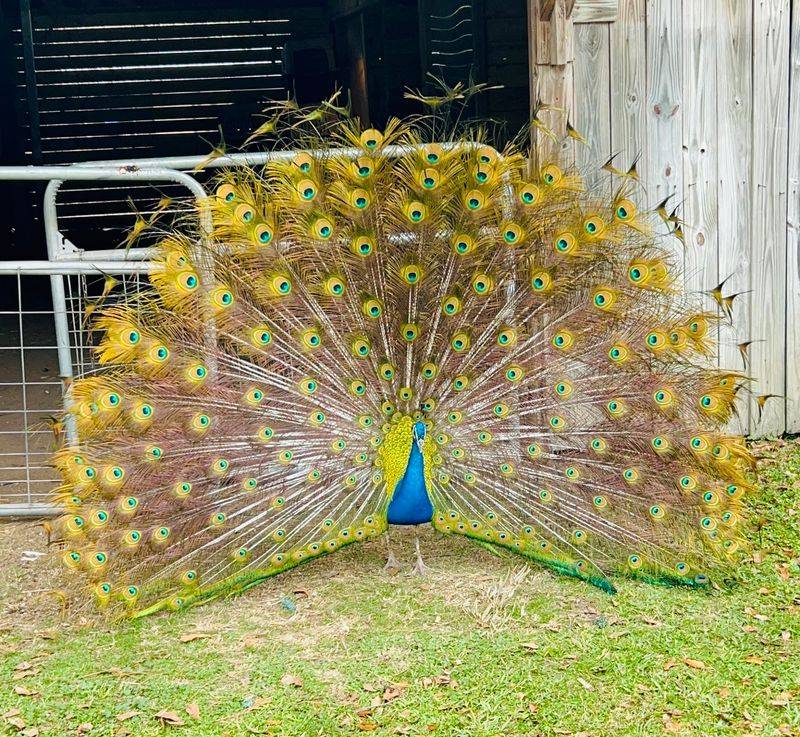
Not everything here is exotic, and that turns out to be a good thing. Potbellied pigs and a KuneKune pig hold court on the property, along with pygmy goats, miniature horses, sheep, and chickens wandering about.
Toddlers who find a tiger a little overwhelming usually gravitate straight toward the pigs. A pig leaning into a belly scratch is universal comedy, and the goats are shameless about angling for attention.
KuneKune pigs are worth a second look, too. The breed originated in New Zealand, comes covered in coarse hair, and is known for being remarkably easygoing around people, which makes them a natural fit for a hands-on farm.
Families consistently note that the enclosures look clean and the animals look healthy, and that the pathways are organized and simple to walk through. That matters when you are shepherding a stroller, a curious five-year-old, and a grandparent who would rather not navigate rough terrain.
The farmyard section also gives everyone a breather between the bigger encounters, which keeps younger kids from hitting overload halfway through.
The Unexpected Residents Down The Path
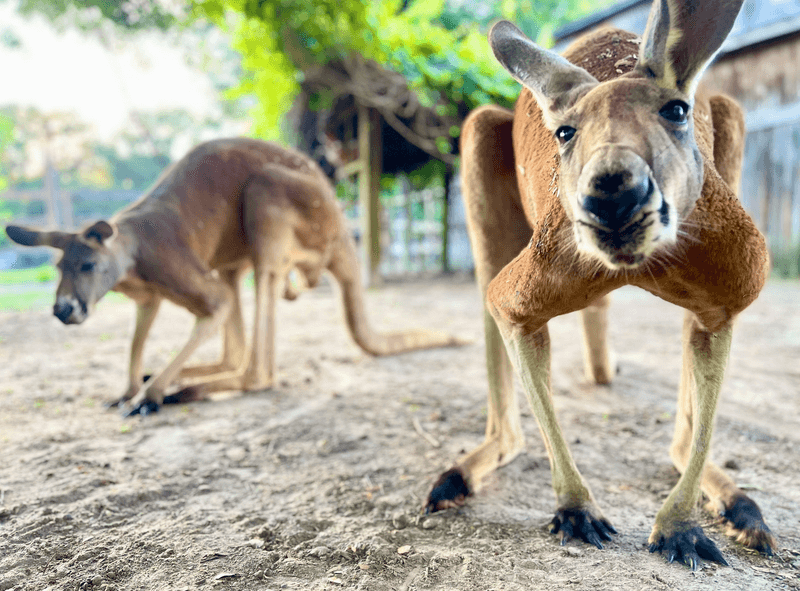
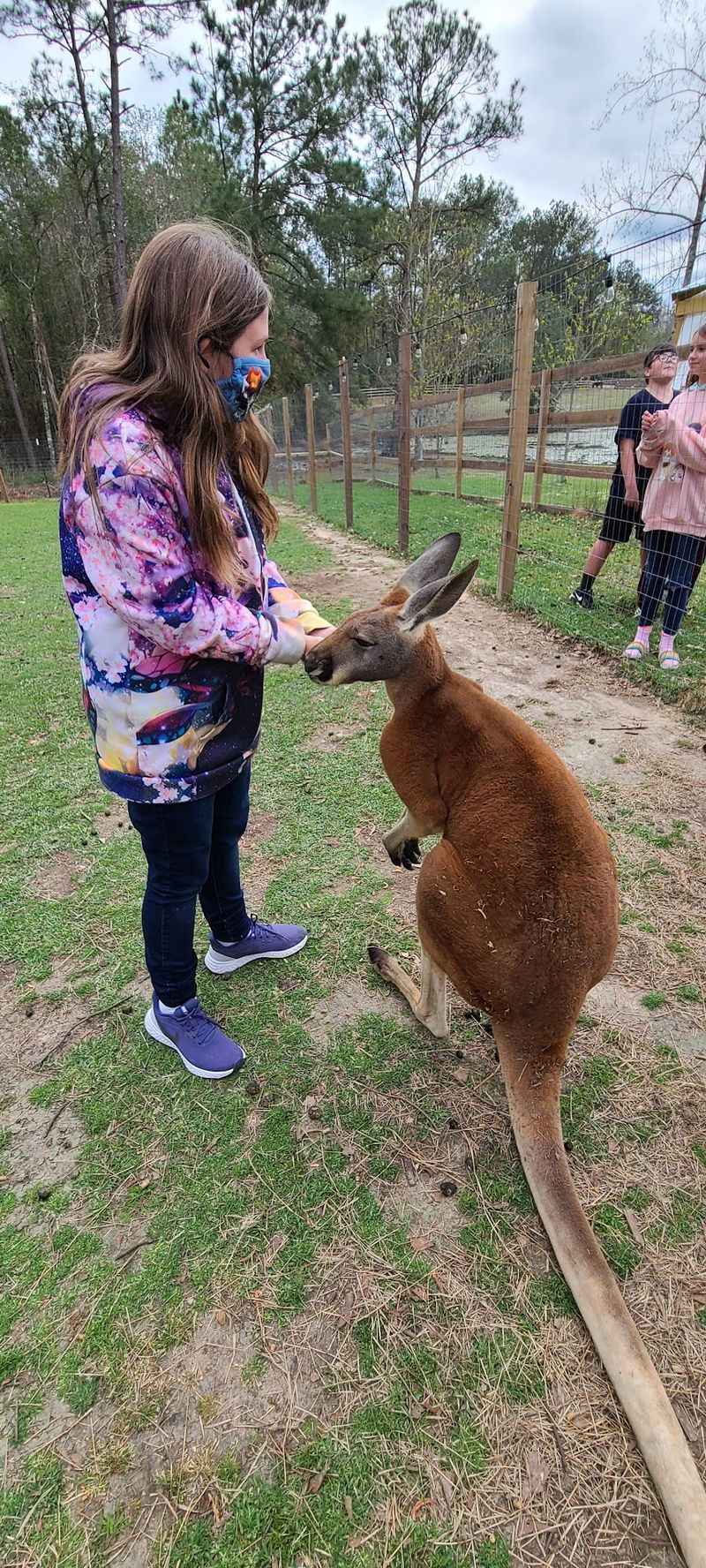
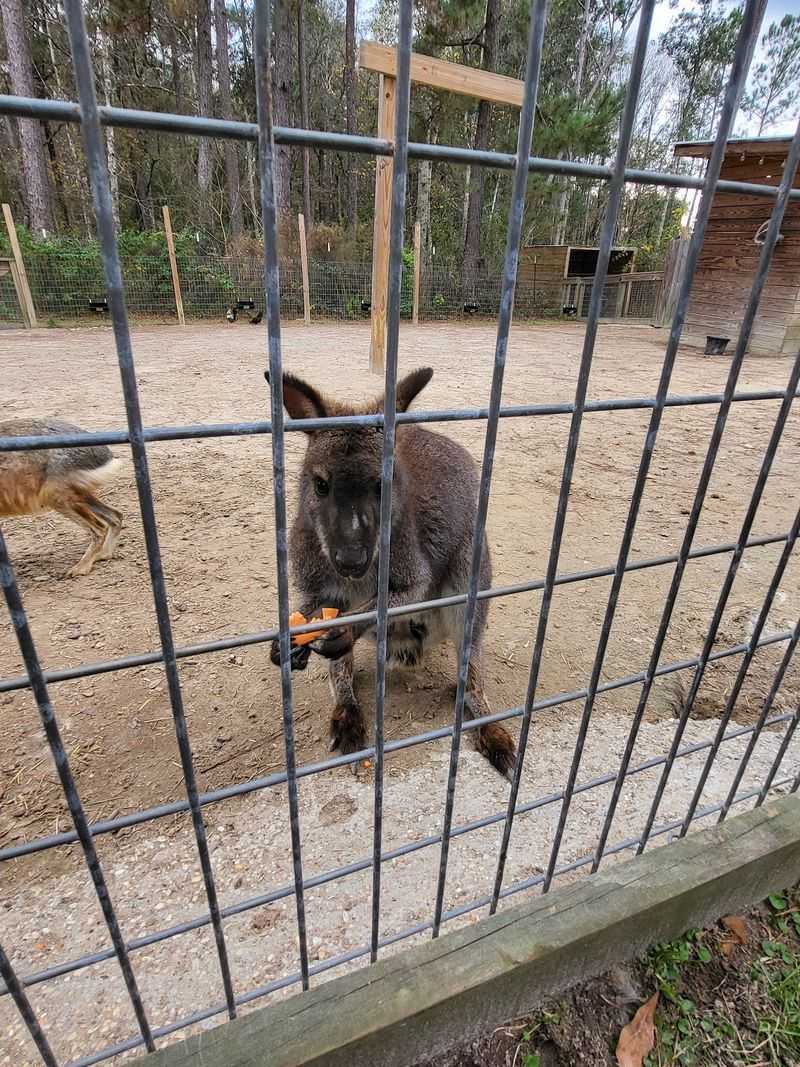
Kangaroos named JoJo and Boomer. A caracal named Kira.
Ring-tailed lemurs, capuchin monkeys called Gus and Sissy, a spider monkey named Kiki, and a tamandua named Mary Jane. The species list at Wild Acres reads like a wildlife documentary that wandered off script.
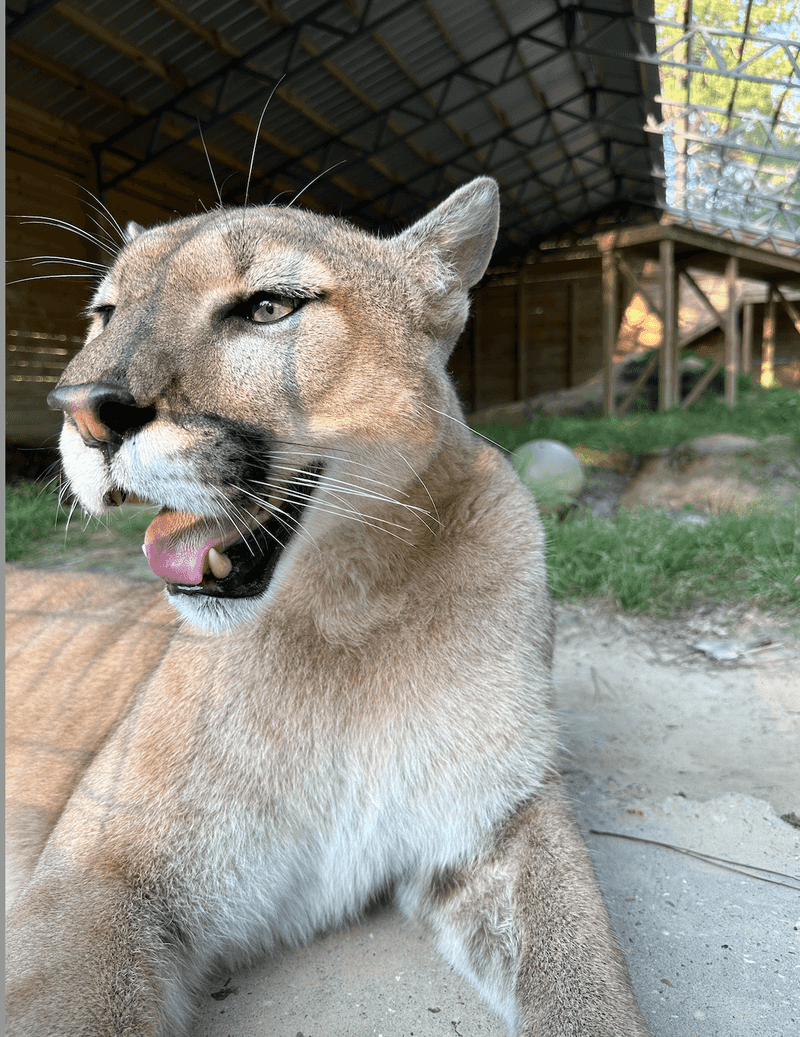
There are also Patagonian cavies you can hand-feed, coatimundis, camels, zebras, black leopards, Bengal tigers, a mountain lion named Finn, and a black cat named Salem who apparently has the run of the place.
Visitors talk about being close enough to hear the animals vocalizing and to truly register their size, something no viewing platform at a big city zoo delivers. Guides reel off facts about each resident and seem to know their individual personalities inside out.
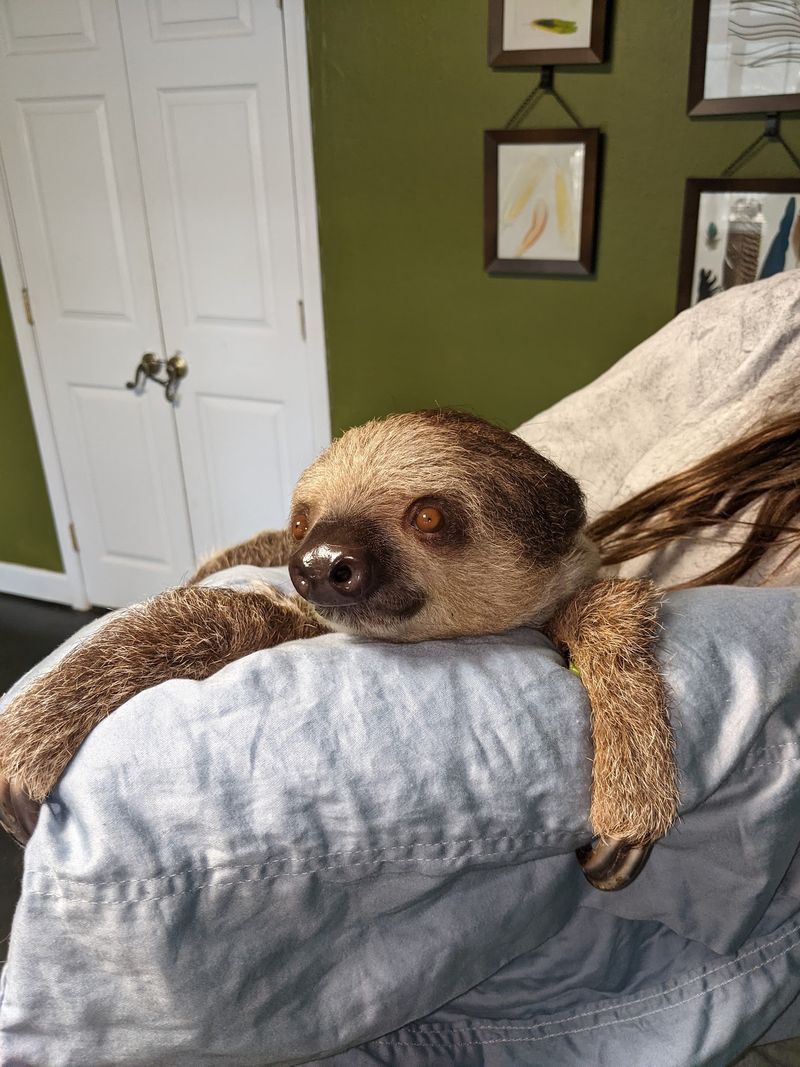
Sammy the sloth deserves his own mention. A dedicated Sloth Experience runs about thirty minutes and lets guests hold, pet, feed, and photograph him, and sloth encounters come up in visitor chatter more than almost anything else.
Fennec foxes and nursery babies have also featured on private tours, depending on what is happening that season.
Guides Who Know Every Name
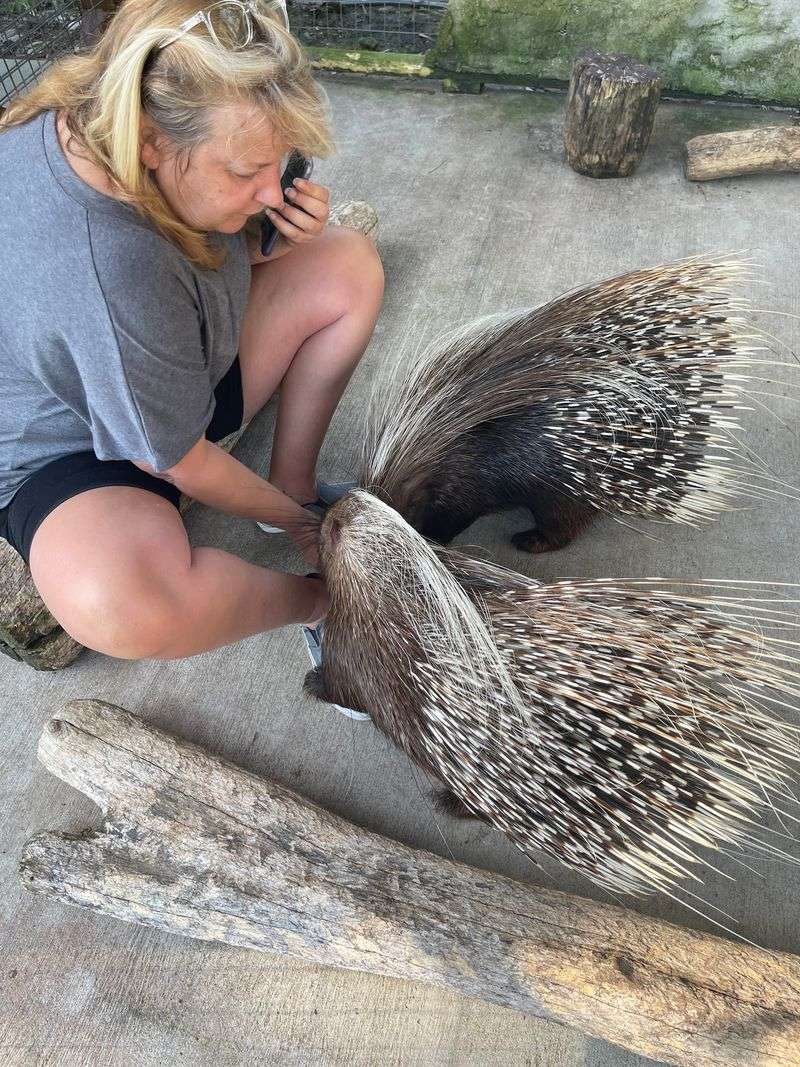
Ninety-six separate visitor mentions of knowledgeable staff is not an accident. Guides here are described over and over as engaging, funny, patient with questions, and genuinely enthusiastic about the animals in their care.
Group sizes stay small, which changes the whole tone of a tour. One guest on the otter experience mentioned a group of only eleven people, leaving plenty of room for extra questions once the formal part wrapped up.
Families with small groups have found themselves getting bonus question-and-answer time, and solo visitors who join a larger booking say it never felt awkward. Staff also help children interact gently, which takes a lot of pressure off nervous parents.
Tours run roughly an hour to an hour and a half depending on what you book, and guests repeatedly note they never felt rushed through it.
Educational content is threaded throughout rather than bolted on. Kids walk out having absorbed real information about porcupine quills, capybara habits, and where a tamandua fits in the animal kingdom, all without realizing they just sat through a lesson.
What The Visit Actually Costs
Value is where this place really earns its keep with Mississippi families. Group Animal Encounter Tours run about an hour and a half and are priced at $26 per person for ages three and up, which is remarkable for hands-on feeding time with multiple species.
Homeschool families have their own option, the Wild Homeschool Meet-Up, at $20 per person. Visitors have compared the cost favorably against standard zoo admission and concluded it delivers considerably more for the money.
Specialty encounters like the sloth session and the otter and capybara swim are priced separately and cost more, so build your budget around what your crew actually wants to do. The swim carries that age ten minimum, worth checking before you promise anything to a seven-year-old.
Symbolic animal adoptions are offered as well, funding food, veterinary care, and enrichment for the residents. It makes a decent gift for the kid who already has too many stuffed animals.
A small gift shop sells t-shirts and plush sloths, which may be the easiest souvenir decision you will ever make.
Booking Ahead And Beating The Heat
Reservations are non-negotiable, and the name on the sign says so outright. Encounters are kept small and can fill up quickly, especially the sloth and swim sessions, so call ahead or book through wildacresms.com.
Google lists the gates as open Wednesday through Sunday from 1 to 5 pm, closed Monday and Tuesday, while the farm’s own materials show a Saturday opening as early as 10 am. Confirm your window when you book rather than guessing.
South Mississippi summers are no joke, and one visitor said plainly that the only downside of an otherwise excellent afternoon was the heat. Aim for the earliest available slot, bring water bottles, hats, and sunscreen, and accept that closed-toe shoes beat sandals on a working farm.
Cooler months are a genuinely pleasant time to go, and the property hosts seasonal and themed events through the year.
Pathways are described as organized and easy to walk, which helps multi-generational groups. Tipping the guides is appreciated and goes toward caring for the animals.
Why This One Sticks With People
A 4.8-star average across dozens of visitors is the kind of number that does not happen by luck. What comes through again and again is the combination of clean enclosures, well-cared-for animals, and staff who clearly love the work.
The trip suits a wide range of people. Grandparents get a shaded walk and good conversation, elementary-aged kids get to pet and feed animals they have only seen on screens, and teenagers who claim to be too cool for a zoo tend to forget that once a capybara walks over.
Repeat visits are common. Plenty of families say they will be back, some with different relatives in tow, and a few have made it a twice-yearly tradition.
If you want a Saturday that costs less than a family dinner out and gives your kids a story they will retell for years, this fits. A short drive into the Stone County pines, an hour and a half with rescued animals who come right up to the fence, and a stop for ice cream in nearby Wiggins on the way home.