
This Middle-of-Nowhere Alabama Farm Crafts Fresh Apple Cider From Scratch By Hand
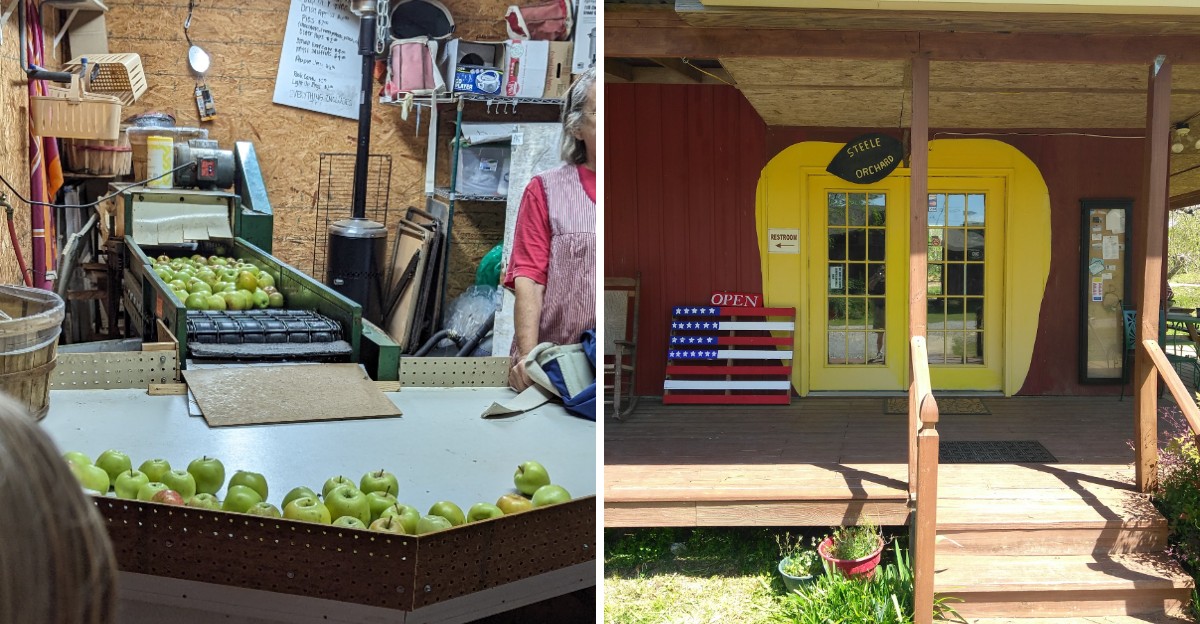
One farm. A cider press that hasn’t changed in decades.
Apples get washed, ground, and pressed the old way here, with nothing rushed and nothing skipped. Juice runs out thick, amber, and unfiltered.
Alabama keeps working farms like this one down quiet county roads most tourists never find. Hills roll gently and orchard rows stretch out for acres in every direction.
Hand-picked fruit fills every basket, and skins stay in the mix for deeper flavor. Cider comes fresh or frozen, so a long drive home never spoils the payoff.
Alabama rewards anyone willing to leave the highway behind. Fried pies, slushies, and cornhole round out an afternoon built for lingering.
Want something made the slow way? This farm is waiting, and the drive is shorter than you think.
A Farm Built On Family Patience
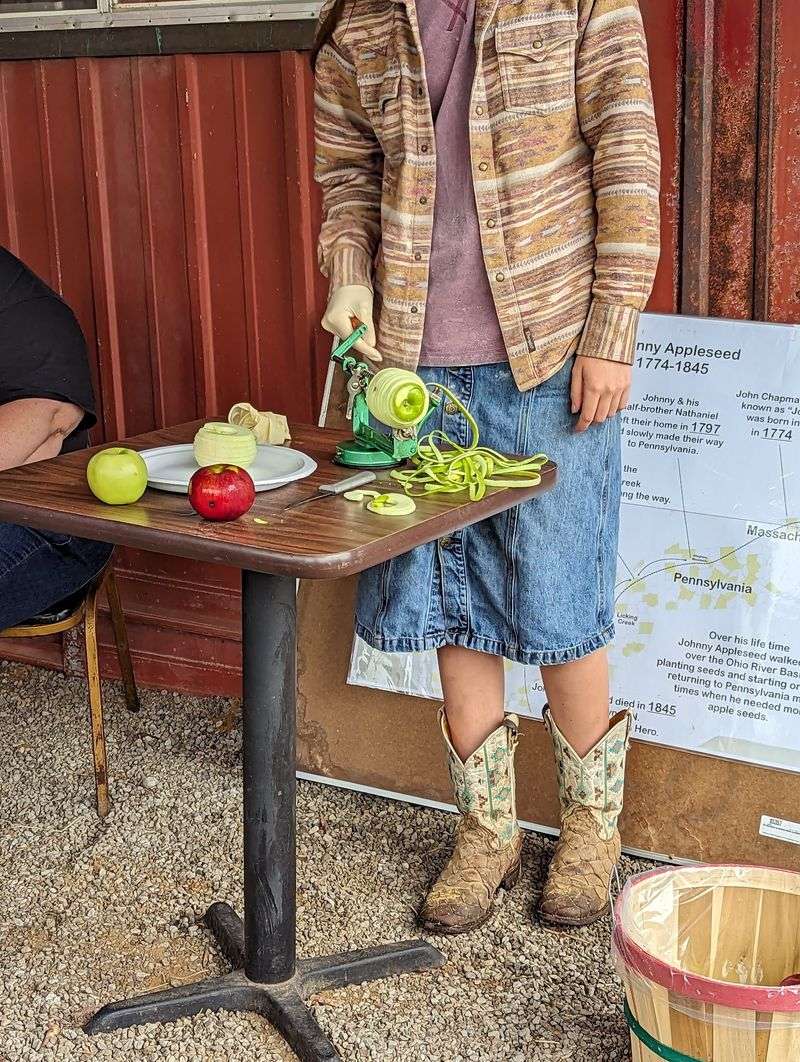
Nineteen eighty-five was a good year for apple trees in Cullman County. That is when Steele Orchard planted its roots, and the family has kept them watered ever since.
Decades later, the farm still runs on the same idea. Grow fruit close to home, sell it fresh, keep things simple.
The property sits in the rolling hills of north Alabama, well away from strip malls and stoplights. Visitors often remark on how uncommercial it feels, which is exactly the charm.
You will find the orchard at 1695 County Road 1141, Cullman, AL 35057, in the United States. The address matters, because guessing your way there is a losing game.
Steele Orchard has grown into something of a local landmark without losing its small-farm scale. The store stays modest.
The focus stays on the apples.
Staff tend to know their varieties cold, and they will steer you toward the right fruit for sauce, pies, or snacking. That kind of knowledge comes from years in the rows, not from a training manual.
Generational farms like this one are getting rarer in Alabama. Showing up is the easiest way to keep one going.
Forty-Five Acres And Forty Thousand Trees
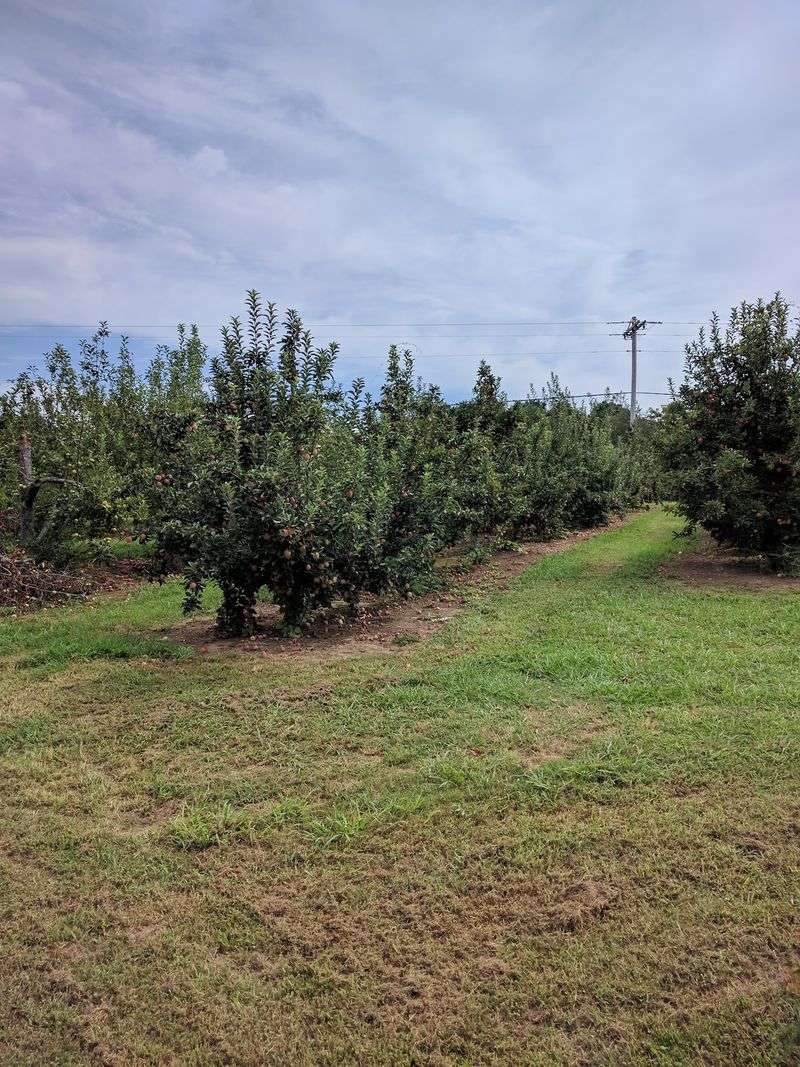
The scale sneaks up on you. What looks like a small roadside stop opens into roughly 45 acres of apple trees.
Reports put the tree count around 40,000 across the property at Steele Orchard. Those rows stretch out across gentle slopes, and the view alone justifies the drive.
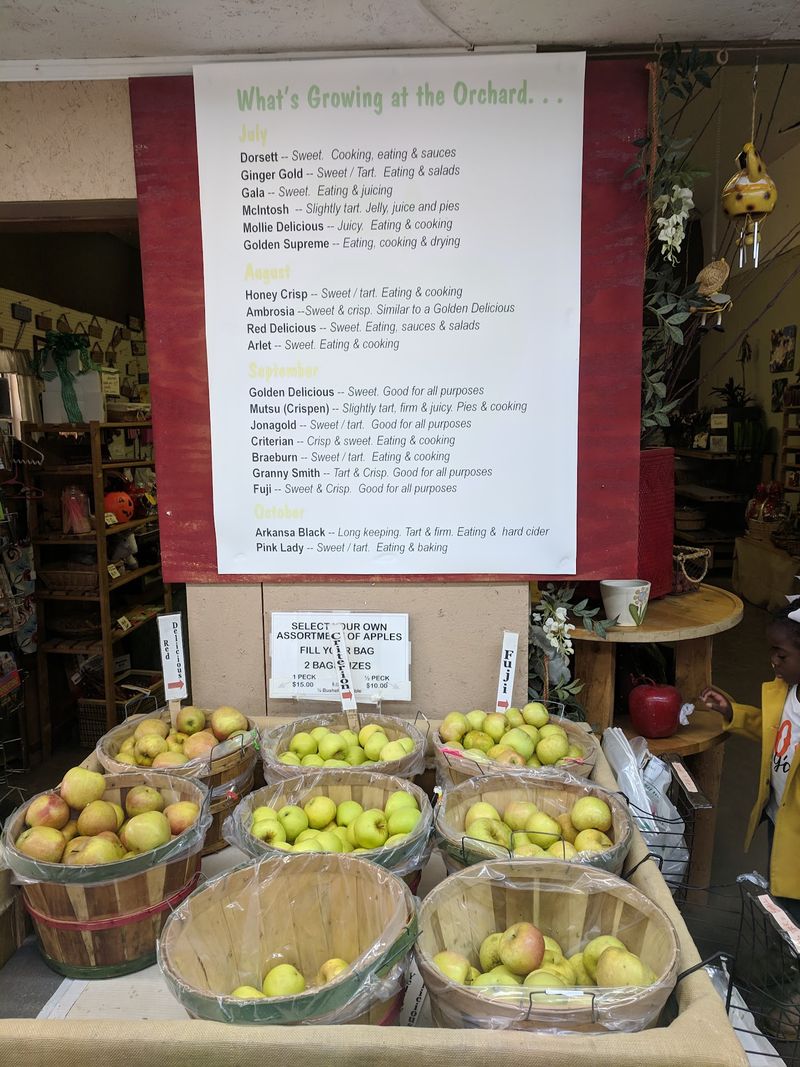
Variety is the real headline here. More than 20 different kinds of apples ripen across the season, which means no two visits taste quite alike.
Mutsu draws a devoted following in September. Criterion, Honeycrisp, McIntosh, and Cortland also make appearances depending on timing and weather.
Availability shifts year to year, so nothing is guaranteed on any given day. A dry summer can shrink fruit size, and the farm is upfront about that.
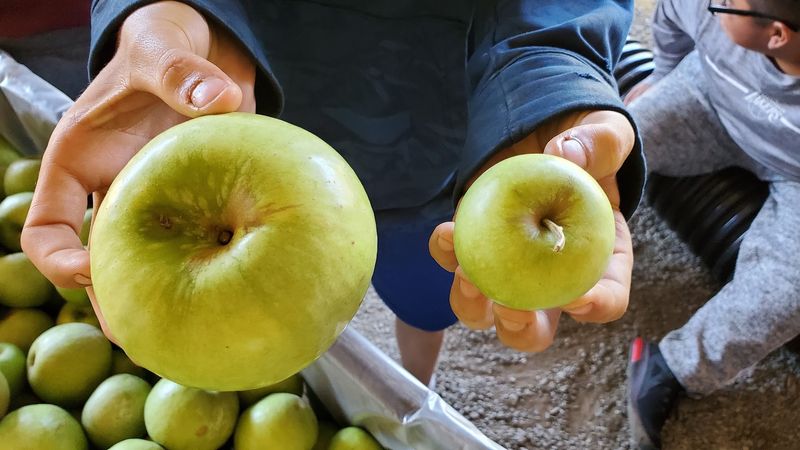
Every apple gets picked by hand. No shortcut machinery, no rough tumbling that bruises fruit before it reaches the crate.
Bulk buyers can grab larger quantities, and discounted seconds often sit near the front for canning projects. Those seconds cook down beautifully even when they look less than photogenic.
Orchards this diverse are a rarity in this corner of Alabama farmland.
How The Cider Gets Pressed By Hand
Cider here starts with a bath. Hand-picked apples get washed thoroughly to clear away dirt and field debris.
Next comes the grinder. Whole apples turn into a thick pulp with a texture close to chunky applesauce.
That grinding step matters more than most people realize. Breaking the fruit down completely frees up far more juice for the press.
Then the pulp goes under pressure. The press squeezes steadily until the juice runs out amber and cloudy.
Here is the detail that surprises first-timers at Steele Orchard. Apples are neither peeled nor seeded before pressing.
Skins and cores stay in the mix, which keeps more flavor and nutrients in the final jug. The result tastes fuller than anything poured from a shelf-stable bottle.
It takes roughly 12 to 14 pounds of apples to fill a single gallon. That math explains why fresh-pressed cider feels like such a bargain when you taste it.
The farm sells it fresh and frozen, so long drives home are manageable. Frozen jugs thaw into the same sweet, slightly tart mouthful.
Hand-pressed cider in Alabama rarely comes this unfussy.
Fried Apple Pies Worth The Detour
Ask around Cullman about this farm and the pies come up first. Small, handheld, golden, and packed with real apple pieces.
They get fried fresh, sometimes while customers wait at the counter. That short wait has become part of the ritual.
The bakery smell hits before the door even closes behind you. Warm dough and cooked fruit make a convincing sales pitch.
Steele Orchard sells these pies alongside apple muffins that fans rave about just as loudly. Apple cakes and apple butter round out the lineup.
Homemade apple pie ice cream shows up too, and a scoop with a fried pie crumbled in is a popular move. Creamy, sweet, and dangerously easy to finish.
Seasonal pies appear based on what is ripe, with peach and berry versions making occasional cameos. Local farm honey sits on the shelves year-round.
Everything is made in small batches, so specific items can sell out. Arriving earlier in the day improves your odds considerably.
Bring a cooler if the drive is long. Nobody wants melted ice cream on County Road 1141.
The Slushie That Steals The Show
Hot Alabama afternoons call for something frozen. The apple cider slushie answers.
Made with the farm’s own cider, it comes in sweet and sour versions. Both have their loyalists, and mixing the two is a legitimate strategy.
Plenty of visitors admit the slushie alone was worth the drive. That is a bold claim for a cup of frozen juice, yet it keeps getting repeated.
Steele Orchard keeps the recipe uncomplicated. Cider, cold, no gimmicks.
The sour version delivers a sharp tang that cuts through humidity. The sweet side leans into pure apple flavor, closer to eating fruit straight off the tree.
Caramel apples and candy apples sit nearby for anyone craving a crunch instead. Kids tend to gravitate toward those.
Availability can depend on the season and how busy the store is. Asking at the counter takes two seconds and saves disappointment.
Grab one, walk outside, and find a spot in the shade. The orchard view improves any drink.
Simple treats like this are why country farm stands still beat drive-through windows.
Picking Your Own Straight Off The Branch
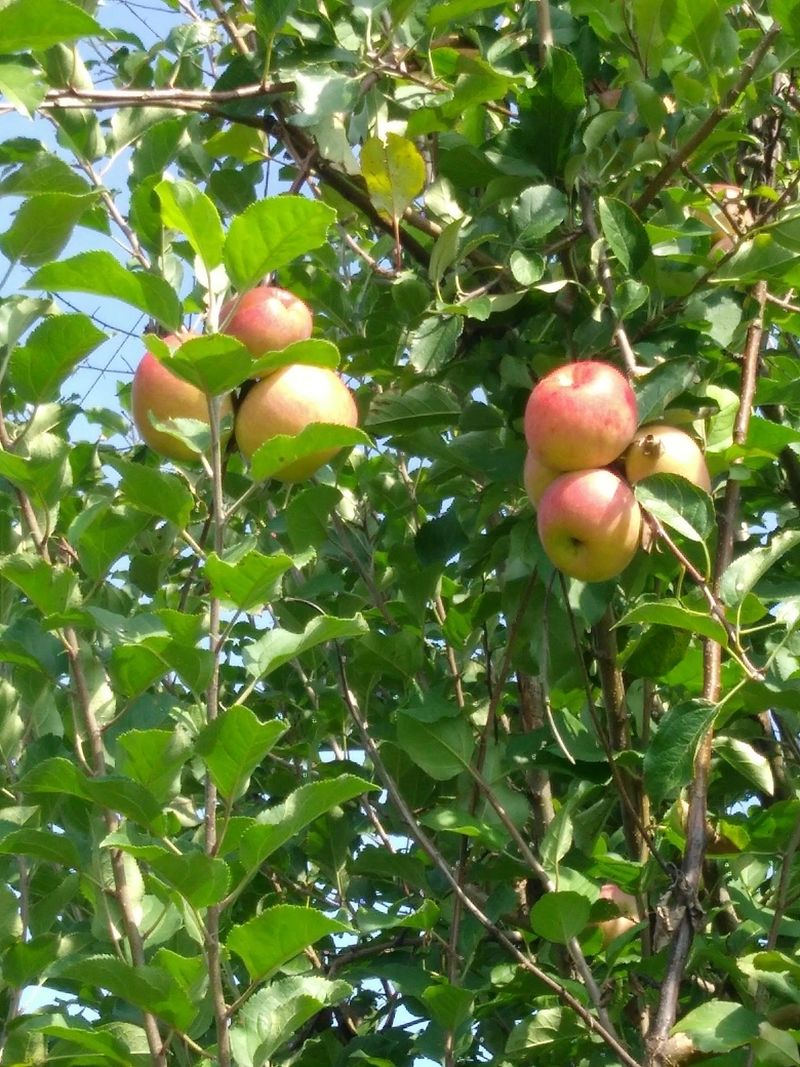
Grocery-store apples never taste like the ones you twist off yourself. The farm offers you-pick harvesting when the crop cooperates.
It is seasonal and conditions-dependent, so dates shift. Calling ahead or checking the farm’s social page prevents a wasted trip.
Families do especially well here. Low branches, open rows, and no crowds shoving for the same tree.
Steele Orchard sits in gently sloping terrain, which makes wandering the rows easy on the legs. Closed-toe shoes still beat sandals.
Picking teaches kids something a supermarket never will. Fruit comes from trees, gets bruised easily, and tastes better warm from the sun.
Some visitors arrive hoping to pick and find only store sales available that day. Weather, timing, and harvest stage all play a role.
When picking is open, the payoff is a basket of fruit at its absolute peak. Late summer through early fall is generally the window to aim for.
Bring water and a hat. Alabama sun does not negotiate, even in October.
Field Trips That Actually Teach Something
School buses find their way down this road every autumn. The orchard hosts educational tours for schools, churches, and community groups.
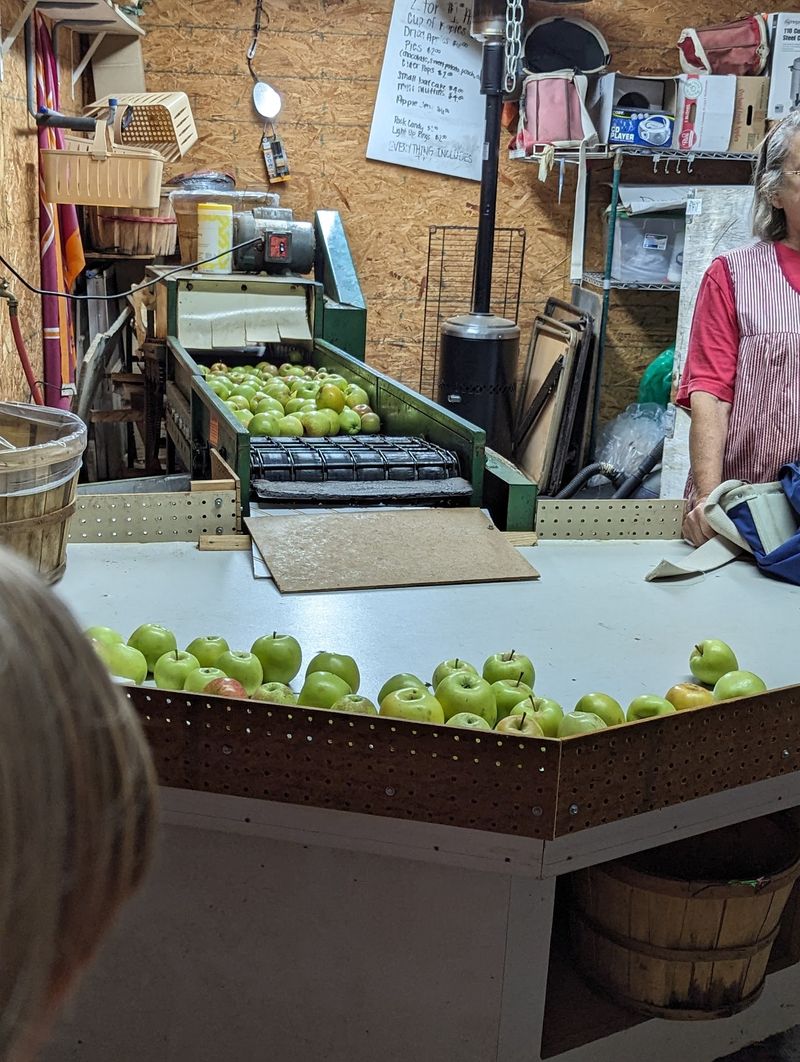
Guides walk visitors through the growing cycle, the grading process, and how fruit moves from branch to crate. Apple tastings usually cap the experience.
Teachers who have brought classes describe the grading demonstration as a highlight. Seeing apples sorted by size and quality makes the whole operation click.
Steele Orchard keeps groups small and hands-on rather than staged and scripted. That informality is part of the appeal.
Younger children can lose focus during longer talks, so pacing varies by group. Tours are reservation-based, and contacting the farm in advance is essential.
Staffing has been tight in recent years, which can affect timing. Patience goes a long way on a working farm.
Plan extra minutes in the store afterward, because nobody leaves without pies. Budget for that.
Educational farm visits in Alabama do not get much more authentic than watching real apples get sorted by real hands.
Cornhole, Picnics, And Slow Afternoons
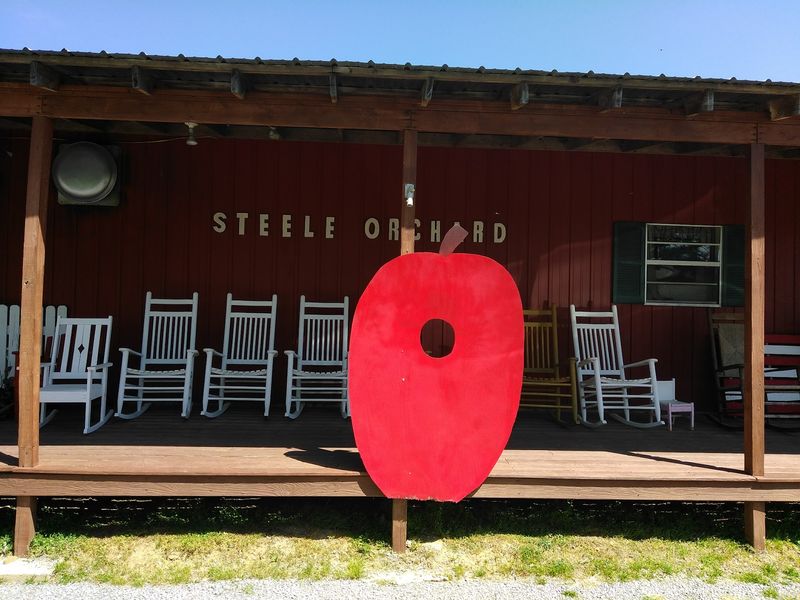
Nobody rushes here. Cornhole boards sit out for anyone who wants a game, and picnic areas invite you to linger.
Families spread out lunch and let the afternoon stretch. The orchard backdrop does the rest.
Steele Orchard leans into that unhurried rhythm on purpose. Shopping, snacking, and wandering all happen at whatever pace suits you.
There is a resident farm dog who has built a reputation as an unofficial greeting committee. Visitors mention her fondly.
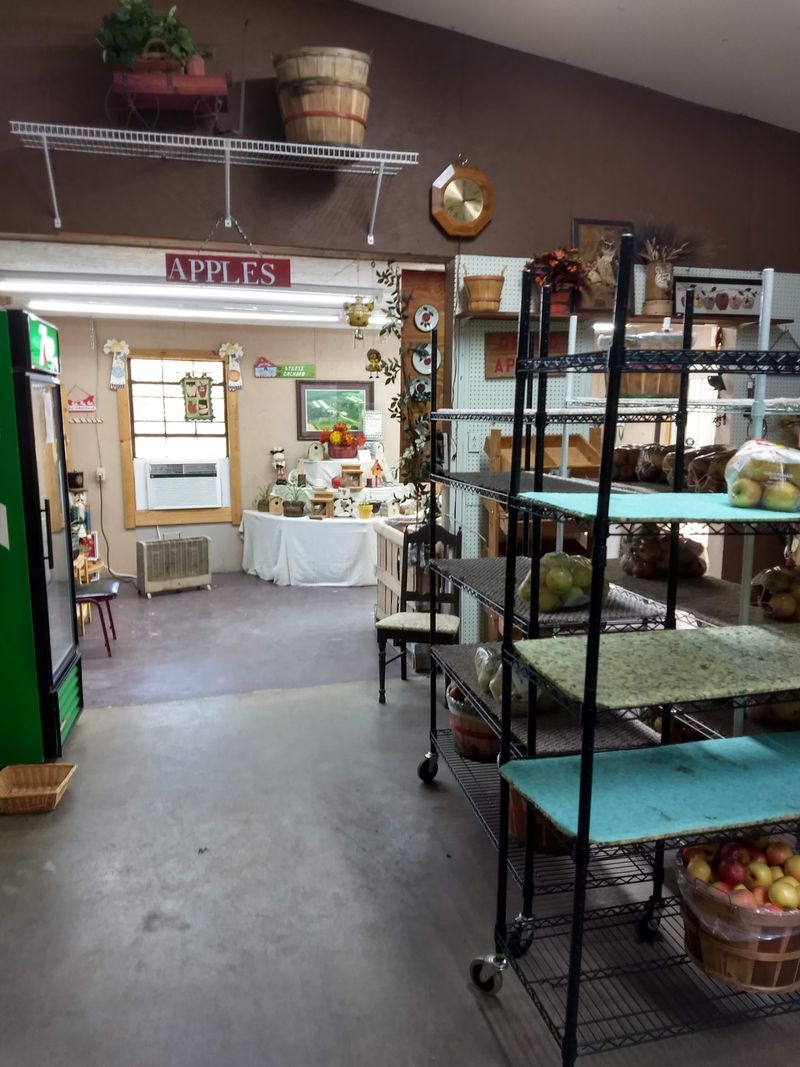
The store interior rewards browsing too. Shelves hold jams, honey, small gifts, and plenty of apple-related goods.
Photographers get quiet rows, weathered crates, and hills rolling off toward the horizon. Early morning light is particularly generous.
Cash and card both work, though bringing some cash never hurts at a rural farm stand. Cell service can be spotty on county roads.
Restroom facilities are basic, matching the working-farm setting. Nobody comes here for polish.
Afternoons like these have become harder to find. This corner of Alabama still hands them out for free.
Timing Your Visit Around The Harvest
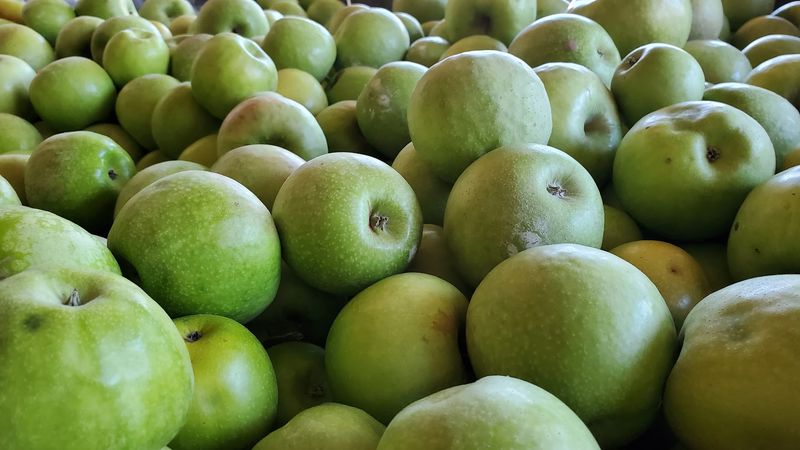
Fall is when everything lines up. Cooler air, heavy branches, and the widest apple selection of the year.
Late summer through early fall brings the strongest picking and the deepest variety list. September is a favorite month for regulars chasing Mutsu.
The store operates outside peak season too, offering produce and baked goods on a smaller scale. Winter hours differ from harvest-season hours.
Steele Orchard sometimes shifts to limited days when the crop winds down. Confirming before you drive is the smart play.
Weather shapes each season’s crop. A dry summer can mean smaller fruit, and the farm does not pretend otherwise.
Spring brings blossoms across the rows, which is a quieter but lovely time to swing by. Peaches occasionally join the lineup in summer.
Weekdays tend to feel calmer than Saturdays during harvest. Mornings beat afternoons for both crowds and heat.
Flexibility is the best tool you can pack. Working farms follow the trees, not the calendar.
Getting There Without Getting Lost
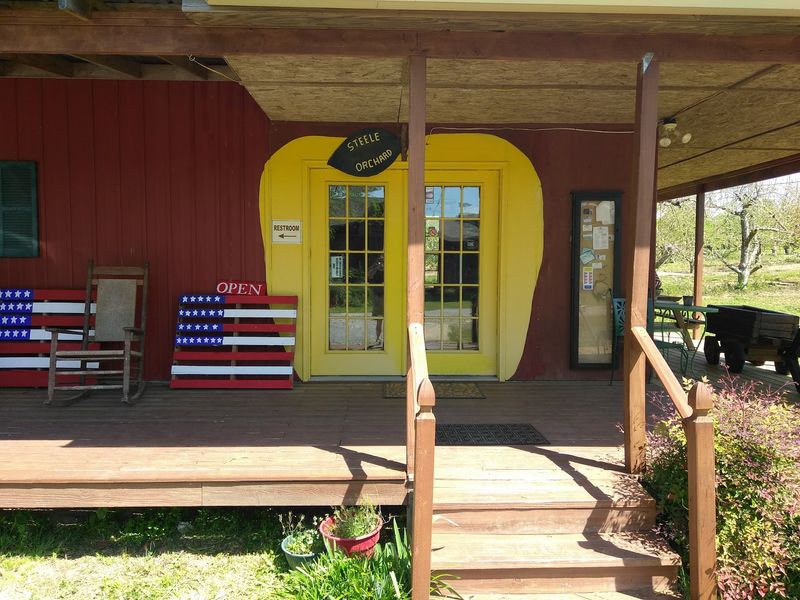
GPS earns its keep on this trip. The orchard sits off the beaten path on a county road outside Cullman.
Good news for travelers: it is only about ten minutes from the interstate. Close enough for a detour, far enough to feel remote.
The drive winds past farmland, pastures, and stands of trees. Rolling north Alabama scenery makes the last few miles pleasant rather than tedious.
Steele Orchard has no flashy signage announcing itself from a distance. Watch your turns and trust the directions.
Road names in the area repeat and shift, so pull up the route before losing signal. Downloading the map offline is wise.
Parking is informal, gravel, and generally uncrowded. Larger vehicles manage fine.
Arriving feels a bit like stumbling onto something other people have not figured out yet. That sensation is half the fun.
Build in buffer time either way. Nobody regrets an extra twenty minutes on a pretty country road.
What To Carry Home From The Store
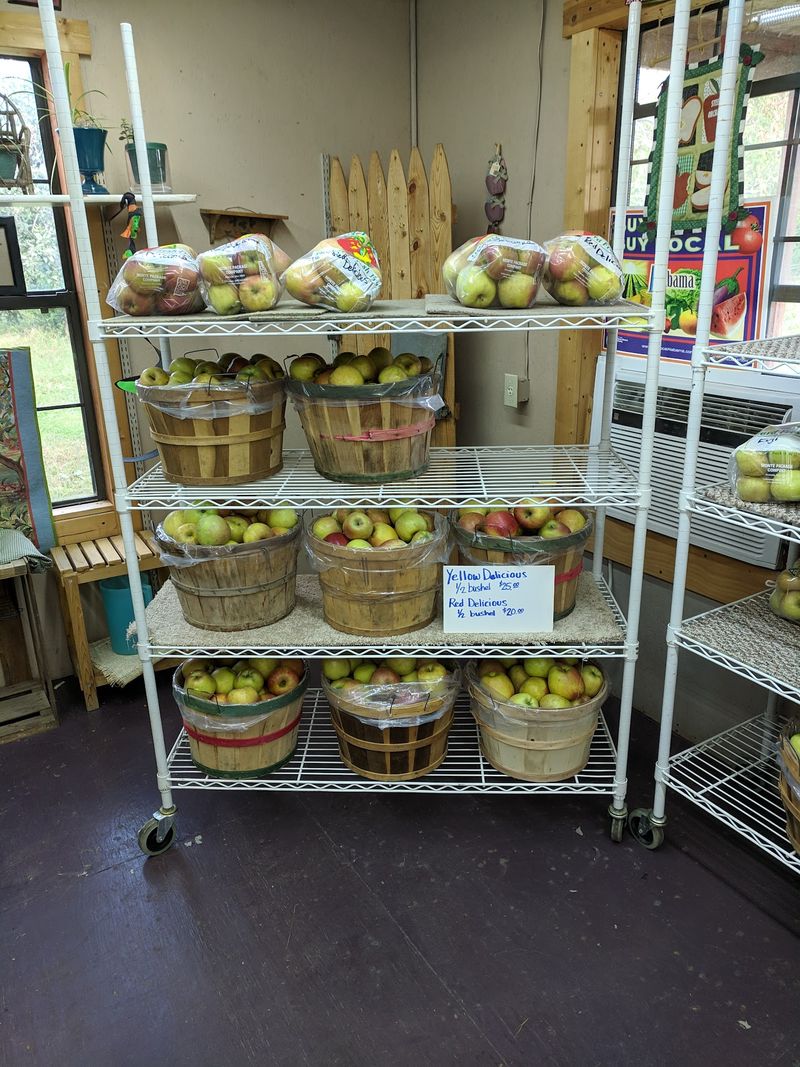
Shopping lists get longer once you are inside. Jugs of cider, fresh and frozen, top most carts.
Apple butter made from the farm’s own fruit is another steady favorite. It spreads onto biscuits like it was engineered for the job.
Fried pies travel well for a couple of hours, though eating one in the parking lot is traditional. Muffins and apple cakes hold up longer.
Steele Orchard also stocks local farm honey, which makes an easy gift. Caramel and candy apples handle the sweet-tooth crowd.
Discounted seconds are the hidden value play. Cosmetically imperfect apples cook down into sauce and butter beautifully.
Quarter pecks and half bushels give buyers flexibility depending on how ambitious the canning plans are. Ask staff which variety suits your recipe.
Inspect bulk purchases before loading up, especially in a rough growing year. Softer fruit still works fine for cooking.
Bring a cooler, a few sturdy bags, and room in the trunk. Leaving this Alabama farm with one small bag almost never happens.